
When your doctor says your cholesterol numbers are too high, the grocery store suddenly becomes a confusing maze of “heart-healthy” labels and conflicting claims. You’re standing there wondering which foods actually work and which ones are just marketing hype.
Here’s the truth: certain foods have real, proven power to lower your LDL cholesterol—the “bad” kind that clogs your arteries. You don’t need a complete diet overhaul or expensive supplements.
This guide shows you 10 foods that lower cholesterol backed by science, not trends. You’ll learn exactly how much to eat, why each food works, and simple ways to add them to meals you already make. Most people see results in 8-12 weeks when they stick with a cholesterol-lowering diet.
Your heart health starts with your next grocery trip. Let’s make it count.
Why Diet Matters for Cholesterol Management
Your body has two types of cholesterol. LDL is the “bad” kind that builds up in your arteries and causes blockages. HDL is the “good” kind that actually cleans out the bad stuff. You want low LDL and high HDL.
Here’s what most people don’t know: your liver makes about 75% of your cholesterol. The food you eat tells your liver how much to produce. Heart-healthy foods can lower your LDL by 10-15% in just 3-6 months.
The American Heart Association confirms dietary changes reduce LDL by 5-10%. And here’s why that matters—every 1% drop in LDL cuts your heart disease risk by 2%.
Even if you’re taking statins, learning how to lower cholesterol naturally through food helps the medication work better. These foods attack cholesterol through different paths. Some block absorption. Others help your body flush it out faster.
Your fork is more powerful than you think.
1. Oats and Oat Bran (Soluble Fiber Powerhouse)
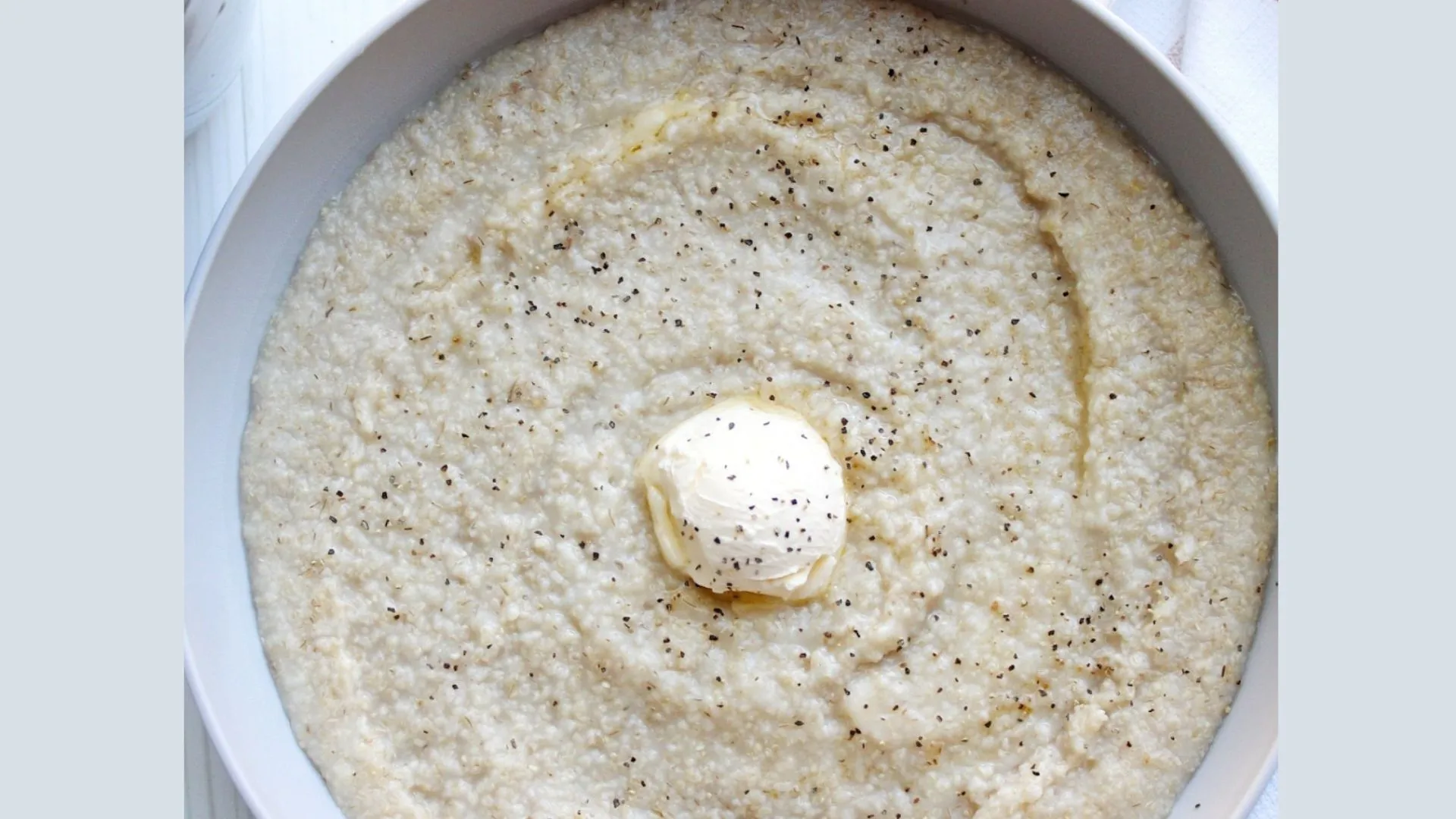
That bowl of oatmeal your grandmother pushed on you? She was backed by serious science. Oats contain beta-glucan, a type of soluble fiber that works like a sponge in your digestive system. It soaks up cholesterol before your body can absorb it.
The American Journal of Clinical Nutrition found that 3g of beta-glucan daily reduces LDL by 5-7%. Most studies show a 5-10% drop in just 6 weeks. That’s real results you can measure at your next doctor’s visit.
Here’s the catch: you need 3g of beta-glucan daily to see these benefits. One cup of cooked oatmeal gives you about 2g. So you’ll need about 1.5 cups of cooked oatmeal to hit your target.
Steel-cut oats and old-fashioned rolled oats work best. They have more fiber than instant packets, which are often loaded with sugar. Skip the flavored varieties.
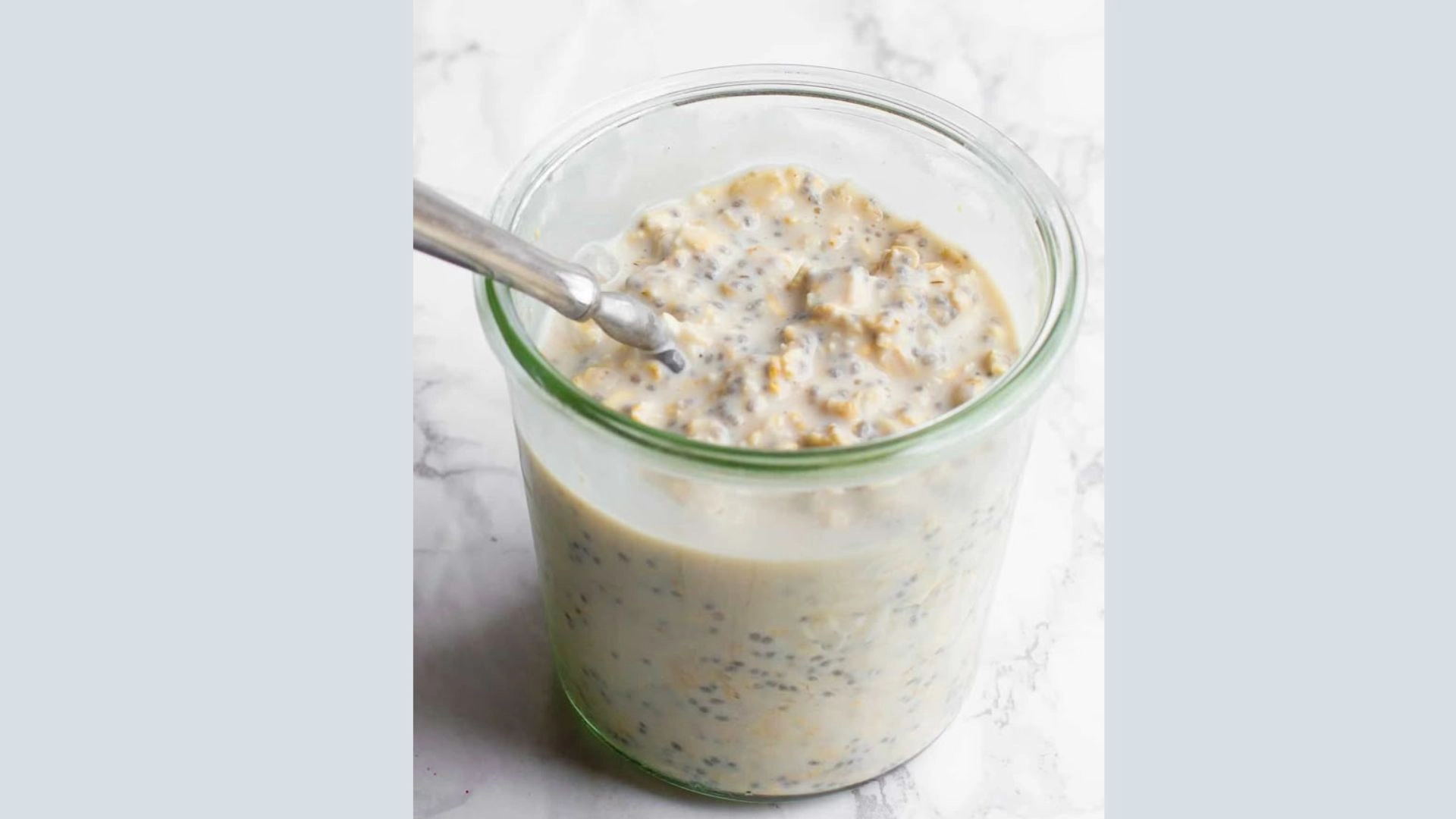
Simple ways to eat them: make overnight oats the night before by mixing oats with milk and leaving them in the fridge. Try savory oat bowls with an egg on top and vegetables. Add oat bran to smoothies or yogurt for an extra fiber boost.
Start with oatmeal three mornings this week. Your cholesterol will thank you by next month.
2. Fatty Fish (Omega-3 Rich Options)
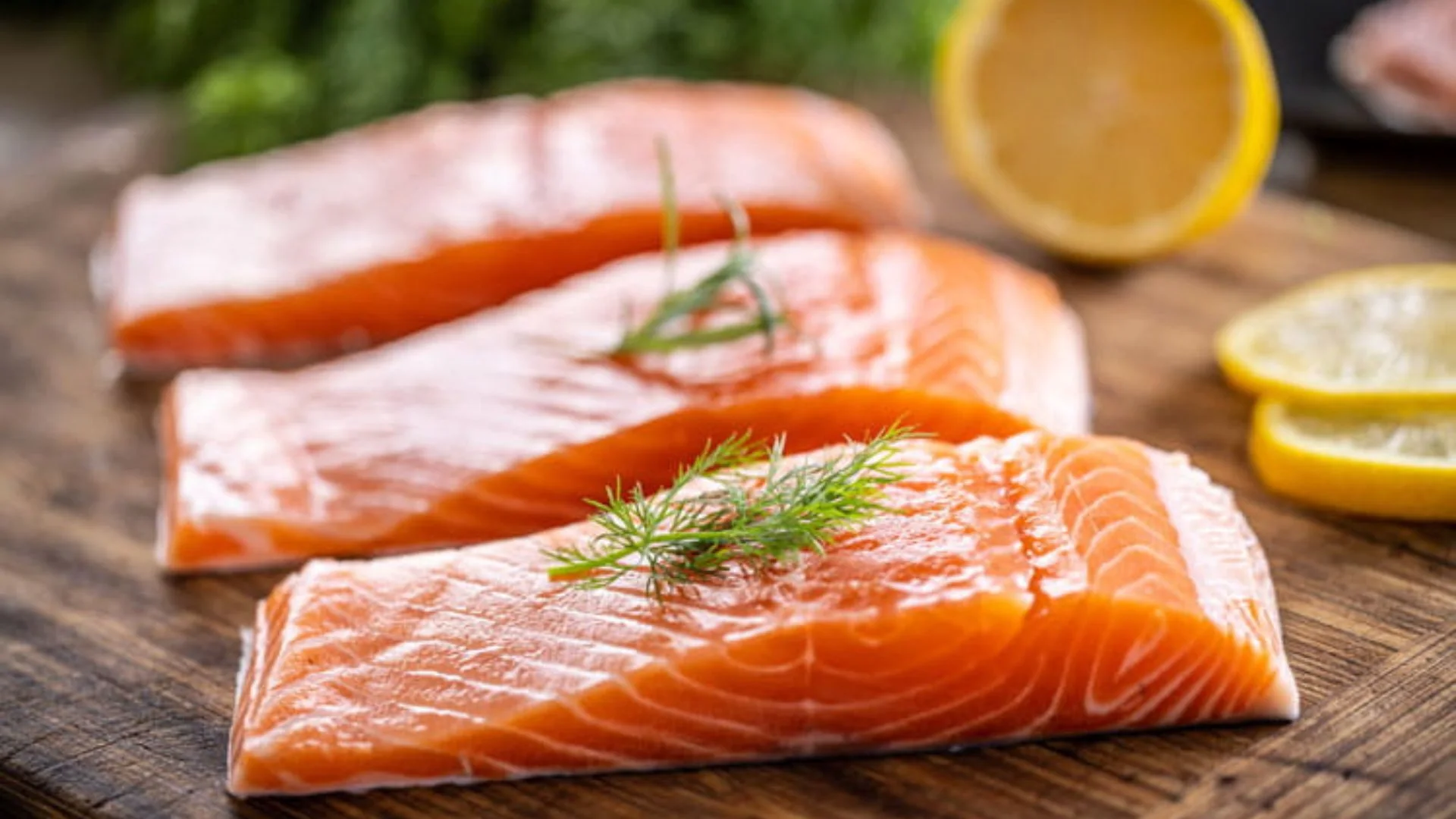
Fatty fish sounds unhealthy, but these are the fats your arteries actually need. Salmon, mackerel, sardines, and trout are packed with omega-3 fatty acids—specifically EPA and DHA. These omega-3s raise your good HDL cholesterol while lowering triglycerides, another type of blood fat that clogs arteries.
One serving of salmon gives you about 2.5g of omega-3s. The Mayo Clinic recommends eating fatty fish twice weekly for heart health. That’s two 3.5-ounce servings per week—about the size of a deck of cards.
Wild-caught fish usually has more omega-3s than farm-raised, but both work. Wild-caught costs more, so don’t let budget stop you. Canned sardines and mackerel are cheap options that deliver the same benefits.
Here’s the mercury concern: big fish like swordfish and king mackerel collect more mercury.

Stick with salmon, sardines, trout, and smaller fish. They’re safer to eat regularly.
Don’t like fish? Be honest with yourself. If you won’t actually eat it, these heart-healthy foods won’t help you. But if you’ll try, start simple—baked salmon with lemon or sardines on whole-grain crackers.
Pick two days this week for fish nights. Tuesday and Friday work for most people.
3. Nuts (Almonds, Walnuts, and More)
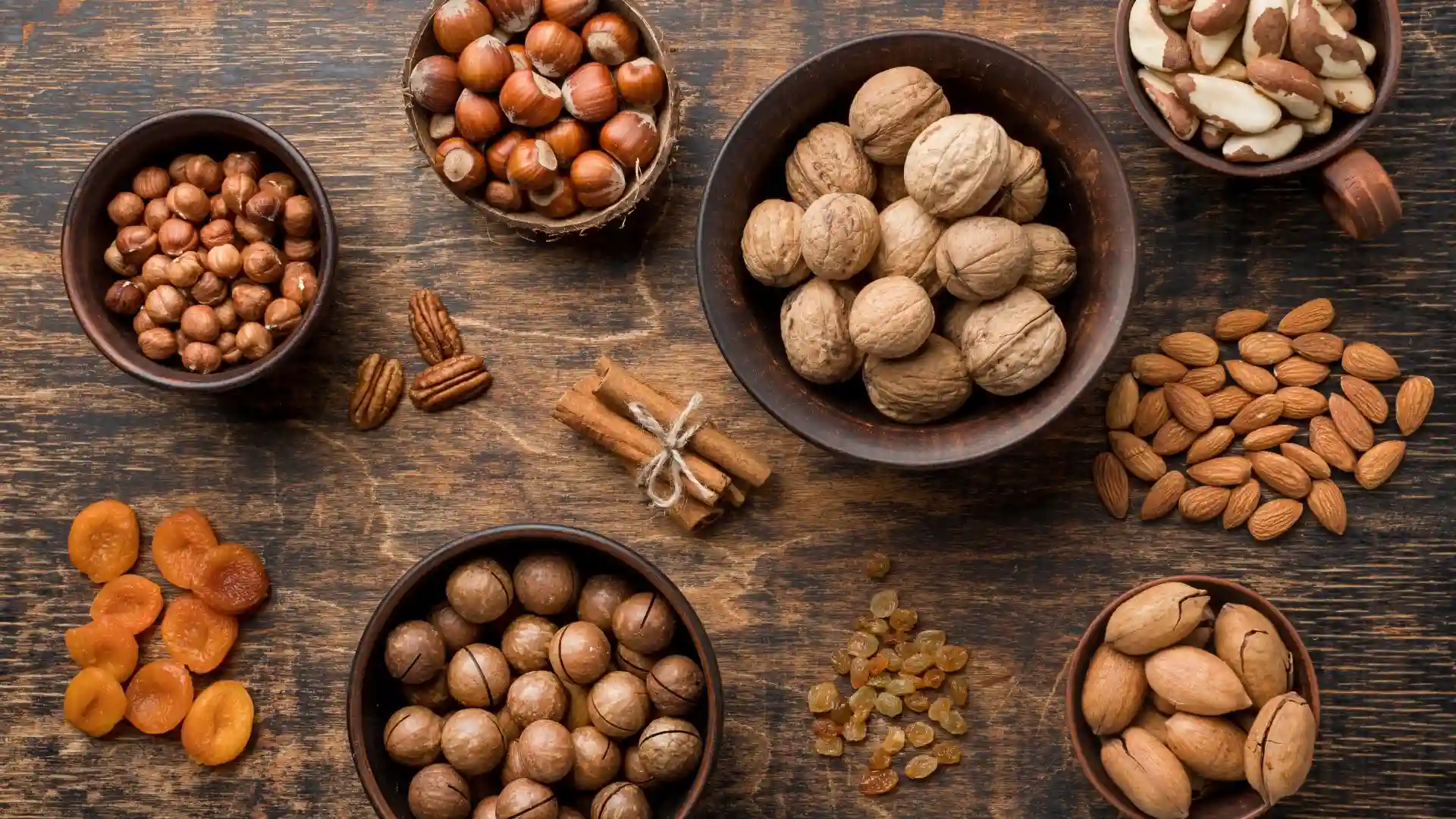
An ounce of nuts daily might sound like snacking, but it’s actually doctor-prescribed medicine. A Harvard study of 210,000+ people found that eating nuts 5+ times weekly reduced heart disease risk by 14%. Studies show daily nut consumption lowers LDL by about 5%.
Walnuts pack the most plant-based omega-3s (called ALA). Almonds contain plant sterols and monounsaturated fats that block cholesterol absorption in your gut. Both work, so pick what you like.
Here’s where people mess up: portion size matters. You need about 1.5 ounces daily—that’s a small handful or about 23 almonds. One ounce of almonds has 164 calories, so don’t mindlessly eat from a big bag.
Raw and roasted nuts both work for your cholesterol-lowering diet. Roasting doesn’t destroy the good fats. But skip the honey-roasted and heavily salted versions. Too much salt raises blood pressure, which your heart doesn’t need.
Unsalted is best. Lightly salted is fine if it helps you actually eat them. The best nut is the one you’ll eat consistently.
Keep a small container in your desk drawer or car. When you need an afternoon snack, grab nuts instead of chips. Your cholesterol numbers will shift in the right direction.
4. Beans and Legumes (Budget-Friendly Fiber)
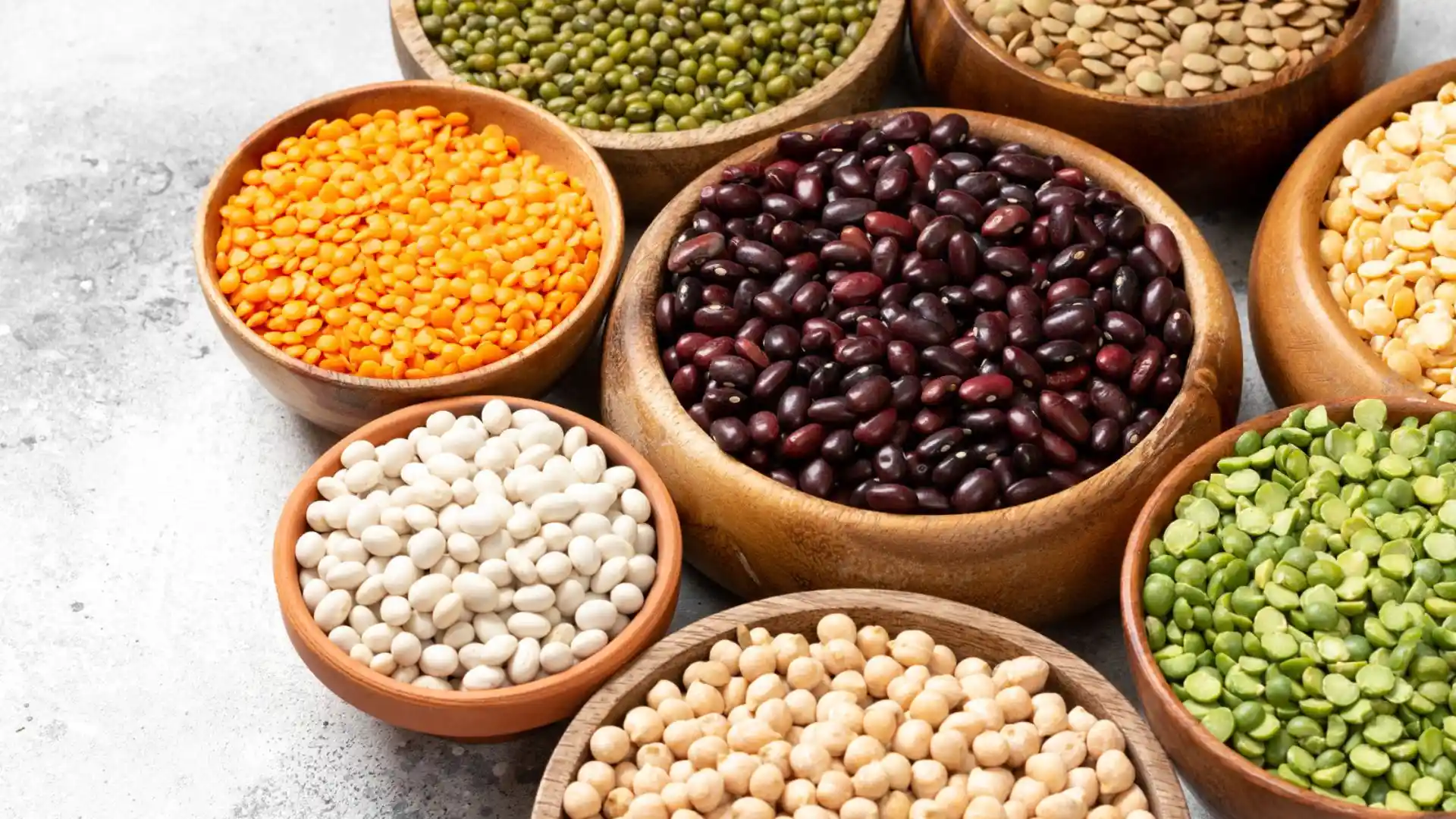
Beans get mocked as boring, but your cholesterol doesn’t care about their reputation. A Canadian study found that eating 1 serving of legumes daily lowers LDL by 5% in just 6 weeks. Black beans, lentils, chickpeas, and kidney beans all work.
Here’s why beans are powerful foods that lower cholesterol: they pack both soluble fiber and plant protein. The fiber binds to cholesterol in your gut. The protein replaces saturated fat when you use beans instead of meat in meals.
You need about 1/2 cup daily or 3-4 cups spread throughout the week. That’s easier than it sounds—add black beans to tacos, toss chickpeas in salads, or make lentil soup.
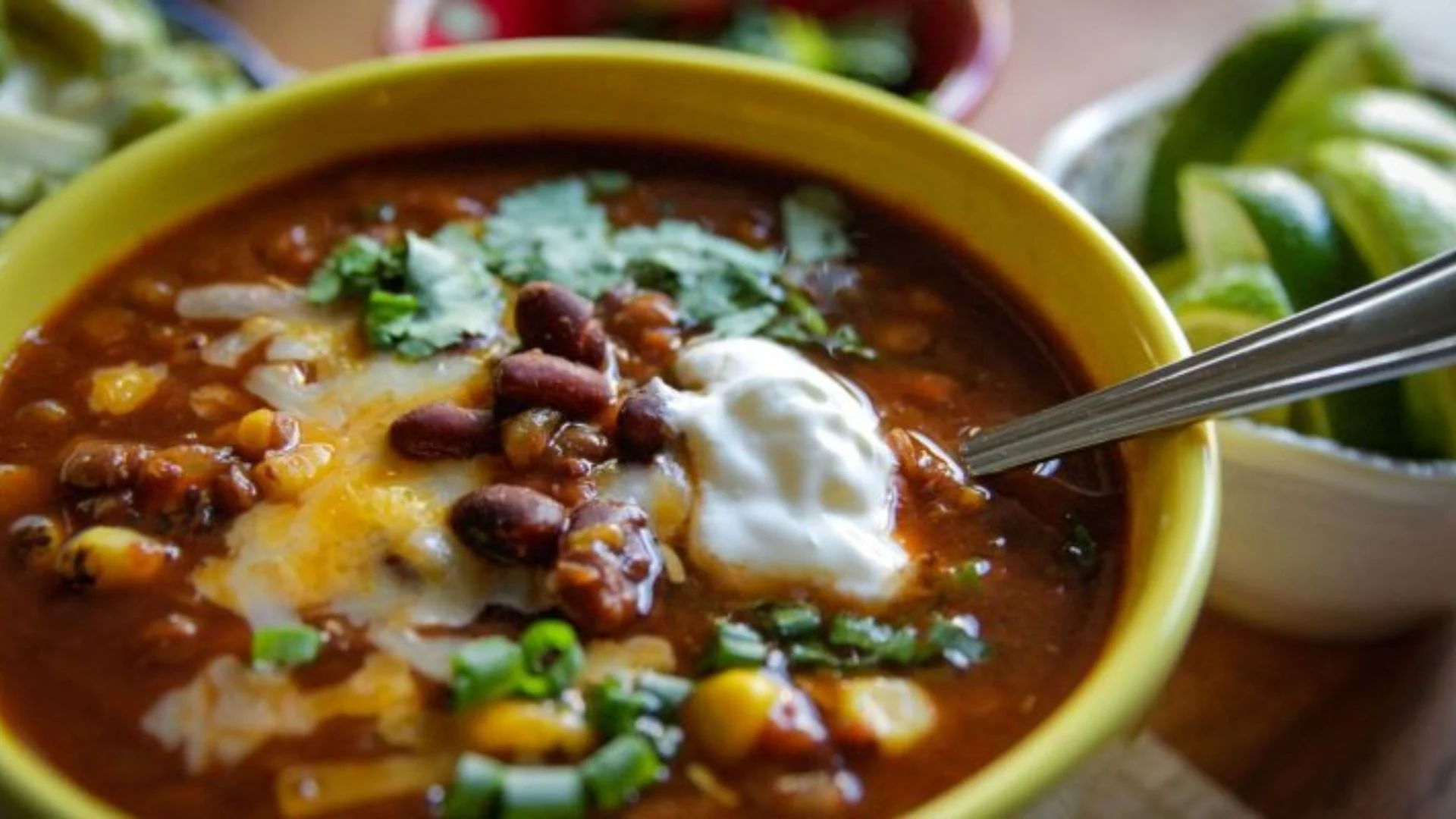
Canned and dried beans both work. Canned saves time, but rinse them first to cut sodium by 40%. Dried beans are cheaper—about 1/4 the price of animal protein per serving.
Worried about gas? Start with smaller portions and increase slowly. Your digestive system adapts in about two weeks. Rinsing canned beans helps too.
Swap half the ground beef in your next taco night for black beans. You’ll save money and lower your cholesterol at the same time. That’s what smart eating looks like.
5. Avocados (Monounsaturated Fat Source)
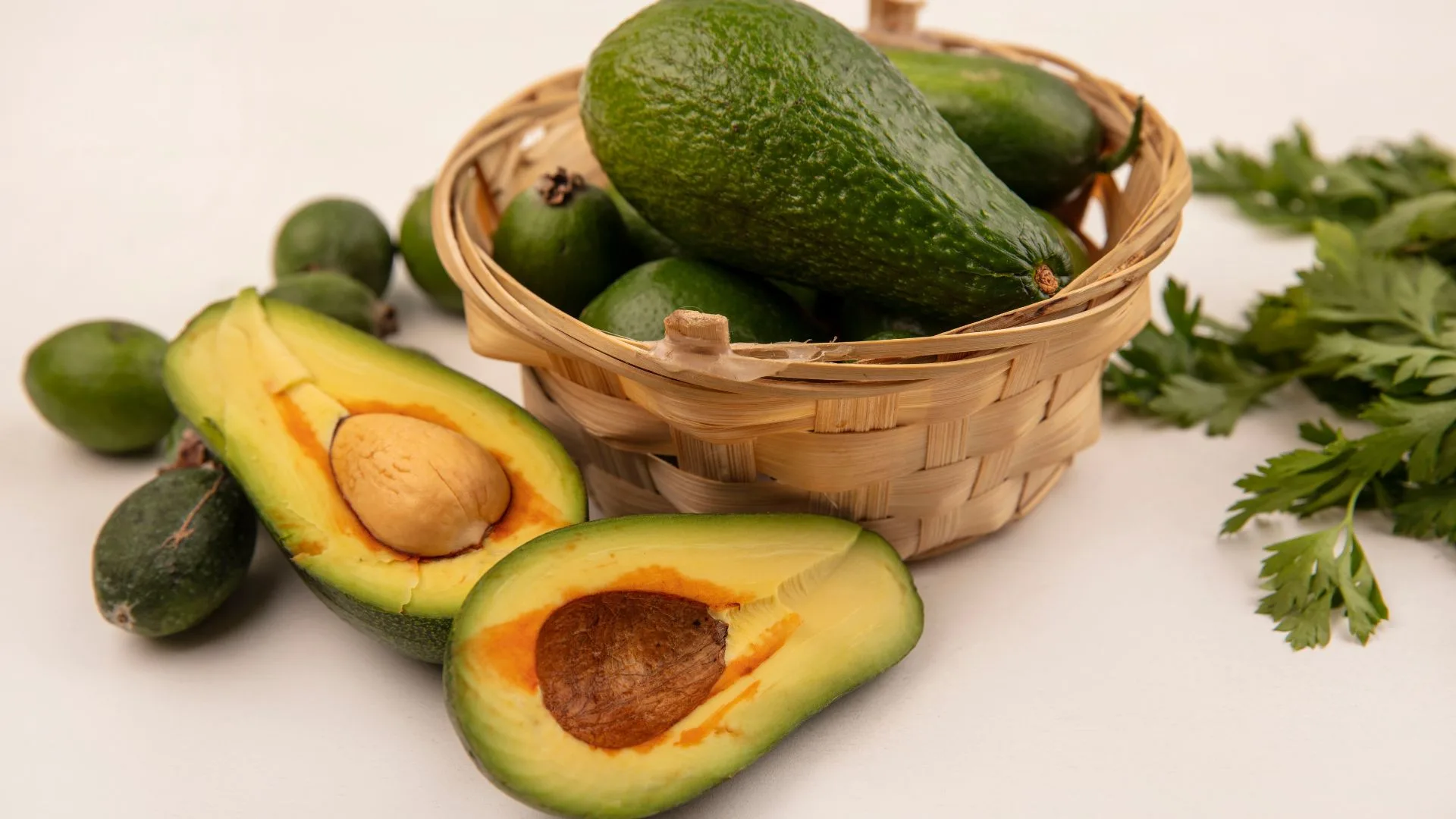
Yes, avocados are high in fat. That’s exactly why they work. A Penn State study found that one avocado daily reduced LDL by 13.5 mg/dL. That’s one of the biggest drops from any single food.
Avocados contain monounsaturated fats—the same heart-healthy fats in olive oil. When you eat these instead of saturated fats from butter or meat, your cholesterol drops. They also have beta-sitosterol, a plant compound that blocks cholesterol absorption in your gut.
Most people should aim for 1/2 to 1 avocado daily when learning how to lower cholesterol naturally. One whole avocado has about 240 calories, so watch your portions if you’re managing weight too.
Don’t limit yourself to avocado toast. Add half an avocado to smoothies for creaminess. Slice it on salads. Use mashed avocado instead of mayo on sandwiches.
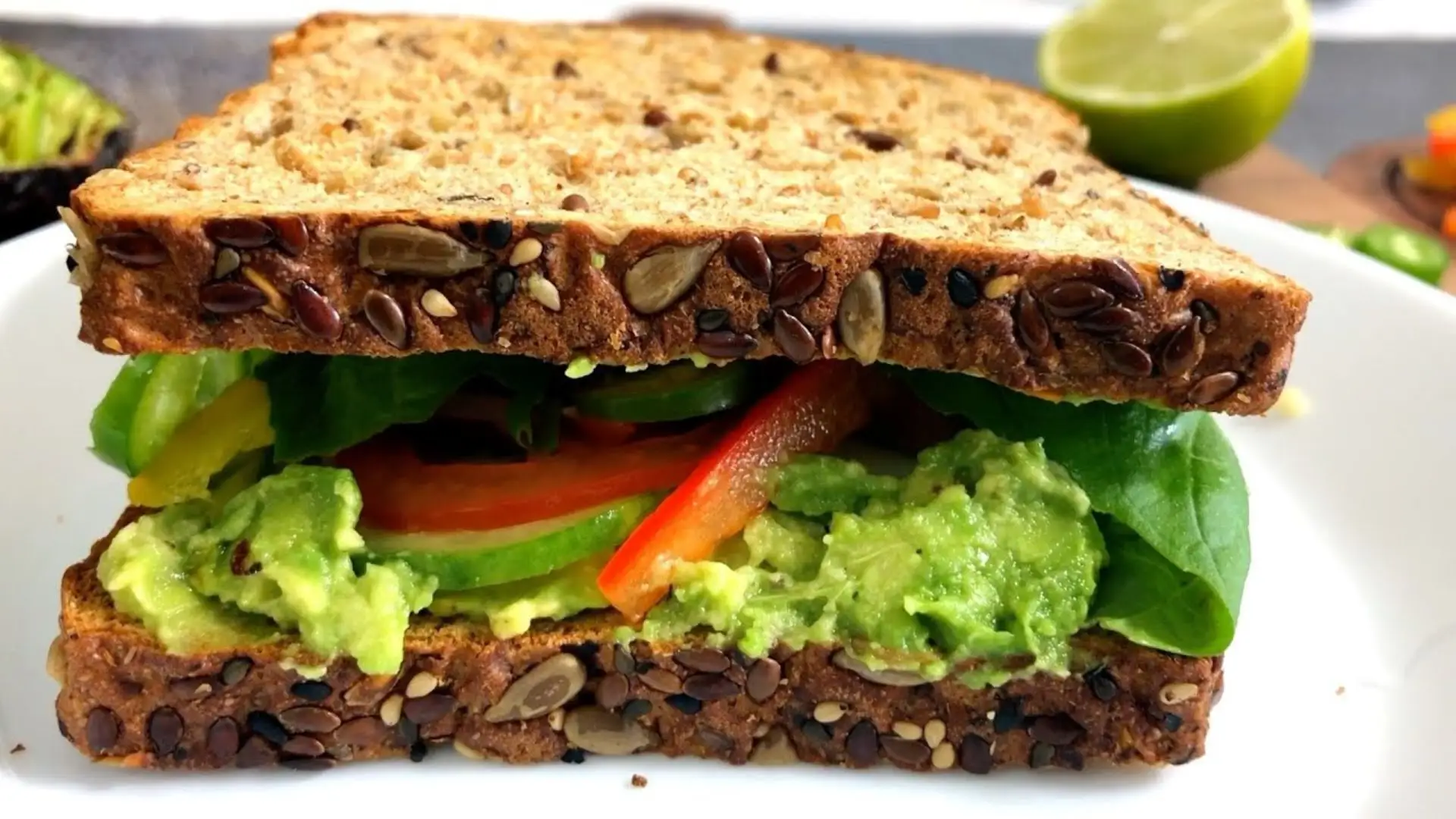
You can even replace eggs in baking recipes with avocado.
Buy three avocados at different ripeness stages. Keep them on your counter so you always have one ready to eat. A ripe avocado gives slightly when you press it but isn’t mushy.
6. Olive Oil (Mediterranean Diet Staple)
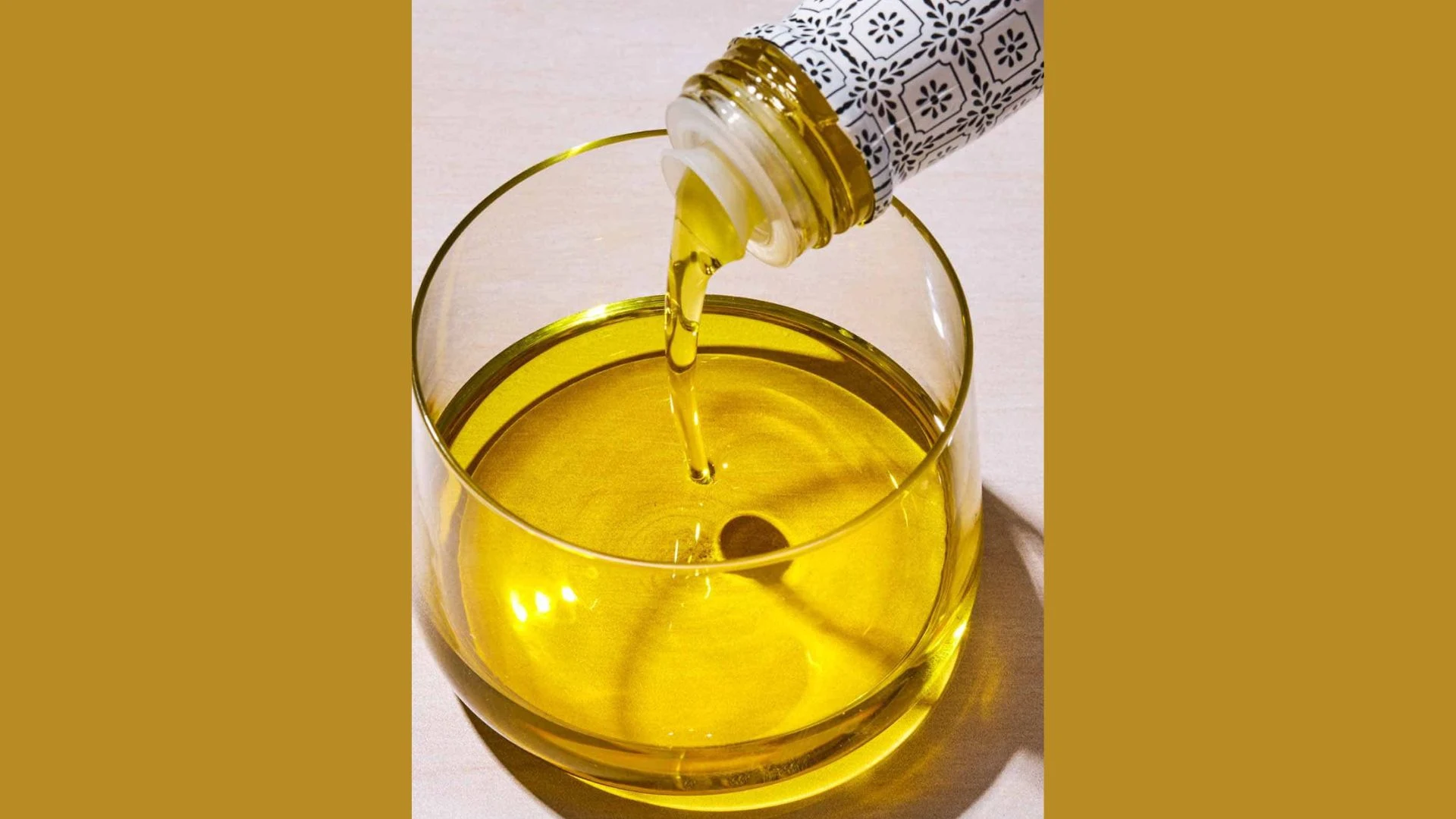
The cheapest olive oil on the shelf might not be olive oil at all. Buy extra virgin olive oil specifically—it has more polyphenols that protect your heart. The famous PREDIMED study found that a Mediterranean diet with olive oil reduced cardiovascular events by 30%.
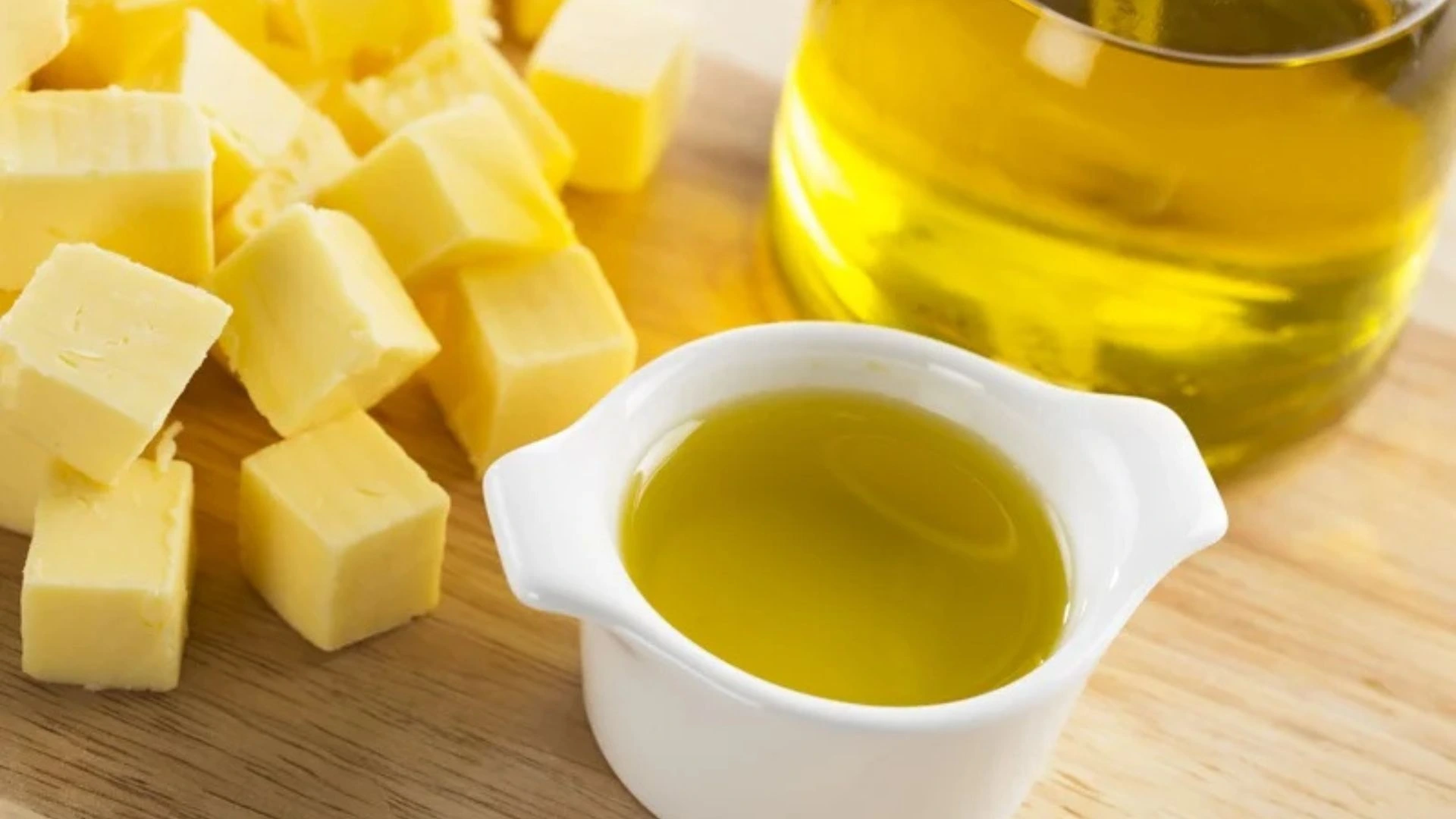
Replace butter, margarine, and vegetable oil with olive oil. Swap 2 tablespoons of butter for olive oil and you cut 14 grams of saturated fat. Use about 2 tablespoons of olive oil daily for the best results.
Quality matters here. Look for bottles with a harvest date (not just a “best by” date). Buy oil in dark glass bottles—light destroys the good compounds. If the bottle is clear plastic, skip it.
Extra virgin olive oil works great for salad dressings and drizzling on cooked food. For high-heat cooking, it’s fine despite myths you’ve heard. It smokes around 375°F, which handles most home cooking.
Pour olive oil into a spray bottle for easy use.

You’ll coat pans with less oil and save money. These heart-healthy foods work best when you actually use them every day.
7. Soy Foods (Tofu, Edamame, Soy Milk)
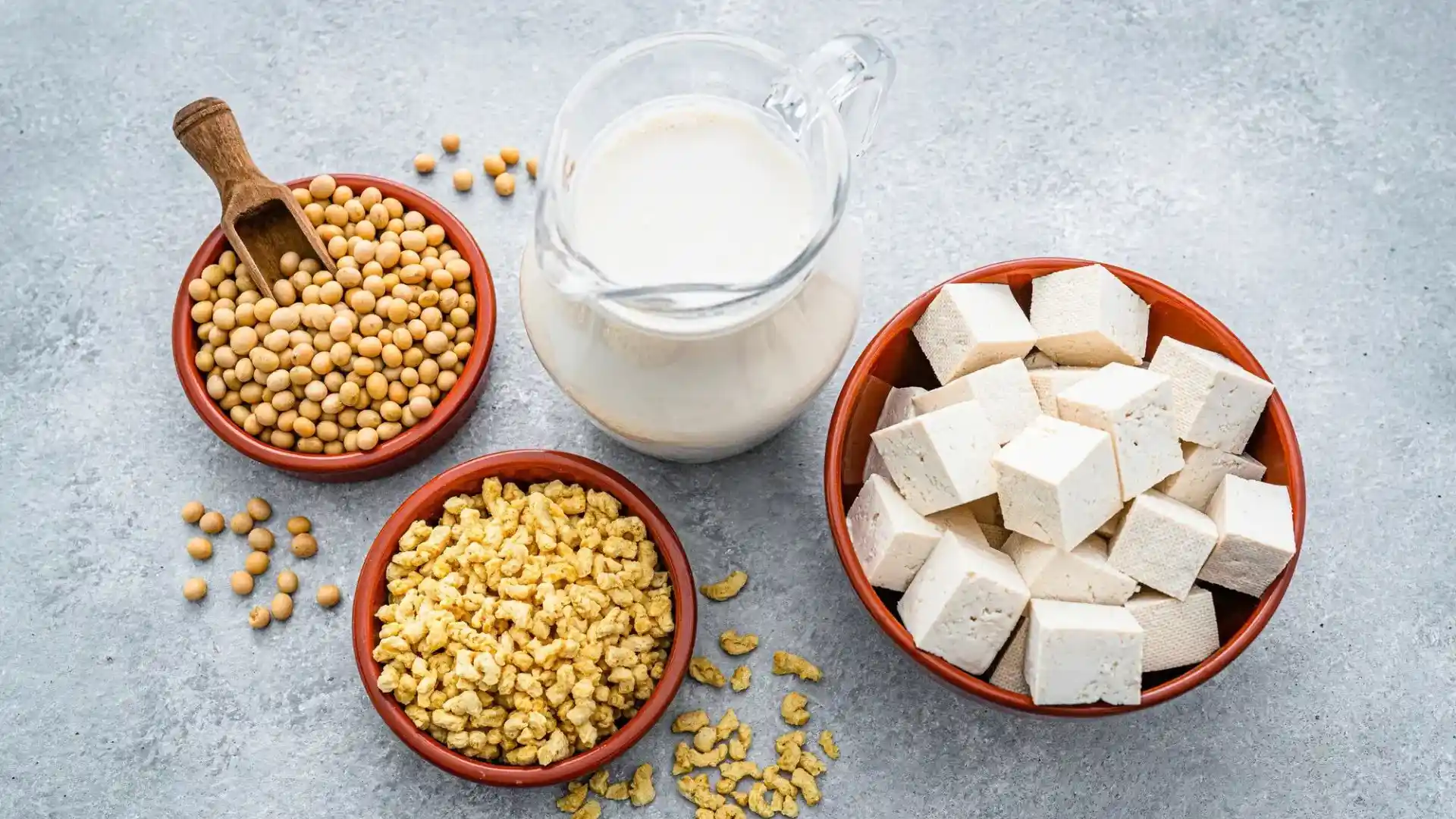
Soy got caught in nutrition controversy, but the science is settled. The FDA approved a heart health claim: 25g of soy protein daily may reduce heart disease risk. Studies show soy lowers LDL by about 3-5%—modest, but it adds up.
Stick with whole soy foods like tofu, edamame, and soy milk. Skip isolated isoflavone supplements. The protein matters as much as the plant compounds. When you eat plant protein instead of animal protein, you’re cutting saturated fat from your cholesterol-lowering diet.
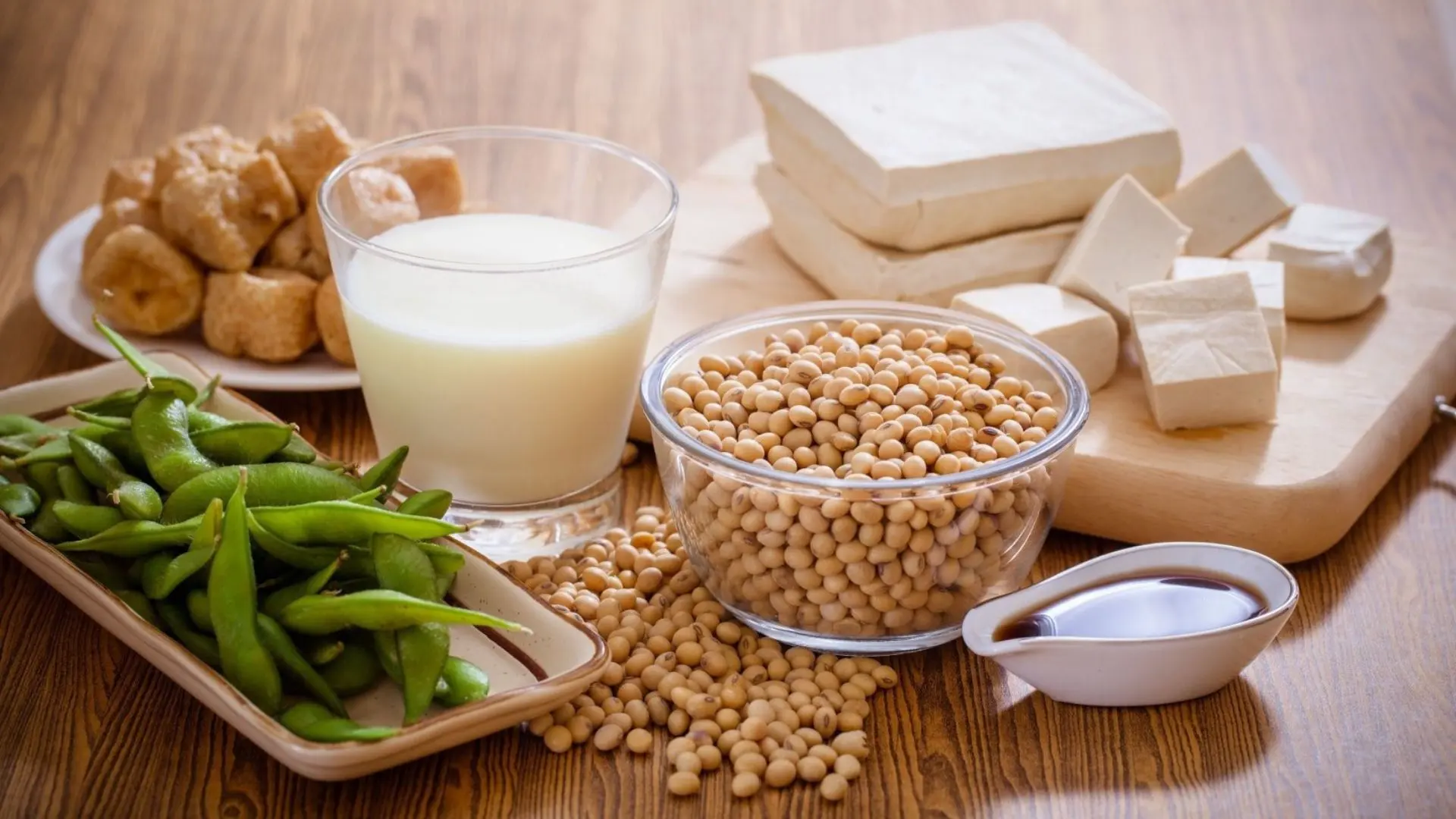
You need about 25g of soy protein daily—that’s 3-4 servings. One cup of soy milk has 7g protein. A 3.5-ounce serving of tofu has 9g. Edamame gives you 11g per half cup.
What about the hormone concerns? Decades of research shows whole soy foods are safe for men and women. The plant estrogens in soy are much weaker than human hormones and don’t cause problems.
Try edamame as an appetizer next time you order takeout. Add soy milk to your morning coffee. Toss cubed tofu in stir-fries. Simple swaps that give you quality plant protein.
8. Apples and Berries (Pectin and Polyphenols)
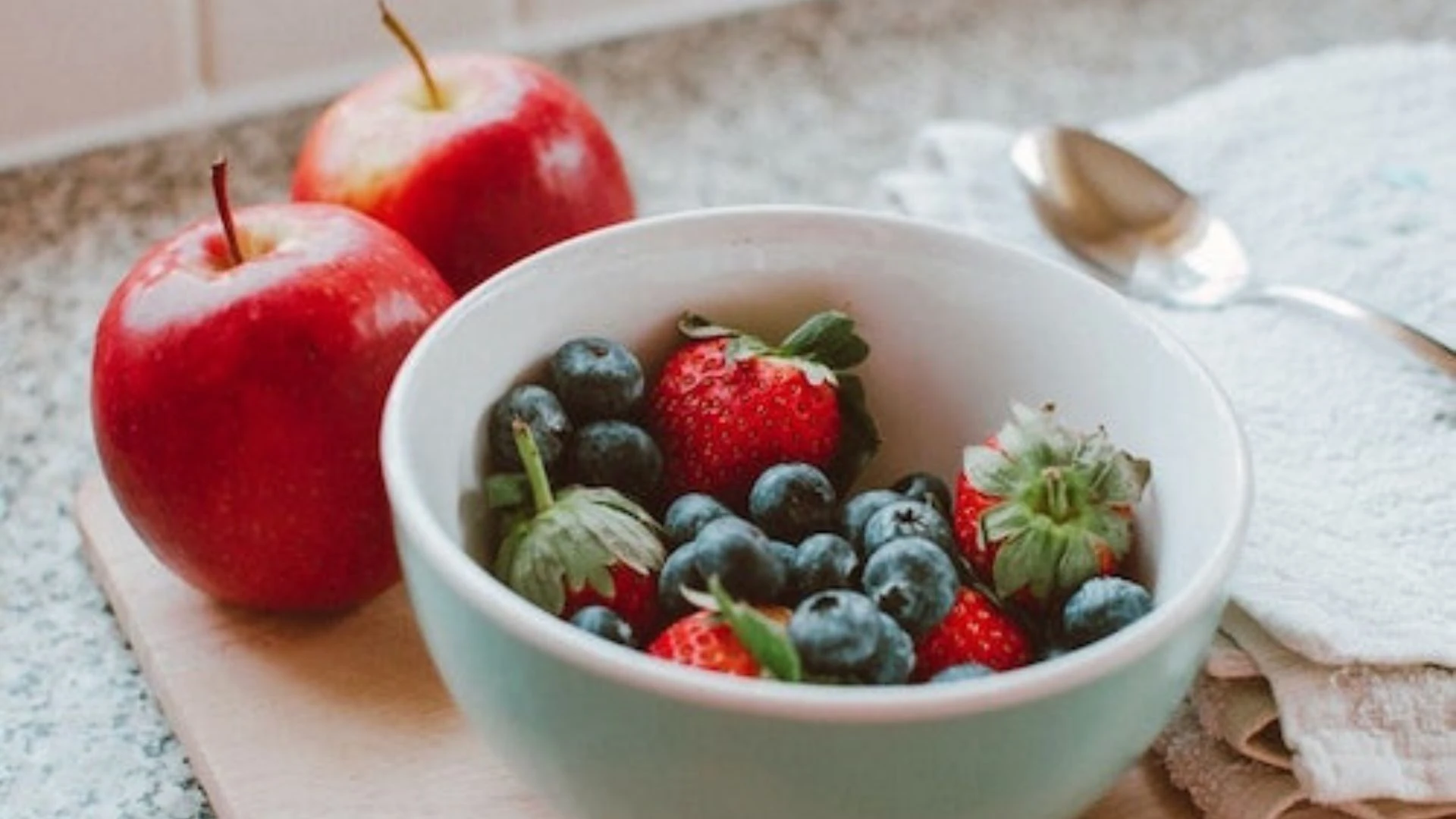
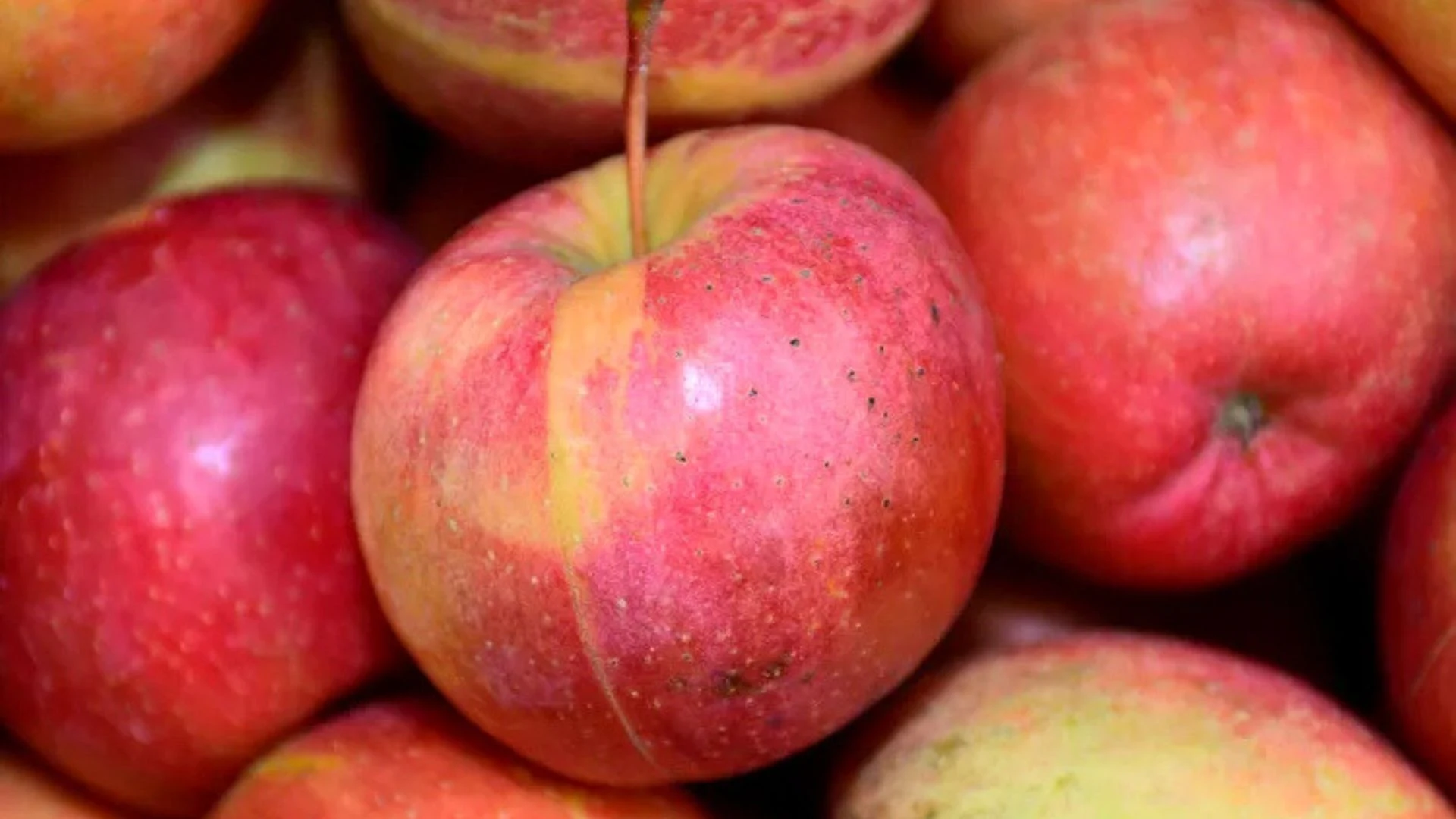
“An apple a day” isn’t just folklore—it’s a clinical observation. A study found that eating 2 apples daily lowered LDL by 4% in just 8 weeks. Apples contain pectin, a type of soluble fiber that traps cholesterol in your digestive system.
Berries work differently. Blueberries, strawberries, and raspberries pack antioxidants that protect your arteries from damage. Both are proven foods that lower cholesterol through different paths.
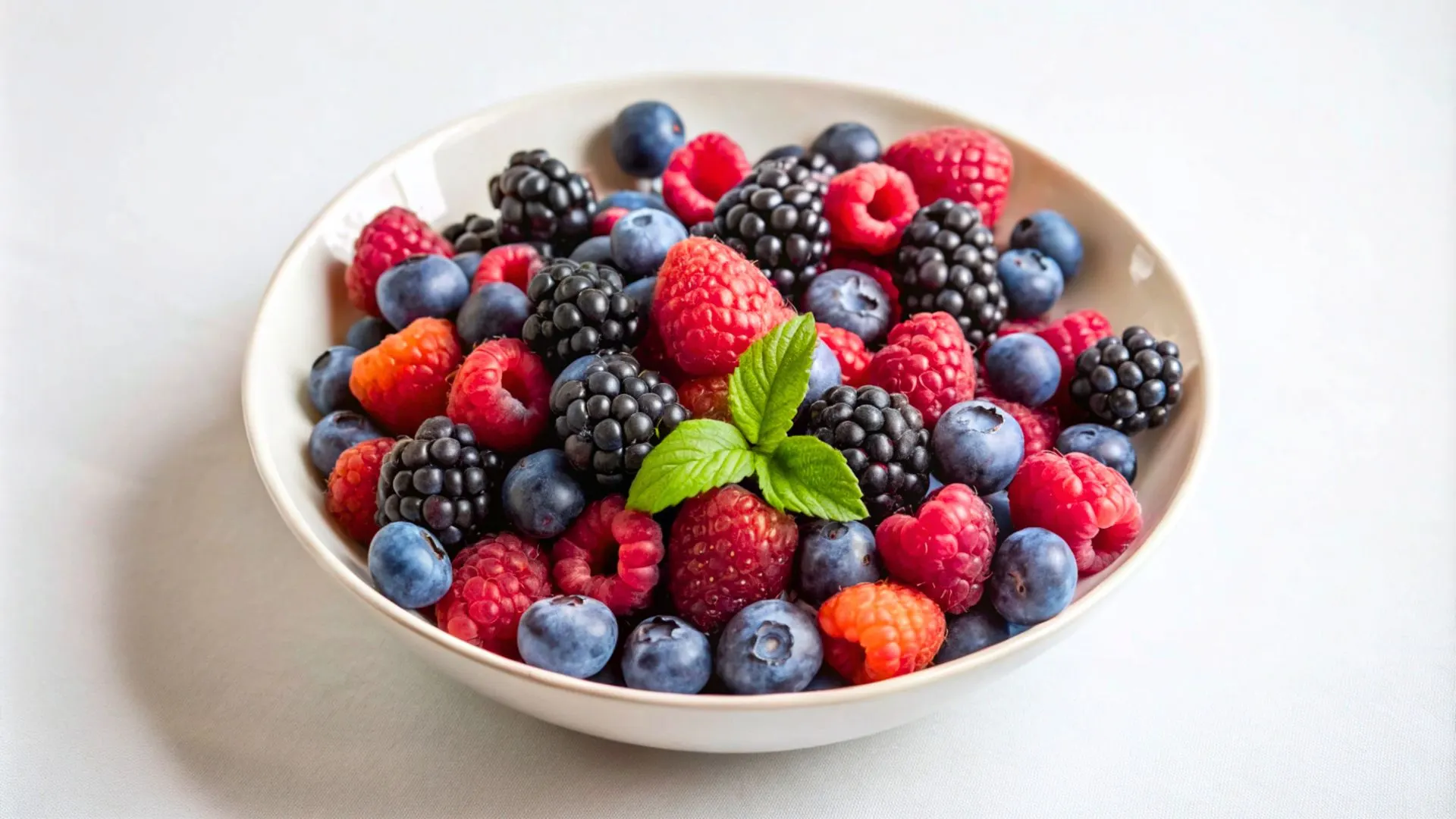
Eat one apple daily or one cup of berries daily. One medium apple with skin gives you 4.4g of fiber—that’s significant. The skin contains most of the fiber and antioxidants, so don’t peel it.
Fresh and frozen berries both work. Frozen are often cheaper and last longer in your freezer. No excuses about berries going bad before you eat them.
Wash apples well if you’re eating the skin. Buy organic if you can afford it—apples are heavily sprayed with pesticides.
Add frozen berries straight to your morning oatmeal or smoothies. Keep a bag of apples on your counter where you’ll see them. Visible fruit gets eaten.
9. Dark Leafy Greens (Lutein and Fiber)
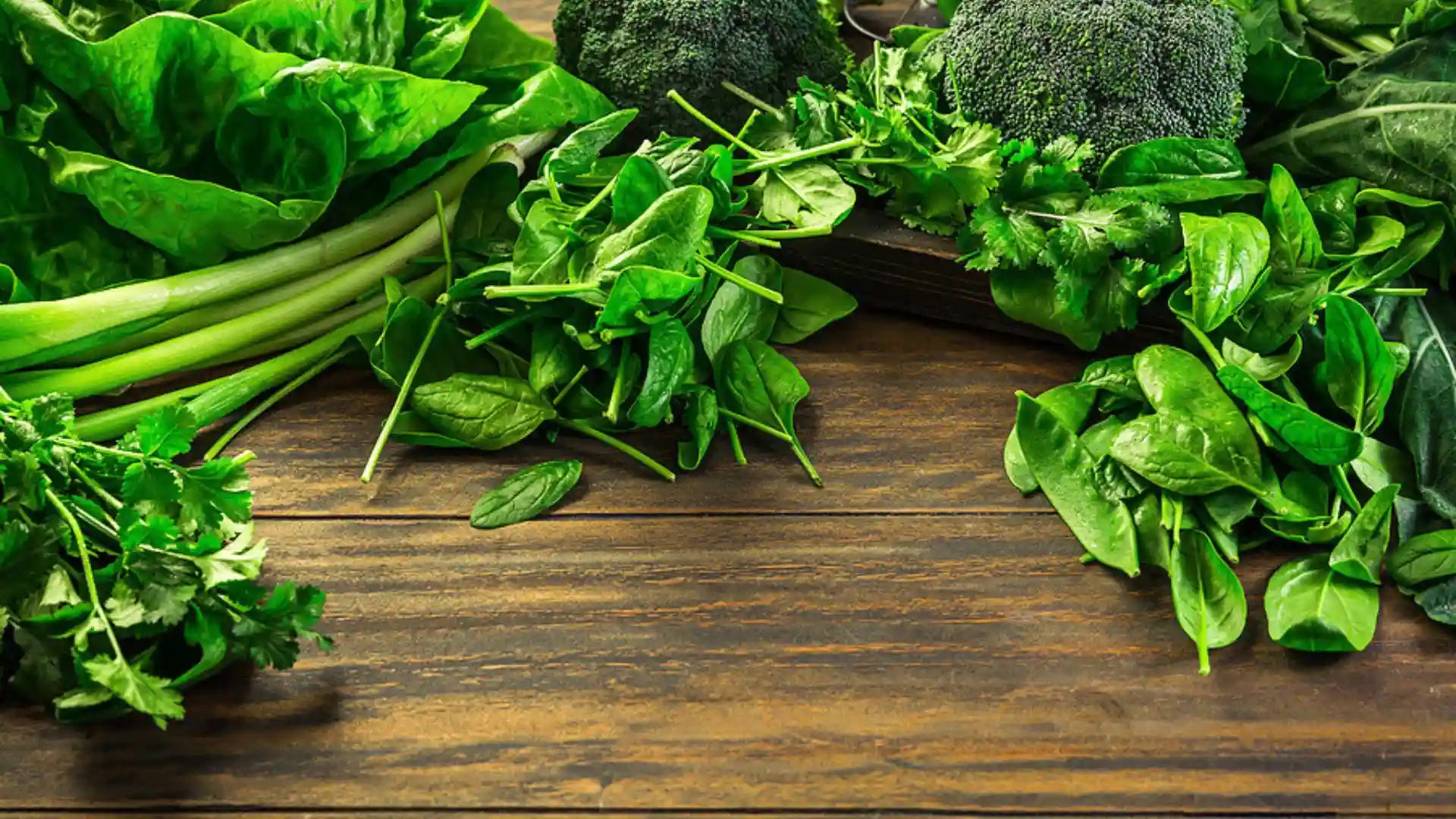
Dark leafy greens have a PR problem, but your arteries are fans. Tufts University research found that eating 1/2 cup of lutein-rich foods daily helps prevent cholesterol buildup in your arteries. Kale, spinach, collards, and Swiss chard all work.
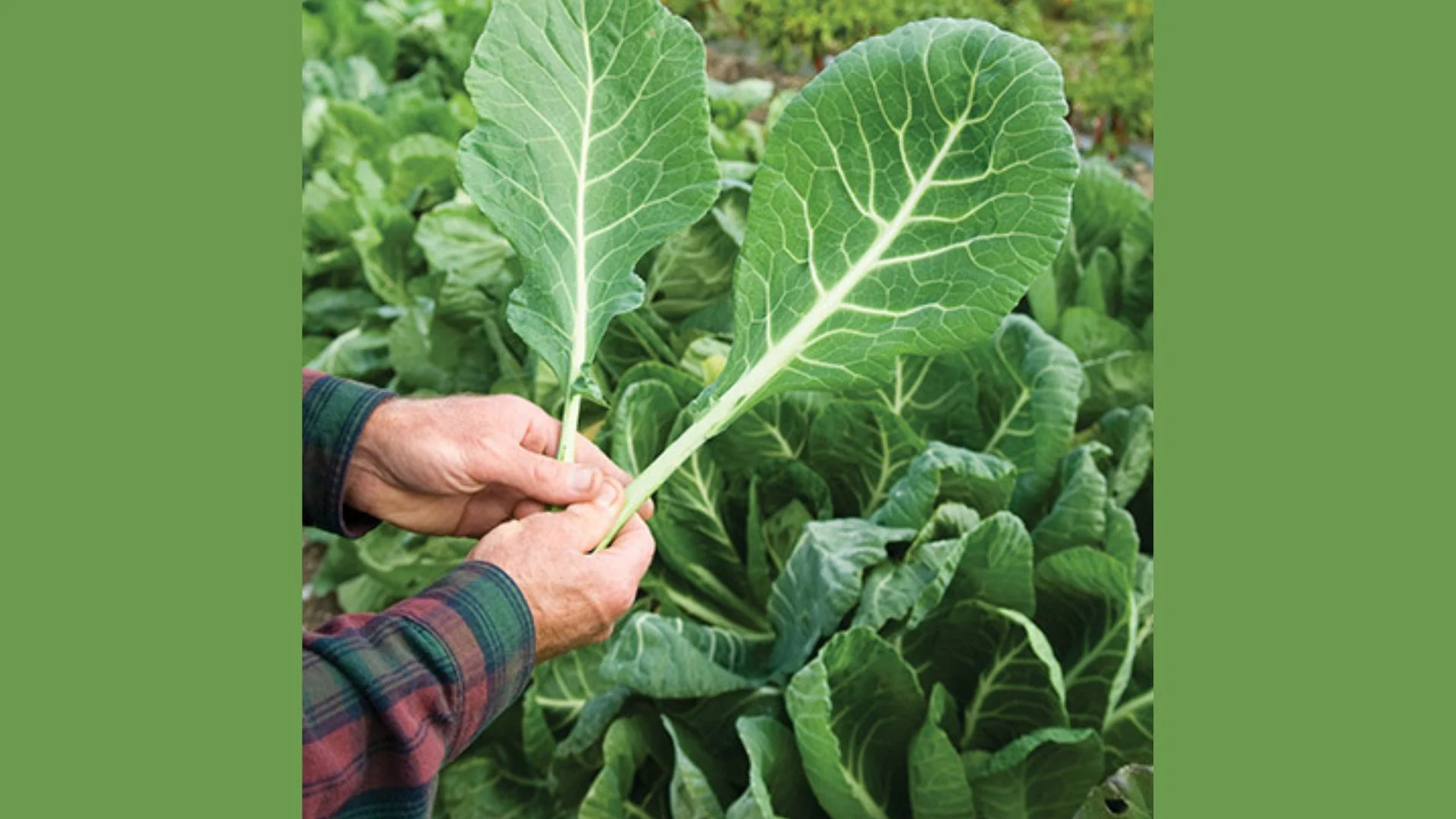
These greens attack cholesterol two ways. Lutein helps your body flush out cholesterol. The fiber binds to cholesterol in your gut before it absorbs. One cup of cooked kale has only 36 calories but packs 5g of fiber. That’s serious nutrition for almost no calories.
Aim for 1-2 cups cooked or 2-3 cups raw daily. That sounds like a lot if you hate greens, but there are tricks.
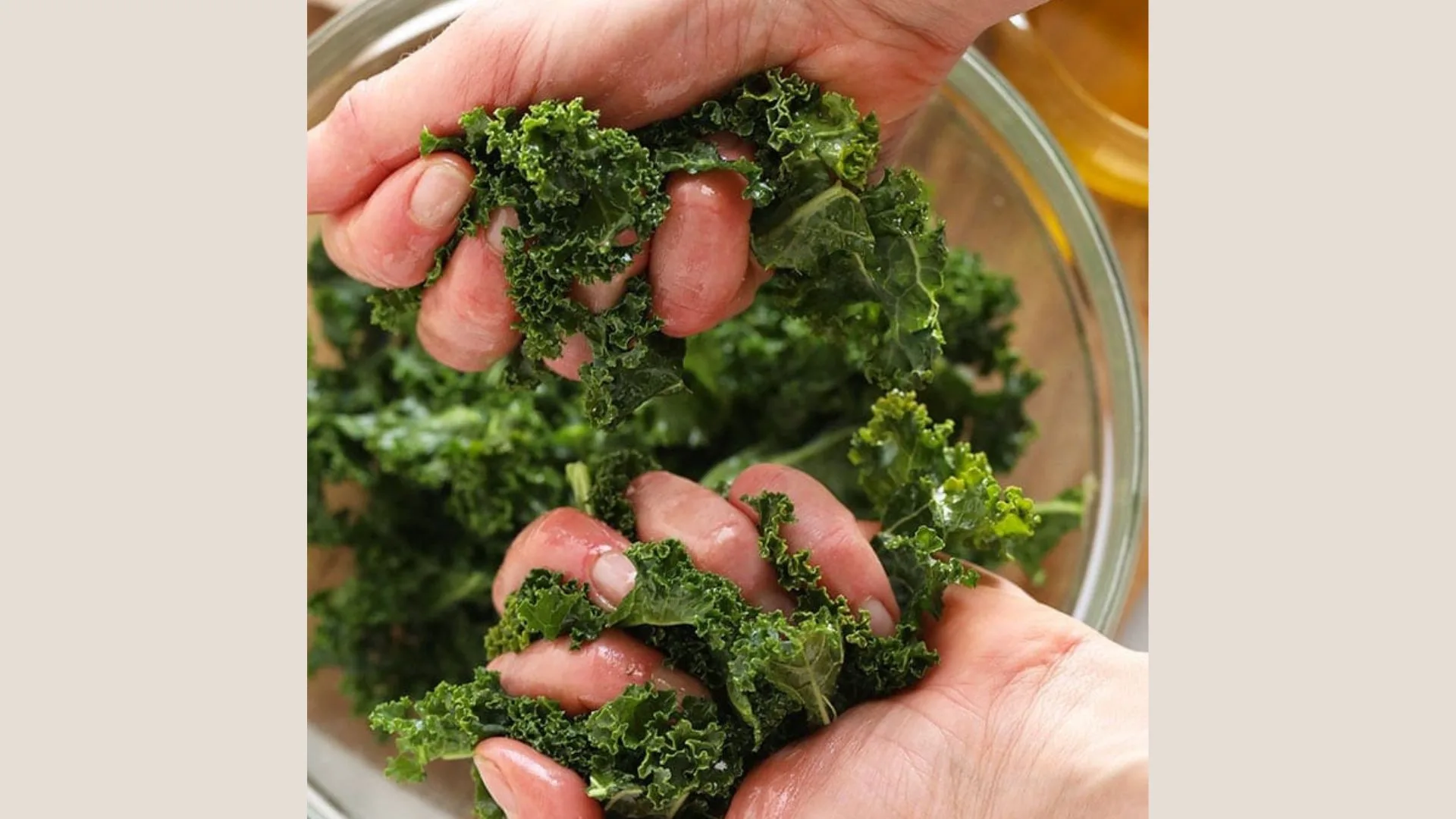
Sauté spinach with garlic—it wilts down to almost nothing and tastes better. Massage raw kale with lemon juice to soften it.
Blend spinach into fruit smoothies—you won’t taste it. Add greens to soups in the last few minutes of cooking.
Buy pre-washed bags if washing vegetables stops you from eating them. These heart-healthy foods only work if you actually eat them. Convenience counts.
10. Barley and Whole Grains
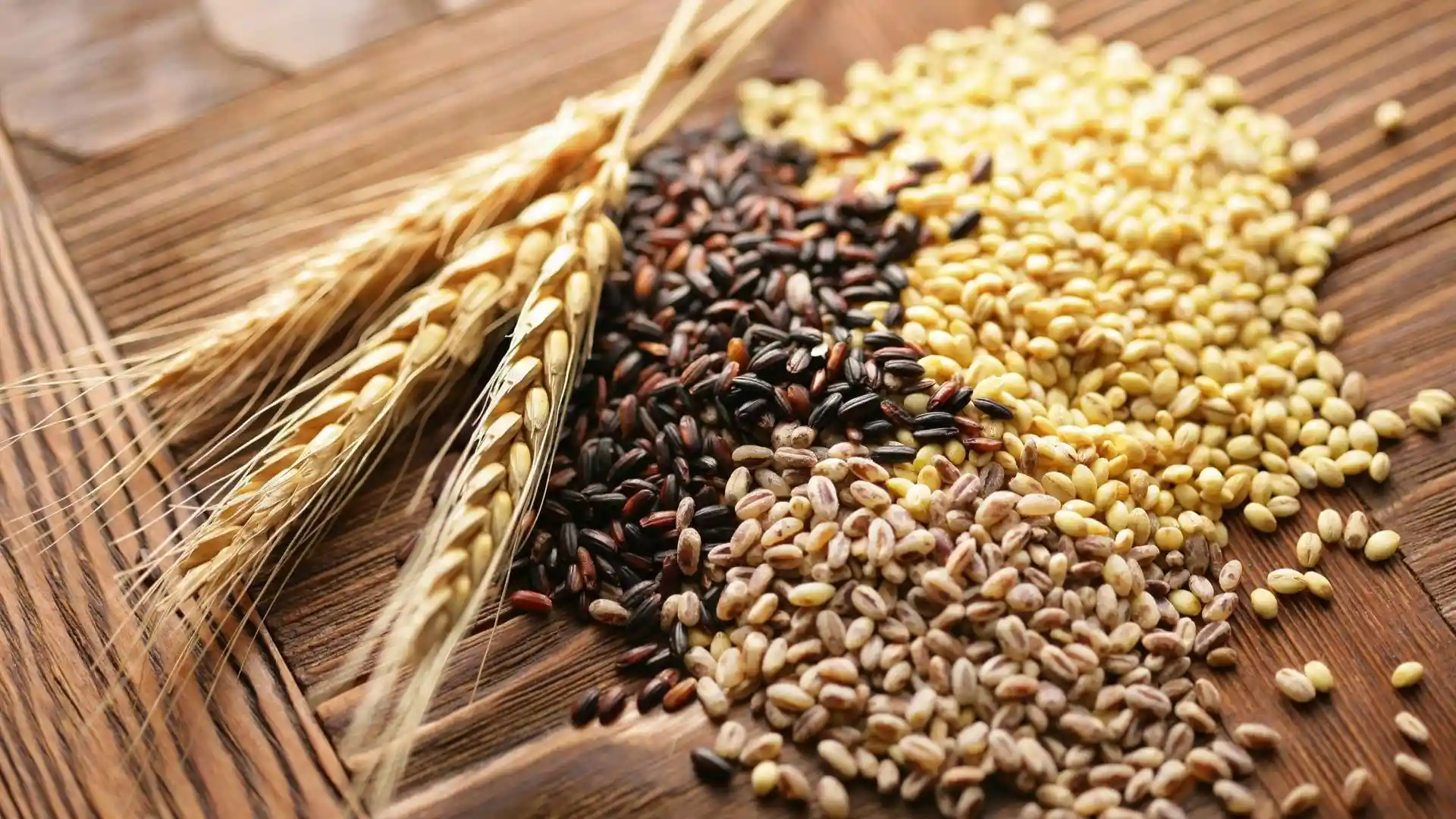
Barley contains even more cholesterol-fighting fiber than oats. Studies show that eating 3g of barley beta-glucan daily reduced LDL by 7%. Most people have never cooked barley, but it’s as easy as rice.
Brown rice, quinoa, and whole wheat also work. The key is replacing refined grains like white bread and white rice. Whole grains keep the fiber-rich outer layer that white grains strip away. That fiber is what lowers your cholesterol.
You need 3 servings of whole grains daily.
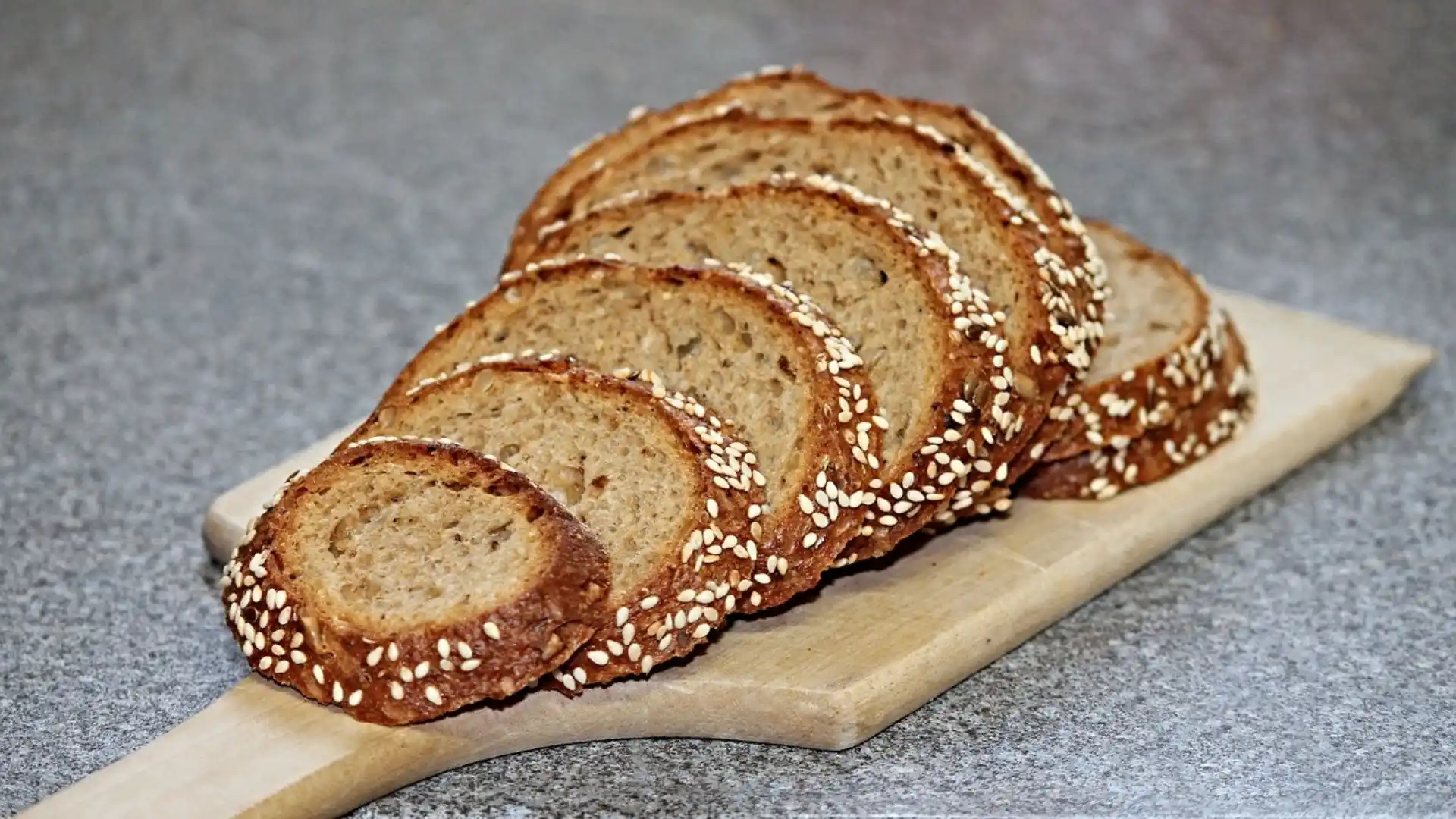
One serving equals 1/2 cup cooked grains or one slice of whole-grain bread. That’s realistic for most people.
Simple swaps make this easy. Replace white rice with barley or quinoa in any recipe you already make. Use whole-wheat pasta instead of regular. Choose whole-grain bread that lists “whole wheat” or “whole grain” as the first ingredient.
Cook a big batch of barley on Sunday night. Store it in the fridge and use it all week like you’d use rice—in bowls, as a side dish, or mixed into soups. Your cholesterol-lowering diet doesn’t require fancy ingredients.
How to Build a Cholesterol-Lowering Meal Plan (250 words)
Now comes the real question: how do you actually eat this way? Don’t try to add all 10 foods at once—that’s overwhelming and you’ll quit. Start with 3-4 foods you already somewhat like.
Here’s a sample day showing how to lower cholesterol naturally:
Breakfast: Oatmeal topped with berries and walnuts. One cup of soy milk on the side.
Lunch: Spinach salad with chickpeas, olive oil dressing, and an apple.
Dinner: Baked salmon with barley and steamed kale.
Snack: Handful of almonds or half an avocado with whole-grain crackers.
That’s 8 of the 10 foods in one day. You don’t need perfection—just consistency.
Most people see cholesterol improvements in 4-12 weeks of consistent changes. Batch cooking helps. Cook barley, beans, and grains on Sunday. Wash and chop vegetables. Store everything in containers so healthy eating takes less effort during busy weekdays.
What to remove matters too. Cut trans fats completely—check labels for “partially hydrogenated oils.” Limit saturated fat from butter, cheese, fatty meat, and full-fat dairy. You don’t need to eliminate these foods, just eat smaller portions less often.
Replace, don’t just restrict. Swap butter for olive oil. Use beans instead of half the meat in recipes. Choose fish twice weekly instead of steak.
This heart-healthy meal plan works because you’re adding good foods, not just avoiding bad ones. Pick three foods from this list right now. Add them to your grocery list. Start this week, not Monday.
Conclusion;
These foods that lower cholesterol work through proven science—fiber, plant sterols, and healthy fats that your body needs. Expect a 5-15% LDL reduction with a consistent cholesterol-lowering diet. Consistency beats perfection every time.
Choose 3 foods from this list to focus on this week. Add them to your grocery list right now. Track your progress with your doctor in 8-12 weeks.
These foods complement your medical treatment—they don’t replace it. Combine them with exercise and stress management for the best results.