
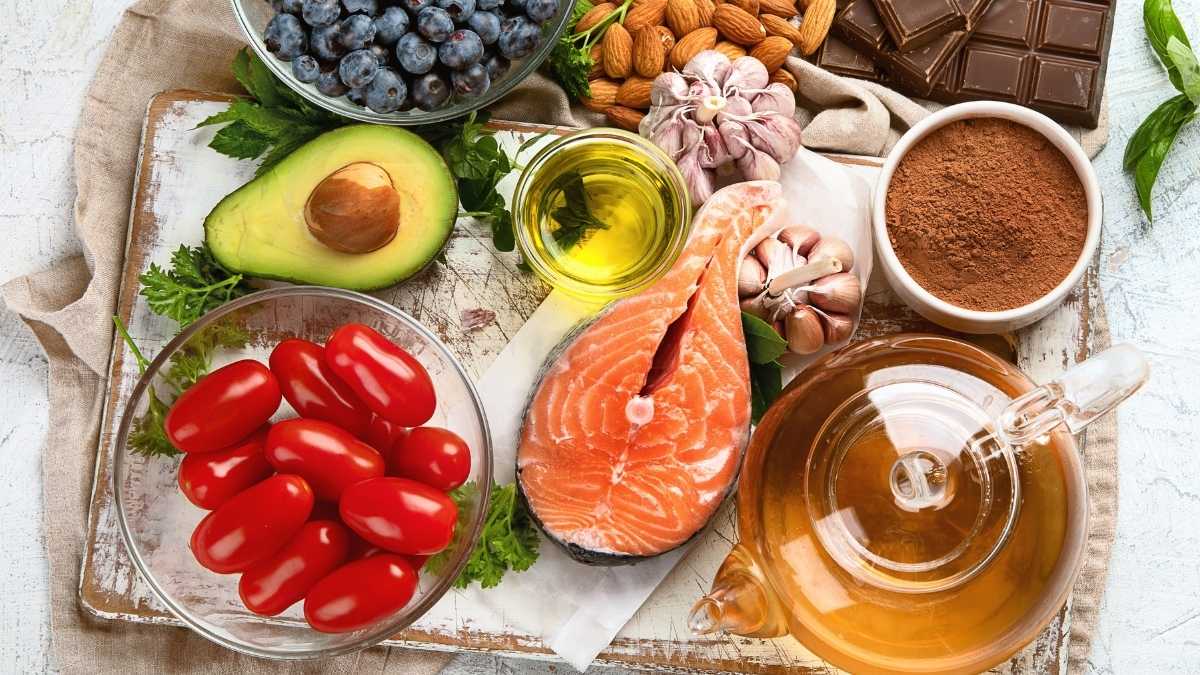
Chronic pain is common, and the anti-inflammatory ingredients in your kitchen can help calm the fire inside your body.
Many people take pills or test random diets, but they still hurt because they don’t have clear, science-based food steps they can use every day.
This guide gives you 11 ingredients with the strongest proof, how much to use, and simple ways to add them to your meals.
You also get easy swaps and a one-week meal plan that fits busy days. You will learn what works, what to avoid, and why these foods matter for your body.
These foods are real tools in a diet for chronic pain and foods that reduce inflammation.
Turmeric (curcumin): A Kitchen Fix to Calm Inflammation
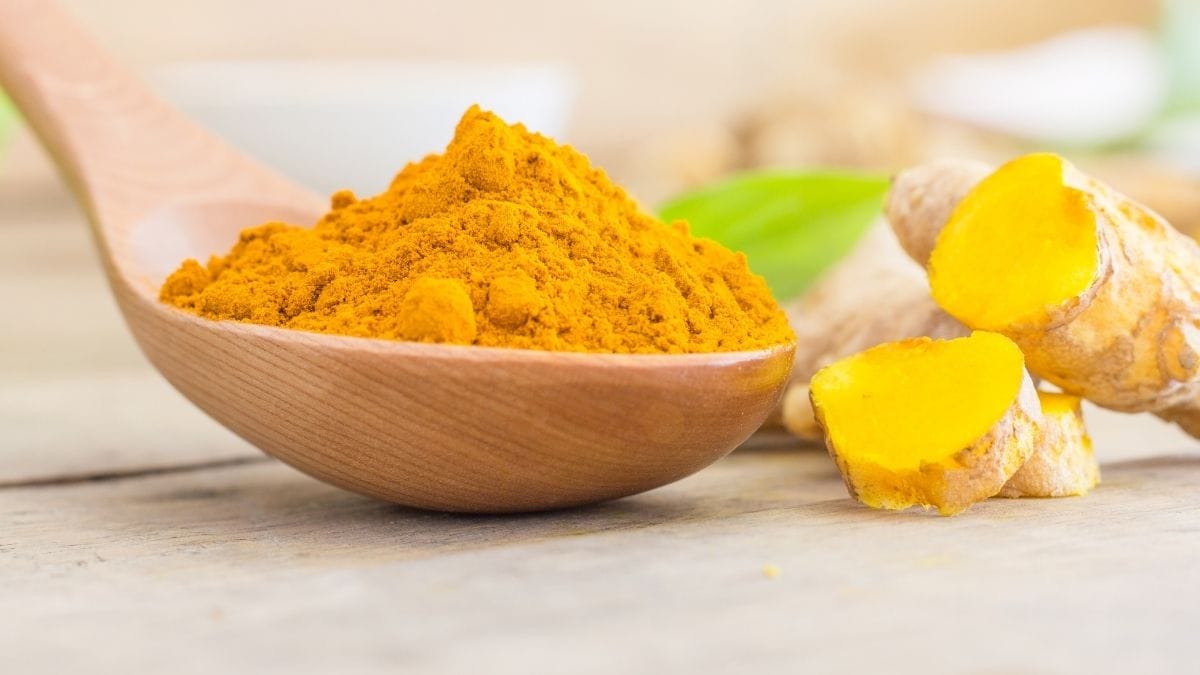
If your joints ache or inflammation stays high, adding turmeric can help.
Its active part, curcumin, slows down body signals that cause swelling — like NF-κB and COX/LOX. That means less pain and inflammation over time.
Evidence supports this. An umbrella meta‑analysis of many trials found that curcumin significantly lowered key inflammation markers (CRP, IL-6, TNF‑α) in adults.
PMC+2PubMed+2 Another study in people with arthritis showed reduced ESR, CRP, and joint pain scores after curcumin supplementation. PMC+1
Turmeric Power
Fights Inflammation
Curcumin slows body signals (NF-κB, COX/LOX) that cause swelling and joint pain
Research-Backed Results
Studies show reduced inflammation markers (CRP, IL-6, TNF-α) and lower joint pain scores
How to Use
Add to soups & stews with black pepper, try golden milk at night, or take 500-1,000 mg supplement daily. Mix with fat or pepper for better absorption!
Check with your doctor if taking blood thinners or other medications
To use it, you can add turmeric (with a pinch of black pepper) to soups, stews, and marinades.
Or try a “golden milk” at night. If you use a curcumin supplement, a common dose in research is 500–1,000 mg per day.
Important: if you take blood thinners or anticoagulants — or other meds — check with a doctor before using curcumin regularly.
Also, combining turmeric with a little fat (oil or milk) or black pepper helps your body absorb it better.
Omega-3 Fats: The Anti-Inflammatory Block You May Be Missing
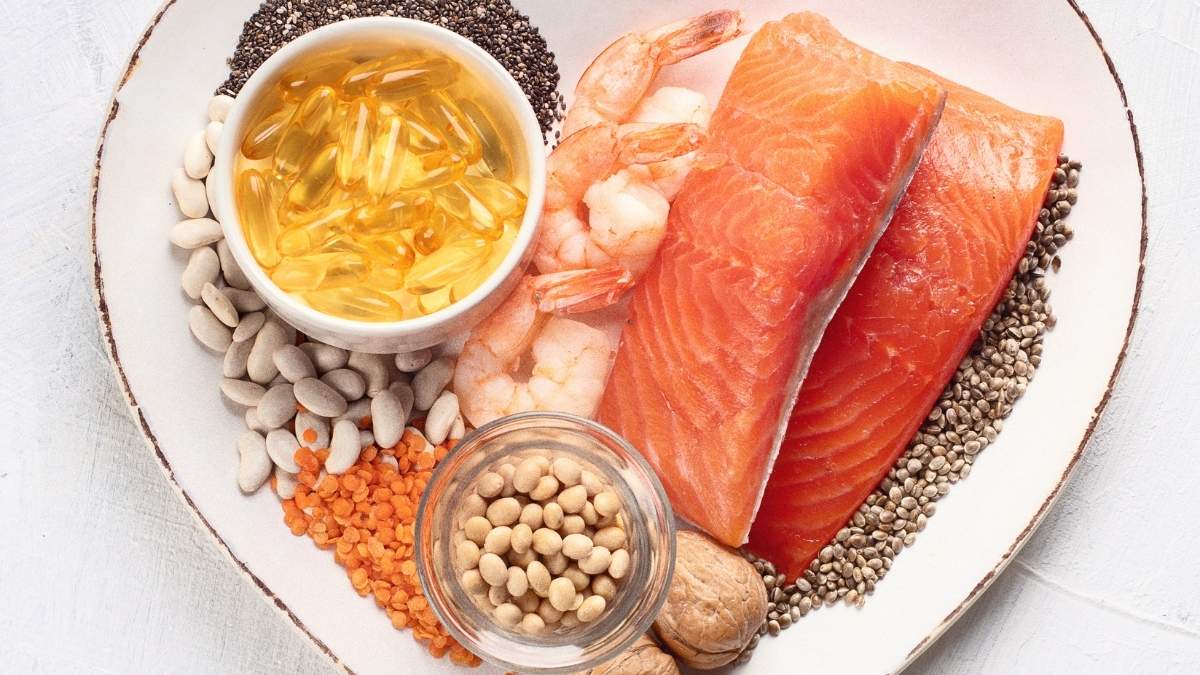
If you live with joint pain, headaches, or muscle aches, you may feel like you are always reaching for pain medicine.
Omega-3 fats can help you break that cycle. EPA and DHA calm the chemicals in your body that trigger swelling.
This can mean less pain and fewer NSAIDs over time. And here’s why that matters: long-term NSAID use is tough on your stomach and kidneys.
Recent meta-analyses show omega-3s help people with rheumatoid arthritis feel less morning stiffness. They may also reduce migraine days and ease chronic pain flare-ups.
You can start small. Eat fatty fish like salmon or sardines twice a week. If fish is hard to eat often, many people use 1,000–3,000 mg of EPA+DHA from supplements.
Easy ideas: salmon sheet pan meals, sardine toast, or smoothies with chia or flaxseeds.
Extra-Virgin Olive Oil: The Simple Kitchen Fix for Daily Inflammation
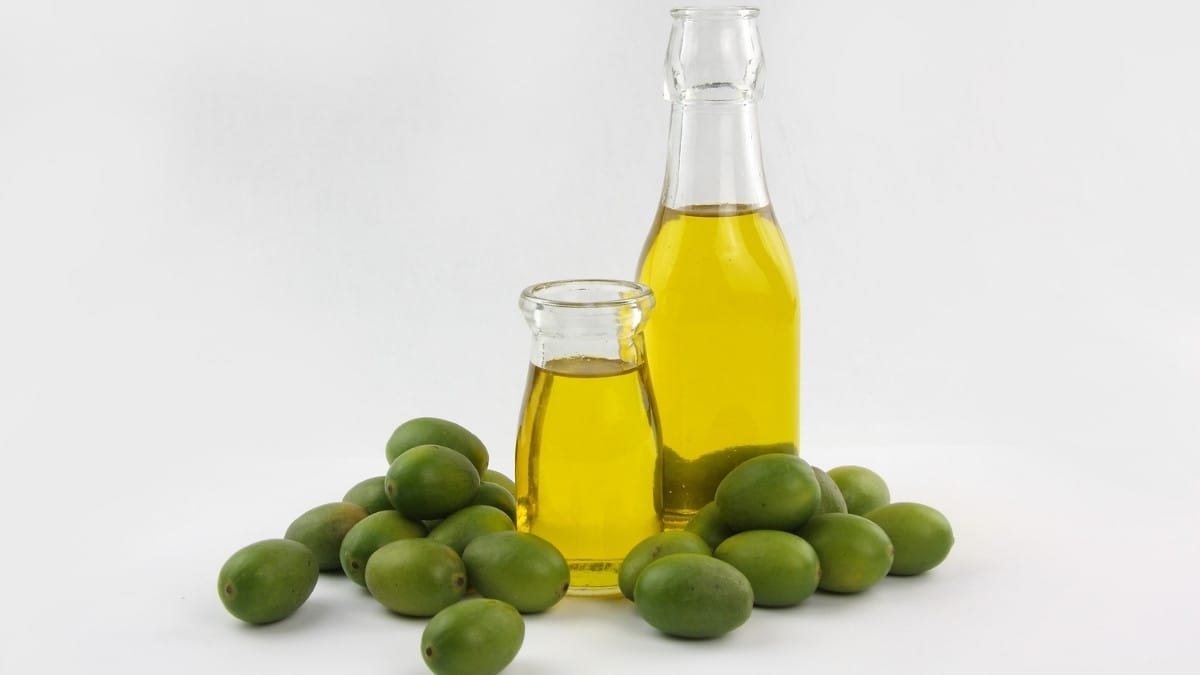
If you wake up stiff or deal with flare-ups after meals, the fat you cook with may be part of the problem. Extra-virgin olive oil gives you a gentler option. It carries a compound called oleocanthal.
Lab studies show it acts like common NSAIDs. And that matters if you want less pain without leaning on pills.
Research on the Mediterranean eating pattern shows people who use EVOO every day have lower inflammatory markers. It is not magic, but it helps when used often.
Start with two tablespoons a day. Use it as a finishing oil on cooked food. Make it your main base for salad dressings. You can even drizzle it over warm vegetables.
When buying EVOO, check the taste. A peppery sting in your throat is a good sign. It means more oleocanthal.
Ginger: The Simple Spice That Can Help Calm Daily Inflammation
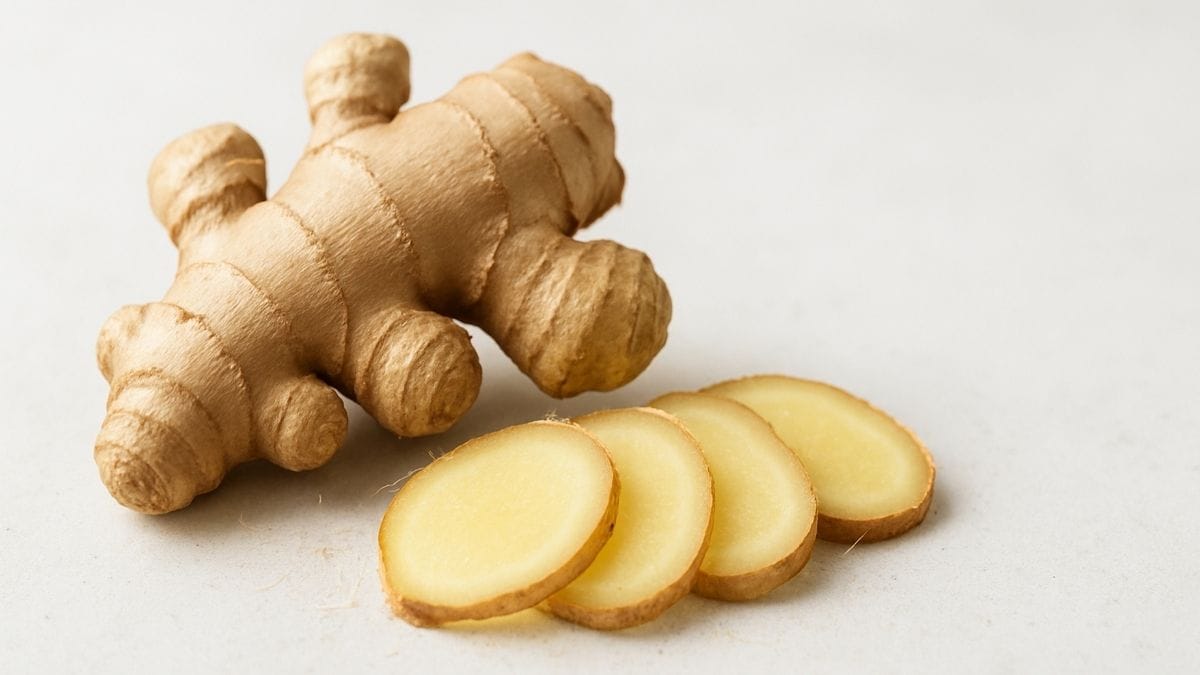
If stiff joints or sore knees slow you down, you may be looking for relief that feels safe to use every day.
Ginger can help. Its gingerols and shogaols lower the signals in your body that spark swelling. And here’s why that matters: lower CRP levels often mean fewer flare-ups.
Meta-analyses of randomized trials show ginger helps people with osteoarthritis feel less pain.
Some studies also report drops in CRP and hs-CRP. It is not a cure, but it can make daily movement easier.
You can use ginger in many ways. Add fresh juice to smoothies. Make ginger tea. Toss it into stir-fries or add it to marinades.
Most research uses about 1–3 grams a day. Start small and see how your body responds.
Green Tea: A Simple Daily Drink to Help Calm Inflammation
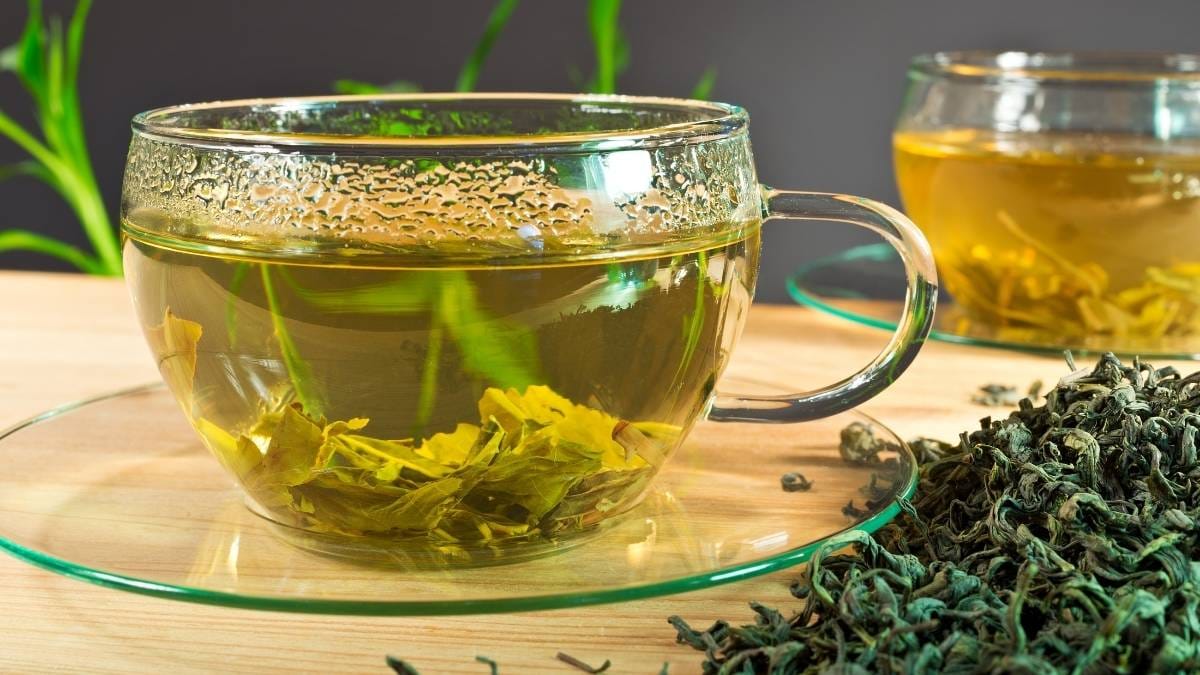
If your pain seems to flare without warning, small habits can make a real difference.
Green tea is one of those habits. It carries a compound called EGCG. This compound helps lower TNF-α and other signals that push inflammation higher.
A recent meta-analysis shows green tea supplements can reduce TNF-α in adults. And that matters if you want fewer flare-ups from day to day.
You don’t need anything fancy. Two to three cups a day is a good starting point. You can use warm tea, iced tea, or a green tea broth for soups.
Some people use standardized extracts, but high doses can interact with medicines, so stay mindful.
Try easy ideas. Make iced green tea with a squeeze of citrus. Add green tea to simple soups to boost flavor and get steady anti-inflammatory support.
Berries: A Simple Daily Boost to Help Lower Inflammation

When inflammation keeps your joints stiff or your energy low, small food changes can help.
Berries give you a fast win because they are rich in anthocyanins. These plant compounds fight oxidative stress, which often drives inflammation higher.
Several meta-analyses show berries can lower oxidative stress markers and may reduce inflammation, but the results are mixed.
Some people see clear benefits. Others see smaller changes. And that’s normal with whole foods.
You can still use berries in an easy, steady way. Aim for half to one cup a day. Fresh or frozen both work. Add them to a morning smoothie.
Mix them into warm oatmeal. Keep a small bowl of blueberries or blackberries in the fridge for quick snacks.
The goal is simple. You build a daily habit that supports your body instead of stressing it. And over time, these small choices can help you feel more in control.
Walnuts and Other Nuts: A Small Daily Snack That Helps Lower Inflammation

If your goal is to calm inflammation without big diet changes, nuts make it simple.
Walnuts, almonds, and mixed nuts carry ALA, magnesium, and helpful polyphenols. These nutrients work together to support lower CRP levels.
Several studies show people who eat nuts often tend to have lower inflammation markers. The results vary, but the trend is steady enough to matter.
You only need a small handful each day. Around 30 grams is enough. You can add walnuts to oatmeal.
You can sprinkle chopped nuts on salads. You can also blend them into smoothies for extra creaminess.
The benefit is clear. You get steady plant fats that fit easily into your routine and support an anti-inflammatory kitchen without extra effort.
Leafy Greens: A Simple Daily Habit That Helps Calm Inflammation
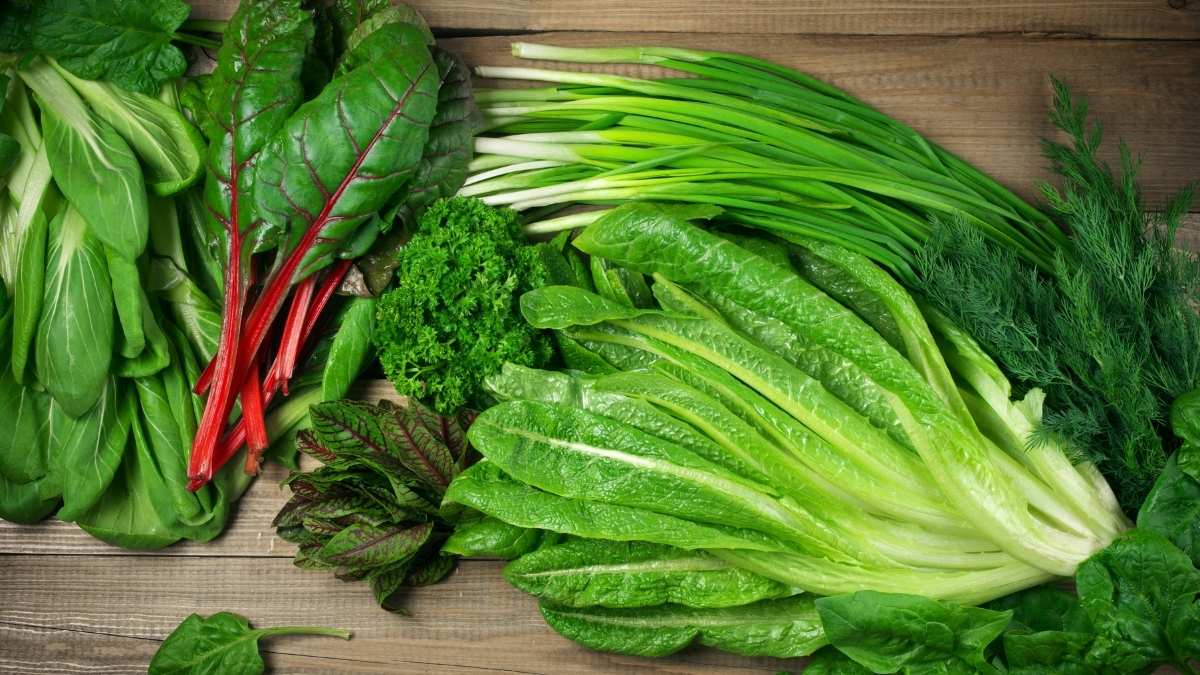
When your body feels tight or sore, leafy greens can help. Spinach and kale give you vitamin K, magnesium, nitrates, and polyphenols.
These nutrients work together to support better blood flow and lower inflammation. Several diet studies show that people who eat more greens often have better endothelial function.
That means smoother vessel activity and less stress on the body. Some trials also note lower CRP in eating patterns rich in greens. The results are mixed but still helpful for most people.
You can fit greens into your day without much work. Add a handful of spinach to smoothies. Sauté kale with garlic as a quick side. Mix chopped greens into soups or eggs. Aim for one or two servings each day.
This habit gives you steady support from foods that reduce inflammation. And it helps you build a kitchen routine that is easy to keep up.
Garlic: A Simple Ingredient That Helps Your Body Calm Inflammation
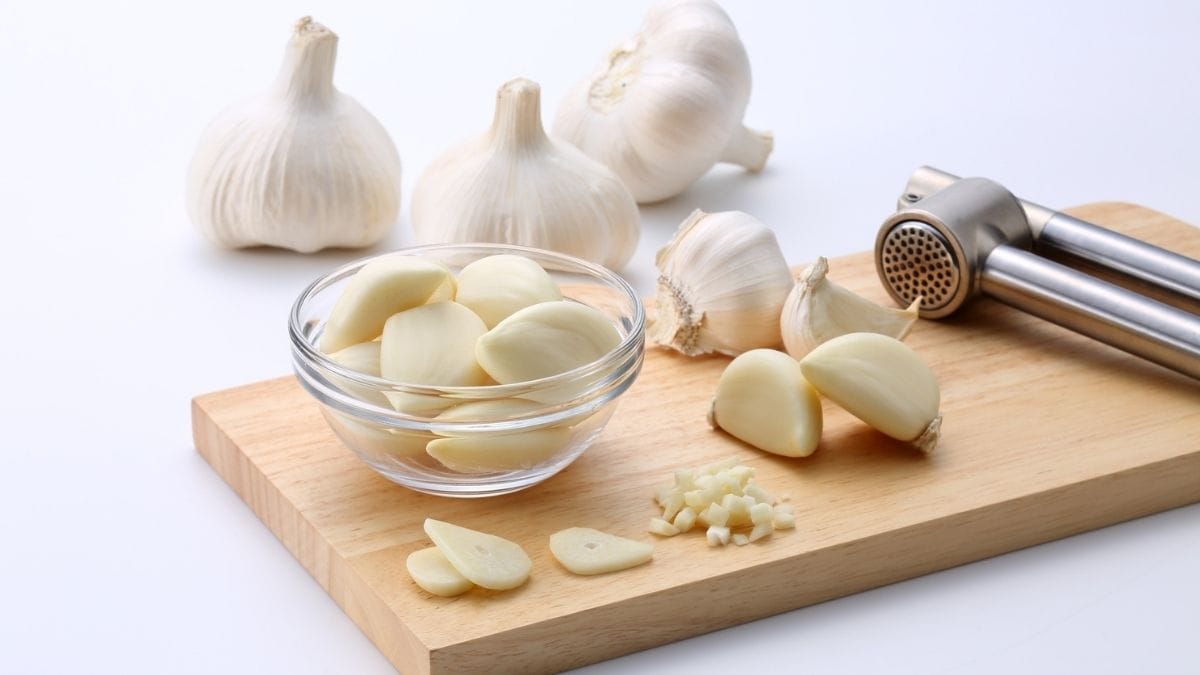
If you want an easy way to support your immune system and lower inflammation, garlic is a strong choice. When you crush a clove, it forms allicin and other sulfur compounds.
These compounds show clear anti-inflammatory effects in lab studies.
Small clinical trials also point to better immune activity and healthier cholesterol levels in people who use garlic often. The evidence is steady, even if some studies are small.
You can add garlic to your day without extra effort. Use one crushed clove in dressings. Sauté it in oil before cooking vegetables.
Roast whole cloves and spread them on bread. You can also mix minced garlic into soups or marinades.
This simple step gives you a steady dose of anti-inflammatory ingredients that work quietly in the background while you eat the meals you already enjoy.
Fermented Foods & Probiotics: Calm Your Gut and Reduce Inflammation
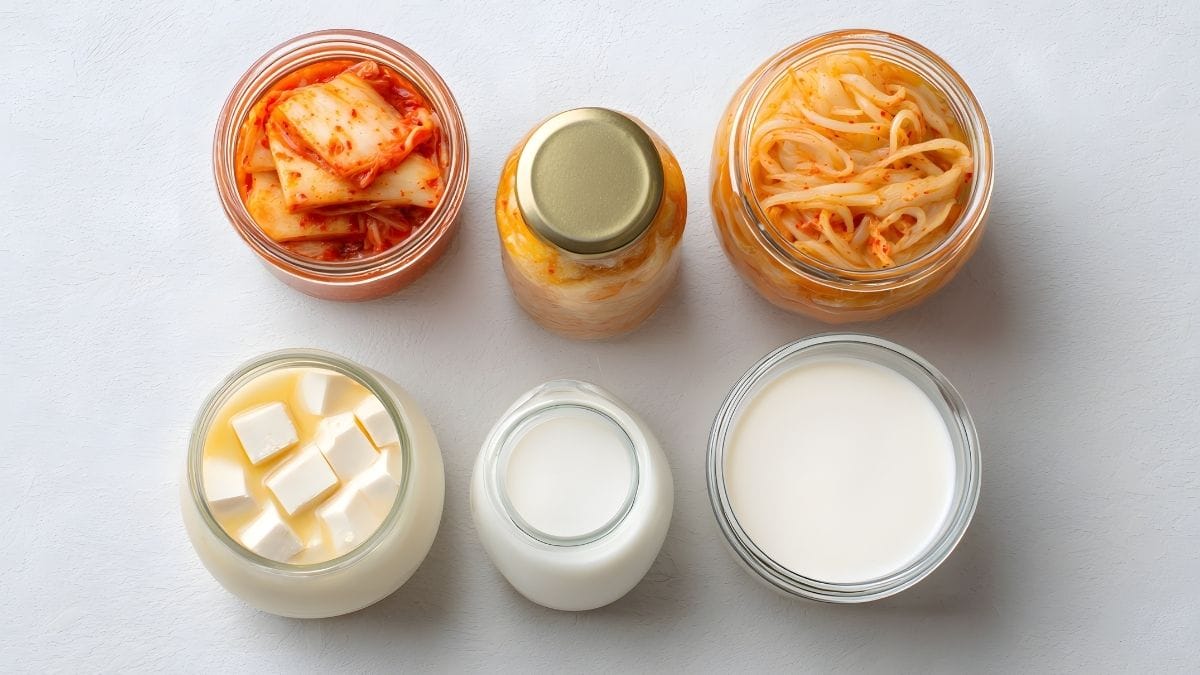
If your joints ache or digestion feels off, your gut may be sending stress signals that increase inflammation.
Fermented foods and probiotics can help. They support healthy gut bacteria, which may lower systemic inflammation.
Several meta-analyses show improvements in inflammation markers like CRP in people who consume probiotics regularly. The evidence is promising, though results vary across studies.
Adding these foods is easy. Eat yogurt or kefir daily, or have kimchi, sauerkraut, or other fermented vegetables several times a week.
Make sure to choose products with live cultures, which provide the active bacteria that help your gut.
You can use fermented foods as snacks, side dishes, or ingredients in meals. This simple habit supports an anti-inflammatory kitchen and is a practical part of a diet for chronic pain, helping you feel steadier day to day.
Whole Grains: Simple Swaps to Lower Inflammation
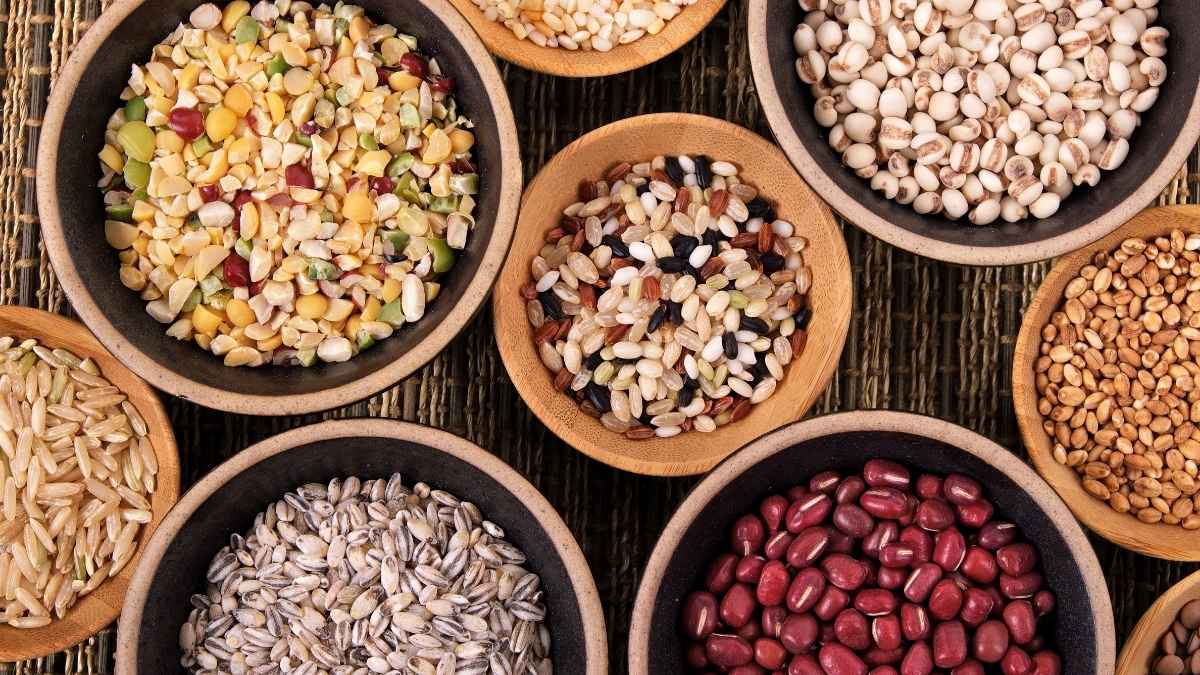
If you eat mostly white bread, pasta, or rice, you may notice blood sugar spikes or higher inflammation. Switching to whole grains can help.
Oats, barley, and brown rice provide fiber and nutrients that lower CRP and other inflammation markers.
Studies show that people who replace refined grains with whole grains often see steady improvements in metabolic inflammation.
You can make small, practical changes. Swap white bread for whole-grain bread. Use brown rice or barley instead of white rice.
Choose whole-grain pasta or oatmeal for breakfast. Aim for three to five servings each day, depending on your calorie needs.
These swaps are simple but effective. They add fiber, support gut health, and contribute to a diet of foods that reduce inflammation, helping you feel more balanced and in control of your chronic pain.
Conclusion: Take Action in Your Anti-Inflammatory Kitchen
You’ve learned about 11 powerful anti-inflammatory ingredients: turmeric, omega-3 fats, extra-virgin olive oil, ginger, green tea, berries, walnuts and nuts, leafy greens, garlic, fermented foods, and whole grains.
This week, try adding salmon twice, a cup of berries daily, two tablespoons of EVOO per day, and a turmeric latte three times.
Download the one-week meal plan or try the two quick recipes, and check with a clinician before starting supplements. Keep building meals around these anti-inflammatory ingredients.