
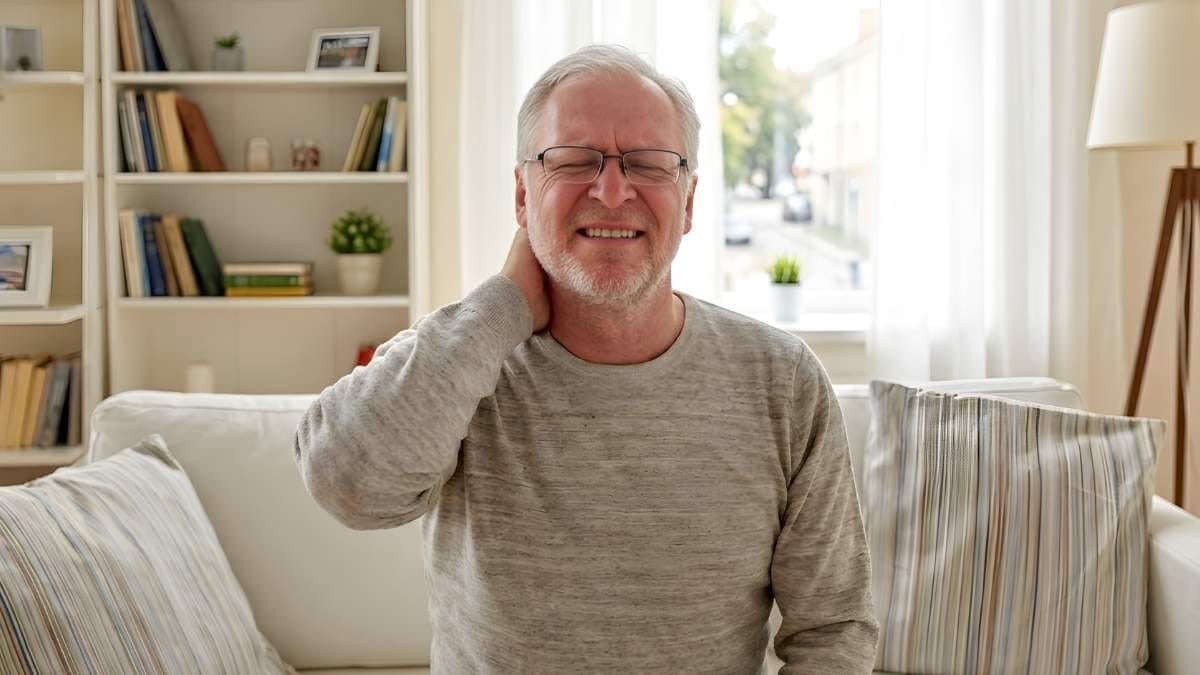
If you are 75 or older and wake up every morning with pain in your knees, back, or joints — you are not alone. And more importantly, you are not out of options.
Research shows that 50% of elderly people living independently deal with daily pain. Up to 80% of those in long-term care do too. Yet most go untreated.
Many seniors fear medications. Doctors often hesitate to prescribe them at this age. The result? Millions of older adults suffer quietly.
That ends here.
This article covers three specific remedies that pain specialists recommend for people over 75. These are not guesses. They are backed by real research.
And you can start with at least one of them this week. No gym membership. No expensive equipment. Just clear steps.

Why Pain Gets So Much Worse After 75
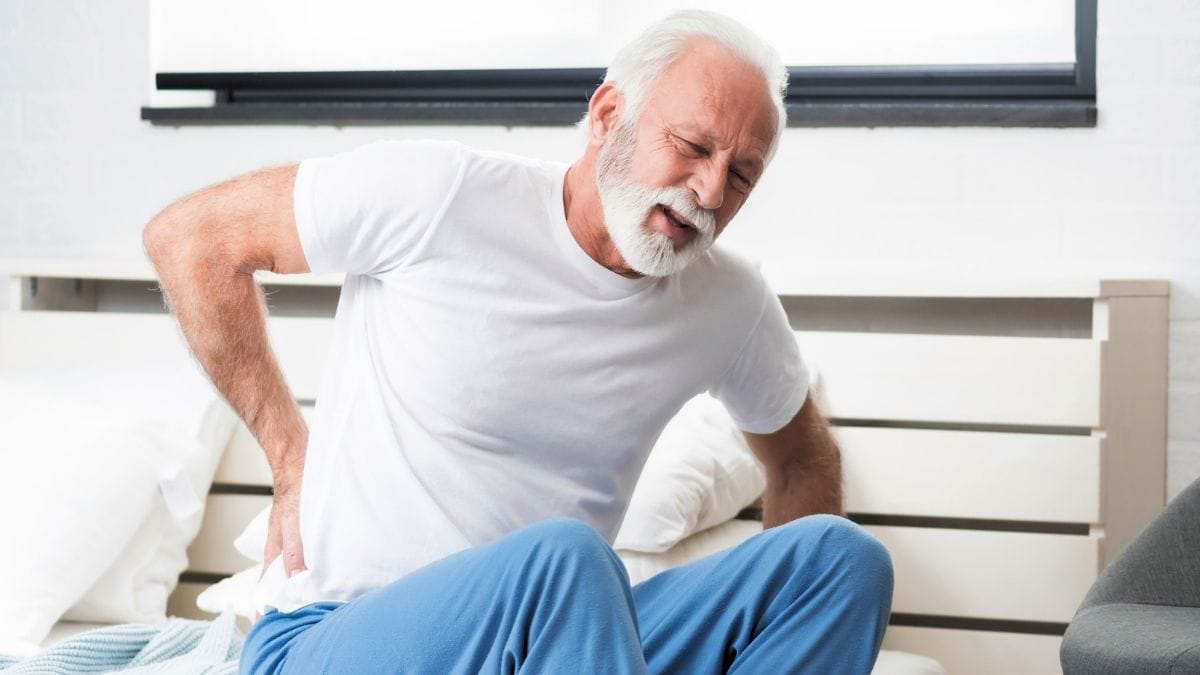
So why does the body hurt so much more after 75? It is not just aging. It is a combination of real physical changes that stack up over time.
Chronic pain affects roughly 42% of adults over 75. That is more people than those with diabetes or asthma in the same age group. The most common causes are osteoarthritis, rheumatoid arthritis, and nerve pain from shingles.
Here is what most people do not know. As you age, your kidneys and liver slow down. Your body holds less water. Your muscles shrink. This changes how your body responds to medications — and why strong drugs become riskier with age.
And yet — 26% of people aged 75 to 84 receive no pain treatment at all. Zero. Not because the pain is not real. But because the system often misses it.
Untreated pain leads to depression, poor sleep, and anxiety. It takes away independence. It lowers quality of life in ways that go far beyond the physical.
Understanding why you hurt is the first step. Now here is what the specialists say you can actually do about it.
Quick Tips:
- Tell your doctor exactly where you hurt and how often — be specific
- Keep a simple pain diary for one week before your next appointment
- Do not assume pain is just “part of getting old” — it is treatable
Remedy 1 — Gentle Movement and Physical Therapy
The last thing you want to hear when you are in pain is “you should move more.” But stay with this, because the evidence here is hard to ignore.
Physical therapy for elderly pain is one of the most proven tools available.
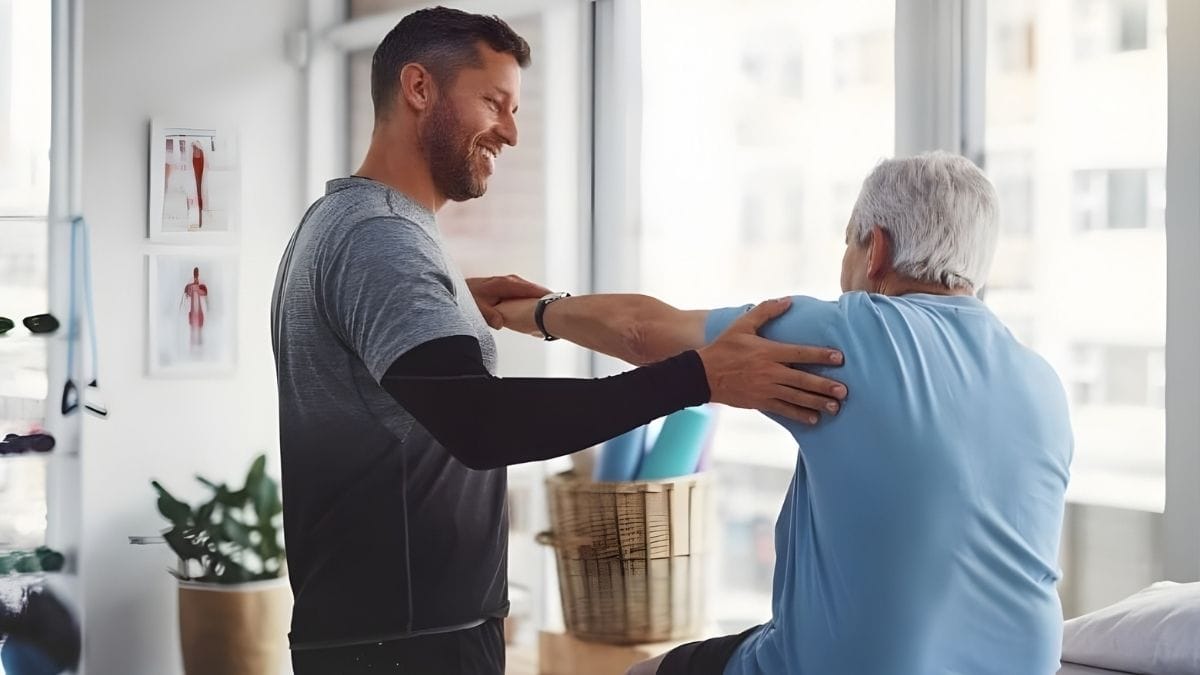
And this is not about running or going to the gym. This is about gentle, customized movement that works around your exact body and your exact limits.
A randomized controlled trial studied 150 women over 75 with chronic knee pain. The group that received physical therapy combined with heat showed the biggest improvements. Pain dropped. Muscle strength improved. Daily mobility got better.
Exercise programs for older adults ranked as the third biggest fitness trend globally in 2025. The physical therapy profession is growing by 14% over this decade. That means more access, more options, and more help available near you.
You do not need a clinic to start. Walk for 10 minutes after breakfast. Do seated leg lifts while watching TV. Try a resistance band for shoulder stretches. These small steps build real results over time.
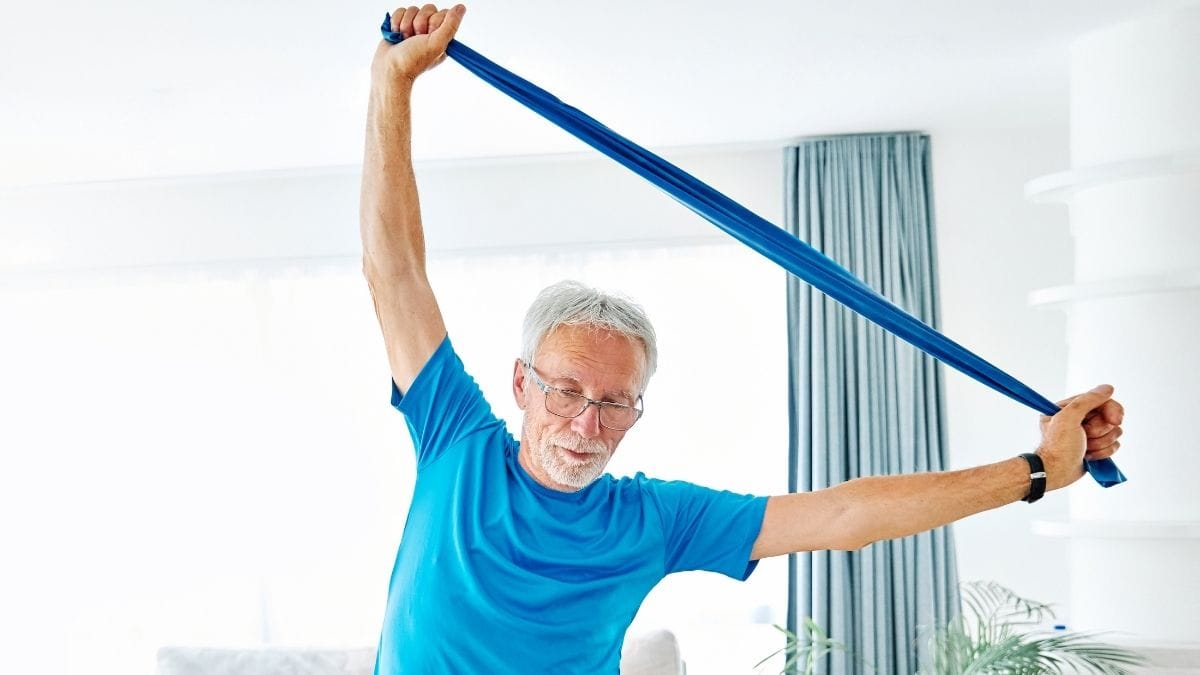
Rest feels safer. But long-term rest actually makes chronic pain worse. It weakens muscles. Weak muscles put more pressure on your joints. That increases pain.
Quick Tips:
- Ask your doctor for a physical therapy referral — this one step can change everything
- Search “aquatic therapy near me” — water exercise is gentle and very effective for over-75s
- Start with just 10 minutes of movement per day and build slowly from there
Remedy 2 — Heat Therapy Applied the Right Way
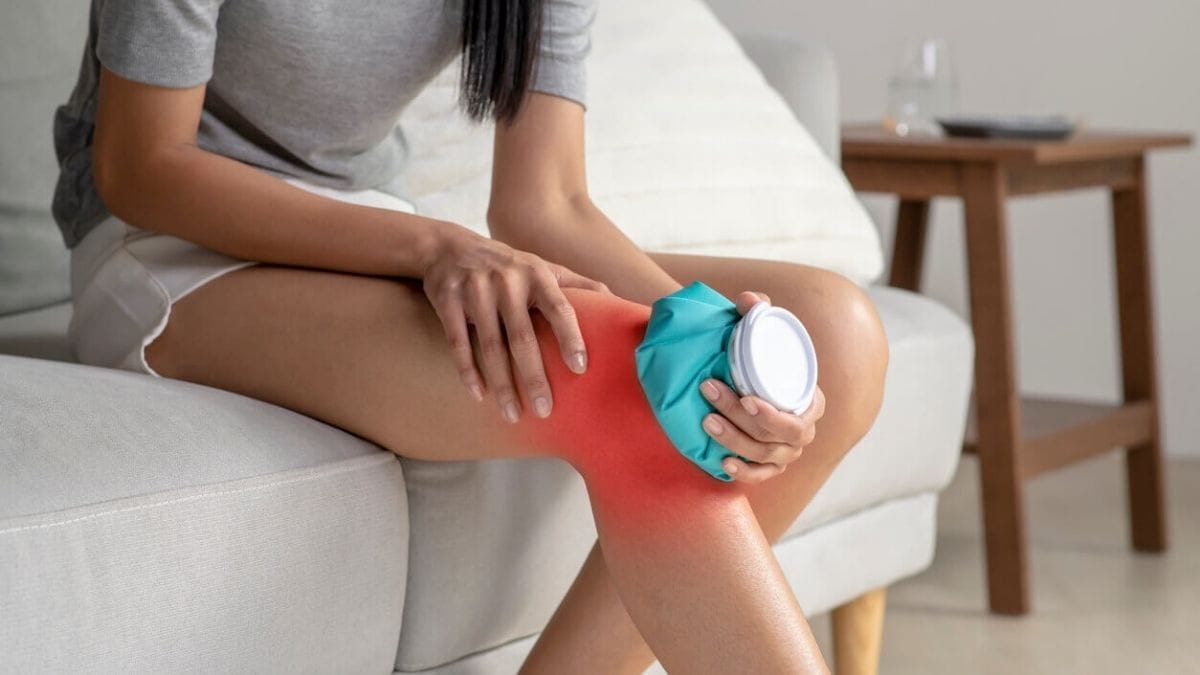
This remedy costs less than $20. It is probably already in your home. But most people use it wrong — and that reduces how well it works.
Heat therapy is not just “putting a pad on your back and hoping for the best.” When used correctly, it is a real medical treatment. In fact, 67% of people with low back pain in the United States are already treated with heat. That number exists for a reason.
Here is what heat actually does. It increases blood flow. It relaxes tight muscles. It improves flexibility in connective tissue. Studies confirm it works better than placebo for pain relief.
And here is the specific data for people over 75. In one study, elderly women over 75 with chronic knee pain saw their pain score drop from 4.6 to 3.6 out of 10 using heat alone.
When heat was combined with physical therapy, scores dropped from 3.6 all the way down to 3.0. That is a real, meaningful improvement.
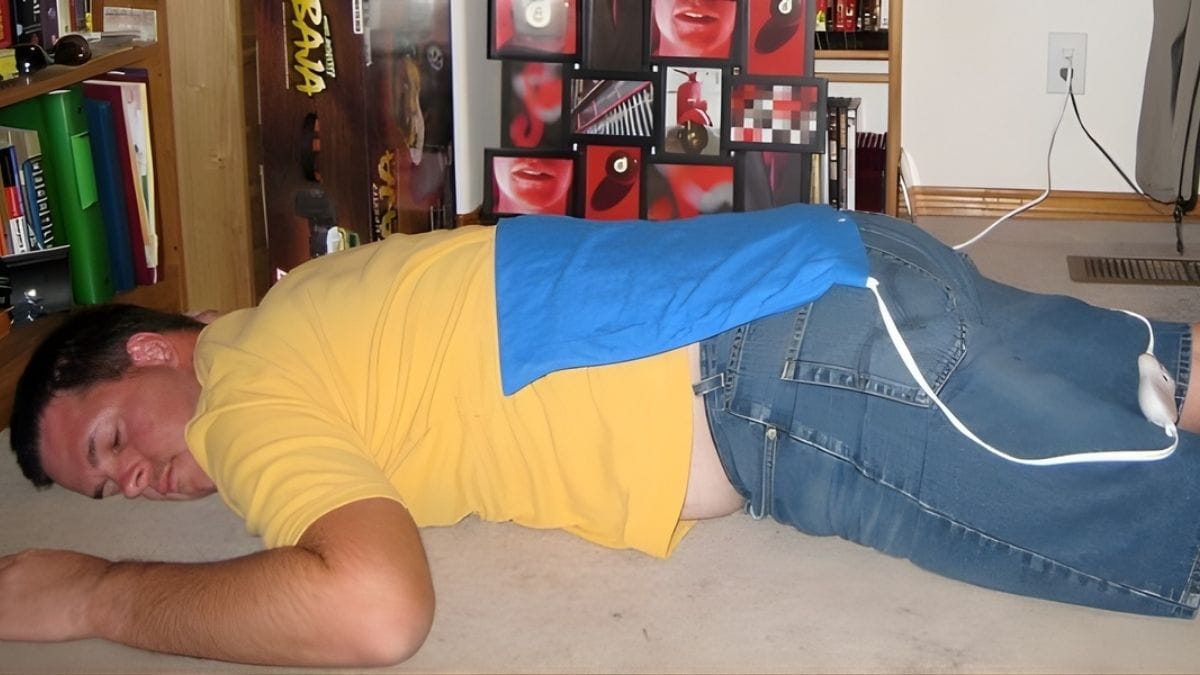
Use moist heat — a warm damp towel, a warm bath, or a moist heating pad. Apply for 15 to 20 minutes. Never sleep with a heating pad on.
For swelling or after activity, use a cold pack wrapped in cloth for no more than 10 minutes.
Quick Tips:
- Use heat in the morning for stiffness, and cold after exercise or a flare-up
- Always put a cloth between the heat source and your skin to prevent burns
- Combine heat before a gentle walk — the two together work better than either alone
Remedy 3 — Mindfulness and CBT for Chronic Pain
This is the remedy most seniors dismiss immediately. And it is the one that surprised researchers the most.
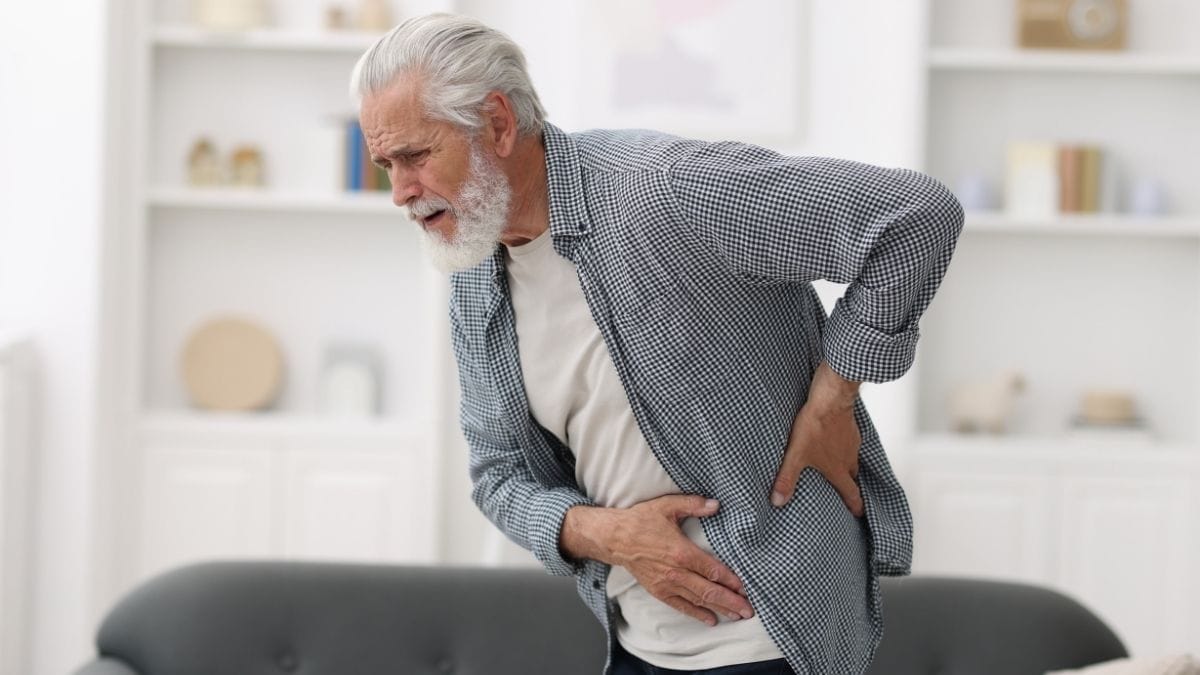
Pain signals are real. No one is saying they are in your head. But how your brain processes those signals can change. And that change can reduce how much pain you actually feel. This is the science behind mind-body therapy.
CBT — cognitive behavioral therapy — helps you change how you think about and respond to pain. It does not make the pain disappear.
But it reduces how much it controls your day. Mindfulness does something similar. It teaches you to notice pain without letting it take over.
Here is the most current evidence. In 2025, JAMA Network Open published the results of a 470-person randomized trial. Adults with chronic low back pain treated with opioids were given either mindfulness therapy or CBT.
Both groups reported less pain, better function, improved quality of life, and lower opioid use — at both 6 months and 12 months. That is a lasting result.
In 2026, this has never been more accessible. The free UCLA Mindful app gives you guided sessions you can do in a chair or in bed. Many hospitals now offer telehealth CBT programs for seniors. No travel required.
Quick Tips:
- Try the free UCLA Mindful app — it has beginner sessions as short as 5 minutes
- Do a simple body scan: lie still, breathe slowly, and focus on each part of your body from feet to head — 5 minutes daily makes a difference
Important Cautions — What to Avoid Over 75
Before you act on anything in this article, read this section carefully. Because some common pain treatments are actually dangerous for people over 75.
First — NSAIDs. These include ibuprofen (Advil) and naproxen (Aleve). For many seniors over 75, especially those with kidney problems, these drugs raise the risk of serious gastrointestinal bleeding. They are not automatically safe just because they are available without a prescription.
Second — strong opioids. These should be a last resort, not a starting point. They increase the risk of falls, confusion, and dependency — all of which are more dangerous at this age.
Third — muscle relaxants like cyclobenzaprine and carisoprodol. The American Geriatrics Society lists these on their “Beers Criteria” — a list of drugs considered potentially inappropriate for older adults because of fall and dizziness risks.
Quick Tips:
- Check the Beers Criteria list online to see which medications are flagged for older adults
- Ask your pharmacist to review all your current medications for interactions
- Never start or stop any pain treatment without letting your doctor know first
Final Thought;
Chronic pain after 75 is real, common, and undertreated. But three remedies — gentle physical therapy, correctly applied heat, and mindfulness or CBT — have strong research behind them and low risk.
Start with one this week. Talk to your doctor first. Effective pain relief for elderly adults over 75 starts with the right information.