

Most seniors don’t lose their independence all at once. It slips away slowly — through small daily choices that add up over time.
Here’s the truth: aging in place is the number one concern for seniors in 2025. A survey of 2,200+ adults aged 65+ confirmed it. Yet most people have no clear plan to protect their independence.
That’s what this article fixes.
Five habits. All doctor-backed. All something you can start this week. These aren’t empty feel-good tips — they’re specific actions that research shows can help you stay in your own home, on your own terms, for years longer.
Habit #1 — Move Every Day, Even in Small Bursts

Here’s something most people don’t know. Just a few days of doing nothing can start a chain of muscle loss that’s hard to reverse. Dr. Silvia Tee from Stanford Senior Care says inactivity even for short periods can cause long-term mobility problems in older adults.
The good news? You don’t need a gym. The U.S. Department of Health and Human Services says 150 minutes of moderate activity per week is enough. That’s just 22 minutes a day. A brisk walk counts.
And you can break it up. A 2025 study showed that 10-minute walking sessions throughout the day lower your risk of heart disease and early death — just as well as longer workouts.

But here’s what people often skip: balance training. Falls are the number one cause of injury and death in seniors. In 2021, falls killed 38,000 adults over 65. That number rose 41% in just 10 years.
Start Here: Take a 10-minute walk in the morning. Stand on one leg while brushing your teeth. Add one resistance band exercise per day. That’s it to start.
Habit #2 — Eat to Protect Your Brain and Body
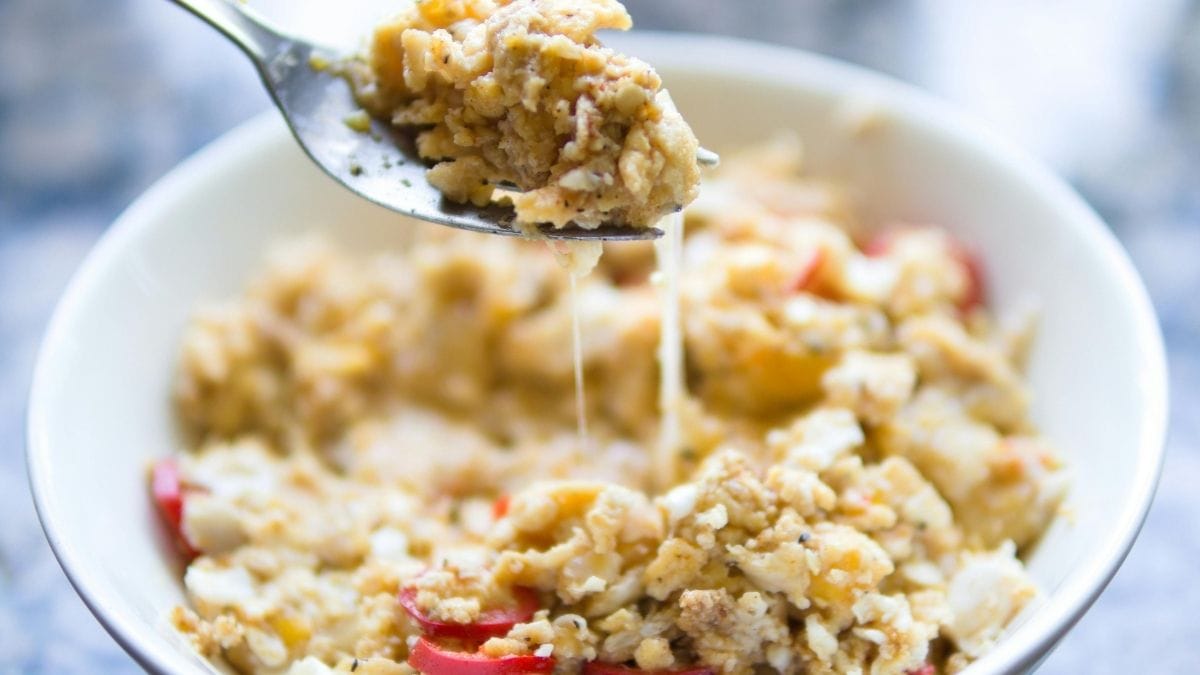
Food is not just fuel. For seniors, the right food is protection — especially for your brain.
The Mediterranean diet keeps showing up in research for a reason. It’s full of vegetables, fish, whole grains, and olive oil. The 2025 Dietary Guidelines Advisory Committee reviewed 83 studies.
They found that Mediterranean-style eating was linked to lower rates of cognitive decline in 24 out of 34 reviewed studies.
The MIND diet takes it a step further. It focuses on berries, leafy greens, and whole grains — foods shown to slow brain aging.
A 5-year study of 1,500 people found MIND slightly outperformed the regular Mediterranean diet for protecting thinking and memory.

And don’t forget protein. It fights muscle loss, which steals your strength and balance.
Start Here: Build a simple plate. Fill half with vegetables or greens. Add one protein. Add one whole grain. Use olive oil. Have berries as a snack. That’s your brain-protecting meal — no complicated recipes needed.
Habit #3 — Get 7 Hours of Sleep (Your Brain Needs It)
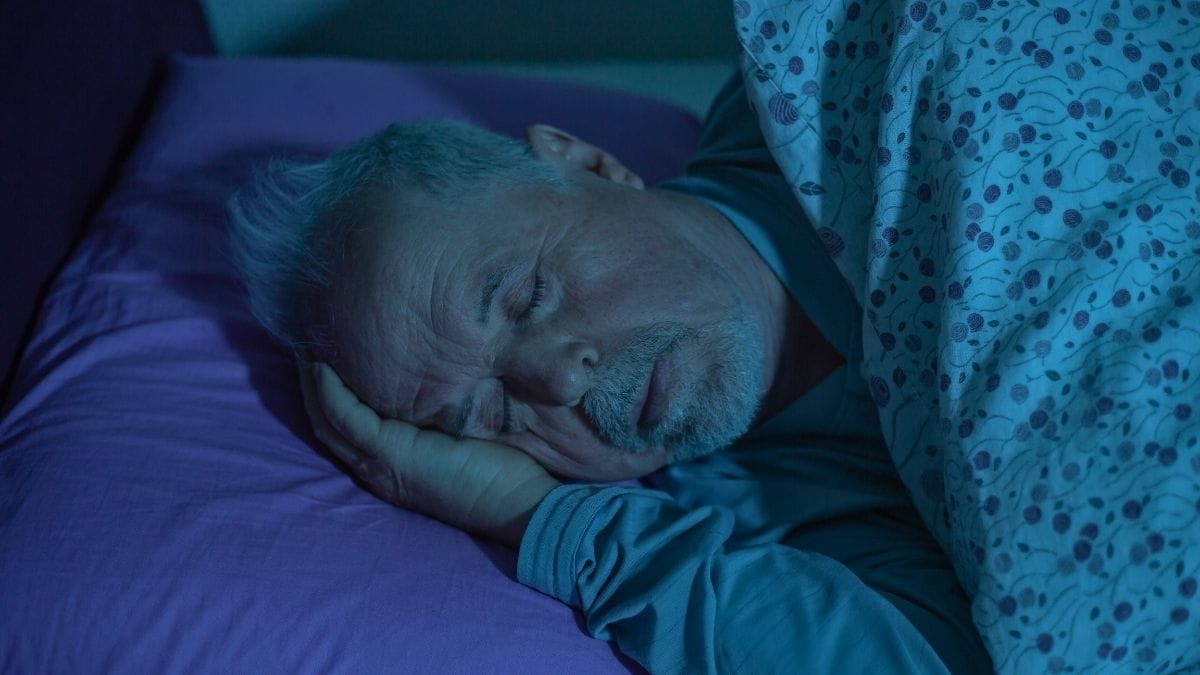
Sleep isn’t just rest. While you sleep, your brain cleans itself. It flushes out toxic waste products — including proteins linked to Alzheimer’s disease. Skip sleep and that waste builds up.
The CDC recommends about 7 hours per night for older adults. Most seniors aren’t getting that. And it’s causing real damage. Poor sleep slows your reaction time. It throws off your balance. Both of those raise your fall risk.
It also weakens your immune system and speeds up cognitive aging. That’s a big deal if staying sharp and living independently matter to you.
Common sleep-wreckers for seniors: screens before bed, inconsistent sleep times, too much caffeine in the afternoon, and alcohol in the evening.
And if you snore heavily or wake up exhausted — talk to a doctor. Sleep apnea is common in seniors and almost always goes undiagnosed. It’s very treatable.
Start Here: Dim your lights by 8 PM. Stretch lightly for 5 minutes. Keep your room between 65–68°F. Do this every night for one week and notice the difference.
Habit #4 — Stay Connected. This Is a Medical Issue, Not Just a Feeling
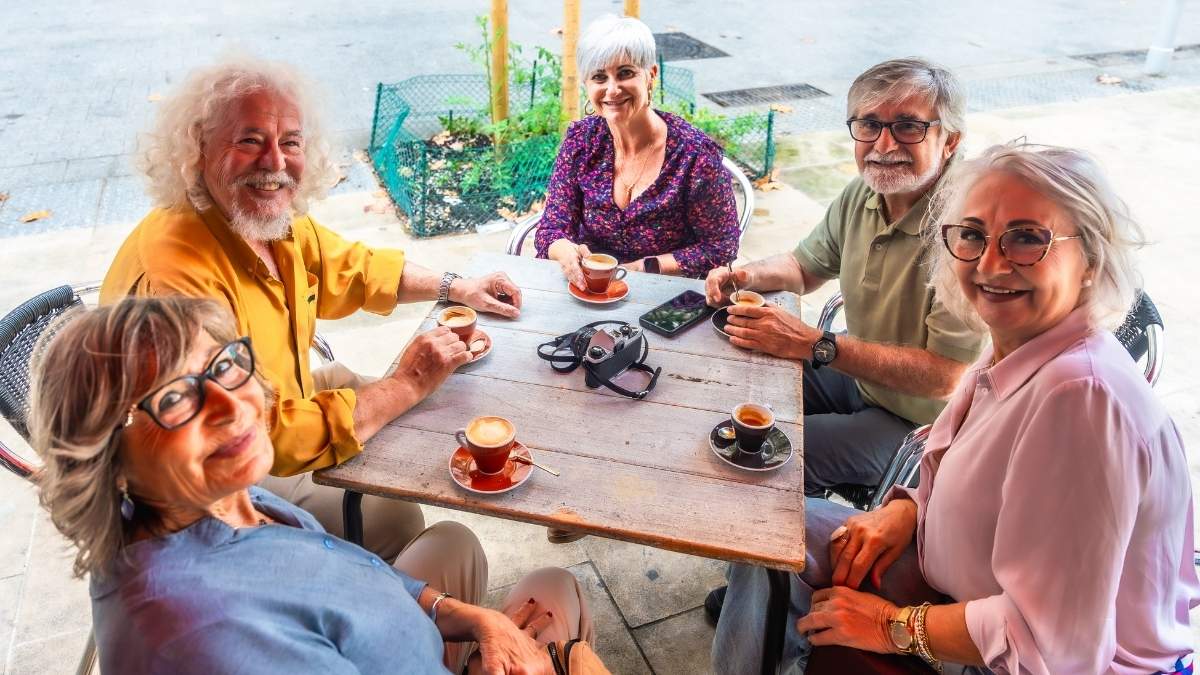
Loneliness isn’t just sad. It’s dangerous.
The U.S. Surgeon General called it a public health crisis. Being isolated raises your risk of early death as much as smoking 15 cigarettes a day. That’s not an exaggeration — that’s the actual data.
In 2024, one in three older adults said they felt lonely. Nearly 30% said they felt isolated. And the health cost is enormous. Social isolation adds $6.7 billion in extra Medicare costs every year — mostly from hospital stays and nursing facility use.
Here’s what hits hardest: chronic loneliness raises your risk of developing dementia by 50%.
Connection isn’t a bonus. It’s medicine.
And it doesn’t have to mean big social events. Weekly routines work best — a standing lunch, a card game, a community class. Even a regular phone call helps.

Start Here: Pick one recurring weekly activity and put it on your calendar. Visit aarp.org’s Connect2Affect program for free help finding local and online options built for older adults.
Habit #5 — Train Your Brain Like You Train Your Body
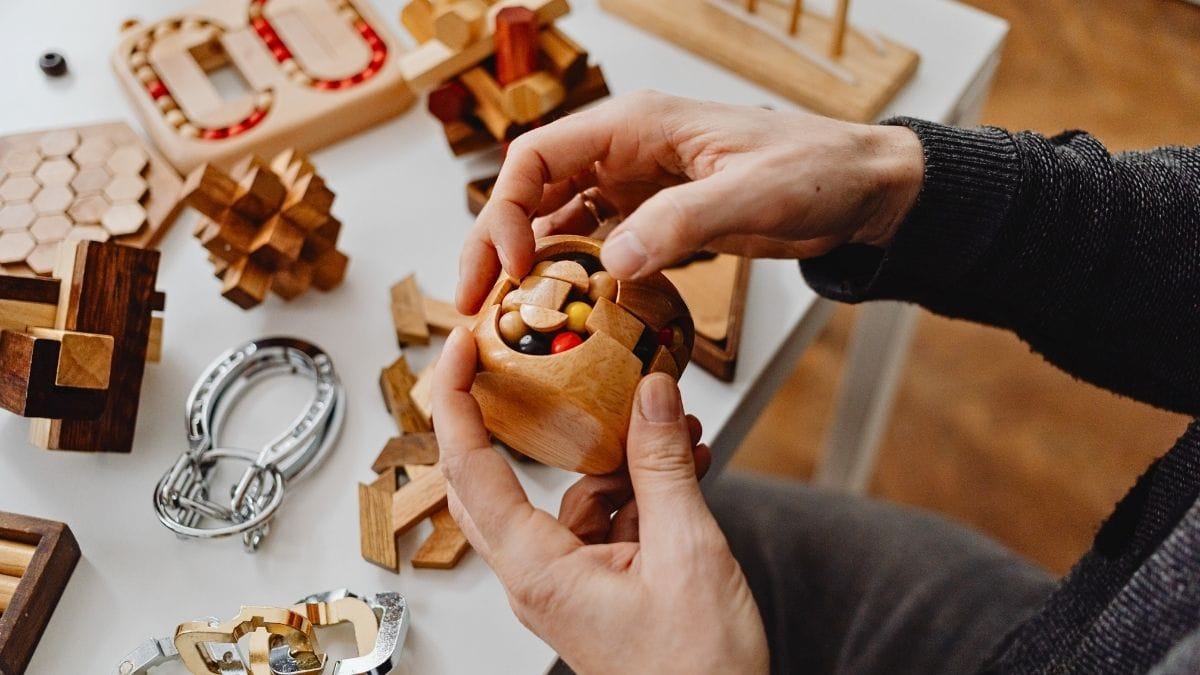
Your brain responds to challenge at any age. Use it or lose it is actually backed by science.
Research shows that structured brain training activities can slow cognitive aging. A 2024 study published across three coordinated trials found that taking a daily multivitamin slowed cognitive aging by about 2 years in older adults.
It’s a simple add-on — but it’s not a replacement for actual brain exercise.
What works best? Learning something genuinely new. Not a puzzle you’ve done 100 times. A new language. A musical instrument. A new craft. These force your brain to build new connections.

And here’s the real power move: combine physical movement with mental challenge. Studies show that combo protects the brain more than either habit alone.
Exercise your body and your brain on the same day and you’re doubling your protection against cognitive decline.
Start Here: Try this 5-minute daily routine. One strategy puzzle in the morning. One new word or fact at lunch. Five minutes of reading or journaling before bed. Small, consistent effort beats occasional big effort every time.
Final Thought;
Five habits. One system. Move daily, eat smart, sleep 7 hours, stay connected, and challenge your brain.
Don’t try all five at once. Pick one. Start tomorrow. That’s how independence is protected — one small, consistent choice at a time. These daily habits for seniors to stay independent aren’t about living longer. They’re about living better.