

Aging does not suddenly begin at old age.
It shows up slowly.
In how the body recovers.
In how energy feels.
In how everyday life becomes easier—or harder.
When researchers study people who age well, they don’t find magic foods or strict diets.
They find something quieter.
They find the same Food Habits repeating, year after year, across different cultures and lifestyles.
This article looks at those five habits—and why they matter more than most people think.
What “Aging Well” Really Means
Aging well does not mean never getting sick.
It means:
- staying mobile longer
- keeping mental clarity
- maintaining independence
- feeling capable in daily life
Researchers often call this healthspan, not lifespan.
And food habits play a steady role in shaping it.
Habit #1: They Eat Real Food Most of the Time
People who age well do not eat perfectly.
But they eat simply.
Their meals are usually built around:
- vegetables
- fruits
- whole grains
- legumes
- basic proteins
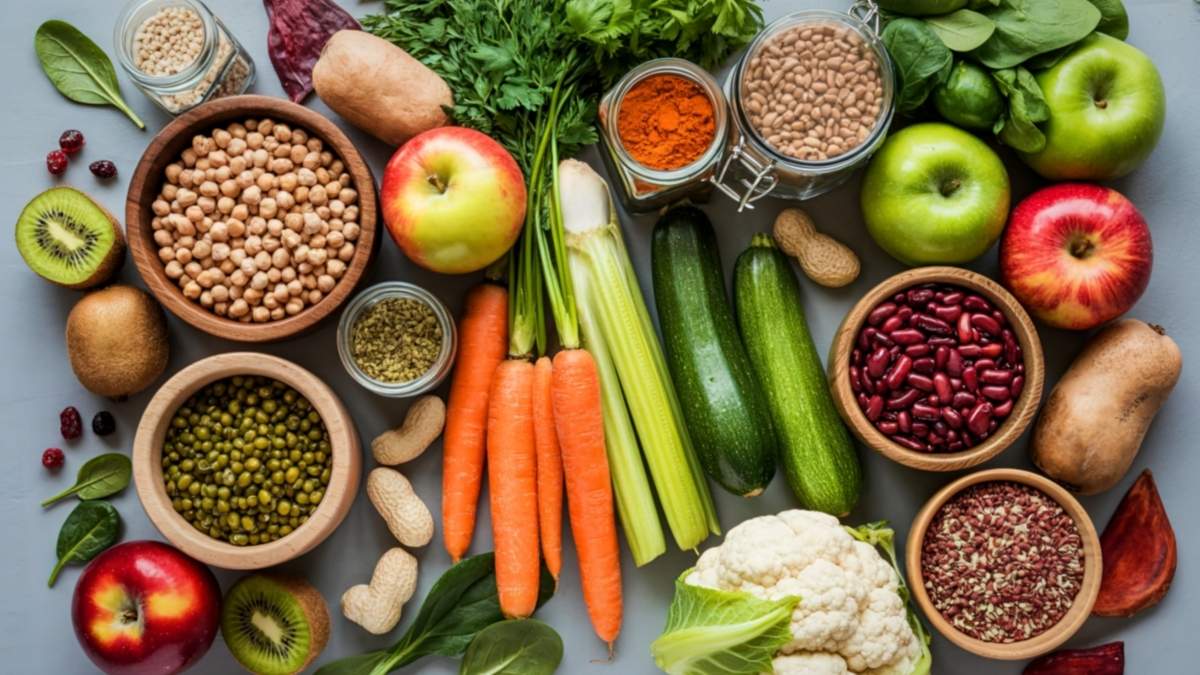
These foods look like food.
They don’t rely on long ingredient lists or heavy processing.
This habit supports aging because real food:
- provides fiber
- delivers natural nutrients
- supports gut health
- reduces metabolic stress
Over decades, this consistency matters.
This is one of the most reliable Food Habits seen in healthy aging populations.
Why This Habit Works Long-Term
Highly processed foods are designed for speed and taste.
Real foods are designed for biology.
They digest more slowly.
They support stable energy.
They help regulate appetite.
Aging bodies benefit from stability more than stimulation.
That’s why this habit keeps showing up in aging research.
Habit #2: They Don’t Eat to the Point of Being Stuffed
People who age well tend to stop eating before discomfort.
Not because they count calories.
But because they listen.
Across cultures, this shows up as:
- smaller portions
- slower eating
- awareness of fullness
This habit reduces stress on:
- digestion
- blood sugar control
- metabolic systems

Over time, this lowers the burden aging places on the body.
Why Portion Awareness Matters With Age
As people get older:
- metabolism slows
- recovery takes longer
- excess calories do more damage
Eating slightly less—consistently—protects long-term function.
This is why portion awareness is one of the quiet but powerful Food Habits linked to aging well.
Habit #3: They Eat on a Regular Rhythm
People who age well often eat:
- at similar times each day
- with fewer late-night meals
- without constant snacking
This creates a rhythm the body can rely on.
Regular eating patterns support:
- better insulin response
- digestive efficiency
- hormonal balance

Chaos is hard on aging systems.
Routine supports resilience.
The Body Likes Predictability
Aging is easier when the body knows what to expect.
Regular food timing:
- reduces digestive strain
- supports energy regulation
- improves sleep quality
This habit doesn’t look exciting.
But it shows up again and again in people who age with stability.
Habit #4: They Favor Plants Without Avoiding Everything Else
People who age well are rarely extreme.
They don’t eliminate entire food groups without reason.
Instead, their plates often lean toward:
- vegetables
- beans and lentils
- fruits
- whole grains
With moderate amounts of:
- fish
- dairy
- eggs
- meat

This plant-forward approach supports:
- lower inflammation
- better gut diversity
- nutrient balance
It’s flexible.
And flexibility supports long-term adherence.
Why Extremes Don’t Age Well
Extreme diets often:
- increase stress
- reduce nutrient diversity
- become hard to maintain
Aging bodies need nourishment, not restriction.
Balanced Food Habits last longer—and that’s why they work.
Habit #5: They Eat With Attention, Not Distraction
People who age well tend to treat meals as meals.
They are more likely to:
- sit down to eat
- avoid constant screen use
- notice taste and texture
This habit improves:
- digestion
- satisfaction
- appetite regulation
Eating with attention reduces overeating without effort.
And it reconnects people with their body’s signals.
Why This Habit Is Rare—but Powerful
Modern life encourages distracted eating.
But distraction leads to:
- missed fullness cues
- overeating
- poor digestion
Mindful eating is not trendy.
But it consistently appears among people who maintain health into later years.
These Habits Work Together
None of these habits work alone.
They support each other.
Real food makes portion control easier.
Regular meals reduce snacking.
Attention improves satisfaction.
Together, these Food Habits create a system the body can maintain for decades.

What These Habits Are Not
They are not:
- strict rules
- expensive plans
- short-term challenges
They don’t require perfection.
They require direction.
Why People Miss These Patterns
Because they are boring.
They don’t promise fast results.
They don’t come with dramatic before-and-after photos.
They don’t sell supplements.
But aging is not dramatic.
It is cumulative.
Aging Reflects Daily Decisions
Aging well is not about one year.
It’s about the direction set over many years.
Food habits repeat.
And repetition shapes outcomes.
That’s why researchers focus on habits—not hacks.
What You Can Take From This Today
You don’t need to change everything.
You can start with:
- one more real-food meal
- slightly smaller portions
- more regular eating times
- fewer distractions at meals
These shifts are small.
But aging responds to small things done consistently.
A Final, Honest Thought:
People who age well don’t chase perfection.
They build habits they can live with.
Their food choices are calm.
Their patterns are steady.
Their bodies adapt better because of it.
That’s the quiet power of consistent Food Habits—
and why they matter far more than trends ever will.