
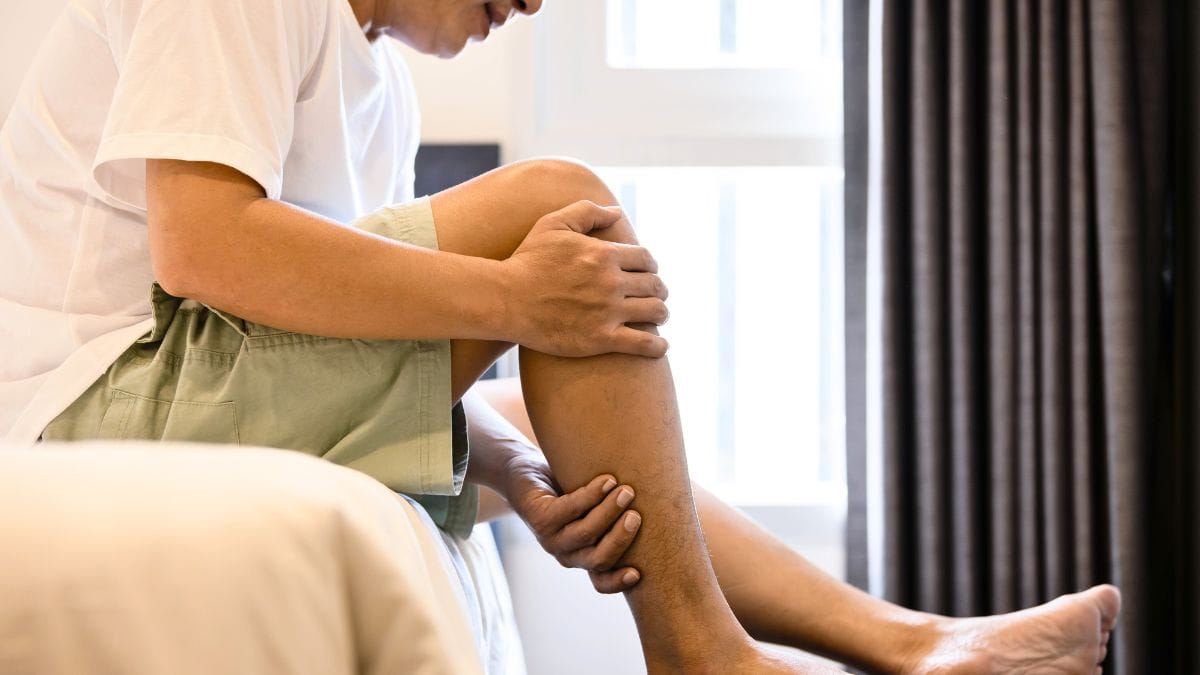
At 67, Margaret avoided her morning walks after fracturing her wrist from a minor fall—until her doctor suggested a surprising solution hiding in her vegetable drawer.
Here’s the hard truth: Your bones lose 1% of their density every year after age 50. One in three women and one in five men over 50 will break a bone from osteoporosis. Most people pop calcium pills and hope for the best. But they’re missing something crucial.
Your body absorbs nutrients from whole foods better than any supplement. The right vegetables for bone health in old age deliver calcium, vitamin K, and magnesium together—the exact combo your bones need to strengthen bones naturally.
In this guide, you’ll discover five vegetables proven to rebuild bone density. You’ll learn exactly how much to eat, how to cook them, and simple ways to add them to meals you already love. This isn’t about perfect eating. It’s about osteoporosis prevention that actually works.
Why Vegetables Beat Supplements for Stronger Bones
You’ve probably spent money on calcium pills. But here’s what the bottle doesn’t tell you: your body can’t use that calcium without help.
Vegetables deliver a complete package—calcium plus vitamin K, magnesium, and potassium all at once. These nutrients work together like a team. Calcium builds bone. Vitamin K tells your body where to put it. Magnesium holds it in place. You can’t get this teamwork from a pill.
Here’s proof: Studies show vitamin K from vegetables is absorbed 10 times better than synthetic versions. Your stomach struggles to break down calcium carbonate supplements, especially as you age. But vegetable-bound calcium? Your body recognizes it as food and soaks it up.
Adults eating 5+ servings of vegetables daily have 20% higher bone mineral density. A 2023 study in the Journal of Bone and Mineral Research confirmed it—foods to strengthen bones naturally work better than isolated supplements.
Plus, vegetables fight inflammation that weakens bones. They cost less than supplement regimens. And they’re completely safe for calcium absorption without side effects.
1 – Collard Greens: The Calcium Champion
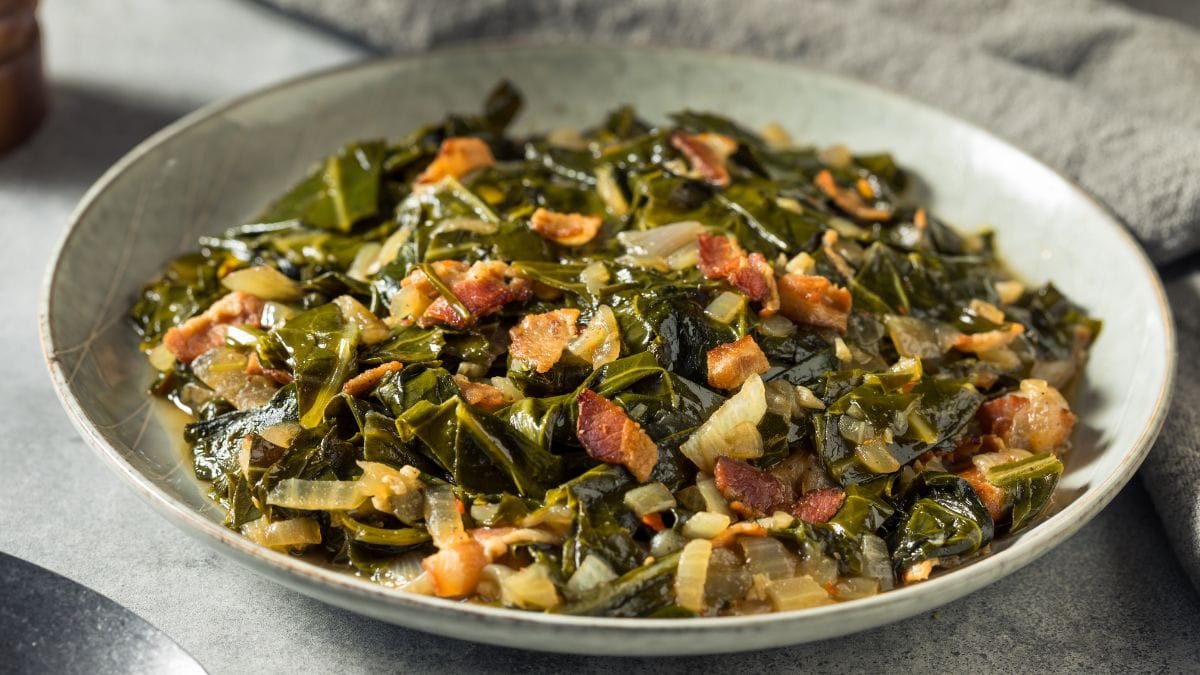
One cup of cooked collard greens gives you 268mg of calcium—more than half a glass of milk. That’s 26% of what you need daily. But calcium is just the start.
Collard greens pack 1,059 mcg of vitamin K. That’s over 1,000% of your daily needs. Vitamin K activates osteocalcin, a protein that pulls calcium into your bones instead of letting it float in your blood. The Framingham Heart Study found that people getting 250mcg of vitamin K daily cut their hip fracture risk by 65%.
Here’s why collards beat other greens: they’re low in oxalates. Spinach has compounds that block calcium absorption. Collards don’t. Your body actually uses the calcium you eat.
These calcium-rich vegetables for seniors also deliver magnesium, which forms the structure that holds calcium in place. Think of magnesium as the framework and calcium as the concrete.
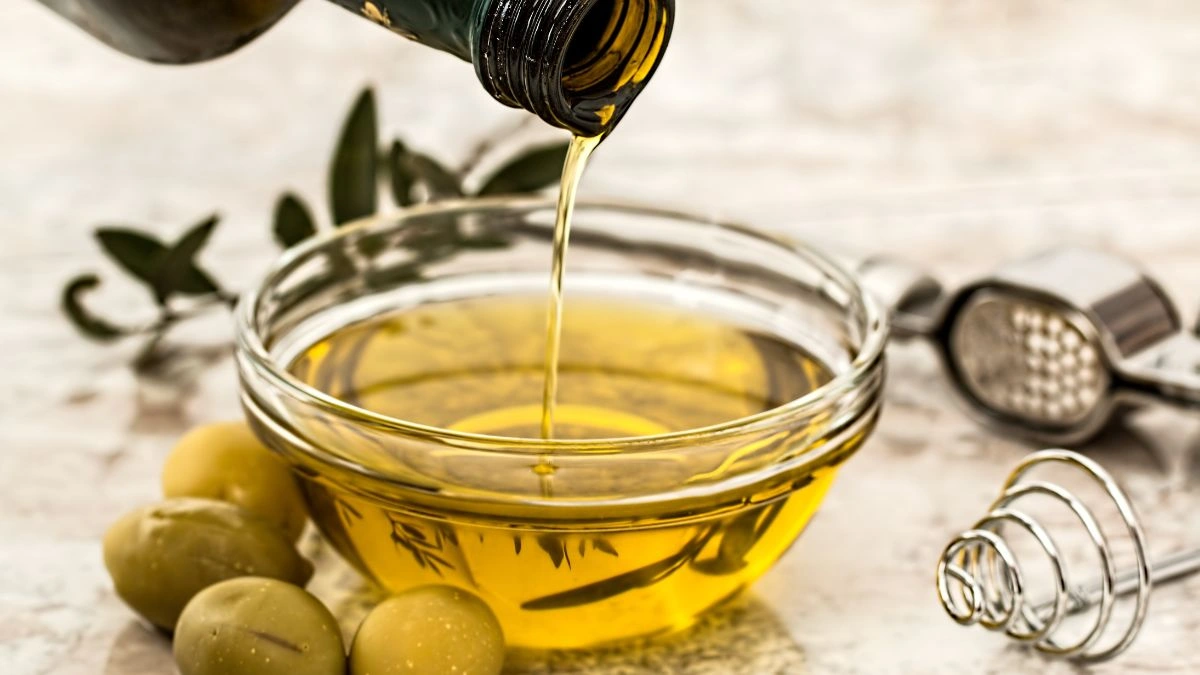
Worried about taste? Sauté collards with garlic and olive oil for 5-7 minutes. The oil helps your body absorb vitamin K for bone health.
Don’t overcook them—they’ll turn mushy and lose nutrients.
Eat 3-4 cups weekly to prevent osteoporosis with diet. Buy a bunch on Sunday. They’ll keep in your fridge for 5-7 days. Chop them up and add to omelets, soups, or side dishes all week.
2 – Broccoli: The Bone-Building Powerhouse
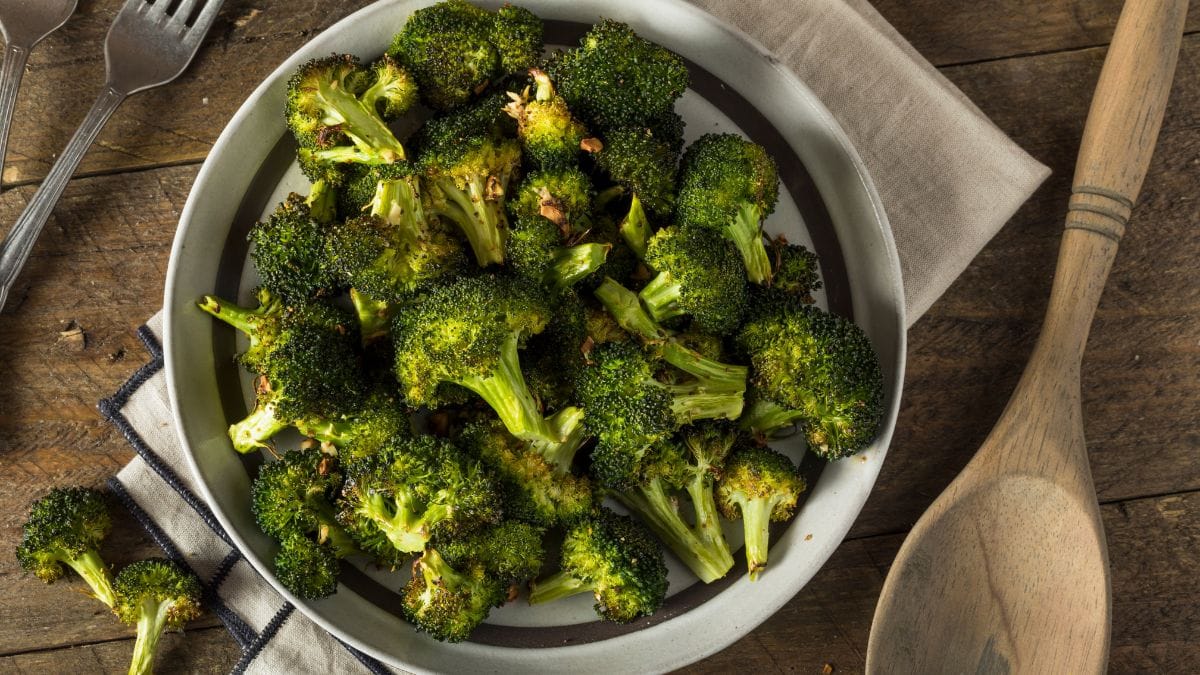
Broccoli does something most vegetables for bone health in old age can’t do. It contains sulforaphane, a compound that stops your bones from breaking down. Research shows sulforaphane decreases osteoclast activity by 40%. Osteoclasts are cells that eat away at old bone—you want fewer of them working.
Here’s the complete package in one cup of cooked broccoli: 43mg calcium, 220% of your daily vitamin C, and 270% of your vitamin K. Vitamin C builds collagen, the flexible protein that keeps bones from being too brittle. Without collagen production for bones, they snap like dry twigs.
Broccoli also feeds the good bacteria in your gut with prebiotic fiber. Better gut health means better mineral absorption. Your body pulls more calcium from every meal.
Steam broccoli for 5 minutes to keep nutrients intact.
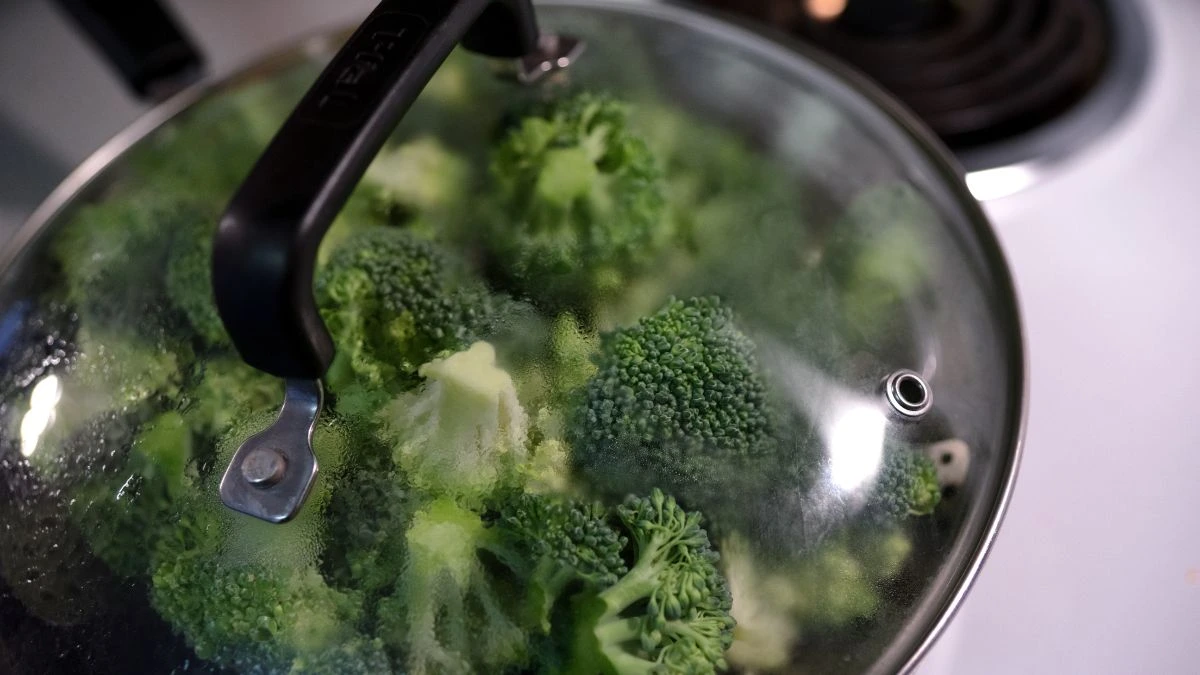
Roasting works too—just don’t char it black. And here’s a money-saving tip: eat the stems. They have the same nutrients as the florets. Most people toss them. You shouldn’t.
Worried about thyroid issues? You’d need to eat pounds of raw broccoli daily for it to matter. Cooked broccoli is perfectly safe.
Aim for 4-5 cups weekly. Toss it into omelets at breakfast. Add to pasta or stir-fries at dinner. Frozen broccoli is just as nutritious as fresh—and it’s already chopped for you.
3 – Brussels Sprouts: Hidden Bone Health Hero
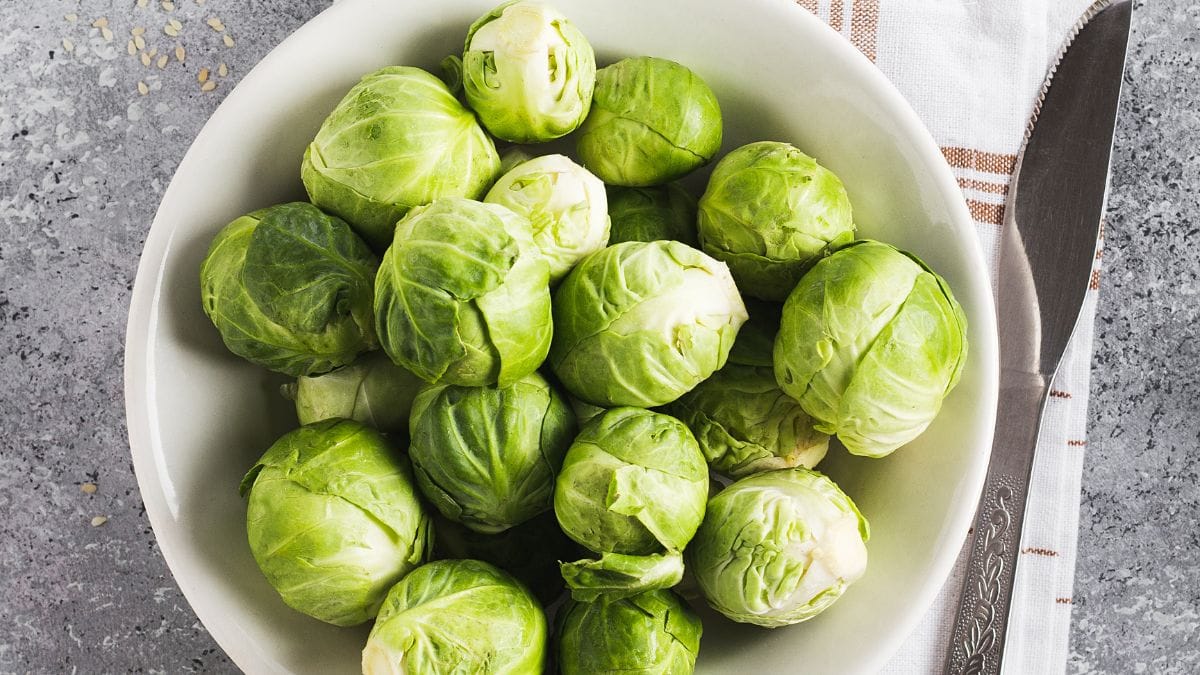
Most people skip Brussels sprouts. That’s a mistake. One cup delivers 195% of your daily vitamin K—more than most leafy greens. Women who eat the most vitamin K vegetables have 30% fewer hip fractures. That’s powerful protection.
Brussels sprouts pack antioxidants called kaempferol and quercetin. These compounds stop inflammation that eats away at bone tissue. They’re anti-inflammatory foods for bones that work while you sleep.
You also get vitamin C for collagen and folate that helps your body use other nutrients better. This little vegetable punches above its weight to prevent osteoporosis with diet changes.
Hate the taste? You’ve probably had them boiled. That makes them bitter and mushy. Roasting at 400°F for 25 minutes transforms them completely. Cut them in half, toss with olive oil, and roast until the edges turn crispy and brown. The natural sugars caramelize. They taste almost sweet.
The olive oil isn’t just for flavor—it helps your body absorb vitamin K. You can also shave raw Brussels sprouts thin and add them to salads with avocado.
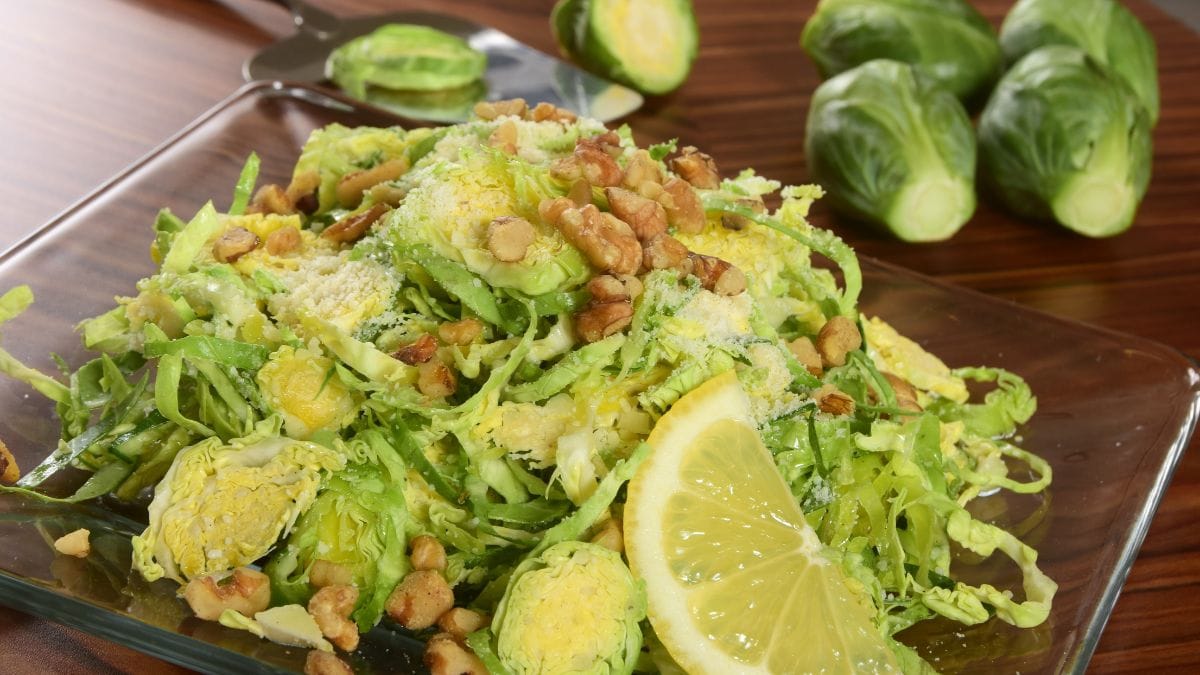
Eat 2-3 cups weekly. Fresh works great in fall and winter. Frozen Brussels sprouts are available year-round and cost less.
4 – Bok Choy: The Asian Secret to Strong Bones
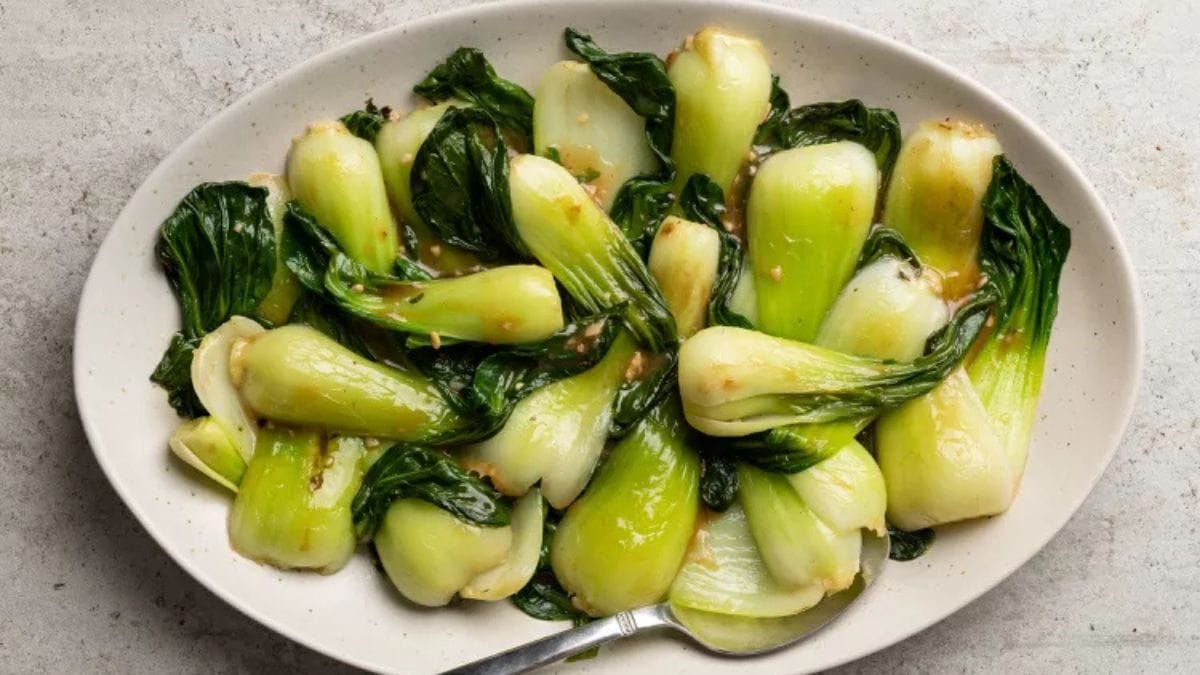
Bok choy gives you 158mg of calcium per cup—and your body absorbs it 50% better than calcium from dairy. It’s low in oxalates, so nothing blocks the calcium from reaching your bones. Asian populations eating bok choy regularly have lower osteoporosis rates. Now you know why.
Here’s what makes bok choy special: it contains vitamin D, which is rare in vegetables. You get 27 IU per cup. Vitamin D tells your body to actually use the calcium you eat. Without it, calcium just passes through.
You also get magnesium and potassium that keep bones strong as they rebuild.
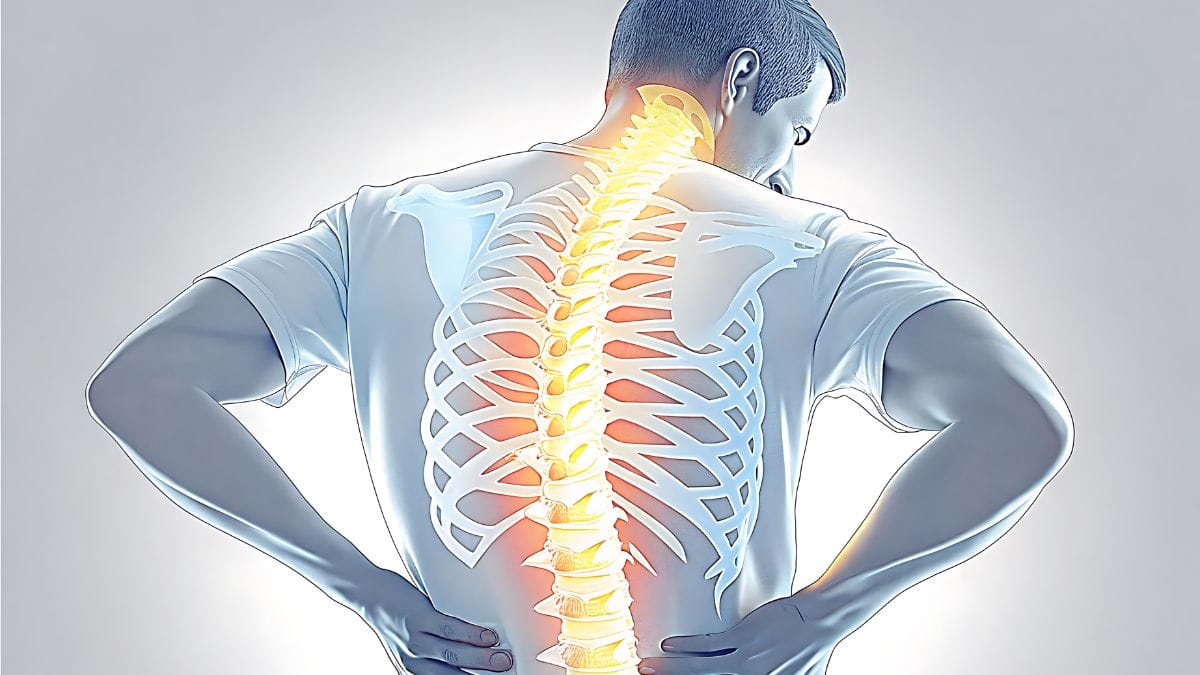
These calcium-rich vegetables for seniors work fast—your body recognizes them as food and gets to work.
If you’re tired or have limited mobility, bok choy cooks in 5 minutes. Chop it. Heat a pan with a little oil. Toss it in. Stir for 5 minutes. Done. Add it to soups or noodle dishes. The mild flavor works with everything.
Find bok choy in any grocery store produce section. Asian markets have it cheaper. Baby bok choy is more tender if regular bok choy seems tough.
Eat 3-4 cups weekly. It’s gentler on your stomach than cabbage but delivers more nutrients as foods to strengthen bones naturally.
5 – Sweet Potatoes: The Magnesium and Potassium Protector
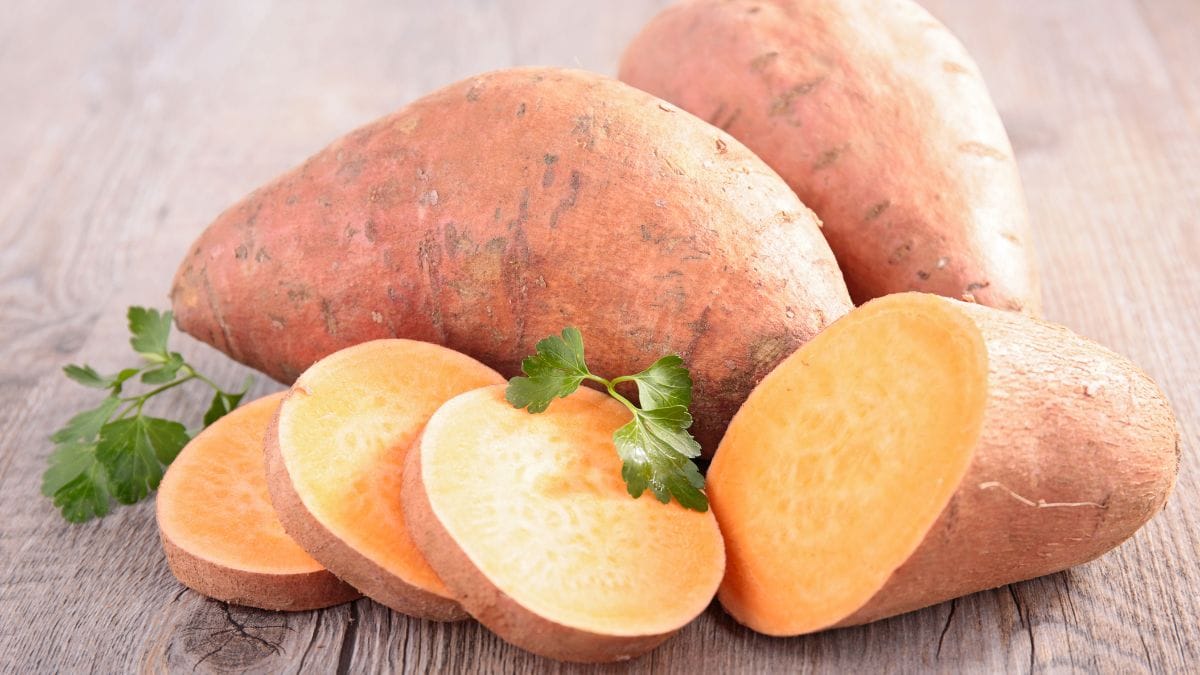
60% of people with osteoporosis are low in magnesium. One medium sweet potato gives you 32mg—10% of what you need daily. Magnesium for bone health matters because it activates vitamin D. Without magnesium, your body can’t use vitamin D to move calcium into bones.
Sweet potatoes pack 950mg of potassium per cup. High potassium intake is linked to 8% higher bone density. Here’s why: your body produces acids when you digest food. These acids pull calcium out of bones to neutralize themselves. Potassium stops this process. It protects the calcium already in your bones.
The orange color comes from beta-carotene, which your body converts to vitamin A. You need vitamin A to make osteoblasts—the cells that build new bone tissue. No vitamin A means no new bone growth.
Sweet potatoes feel like comfort food because they are. Bake them at 400°F for 45 minutes. Mash them. Roast them in chunks. They’re satisfying and filling.
Worried about blood sugar? Don’t be. The fiber in sweet potatoes slows sugar absorption. Keep the skin on—it has extra nutrients and fiber.
Bake 3-4 sweet potatoes on Sunday. Reheat them all week.
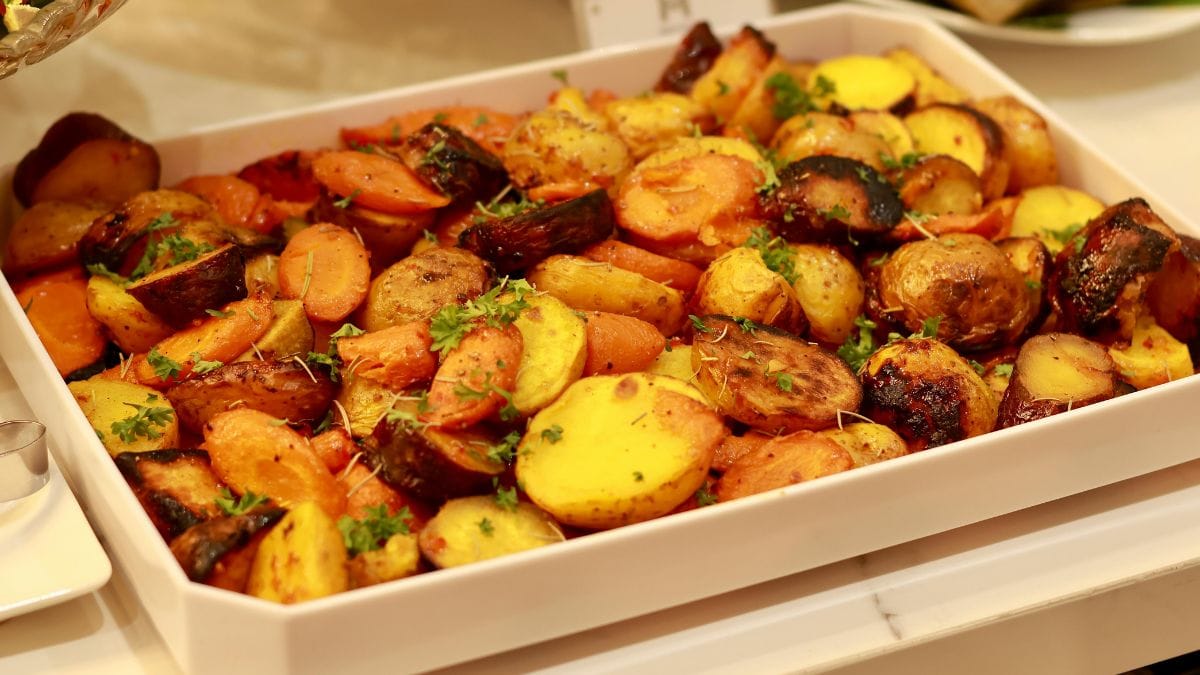
Add them to breakfast, lunch, or dinner. Regular potatoes don’t have the same magnesium or beta-carotene. These vegetables for bone health in old age actually prevent osteoporosis with diet changes that taste good.
How to Maximize Bone Benefits from These Vegetables
Eating these vegetables isn’t enough. You need to prepare them right. Add healthy fats to every serving—your body absorbs vitamin K 400% better with fat. Drizzle olive oil on cooked greens.
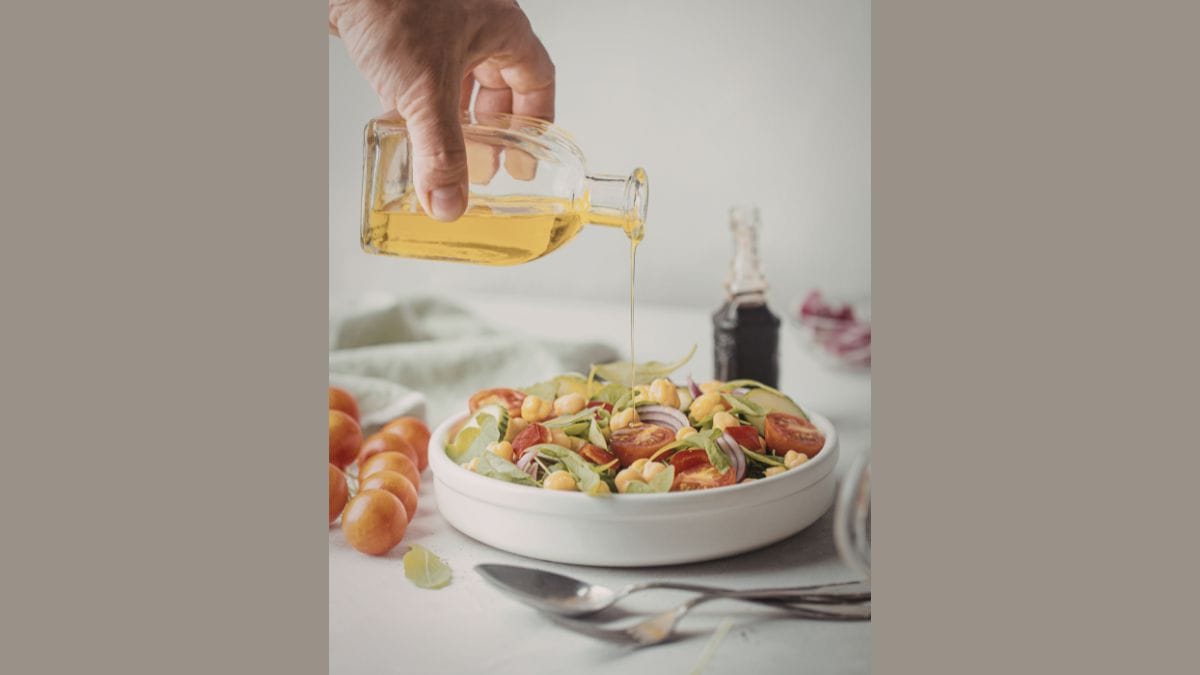
Top Brussels sprouts with avocado. Toss broccoli with a handful of almonds.
Cook leafy greens for 5-7 minutes maximum.
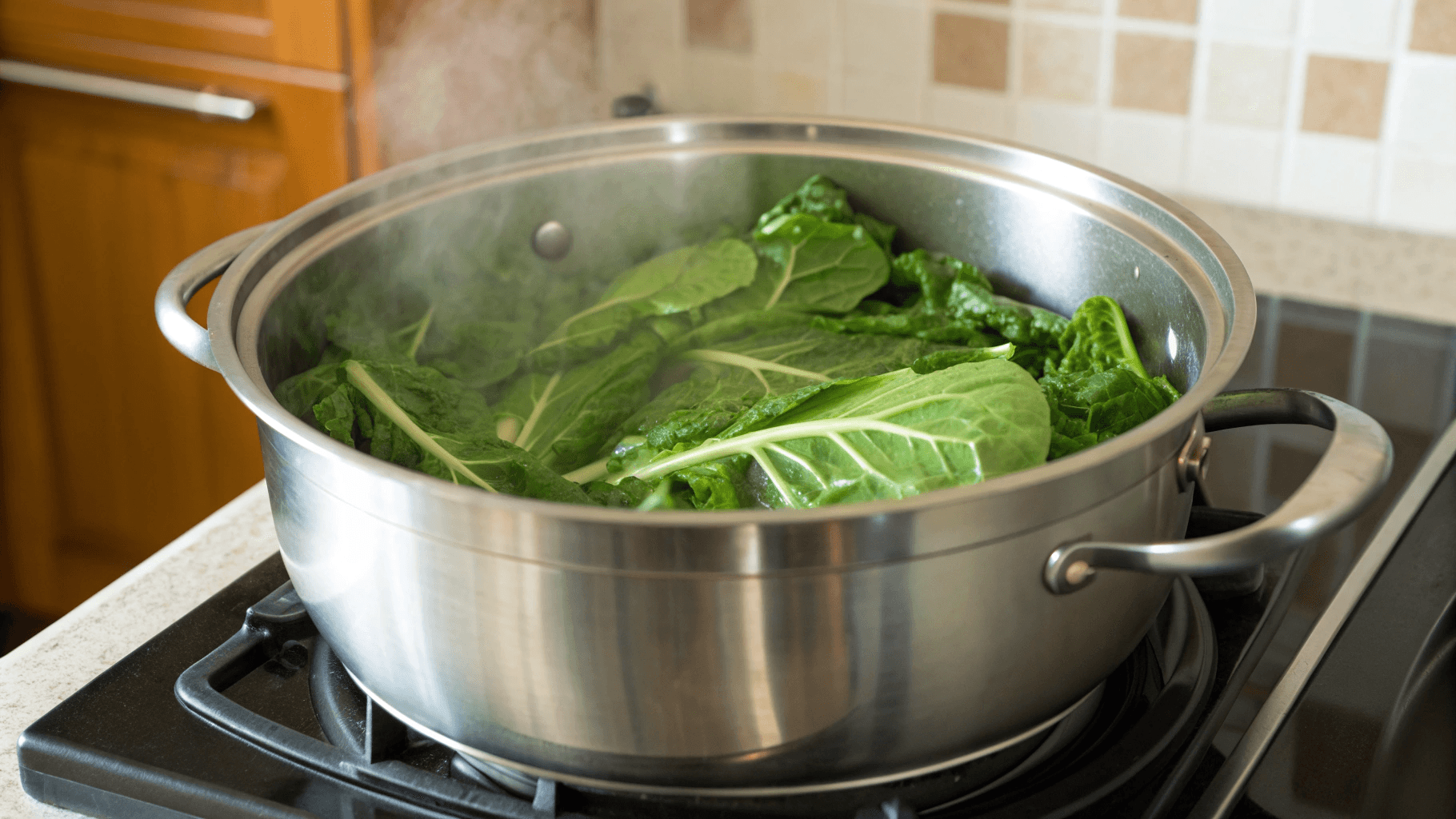
Longer kills nutrients. Steam broccoli and Brussels sprouts instead of boiling—boiling dumps nutrients into water you’ll throw away. Light cooking actually makes some calcium absorption foods easier to digest.
Squeeze lemon juice on your vegetables. The vitamin C helps your body grab more calcium. It’s a simple trick that works.
Don’t eat all your vegetables at dinner. Your body can only absorb so much at once. Spread them out—collards at breakfast in an omelet, broccoli at lunch in a salad, bok choy at dinner in a stir-fry.
Pair these foods to strengthen bones naturally with vitamin D. Get 15 minutes of sunlight daily. Eat fatty fish twice weekly.
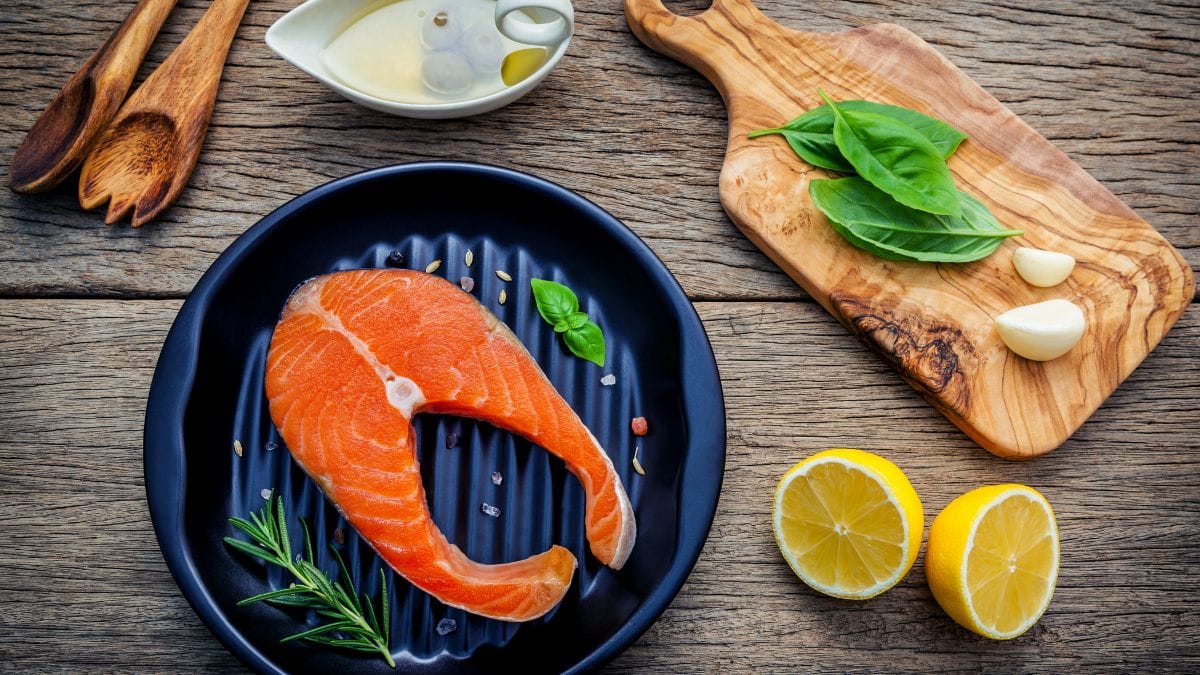
Check if your milk or orange juice is fortified.
Watch out for calcium blockers. Too much salt pulls calcium out of bones. More than 2 cups of coffee daily does the same. Limit alcohol to one drink.
Sunday prep strategy: Wash and chop all five vegetables. Store in containers. Grab and cook throughout the week. This makes bone health diet tips actually doable when you’re tired or busy.
Additional Lifestyle Tips for Stronger Bones
These vegetables build the foundation for bone health in old age. But other habits help too.
Walk for 20 minutes daily.

Weight-bearing exercise tells your bones to stay strong. Even light strength training with 2-pound weights works. If mobility is limited, chair exercises count. Movement signals your body to keep building bone tissue.
Protein matters as much as calcium. Seniors need 1.2 grams of protein per kilogram of body weight. For a 150-pound person, that’s about 80 grams daily. Eggs, chicken, fish, beans, and Greek yogurt all count.
Get your vitamin D tested. Many seniors are deficient and don’t know it. If your levels are low, supplements help. But test first—too much vitamin D causes problems too.
Quit smoking if you haven’t already.

Smoking speeds up bone loss. Limit alcohol to one drink daily. Sitting all day weakens bones—stand and move every hour.
After 65, get a bone density scan. It shows if osteoporosis prevention is working. Catching bone loss early means you can fix it before fractures happen.
These habits support the vegetables you’re eating. But diet stays the most important factor to strengthen bones naturally.
Lastly:
Collard greens, broccoli, Brussels sprouts, bok choy, and sweet potatoes—these vegetables for bone health in old age aren’t miracle cures, but they’re backed by science and available at any grocery store.

You can rebuild bone strength at any age. Small changes compound over time. Making these foods to strengthen bones naturally a regular part of your diet is one of the most powerful steps you can take.
Start this week by adding just two of these vegetables to your meals. Your bones will thank you six months from now when you’re moving with confidence and strength—just like Margaret does on her morning walks.