
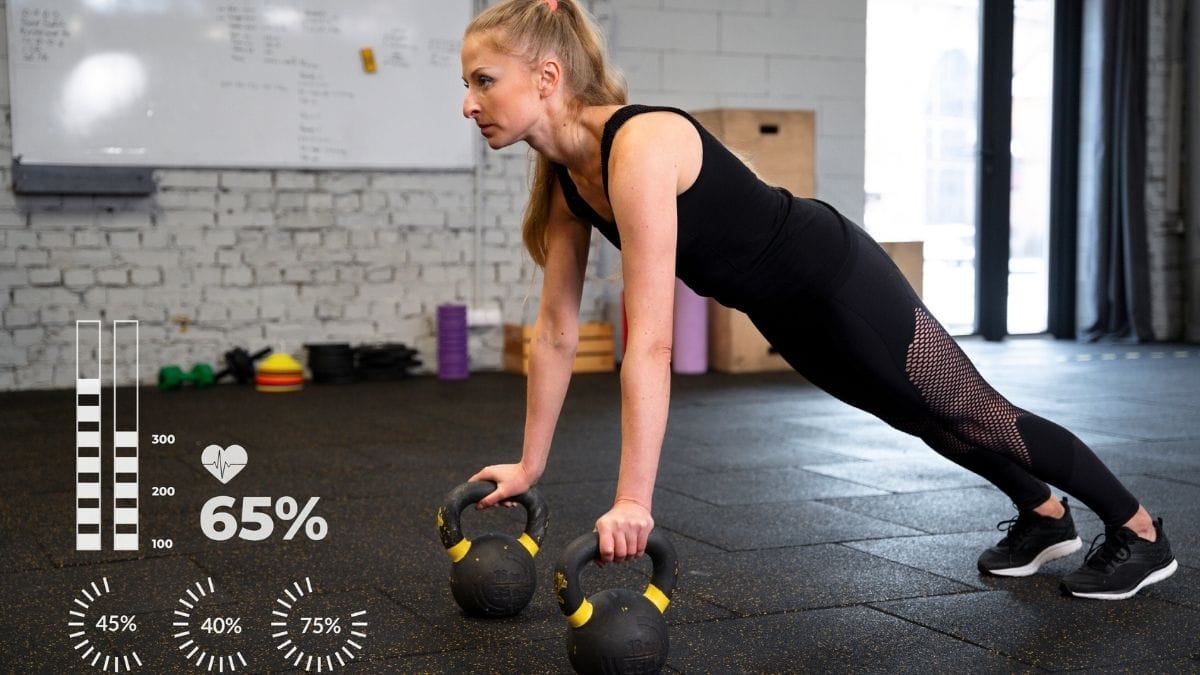
You’re spending an hour at the gym five days a week, but your body fat percentage hasn’t budged in months—sound familiar? You’re doing everything “right.”
You show up. You sweat. You leave tired. But the scale won’t move.
Here’s what nobody tells you: longer workouts won’t fix this. Your body adapts to the same routine.
It gets efficient. It burns fewer calories doing the exact same work. That’s why you hit a fat loss plateau even though you’re consistent.
The solution? Stop working longer. Start working smarter. These five changes will help you burn more fat without increasing gym time.
They’re backed by 2025-2026 research. They work because they create new metabolic stress your body hasn’t adapted to yet.
Let’s fix your workout efficiency starting today.
Why More Time Isn’t the Answer to Fat Loss
You think you need more gym time. You don’t.

Research from BMJ Open Sport & Exercise Medicine compared two groups. One did high-intensity intervals. The other did steady cardio.
Both groups lost similar weight. But the HIIT group finished in 40% less time. Same results. Half the work.
Fat burning depends on three things: workout intensity, metabolic stress, and hormonal response. Duration matters way less than you think.
Your body cares about how hard you push it, not how long you’re there. A 20-minute intense session beats a 60-minute easy one every time.
Here’s the problem with doing the same workout for months. Your body adapts. It becomes efficient. Those squats that destroyed you in January? Your body now does them with less energy.
You’re working the same amount but burning fewer calories. This is called metabolic adaptation, and it’s why you plateau.
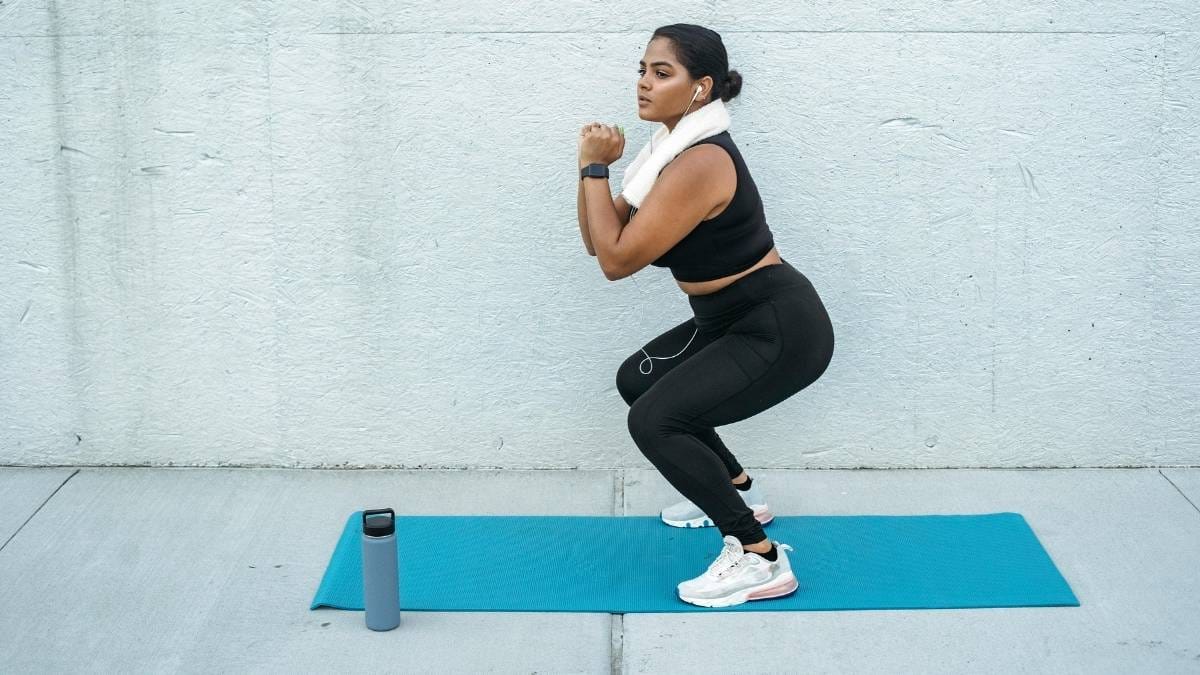
The fix is metabolic conditioning. This means maximizing calorie burn per minute instead of per hour.
Studies on older men doing resistance training showed a 7.7% increase in resting metabolic rate after 16 weeks. They burned more calories all day, not just during workouts.
Change #1 – Add High-Intensity Intervals to Your Cardio
Stop jogging for 30 minutes. Start sprinting for 20.

HIIT creates something called the afterburn effect. Your body keeps burning calories for hours after you finish.
Scientists call this EPOC (Excess Post-Exercise Oxygen Consumption). Steady cardio stops burning calories the moment you stop moving. HIIT keeps the fire going.
Research shows HIIT works faster. One study tracked people for eight weeks. The HIIT group increased aerobic capacity by 27.93%.
They also lost 1.86 kg of fat mass on average. And they spent way less time exercising.
Here’s your protocol: warm up for 5 minutes. Then do 8 rounds of 30 seconds sprinting and 60 seconds walking. Cool down for 5 minutes. Total time? 20 minutes. That replaces your 30-minute jog.
New to this? Start easier. Do 20 seconds of work and 40 seconds of rest. Already fit? Try Tabata: 20 seconds all-out effort, 10 seconds rest, repeat 8 times. That’s only 4 minutes of work, but you’ll feel it.
HIIT also targets belly fat better than steady cardio. That visceral fat around your organs? HIIT attacks it preferentially.
Change #2 – Switch to Compound Exercises
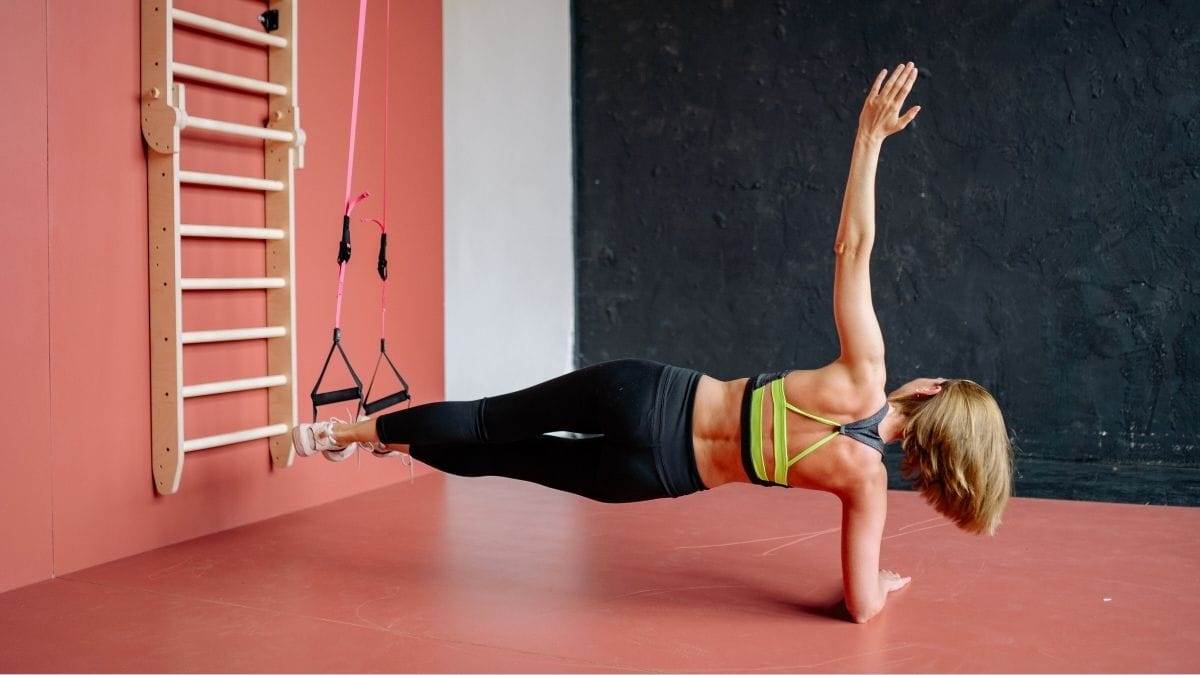
Leg extensions work one muscle. Squats work ten. Which burns more calories?
Compound exercises engage multiple muscle groups at once. This creates massive metabolic demand. Your heart rate spikes.
Your body releases more fat-burning hormones during and after the workout. One compound movement does the work of three isolation exercises.
Look at your current leg day. You probably do leg extensions, leg curls, and calf raises. That’s 15 minutes for three muscles.
Replace all of that with squats and Romanian deadlifts. You hit every leg muscle in 10 minutes. You save time and burn more fat.
The best compound exercises: squats (quads, glutes, hamstrings, core), deadlifts (entire back side of your body), bench press (chest, shoulders, triceps), rows (back, biceps, core), overhead press (shoulders, triceps, core), and pull-ups (back, biceps, core).

Research confirms this works. Studies show compound movements like squats elevate heart rate and calorie burn significantly more than isolation work.
Big muscles need big energy. When you force multiple muscle groups to work together, your body has no choice but to burn more fuel.
Change #3 – Implement Progressive Overload (Even in a Calorie Deficit)
Your muscles adapt fast. Too fast.
If you squat the same weight every week, your body stops changing. It learns the pattern. It gets efficient.
You burn fewer calories doing the same work. Progressive overload fixes this. You force your body to adapt by constantly increasing the challenge.
Here’s what this looks like: Week 1, you squat 100 pounds for 10 reps. Week 4, you squat 115 pounds for 10 reps. Same workout time. Same number of reps. But you’re burning more calories because the load increased.
Studies show muscle burns calories even at rest. Add one kilogram of muscle, and you burn 20 extra calories per day. That’s 7,300 calories per year from one kg of muscle.
One study tracked people for nine months. Their resting metabolic rate went from 1,653 to 1,726 calories per day just from progressive resistance training.
You don’t always need more weight. Add reps (10 to 12). Add sets (3 to 4). Decrease rest time (90 to 60 seconds). Increase range of motion. Any of these methods work. The key is constant progression.
Change #4 – Optimize Your Rest Periods
Three-minute rest breaks kill fat loss.

Shorter rest periods keep your heart rate up. They create metabolic stress. Your workout becomes cardio and strength training combined. This is exactly what you want for fat burning.
Research shows rest periods under 60 seconds promote metabolic stress. Rest periods over 60 seconds help strength recovery.
For fat loss, you want that metabolic stress. Cut your rest times to 60-90 seconds for big lifts. Cut to 30-45 seconds for smaller exercises.
Here’s your new protocol: compound movements like squats get 60-90 seconds of rest. Accessory work like bicep curls gets 30-45 seconds.
Circuit training? Move from one exercise to the next with no rest. Then take a 2-minute break before repeating.
Why does this work? Your phosphagen stores (the fuel for quick, powerful movements) take 2.5 to 3 minutes to fully replenish.
If you only rest 60 seconds, your body has to work harder. It burns more calories. It creates more metabolic stress.
Balance matters here. Too short and you can’t lift heavy enough. Too long and you lose the metabolic benefit. Sixty to ninety seconds hits the sweet spot.
Change #5 – Master Tempo Training for Maximum Time Under Tension
Slow down to burn more.
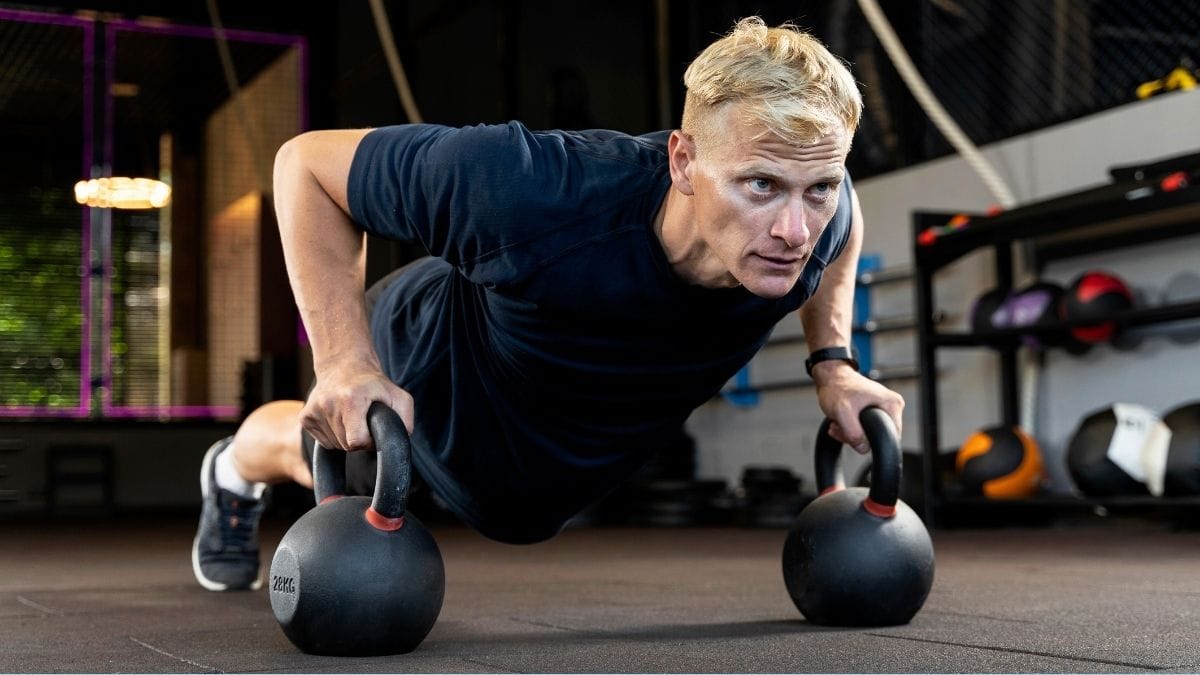
You probably lower weights in one second and lift them in one second. That’s two seconds per rep. Speed through 10 reps and you’re done in 20 seconds. Your muscles barely worked.
Now try this: lower the weight in 3 seconds, pause for 1 second, lift in 1 second. That’s 5 seconds per rep. Those same 10 reps now take 50 seconds. Your muscles work 2.5 times longer.
This is called time under tension. Research shows 45-75 seconds of TUT is ideal for fat loss. Slower eccentric (lowering) phases create more muscle damage.
More muscle damage means more repair. More repair means more calories burned after your workout.
Studies prove it works. One group trained with longer time under tension. They showed three times more protein synthesis after 24 hours.
Another study found that tempo training at 70% of your max weight creates greater EPOC (that afterburn effect).
Here’s how to read tempo: 3-1-1-0 means 3 seconds lowering, 1 second pause at bottom, 1 second lifting, no pause at top. Try this on your next workout. Same weight. Same reps. Double the results.
Conclusion
Fat loss isn’t about spending more hours at the gym. It’s about making every minute count. Add HIIT intervals to replace steady cardio.
Use compound exercises instead of isolation work. Progress your weights weekly. Cut your rest periods to 60-90 seconds. Slow down your reps for more time under tension.
Start with one change this week. Track it for a month. Then add another. These modifications work because they create new stress your body hasn’t adapted to yet.