
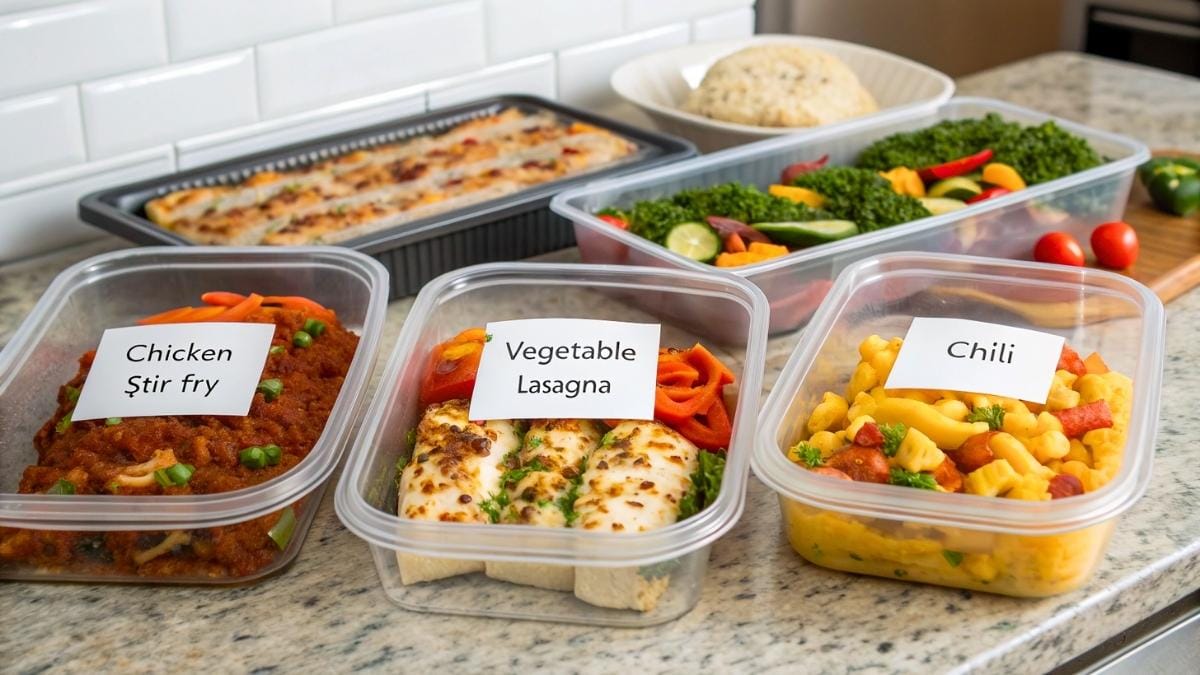
Picture this: It’s 6 PM on a Wednesday. You just got home from work. Instead of staring blankly into the fridge wondering what to cook, you pull out a homemade meal that’s ready in 20 minutes.
Most Americans have less than 30 minutes to prepare and enjoy meals. This leads to expensive takeout and unhealthy eating. The nightly “what’s for dinner?” question drains your energy before you even start cooking.
Here’s what you’ll learn in this guide:
You’ll get 6 freezer-friendly meal prep recipes that taste fresh, not frozen. Each recipe follows USDA food safety guidelines. You’ll learn batch cooking techniques that actually save time. And you’ll discover how to stock your freezer with make-ahead freezer meals for weeks of stress-free dinners during your busy weeks.
Three hours of prep today means 20-minute dinners all month long.

Why Freezer Meal Prep Works for Busy Weeks
The meal prep market hit $5.68 billion in 2024. It’s growing 9.2% every year because people need real solutions. You’re not alone if weeknight cooking feels impossible.
Americans now waste $1,300 per year on food that goes bad. Batch cooking stops this. You plan ingredients, use everything, and throw away nothing.
Here’s the best part: freezer meal prep for busy weeks saves 5-7 hours weekly. That’s time you get back for family, hobbies, or rest. The USDA confirms frozen food stays safe forever at 0°F. Quality lasts 3-6 months, which means your meals taste fresh.
54% of Americans now cook more at home. They cite time-saving as their top priority. Freezer prep makes this possible without the stress.
Essential Guidelines for Freezer-Friendly Meals
Your freezer must stay at 0°F for food safety.
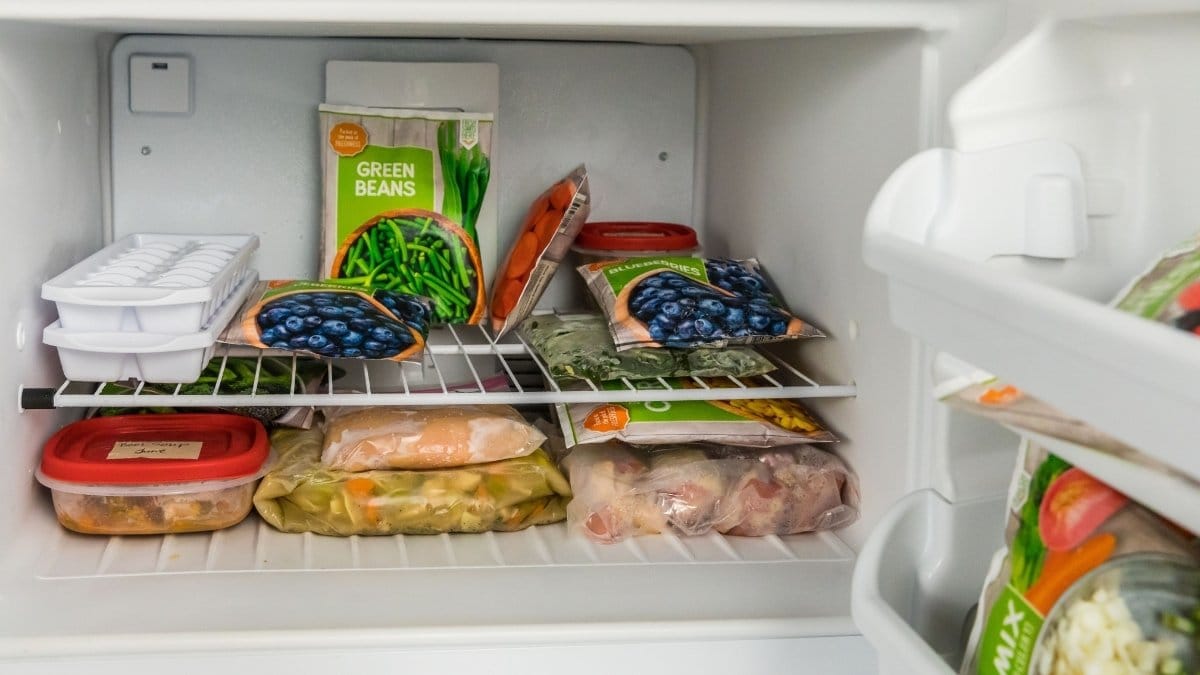
USDA guidelines confirm this stops bacteria from growing. Food stays safe forever at this temperature, though quality lasts 2-6 months depending on what you freeze.
Packaging matters more than you think. Remove all air from containers to prevent freezer burn. When air touches food, it dries out and loses flavor. Use freezer bags and squeeze out every bit of air before sealing.
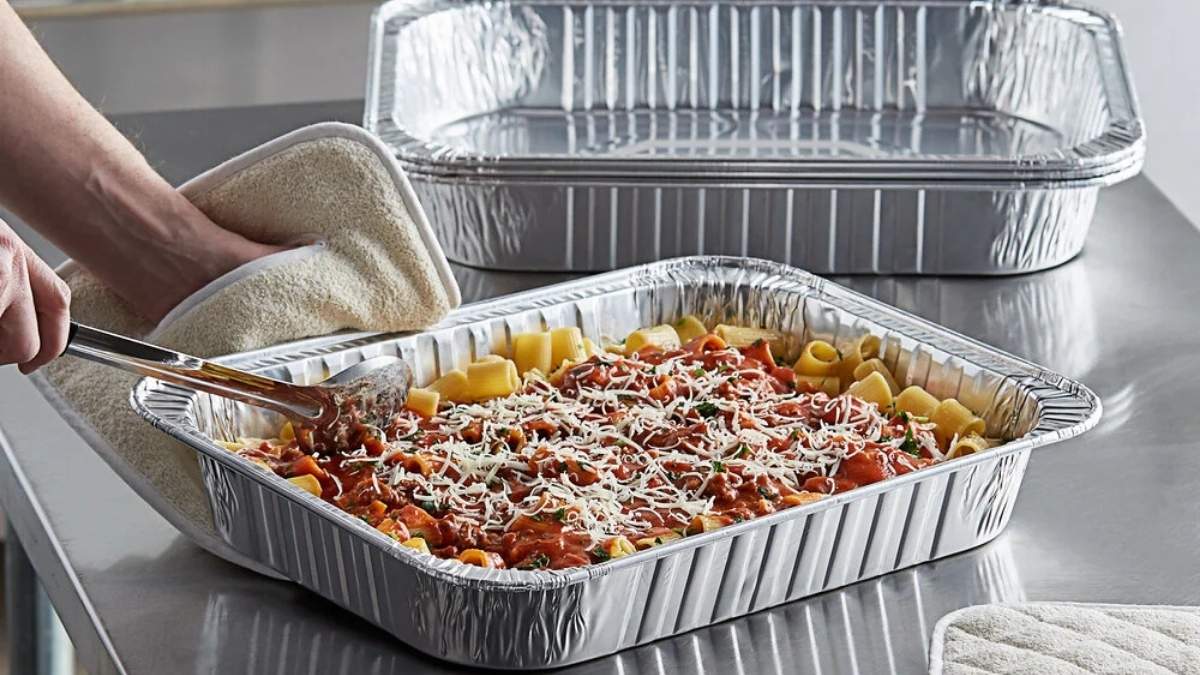
Here’s what works best for proper storage: freezer bags for flat items, glass containers for soups, and aluminum pans for casseroles.
Label everything with the date and reheating instructions. You’ll thank yourself later.
Thaw meals in the fridge, not on the counter. This takes 24 hours but keeps bacteria away. Refrigerated leftovers last 3-4 days max. After that, freeze them or toss them.
Recipe #1: One-Pan Chicken and Vegetable Bake
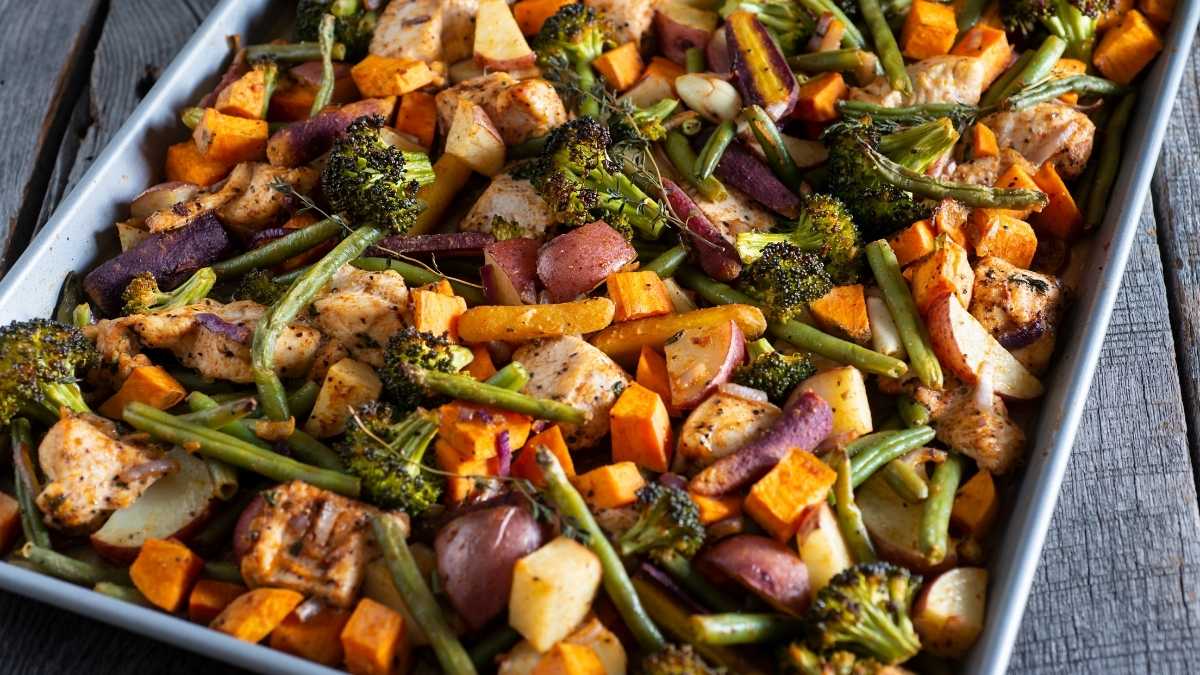
This freezer-friendly recipe works because everything cooks together. The vegetables don’t get mushy when frozen. The chicken stays juicy when you reheat it.
What you need: Chicken breasts, broccoli, bell peppers, cherry tomatoes, olive oil, garlic, Italian seasoning, salt, and pepper. That’s it. No complicated sauces that separate when frozen.
How to prep: Cut chicken into bite-sized pieces. Chop vegetables into similar sizes so they cook evenly. Toss everything with oil and seasonings. Spread on a baking sheet and roast at 400°F for 25 minutes.
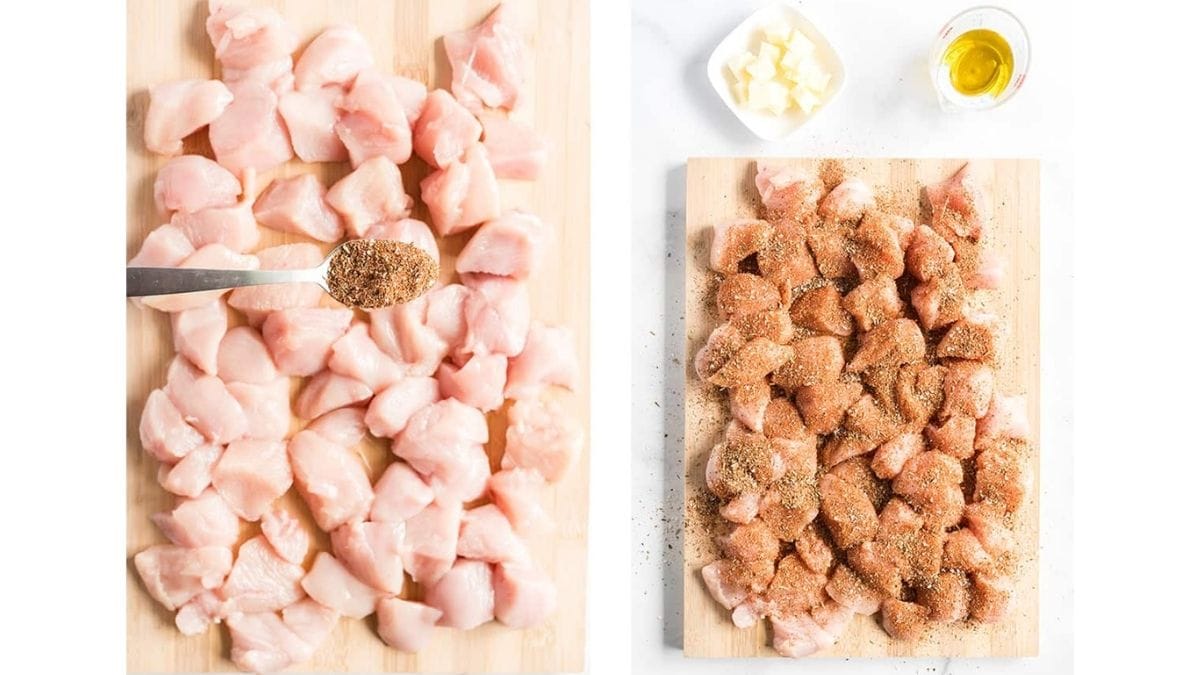
Freezing steps: Let the pan cool completely. This prevents ice crystals from forming. Divide portions into freezer-safe containers. Leave half an inch of space at the top because food expands when frozen. Seal tight and label with the date.
Reheating: Thaw overnight in the fridge. Microwave for 3-4 minutes or bake at 350°F for 15 minutes. Add a tablespoon of water before reheating to keep moisture.
Pro tip: Undercook vegetables by 2 minutes. They’ll finish cooking when you reheat. This keeps them from getting soft.
Nutrition: Each serving has 320 calories, 35g protein, 8g carbs. Serves 4-6 people. Prep time: 35 minutes. Reheat time: 4 minutes.
Recipe #2: Vegetarian Chili with Beans

This is one of the best make-ahead freezer meals. Soups and stews actually taste better after freezing. The flavors blend together while stored.
What you need: Black beans, kidney beans, diced tomatoes, onion, bell peppers, chili powder, cumin, garlic, vegetable broth. All pantry staples that cost under $12 total.
How to prep: Sauté onions and peppers until soft. Add garlic and spices, cook for one minute. Pour in tomatoes, beans, and broth. Simmer for 30 minutes. The longer it cooks, the thicker it gets.
Freezing steps: Cool the pot in an ice bath to speed things up. Pour into freezer bags and lay flat. Flat bags stack easily and thaw faster. Or use glass jars but leave two inches at the top for expansion.
Reheating: Thaw in the fridge overnight. Heat on the stove for 10 minutes, stirring occasionally. Or microwave in a bowl for 5-6 minutes. Add water if it’s too thick.
Pro tip: Freeze in single portions for quick lunches. Top with cheese, sour cream, or avocado after reheating, not before freezing.
Nutrition: 280 calories per serving, 15g protein, 48g carbs, 12g fiber. Serves 6-8 people. Prep time: 45 minutes. Reheat time: 10 minutes.
Recipe #3: Lasagna Roll-Ups
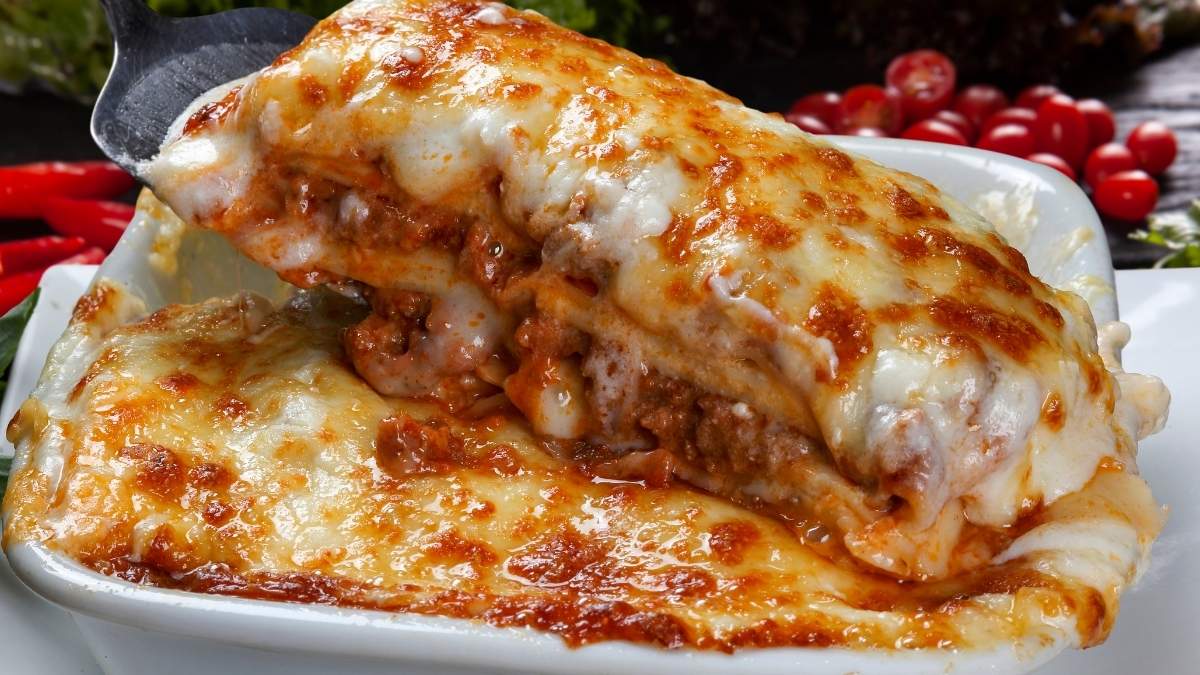
Portion control makes these batch cooking recipes perfect for families. Each person gets their own rolls. No cutting, no mess, no fighting over corner pieces.
What you need: Lasagna noodles, ricotta cheese, mozzarella, marinara sauce, spinach, egg, Italian seasoning. One box of noodles makes 12 roll-ups.
How to prep: Boil noodles until bendable but firm. Mix ricotta, egg, spinach, and half the mozzarella. Spread mixture on each noodle and roll up. Place seam-side down in a pan with marinara. Top with remaining cheese.
Freezing steps: Here’s the key: freeze before baking. Wrap the entire pan in plastic wrap, then foil. Or freeze individual rolls in containers. Raw pasta freezes better than cooked.
Reheating: Don’t thaw. Bake frozen at 375°F for 45-50 minutes, covered. Remove foil for the last 10 minutes to brown the cheese. Check that the center is hot.
Pro tip: Make a double batch. These disappear fast. You can swap spinach for mushrooms or ground beef if you want meat.
Nutrition: 310 calories per roll-up, 18g protein, 32g carbs. Makes 12 roll-ups. Prep time: 40 minutes. Reheat time: 50 minutes.
Recipe #4: Teriyaki Chicken Freezer Bags
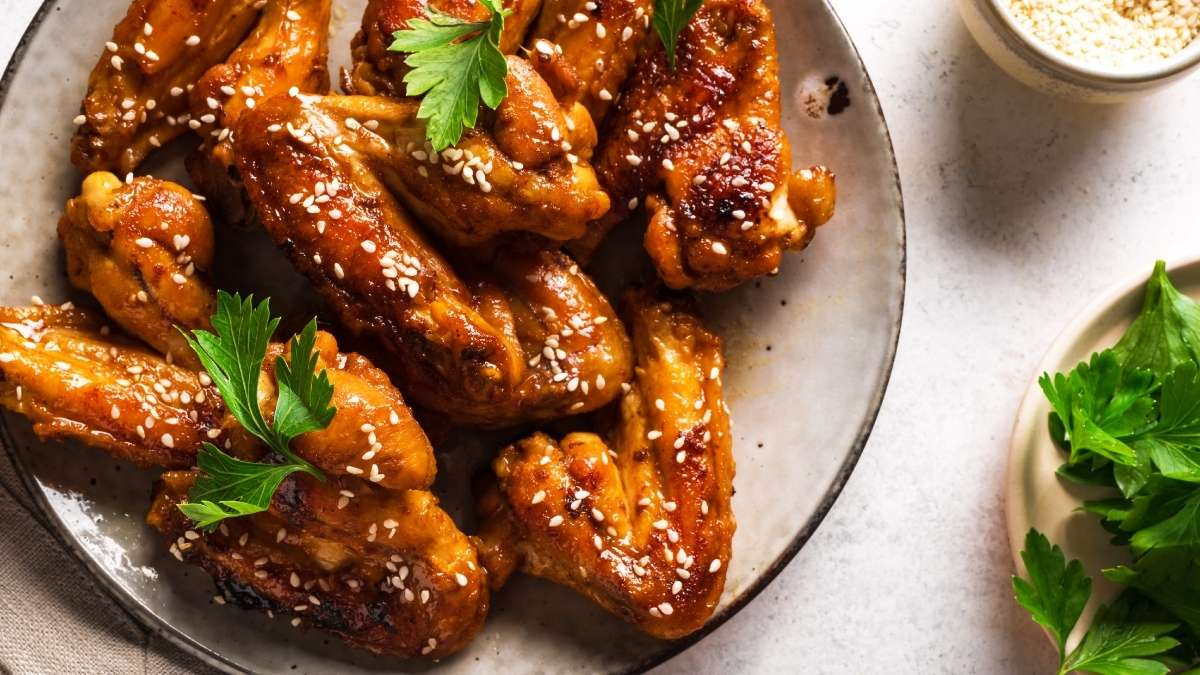
This dump-and-cook style is the easiest of all freezer-friendly recipes. You prep raw ingredients in a bag. When ready, dump into a pan and cook. Zero effort on busy nights.
What you need: Chicken thighs, soy sauce, honey, ginger, garlic, rice vinegar, cornstarch. Thighs stay juicier than breasts when frozen.
How to prep: Mix soy sauce, honey, vinegar, ginger, and garlic in a bowl. Cut chicken into chunks. Put chicken in a freezer bag, pour sauce over it. Squeeze out air and seal.
Freezing steps: Lay bag flat in the freezer. This is crucial. Flat bags thaw in 3-4 hours in cold water. Round containers take all day.
Reheating: Thaw in the fridge overnight. Or quick-thaw in cold water for 2 hours. Pour everything into a pan and cook over medium heat for 12-15 minutes. Stir in cornstarch mixed with water for the last 2 minutes to thicken.
Pro tip: Make 5 bags at once. Each bag takes 3 minutes to prep. Serve over rice, noodles, or with steamed broccoli.
Nutrition: 340 calories per serving, 32g protein, 18g carbs. Serves 4 people per bag. Prep time: 5 minutes per bag. Cook time: 15 minutes.
Recipe #5: Breakfast Burritos

Morning chaos ends with these make-ahead freezer meals. Grab one, microwave for 2 minutes, and you have a hot breakfast. No drive-thru needed.
What you need: Flour tortillas, scrambled eggs, cooked sausage or bacon, shredded cheese, diced potatoes, peppers. Cook everything first before assembling.
How to prep: Scramble 12 eggs. Cook a pound of sausage. Roast diced potatoes until crispy. Sauté peppers. Let everything cool completely before building burritos.
Freezing steps: Lay a tortilla flat. Add eggs, meat, potatoes, peppers, and cheese in the center. Fold sides in, roll tight. Wrap each burrito in foil, then place in a freezer bag. Label the bag.
Reheating: Remove foil. Wrap in a damp paper towel. Microwave for 90 seconds, flip, then another 90 seconds. Or heat in foil in the oven at 350°F for 20 minutes.
Pro tip: Make 20 at once. Sounds like a lot but they go fast. Skip watery ingredients like salsa or sour cream before freezing. Add those after reheating.
Nutrition: 380 calories per burrito, 22g protein, 35g carbs. Makes 12-15 burritos. Prep time: 60 minutes for 15 burritos. Reheat time: 3 minutes.
Recipe #6: Meatballs in Marinara Sauce
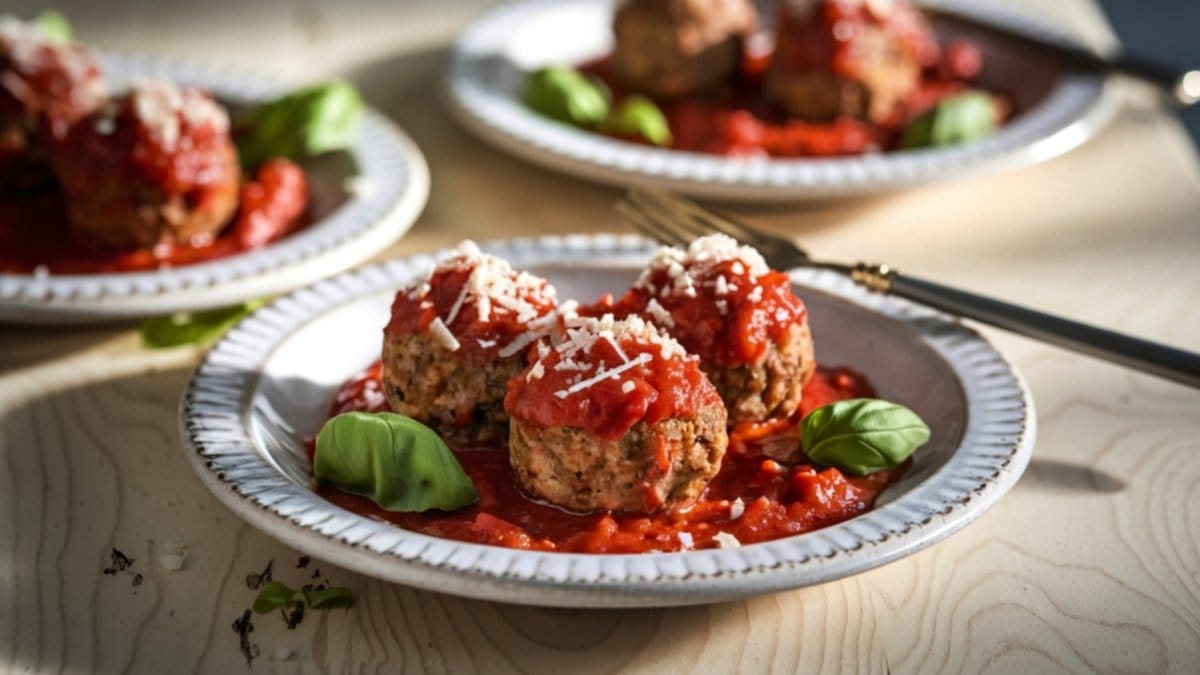
These are the most versatile batch cooking recipes on this list. Serve over pasta, in subs, with zoodles, or just eat them plain. One batch gives you multiple meals.
What you need: Ground beef, breadcrumbs, egg, parmesan, garlic, Italian seasoning, salt, pepper, marinara sauce. One pound of beef makes 20 meatballs.
How to prep: Mix beef, breadcrumbs, egg, parmesan, and seasonings. Roll into golf-ball-sized meatballs. Bake on a sheet at 400°F for 20 minutes. Simmer in marinara for 10 minutes.
Freezing steps: Cool completely. Put meatballs and sauce in containers or freezer bags. Don’t pack too tight. You want sauce around each meatball to prevent drying out.
Reheating: Thaw overnight. Heat in a pot on the stove for 10-12 minutes. Or microwave for 4-5 minutes, stirring halfway. The sauce keeps them moist.
Pro tip: Make 60 meatballs at once. It takes the same effort as making 20. Freeze in meal-sized portions. Each container should have 5-6 meatballs per person.
Nutrition: 290 calories per serving (5 meatballs with sauce), 24g protein, 12g carbs. One batch serves 4 people. Prep time: 35 minutes. Reheat time: 10 minutes.
How to Prep All 6 Recipes in One Afternoon
Your prep day doesn’t have to take all weekend. With smart planning, you can batch cooking all 6 recipes in 3-4 hours.
This time-saving strategy for meal prep for busy weeks comes down to doing similar tasks together.
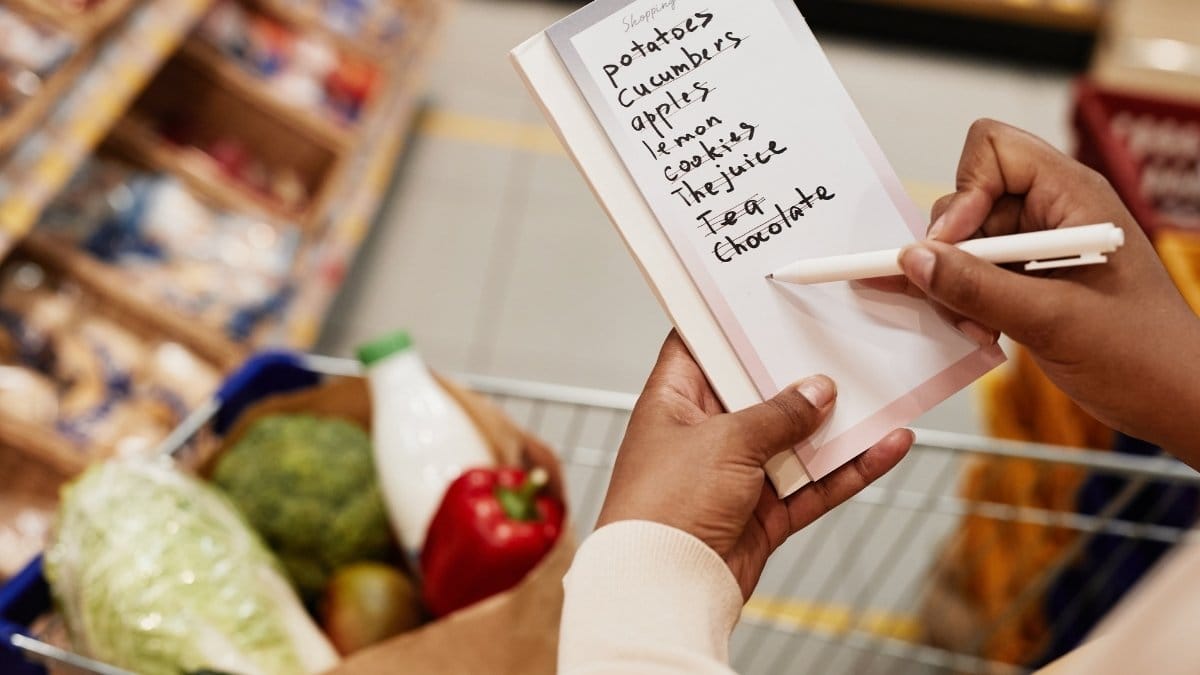
Start with your grocery list. Group items by recipe, then by store section. Buy pre-chopped vegetables if your budget allows. This cuts 20 minutes off your prep day.
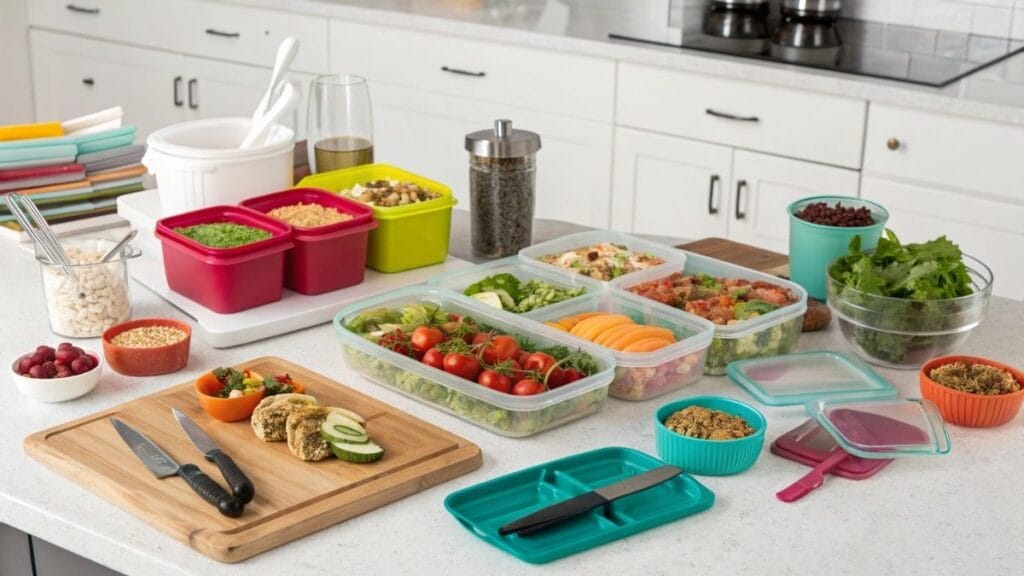
Here’s your kitchen setup: Clear all counter space. Get out every container you’ll need. Line them up with labels already written. Set up an ice bath in your sink for cooling hot items fast.
Work in this order: Start the lasagna noodles boiling. While they cook, mix the meatball ingredients and shape them.
Put meatballs in the oven. Now chop vegetables for the chicken bake and chili.
The secret is overlap. While chicken bakes, the chili simmers. While both cool, assemble breakfast burritos.
Use your food processor for multiple recipes before washing it. This saves 15 minutes of cleanup.
Cool everything before freezing. Hot food creates ice crystals that ruin texture. An ice bath cuts cooling time from 2 hours to 30 minutes.
Label each container immediately with the date and reheating instructions. Trust me, you’ll forget later.
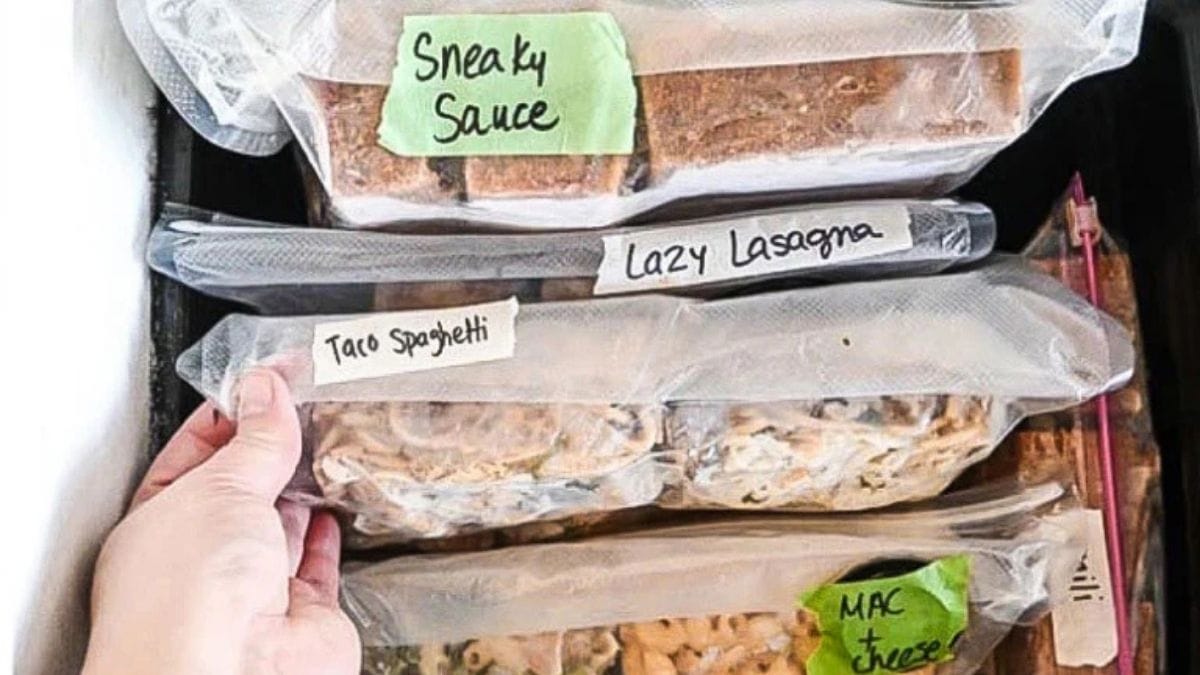
One afternoon gives you 3 weeks of dinners. That’s the power of batch cooking.
The Real Numbers: What Freezer Meals Cost
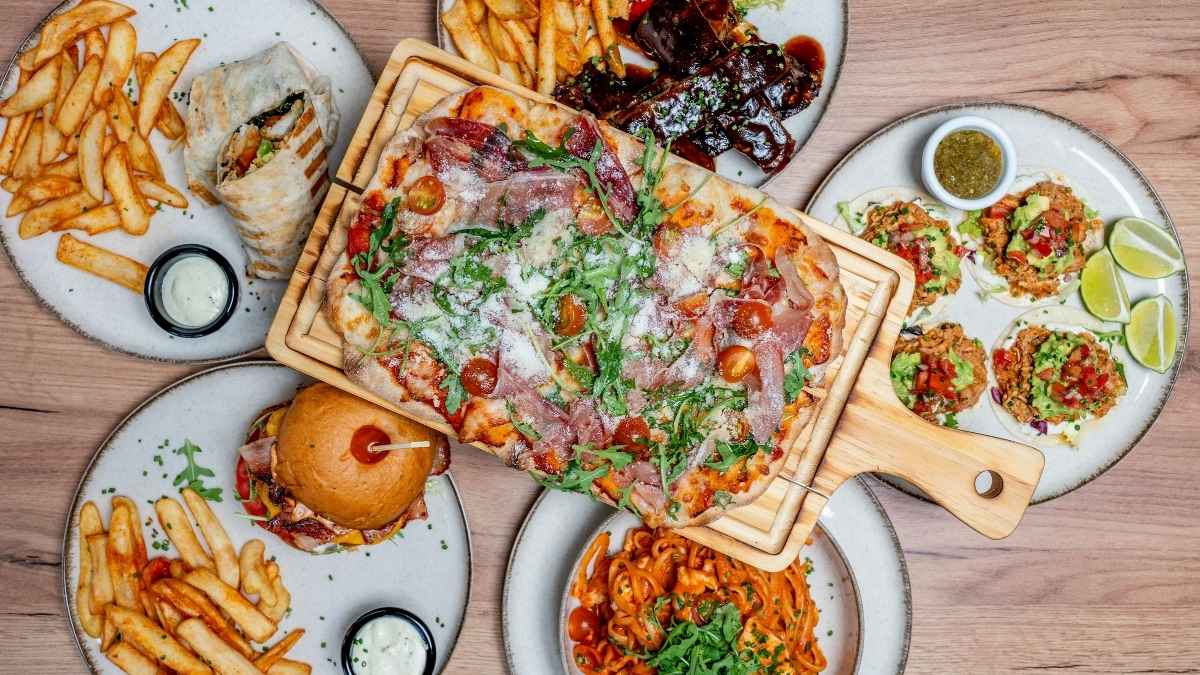
Takeout costs $12-15 per meal. Your freezer meals cost $3-5 per serving.
That’s the difference between spending $420 or $105 per week for a family of four. You save money without even trying.
The average household spends $148 weekly on groceries. Budget-friendly meal planning keeps you at or below this number.
Buying ingredients in bulk drops costs even more. A 5-pound bag of chicken costs less per pound than buying it by the piece.
Here’s what people forget: food waste costs $1,300 per year. When you freeze meals, nothing goes bad. You use every ingredient you buy. That money stays in your wallet.
Let’s do the math. Five dinners from takeout: $300. Five dinners from your freezer: $75.
That’s $225 saved per week, or $900 per month. Over a year, you’re looking at $10,800.
Time matters too. Those 5-7 hours you save weekly? At $20 per hour, that’s another $100-140 in value. Meal planning pays you back in cash and time.
5 Mistakes That Ruin Frozen Meals (And How to Fix Them)
Some foods don’t freeze well, period. Cream-based soups separate and get grainy. Raw potatoes turn mushy and black. Mayonnaise-based dishes split apart. Skip these or you’ll waste ingredients.
Freezer burn happens when air touches food. It looks like gray-brown spots and tastes like cardboard.
The fix is simple: remove all air from bags and containers. Use quality freezer bags, not regular storage bags.
Never freeze hot food. Let it cool first. The USDA says hot food raises your freezer temperature and affects everything else.
Cool items in an ice bath, then freeze within two hours for food safety.
Leave headspace in containers. Liquids expand when frozen. Fill containers only three-quarters full, or they’ll crack and leak. One inch of space at the top prevents this mess.
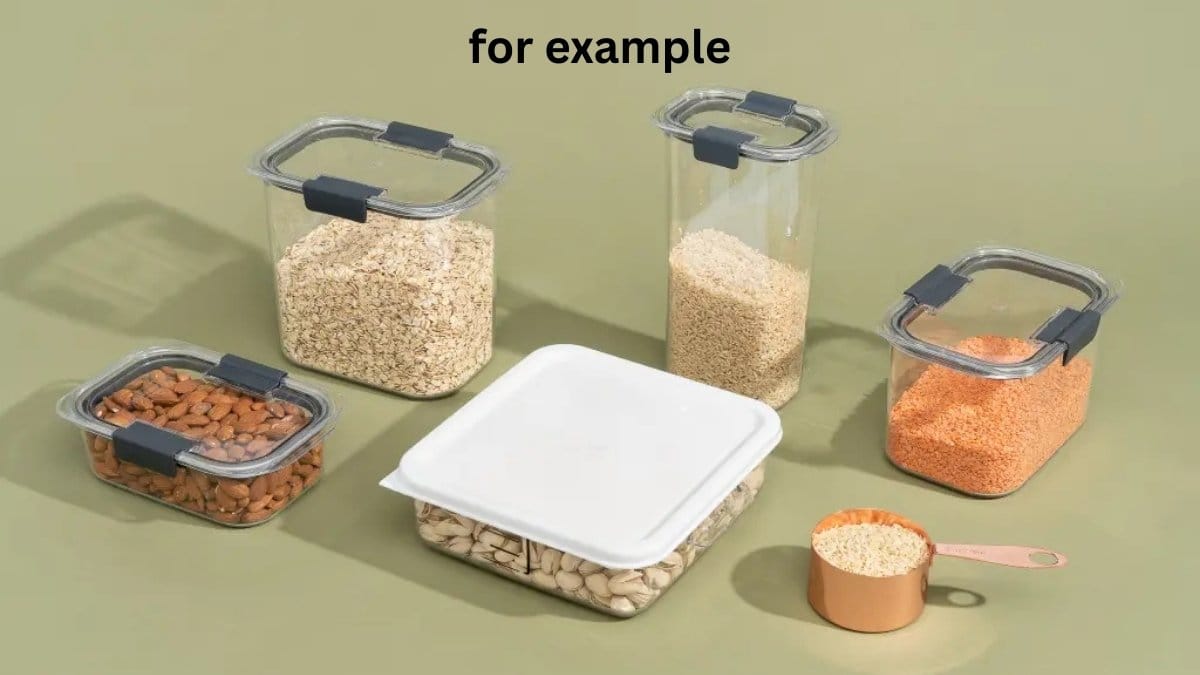
Use a rotation system. Put new meals in back, old ones in front. Write the freeze date on everything. These storage tips keep you from finding mystery meals from six months ago.
Your Freezer is About to Change Weeknight Dinners
Freezer meal prep solves the weeknight dinner problem. These 6 recipes give you 2-3 weeks of varied meals.
Spend 3-4 hours once, save 5-7 hours every week after. When you follow proper techniques, your meals taste fresh every time.

Start with just 2-3 recipes this week. Choose your prep day, set aside 2 hours, and stock your freezer with meals that will save you time, money, and stress all month long.
Your future self will thank you when Wednesday night dinner is ready in 20 minutes.
These freezer-friendly meal prep recipes for busy weeks prove that batch cooking doesn’t mean sacrificing flavor or freshness.