
A conversation with Marion Nestle about food, health, and living well
The morning sun filters through my kitchen window as I think about what makes a good meal. Not fancy. Not complicated. Just good food that helps us live well.
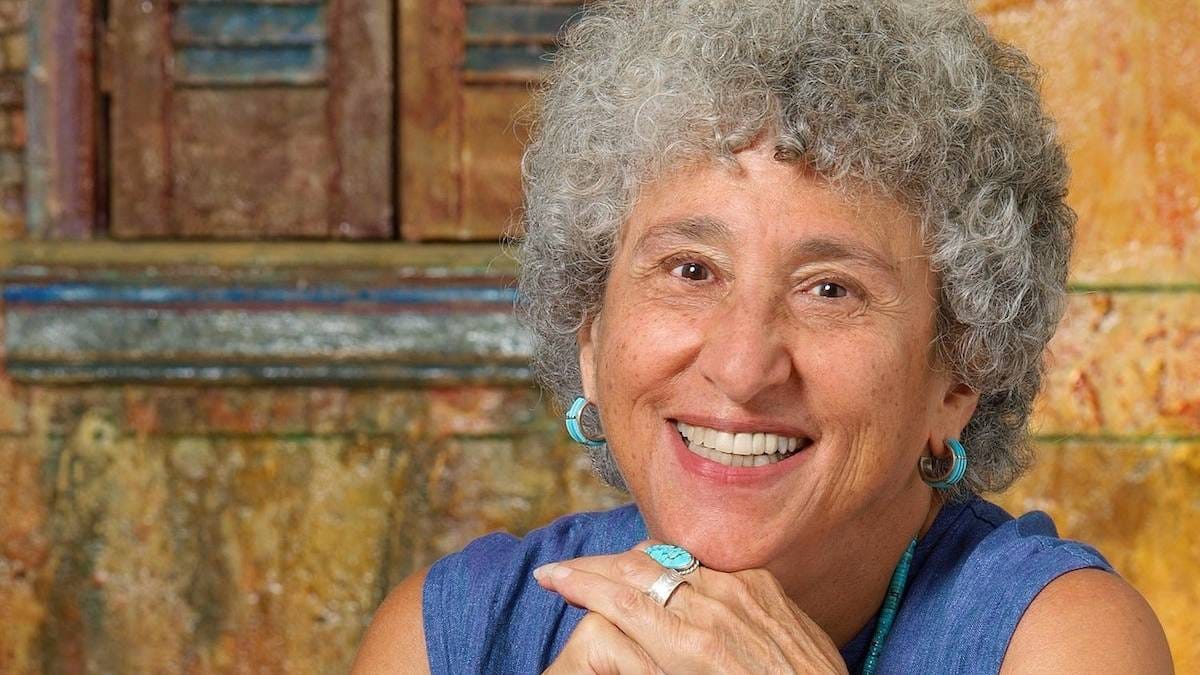
Marion Nestle knows about good food. At 89, she’s spent decades studying what we eat and why it matters. She’s written books.
She’s taught at universities. She’s watched food trends come and go like seasons in a garden.
And she’s still here. Still working. Still energetic. Still sharing her healthy eating tips.
I asked her about healthy eating. Her answers were simple. Clear. The kind of wisdom that sticks with you.
The Big Problem We All Face
Americans eat too much. That’s it. That’s the main problem.
Not complicated diet rules. Not exotic superfoods. Just too much food on our plates.
Nestle laughed when Coca-Cola announced a version with cane sugar instead of corn syrup. “It will still be Coca-Cola,” she told me. “It will not be a health food.”
She cuts through the noise. She sees the truth beneath the marketing. And she shares it plainly.
So what keeps her healthy at 89? Good nutrition, yes. But also good habits. She never smoked. She doesn’t drink much. She sleeps well. She lives in New York without a car, so she walks everywhere.
Luck plays a part. Genes matter too. But habits shape our days, and our days shape our lives.
Here are her six simple tips for eating well.
1. Skip Anything Artificial
Nestle won’t touch artificial food. Why would she? Real food tastes better.
She avoids those bright colors that make candy look like jewels.
She skips the fake sweeteners that promise sweetness without sugar. She passes on the texture boosters that make processed food feel smooth.
“I much prefer sugar,” she says.
The government plans to phase out artificial dyes from our food. Nestle thinks that’s good. But she adds a note of reality. M&Ms without artificial dyes are still M&Ms.
Real food doesn’t need these additions. An apple doesn’t need coloring. Nuts don’t need flavor boosters. Good ingredients speak for themselves.
Think of it like a garden. You don’t paint the tomatoes red. They grow that way. You don’t add artificial strawberry flavor to strawberries. They already taste like summer.
2. Choose Foods That Pack Nutrition
Nestle looks for foods that are nutrient-dense, affordable, and easy to find.
This means real food. Not heavily processed food. Fruits and vegetables from the produce section.
Grains and beans from the bulk bins. Nuts that still look like nuts. Meat, dairy, eggs, and fish in their simple forms.
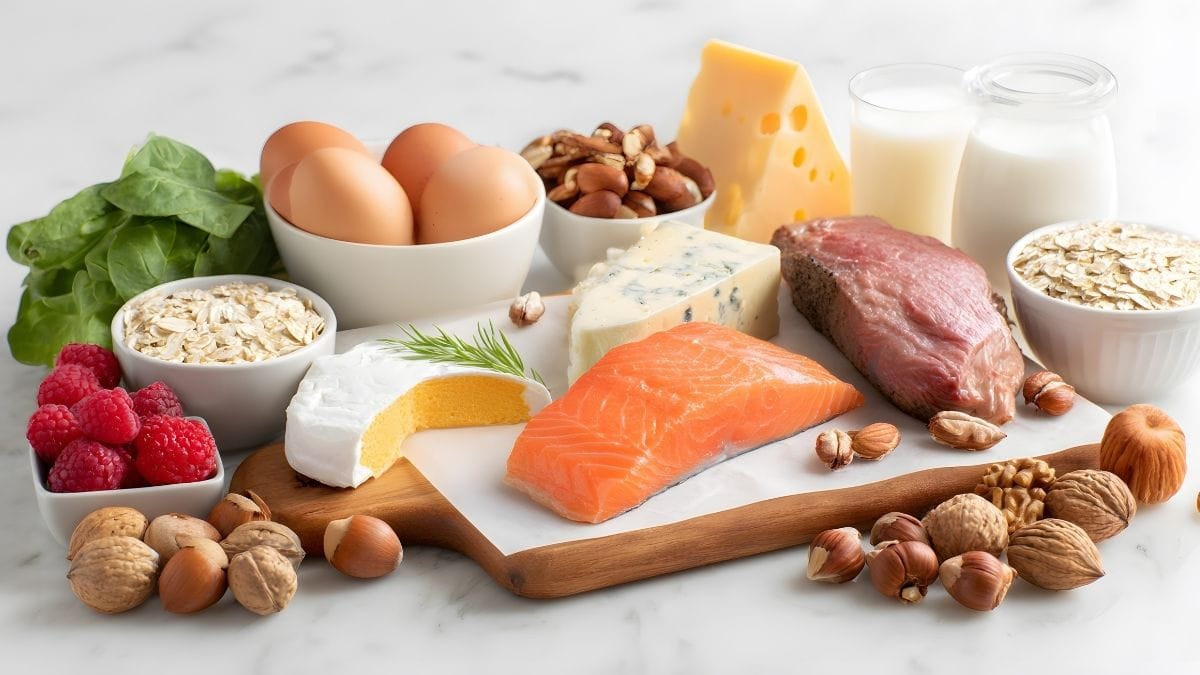
These foods give you what your body needs. Vitamins. Minerals. Protein. Fiber. Energy for your day.
You don’t need expensive superfoods shipped from distant places. You need good, solid food you can find at your local store.
Like planting a garden, you focus on what grows well in your space. What’s available. What you can tend. What nourishes.
3. Read Those Labels
When Nestle picks up a package, she reads the ingredients. Short lists win. Long lists lose.

Regular potato chips have three things: potatoes, oil, and salt. You know what those are. Your grandmother knew what those were.
Ultraprocessed foods have long labels full of words you can’t pronounce. Color additives. Flavor enhancers. Preservatives with chemical names.
These foods combine high sugar, lots of fat, and plenty of salt. They make you want more. They’re linked to health problems.
If the label reads like a chemistry experiment, Nestle puts it back on the shelf.
If it says nuts, it has nuts. If it says raisins, it has raisins. Simple.
“If it says it has pea protein, that’s an industrially produced ingredient,” she notes.
Keep it simple. Keep it real.
4. Fill Your Plate with Plants
You’ve probably heard this advice before. Michael Pollan said it in seven words: “Eat food. Not too much. Mostly plants.”
Nestle agrees completely.
This doesn’t mean you have to be vegan. You can eat meat. You can enjoy dairy. Just make plants the star of most meals.
Why plants? They have fiber. They’re low in calories. They pack in nutrients. They help your body work well.
Plants means fruits and vegetables, yes. But also grains, beans, and nuts. All the things that grow from the earth.
Think of your plate like a garden bed. Fill most of it with the green, growing things. Leave some room for other foods you enjoy.
Your body will thank you.
5. Listen to Your Hunger
Nestle doesn’t eat breakfast. She’s not hungry in the morning. She eats around eleven when her body asks for food.
Cereal companies paid for research saying breakfast is crucial. They wanted to sell cereal. Of course they did.
But your body knows what it needs. When you eat matters less than what you eat and how much.
“I think people should eat when they’re hungry,” Nestle says.
This is simple wisdom. Not a strict schedule. Not forced meals. Just attention to what your body tells you.
Like a garden needs water when the soil is dry, your body needs food when you’re actually hungry. Not because the clock says so. Not because someone told you to.
6. Everything in Moderation
Nestle enjoys eggs. She eats bacon sometimes. She loves full-fat ice cream with short ingredient lists.
She has a sweet tooth. She likes chips. She calls cheese “one of life’s great pleasures.”
The secret? Moderation. Variety. Not concentrating on one food.
“People can eat any real foods as long as they don’t concentrate on one food,” she explains.
She does admit one weakness. Peanut brittle. She has trouble keeping it in the house without eating too much.
We all have that one thing. That’s human. That’s real.
The goal isn’t perfection. It’s balance. Enjoying food while taking care of yourself.
Lastly – The Simple Truth
After talking with Nestle, one thing stands clear. Healthy eating isn’t complicated.
Avoid fake ingredients. Choose real food. Read labels. Eat plenty of plants. Listen to your hunger. Enjoy all foods in moderation.
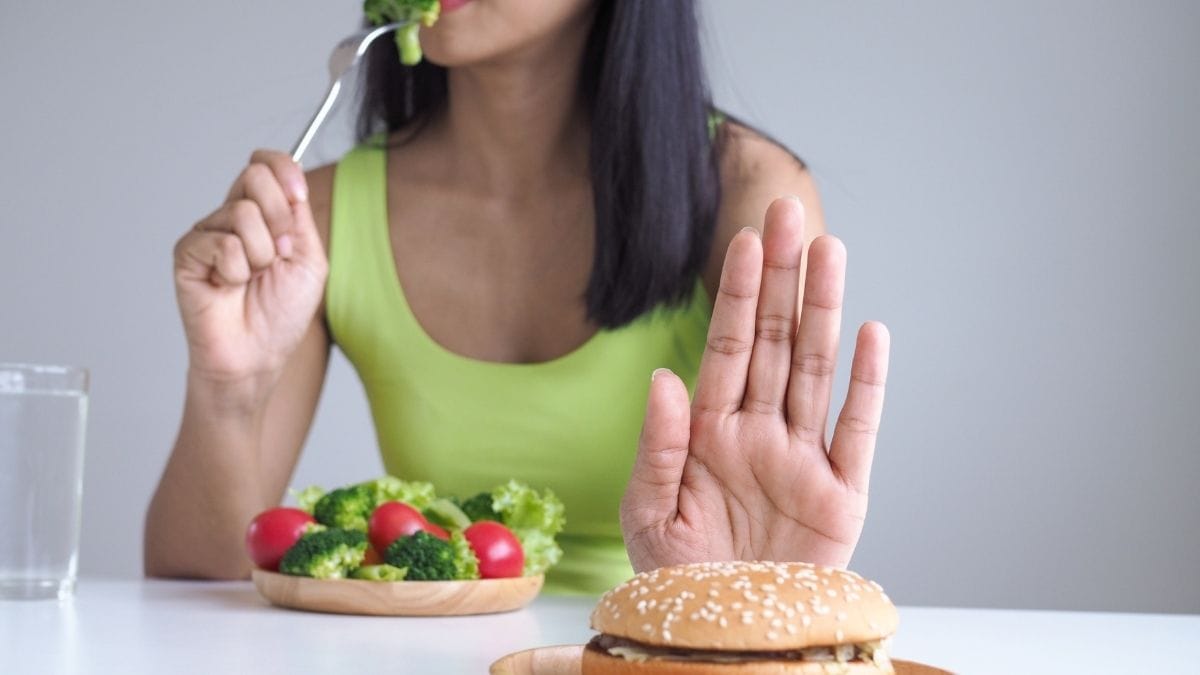
No special programs. No expensive supplements. No strict rules that make eating stressful.
Just good food. Varied food. Real food.
Like tending a garden, you focus on the basics. Good soil. Enough water. Sunlight. Time.
The plants grow. The harvest comes. Life continues.
Nestle doesn’t take supplements. She notes there’s little proof they help healthy people. Though she doesn’t mind if others take a multivitamin. It’s harmless, she says. If it makes you feel better, fine.
But real food does the work. Varied foods. Minimally processed foods.
At 89, she’s proof that simple habits add up. That good choices made daily create a healthy life.
The wisdom isn’t new. It isn’t flashy. It won’t sell magazines or launch diet trends.
But it works. It lasts. It keeps her going strong.
And that’s what matters most.