

By 2050, an estimated 139 million people worldwide will live with dementia. But recent research from brain researchers shows what you eat today matters for your brain health tomorrow.
You’ve probably heard conflicting advice about “brain foods.” Some sources say one thing. Others say the opposite. It’s hard to know what actually works.
This guide shows you seven foods linked to slower cognitive decline. You’ll learn the research behind each one, how much to eat, and simple ways to add them to your meals.
Leafy Green Vegetables: The 11-Year Brain Age Difference
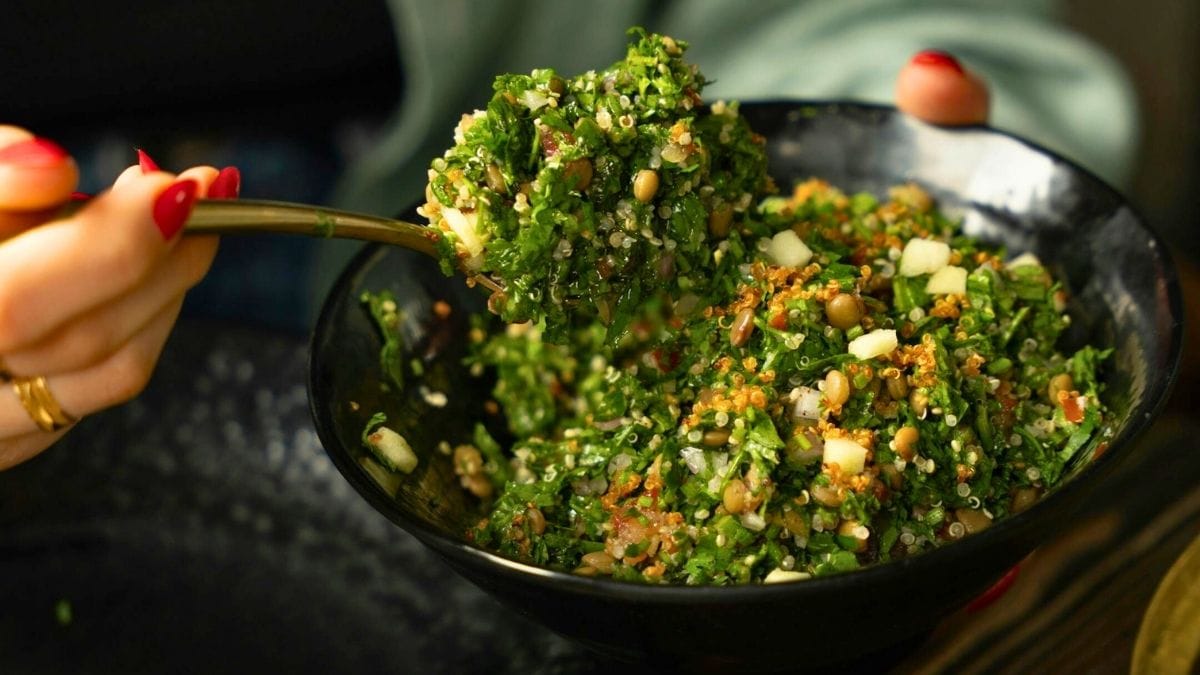
Eating leafy greens daily could make your brain work like it’s 11 years younger. That’s what Rush University researchers found when they studied 960 older adults for five years.
The people who ate about one serving of greens each day had much better cognitive function than those who rarely ate them. Their brains declined slower by a meaningful amount each year.
Here’s what makes this powerful. One serving equals half a cup of cooked spinach or kale. Or one cup of raw greens in a salad. That’s it.
The researchers tracked what people ate and tested their memory and thinking skills.
Those eating 1.3 servings daily compared to just 0.09 servings showed dramatic differences. The regular green-eaters had sharper minds.
Why do leafy greens help brain health so much? They’re packed with vitamin K, lutein, folate, and nitrate. These nutrients protect your brain cells and help them communicate better. Vitamin K especially helps with memory.
The 2025 MIND diet research confirms this. Green leafy vegetables rank as the number one food priority for preventing cognitive decline.
You can add greens easily. Throw spinach in your morning eggs. Add kale to soups. Make a simple salad with lunch. Blend greens into smoothies if you don’t like the taste.
Start with just one serving today. Your future brain will thank you.
Berries: Delaying Cognitive Aging by Up to 2.5 Years
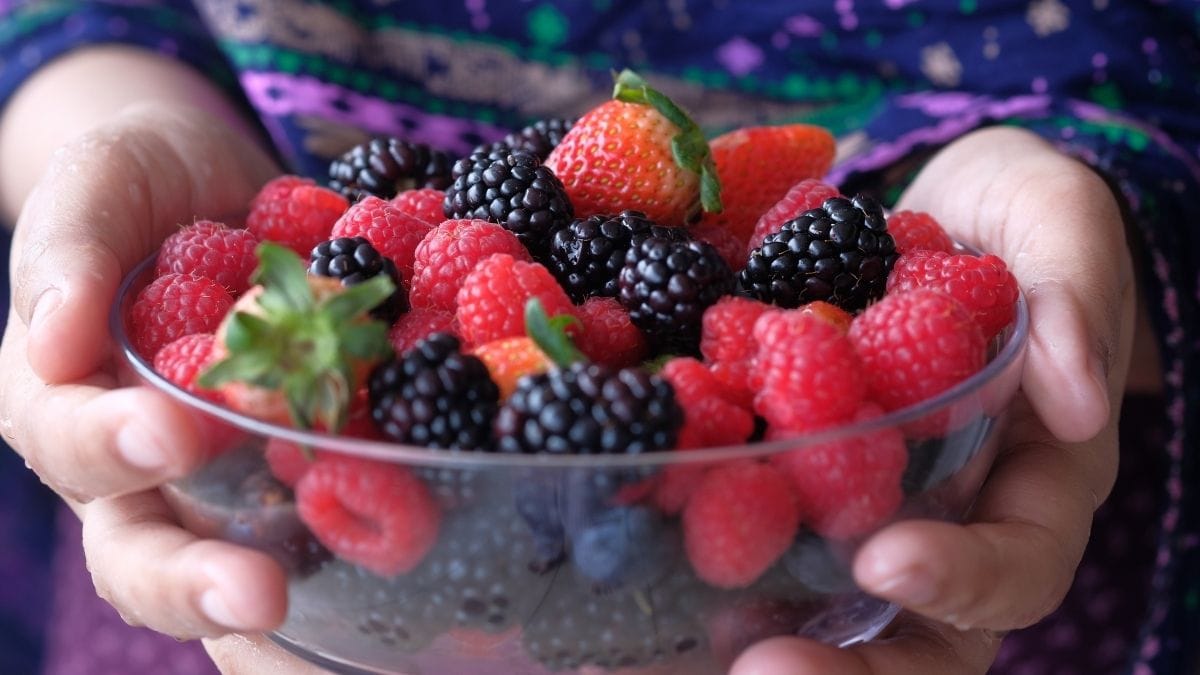
Eating berries regularly could delay your brain aging by two and a half years. Research on over 16,000 women in the Nurses’ Health Study proved this connection between berries and cognitive decline.
Blueberries and strawberries work best for brain health. Scientists tested them more than any other berries. And the results keep getting better.
A 2022 study gave older adults blueberries for 12 weeks. Their thinking speed improved.
Another trial in 2022 tested people aged 75 to 80 with mild memory problems. After six months of eating wild blueberries, their processing speed got faster.
The August 2025 review confirmed what researchers suspected. Berries help with episodic memory and language skills in elderly people with cognitive issues.
The secret is in compounds called anthocyanins and flavonoids. These plant chemicals cross into your brain and protect your cells. They reduce inflammation that damages brain tissue over time.
How much do you need? Eat at least one serving of blueberries per week. Add two or more servings of strawberries weekly.
Fresh or frozen both work. Frozen berries are cheaper and last longer. Add them to yogurt, oatmeal, or smoothies. Eat them as snacks. Your brain gets the same benefits either way.
Fatty Fish: Omega-3s and the Brain Connection
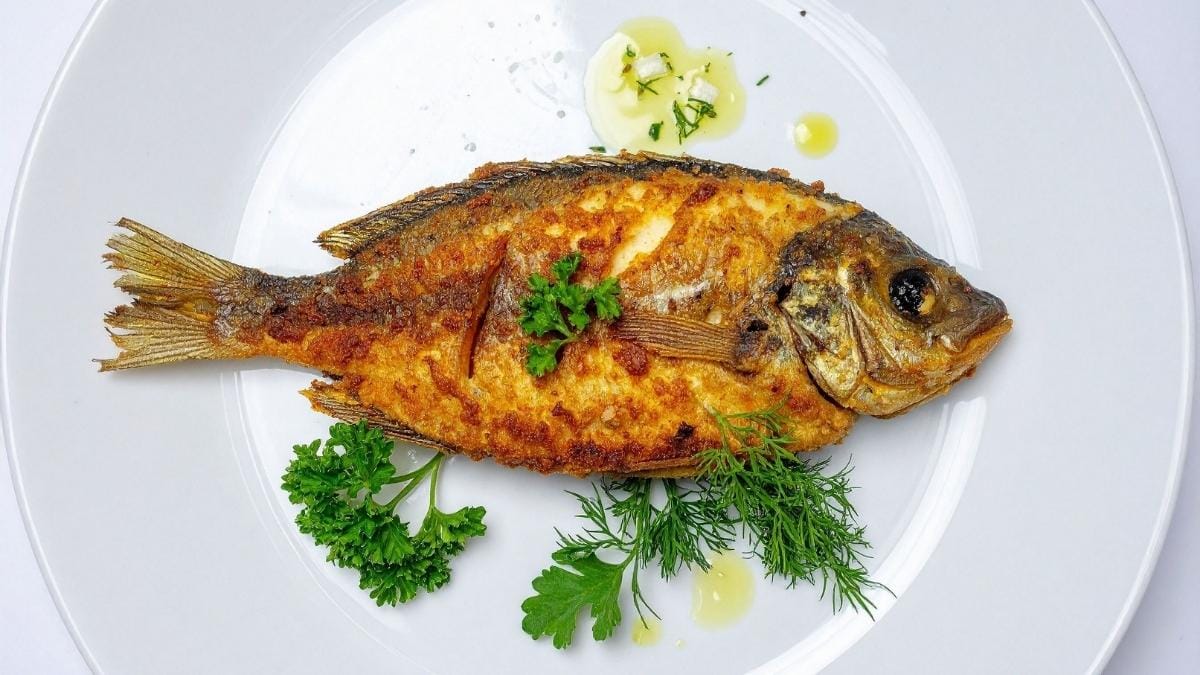
Your brain is made up of about 60% fat. Much of that fat is DHA, a type of omega-3 found in fatty fish. When you don’t get enough DHA, your brain struggles to work at its best.
Studies from 2023 to 2025 show omega-3s protect your brain as you age. People with heart disease who took omega-3 supplements slowed their cognitive aging by 2.5 years. They took 3.36 grams of EPA and DHA daily.
A 2025 review in Scientific Reports found that omega-3s improve attention, thinking speed, and language skills. The more you take, the better the results.
These fats also protect the blood-brain barrier, which keeps harmful substances out of your brain.
People who eat fatty fish regularly cut their dementia risk by 25 to 35 percent. That’s significant protection from one simple food change.
If you carry the APOE4 gene, you might benefit even more from DHA. This gene raises Alzheimer’s risk, but omega-3s may help counter that.
Eat fatty fish twice a week. Salmon, mackerel, and sardines have the most omega-3s. A serving is about the size of your palm. Canned fish works just as well as fresh and costs less.
Walnuts and Other Nuts: Plant-Based Brain Protection
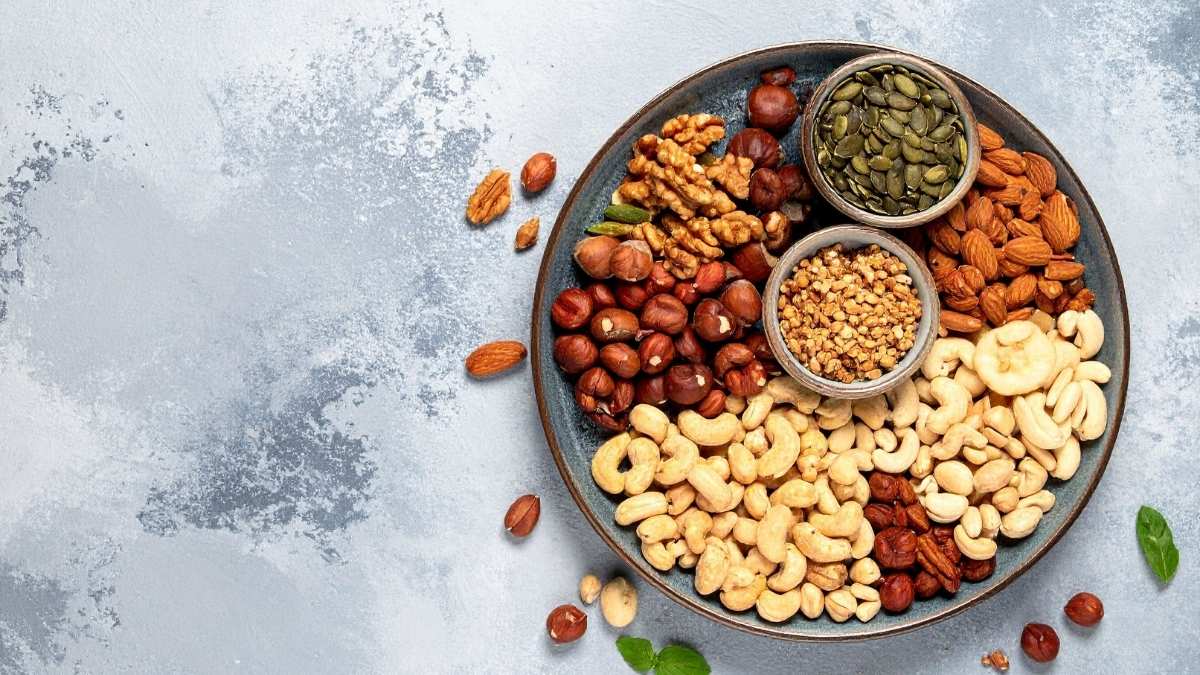
Walnuts look like tiny brains. And it turns out they’re great for your actual brain too.
Walnuts contain ALA, a plant-based omega-3 that supports cognitive function. They’re also packed with polyphenols, which are antioxidants that protect your brain cells from damage.
A 2025 study from the University of Reading tested people who ate walnuts for breakfast. Their reaction times got faster. Their memory performance improved throughout the entire day. Just from eating nuts in the morning.
The research on nuts is mixed, but promising. The Spanish PREDIMED study tracked thousands of people. Those who ate three or more servings of mixed nuts each week showed less age-related cognitive decline.
Here’s something interesting. The WAHA trial found that nuts help most in people at higher risk for brain problems. If you’re already worried about your memory, nuts might give you extra protection.
You don’t need much. One ounce daily is enough. That’s about a small handful or 14 walnut halves.
Keep nuts in your desk drawer or car. They’re easy snacks that don’t need refrigeration. Mix them into oatmeal or salads. Your brain gets benefits either way.
Whole Grains: The Fiber-Brain Connection
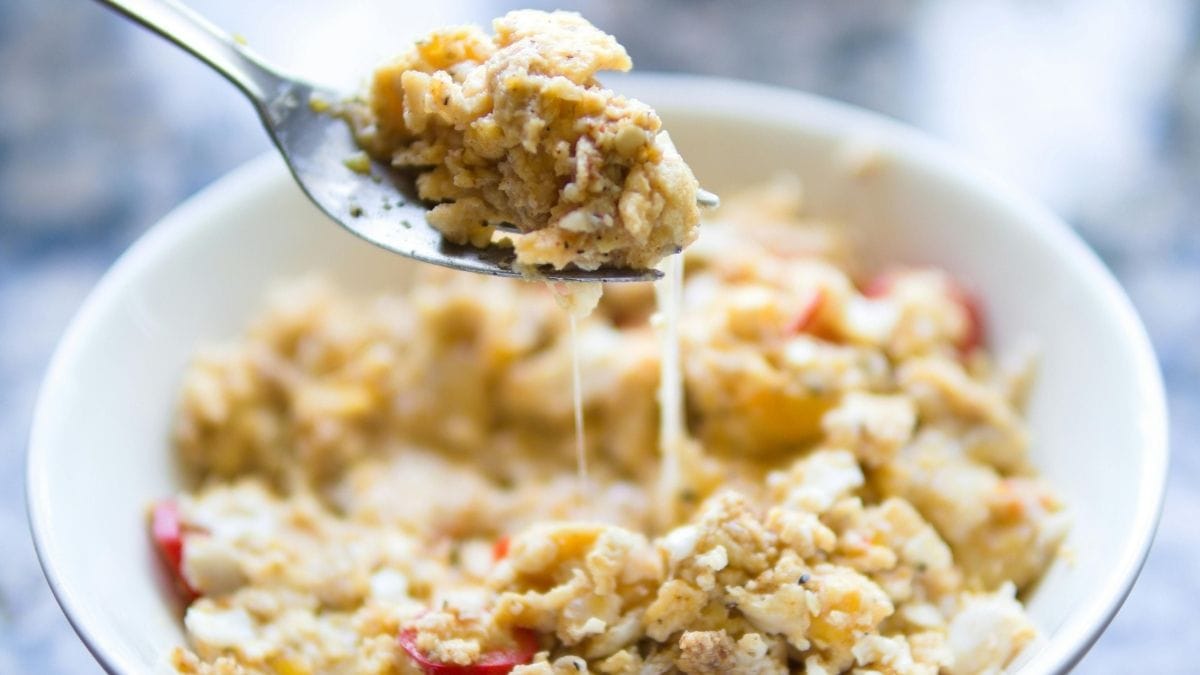
Whole grains do more than fill you up. They protect your brain in ways white bread and refined grains never could.
A 2023 study followed 2,958 adults for 12 years. The people who ate the most whole grains were 28% less likely to develop dementia. Their Alzheimer’s risk dropped by 36%. That’s a huge difference from a simple food swap.
Whole grains contain B vitamins, vitamin E, and fiber. These nutrients support brain health in multiple ways. B vitamins help your memory work better.
Fiber feeds the good bacteria in your gut, which affects your brain through the gut-brain connection.
Here’s another benefit. Whole grains keep your blood sugar steady. When your blood sugar spikes and crashes, it damages your brain over time. Whole grains prevent those swings.
The 2025 Dietary Guidelines confirm what the MIND diet already recommends. Eat three or more servings of whole grains daily. Research shows whole grains reduce inflammation in your body, including your brain.
Switch white rice for brown rice. Choose whole wheat bread instead of white. Eat oatmeal for breakfast. Pick whole grain pasta. These small changes add up to serious brain protection.
Extra Virgin Olive Oil: Mediterranean Diet’s Secret Weapon

Extra virgin olive oil might be the most powerful brain food on this list. People who follow the Mediterranean diet cut their Alzheimer’s risk by 35 to 53 percent. EVOO is a key reason why.
Auburn University researchers tested people with mild memory problems in 2022. They gave them 30 milliliters of EVOO daily for six months. That’s about two tablespoons.
The olive oil strengthened their blood-brain barrier, which protects the brain from harmful substances.
A 2024 review found that EVOO fights brain damage in three ways. It reduces amyloid-beta plaques that build up in Alzheimer’s disease. It stops tau proteins from forming tangles in brain cells. And it calms inflammation that destroys brain tissue.
The secret is in compounds called polyphenols and oleocanthal. These plant chemicals have strong anti-inflammatory effects. Temple University confirmed this in 2024 studies.
Not all olive oil works the same. You need high-phenolic extra virgin olive oil. Look for bottles labeled “high phenolic” or brands from Greece, Spain, or Italy. The oil should taste peppery or slightly bitter.
Use two to three tablespoons daily. Drizzle it on salads. Cook vegetables in it. Dip bread in it. Just don’t overheat it, which destroys the helpful compounds.
Legumes and Beans: The Underestimated Brain Food
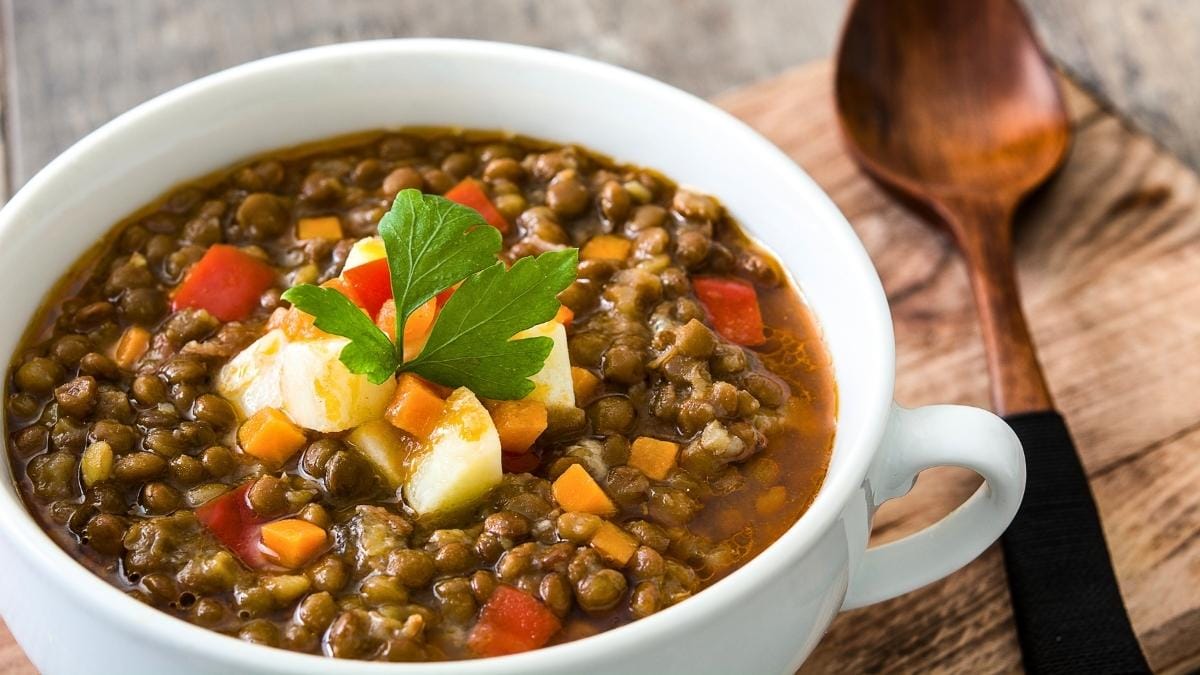
Most people skip beans when thinking about brain health. But every major brain-protective diet includes them.
The MIND diet lists beans as a key component for cognitive function. The Mediterranean diet emphasizes legumes multiple times per week.
The 2025 USDA Dietary Guidelines confirm that legumes appear in every eating pattern linked to better brain health.
Beans give you three brain benefits in one food. First, they’re loaded with plant protein your brain needs. Second, they contain fiber that feeds good gut bacteria, which supports the gut-brain connection. Third, they’re packed with folate.
Folate matters because it controls homocysteine levels in your blood. High homocysteine is linked to dementia risk. Beans help keep those levels low.
Beans also stabilize your blood sugar. When your blood sugar stays steady, your brain works better. You think clearer and remember more.
Eat beans three to four times per week. Black beans, chickpeas, lentils, and kidney beans all work. Add them to soups, salads, or tacos. Make hummus. Cook chili. Canned beans are fine and save time.
At about 50 cents per can, beans might be the cheapest brain food you can buy.
Protect Your Brain Starting Today
These seven foods brain researchers associate with slower cognitive decline all share something. They’re part of the Mediterranean and MIND diets. They’re not magic pills, but evidence-based brain health strategies that work over time.
Start with one food this week. Add more gradually. Combine these eating changes with exercise, good sleep, and staying social.
Talk to your doctor about creating a personalized nutrition plan for your brain health goals.