
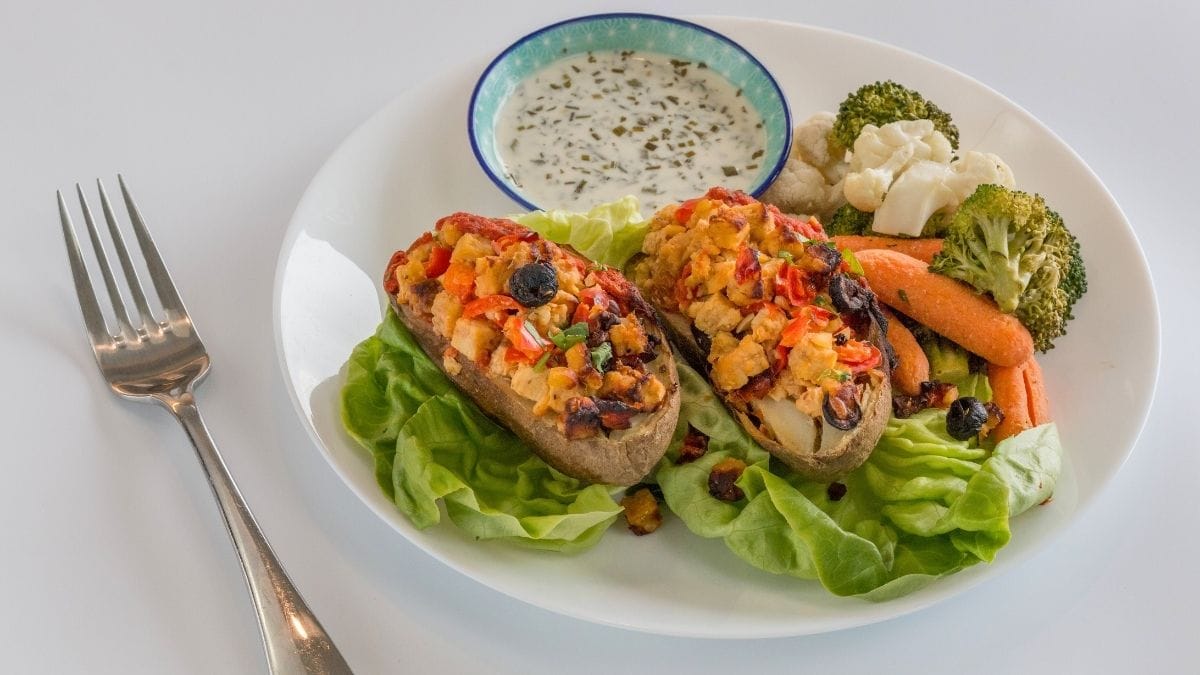
A 30-year Harvard study of over 105,000 people confirmed something important. What you eat in your 40s and 50s directly shapes how well you live past 70.
Most people want to age well. They want to stay sharp, move easily, and stay independent. But the internet is full of conflicting advice. One week a food is a superfood. The next week it is banned. It gets confusing fast.
This article cuts through all of that. You will learn exactly which 7 foods show up again and again in real, peer-reviewed research on healthy aging.
Not trends. Not guesses. Actual science. For each food, you will know what it does in your body, how much to eat, and how to add it to your daily life starting today.
What Does “Healthy Aging” Actually Mean? (And Why Food Is the #1 Factor)
Healthy aging does not just mean living a long time. It means reaching your 70s and 80s free from major disease, with a sharp mind and a body that still works well.

A 2025 study in Nature Medicine followed 105,000 adults for 30 years. Only 9.3% of them aged healthfully. That is fewer than 1 in 10 people.
The biggest factor? Diet. People who ate more fruits, vegetables, whole grains, nuts, and legumes had far better outcomes. People who ate more processed meats, sugary drinks, and trans fats did not age well.
Here is the key idea: your healthspan matters more than your lifespan. That means the years you live well, not just the years you live.
People in the top 20% of healthy eating had an 86% greater chance of aging well at 70. At 75, that jumped to 2.2 times more likely. Food is not everything. But it is the one factor you control every single day.
Food #1: Leafy Greens (Spinach, Kale, Swiss Chard, Arugula)
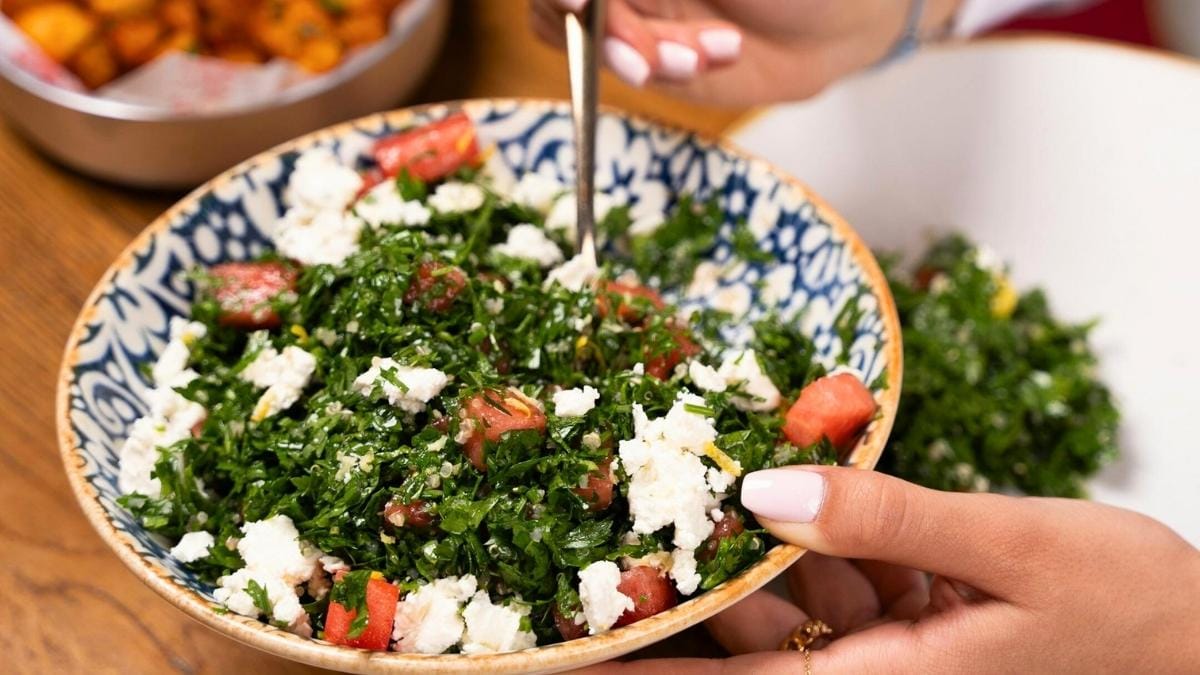
Leafy greens may be the single most powerful food group for your aging brain.
One study from Rush University found that eating just one cup of leafy greens daily made brain function appear 11 years younger compared to people who ate none.
That is not a small difference. That is over a decade of protection, from a simple food.
Greens are loaded with vitamins A, C, E, and K. They also contain lutein, folate, magnesium, and beta-carotene. These nutrients fight inflammation and protect your brain cells from damage over time.
Research also shows that people who eat greens high in flavones daily may lower their risk of cognitive decline by up to 20%.
You do not need to eat a salad every day to get this benefit. Blend a handful of spinach into a smoothie.
Wilt some kale into scrambled eggs. Stir chard into soup. The taste disappears, but the nutrients do not. Start with one cup per day and work from there.
Food #2: Fatty Fish (Salmon, Sardines, Mackerel, Trout)
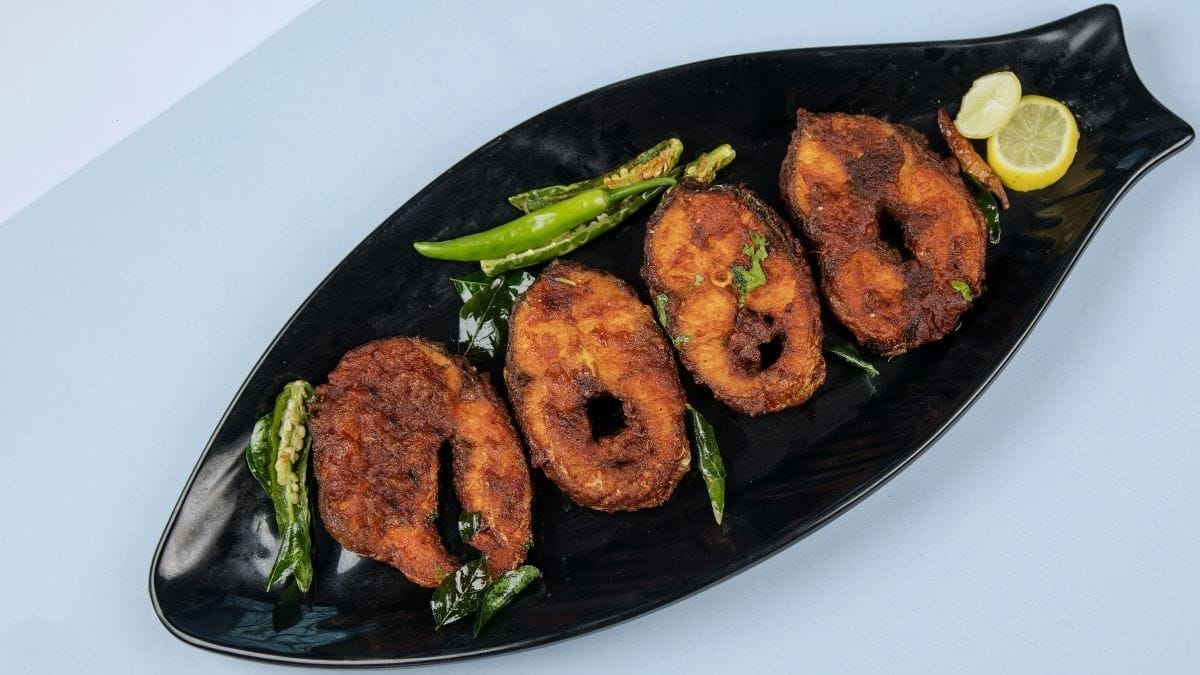
Fatty fish are one of the best foods on the planet for your heart and brain. The reason is omega-3 fatty acids — specifically EPA and DHA.
These fats reduce inflammation throughout your body. They are also essential building blocks for brain cell membranes. Low omega-3 levels are linked to faster cognitive decline and higher risk of Alzheimer’s disease.
People who eat fatty fish twice a week have a 24% lower risk of cardiovascular disease. Populations in Japan and coastal Mediterranean regions — where fatty fish is a daily staple — consistently show longer lifespans and lower rates of chronic illness.
There is also emerging research that omega-3s may protect your telomeres. Telomeres are the protective caps on your DNA. Shorter telomeres are linked to faster aging at the cellular level.
Aim for 2 to 3 servings per week. Grilled salmon, baked mackerel, or canned sardines on whole grain toast all count. If you do not eat fish, algae-based omega-3 supplements are a well-researched alternative.
Food #3: Blueberries (and Other Berries)
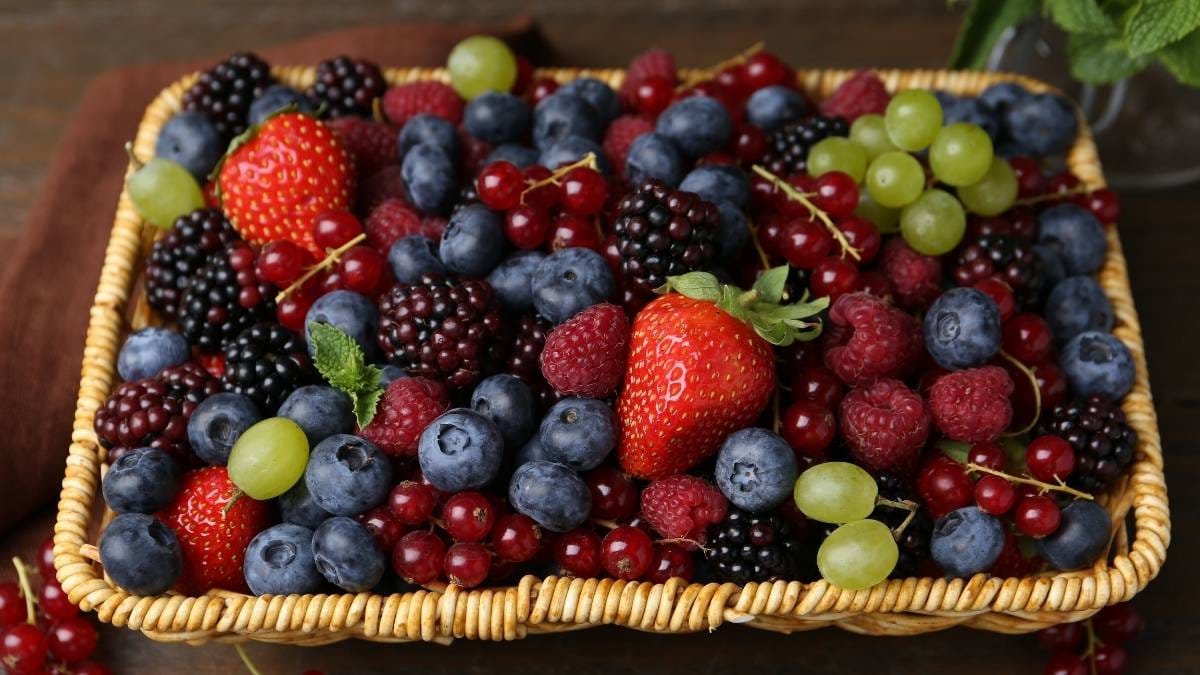
Blueberries are small. Their impact on aging is not.
They are packed with anthocyanins — a type of plant compound that fights oxidative stress and inflammation. These are two of the biggest forces that speed up cellular aging in your body.
Studies show that people who eat berries regularly can slow cognitive decline by up to 2.5 years compared to people who do not. The research behind this includes observational studies, clinical trials, and laboratory data all pointing in the same direction.
A 2025 clinical trial found that eating two cups of mixed berries daily for eight weeks improved DNA repair markers by 18%. That is early data, but it is worth paying attention to.
Blueberries are also low in calories, high in fiber, and rich in vitamin C. They are one of the easiest foods to add to your day.
Fresh and frozen are equally nutritious. Toss them into oatmeal, mix into yogurt, or eat them as a snack. Strawberries, raspberries, and blackberries all work the same way.
Food #4: Nuts (Walnuts, Almonds, Pistachios, Brazil Nuts)
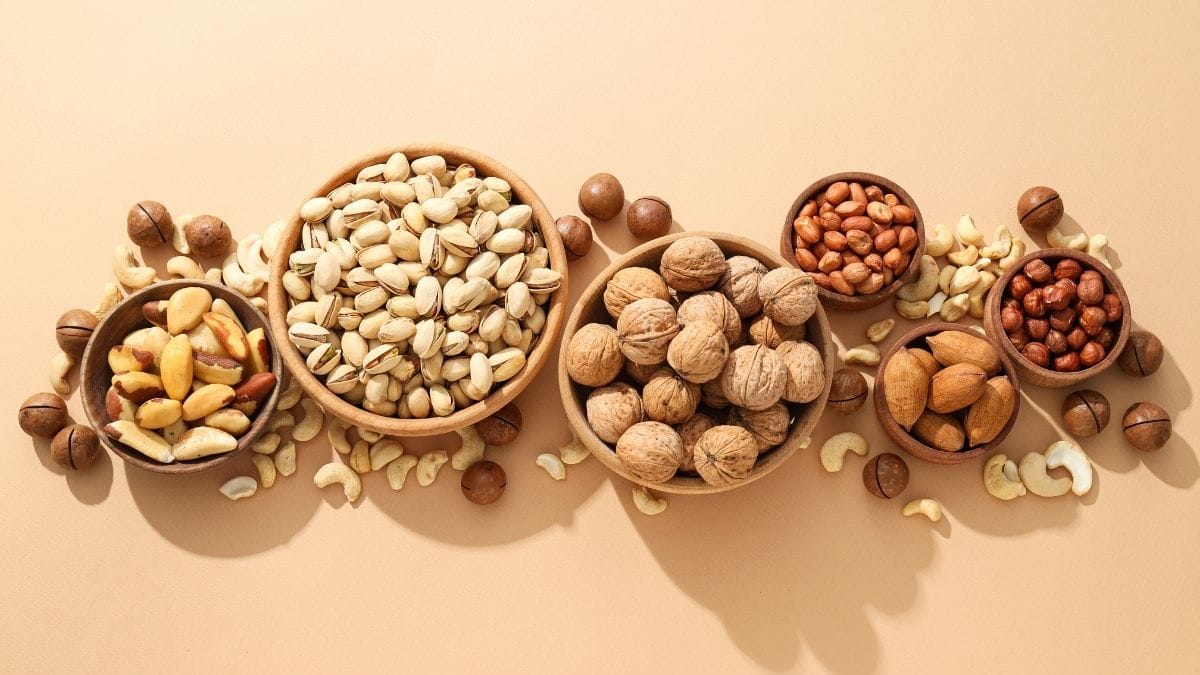
Nuts are one of the most underrated longevity foods available.
Large-scale studies show that people who eat nuts regularly live longer and have lower rates of heart disease, cancer, and respiratory illness.
The Adventist Health Study-2 found that people who ate a daily one-ounce serving of tree nuts lived approximately two years longer on average.
Two years. From a handful of nuts.
Walnuts are especially notable. They are the only tree nut that provides a meaningful amount of plant-based omega-3s.
Almonds are high in vitamin E. Brazil nuts give you selenium — one Brazil nut per day covers your full daily need. Pistachios are high in potassium and antioxidants.
The key is moderation. Nuts are calorie-dense. One ounce — about 23 almonds or a small palmful — is enough. Use them to replace a processed snack, not as something extra on top of your normal eating.
Keep a small container at your desk. The habit is easy to build.
Food #5: Legumes (Beans, Lentils, Chickpeas, Peas)
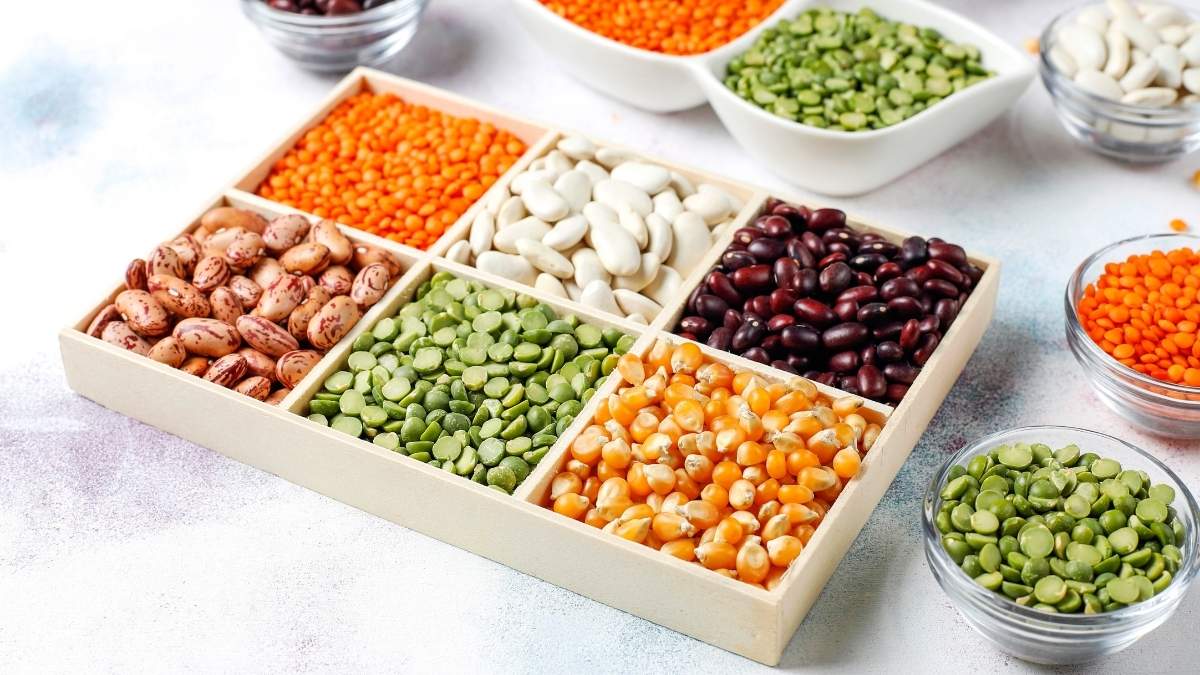
If there is one food group that shows up in every long-lived population on earth, it is legumes.
Every Blue Zone — Sardinia, Okinawa, Nicoya, Ikaria, and Loma Linda — includes beans or lentils as a daily food. These are the regions with the highest concentrations of people living past 100.
Legumes are loaded with plant protein, fiber, folate, iron, and magnesium. Research published in a major nutrition journal found that replacing red and processed meats with plant protein sources significantly lowers the risk of early death.
Nurses’ Health Study data shows that every additional half-cup of beans per day correlates with an 8% lower risk of death over the following decade.
The fiber in legumes also feeds your gut bacteria. A healthy gut microbiome has cascading benefits for inflammation, immunity, and brain health as you age.
Do not overcomplicate this. Canned chickpeas, black beans, and lentils are cheap, fast, and easy. Add them to soups, salads, or grain bowls this week.
Food #6: Extra Virgin Olive Oil (EVOO)
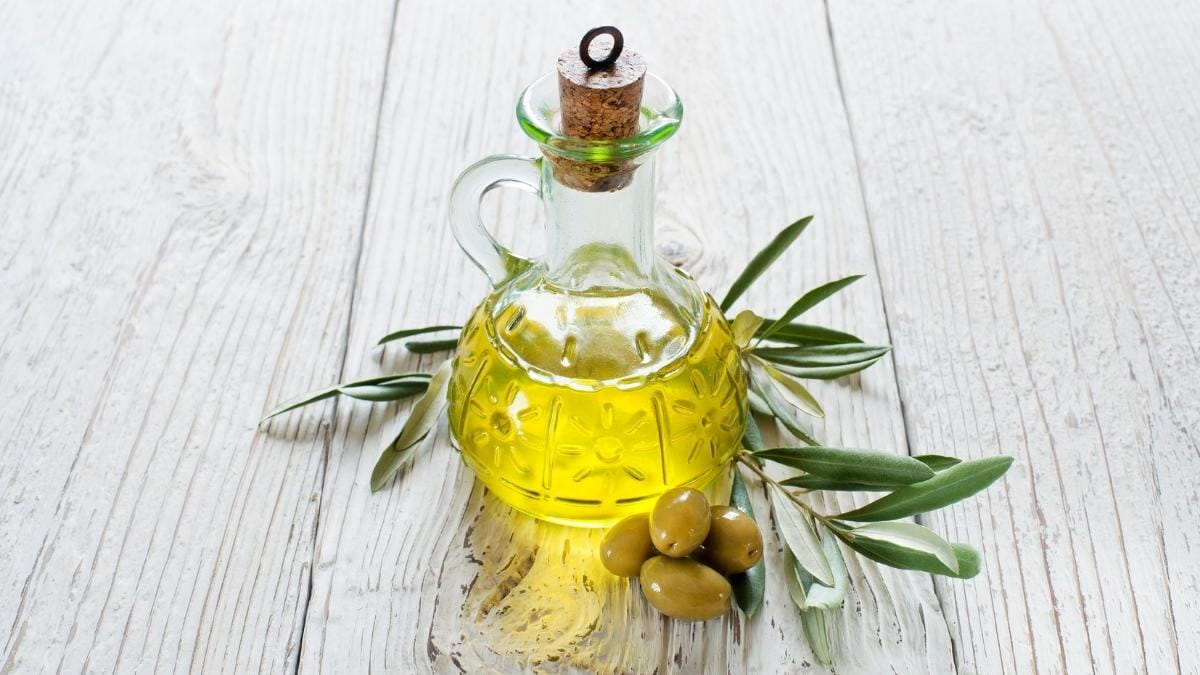
Extra virgin olive oil is not just a healthy fat. It is a bioactive food with specific anti-inflammatory compounds.
The main ones are hydroxytyrosol, oleocanthal, and oleic acid. These compounds work together to reduce inflammation, protect blood vessels, and support brain health.
The PREDIMED trial — one of the largest nutrition studies ever conducted — and its 2024 follow-up both showed that people who used extra virgin olive oil as their primary fat had meaningfully lower rates of cardiovascular mortality.
The Mediterranean diet, which centers EVOO, ranks at the top of every major healthy aging study in the research literature.
Two to four tablespoons per day is the evidence-supported range. Use it as your main cooking fat. Drizzle it over vegetables, legumes, and fish. Use it as a salad dressing base.
One important point: bottle quality matters. Look for cold-pressed, dark-bottle EVOO with a harvest date on the label. Cheap blends may not have the same polyphenol content that the research is based on.
Food #7: Whole Grains (Oats, Quinoa, Brown Rice, Barley, Whole Wheat)
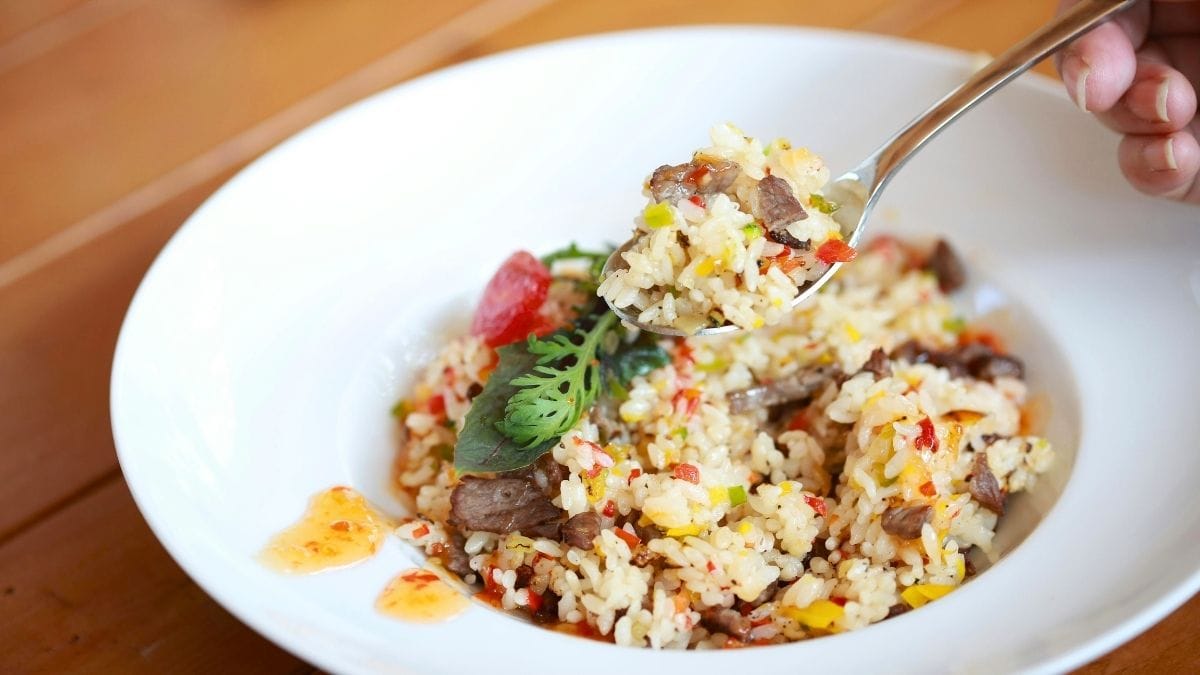
Whole grains showed up as a consistent predictor of healthy aging across the Harvard 30-year study. Higher intake was directly linked to better outcomes. Higher intake of refined grains had the opposite effect.
The difference is in what gets removed during processing. Refined grains lose the fiber, B vitamins, magnesium, and antioxidants that whole grains keep. These nutrients do meaningful work in your body every day.
Fiber in whole grains slows glucose absorption. This reduces blood sugar spikes. Chronic blood sugar spikes drive inflammation. Chronic inflammation accelerates aging at the cellular level. It is a direct chain.
Oats deserve a specific mention. Beta-glucan, the fiber in oats, has strong and consistent evidence behind its heart health benefits. It is one of the most studied dietary fibers in the research literature.
The easiest way to make this change is to do swaps, not additions. White bread becomes whole grain bread. White rice becomes brown rice or barley. One bowl of instant oatmeal in the morning covers a meaningful daily portion.
What the Research Says to Avoid (Just as Important)
The same Harvard study that identified what helps healthy aging also identified what hurts it.
People with the highest intake of trans fats, sodium, red meat, and processed meat had the lowest odds of aging well. Ultra-processed foods — especially processed meats and sugary drinks — were directly linked to worse aging outcomes across the board.

You do not need to be perfect. But being aware of these patterns helps you make better daily choices. Less processed meat, fewer sugary drinks, and more of the 7 foods above. That is the full picture in plain terms.
Conclusion;
These 7 foods — leafy greens, fatty fish, blueberries, nuts, legumes, extra virgin olive oil, and whole grains — show up consistently in the strongest aging research available today. No single food is a magic fix. The pattern is what matters.
Pick one food from this list you are not eating regularly. Add it this week. Build from there.