
Your mind feels sharp some days, foggy others. You walk into a room and forget why. A name sits just out of reach. These moments increase after 40, and they’re not all in your head.
The brain changes as we age. It needs different fuel than it did at 25. Certain foods support the connections between brain cells. Others protect against the slow decline that comes with time.
What Actually Changes in Your Brain
Blood flow to the brain decreases by about 20% between age 30 and 70. The hippocampus, where memories form, starts to shrink. Inflammation builds up. Free radicals damage cells.
This sounds grim, but diet can slow these changes. Some foods increase blood flow. Others reduce inflammation or feed the gut bacteria that influence mood and memory.
The right foods won’t reverse aging. They can help your brain work better with the changes that come.
Fatty Fish (The Research Is Clear)

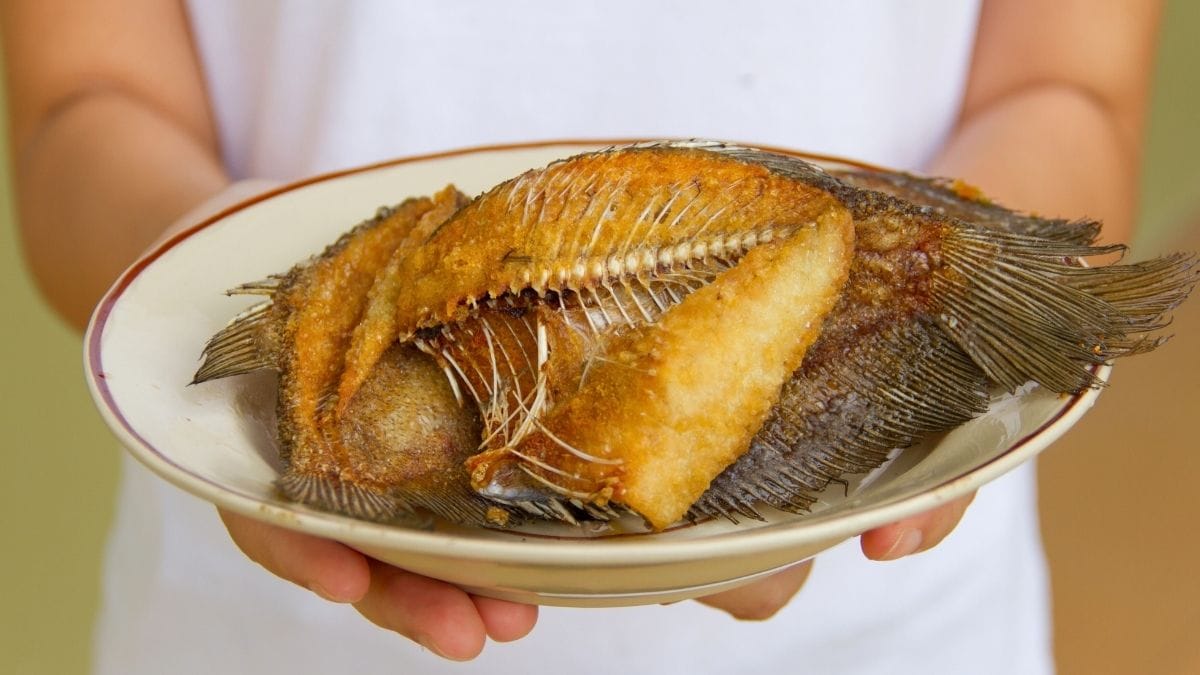
Salmon, sardines, and mackerel top every brain health list for good reason. They contain omega-3 fats called DHA and EPA. Your brain is 60% fat, and much of that is DHA.
Studies show people who eat fish twice a week have more gray matter in brain regions that control memory and emotion. They also have slower cognitive decline.
The omega-3s reduce inflammation and help build new brain cell connections. Wild-caught fish have higher levels than farmed. Canned sardines work just as well as fresh fish and cost less.
Leafy Greens (Kale, Spinach, Collards)
One serving of leafy greens per day is linked to brains that function 11 years younger. The effect comes from vitamin K, lutein, folate, and beta-carotene working together.
These nutrients protect blood vessels in the brain. They also reduce the oxidative stress that damages cells. Raw or cooked both work, though cooking makes some nutrients easier to absorb.
Add them to eggs, blend into smoothies, or sauté with garlic. The key is eating them often, not in large amounts once a week.
Berries (Especially Blueberries)
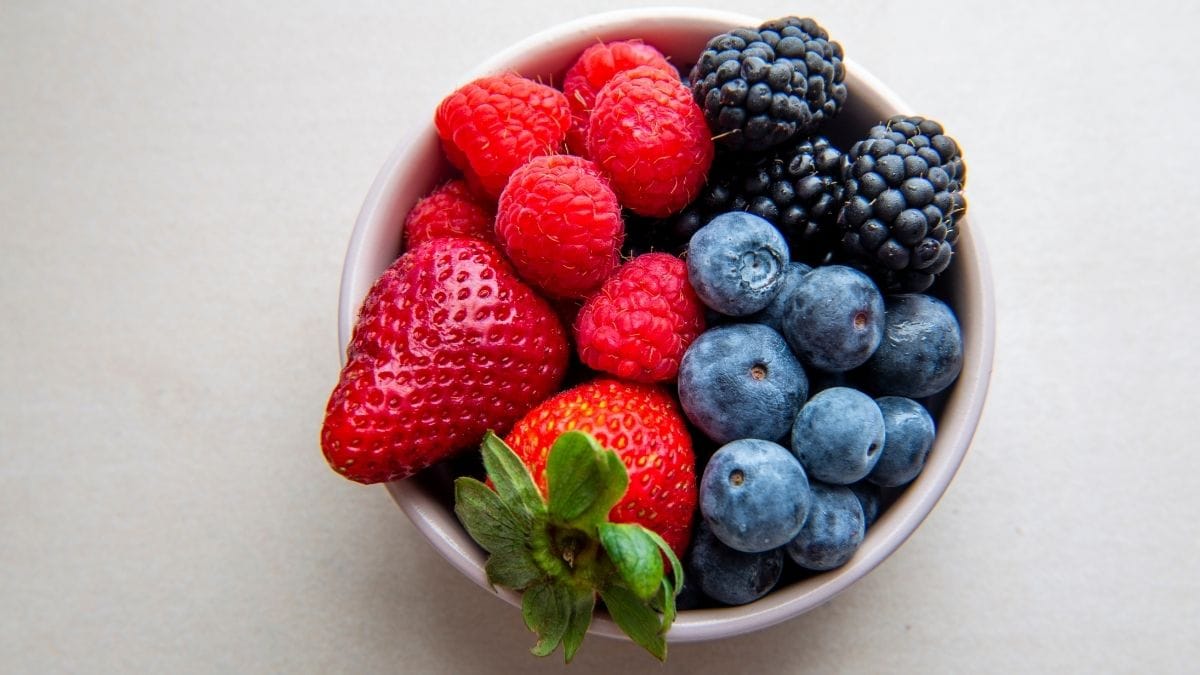
Berries contain compounds called anthocyanins that cross the blood-brain barrier. They gather in brain regions involved in learning and memory.
Research on older adults shows eating berries twice a week delays cognitive decline by up to 2.5 years. The effect is dose-dependent. More berries, more benefit.
Frozen berries retain their nutrients and cost less than fresh. Mix them into oatmeal or yogurt. Keep a bag in the freezer for easy access.
Walnuts (One Ounce Daily)
Walnuts look like tiny brains for a reason. They’re packed with alpha-linolenic acid, a plant-based omega-3. They also have polyphenols that reduce inflammation.
Studies link walnut consumption to better memory, faster processing speed, and improved focus. The benefit shows up with just one ounce per day, about seven whole walnuts.
Eat them plain or add to salads. They go rancid quickly, so store in the fridge or freezer.
Extra Virgin Olive Oil (The Real Stuff)
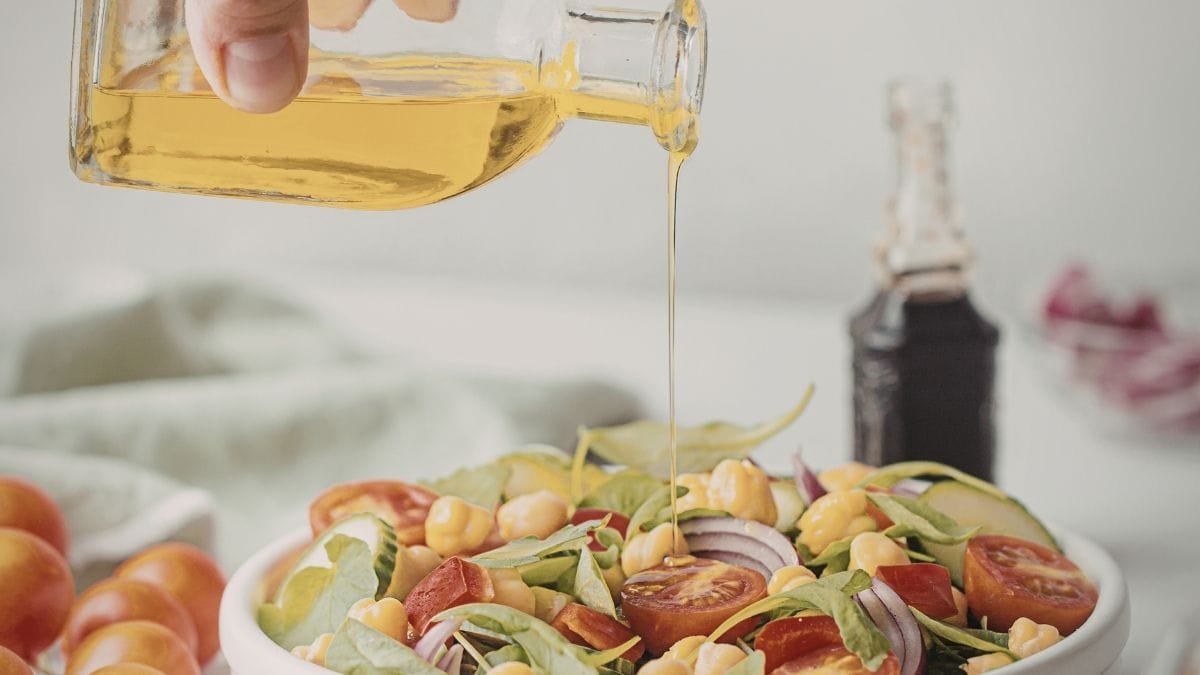
The Mediterranean diet protects brain health, and olive oil is a big reason why. It contains oleocanthal, which helps clear proteins linked to Alzheimer’s disease. It also reduces brain inflammation.
Quality matters here. Real extra virgin olive oil has a peppery bite in the back of your throat. If it doesn’t, it’s probably refined oil labeled as EVOO.
Use it on salads, vegetables, or bread. Don’t cook it at high heat, which destroys the helpful compounds.
Green Tea
L-theanine and catechins in green tea cross into brain tissue and influence neurotransmitter activity. Regular green tea consumption associates with lower risk of cognitive decline in multiple population studies.
The beverage also provides a modest caffeine boost that enhances alertness without the jitters coffee sometimes causes. The combination of L-theanine and caffeine appears to improve attention and task-switching ability.
Two to three cups daily matches the amounts in studies showing cognitive benefits. Both hot and cold brewed versions retain the active compounds.
Dark Chocolate (70% Cacao or Higher)

Flavanols in dark chocolate increase blood flow to the brain. They also boost the production of new neurons in the hippocampus. The effect is real but requires real chocolate.
Milk chocolate doesn’t have enough flavanols. Neither does heavily processed cocoa. Look for 70% cacao or higher. Start with small amounts, about one ounce, a few times per week.
The bitterness mellows with quality. Cheap dark chocolate tastes harsh. Better brands taste complex and rich.
Making This Practical
You don’t need all seven foods every day. Pick two or three that fit your routine. Add berries to breakfast. Have fish twice a week. Snack on walnuts. Use olive oil instead of butter.
The brain benefits build slowly over months and years. There’s no quick fix. But there’s also no downside to eating foods that support both brain and body health.
Small changes compound. That’s how diet protects your mind as you age.