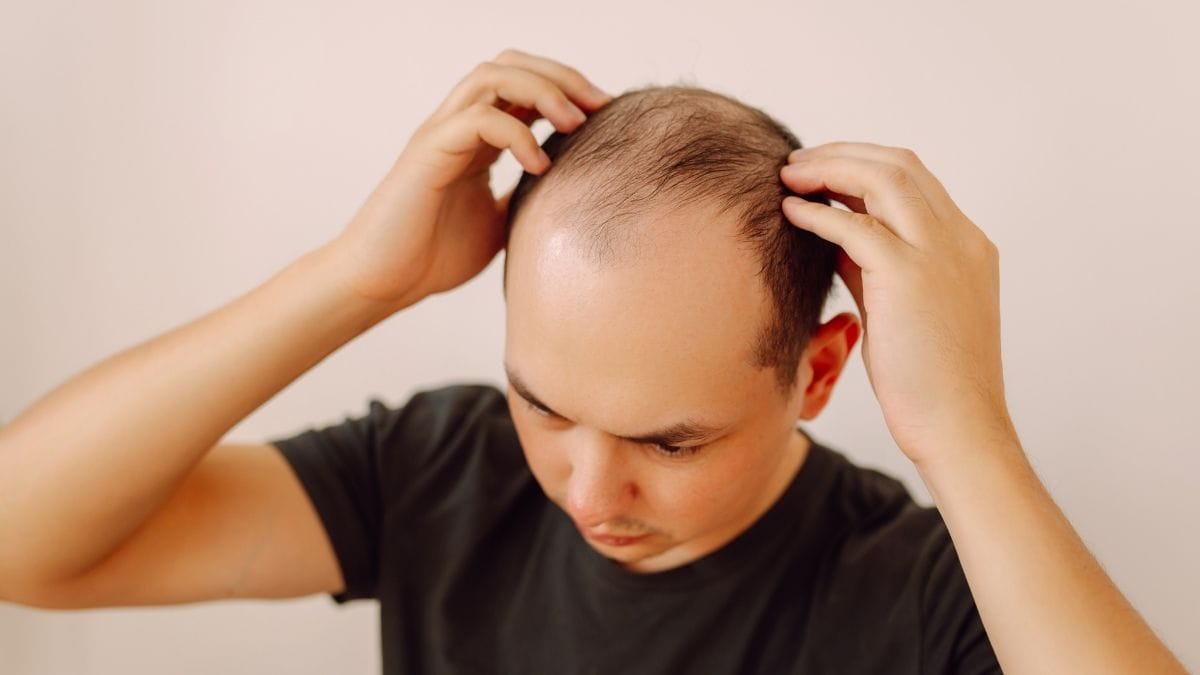
If you’re finding more hair strands on your pillow or in the shower drain than usual, your kitchen might hold the solution.
You’ve probably spent money on expensive shampoos and treatments. But the real problem might be what’s missing from your plate.
Here’s the truth: a healthy person loses 50-100 hairs daily.
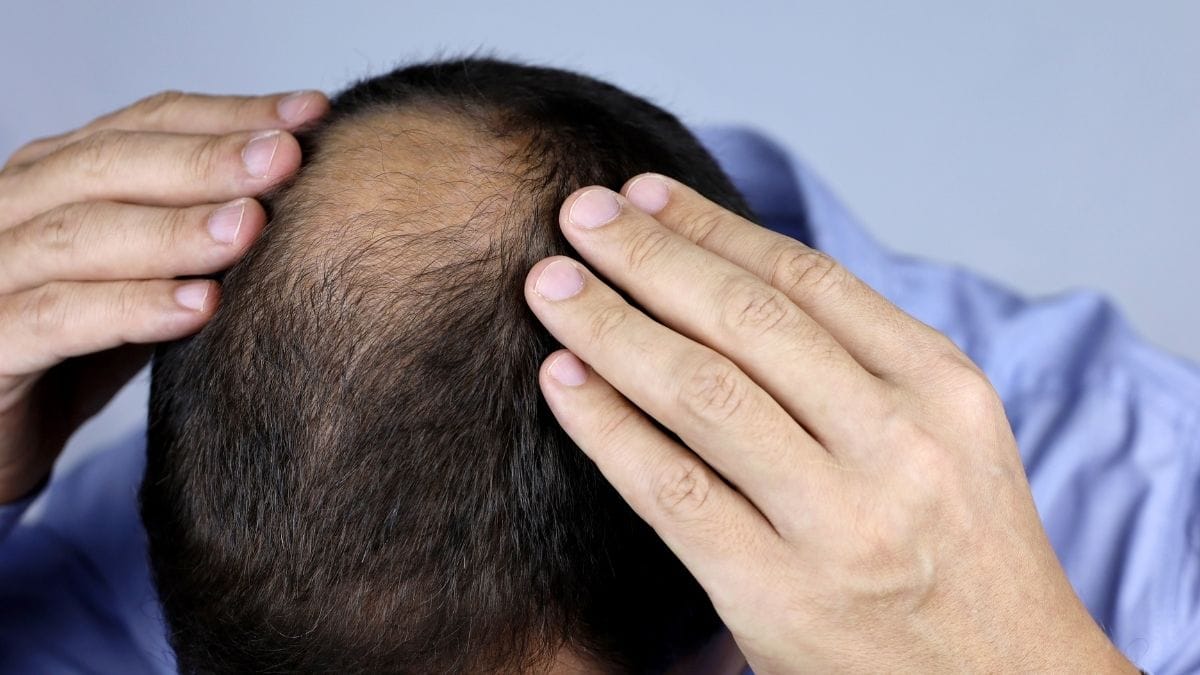
But if you’re seeing more than that, nutrient gaps could be the cause. Research shows 38% of women with hair loss are low in biotin. Iron, protein, and vitamins play a big role too.
This guide shares 7 everyday foods that reduce hair fall. These are nutritionist-approved picks backed by science
You’ll learn which nutrients your hair needs, when to expect results (hint: 2-3 months), and simple ways to add these foods to meals you already eat. No extreme diet required.
💇♀️ 7 Foods That Stop Hair Fall Naturally
Science-Backed Nutrition for Stronger, Healthier Hair

Eggs — The Protein and Biotin Powerhouse
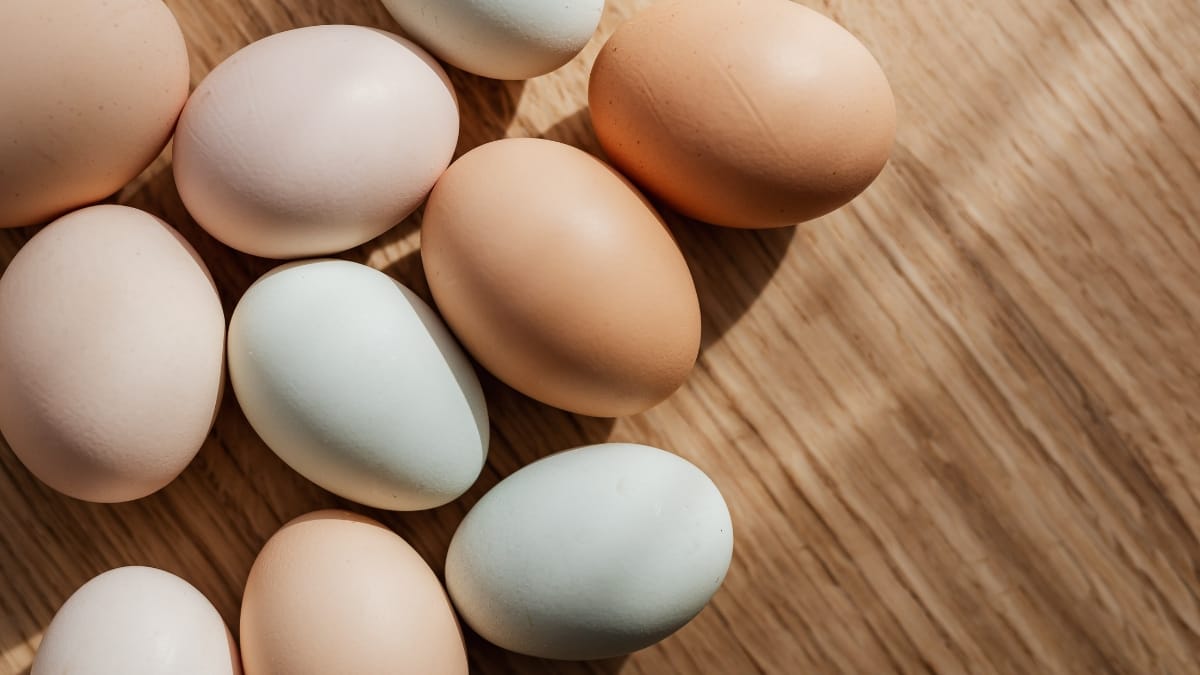
The humble egg deserves a spot on your breakfast plate if you’re battling hair fall. Eggs pack two things your hair desperately needs: protein and biotin.
Your hair is made of a protein called keratin, and without enough protein-rich foods, it can’t grow strong.
Here’s what matters most. Research found that 38% of women with hair loss had low biotin levels.
Biotin for hair is critical because it helps your body make keratin. One cooked egg gives you about 10 micrograms of biotin. That’s a solid boost for your hair follicles.
But here’s the catch. You need to cook your eggs. Raw egg whites actually block biotin absorption, so skip the Rocky-style raw egg drinks. Scrambled, boiled, or fried works perfectly.
Studies show that compounds in egg yolks can even trigger blood vessel growth around hair follicles.
More blood flow means better nutrient delivery and stronger growth. This isn’t magic. It’s just good nutrition at work.
How to eat them: Aim for 2-3 eggs per week. Try scrambled eggs with spinach for breakfast, hard-boiled eggs as snacks,
or egg-based omelets loaded with vegetables. Simple swaps that your hair will notice in a few months.
Fatty Fish (Salmon, Sardines, Mackerel) — Omega-3 for Hair Density
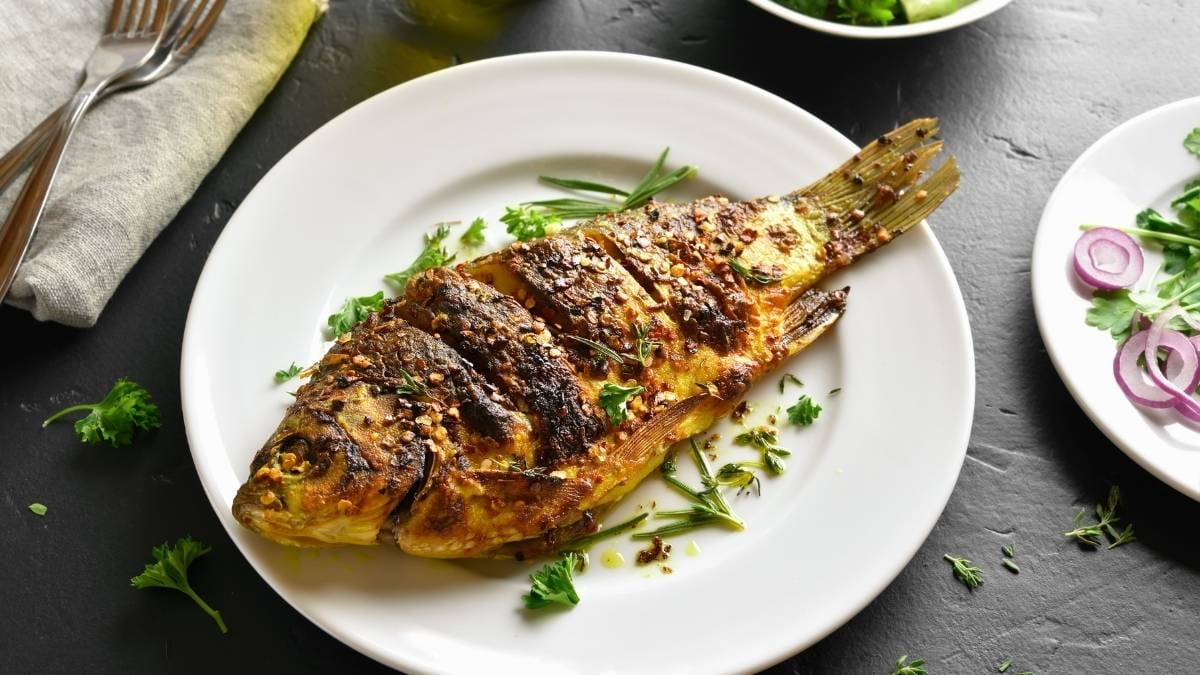
If there’s one food nutritionists consistently recommend for healthier hair, it’s fatty fish. Salmon, sardines, and mackerel are loaded with omega-3 fatty acids.
These fats feed your hair follicles from the inside and help reduce inflammation that can slow hair growth.
The research is impressive. A six-month study found that 89.9% of people taking omega-3 supplements saw less hair fall.
Even better, 87.3% noticed their hair got thicker. These are some of the best foods for hair density you can eat.
Fatty fish for hair growth works because it’s not just about omega-3s.
You also get protein, selenium, vitamin D, and B vitamins in every serving. Your hair needs all of these to stay strong and grow properly.
One important tip: stick with low-mercury options. Salmon, sardines, and mackerel are safe choices. Limit tuna because it contains more mercury, which can actually hurt hair health over time.
How to eat them: Eat 2-3 servings of fatty fish per week. Try grilled salmon with vegetables, sardines on whole-grain toast, or mackerel salad for lunch. Canned versions work great and cost less than fresh fish.
Spinach and Leafy Greens — Iron and Vitamin Powerhouses

Your mother was right about eating your greens—especially if you want to keep your hair.
Spinach and other leafy greens pack folate, iron, and vitamins A and C. All of these help your hair grow stronger and stay on your head longer.
Iron deficiency hair loss is real. It’s actually the most common nutritional problem in the world, and women with hair loss often have low iron levels.
Iron helps your red blood cells carry oxygen to every part of your body, including your hair follicles. Without enough oxygen, hair growth slows down or stops.
Vitamin A for hair growth matters too. It helps your scalp make sebum, which is the natural oil that keeps your hair moisturized.
One cup of spinach gives you about 20% of the vitamin A you need each day. That’s a big win for such a simple food.
Here’s a smart tip. Eat leafy greens for hair with vitamin C foods like citrus or bell peppers. Vitamin C helps your body absorb more iron from plants.
How to eat them: Eat 1-2 cups of leafy greens daily. Try spinach smoothies, kale salads with lemon dressing, sautéed greens as a side dish, or spinach added to eggs.
Greek Yogurt — Protein, B5, and Gut Health
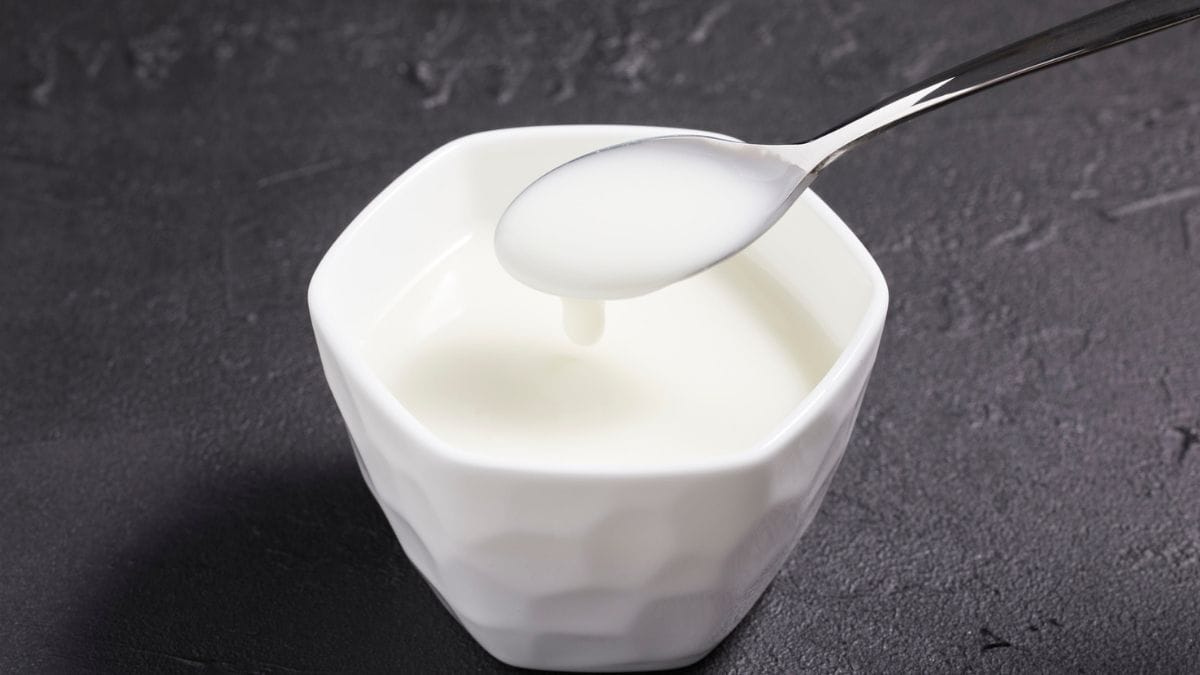
This creamy breakfast staple does more than satisfy your hunger—it actively supports hair growth. One cup of Greek yogurt for hair delivers 20.6 grams of protein.
That protein keeps your hair strong and helps prevent breakage that makes thinning look worse.
Greek yogurt also contains zinc and vitamin B5 hair needs to thrive. Vitamin B5 helps blood flow to your scalp, which can prevent hair from thinning over time.
Plus, you get 222 milligrams of calcium in each cup, and calcium supports keratin production in your body.
Here’s something interesting about probiotics and hair health. The good bacteria in Greek yogurt may help increase hair thickness.
Your gut health affects your whole body, including how well you absorb nutrients that feed your hair follicles.
One tip: choose plain, unsweetened Greek yogurt. The flavored kinds have lots of added sugar, which can cause inflammation and mess with your hair health.
How to eat it: Eat 1 cup daily. Try Greek yogurt with berries for breakfast, as a smoothie base, or as a savory dip with cucumber and herbs. It’s an easy swap for sour cream too.
Sweet Potatoes — Vitamin A for Scalp Health
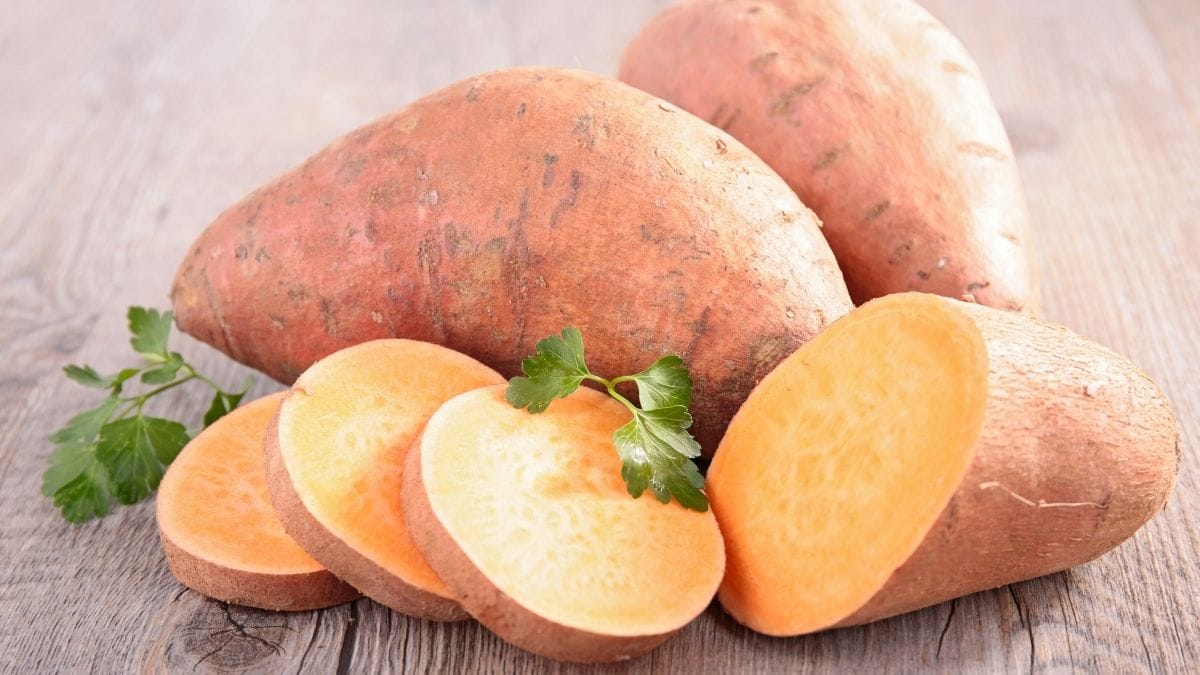
This vibrant orange vegetable isn’t just delicious—it’s a scalp health superstar. Sweet potatoes are packed with beta-carotene, which your body turns into vitamin A for hair.
One medium sweet potato gives you 1,403 micrograms of vitamin A. That’s 156% of what you need each day.
Vitamin A for hair works by helping your scalp make sebum. Sebum is the natural oil that keeps your scalp moisturized and stops hair from getting dry and brittle.
Without enough vitamin A, your scalp can turn dry and scaly, which slows down hair growth or makes it weak.
Beta-carotene hair growth benefits go further. Research shows it can speed up how fast your hair grows and make each strand thicker. Sweet potato benefits add up fast when you eat them regularly.
But here’s an important warning. Too much vitamin A from supplements can actually cause hair loss. That’s why getting it from food is safer.
Your body only converts what it needs from beta-carotene, so you can’t overdo it with sweet potatoes.
How to eat them: Eat 1 medium sweet potato 3-4 times per week. Try baked sweet potato fries, mashed sweet potato, roasted cubes in salads, or sweet potato toast.
Berries — Vitamin C and Antioxidant Protection
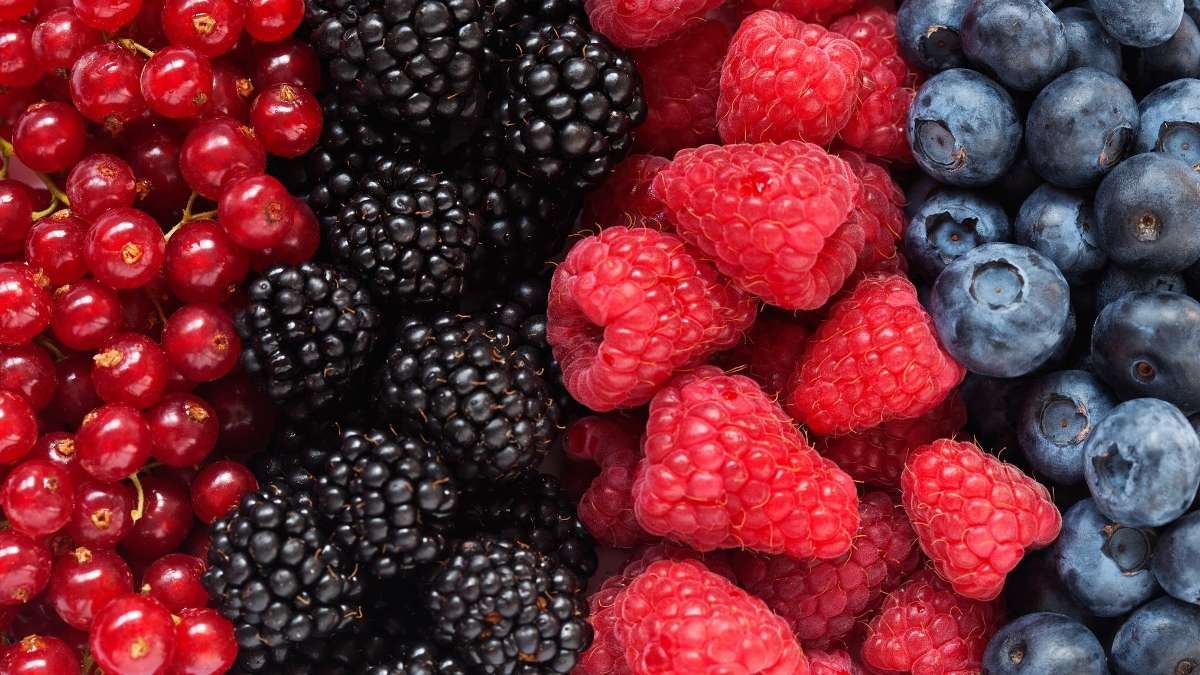
These colorful fruits pack a powerful punch when it comes to protecting your hair follicles. Berries for hair growth work because they’re loaded with vitamin C.
Just half a cup of strawberries or a handful of blueberries can give you a big chunk of your daily vitamin C needs.
Vitamin C for hair matters in two big ways. First, it fights inflammation that can slow down hair growth or cause hair loss.
Second, your body needs vitamin C to make collagen, which strengthens each hair strand so it doesn’t break easily or turn straw-like.
Here’s proof it works. A 2012 study gave women with thinning hair a supplement containing vitamin C. The results showed significant new hair growth after consistent use.
Antioxidants hair health gets another boost from berries too. They fight oxidative stress that damages hair follicles over time.
Plus, vitamin C helps your body absorb iron from plant foods like spinach, which we covered earlier. That’s a double win.
How to eat them: Eat 1-2 cups of berries daily. Try berries in morning smoothies, as snacks with Greek yogurt, mixed into oatmeal, or fresh berry salads.
Frozen berries work just as well as fresh.
Nuts and Seeds — Zinc, Selenium, and Vitamin E
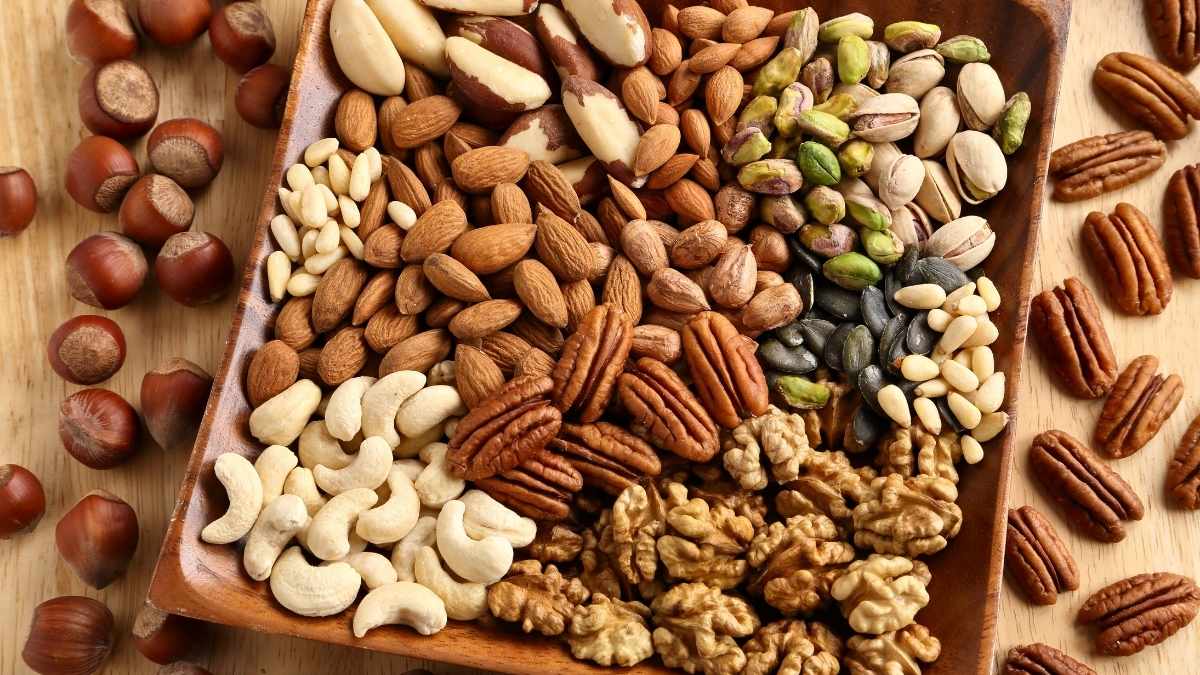
A small handful of nuts or seeds each day can make a big difference in your hair’s health. The best nuts for hair include almonds, walnuts, and Brazil nuts.
Seeds like sunflower and pumpkin pack similar benefits. All of these give you zinc, selenium, and vitamin E.
Zinc for hair loss prevention is critical. When you don’t get enough zinc, you can lose hair on your head and even your eyelashes. That’s how important this mineral is for keeping hair where it belongs.
Vitamin E hair benefits come from its antioxidant power. It absorbs damaging UV light and protects your skin cells, including the ones in your scalp.
An eight-month study on vitamin E supplements showed real improvements in people with hair loss. Almonds, sunflower seeds, and peanut butter are natural vitamin E sources you can eat every day.
Selenium keeps your thyroid working right. Thyroid problems can make your hair stop growing, turn brittle, or fall out. Just two Brazil nuts give you all the selenium you need for the day.
How to eat them: Eat 1-2 ounces (about ¼ cup) daily. Try almonds as snacks, walnuts on salads, sunflower seeds on yogurt, or pumpkin seeds in trail mix.
What to Avoid — Foods That May Worsen Hair Fall
While adding the right foods is important, avoiding certain items can be equally beneficial. Some foods that cause hair loss work against all your hard efforts.
Junk food overactivates your sebum glands, which can clog hair follicles and slow growth.
Excess refined sugar messes with your insulin response and reduces blood flow to your scalp. Less blood flow means fewer nutrients reach your hair roots.

Alcohol dehydrates your entire body, and regular drinking makes your hair extremely dry and prone to breakage.
Watch out for high-mercury fish like swordfish and king mackerel. Too much mercury can damage hair follicles over time.
Crash dieting or very low protein diets strip your body of what it needs to build strong hair.

The connection between diet and hair fall is clear. You don’t need to be perfect with your eating.
But consistently choosing nutrient-dense whole foods over processed options gives your hair the best chance to stay thick and healthy.
Creating Your Hair-Healthy Meal Plan
You don’t need to overhaul your entire diet overnight. Start by incorporating 2-3 of these foods into your daily routine.
Here’s a simple meal plan for hair growth that combines multiple foods that reduce hair fall.
Breakfast: Greek yogurt with berries and almonds. This gives you protein, vitamin C, and vitamin E in one bowl.
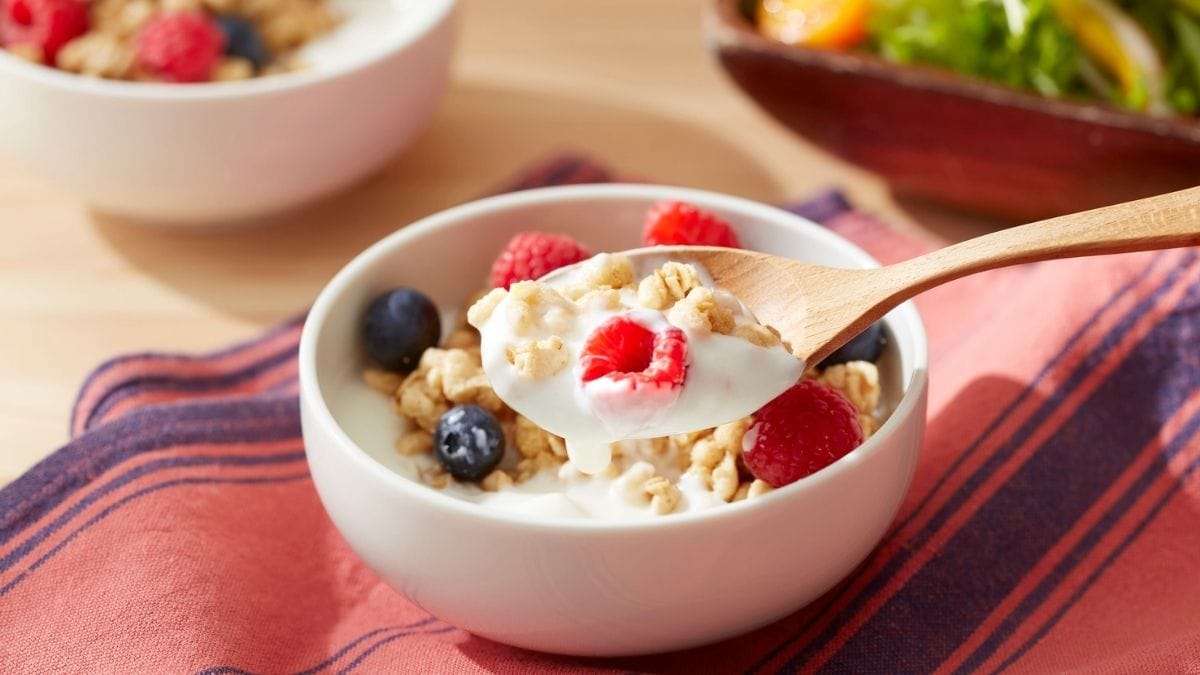
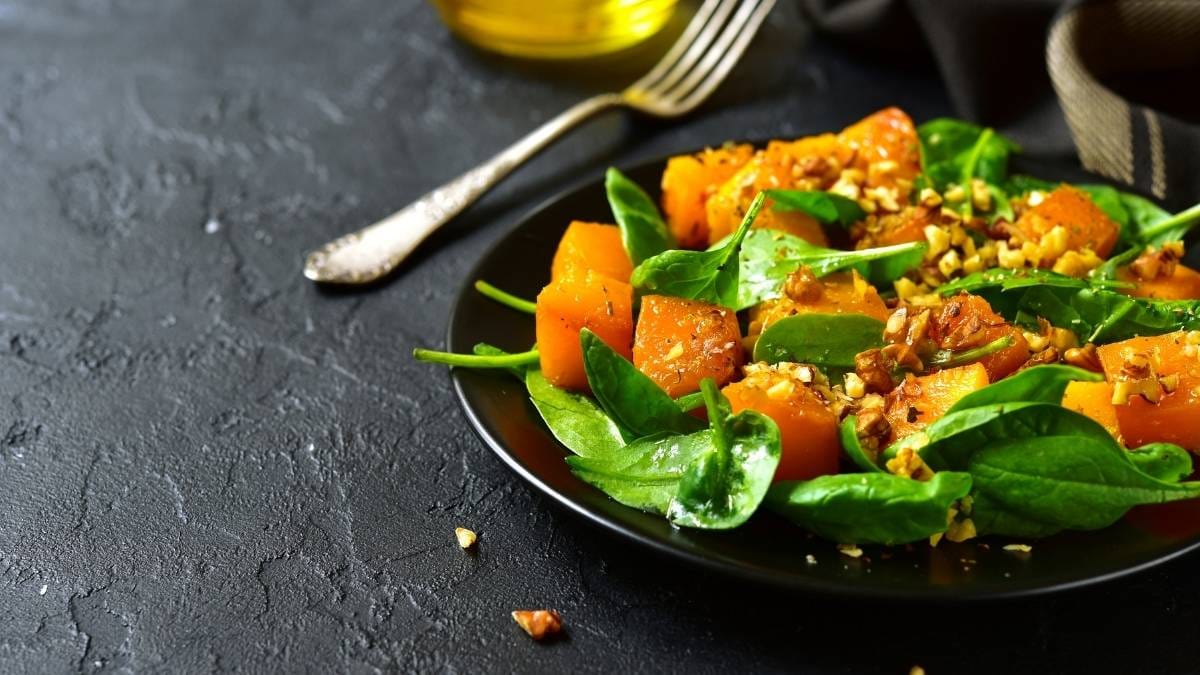
Lunch: Salmon salad with spinach and roasted sweet potato cubes. You get omega-3s, iron, and vitamin A together.
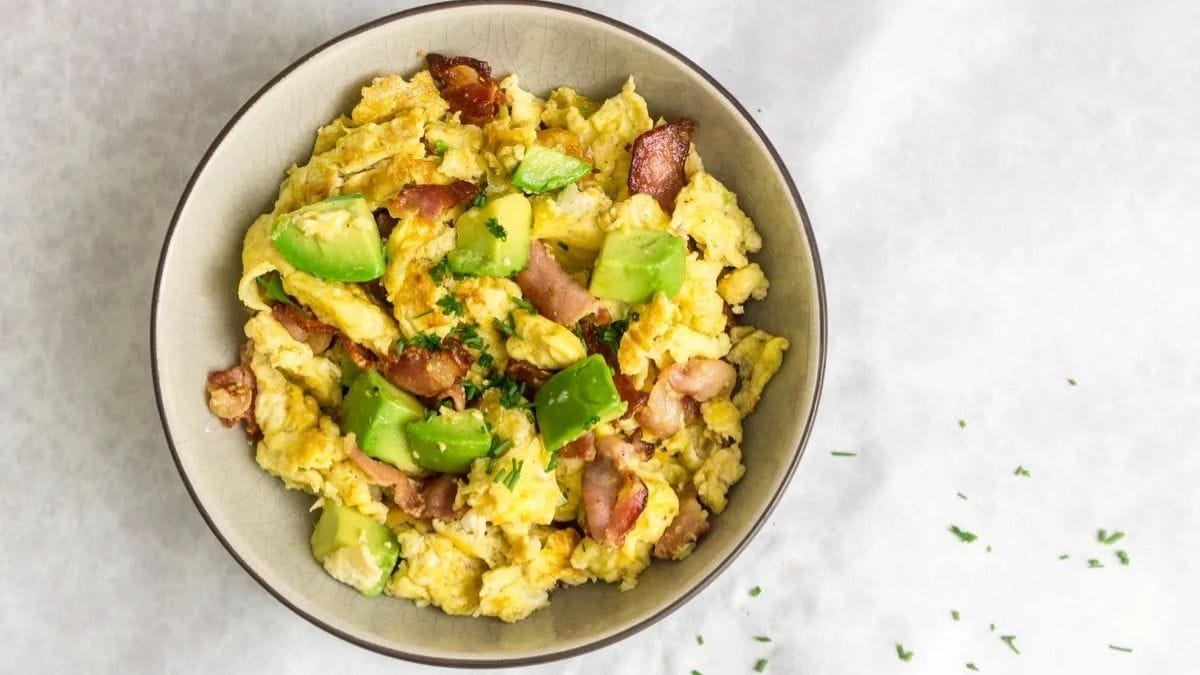
Dinner: Scrambled eggs with sautéed greens and a side of nuts. Protein and biotin pair perfectly with iron-rich vegetables.
Snacks: A handful of walnuts or carrot sticks with hummus keep your energy steady.
The secret is eating protein every 3-4 hours. This maintains keratin production all day long. Meal prep on Sundays makes busy weekdays easier.
Cook a batch of eggs, wash greens, and portion out nuts for grab-and-go options.
Final Thought:
Hair fall is often linked to nutritional deficiencies that your diet can fix.
The seven foods covered give you protein, biotin, omega-3s, iron, vitamins A, C, and E, plus zinc and selenium. Your hair needs all of these to grow strong and stay on your head.
Be patient with the process. Expect to see real results in 2-6 months with consistent changes. Don’t rely on just one food. Combine several throughout your week for the best outcome.
Start today by adding just one of these seven foods to your meals. Track your progress by taking photos monthly.
Remember, healthy hair grows from the inside out—and your next meal is an opportunity to nourish your follicles.

These everyday foods that reduce hair fall are affordable, accessible, and backed by science. Your hair will thank you.