
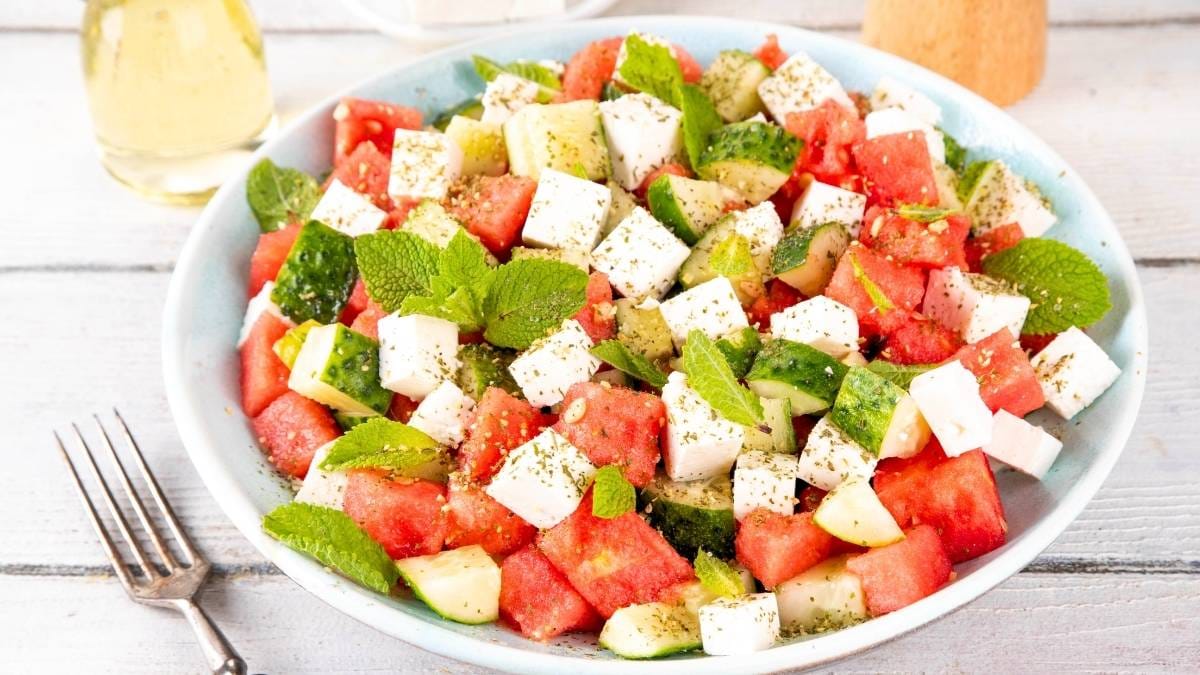
Feeling thirsty but don’t want another glass of water? Seasonal hydrating fruits and veggies can help fast.
Plain water gets boring, and most people forget to drink enough during hot days. But you can get fluids from food if you choose water-rich produce.
Here you’ll learn which 7 hydrating fruits and vegetables give the most water per bite, when they’re in season, and simple ways to eat them for quick hydration.
Quick hydration primer: how food counts toward your daily water
Our bodies get a decent share of water from what we eat. In fact, food can supply around 20 % of your daily water needs. National Academies+1
That’s why water-rich produce matters. If you eat 100 g of a fruit or veggie that’s 92 % water — like Watermelon — you get about 92 ml of water. That’s nearly a full small glass.
Many vegetables and fruits are over 90 % water. Food Studies Institute+1 By focusing on those, you boost hydration even between drinks.
So when you grab juicy foods like cucumber, tomato, or celery, you’re not just eating — you’re topping up fluids. This plan works well when water gets boring or you’re busy.
Eating water-rich produce gives you steady hydration without forcing you to chug more water. Let’s look at the best picks next.
The Top 7 seasonal hydrating fruits & veggies
Watermelon (summer) — ~91-92% water
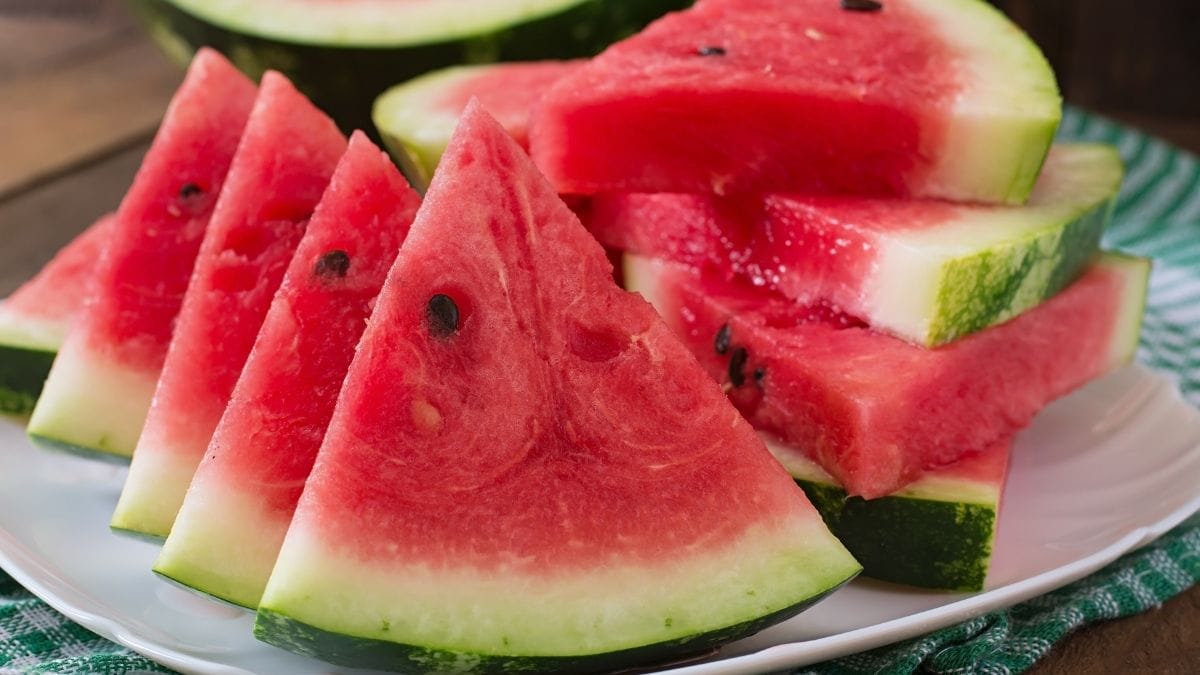
Watermelon is about 91–92% water. Healthline+2Food Studies Institute+2
Peak season: summer, when watermelons are widely available. Know Your Produce+1
Fast uses: Cut into cubes for a snack. Blend for a refreshing juice or fruit water. Add to fruit salad with mint — simple and hydrating.
Hydration math: 100 g watermelon → ~91 ml water. So a 300 g portion gives ~270–275 ml water — nearly a full glass.
Storage tip: Keep whole watermelon in a cool place; refrigerate cut pieces and eat within 3–4 days for best juiciness.
Cucumber (summer) — ~95–96% water
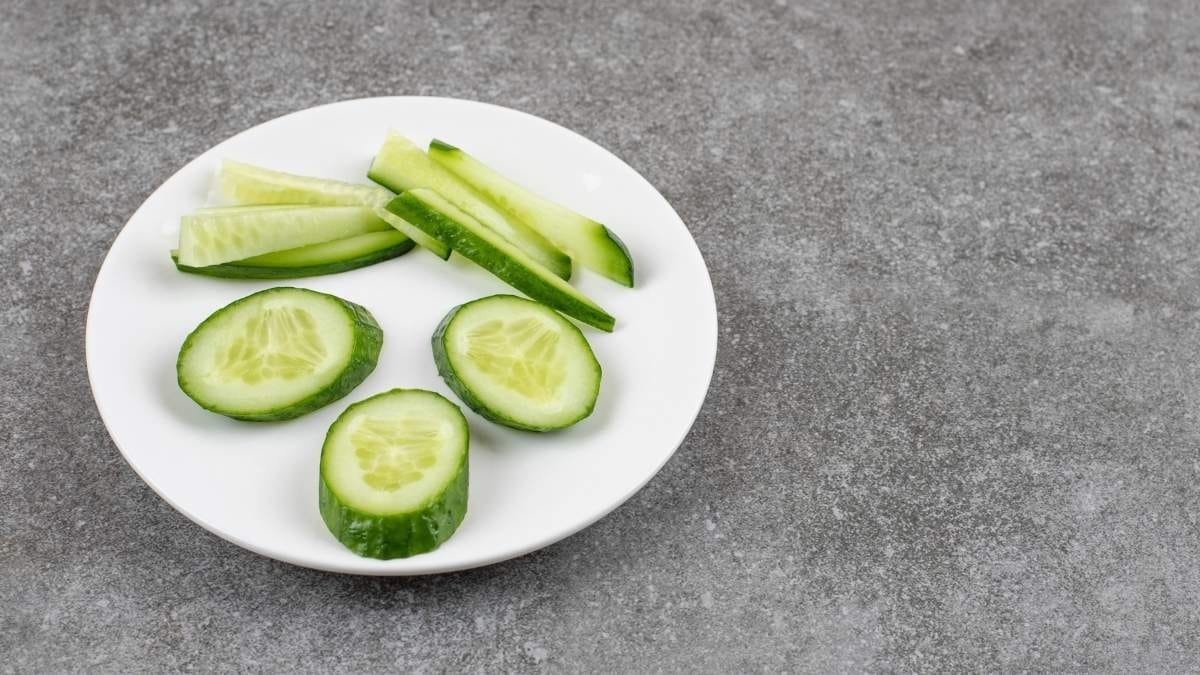
Cucumber is around 96% water. Food Studies Institute+1
Season: summer — though greenhouse or local markets can stretch availability. Know Your Produce+1
Fast uses: Slice for salads or sandwiches. Make cucumber water (infuse slices in chilled water). Quick-pickle cucumber for crunchy, hydrating snacks.
Hydration math: 100 g cucumber → ~96 ml water. Two medium cucumbers (~300 g) give ~288 ml fluid.
Storage tip: Store cucumbers wrapped in a paper towel in fridge; this helps preserve moisture and crunch.
Celery (year-round, late summer/fall peak) — ~95–96% water
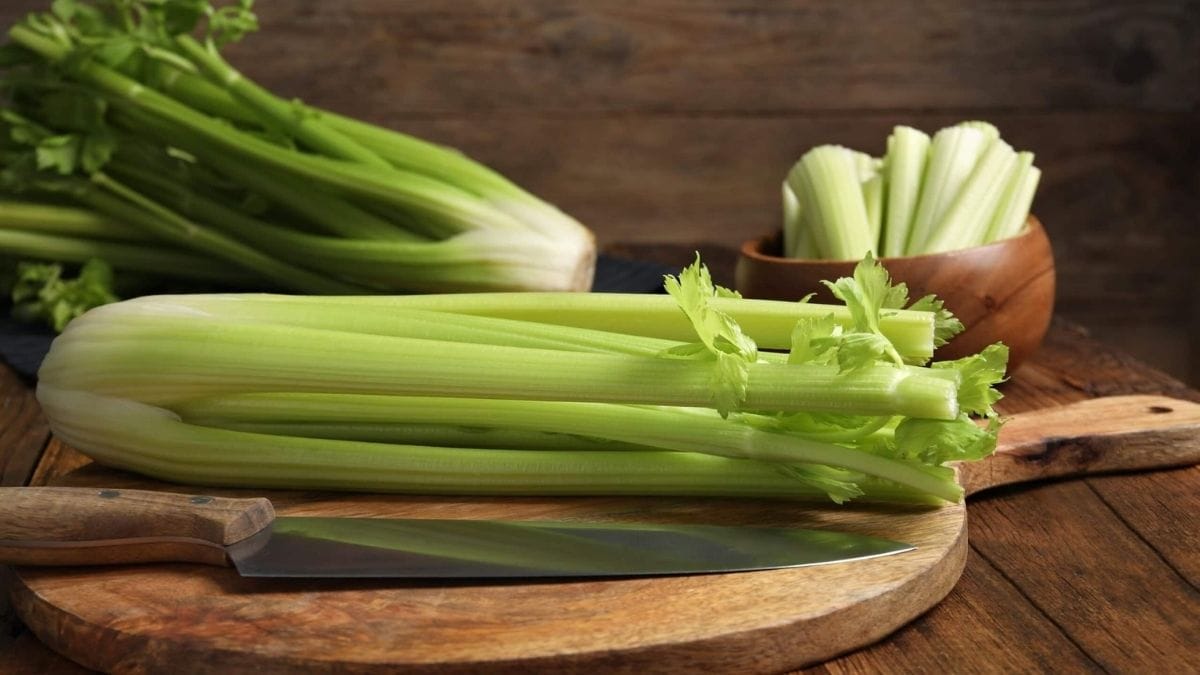
Celery contains about 95% water. Food Studies Institute+1
It’s often available year-round; peak harvest tends to finish in late summer/fall. Know Your Produce+1
Fast uses: Eat raw sticks with hummus or yogurt dip. Blend celery into smoothies or soups for extra water and fiber.
Hydration math: 100 g celery → ~95 ml water. A 200 g snack gives ~190 ml hydration.
Storage tip: Wrap celery in damp paper towel and refrigerate — this keeps the stalks crisp and water-rich longer.
Tomato (summer) — ~94–95% water
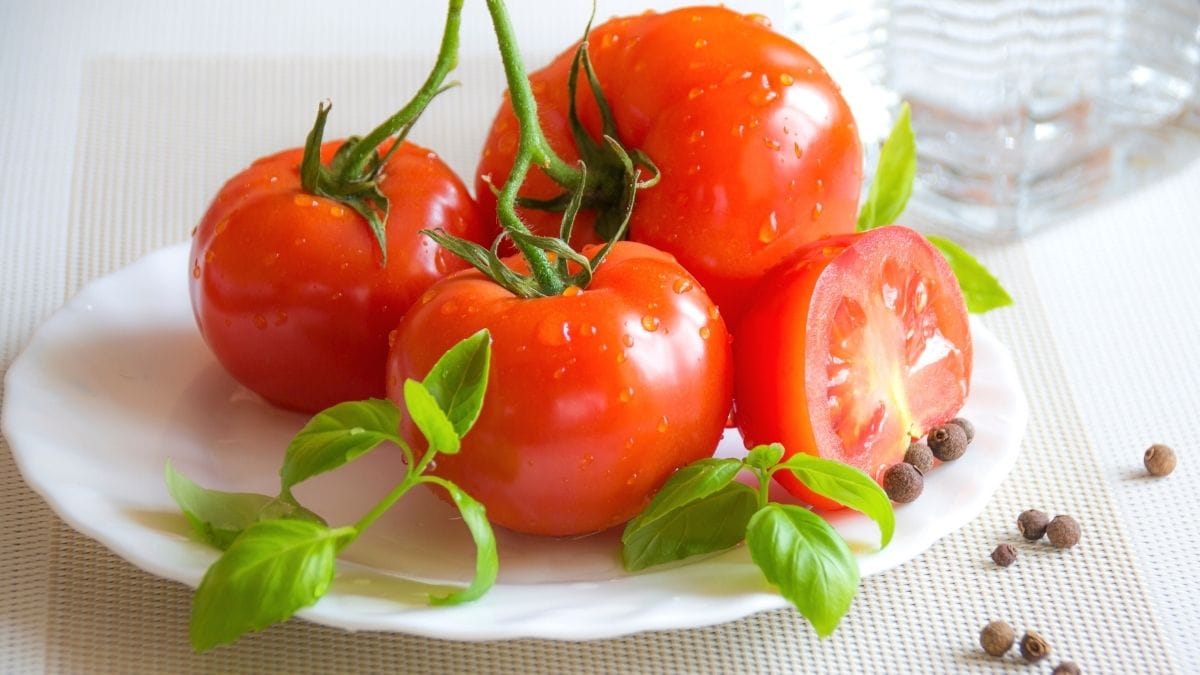
Tomatoes are about 94–95% water. Food Studies Institute+1
Season: summer is best for juiciness; greenhouse or local produce may give extended availability. Know Your Produce+1
Fast uses: Make a cold gazpacho (blend tomato + cucumber + a bit of salt). Slice and sprinkle salt + olive oil. Or mix tomato + cucumber for a hydrating salad.
Hydration math: 100 g tomato → ~94 ml water. A medium tomato (≈150 g) gives ~140 ml water.
Storage tip: Keep tomatoes at room temperature if uncut; refrigerate sliced tomatoes and use within 2–3 days.
Zucchini / Summer Squash (summer) — ~94–95% water
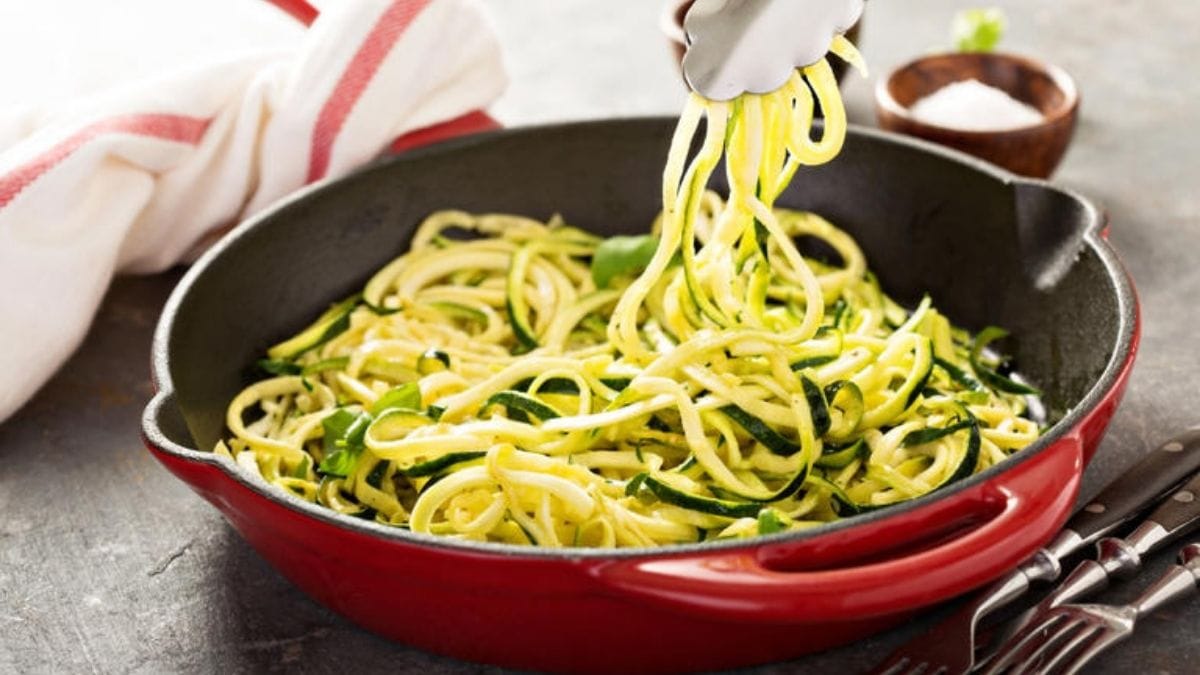
Zucchini contains roughly 94–95% water. Food Studies Institute+1
Season: summer is prime; local/greenhouse supply may extend it somewhat. Know Your Produce+1
Fast uses: Slice into raw ribbons for salad. Grill or roast slices gently — this retains moisture. Add to summer stir-fry or cold pasta salad.
Hydration math: 100 g zucchini → ~94 ml water. A 200 g serving gives ~190 ml water.
Storage tip: Keep zucchini dry and cool; avoid washing until use to prevent spoilage.
Strawberries (spring → early summer) — ~91% water
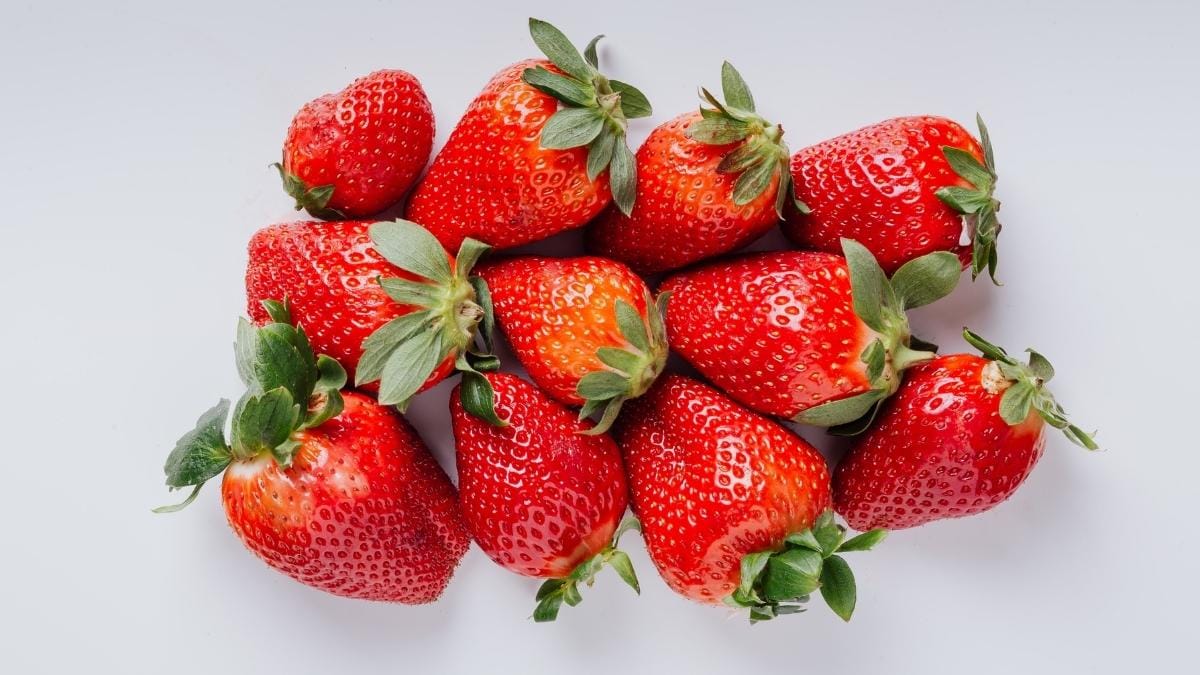
Strawberries are about 91% water. Healthline+1
Season: spring to early summer (April–June in many regions), earlier in warmer areas. Know Your Produce+1
Fast uses: Add to yogurt, cereal or oatmeal. Blend into a chilled berry smoothie or berry water. Eat fresh with a squeeze of lemon.
Hydration math: 100 g strawberries → ~91 ml water. A 150 g bowl → ~135 ml water.
Storage tip: Refrigerate unwashed; wash just before eating to keep berries firm and juicy.
Cantaloupe / Melons (summer) — ~90% water
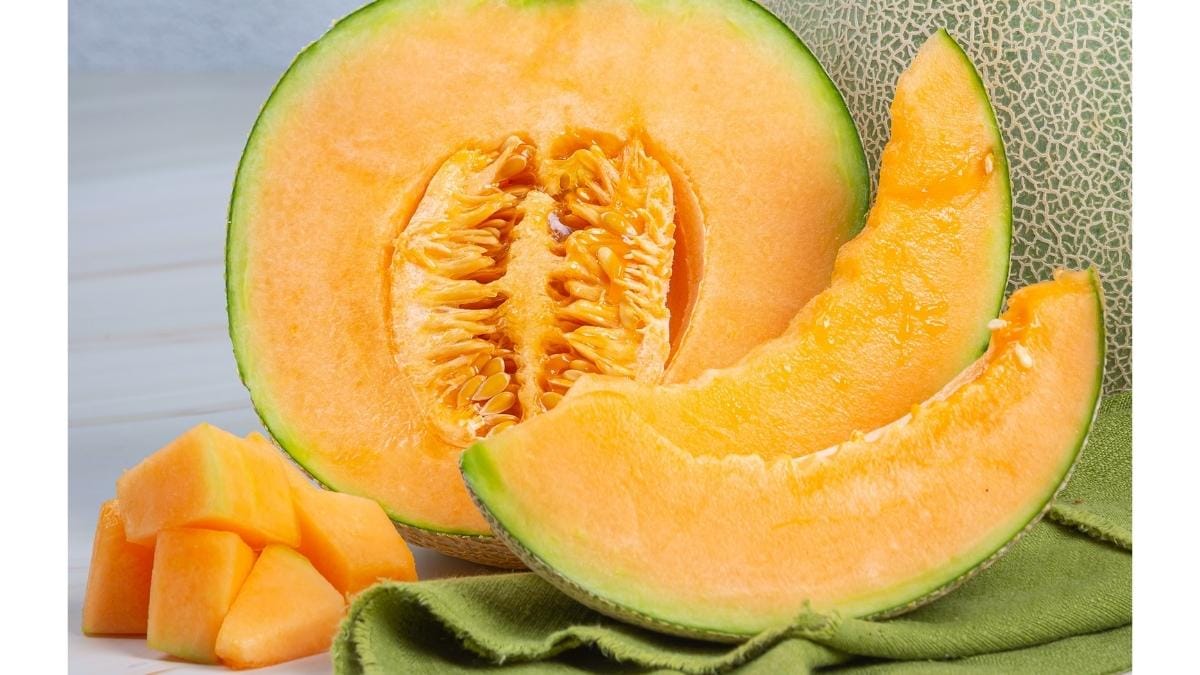
Cantaloupe is about 90% water. Food Studies Institute+1
Season: summer is best; local supply often peaks mid-summer for more flavor and water content. Know Your Produce+1
Fast uses: Cut chilled wedges for a quick, juicy snack. Blend with mint and ice for melon-mint water. Add to fruit salads or chilled soups.
Hydration math: 100 g cantaloupe → ~90 ml water. A 300 g portion gives ~270 ml water — close to a full glass.
Storage tip: Keep whole melon at room temp until ripe. After cutting, wrap and refrigerate; use within 3–4 days for best moisture.
Why these 7 matter
Each of these picks — watermelon, cucumber, celery, tomato, zucchini, strawberries, and cantaloupe — has over 90% water content. Food Studies Institute+1
That means you can drink fluids with every bite.
They are easy to find in summer (or local produce markets), and you can eat them raw or with minimal prep.
They make up a simple, food-based hydration plan — good when you’re busy, tired of plain water, or spending long hours outside.
Quick recipes & snack ideas (actionable — 6–8 recipes; 1–2 lines each)
Cold snacks help you stay cool fast. These ideas use hydrating fruits and vegetables and take 30 seconds to 10 minutes.
1. Watermelon-mint agua fresca
Blend 2 cups watermelon, 6 mint leaves, and ice. No sugar needed. Drink right away for a cold hit.
2. Cucumber-lemon infused water
Slice half a cucumber and half a lemon. Drop into a jar of cold water and chill for 10 minutes.
3. Gazpacho cup
Blend 1 cup tomato, ½ cup cucumber, ¼ cup bell pepper, and a pinch of salt. Chill and sip. Good on hot days.
4. Strawberry-banana iced smoothie
Blend 1 cup strawberries, 1 small banana, and ½ cup cold water. Smooth and sweet with no added sugar.
5. Tomato-cucumber salad with olive oil
Cut equal parts tomato and cucumber. Add a splash of olive oil and lemon. Salt lightly. Serve cold.
6. Celery + white bean dip
Blend ½ can white beans with lemon and garlic. Dip celery sticks. Smooth texture gives more fluid per bite.
7. Simple melon bowl
Chop cantaloupe and honeydew. Chill for 15 minutes. Add lime juice if you want more flavor.
8. Zucchini ribbon fridge salad
Use a peeler to make thin zucchini ribbons. Add yogurt, salt, and black pepper. Mix and serve right away.
These quick snacks keep you using seasonal hydrating fruits and veggies all day. Mix one sweet and one savory option to give your body steady fluids without thinking about it.
Buying seasonal: where to find peak flavor & save money
Seasonal produce tastes better and costs less. Local farmer markets are a smart first stop because sellers know when fruits and veggies are at their best.
You can also check free USDA/SNAP seasonal guides to see common peak months in your area.
Use simple look and feel tests:
- Watermelon should have a dull sound and a yellow ground spot.
- Cucumbers should feel firm, not soft.
- Melons should smell sweet at the blossom end.
Buy slightly underripe if you plan to eat them later in the week. Freeze extra melon for smoothies so nothing is wasted.
Knowing when in season produce peaks helps you get great flavor and high water content every time.
Lastly:
These 7 seasonal picks are simple instant hydration foods. Watermelon, cucumber, celery, tomato, zucchini, strawberries, and cantaloupe are all over 90% water.
Try a one-day action plan: morning cucumber water, 150 g watermelon snack, tomato salad at lunch, and zucchini ribbons at night. Track your thirst or urine color.
Try one recipe today and tag us. Or download the printable one-week hydrating produce shopping list to get started fast.