
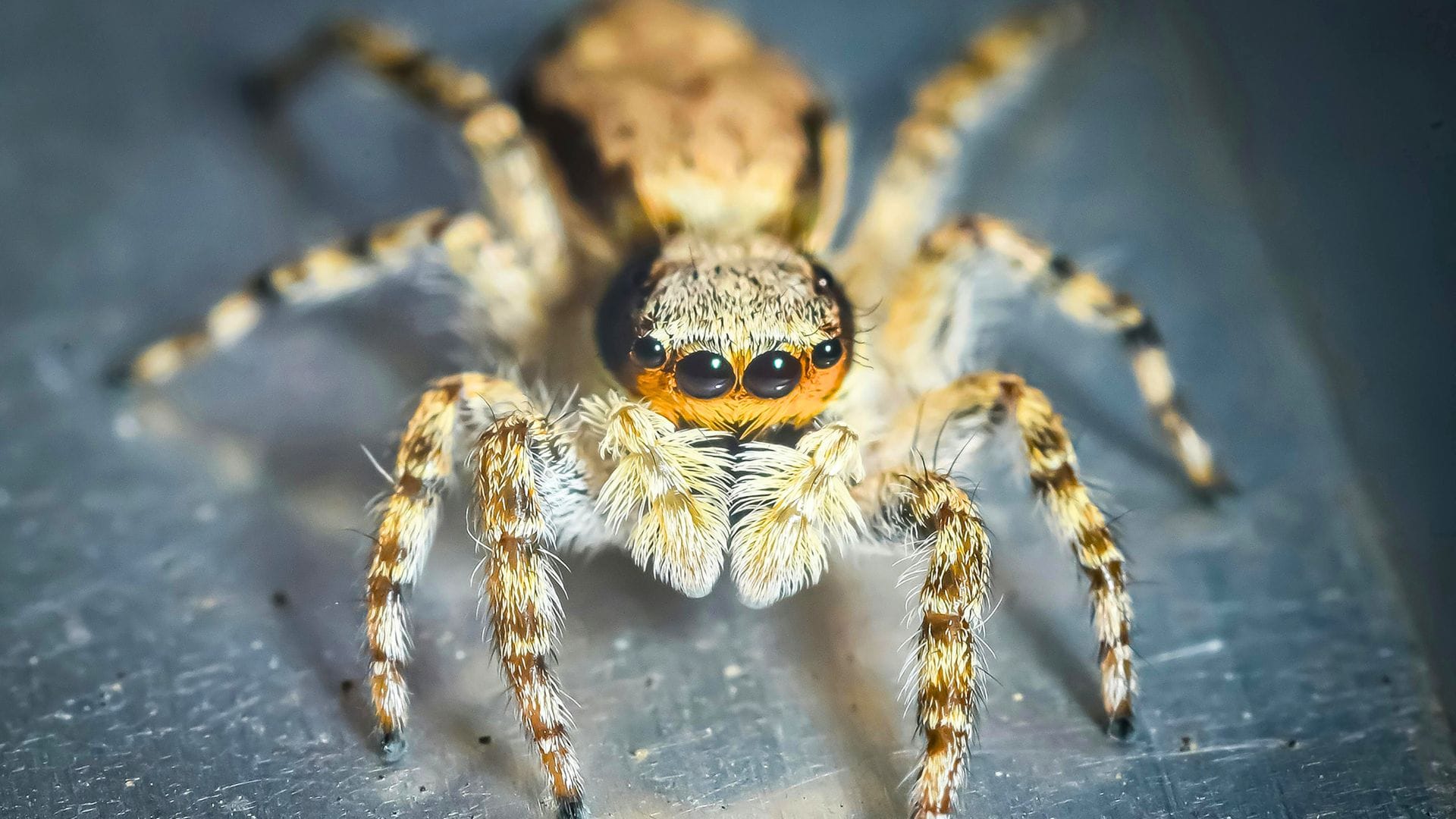
You spot eight legs scurrying across your bathroom floor. Your heart jumps. Is it dangerous? Should you panic?
Most spiders you’ll find indoors are harmless. They’re actually helping you by eating other bugs. But let’s be honest—nobody wants to share their bedroom with a spider, helpful or not.
Here’s what you need to know. I’m going to show you the seven most common house spiders you’ll encounter. You’ll learn how to identify them, which ones are harmless, and exactly how to keep them out of your space.
Common House Spider: Your Most Frequent Guest
This one’s probably crawling around your basement right now.
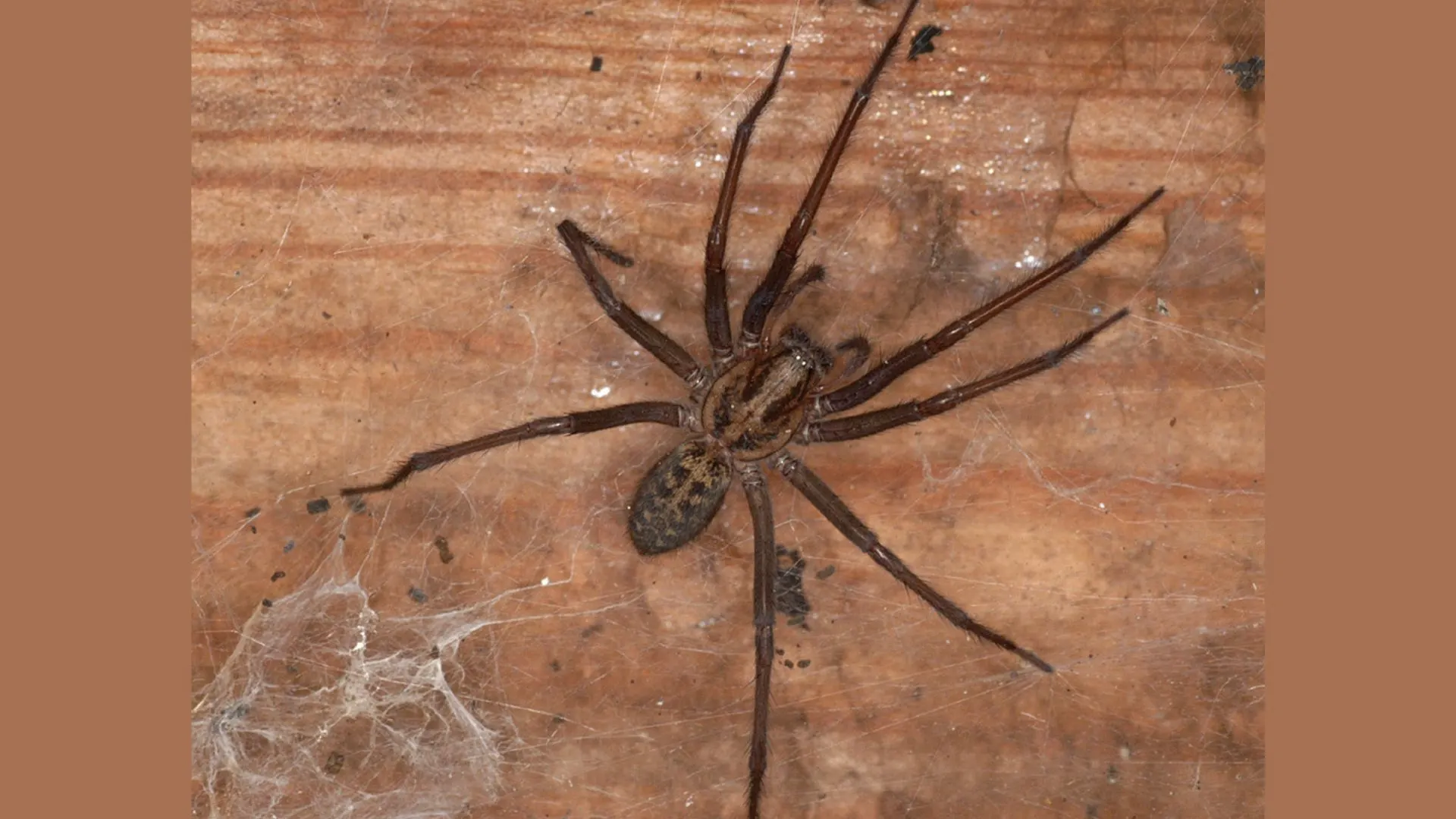
The common house spider is small, brownish, and builds messy cobwebs in corners. You’ll find them in dim spots like closets, garages, and under furniture. They’re completely harmless to humans.
What They Look Like
They’re about the size of a nickel with their legs spread. Their bodies are tan or gray with darker markings. Nothing flashy or scary about them.
These spiders spin tangled webs, not the pretty circular ones. Look up in your ceiling corners. See those dusty, chaotic webs? That’s their handiwork.
How to Control Them
Vacuum regularly. I mean it—this is your best weapon. Suck up the webs and the spiders disappear.

Reduce clutter in storage areas. Spiders love hiding in boxes and piles of stuff. Clean it up, and you remove their favorite hangout spots.
Seal cracks around windows and doors. They’re getting in somewhere. A tube of caulk fixes most entry points in about an hour.
Cellar Spiders: The Long-Legged Homebodies
You might call these “daddy longlegs,” though that’s technically a different bug.
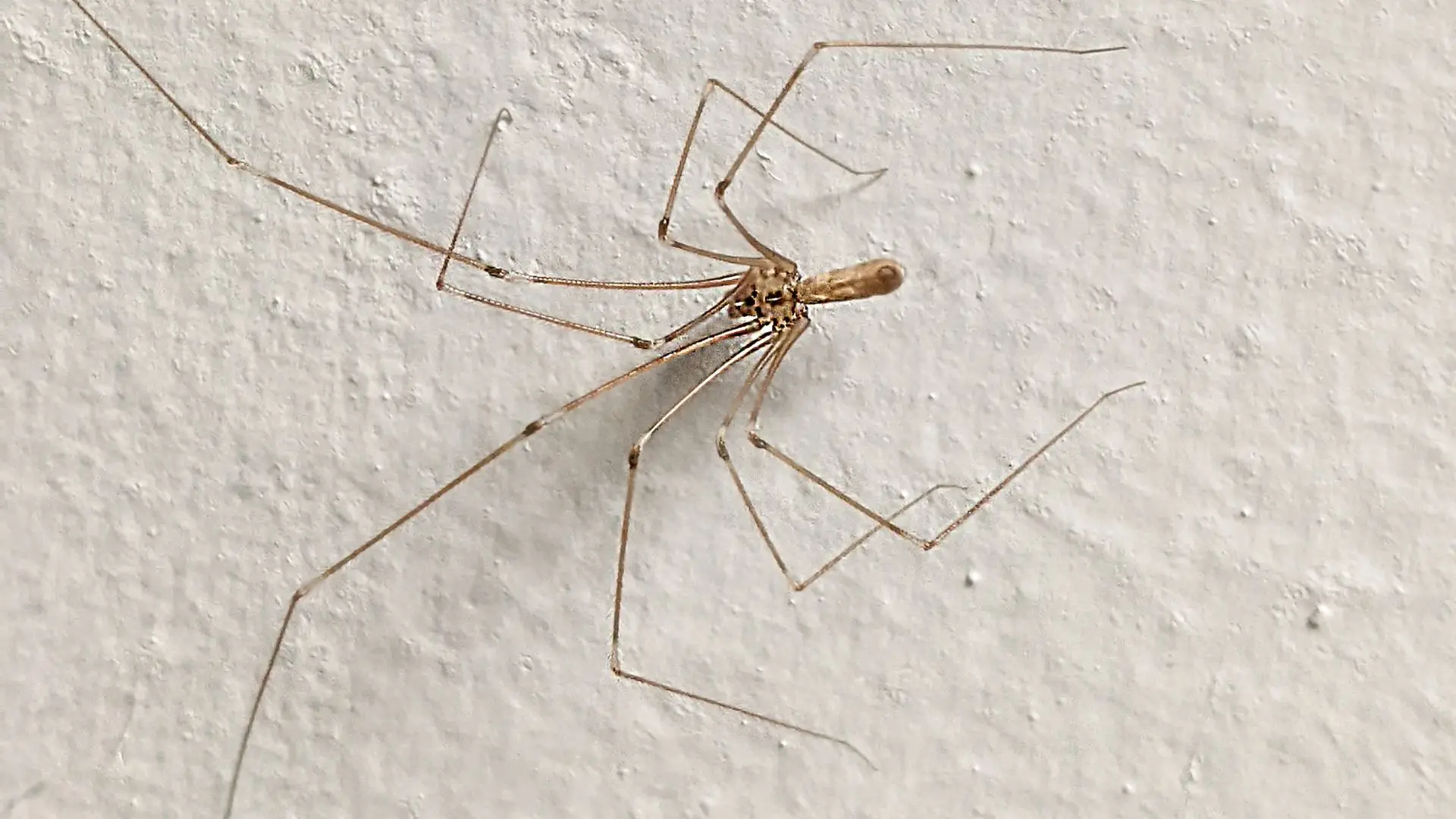
Cellar spiders have super long, thin legs and tiny bodies. They build loose, irregular webs in basements, crawl spaces, and dark corners. They’re shy and won’t bother you at all.
Why They’re Actually Helpful
These guys eat other spiders. Including the ones you don’t want around. They’re like your personal pest control team.
They also catch flies, mosquitoes, and other annoying insects. So before you evict them, remember they’re working for you.
Getting Rid of Them
If you really want them gone, vacuum their webs. They won’t rebuild in the same spot if you keep removing them.
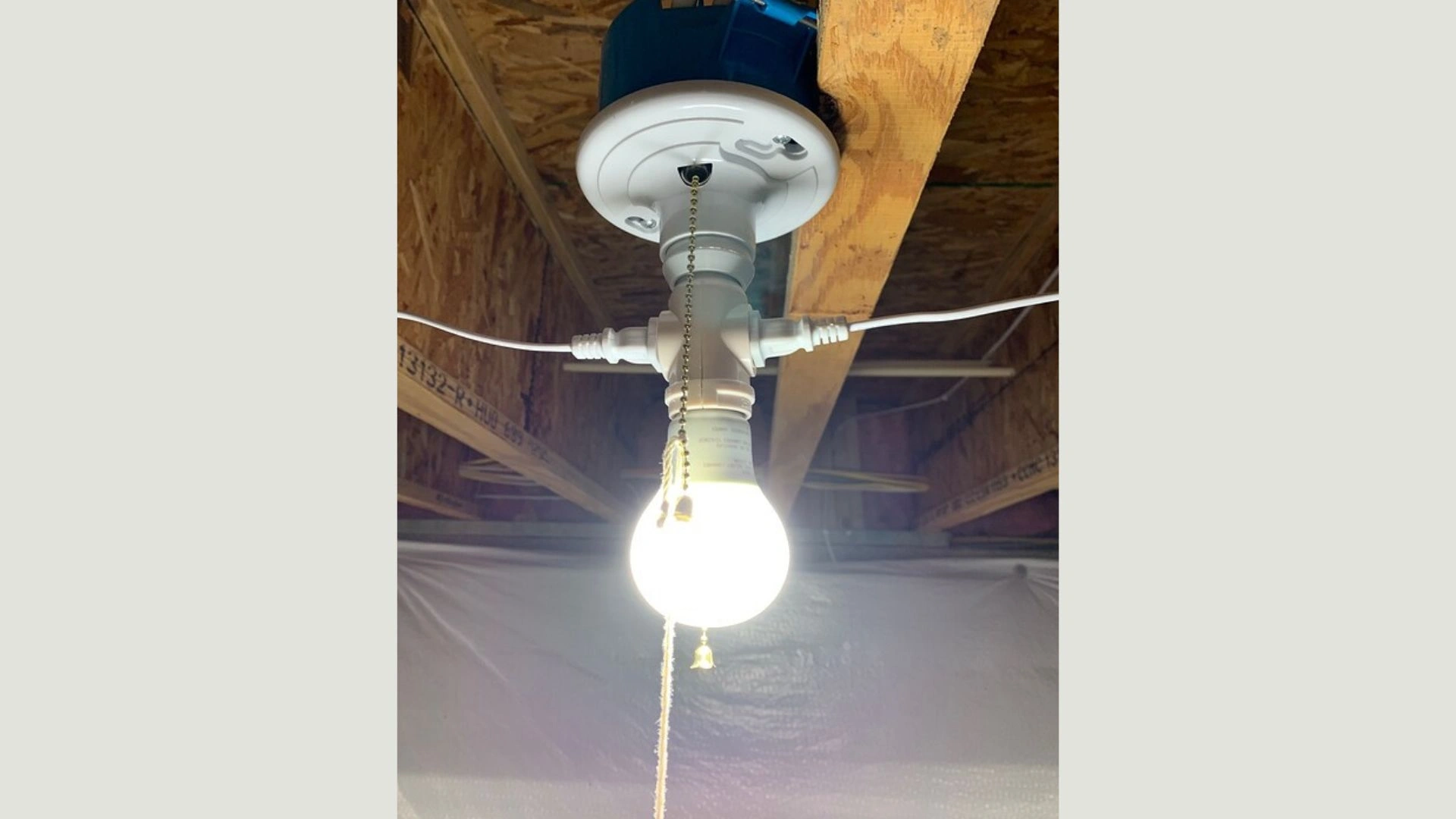
Turn on lights in dark areas. They hate bright spaces. A simple LED bulb in your basement makes it less appealing to them.
Dehumidify damp spaces. Spiders need moisture. Run a dehumidifier in your basement, and you’ll see fewer spiders overall.
Wolf Spiders: The Hunters
These are the big, hairy ones that make you jump.
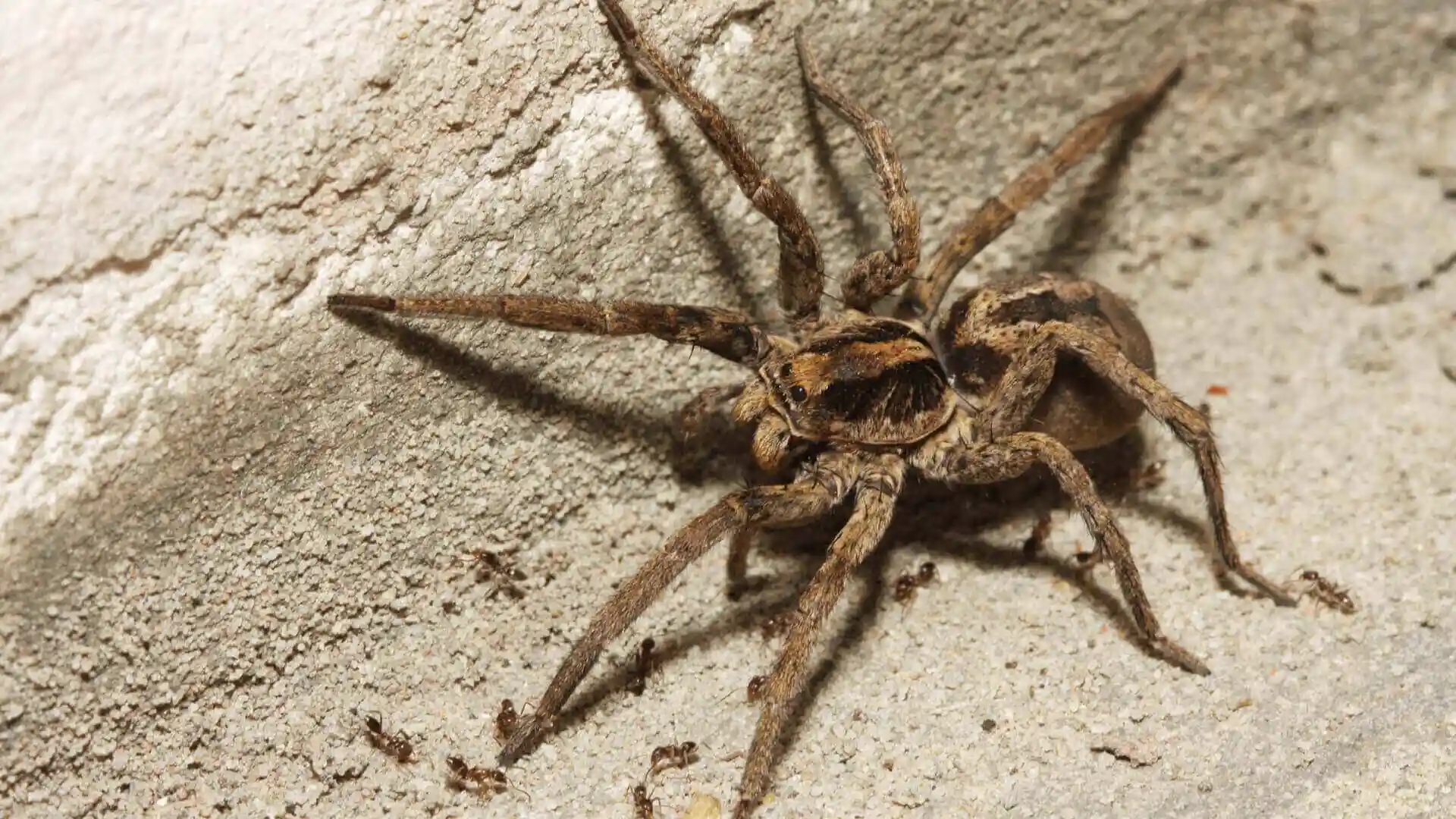
Wolf spiders don’t build webs. They hunt their prey on the ground. You’ll spot them running across floors, especially at night. They’re fast and look intimidating, but they’re not aggressive toward humans.
Identifying Wolf Spiders
They’re brown or gray with distinctive stripes on their backs. Their bodies are chunky and covered in hair. Some species can get pretty large—up to two inches with legs extended.
The females carry their egg sacs on their backs. If you see one with babies, don’t squash it. You’ll just scatter dozens of tiny spiders everywhere. Trust me on this one.
Control Methods That Work
Remove ground-level hiding spots outside. Woodpiles, leaves, and mulch right against your foundation are spider hotels. Move them away from your house.
Install door sweeps.
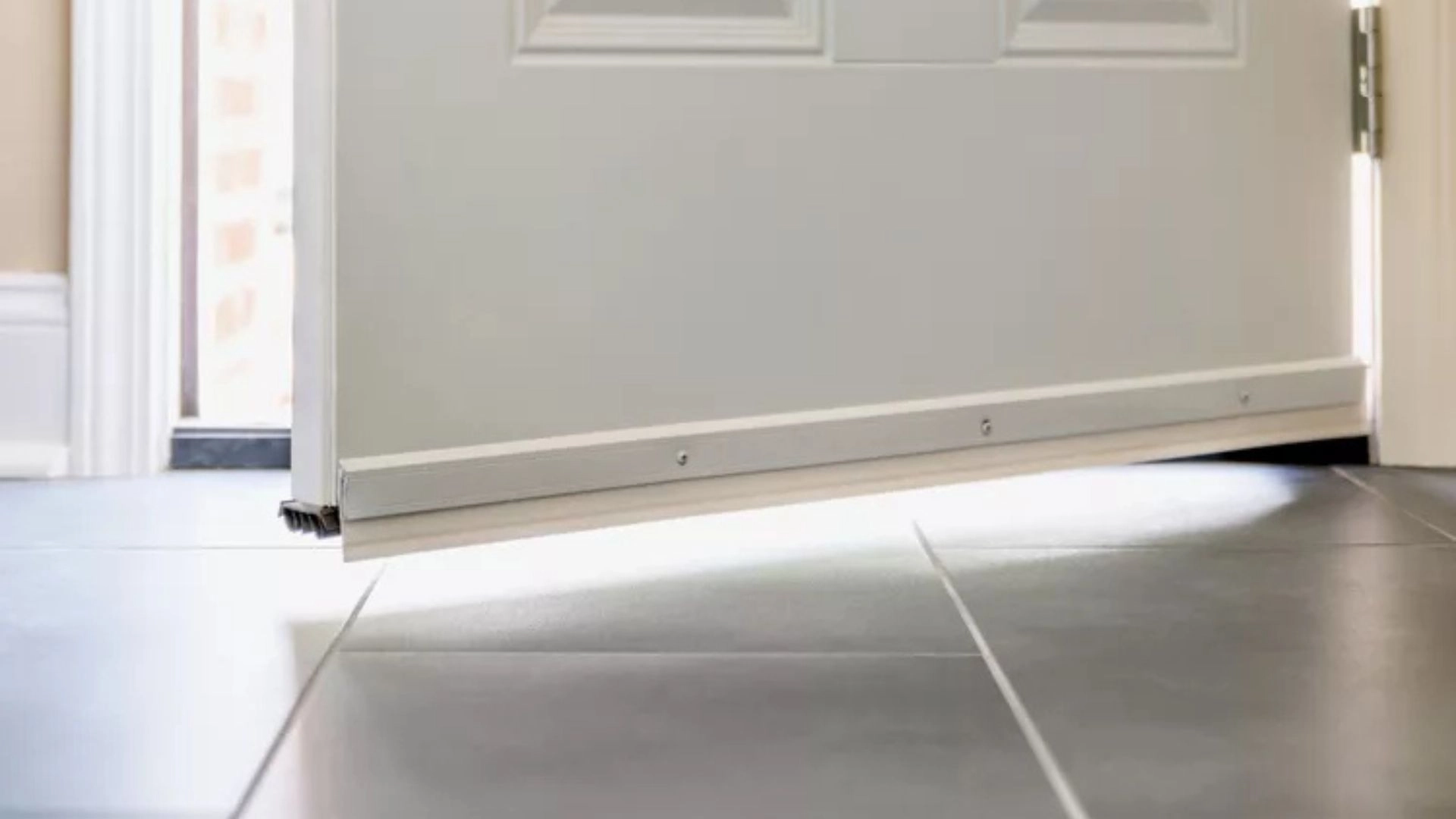
Wolf spiders walk in through gaps under doors. A $10 door sweep blocks this entry point completely.
Use sticky traps along baseboards. These catch wandering spiders without chemicals. Check them weekly and replace as needed.
Black Widow: Know This One
This is the spider you actually need to respect.
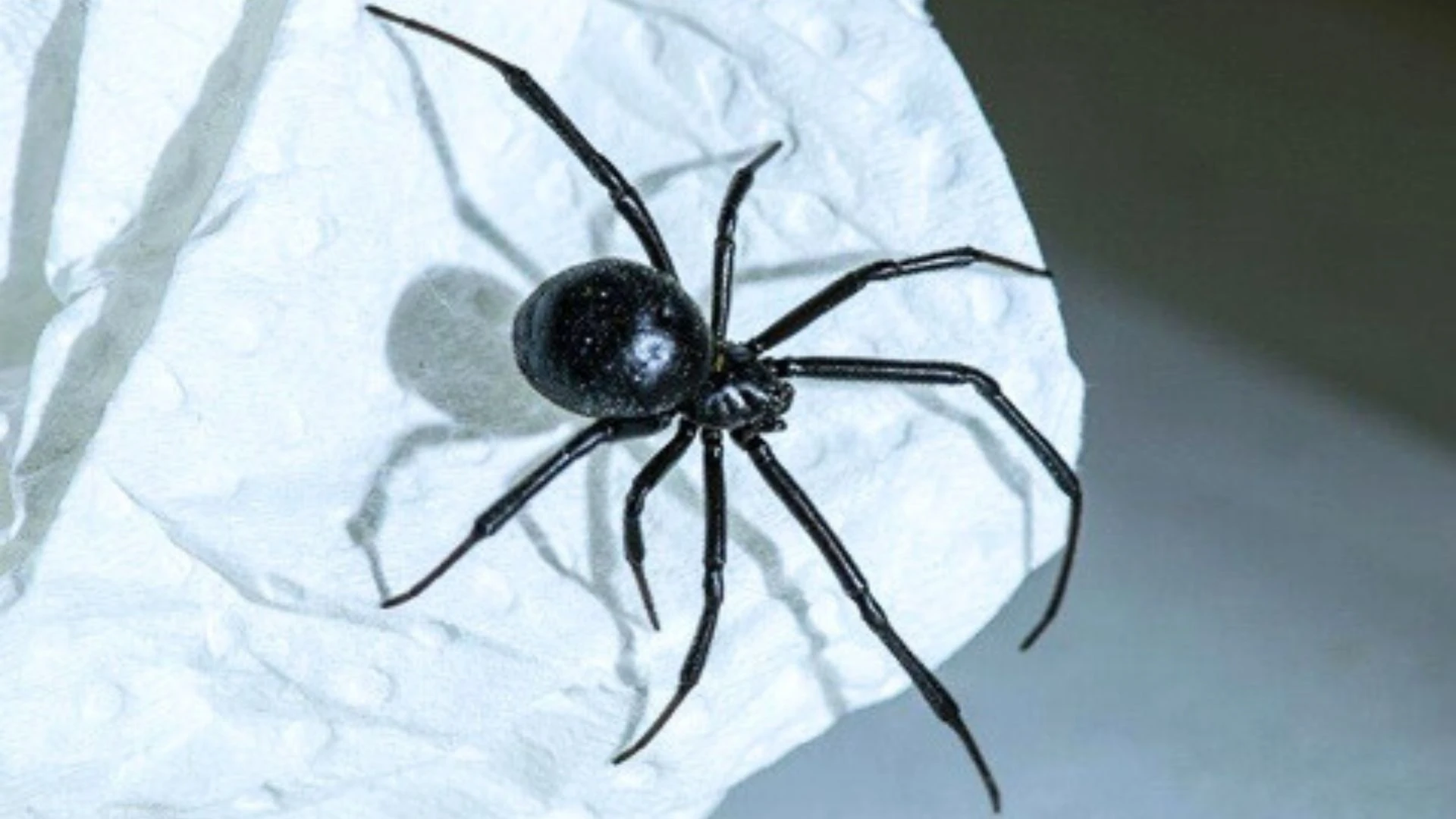
Black widows are shiny black with a distinctive red hourglass shape on their undersides. They build irregular webs in dark, undisturbed places. Their bite can be dangerous, especially to children and elderly people.
Where They Hide
Garages, sheds, and woodpiles are their favorite spots. They also love crawl spaces and dark corners in basements. Basically anywhere that doesn’t get much human traffic.
You won’t find them in your living room. They avoid people and only bite if threatened or squeezed.
Safe Removal
Don’t handle them. Ever. If you see one, call a pest control professional. It’s worth the money for safe removal.
Wear gloves when moving stored items in garages. Shake out anything that’s been sitting for a while before you handle it.

Keep outdoor storage areas organized. Regular cleaning and organizing means fewer undisturbed hiding spots for black widows.
Brown Recluse: The Shy But Serious One
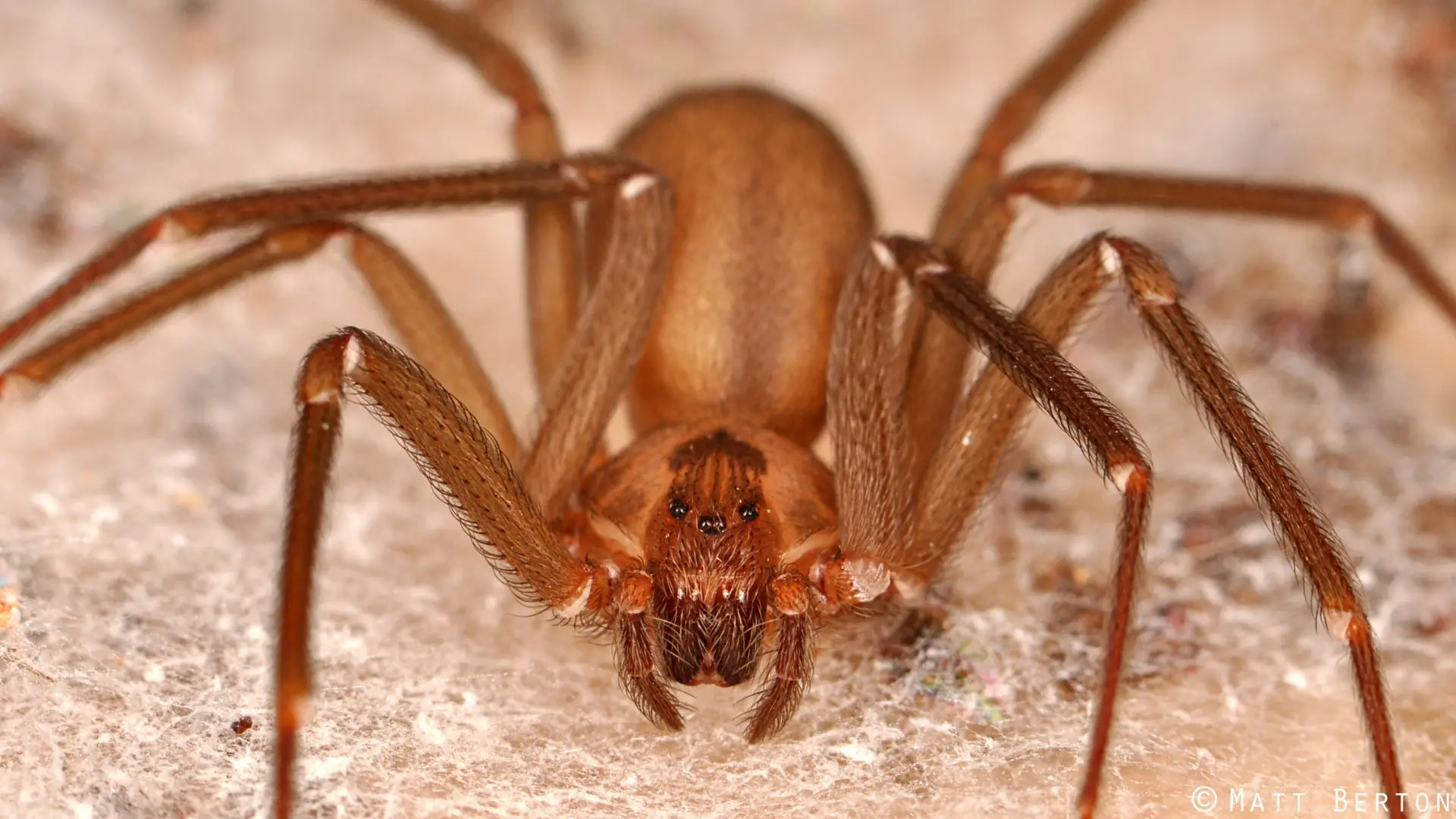
The brown recluse has a violin-shaped marking on its back. It’s brown (obviously) and about the size of a quarter. Their bite can cause serious tissue damage.
Important Facts
They’re not aggressive. Most bites happen when someone puts on clothing the spider was hiding in. They’d rather run away than bite you.
They’re only found in certain parts of the country. Check if they actually live in your area before you panic. Many “brown recluse” sightings are actually harmless brown spiders.
Prevention Steps
Shake out clothes before wearing them.

Especially items that have been in closets for a while.
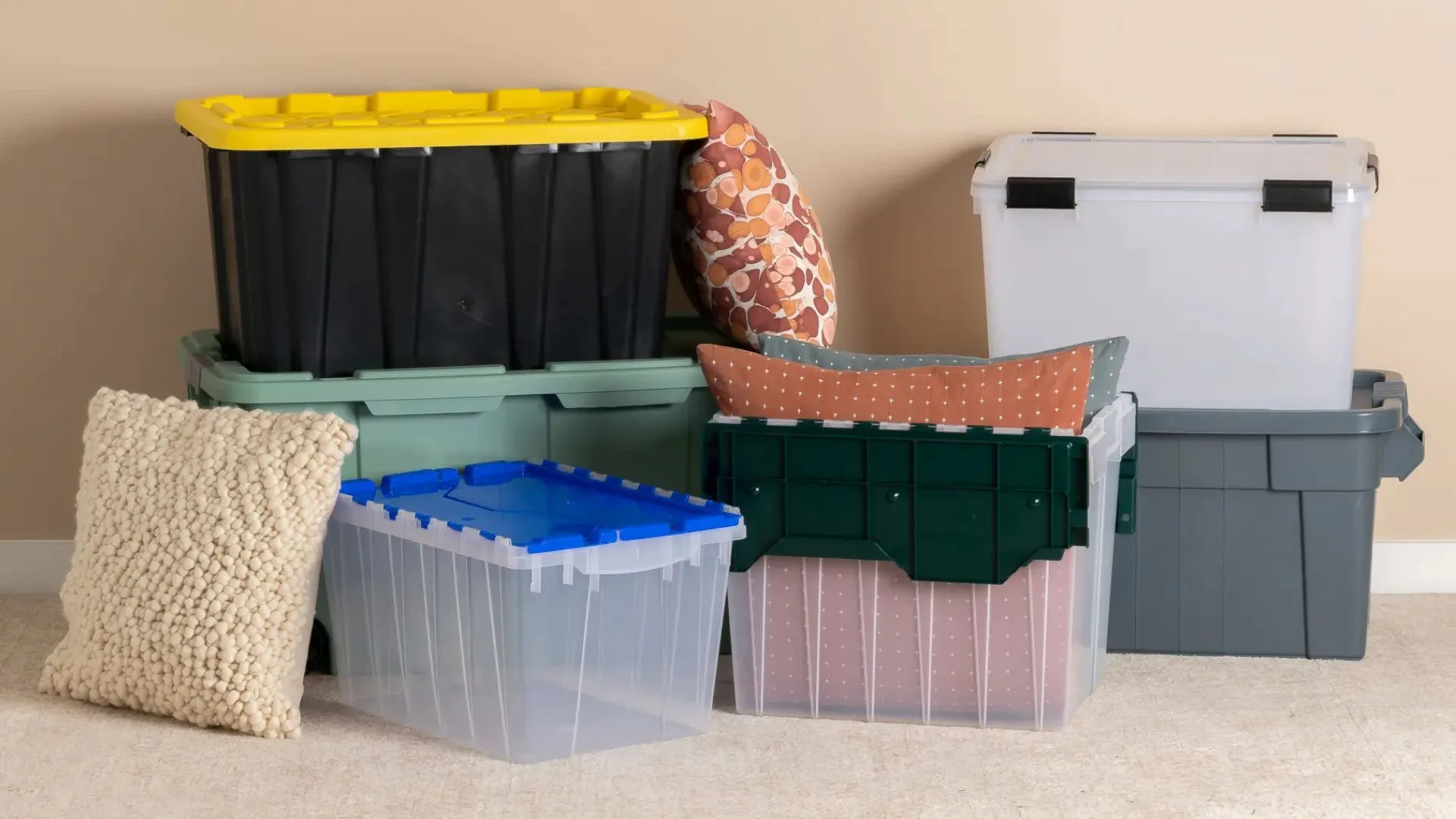
Use plastic storage containers instead of cardboard boxes. Spiders can’t crawl into sealed plastic bins. Plus, your stuff stays cleaner.
Keep beds away from walls. Don’t let bedding touch the floor. This creates a barrier spiders have to cross to reach you.
Jumping Spiders: The Cute Ones
These little guys are actually adorable if you look closely.
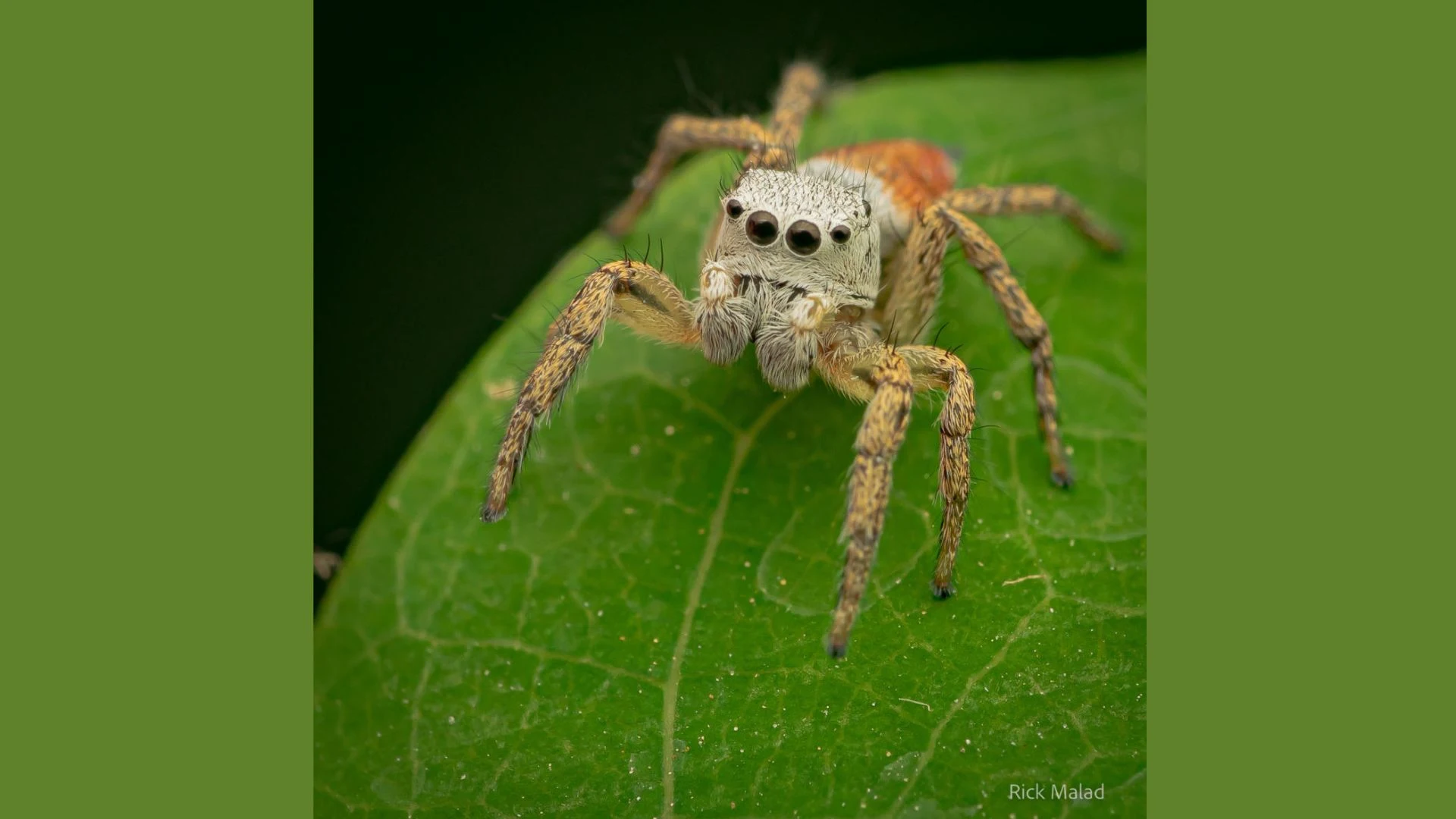
Jumping spiders have big forward-facing eyes and fuzzy bodies. They don’t build webs. Instead, they jump on their prey. They’re curious and will sometimes watch you watching them.
Why People Like Them
They’re tiny and harmless. Their bites are incredibly rare and no worse than a mosquito bite if it happens.
They eat flies, mosquitoes, and other pests. They’re excellent hunters and incredibly efficient at pest control.
Living With Them
Most people just leave jumping spiders alone. They’re beneficial and kind of charming. But if you want them out, just catch them in a cup and release them outside.
Keep windows and doors screened. This prevents new ones from coming in while letting the ones inside do their job.
Sac Spiders: The Nighttime Wanderers
Yellow sac spiders are pale yellow or beige. They hunt at night and hide during the day in small silk sacs they build in corners.
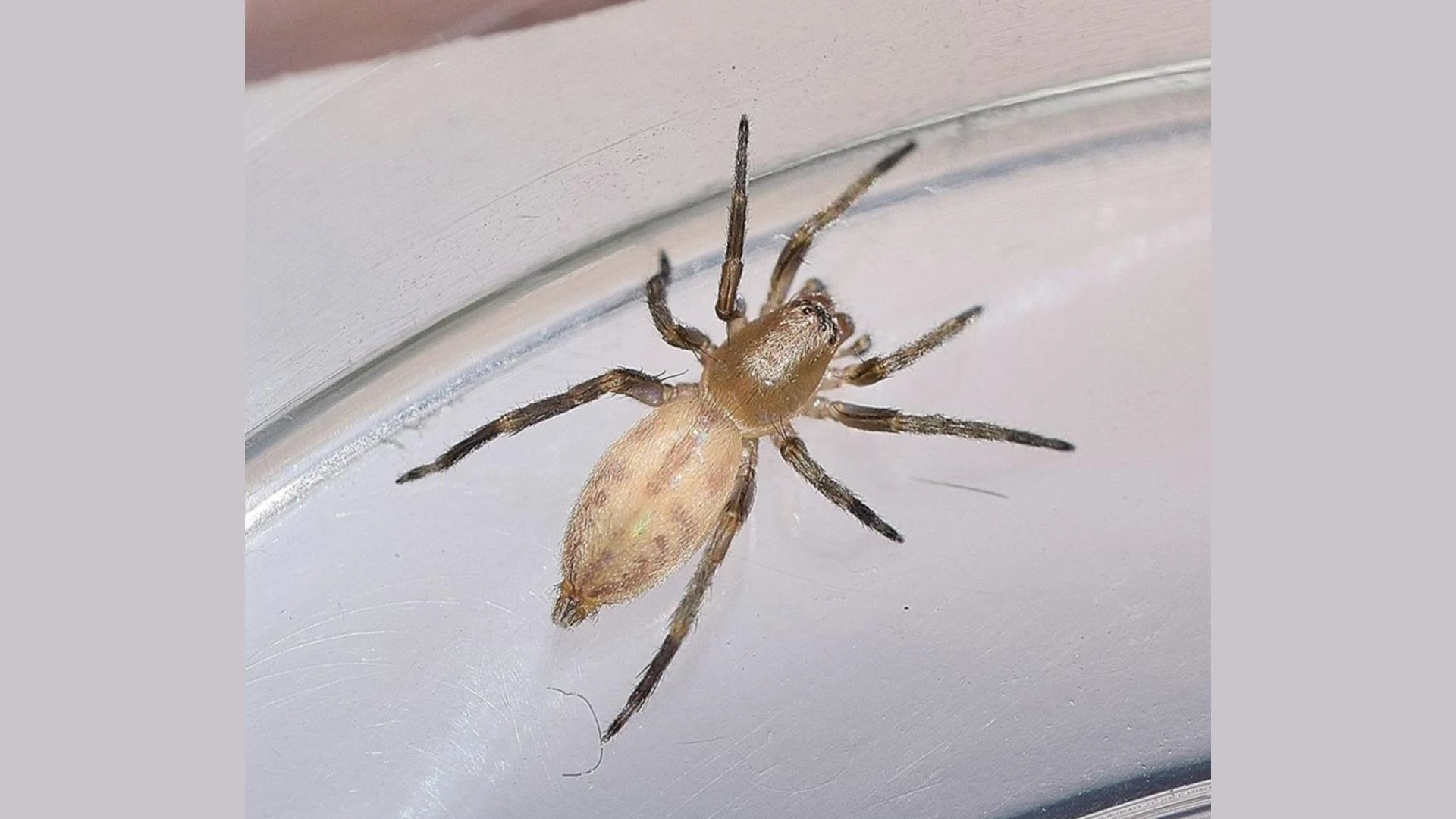
You might find them on walls or ceilings at night. They’re active hunters, not web-builders. Their bite can be painful but isn’t dangerous.
Managing Them
Remove vegetation touching your house exterior. They climb up plants and then enter through cracks. Trim everything back at least two feet.
Check for sacs in upper corners. They’re small white silk tubes. Vacuum them up during your regular cleaning.
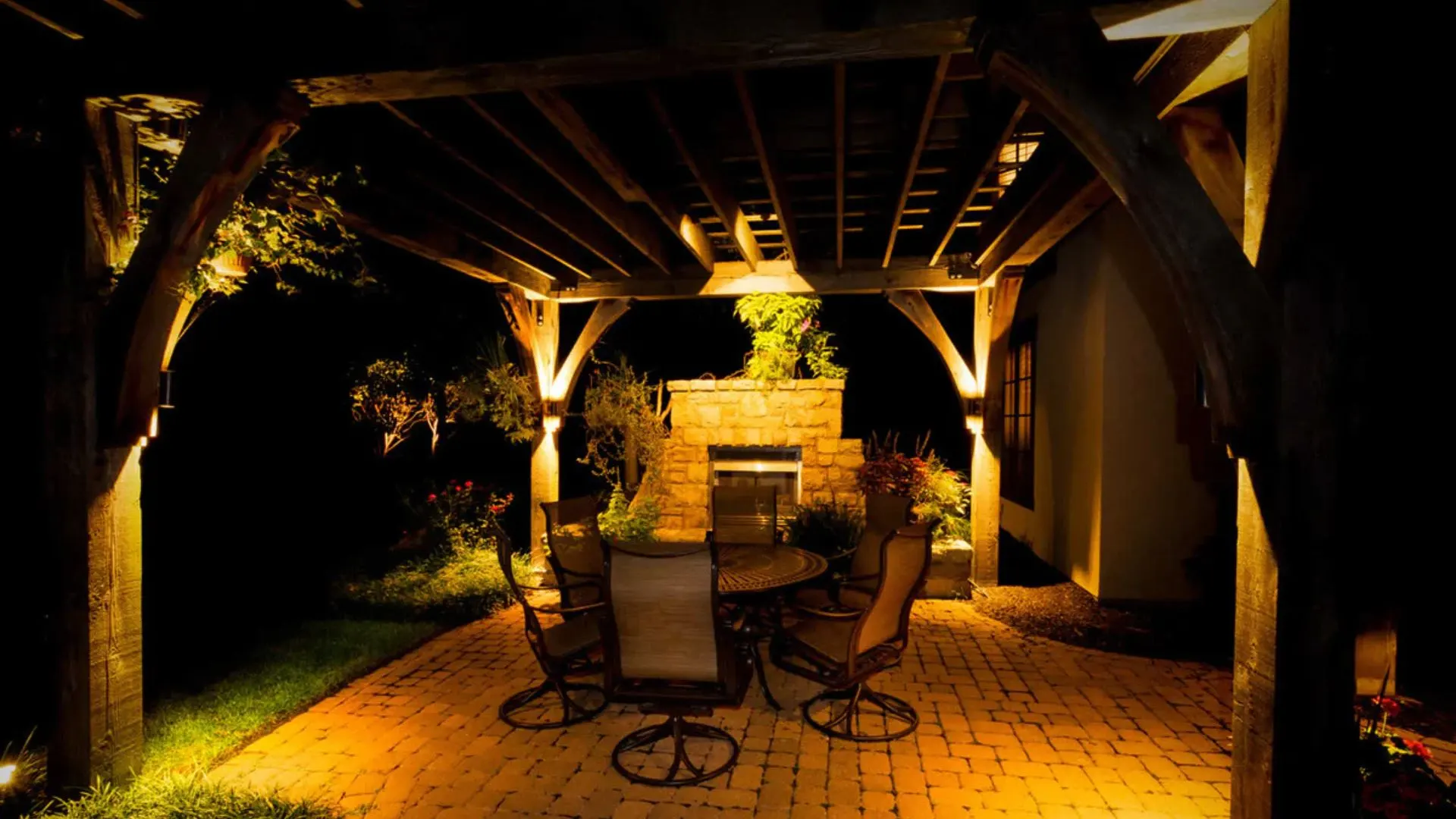
Turn off outdoor lights at night. Lights attract the insects sac spiders eat. Fewer bugs mean fewer spiders.
Your Spider-Control Game Plan
You don’t need harsh chemicals to control spiders. Most of these methods are simple maintenance.
Vacuum weekly, especially corners and baseboards. Seal entry points with caulk. Reduce outdoor lighting. Keep your home clutter-free. These four steps eliminate most spider problems naturally.
Remember—most spiders are harmless and helpful. They eat the bugs you really don’t want around. Unless you’re dealing with black widows or brown recluses, you’re probably better off letting them be your silent pest control partners.
But if you’d rather not share your space? Now you know exactly how to send them packing.