
By 2025, osteoporosis costs the healthcare system over $25 billion annually in the U.S. alone. But here’s what most people don’t realize: the bone health habits that work best aren’t always the ones doctors talk about first.
You probably focus on calcium and vitamin D. That’s good. But recent research from December 2025 reveals that bone health depends on eight connected habits.
And the third one? Most people overlook it, even though it can improve bone mineral density by up to 6%.
This guide shows you the 8 diet and movement habits that research links to stronger bones.
You’ll learn which overlooked nutrient acts like “the new calcium.” You’ll discover how to time exercise for maximum benefit. And you’ll see why your sleep schedule might matter more than your supplements.
Habit #1: Consume 1.0-1.2g of Protein Per Kilogram Daily
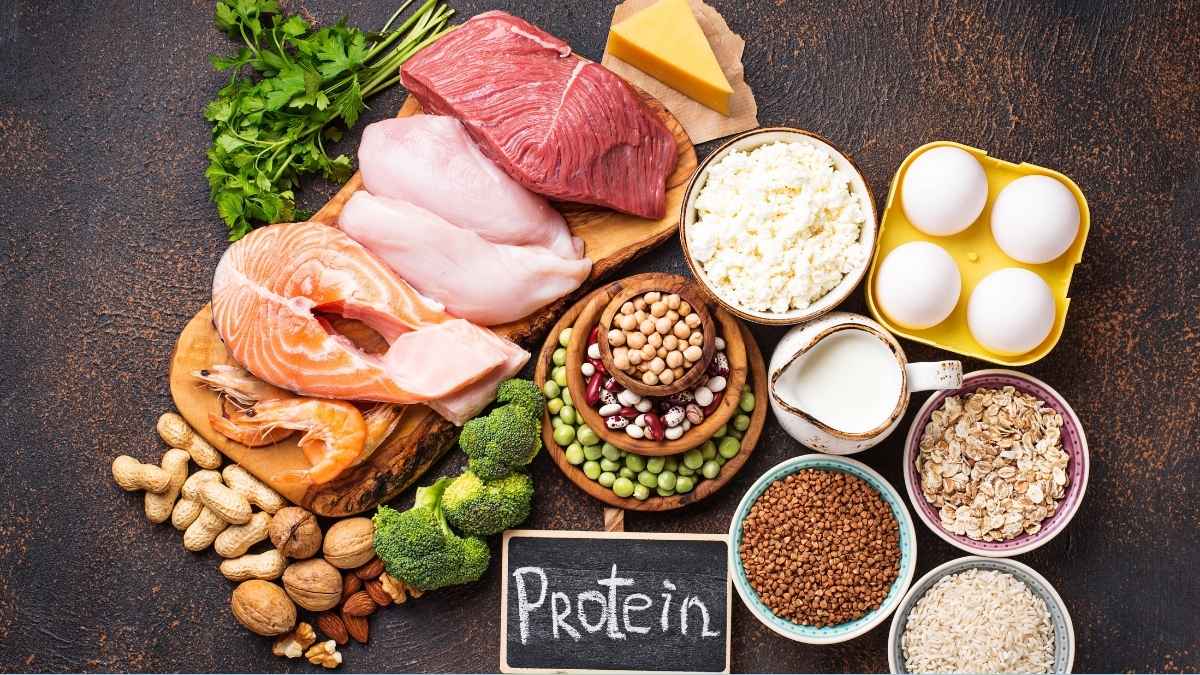
Your bones need more than calcium. They need protein.
A December 2025 study in Frontiers in Nutrition found something important. Adults eating 1.1g of protein per kilogram of body weight had 6% higher bone density in their spine.
Their hip bone density was 1.8% higher too. That’s compared to people eating just 0.8g per kilogram.
Why does this work? Protein gives your body amino acids. Six specific ones help build bone matrix and reduce bone loss. These are lysine, arginine, leucine, isoleucine, valine, and proline.
Most people over 60 eat less than 0.8g per kilogram daily. That’s below what you need. For older adults, aim for 1.0-1.2g per kilogram. Younger adults need 0.8-1.0g.
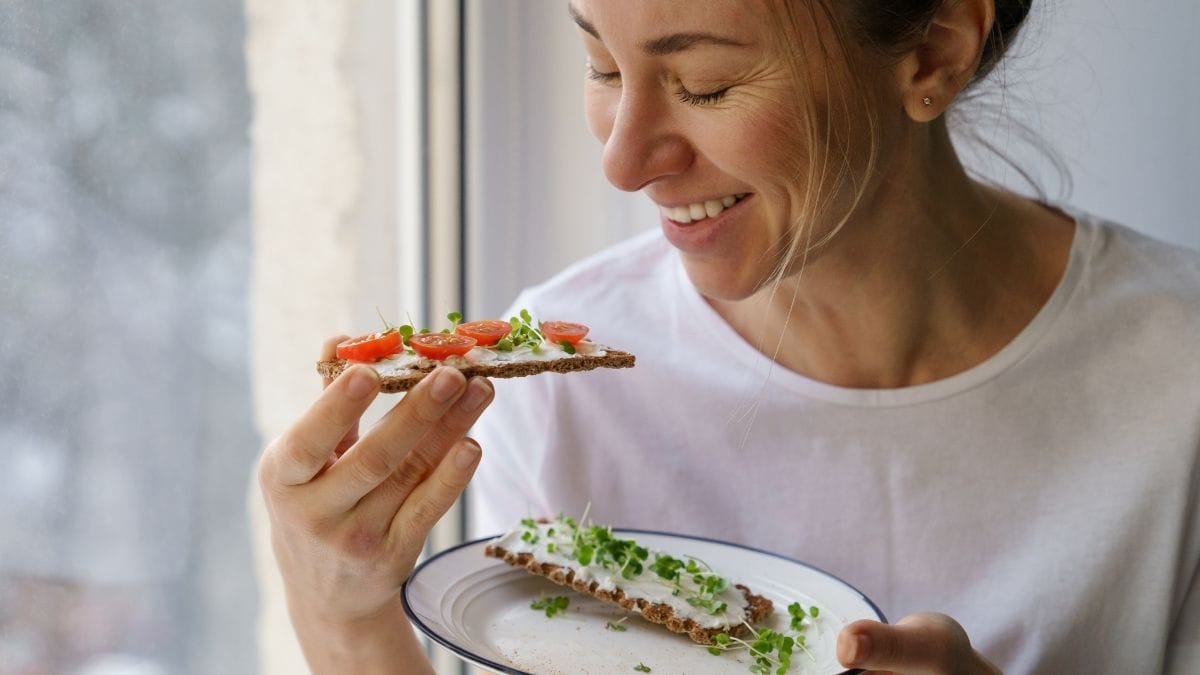
Here’s what that means for you. A 150-pound person needs 68-82 grams of protein daily. That’s about 3 palm-sized portions of protein foods spread across your meals.
Research shows an 11% reduction in hip fracture risk with higher protein intake. Get protein from dairy, eggs, fish, legumes, and quinoa. Yogurt and kefir give you a bonus: protein plus probiotics for bone health.
Quick calculation: Your weight in pounds ÷ 2.2 × 1.1 = daily protein grams you need.
Habit #2: Do Weight-Bearing Exercise 3+ Days Weekly
Swimming is great exercise. But it won’t build your bone density. Neither will cycling.
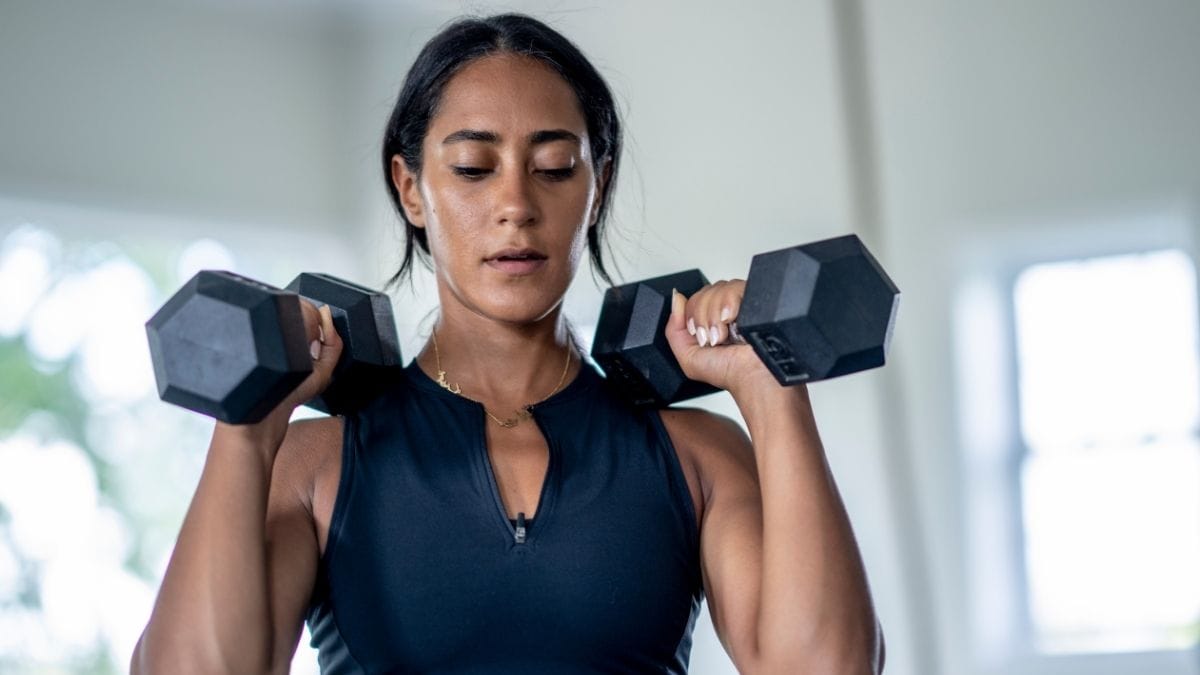
Your bones need weight-bearing exercise. This means activities where your bones support your body weight against gravity. Walking, jogging, dancing, hiking, tennis, and weight training all count.
A 2024 study in Current Osteoporosis Reports explains why this works. Weight-bearing exercise creates “ground reaction forces.” These forces tell your bone-forming cells to get to work.
High-impact activities work better than low-impact. Jumping and running beat walking for bone stimulation.
But here’s something interesting: “odd-impact” movements work even better. Side steps and backwards walking build stronger bones than straight-line walking.
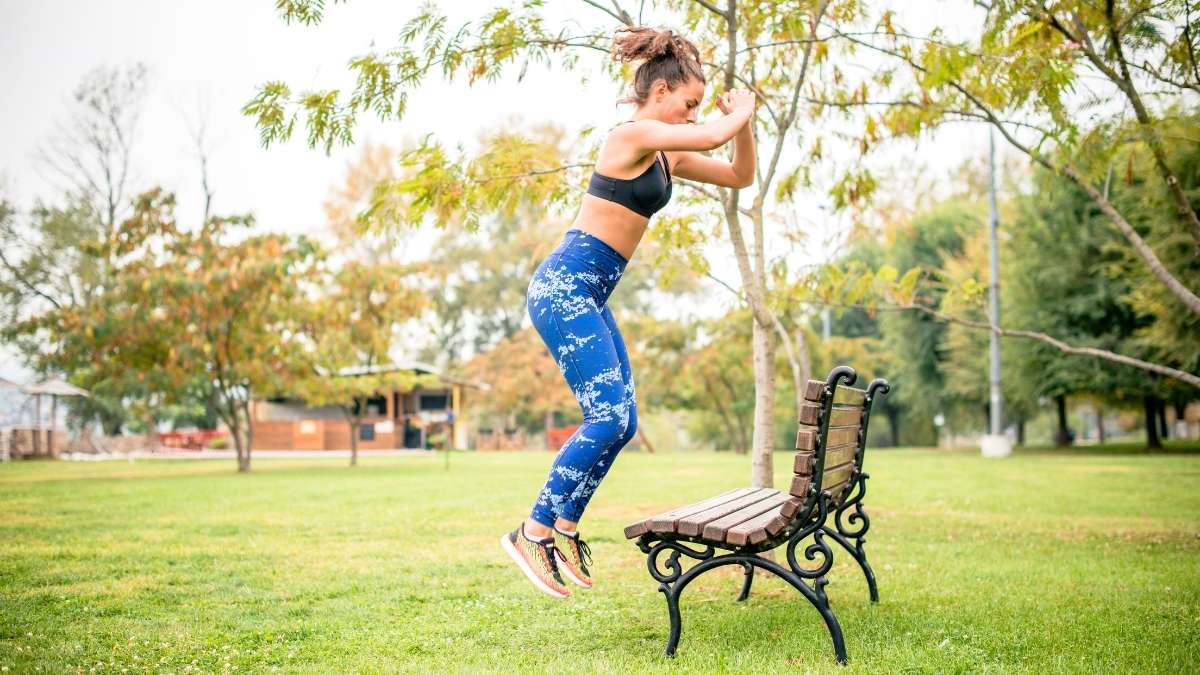
You need at least 90 minutes per week total. Split it however you want: three 30-minute sessions or five 18-minute ones.
Research shows premenopausal women who did 10-20 jumps twice daily increased hip bone density in just 4 months.
Postmenopausal women who combined resistance training with jumping saw 2% spine bone density increases.
Important: If you already have osteoporosis, avoid high-impact exercise. Talk to your doctor first.
Habit #3: Get Adequate Vitamin K2 (The Overlooked Bone Builder)
Here’s the habit most people miss.
While 95% of people know about calcium and vitamin D, fewer than 30% have heard of vitamin K2. Yet research shows it may be just as critical for preventing fractures.
June 2025 research published in NOFSA calls vitamin K2 “the new calcium” for bone health. Here’s what it does: K2 activates a protein called osteocalcin. This protein binds calcium to your bone matrix.
Without K2, calcium can’t properly get into your bones. It may even deposit in your arteries instead. That’s bad for your heart.
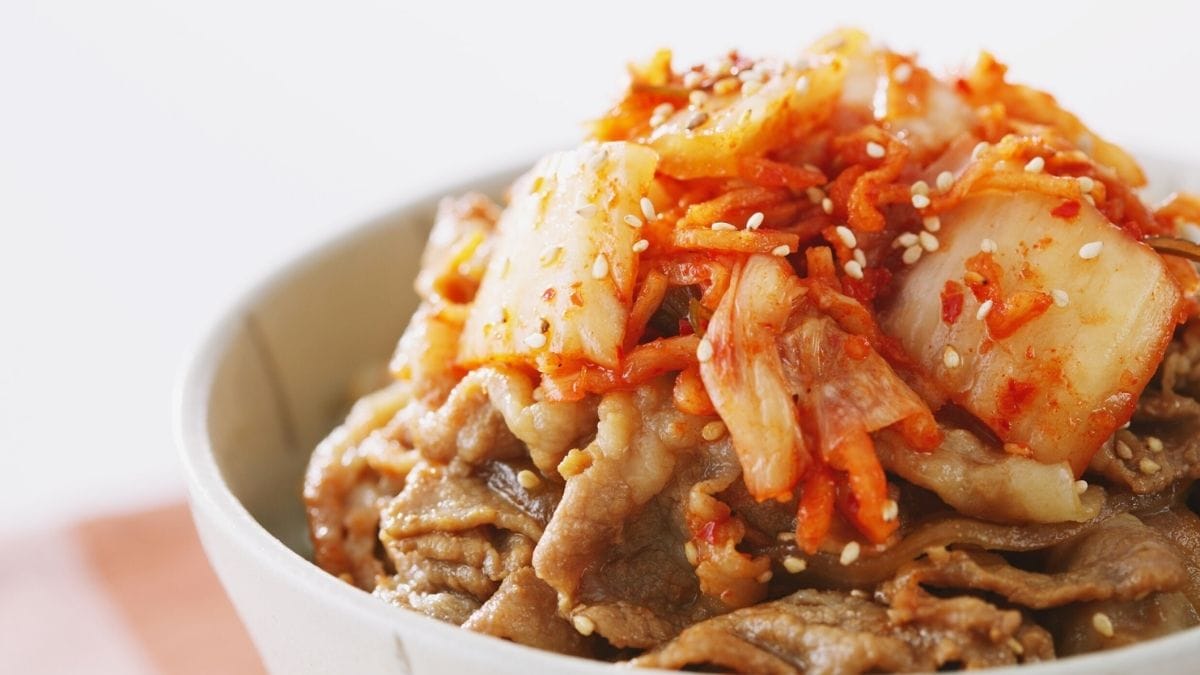
There are two types of vitamin K. K1 comes from leafy greens and helps your blood clot. K2 comes from fermented foods and directs calcium to your bones. Most Western diets have enough K1 but not enough K2.
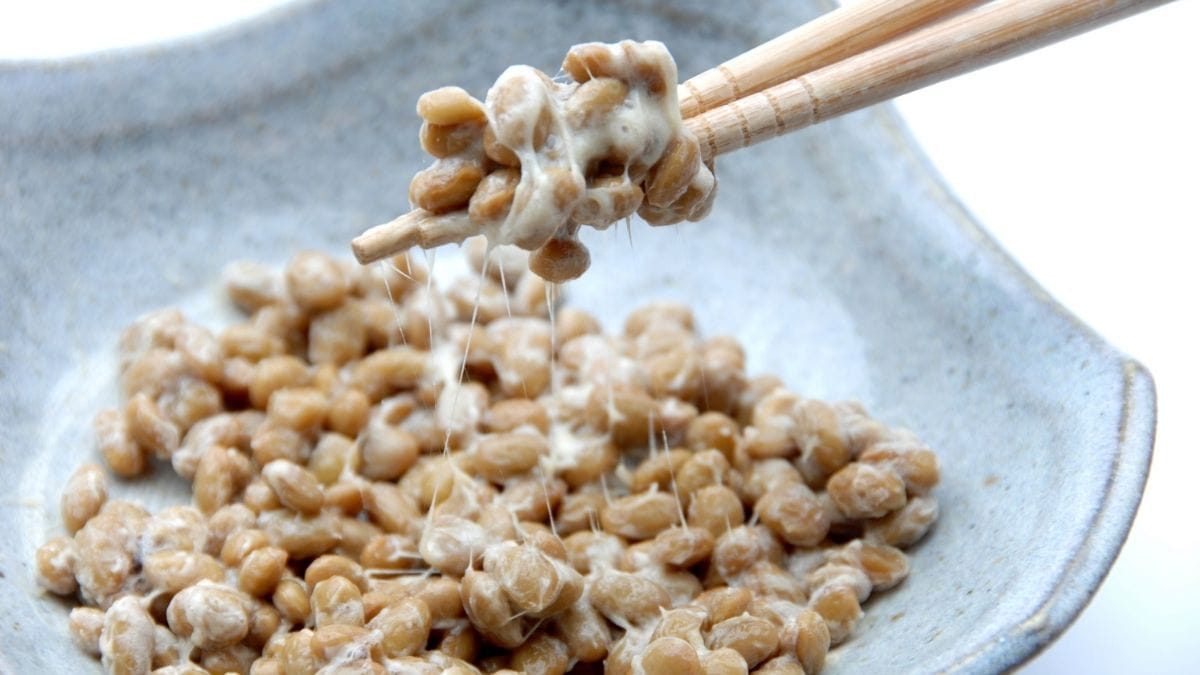
Studies show K2 supplementation reduces fracture risk in osteoporotic patients. Japanese populations that eat natto (the richest K2 source) have lower osteoporosis rates.
You need 90-120 mcg of K2 daily. Eat 2-3 servings of fermented foods, or have 1 oz of aged cheese plus a K2 supplement.
Best sources: Natto (1000+ mcg), aged Gouda or Brie (50-75 mcg per oz), pasture-raised egg yolks (15-20 mcg), sauerkraut, kefir, kimchi.
Habit #4: Prioritize 7-8 Hours of Quality Sleep

Your bones rebuild while you sleep. Miss that sleep, and you miss bone building.
A May 2024 study from University of Colorado found that sleep restriction causes “significant detrimental changes in bone turnover.”
Your bone turnover markers follow a daily rhythm. Mess with that rhythm, and you mess with bone remodeling.
The numbers are scary. Women over 50 who sleep less than 5 hours per night have 7.35 times higher odds of osteoporosis. That’s from NHANES study data.
Here’s why it matters. During sleep, bone formation beats bone breakdown. When you don’t sleep enough, the balance tips. You lose more bone than you build.
Night shift workers have higher fracture risk. A study using 28-hour days (to simulate rotating shifts) showed measurable bone changes in just 3 weeks.
Short sleep increases your nervous system activity, which speeds up bone breakdown.
Aim for 7-8 hours nightly. Keep a consistent schedule, even on weekends. Make your room dark and cool. Limit screens before bed.
If you have sleep apnea, get it treated. OSA links to 2.18 times higher osteoporosis risk.
Habit #5: Support Your Gut Microbiome with Probiotics
Your gut and your bones talk to each other. Scientists call this the “gut-bone axis.”
March 2025 research confirms that gut bacteria affect bone metabolism. Here’s how: healthy gut bacteria make short-chain fatty acids. These compounds tell your bones to form and reduce inflammation.
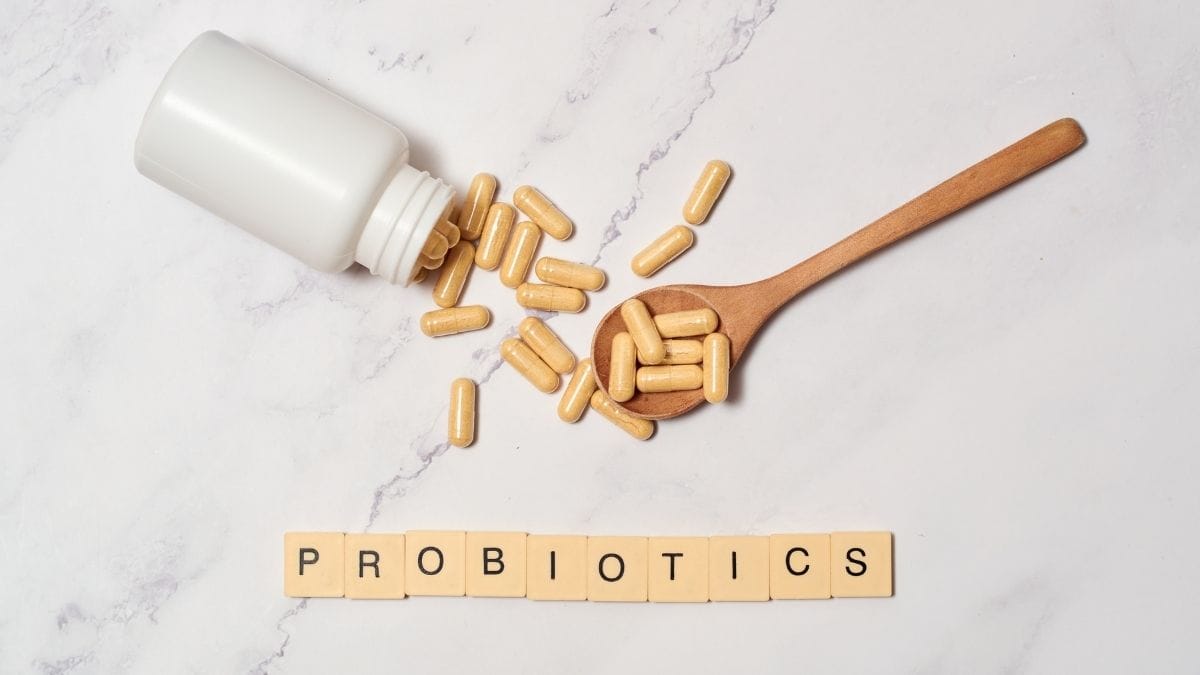
A 2024 study showed probiotic supplementation prevented bone loss in postmenopausal women. Animal studies found probiotics increased bone density by fixing gut permeability.
The best strains for bones are Lactobacillus reuteri and Bifidobacterium longum. A December 2024 analysis showed probiotics improved bone structure in studies.
MSU researcher Laura McCabe proved probiotics can prevent osteoporosis by reducing gut inflammation.
This matters because gut health affects calcium absorption. If your gut is inflamed, it absorbs less calcium. That calcium never reaches your bones.
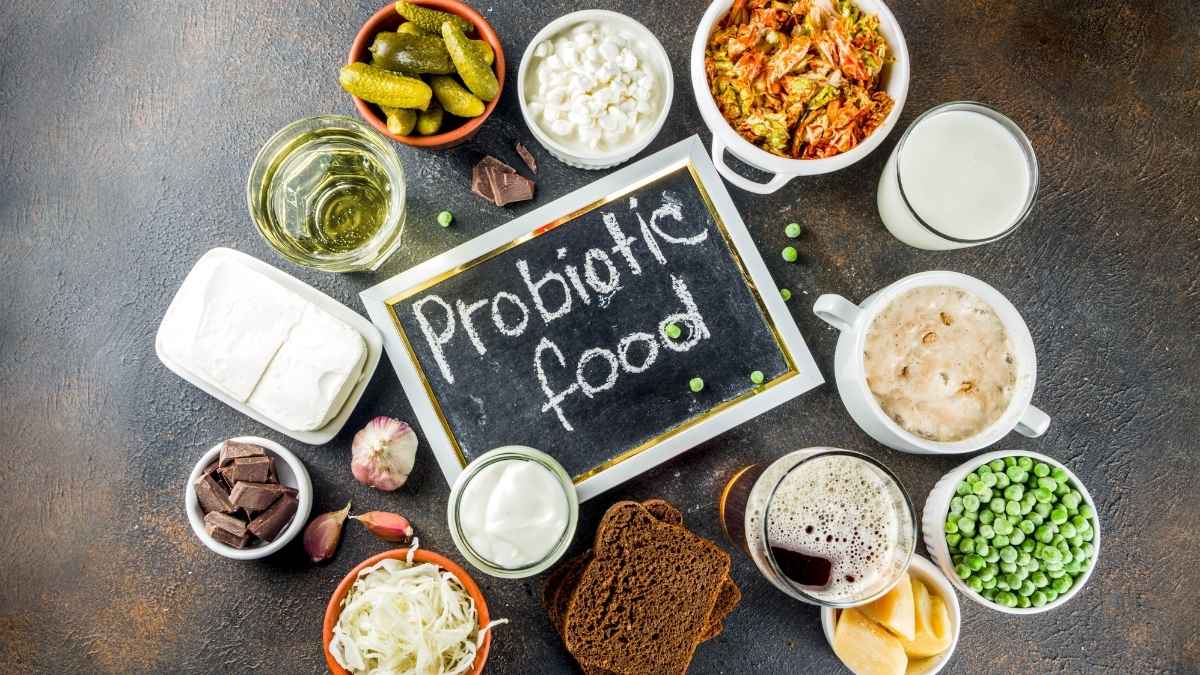
Eat yogurt or kefir daily. Look for “live active cultures” on the label. Add 2-3 servings of fermented vegetables like sauerkraut or kimchi. Aged cheeses give you probiotics plus K2.
Feed your good bacteria with high-fiber foods: asparagus, onions, leeks, garlic, bananas, apples, whole grains, and legumes.
If you don’t eat fermented foods, take a multi-strain probiotic with 10+ billion CFU.
Habit #6: Consume Calcium from Whole Food Sources
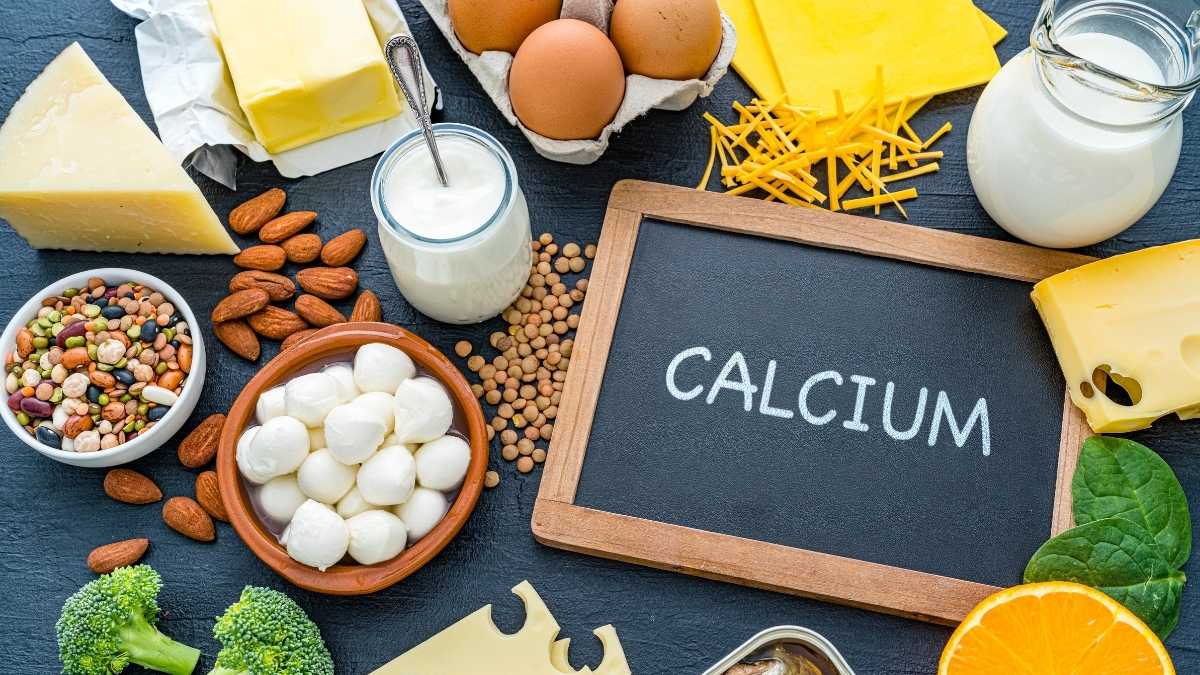
You need 1,000-1,200 mg of calcium daily. Women over 51 and men over 71 need the higher amount.
But here’s the thing: whole food calcium beats supplements. Food comes with helper nutrients like magnesium, potassium, and phosphorus. These improve how your body uses calcium.
High-dose calcium pills without enough magnesium, K2, and vitamin D might not reach your bones. They could end up in your arteries instead.
Your body can only absorb about 500mg at once. So spread your calcium throughout the day.
Get calcium from yogurt (450mg per cup), milk (300mg per cup), and cheese (200mg per oz). Cooked collard greens pack 360mg per cup. Sardines with bones give you 325mg in 3 oz.
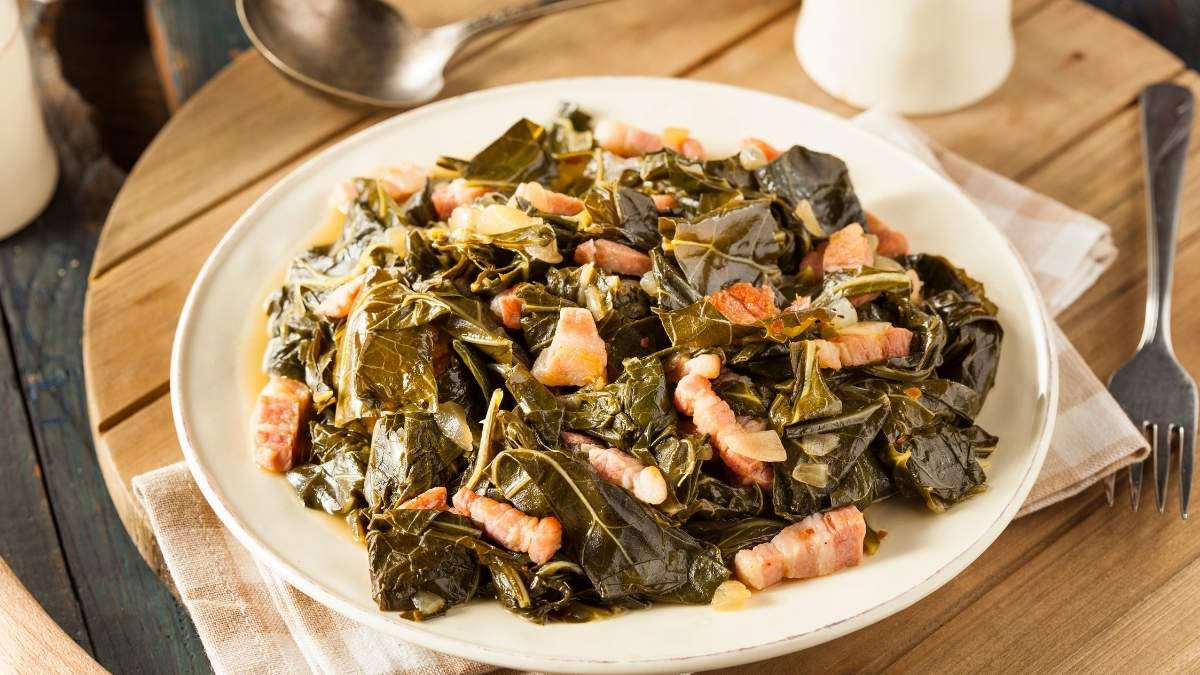
For plant-based options, try fortified plant milks (300mg per cup), tofu (200mg per half cup), and white beans (160mg per cup).
Here’s a smart strategy: yogurt at breakfast (450mg) plus sardine salad at lunch (325mg) plus collard greens at dinner (360mg) equals 1,135mg from whole foods.
A 2024 review says calcium supplements alone don’t prevent fractures. You need the whole package.
Habit #7: Get Adequate Magnesium (The Forgotten Mineral)
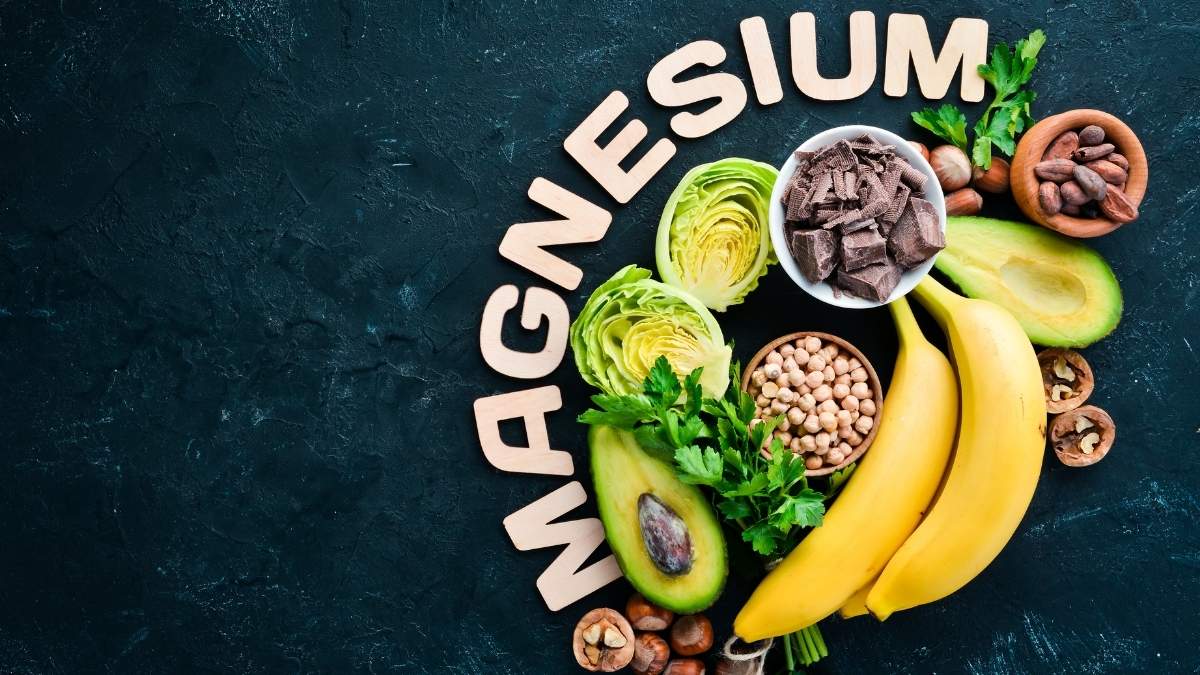
Magnesium is calcium’s business partner. One doesn’t work well without the other.
Your body stores 99% of its magnesium in bones and muscles. Magnesium activates vitamin D. It affects your parathyroid hormone. It supports the entire bone remodeling process.
Half of Americans don’t get enough magnesium. That’s a problem because too much calcium without magnesium means poor calcium use.
Women need 310-320 mg daily. Men need 400-420 mg. Get it from pumpkin seeds (150mg per oz), almonds (80mg per oz), cooked spinach (157mg per cup), and black beans (120mg per cup).
Dark chocolate (70-85% cacao) gives you 65mg per oz. Add avocados, whole grains, bananas, salmon, and cashews.
Here’s why you can’t skip this: without enough magnesium, your body can’t activate vitamin D. All that vitamin D you’re taking won’t help calcium absorption. It’s like having a key but no one to turn it.
Get magnesium from food first. If you supplement, choose magnesium glycinate or citrate. Take it with food, away from calcium by 2+ hours.
Habit #8: Get Vitamin D Through Sun and Food
Vitamin D is the gatekeeper for calcium. Without it, you absorb only 10-15% of dietary calcium. With enough vitamin D, you absorb 30-40%.
That’s huge. And 41% of U.S. adults are deficient.
The official guideline is 600 IU daily for people 19-70, and 800 IU if you’re 71+. Many experts recommend 1,000-2,000 IU for bone health.
Get tested. Don’t guess. Aim for blood levels between 30-50 ng/mL. Some bone health experts suggest 40-60 ng/mL.
Your best sources: 10-30 minutes of midday sun several times weekly. Eat fatty fish like salmon (570 IU per 3 oz), mackerel, or sardines 2-3 times weekly. Egg yolks give you 40 IU each.

You might need supplements if you live north of the 37th parallel, have darker skin, are older, are overweight, or work indoors. Choose D3 over D2.
Take vitamin D with a meal that has fat. It’s fat-soluble. Morning with breakfast works best and supports your daily rhythms.
Vitamin D alone isn’t enough. It needs K2, magnesium, and calcium to build strong bones.
Final Thought:
Strong bones need more than calcium. You need protein, weight-bearing exercise, quality sleep, and overlooked nutrients like K2 and magnesium.
Your gut health matters too. These eight habits work together. Start with one habit this week. Small, consistent actions build measurably stronger bones.