
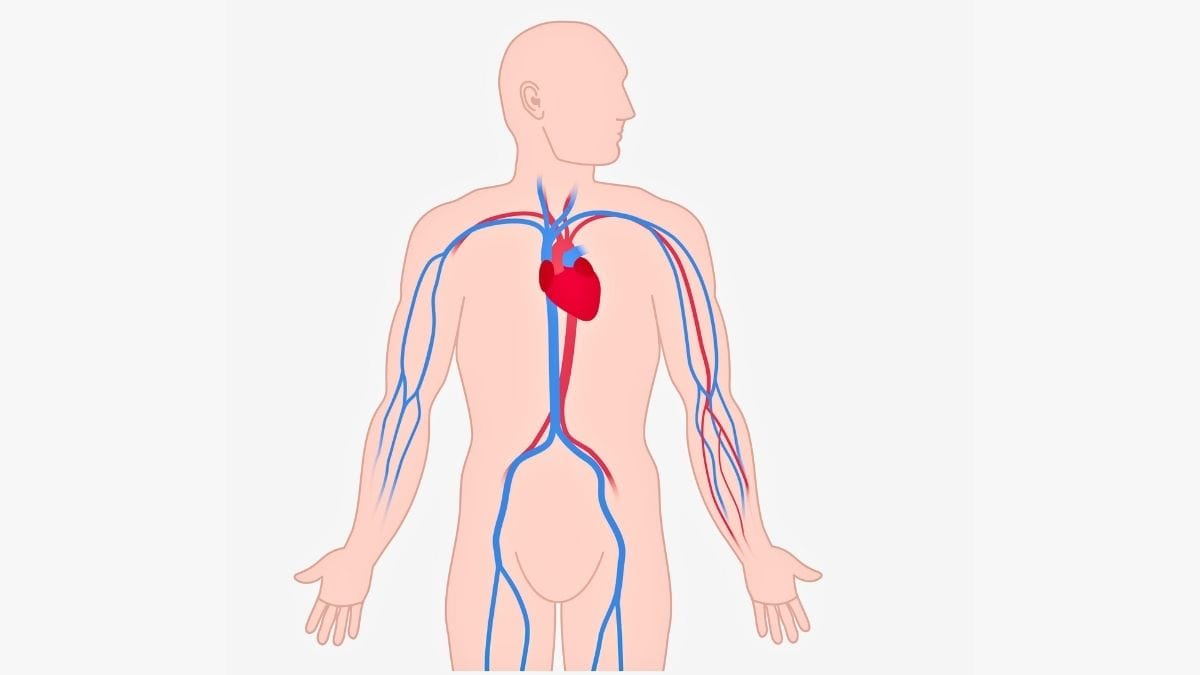
Your arteries do not age on their own schedule. Some foods speed the process up — fast.
Most seniors eat the same foods they have eaten for decades. What worked at 40 does not work the same way at 65. After 60, your arteries are thinner, stiffer, and far more sensitive to what you put on your plate.
The American Heart Association says about 75% of adults between 60 and 79 already have some form of cardiovascular disease. In 2023, heart disease killed one person every 34 seconds in the US.
This is not meant to scare you. It is meant to help you. Below are the 8 foods cardiologists flag most often for seniors — and what to eat instead. Simple swaps. Real results.
Why Your Arteries Work Differently After 60
Getting older changes how your body handles food. Your metabolism slows down. Fat and sodium stay in your blood longer. Your artery walls lose flexibility — a condition called arterial stiffening.
Plaque does not build up overnight. It happens over years, quietly. By the time most people hit their 60s, some plaque has already formed. Every bad meal adds more on top of what is already there.
The CDC reports that heart disease affects 24.2% of adults aged 75 and over. More than 25% of seniors between 65 and 80 have diabetes, and nearly 50% have pre-diabetes. Both conditions make artery damage worse and faster.
This is why food choices matter more now than ever before. The same snack you ate at 45 without any issues can cause real harm at 68. Your arteries are giving you less margin for error — and they are telling you through your blood pressure, cholesterol, and energy levels.
Food #1: Processed Meats — Bacon, Deli Meat, Hot Dogs

Processed meats are one of the most common foods on a senior’s plate — and one of the most damaging.
Bacon, deli turkey, hot dogs, and sausages are packed with sodium and nitrates. Nitrates damage blood vessel walls over time and raise blood pressure. Saturated fat tells your liver to produce more LDL — the bad cholesterol that sticks to artery walls.
A single hot dog can contain over 600mg of sodium. That is nearly 40% of the daily limit most cardiologists recommend for seniors. One serving. One food.
The damage is not dramatic. It creeps in slowly. But over months and years, that sodium and fat builds up inside your arteries like slow-drying concrete inside a pipe.
Safe Swap: Roast fresh chicken or turkey breast at home. Slice it yourself. No added sodium, no nitrates, and just as easy to use in sandwiches or wraps.
Food #2: Fried Foods — French Fries, Fried Chicken, Donuts
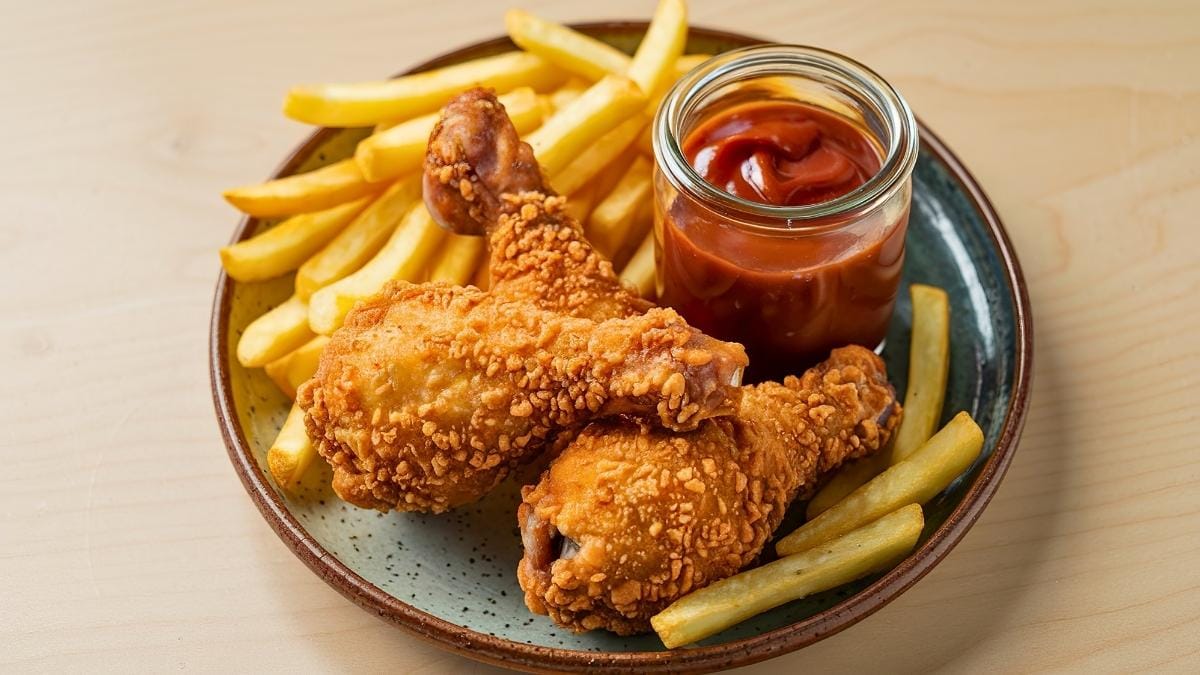
Frying changes food at a chemical level. When industrial oils get superheated, they oxidize and form toxic compounds. Those compounds enter your blood and embed themselves in artery walls.
Frozen fried chicken is especially risky. It often contains trans fats — the kind that raise LDL cholesterol and lower HDL (the good kind). Less good cholesterol means less protection. More bad cholesterol means more plaque buildup.
Think of it this way: LDL is the delivery truck dropping off cholesterol. HDL is the cleanup crew. Fried foods fire the cleanup crew.
Dr. Bhaskar Semitha, a cardiologist quoted by SHEfinds in 2024, specifically called out fried foods as a top driver of arterial damage in older adults. The problem is not occasional fries. The problem is regular consumption.
Safe Swap: Bake your chicken or potatoes with a light coat of olive or avocado oil. You get the texture without the toxic byproducts. Your arteries will notice the difference.
Food #3: Sugary Drinks and Energy Drinks

Soda, sweet tea, fruit juice, and energy drinks do not just spike your blood sugar. They trigger a chain reaction that damages arteries from the inside.
Excess sugar raises triglycerides — a type of fat in your blood. It also increases LDL cholesterol and causes body-wide inflammation. Inflammation is one of the biggest drivers of arterial plaque formation.
Energy drinks are especially risky for seniors. They combine high sugar with high caffeine, which pushes blood pressure up fast. That sudden pressure spike stresses already-fragile artery walls.
Even diet sodas are not safe. Research cited by Brown University Health shows that artificial sweeteners can disrupt gut bacteria, which plays a key role in how your body manages cholesterol and inflammation.
Safe Swap: Sparkling water with a squeeze of lemon. Unsweetened herbal iced tea. These keep you hydrated without the arterial side effects. Give it two weeks and most people stop missing soda entirely.
Food #4: Full-Fat Dairy — Butter, Whole Milk, Heavy Cream, Ice Cream
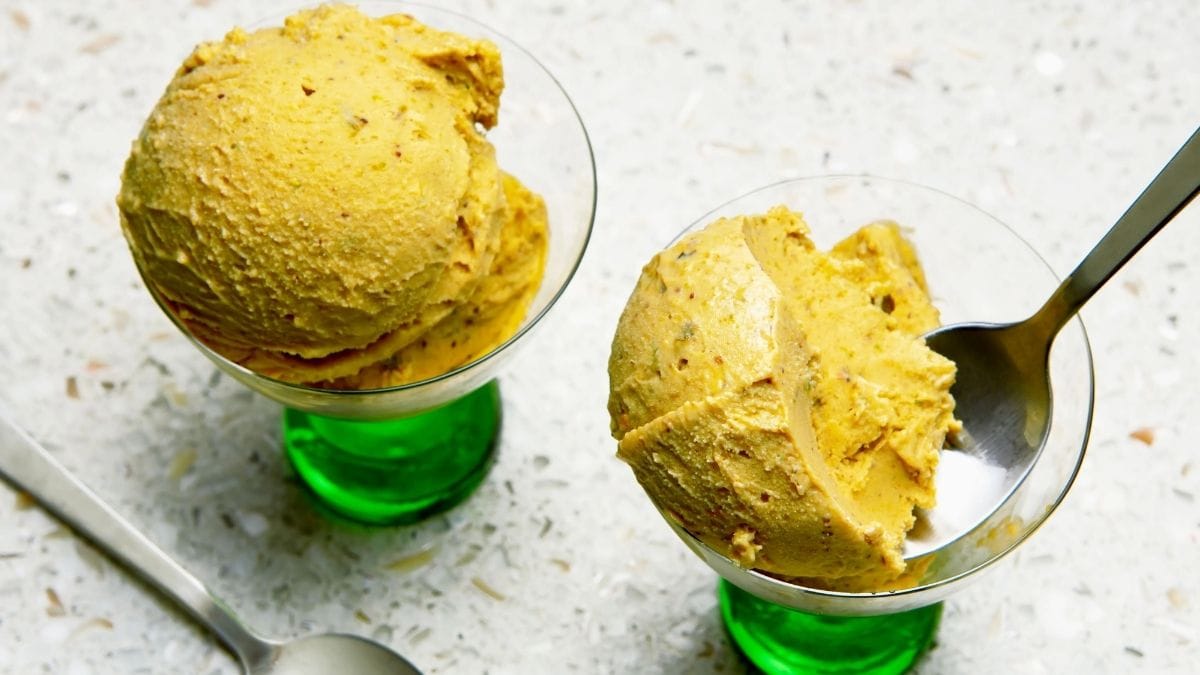
Full-fat dairy is not the enemy of young adults. But for seniors, it deserves a closer look.
Butter and heavy cream are high in saturated fat. The Mayo Clinic says the American Dietary Guidelines recommend keeping saturated fat below 10% of your total daily calories. Most seniors who eat full-fat dairy exceed this without realizing it.
Ice cream doubles the problem. Premium brands combine high saturated fat with large amounts of sugar. Together, they make artery walls “stickier” — more likely to attract and hold cholesterol deposits.
MedlinePlus recommends switching from butter to olive, canola, or safflower oil for daily cooking. For cream-based recipes, evaporated skim milk works as a substitute in most cases.
Safe Swap: Low-fat Greek yogurt for snacks. Plant-based milk for cereal and coffee. If you love butter, use a very small amount of grass-fed real butter rather than reaching for margarine — which carries its own risks (see Food #6).
Food #5: White Bread, White Rice, and Refined Grains
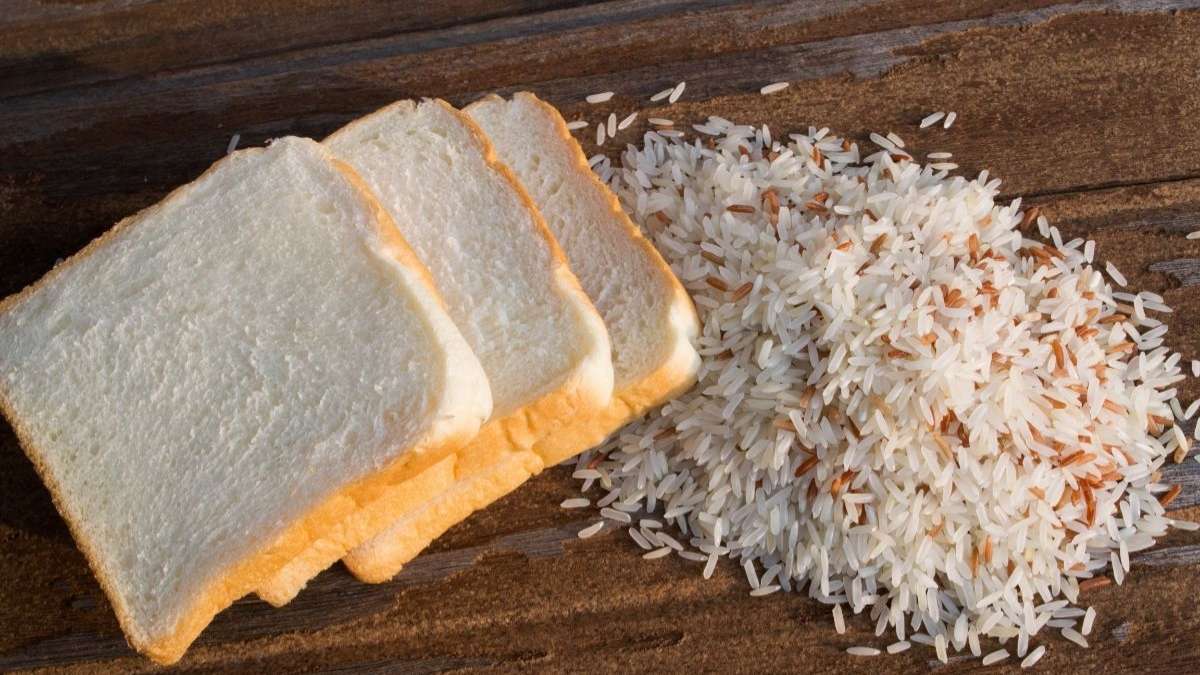
These foods do not taste sweet. But your body treats them like sugar.
When a grain is stripped of its fiber and nutrients, it breaks down fast during digestion. Your blood sugar spikes. Your body releases insulin to manage it. Over time, this cycle causes insulin resistance — a major risk factor for arterial damage and heart disease.
For seniors who already face higher rates of pre-diabetes, this is a serious problem. The spike and crash happen faster and the body recovers more slowly. Each refined carb meal adds stress to the cardiovascular system.
Many “multi-grain” or “wheat” breads at the grocery store are still mostly refined. Check the label. If whole wheat flour is not listed as the first ingredient, it is mostly white bread in disguise.
Safe Swap: 100% whole grain or sprouted grain bread. Brown rice instead of white. Steel-cut oats for breakfast. These digest slowly and keep blood sugar steady — which keeps your arteries in better shape.
Food #6: Margarine and Hydrogenated Vegetable Oils
Margarine was sold as a healthy alternative to butter for decades. It was not.
Most margarine contains trans fats — created when liquid vegetable oil is hardened through a process called hydrogenation. Trans fats raise LDL cholesterol, lower HDL cholesterol, and cause arterial stiffness. That is a three-way attack on your heart health.
The problem is that many seniors still use margarine daily without knowing how harmful it is. The marketing worked. The science went in the opposite direction.
Nutritionists Mary Sabat and Lisa Andrews, along with cardiologist Dr. Bhaskar Semitha, have all pointed to margarine and hydrogenated oils as a top food threat for older adults. Even small daily amounts add up over time.
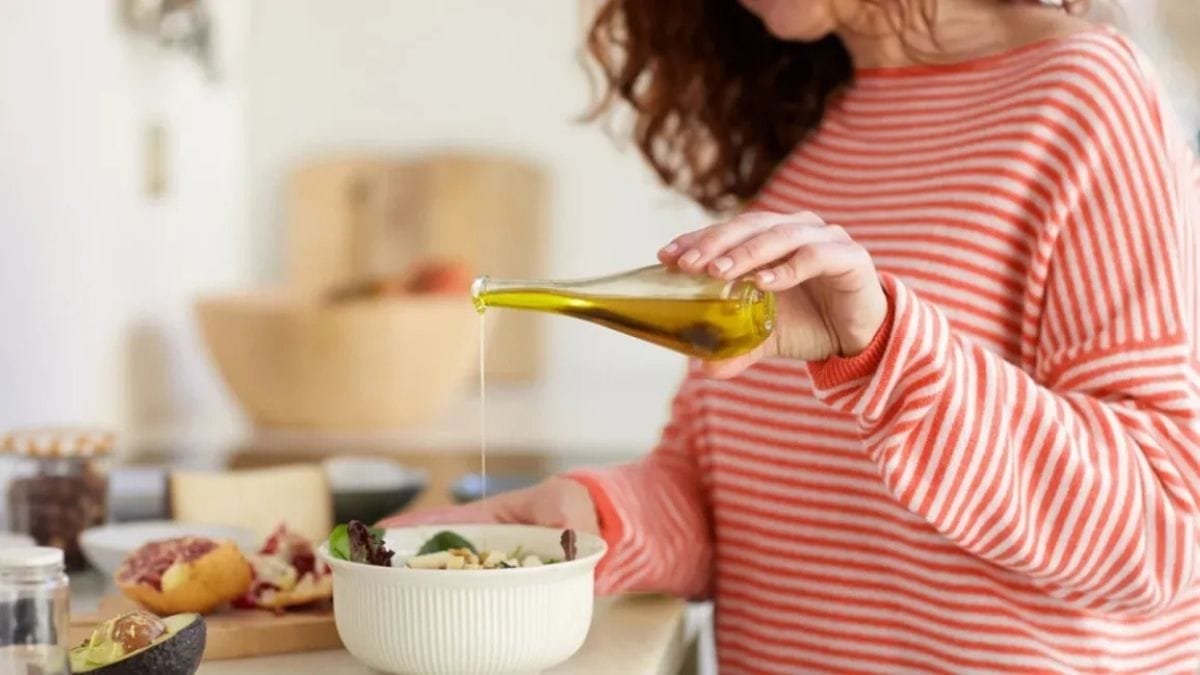
Safe Swap: Extra-virgin olive oil for cooking and bread dipping. It is the most cardiologist-recommended fat for seniors. It raises HDL, lowers LDL, and reduces inflammation. It is also easy to find and affordable in any grocery store.
Food #7: Canned Soups and High-Sodium Packaged Foods

Canned soup feels like a safe, light meal. For seniors with heart concerns, it can be the opposite.
A single cup of popular canned soups can carry 800 to 1,200mg of sodium. That is 80% to 100% of the daily limit in one bowl. Excess sodium raises blood pressure, strains the kidneys, and forces the heart to work harder with every beat.
More than 70% of men and women over 70 already have hypertension. Sodium makes it worse. High blood pressure is one of the leading causes of arterial plaque buildup and stroke.
Frozen pot pies, packaged noodle meals, and pre-seasoned rice mixes carry the same hidden danger. Their labels use small print for a reason.
Safe Swap: Make soup at home using low-sodium chicken or vegetable broth. Add your own fresh vegetables and spices. If buying canned, look specifically for labels that say “no salt added” — and then add a small pinch yourself.
Food #8: Frozen Pizza and Ultra-Processed Fast Food

Frozen pizza is one of the most complete heart health threats available in one box.
It combines saturated fat from cheese, trans fats from processed toppings like pepperoni and sausage, refined white flour in the crust, and high sodium levels in the sauce. Every major artery-damaging element in one meal.
Ultra-processed fast food works the same way. The combination of sodium, saturated fat, sugar, and refined carbs in a single meal is what cardiologists call a “perfect storm” for arterial damage — especially in seniors whose bodies are already processing these ingredients less efficiently.
Brown University Health specifically calls out chips and processed snack foods as major contributors to weight gain, heart disease, and stroke risk in older adults.
Safe Swap: Make pizza at home. Use a whole-grain or cauliflower crust, light low-fat mozzarella, tomato sauce with no added salt, and fresh vegetables as toppings. It takes 20 minutes and your arteries will thank you.
The Quick Swap Guide: What to Eat Instead
You do not need to overhaul everything at once. Start with one swap this week.
The Mediterranean diet is the most cardiologist-endorsed eating plan for seniors. It focuses on vegetables, fish, whole grains, olive oil, and legumes. Multiple studies show it reduces the risk of heart attack and stroke in older adults.

The DASH diet — recommended by the National Heart, Lung, and Blood Institute — is also highly effective. It is built specifically around reducing sodium and blood pressure through food choices.
Here is a simple reference:
- Bacon → Fresh roasted chicken
- Canned soup → Homemade low-sodium broth soup
- White bread → Sprouted grain bread
- Margarine → Extra-virgin olive oil
- Soda → Sparkling water with lemon
- Fried chicken → Oven-baked chicken with olive oil
- Frozen pizza → Homemade whole-grain pizza
- Ice cream → Low-fat Greek yogurt with fruit
Small swaps. Consistent choices. That is what moves the needle.
Lastly;
These 8 foods — processed meats, fried foods, sugary drinks, full-fat dairy, refined grains, margarine, high-sodium packaged foods, and frozen pizza — are in most kitchens right now.
The damage is not locked in. Diet changes at any age make a real difference.
Talk to your doctor before making big changes, especially if you take heart medications. Then start with just one swap this week.