

That bowl of canned soup or afternoon soda you’ve had for years might be doing more damage than you think — especially after 60.
Most seniors aren’t eating junk food on purpose. They’re eating the same meals they’ve always eaten. But your body after 60 works differently. Your metabolism slows.
Your kidneys struggle with too much sodium. Your immune system doesn’t fight back as hard.
Foods that were fine at 40 can cause real harm at 70.
In this guide, you’ll learn the 8 worst foods for seniors, exactly why each one is a problem, and a simple swap for each. No extreme diets. No complicated plans. Just clear, honest advice you can use this week.
Why Food Hits Differently After 60
Your body changes in real ways as you age. Muscle mass drops, which slows your metabolism. Your digestive system absorbs nutrients less efficiently. Your immune system gets weaker, making food safety more important than ever.

The numbers back this up. Over 55% of Americans aged 65 and older have at least one chronic disease. More than 43% have two or more. Diet is one of the most controllable factors in that equation.
Here’s what’s shocking: only 34.7% of older Americans have a diet considered good quality by the Healthy Eating Index. That means most seniors have significant room to improve — and most don’t know it.
One study found that older adults with healthier diets had a lower risk of depression (11.8% vs. 14.9%) and daily activity limitations (15.2% vs. 19.6%) compared to those with poor diets.
That’s not a small difference. That’s the gap between living independently and needing help getting through the day. Food choices for seniors matter more than most people realize.
Point 1: High-Sodium Processed Foods — The Silent Blood Pressure Trap
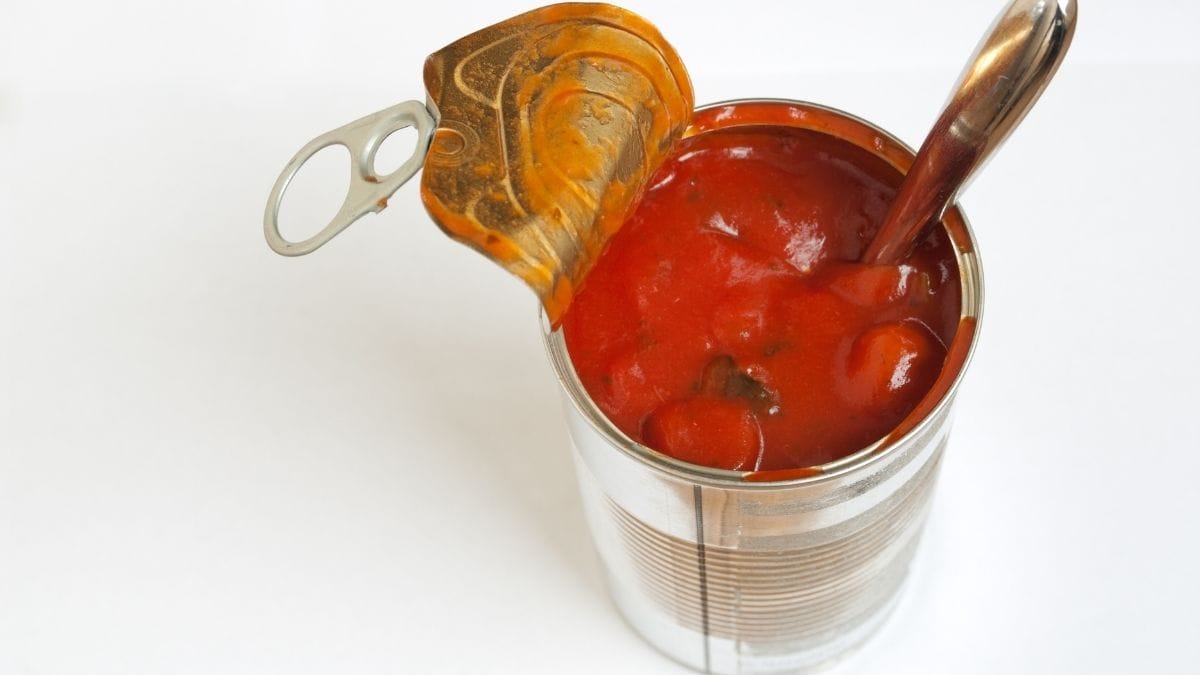
Canned soups, frozen dinners, packaged snacks, and deli meats are sodium bombs. Many pack a full day’s worth of sodium in a single serving.
The American Heart Association recommends no more than 1,500 mg of sodium per day for most older adults with high blood pressure. One can of popular chicken noodle soup can contain over 800 mg — more than half that limit in one bowl.
Too much sodium causes fluid retention. It raises blood pressure. Over time, it increases your risk of stroke, heart disease, and kidney disease.
The label trick most people miss: “Reduced sodium” doesn’t mean low sodium. Always check the actual milligram number on the nutrition label, not just the front of the package.
Better choice: Make soup at home with low-sodium broth. Season food with garlic, basil, or cumin instead of salt. Eat potassium-rich foods like bananas, avocados, and apricots — potassium helps balance out sodium’s effect on blood pressure.
Point 2: Fried Foods — Why They Hit Harder After 65

French fries, fried chicken, donuts — these foods are high in saturated fat and trans fats. For younger people, that’s a problem. For seniors, it’s a bigger one.
Your metabolism is slower now. High-calorie fried foods cause more weight gain with less nutritional payoff. Trans fats raise bad cholesterol and lower good cholesterol. That raises your risk of heart disease, stroke, and Type 2 diabetes.
Fried foods also worsen inflammation. Most older adults already have some level of chronic inflammation from aging or existing conditions. Adding fried food regularly is like adding fuel to a fire.
Here’s a real example: one serving of fast-food fried chicken can contain over 1,000 calories and more than 2,000 mg of sodium. That’s your entire daily sodium limit in one meal.
Better choice: Use an air fryer or oven. Bake sweet potato wedges instead of fries. Grill chicken instead of frying it. If you do fry at home, use olive oil and keep it to once a week.
Point 3: Processed Meats — A Risk Most Seniors Don’t Know About

Bacon, hot dogs, salami, and most deli meats fall into one of the most dangerous food categories for older adults.
The World Health Organization classifies processed meats as a Group 1 carcinogen. That means there is strong evidence linking them to cancer — specifically colorectal cancer.
On top of that, processed meats are packed with sodium and saturated fat. So you’re getting the cancer risk plus the cardiovascular risk in every bite.
There’s also a third problem most people don’t expect: Listeria. Cold deli meats can carry Listeria bacteria.
Older adults are at much higher risk of serious illness from Listeria than younger people. A healthy 30-year-old might feel sick for a few days. A 70-year-old could end up in the hospital.
Better choice: Freshly cooked chicken, canned wild salmon, sardines, hard-boiled eggs, lentils, or chickpeas. If you love deli meat, heat it until steaming before eating — that kills the bacteria.
Point 4: Sugary Drinks — Empty Calories With a Big Cost

Soda, sweetened iced tea, sports drinks, and even fruit juice are a major problem for seniors. These drinks give you calories without filling you up.
Your blood sugar regulation gets harder as you age. Sugar spikes that your body once handled smoothly now cause more damage — raising inflammation, increasing diabetes risk, and contributing to weight gain.
Federal guidelines say added sugar should stay under 10% of daily calories. Most people blow past that just through what they drink. A 12-ounce can of soda has about 39 grams of sugar. Many fruit juices have just as much — and almost no fiber.
Fruit juice feels healthy. It isn’t, at least not in large amounts. Without the fiber from whole fruit, it’s essentially liquid sugar.
Better choice: Water with lemon or cucumber. Unsweetened herbal tea. Sparkling water with a splash of citrus. If you want something sweet, dilute a small amount of 100% fruit juice with water. That cuts the sugar and still gives you the taste.
Point 5: Raw and Undercooked Foods — A Serious Safety Issue
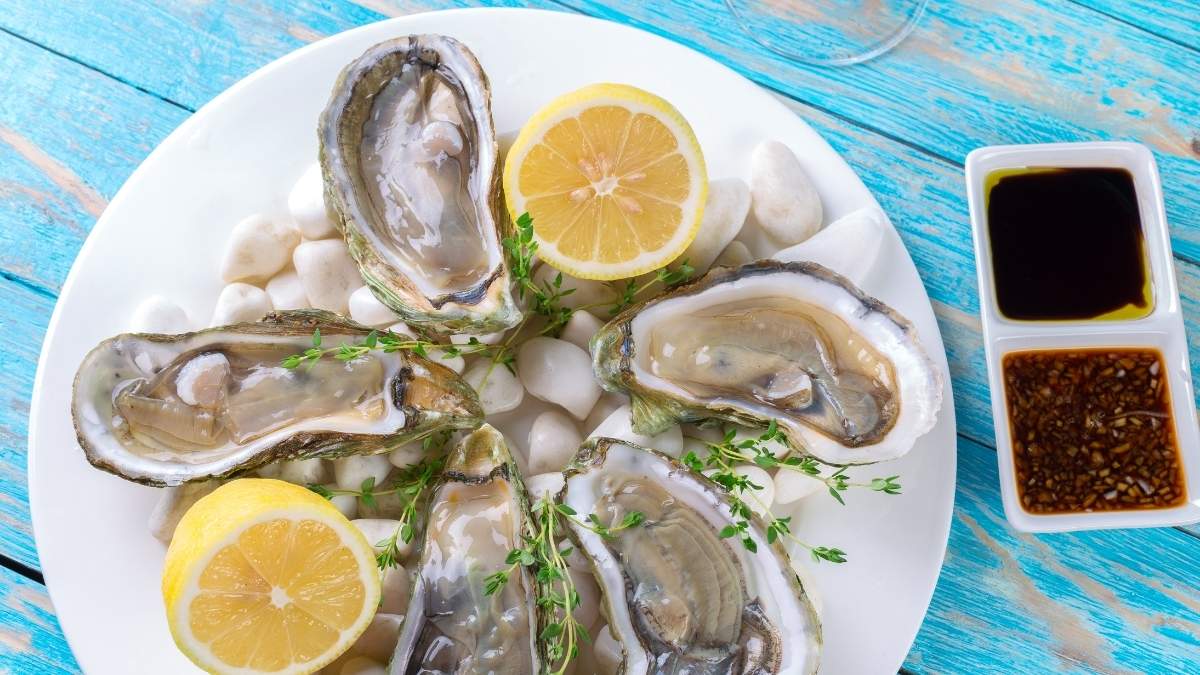
Raw oysters, runny eggs, rare meat, raw sushi, and unpasteurized cheese can cause serious food poisoning. For most younger adults, that means a miserable few days. For seniors, it can mean a hospital visit.
The CDC lists adults 65 and older as a high-risk group for foodborne illness. Why? Because the immune system weakens with age. Your body is less able to fight off dangerous bacteria like Salmonella, E. coli, and Listeria.
Food poisoning in seniors can lead to dehydration, sepsis, and septic shock. These are life-threatening complications.
This isn’t about never eating eggs or fish again. It’s about how you prepare them.
Better choice: Scrambled or hard-boiled eggs instead of runny yolk. Cooked sushi rolls instead of raw. Soft cheeses only if the label says “pasteurized.” Ground beef cooked to an internal temperature of 165°F. Simple checks that make a real difference.
Point 6: Alcohol — When the Risk Outweighs the Ritual

This one is sensitive, and it deserves a respectful conversation — not a lecture.
Many seniors have enjoyed a glass of wine with dinner or a beer on weekends for decades. That’s part of life.
But here’s what changes after 60: your liver processes alcohol more slowly. The same drink that hit lightly at 45 hits harder and lasts longer at 70.
Falls are the number one cause of injury-related death in older adults. Alcohol increases fall risk significantly. It also raises blood pressure, disrupts sleep, and — most importantly — it can interfere with medications.
Many seniors take multiple prescriptions. Alcohol can amplify or cancel out their effects. Blood thinners, sleep aids, blood pressure medications, anxiety drugs — all of these interact dangerously with alcohol.
Better choice: Non-alcoholic beers and wines have gotten much better in quality. Sparkling water with fruit, low-sugar kombucha, or mocktails work well socially. If you’re on any medication, ask your doctor or pharmacist directly whether alcohol is safe for you.
Point 7: Grapefruit — The Healthy Food That Can Be Dangerous
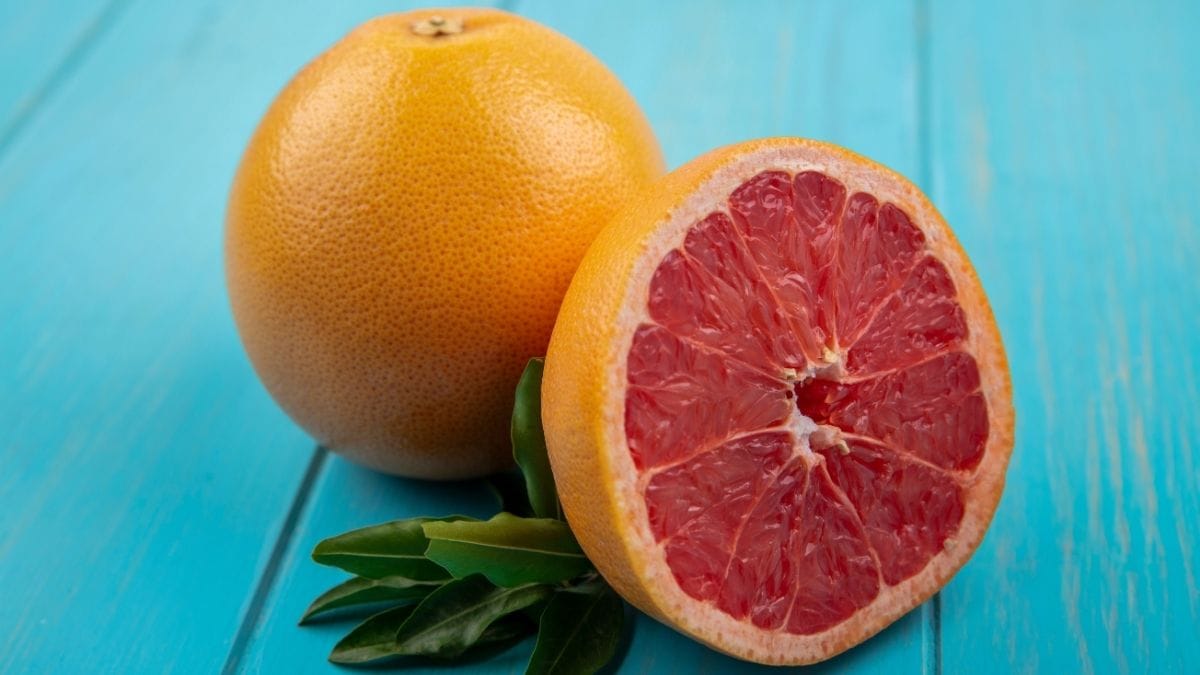
This one surprises almost everyone. Grapefruit is a healthy fruit. But for seniors on certain medications, it can be genuinely dangerous.
Grapefruit contains compounds that block an enzyme in your gut responsible for breaking down many common drugs. When that enzyme is blocked, your medication builds up to higher levels in your bloodstream than your doctor intended.
This affects some of the most commonly prescribed medications for older adults — including certain statins for cholesterol, calcium channel blockers for blood pressure, and some anxiety and sleep medications.
The effect isn’t small. In some cases, eating grapefruit while on these medications can cause dangerous side effects or overdose-level concentrations in your blood.
Better choice: Check your medication labels right now. If any say “avoid grapefruit,” take it seriously.
Switch to oranges, tangerines, blood oranges, or regular lemons and limes. Same vitamin C and antioxidants — without the drug interaction risk. When in doubt, ask your pharmacist.
Point 8: Ultra-Processed Packaged Foods — Filling You Up With Nothing

Snack cakes, instant noodles, packaged cookies, and chips share one thing in common. They fill you up with calories but give your body almost nothing useful.
Aging bodies need more protein, more vitamin B-12, and more fiber — not less. Ultra-processed foods actively displace the nutrient-dense foods your body is asking for. Every bag of chips you eat is a missed opportunity to get protein, vitamins, or fiber.
Multiple studies link ultra-processed food consumption to higher rates of chronic disease, cognitive decline, and early death. The research is consistent and growing.
Most seniors don’t realize how much of their daily eating is ultra-processed until they actually track it for a week.
Better choice: Build a simple snack drawer. Stock it with unsalted nuts, seeds, low-sodium jerky, whole grain crackers, hummus, or fresh fruit. These options are just as quick and grab-able. They also give your body something it can actually use.
Conclusion;
You don’t need a perfect diet. You need better patterns.
Pick one swap from this list and try it this week. That’s it. One change. Small steps done consistently protect your heart, your brain, and your independence longer than any crash diet ever will.
Share this with someone you care about. It might be the most useful thing they read this month.