
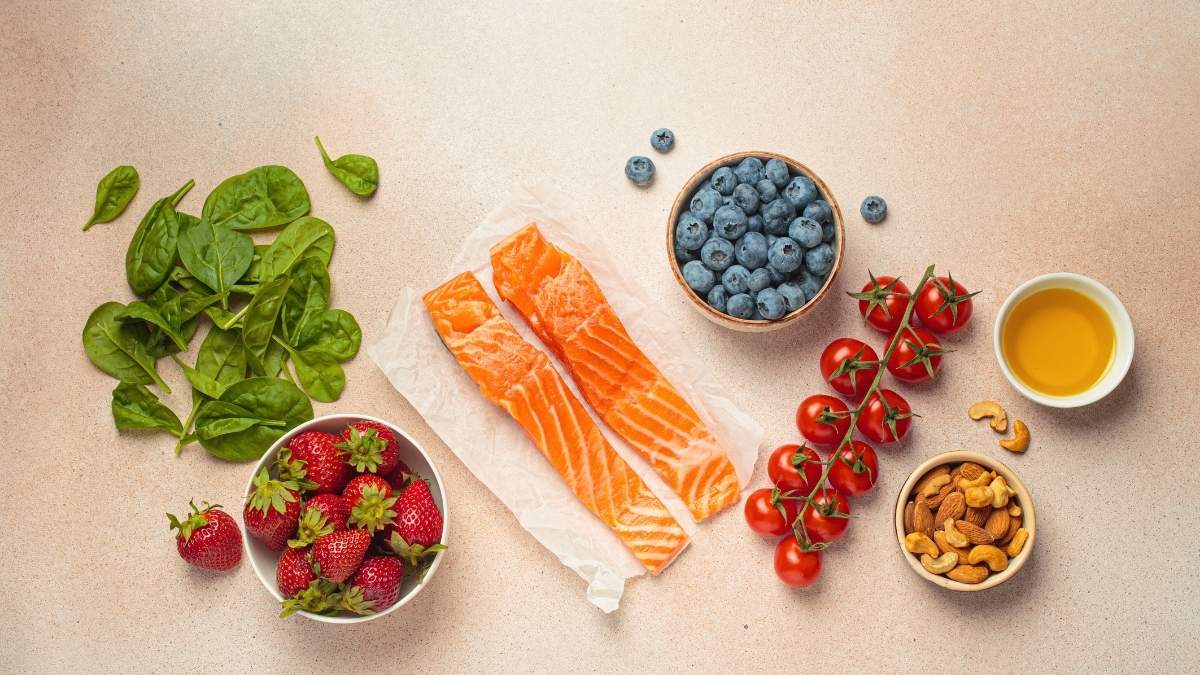
Your skin’s worst enemy isn’t in your bathroom cabinet—it’s hiding in your kitchen.
You’ve tried the expensive serums. You’ve bought the fancy creams. But your skin still breaks out, turns red, or looks tired. Here’s why: what you eat matters more than what you put on your face.
Chronic inflammation causes most skin problems. It triggers acne. It creates redness and puffiness.
It speeds up wrinkles and makes your skin look dull. And it all starts with the foods you eat every day.
The good news? You can fix this. New research from 2024 shows that anti-inflammatory foods can transform your skin from the inside out.
Your gut and skin talk to each other constantly. Feed your gut the right foods, and your skin glows.
In this guide, you’ll discover 9 powerful foods that calm inflammation and give you radiant skin. Plus, you’ll learn simple ways to eat them every single day.
Why Your Skin Gets Inflamed (And How to Stop It)
Think of inflammation like a fire inside your body. Short-term inflammation helps you heal from cuts or infections.
That’s the good kind. But chronic inflammation never stops burning. It attacks your skin cells every single day.
Here’s what that fire does to your face. It causes acne breakouts and red, sensitive skin.
It triggers eczema flare-ups and speeds up wrinkles. Your skin looks puffy, tired, and older than it should.
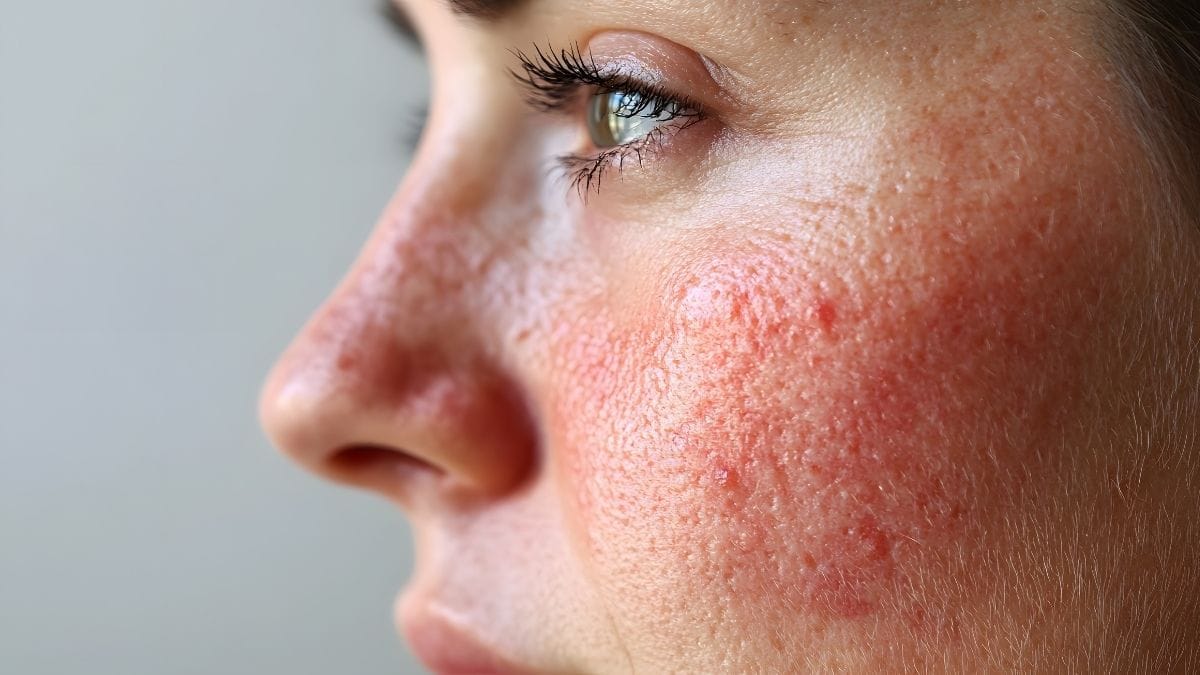
The damage gets worse over time. Chronic inflammation breaks down collagen, the protein that keeps your skin firm and smooth.
You lose about 1% of your collagen every year after age 25. Inflammation speeds that up.
Your gut controls most of this. Studies from 2024 prove that gut problems cause inflammatory skin conditions. When your digestive system struggles, your skin suffers. The gut-skin axis is real.
Good news: eating anti-inflammatory foods can fix this.
The 9 Foods That Give You Glowing Skin
1. Fatty Fish: Stop Breakouts and Redness Fast
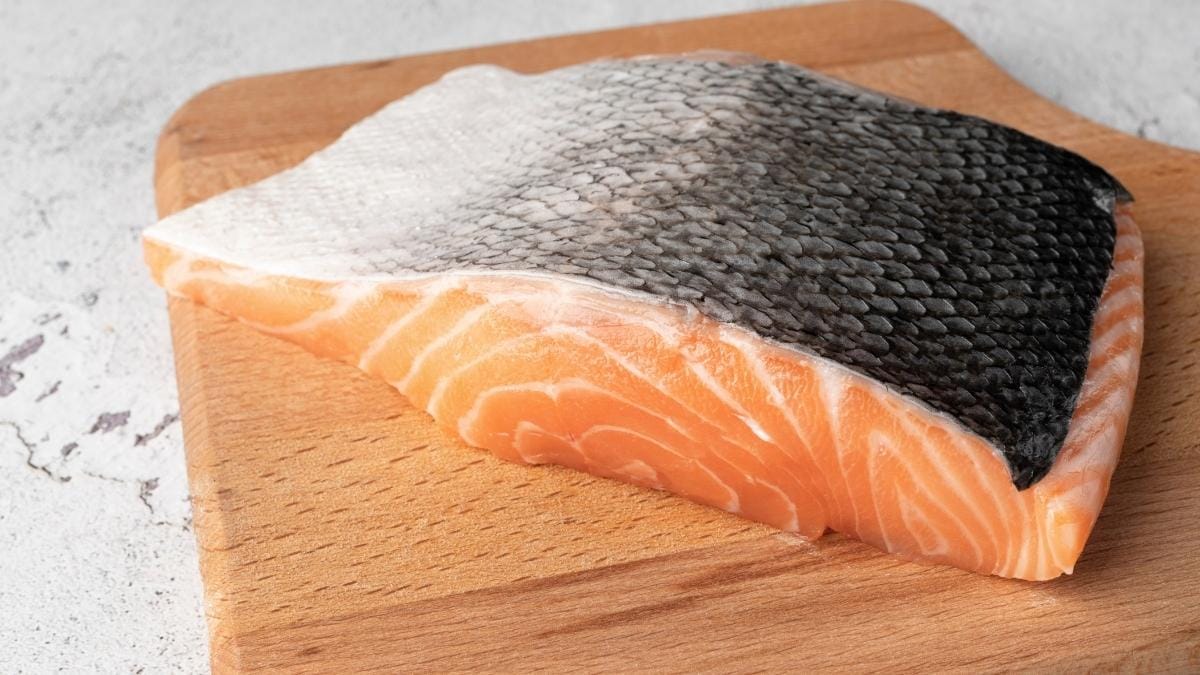
Your skin needs fat to stay healthy. But not just any fat—omega-3 fatty acids from fish like salmon, mackerel, and sardines work like medicine for inflamed skin.
These omega-3s (called EPA and DHA) calm angry, red skin from the inside.
A July 2024 study found that people who ate more omega-3s had fewer acne breakouts and less redness. Their skin healed faster too.
Here’s what omega-3s do for you. They reduce inflammation that causes acne and eczema.
They help your skin hold onto moisture so it doesn’t get dry and flaky. They protect you from sun damage that speeds up wrinkles.
Your skin has a protective barrier made of oils. Omega-3s keep that barrier strong.
When the barrier works right, irritants stay out and moisture stays in. That means calmer, smoother skin.
Eat fatty fish 2-3 times per week. That gives you about 250-500mg of EPA and DHA daily, which is the minimum your skin needs.
Research from 2024 shows this amount helps with psoriasis, atopic dermatitis, acne, and even skin ulcers.
How to eat more: Buy wild-caught salmon when you can afford it. Try canned sardines on whole grain toast for a quick breakfast.
Grill mackerel with lemon and herbs. All three pack serious omega-3 power.
2. Berries: Protect Your Collagen and Erase Wrinkles
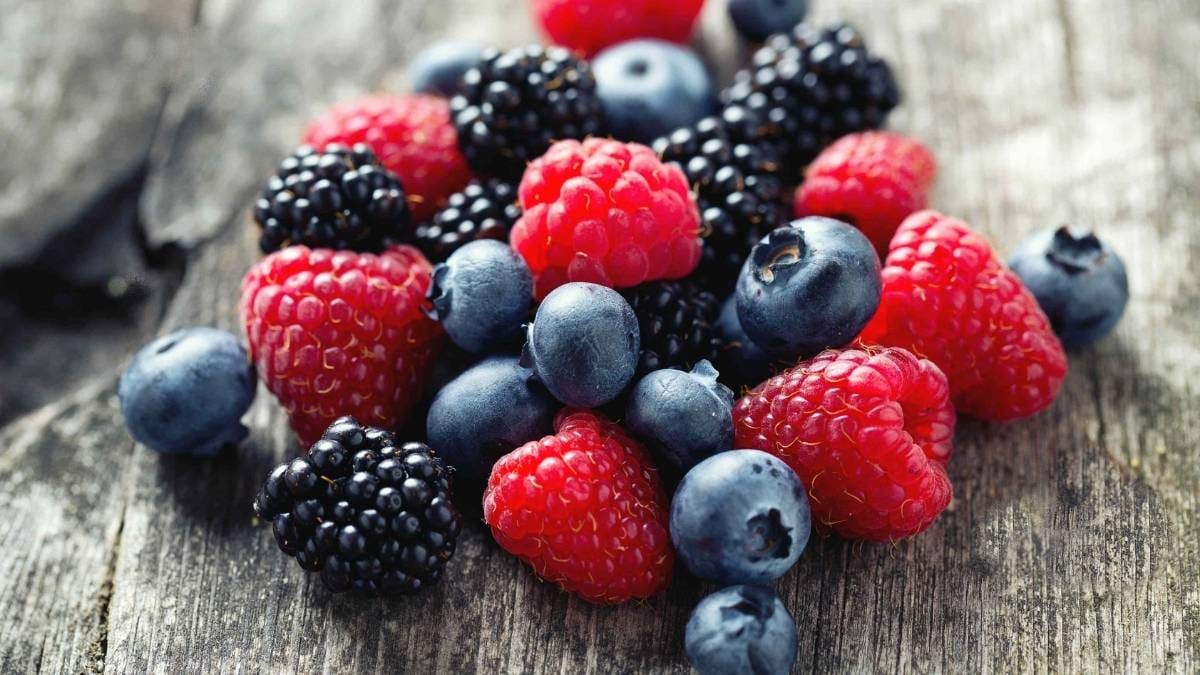
Blueberries, strawberries, raspberries, and blackberries do something special. They protect the collagen in your skin and help build more of it.
Collagen keeps your skin firm and smooth. Without enough collagen, you get wrinkles and sagging skin. Berries contain anthocyanins, compounds that act like shields for your collagen.
Studies from 2024 prove this works. Blackcurrant anthocyanins increased collagen, elastin, and hyaluronic acid in people’s skin.
Blueberry extracts stopped UV rays from breaking down collagen. That means fewer wrinkles and younger-looking skin.
Berries also fight inflammation hard. They lower inflammatory markers in your blood with names like IL-6 and TNF-α. Less inflammation means less acne, redness, and puffiness.
The vitamin C in berries helps too. Your body needs vitamin C to make new collagen. One cup of strawberries gives you more vitamin C than you need for the whole day.
How to eat more: Add frozen berries to morning smoothies—they’re cheaper and just as healthy.
Mix fresh berries into Greek yogurt for probiotics plus antioxidants. Eat them raw when you can because heating above 50°C destroys some of the good stuff.
3. Turmeric: The Spice That Heals Your Skin
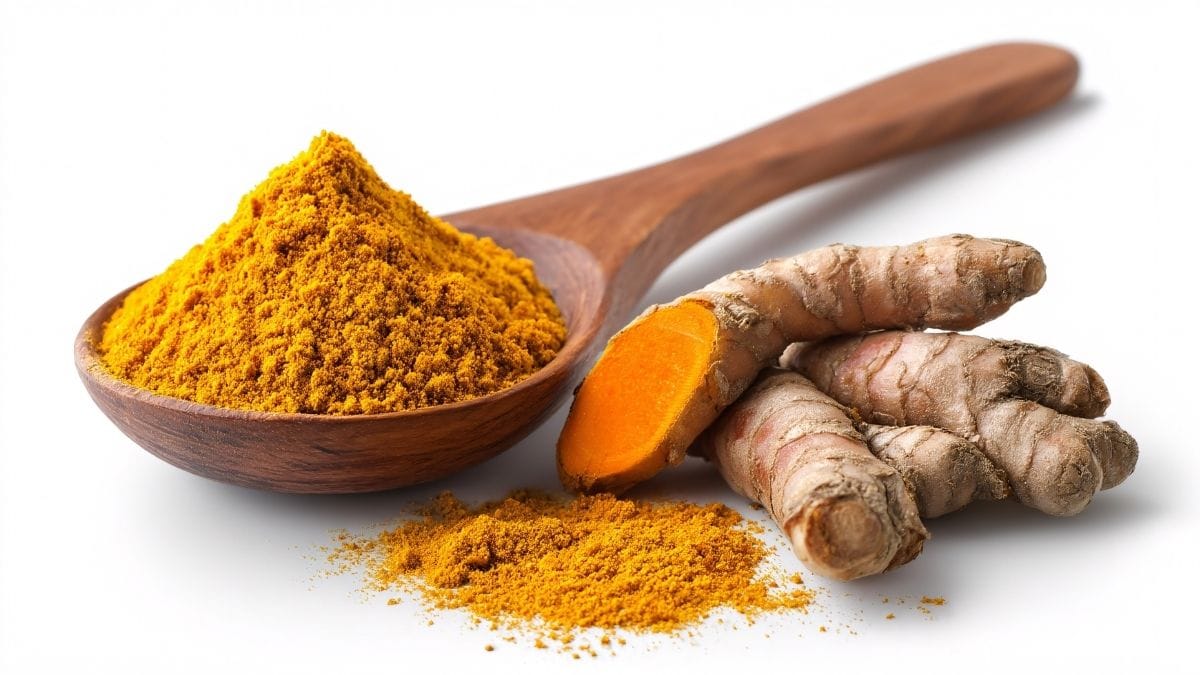
Turmeric contains curcumin, one of the strongest anti-inflammatory compounds in food. It works so well that doctors use it to treat serious skin conditions.
A May 2024 study showed that curcumin reduces inflammation, speeds up wound healing, and strengthens your skin barrier. Clinical trials found it reduced skin damage from radiation by 35%. That’s huge.
Curcumin helps with acne, psoriasis, eczema, and sun damage. It works by blocking inflammatory pathways in your cells.
A March 2024 study showed it improves collagen deposition, which means firmer, stronger skin.
Here’s the catch: your body doesn’t absorb curcumin easily. But there’s a simple fix—black pepper. Adding black pepper to turmeric increases absorption by 2000%. That’s not a typo.
How to eat more: Make golden milk by mixing turmeric, plant milk, black pepper, and honey. Sprinkle it on roasted vegetables.
Add it to soups and curries. If your skin is really inflamed, consider curcumin supplements for higher doses.
4. Leafy Greens: Feed Your Skin Every Vitamin It Needs
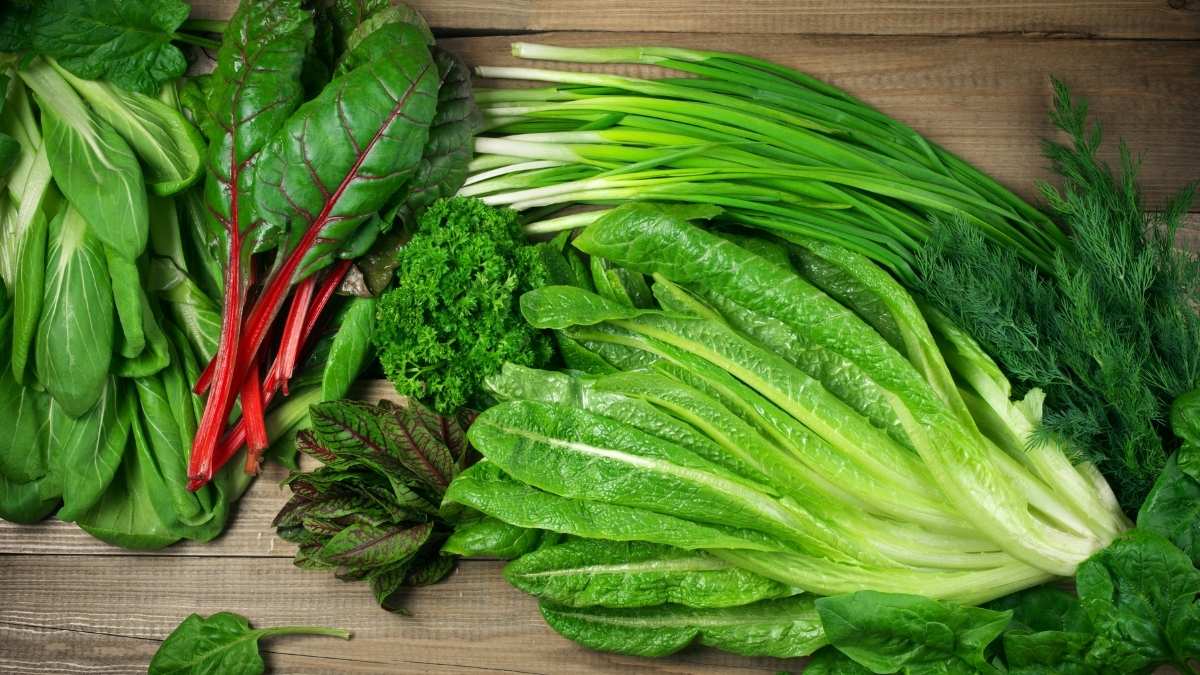
Spinach, kale, and Swiss chard load your body with vitamins A, C, E, and K. These vitamins work together to protect and repair your skin.
Vitamin A speeds up skin cell turnover so old, damaged cells get replaced faster. Vitamin C builds collagen and brightens dark spots.
Vitamin E shields your skin from pollution and sun damage. Vitamin K calms inflammation and strengthens your skin barrier.
Research from 2024 links plant-based diets to better inflammatory skin conditions. The fiber in leafy greens feeds good bacteria in your gut, which helps your skin through the gut-skin axis.
The antioxidants in greens fight free radicals. Free radicals are unstable molecules that damage your skin cells and cause wrinkles. Antioxidants stop them.
How to eat more: Throw spinach into smoothies—you won’t taste it, promise.
Massage kale with olive oil and lemon to make it tender for salads. Sauté any greens with garlic as a quick side dish. Aim for 2-3 cups daily.
5. Green Tea: Drink Your Way to Clearer Skin
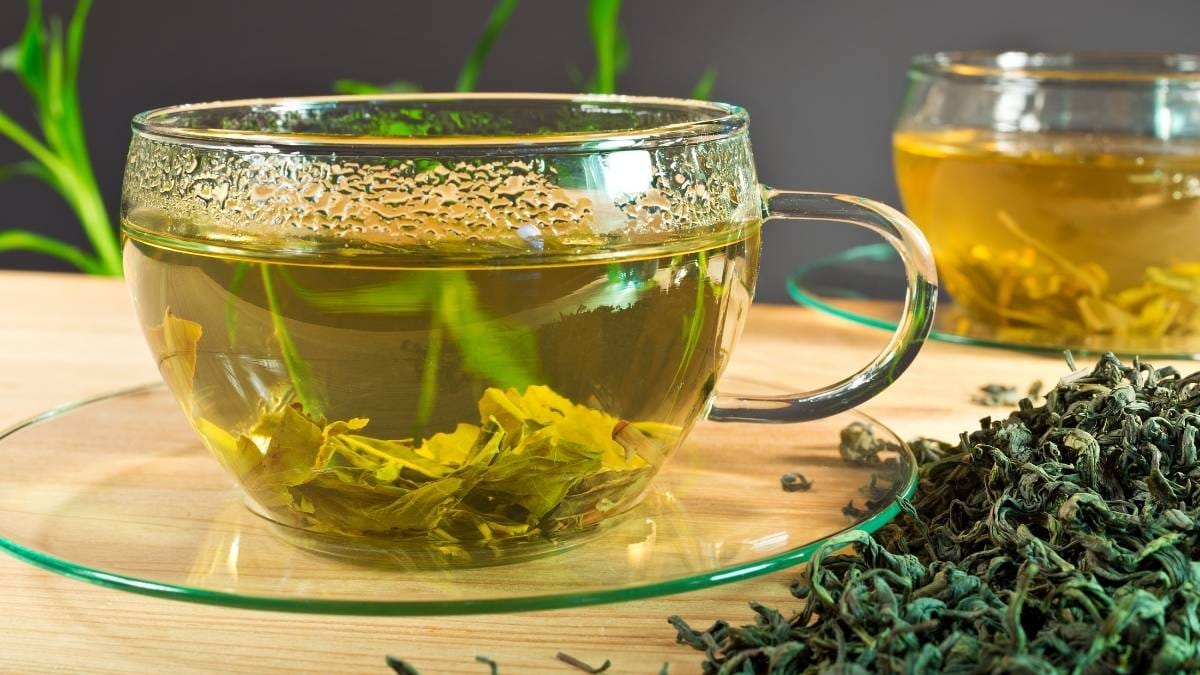
Green tea contains catechins, especially one called EGCG. These compounds calm inflamed skin and protect against damage.
A November 2024 review confirmed that green tea helps with eczema, psoriasis, and other inflammatory skin problems. It reduces redness and irritation fast.
Green tea also protects your skin from UV damage that causes wrinkles and dark spots.
The polyphenols in it fight oxidative stress, which ages your skin. Some research suggests it can reduce acne by controlling oil production.
Regular green tea drinkers have better skin texture. Their skin looks smoother and more even.
How to drink more: Aim for 2-3 cups daily to see real benefits. Brew it for 3-5 minutes to get the most catechins out.
Try matcha powder if you want even more antioxidants—you consume the whole leaf. Cool brewed green tea also works as a simple facial toner.
6. Nuts and Seeds: Get Soft, Hydrated Skin
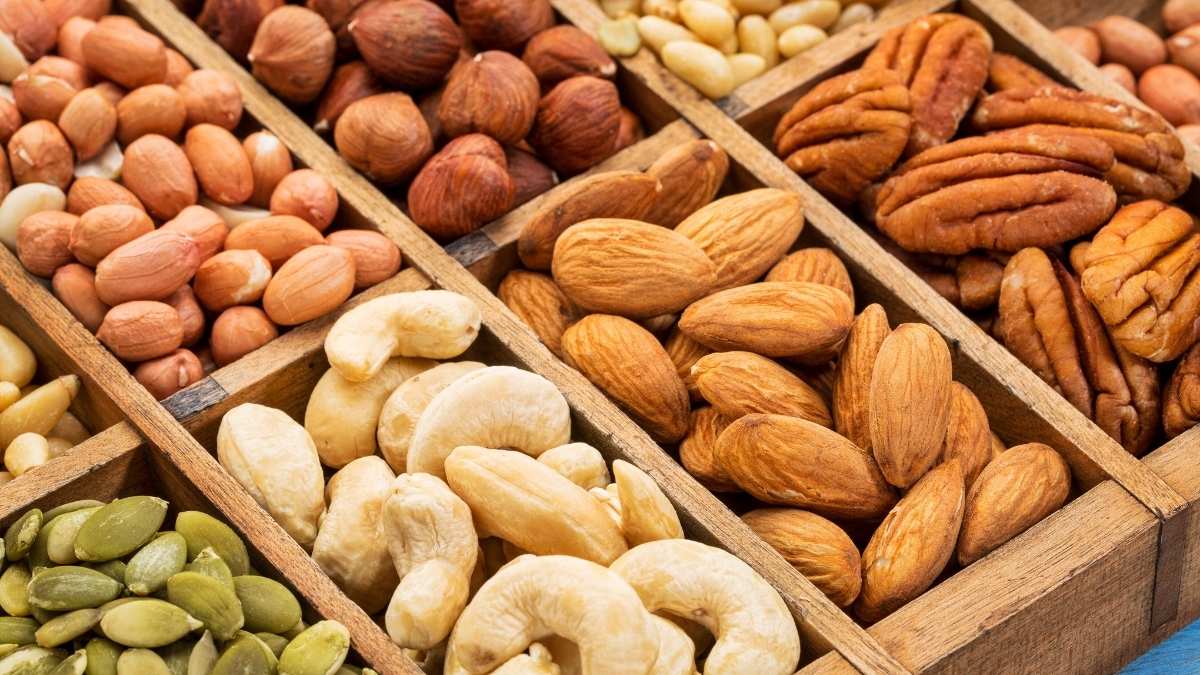
Almonds, walnuts, chia seeds, and flaxseeds give your skin vitamin E, zinc, and healthy fats. These nutrients repair damage and keep your skin hydrated.
A 2021 study found that women who ate almonds daily had fewer wrinkles and less dark spots on their faces after just a few months.
The vitamin E in nuts protects your skin from environmental damage like pollution and sun exposure.
Zinc helps wounds heal faster and supports skin regeneration. If you’ve ever had acne scars, zinc helps fade them. The omega-3 ALA in walnuts and flaxseeds reduces inflammation throughout your body.
Healthy fats maintain your skin’s natural oil barrier. Without enough healthy fats, your skin gets dry, flaky, and sensitive.
How to eat more: Snack on a handful of raw almonds daily (about 1 ounce). Add ground flaxseeds to oatmeal or yogurt—you won’t notice them.
Make chia pudding for breakfast. Choose unsalted, raw, or dry-roasted nuts.
7. Probiotic Foods: Fix Your Gut, Clear Your Skin

Your gut and skin talk to each other constantly. When your gut is healthy, your skin glows. When your gut struggles, your skin breaks out.
Foods like yogurt, kefir, kimchi, sauerkraut, and miso feed the good bacteria in your gut. Research from 2024-2025 proves the gut-skin axis is real and powerful.
A February 2025 study showed that probiotics improve skin health in multiple ways. They reduce inflammation, strengthen your skin barrier, and help manage acne, eczema, and rosacea.
When gut bacteria are out of balance, inflammatory skin conditions get worse. Probiotics fix that balance.
They also produce short-chain fatty acids, which are anti-inflammatory compounds that help your whole body.
How to eat more: Eat plain Greek yogurt with berries for double the skin benefits. Start with 1-2 tablespoons of kimchi or sauerkraut as a side dish. Add miso paste to soups.
If food sources aren’t enough, consider probiotic supplements with Lactobacillus and Bifidobacterium strains.
8. Sweet Potatoes: Speed Up Skin Cell Renewal
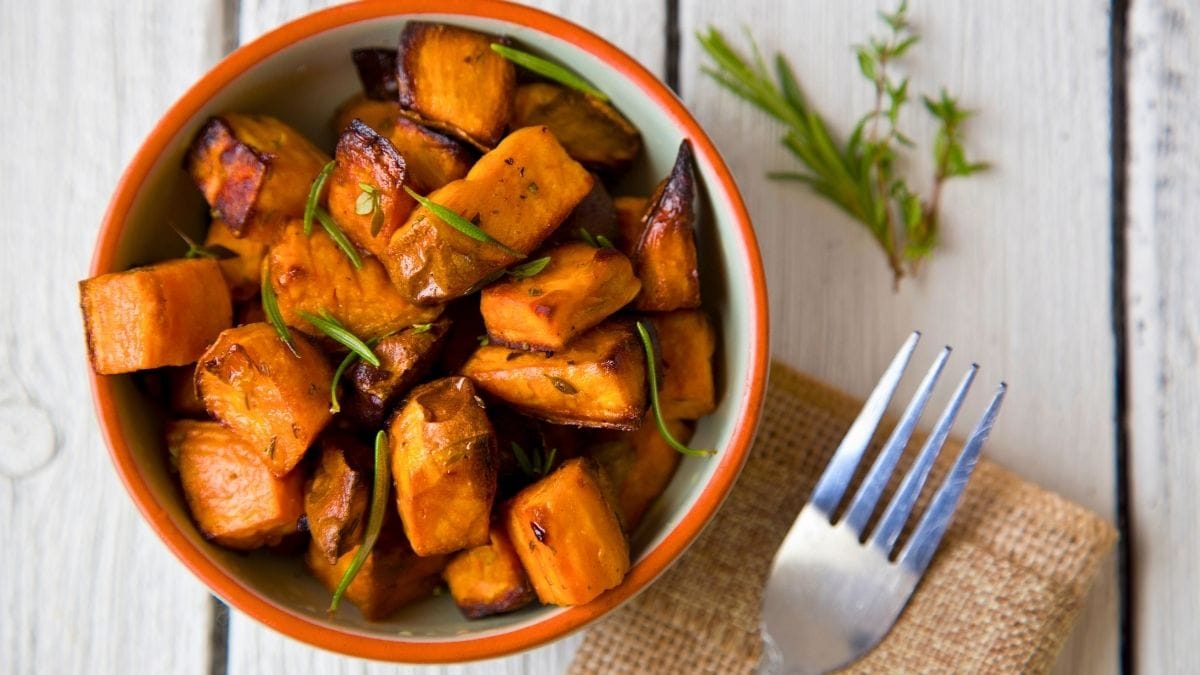
Sweet potatoes are loaded with beta-carotene, which your body converts to vitamin A. Vitamin A is essential for healthy skin cell turnover.
Old skin cells need to shed so fresh, new cells can take their place. Vitamin A speeds this process up. That means fewer clogged pores, smoother texture, and less acne.
Beta-carotene also acts as an antioxidant. It protects your skin from oxidative stress that causes wrinkles and dullness.
The fiber in sweet potatoes feeds your gut bacteria, which helps your skin through the gut-skin connection.
Sweet potatoes have a low glycemic index. Unlike white potatoes or white bread, they won’t spike your blood sugar. High blood sugar triggers inflammation and makes acne worse.
How to eat more: Bake them with the skin on to keep all the nutrients. Mash them with olive oil and herbs instead of butter.
Add cubed sweet potatoes to grain bowls. Roast them with turmeric for double anti-inflammatory power.
9. Dark Chocolate: The Treat That Helps Your Skin

Yes, chocolate made the list. But only dark chocolate with 70% cacao or higher. The sugar and dairy in milk chocolate will make your skin worse.
Dark chocolate contains flavonoids and polyphenols. These compounds protect your skin from UV damage and may reduce signs of aging. Research suggests they improve skin texture and fight oxidative stress.
Cocoa itself has anti-inflammatory properties. The key is choosing quality chocolate with minimal processing and low sugar. Check the ingredients—cacao should be first on the list.
Keep portions small. One to two squares daily is enough. More than that adds too much sugar, which triggers the inflammation you’re trying to stop.
How to eat it: Choose chocolate with 70-85% cacao. Limit yourself to 1-2 ounces per day maximum.
Pair it with berries or nuts for extra antioxidants. Read labels carefully and avoid chocolate with long ingredient lists full of additives.
5 Foods That Wreck Your Skin (Stop Eating These)
Some foods light your skin on fire. They trigger inflammation that causes breakouts, redness, and premature wrinkles. Here’s what to cut back on.
Refined sugar is your skin’s biggest enemy. It spikes your insulin, which makes your skin produce more oil.
That oil clogs your pores and causes acne. Sugar also feeds inflammation throughout your body, which shows up on your face as redness and puffiness.
White bread, pasta, and pastries cause the same problem. These refined carbs spike your blood sugar fast. Your body responds with inflammation.
Research from 2024 confirms that refined carbs are pro-inflammatory foods that damage your skin over time.
Fried foods contain trans fats that make your skin look dull and tired. These damaged fats clog your pores and slow down cell turnover. Your skin can’t repair itself properly when you eat too many fried foods.
Processed meats like bacon, hot dogs, and deli meat contain compounds that trigger inflammation. Studies link processed meat to increased chronic inflammation throughout your body.
Dairy might cause acne for some people. The hormones and sugars in milk can trigger breakouts. If you notice more pimples after eating dairy, try cutting it out for two weeks.
What to do instead: Swap white bread for whole grain. Replace soda with water or green tea. Choose dark chocolate over milk chocolate. Use an air fryer or oven instead of deep frying.
How to Eat for Glowing Skin Every Day
You don’t need a complicated meal plan. Just combine several anti-inflammatory foods in each meal. Here’s exactly what that looks like.
Your perfect day of eating:
Breakfast: Greek yogurt bowl with mixed berries, ground flaxseeds, and a few dark chocolate shavings. This gives you probiotics, anthocyanins, omega-3s, and antioxidants in one bowl.
Lunch: Spinach salad with grilled salmon, roasted sweet potato, walnuts, and olive oil vinaigrette. You’re getting omega-3s, beta-carotene, vitamin E, and leafy green vitamins.
Snack: A handful of almonds with green tea. Simple and powerful.
Dinner: Stir-fried vegetables with turmeric-spiced tofu, brown rice, and kimchi on the side. The turmeric and probiotics fight inflammation while you eat.
Evening: Turmeric golden milk before bed. Mix turmeric, plant milk, black pepper, and honey.
Make it easy with meal prep. Batch cook salmon and sweet potatoes every Sunday. Keep frozen berries in your freezer for quick smoothies. Prep mason jar salads with leafy greens for grab-and-go lunches.
Buy pre-washed spinach to save time. Use a slow cooker for turmeric-spiced soups and stews.
Consider these supplements: Omega-3 fish oil (1.8-4g EPA/DHA daily), a probiotic with multiple strains, and vitamin C if your diet lacks fruits. Always talk to your doctor before starting supplements.
When Will You See Results?
Your skin won’t change overnight. Be patient. Your skin cells take 28-40 days to completely turn over, so real changes take time.
Weeks 1-2: You might notice better digestion and less bloating first. Your skin won’t look different yet, but internal changes are happening.
Weeks 3-4: Your skin starts to calm down. It reacts less to products and feels less sensitive. Redness may fade slightly.
Weeks 6-8: Now you’ll see real differences. Your skin texture gets smoother. Breakouts happen less often. Hydration improves.
3+ months: Your skin glows. Fine lines soften. Your overall skin tone evens out.

Consistency matters most. You can’t eat anti-inflammatory foods for a week and expect miracles. Take photos now to track your progress—changes happen gradually, and photos help you see them.
Lastly:
Radiant skin isn’t about expensive face creams. It’s about what you eat. The 9 anti-inflammatory foods in this guide offer real, scientifically proven benefits. Fatty fish calm inflammation. Berries protect your collagen. Probiotic foods heal your gut and clear your skin from the inside out.
Start small this week. Pick 3 foods from this list and add them to your meals. Take a photo of your skin today. In 8 weeks, compare it and see the difference.
Achieving radiant skin through anti-inflammatory foods takes time and consistency. But your glowing complexion is waiting. Feed it right.