
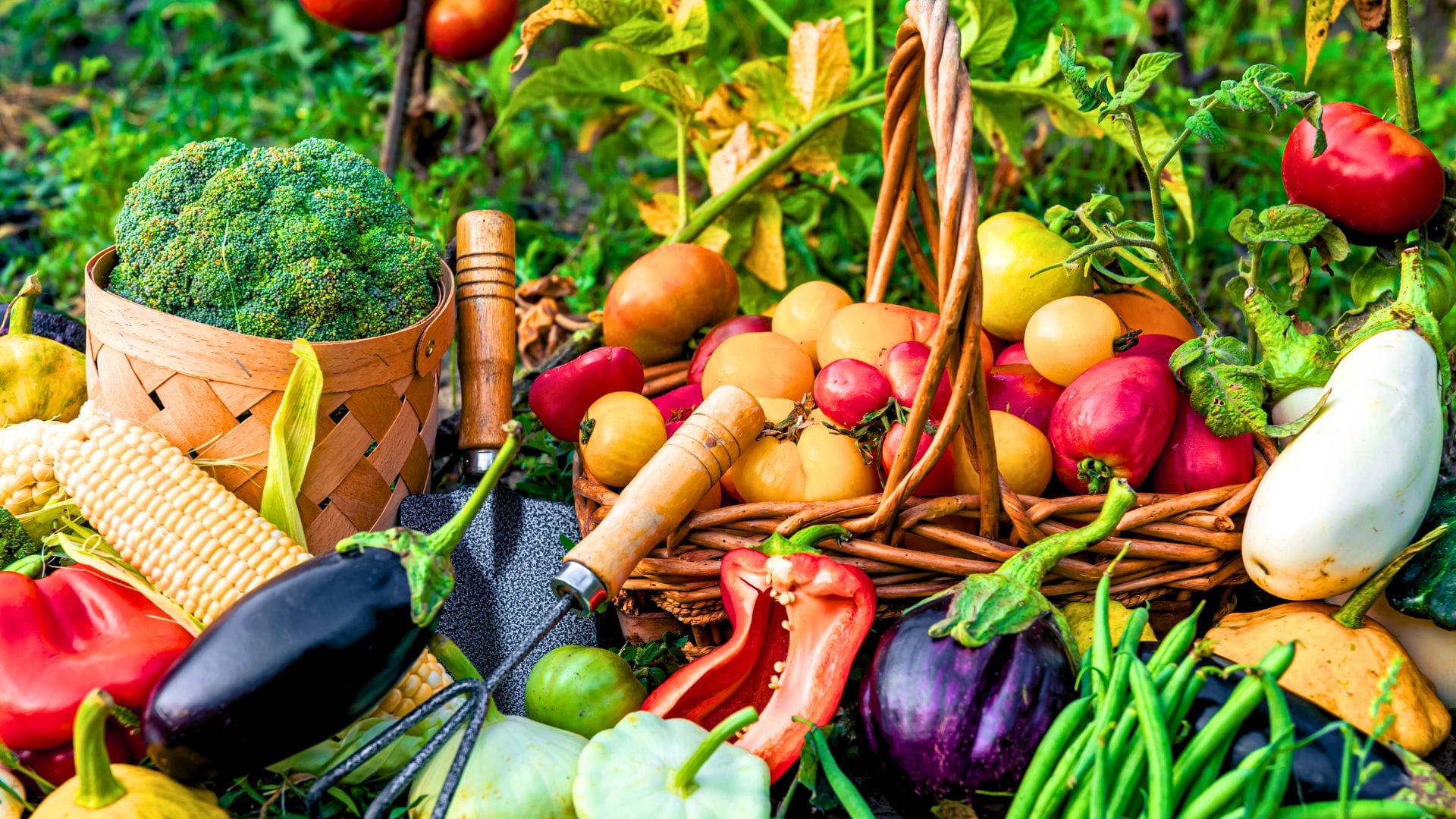
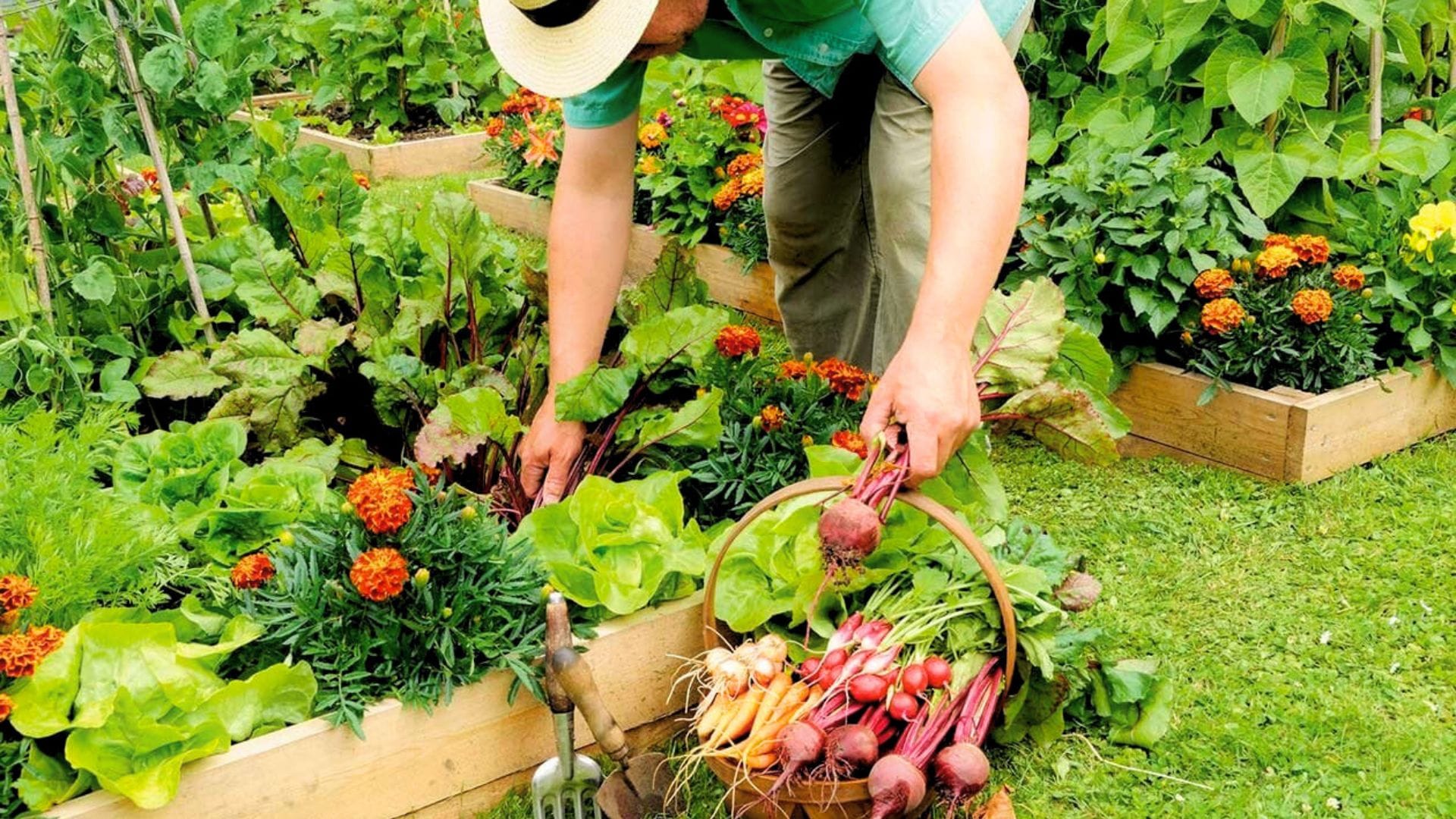
Growing your own vegetables isn’t just a hobby—it’s a money-saving revolution that puts fresh, nutrient-packed produce right at your fingertips. Imagine walking into your backyard and harvesting vegetables that taste exponentially better than store-bought ones, while slashing your grocery bill by hundreds of dollars each year. The secret? Starting with these nine foolproof vegetables that practically grow themselves, even if you’ve never planted a seed before.
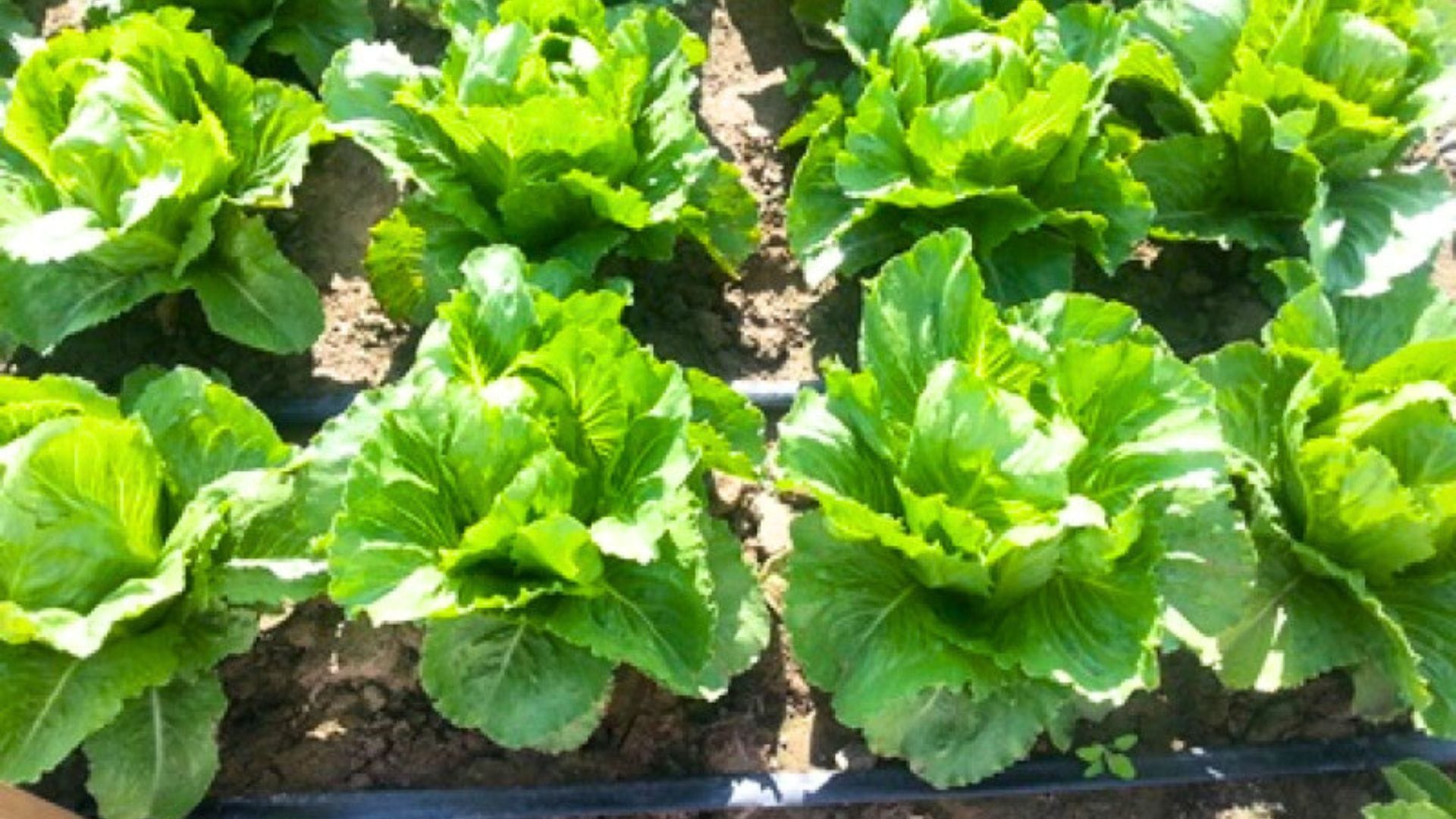
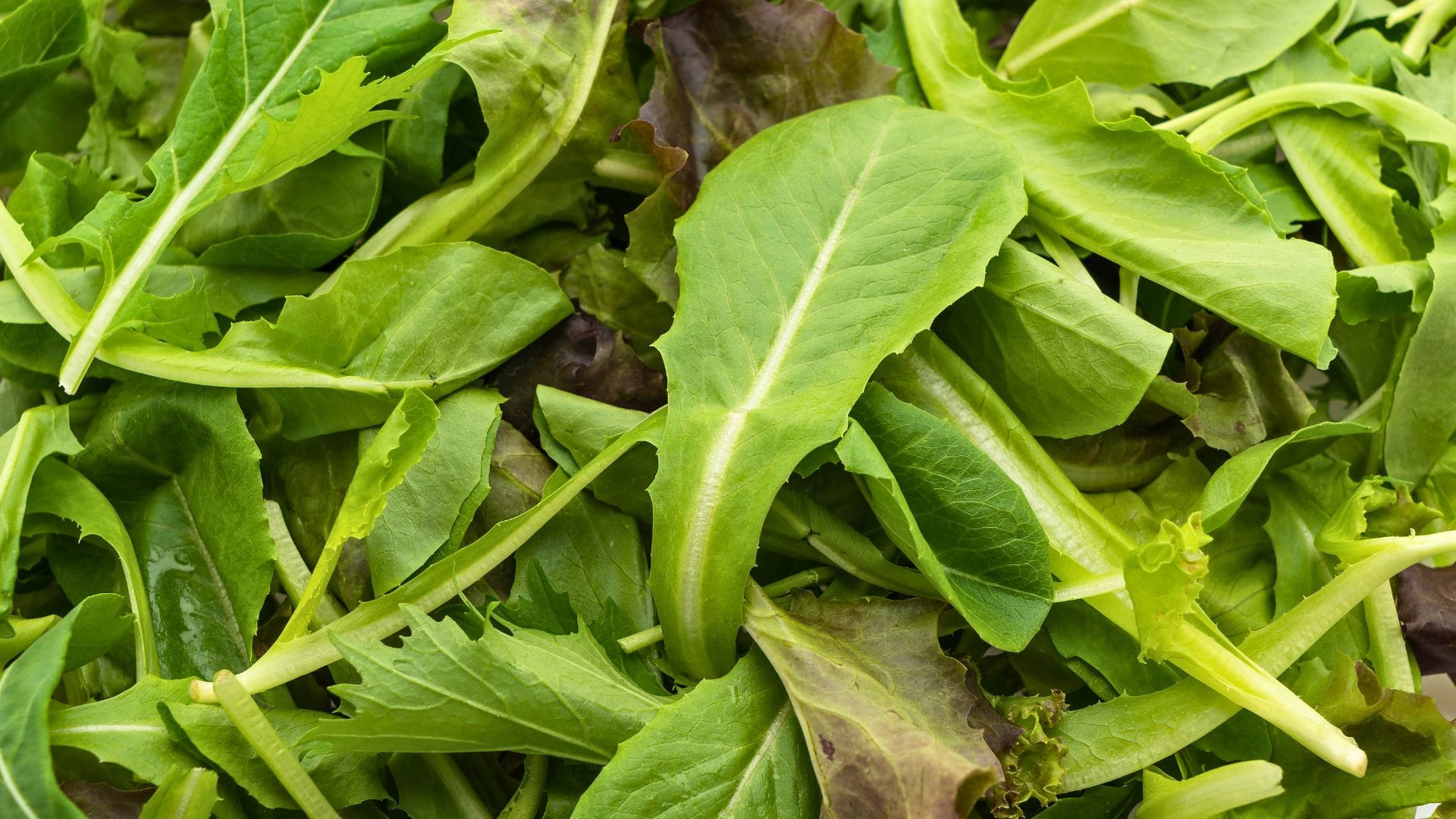
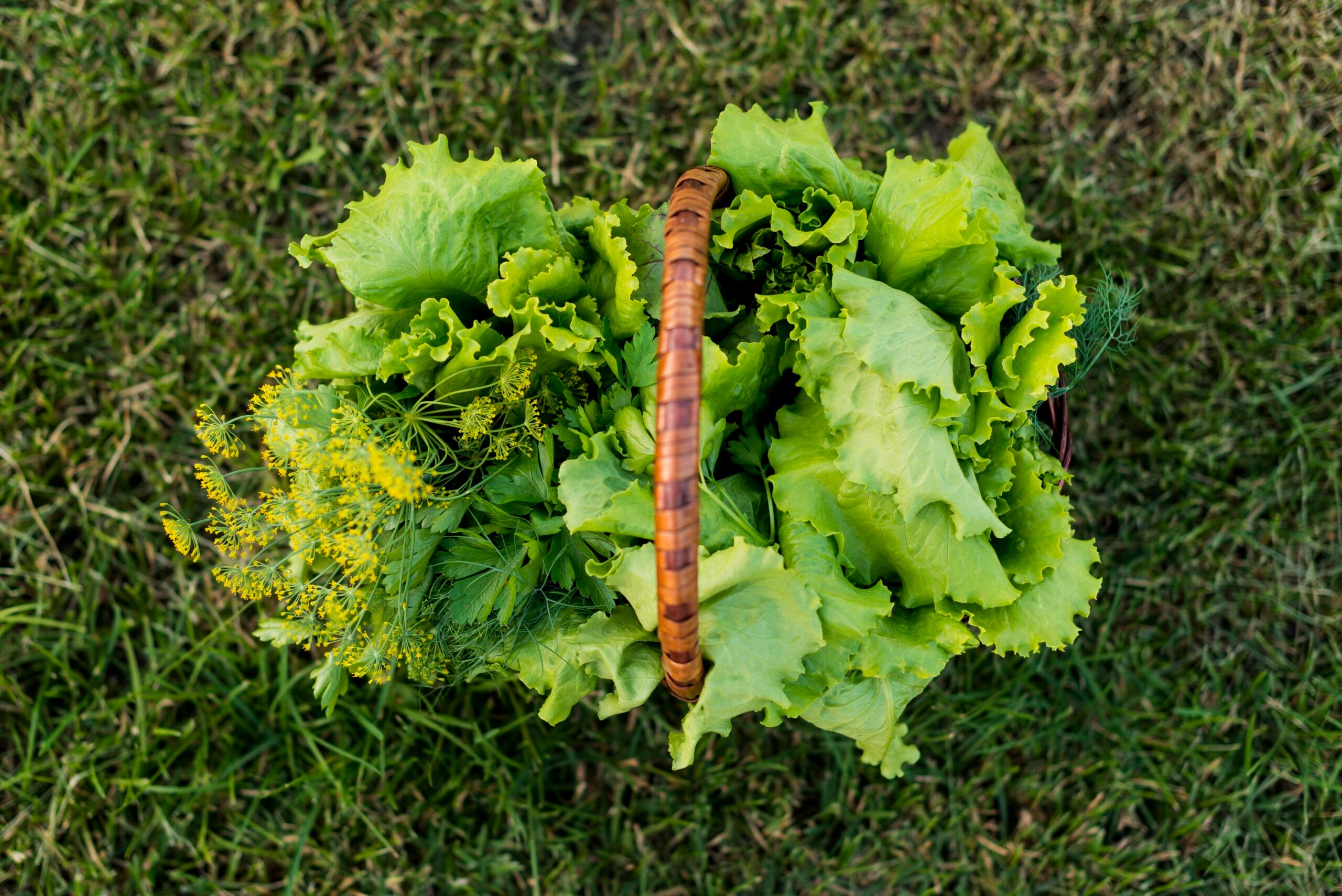
1. Lettuce: The 30-Day Money Maker
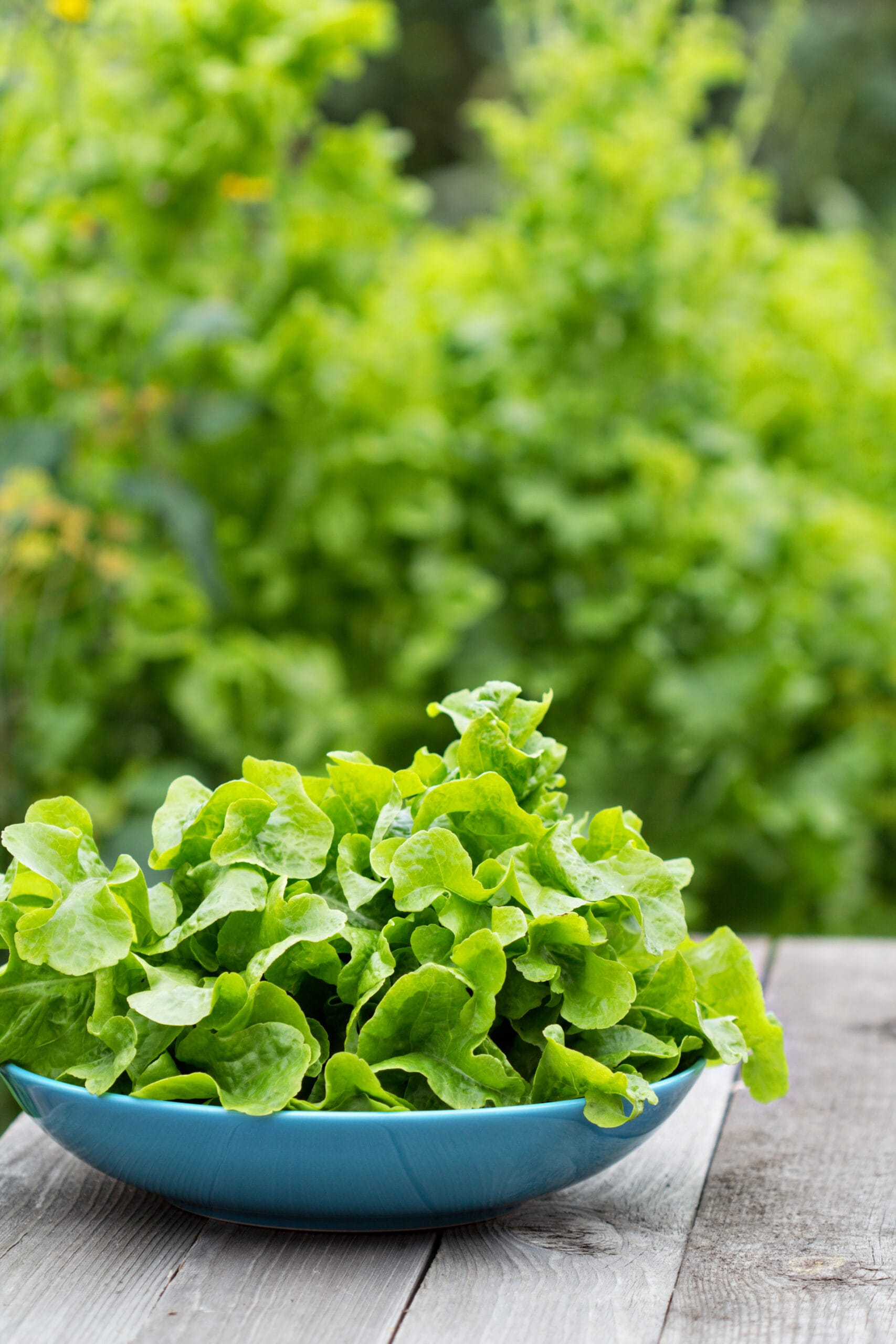
Lettuce is your gateway drug to gardening success. This leafy green grows so fast, you’ll be harvesting fresh salads in just 30 days. What makes lettuce extraordinary is its cut-and-come-again nature—harvest the outer leaves, and the center keeps producing new growth for weeks. A single packet of seeds costing $2 can yield $40 worth of organic lettuce throughout the growing season. Choose varieties like Buttercrunch, Red Sails, or Black Seeded Simpson for maximum flavor and continuous harvests.
Tips:
- Plant new seeds every 2 weeks for a continuous supply of fresh lettuce all season long
- Grow lettuce in shallow containers (just 6 inches deep) if you don’t have garden space
2. Radishes: The 25-Day Wonder Vegetable
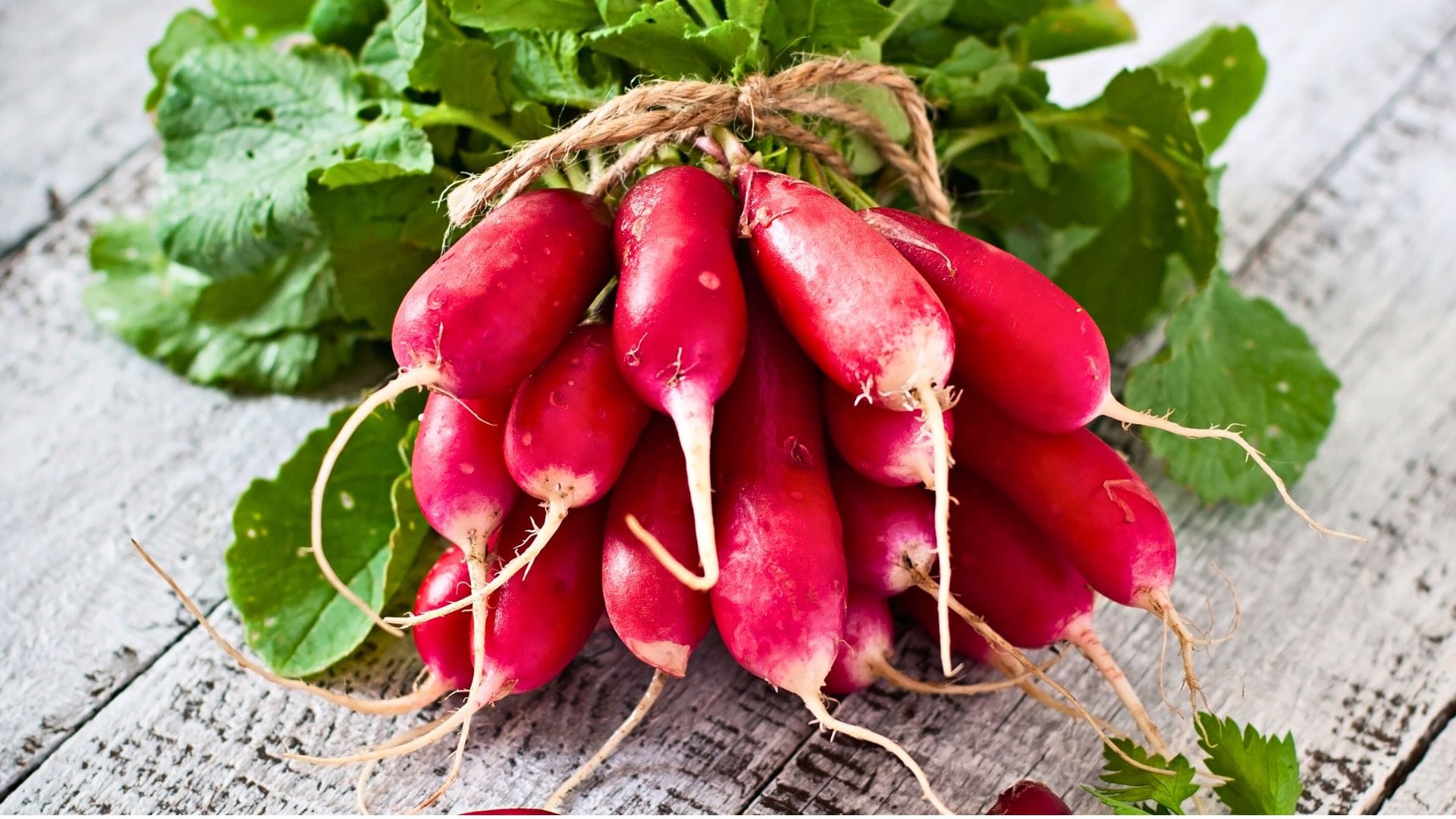
If you want instant gratification from gardening, radishes are your answer. These crunchy, peppery gems mature in just 25 days, making them perfect for impatient gardeners and curious children. Radishes are virtually pest-free and thrive in cool weather when other vegetables struggle. The best part? Both the roots and the spicy green tops are edible—the leaves make fantastic additions to salads and stir-fries, giving you double the harvest from one plant.
Tips:
- Plant radishes between slower-growing vegetables to maximize garden space
- Harvest radishes when they’re small (about 1 inch) for the sweetest, most tender flavor
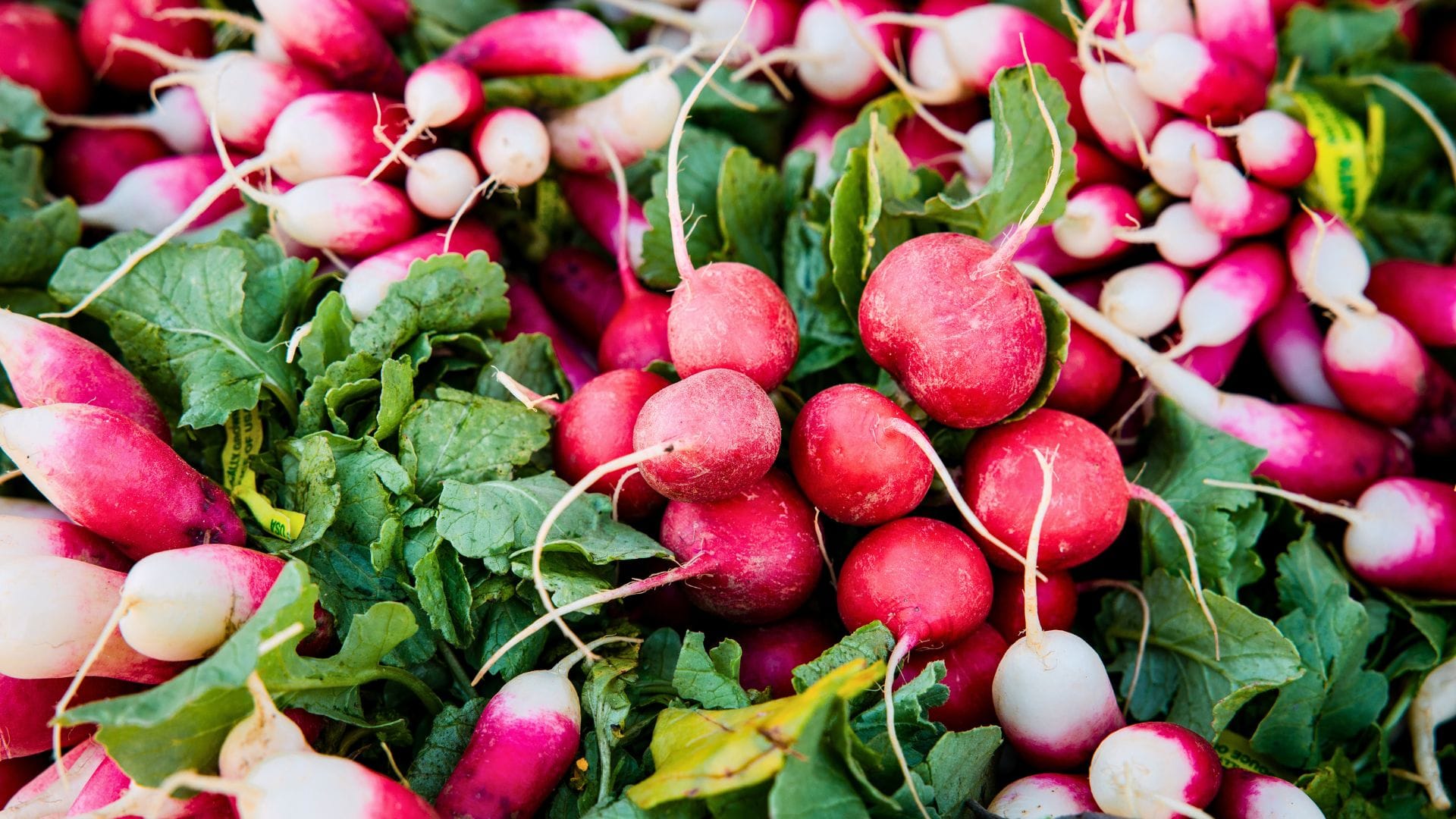
3. Green Beans: The Climbing Cash Crop
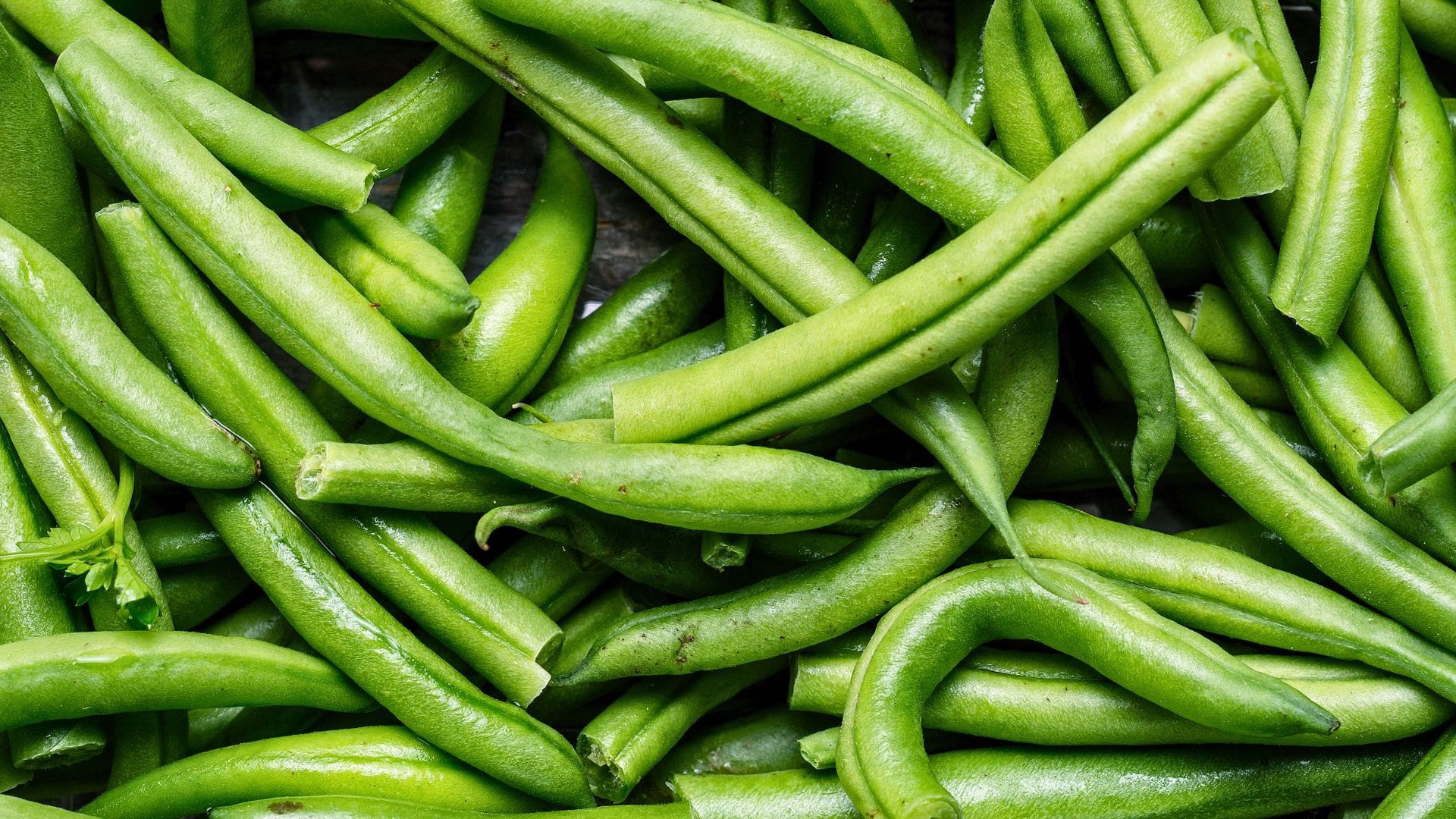
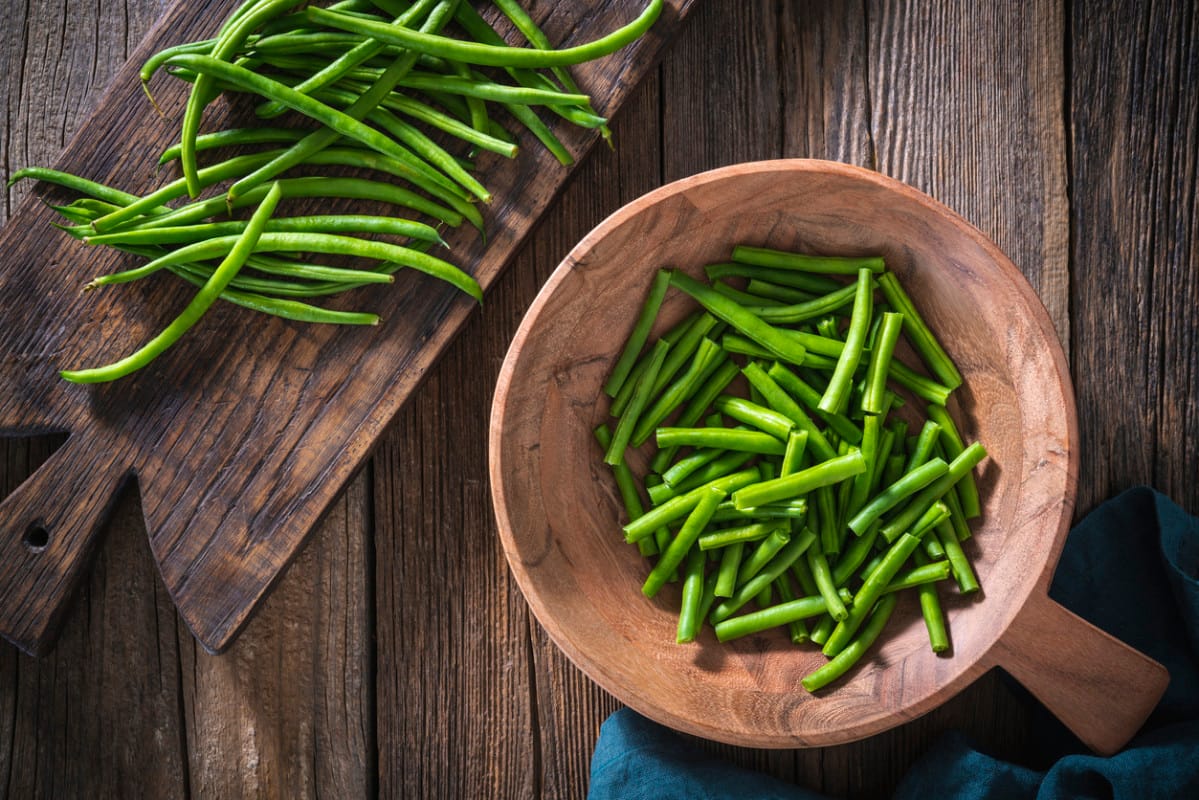
Green beans are productivity powerhouses that keep giving throughout the summer. A single plant can produce half a pound of beans over the growing season, and with their vertical growing habit, you can grow massive quantities in minimal space. Choose pole beans over bush varieties—they produce three times more beans and keep harvesting until frost. The satisfaction of picking crisp, sweet beans that snap perfectly in half will make you wonder why you ever bought those limp, expensive ones from the store.
Tips:
- Install trellises or poles before planting to give beans something to climb immediately
- Harvest beans when they’re young and tender (about pencil thickness) to encourage more production
4. Tomatoes: The Flavor Explosion Everyone Craves
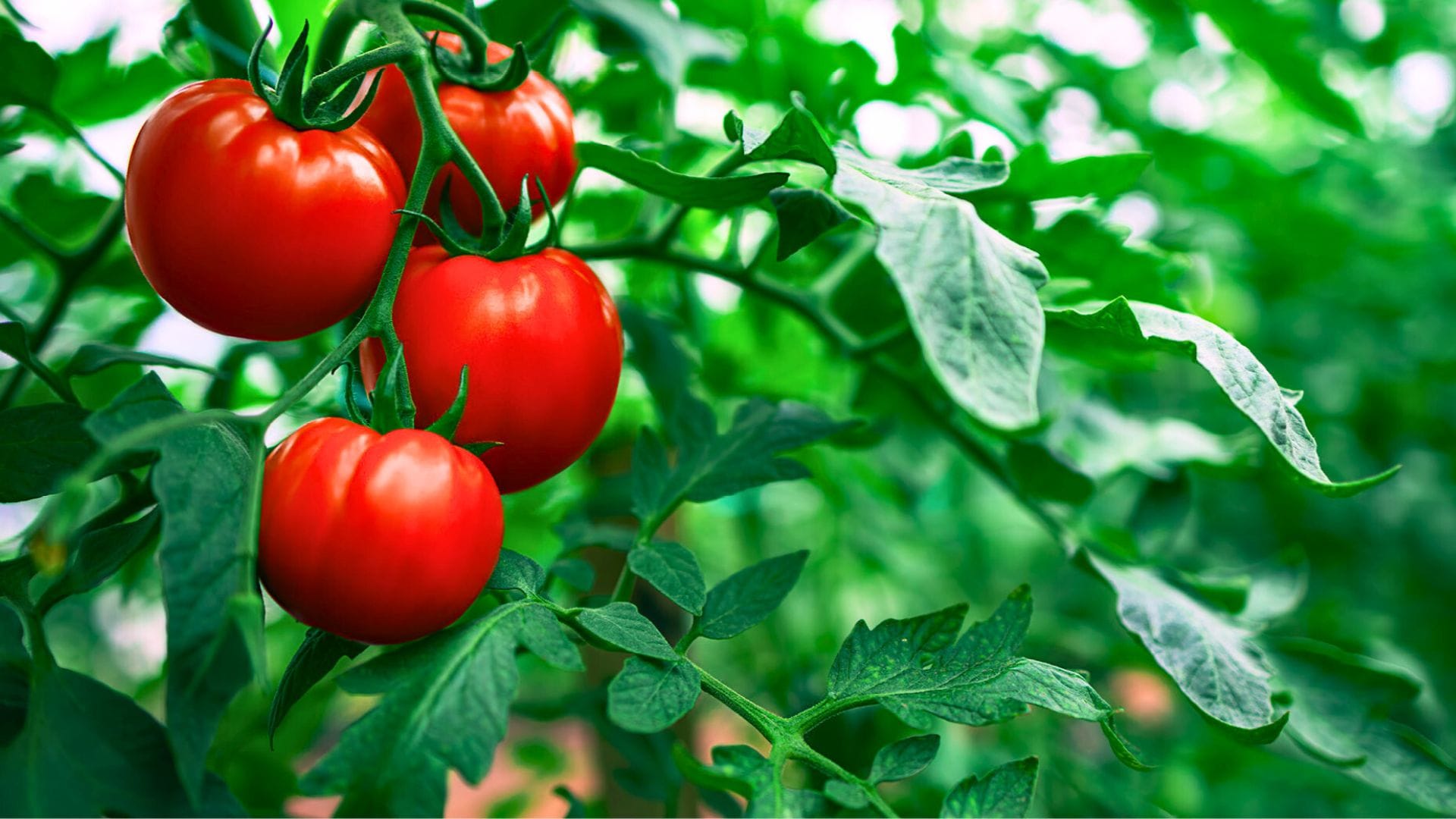
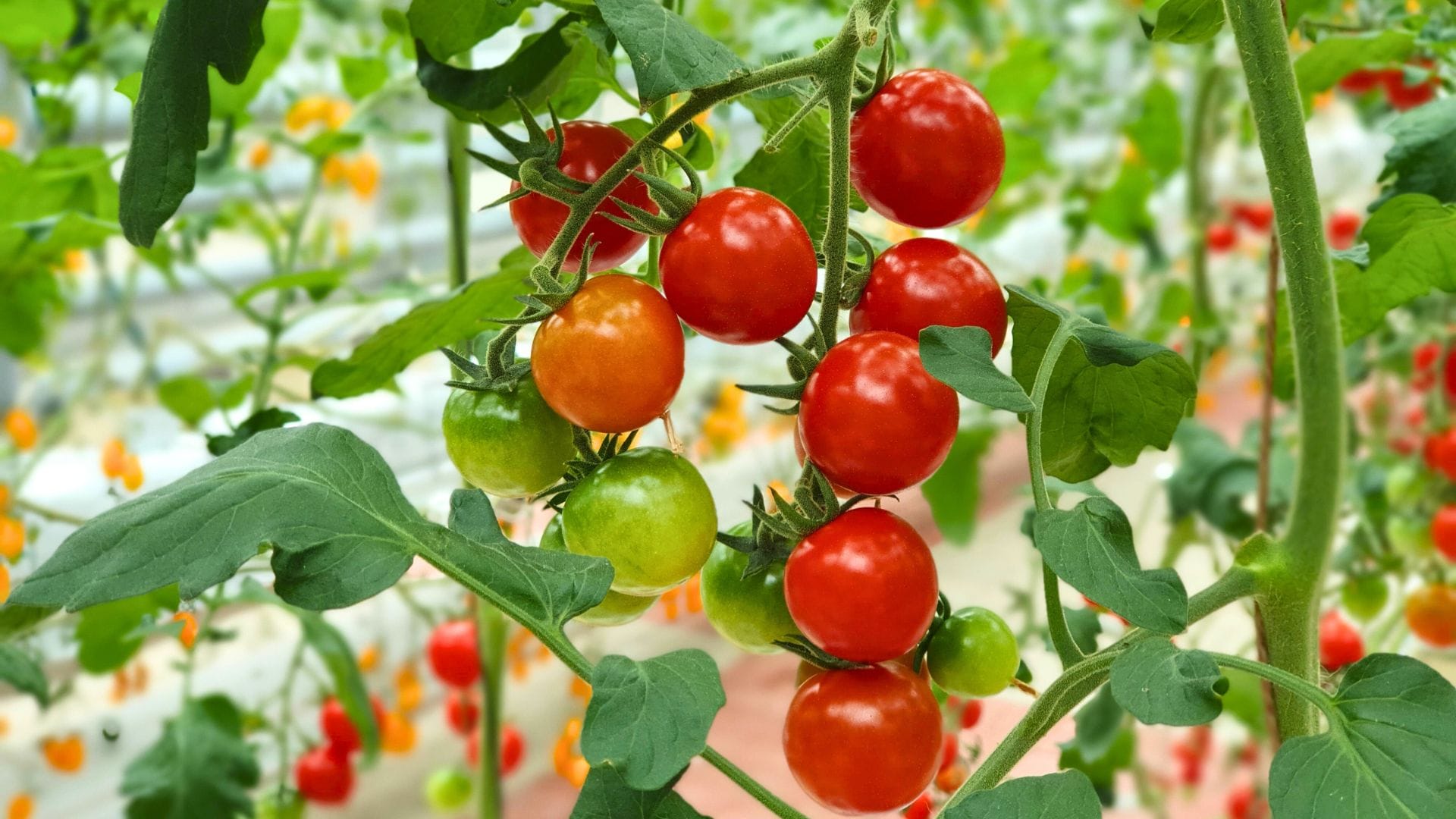
Nothing—and we mean nothing—compares to the taste of a sun-warmed, vine-ripened tomato you grew yourself. Store-bought tomatoes are picked green and artificially ripened, which explains their cardboard flavor. Your homegrown tomatoes will have complex, sweet-tart flavors that make every bite an experience. A single indeterminate tomato plant can produce 15-20 pounds of tomatoes, potentially saving you $60-80 compared to buying organic tomatoes at the store.
Tips:
- Choose disease-resistant varieties like ‘Celebrity’ or ‘Better Boy’ for reliable harvests
- Support plants with sturdy cages or stakes from day one to prevent branches from breaking under the weight of fruit
5. Spinach: The Cold-Weather Superstar
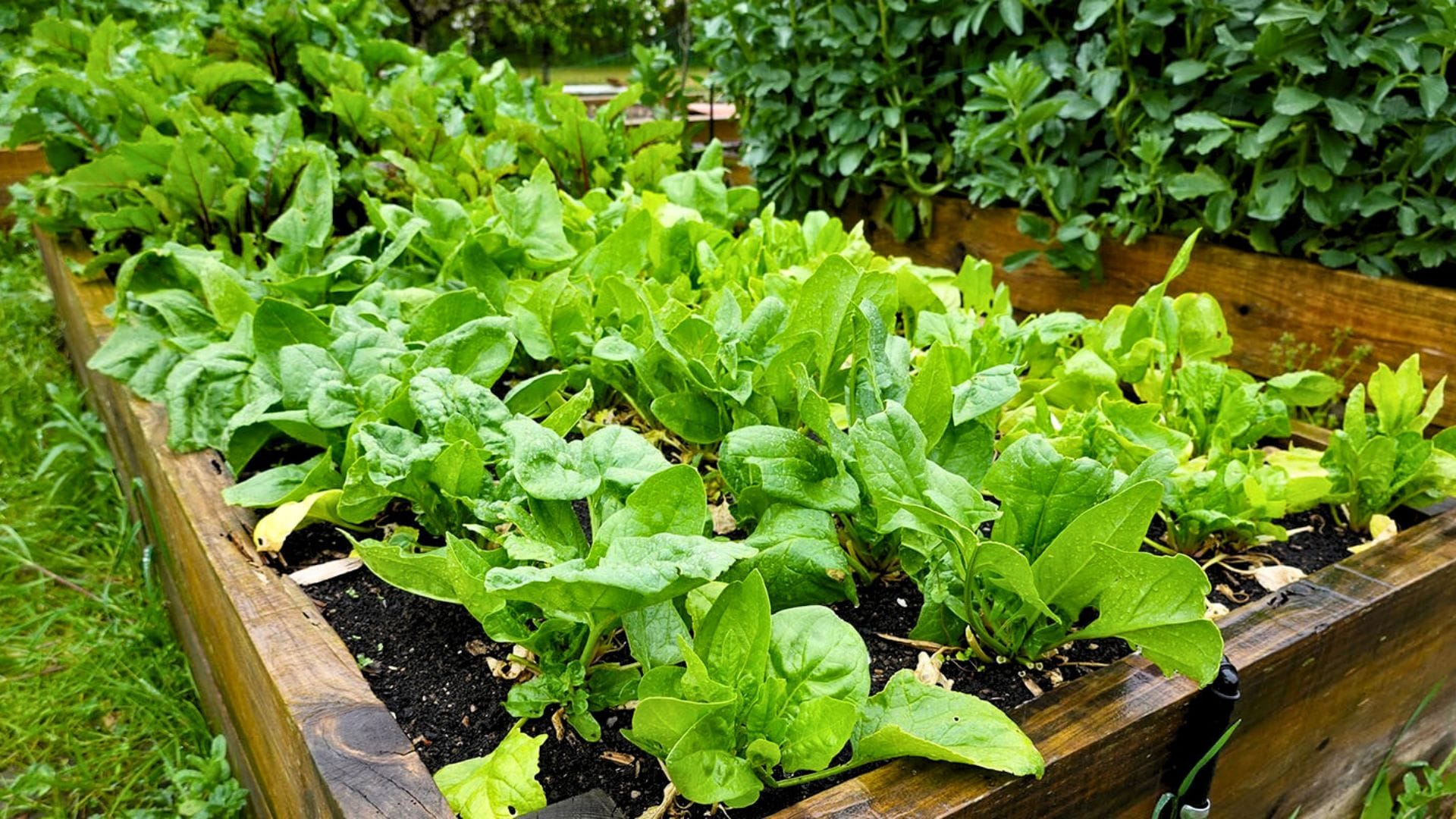
Spinach is your secret weapon for year-round growing. While other vegetables wilt in cold weather, spinach thrives in temperatures that would kill tender plants. This nutritional powerhouse is packed with iron, vitamins, and antioxidants, and grows so densely that you can harvest multiple crops from the same space. The baby leaves are perfect for salads, while mature leaves excel in cooking. One small garden bed can provide months of fresh spinach for your family.
Tips:
- Plant spinach in early spring and fall when temperatures are between 35-75°F for best results
- Harvest outer leaves first, allowing the center to continue growing for extended harvests
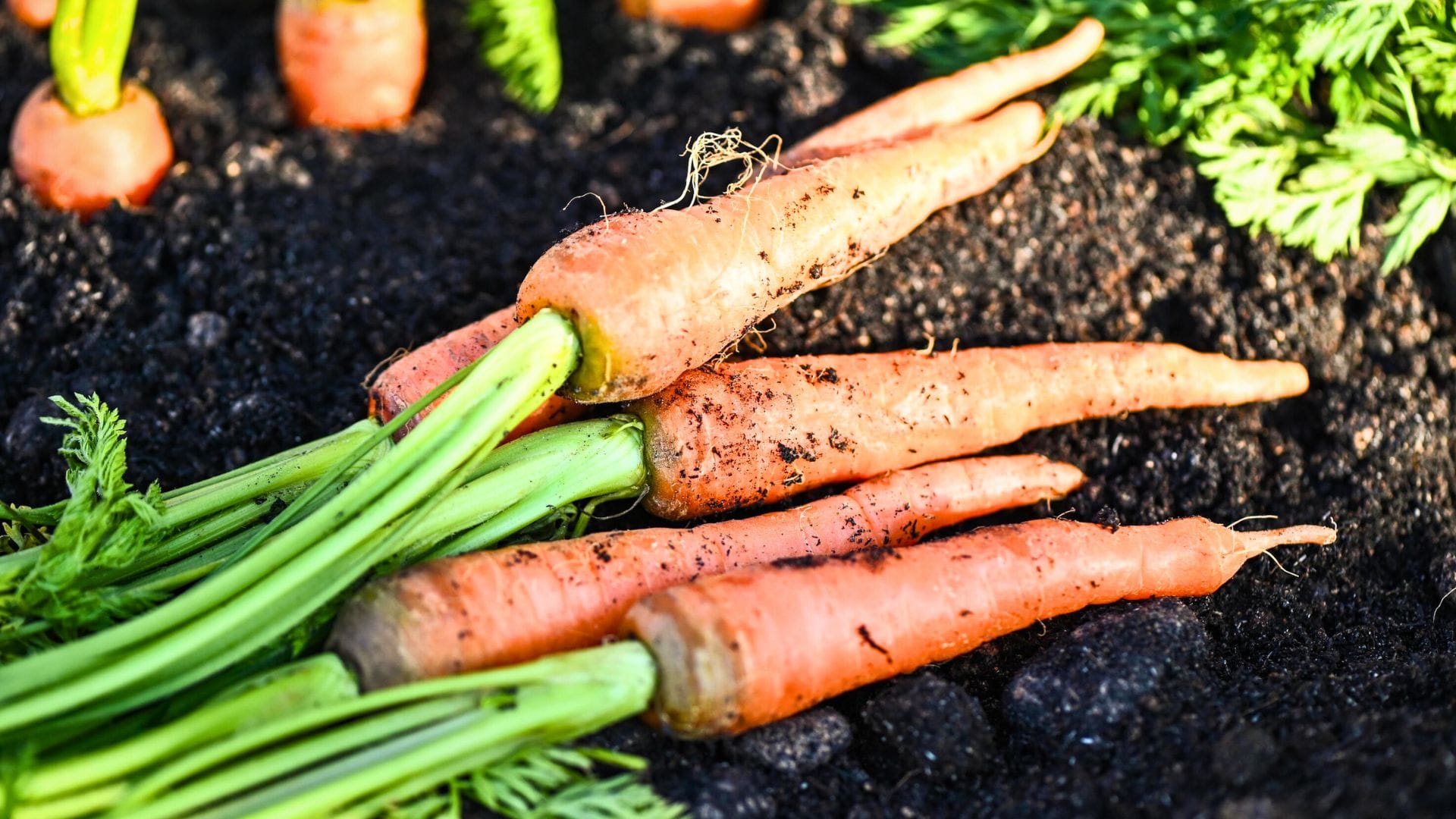
6. Carrots: The Sweet Underground Treasure
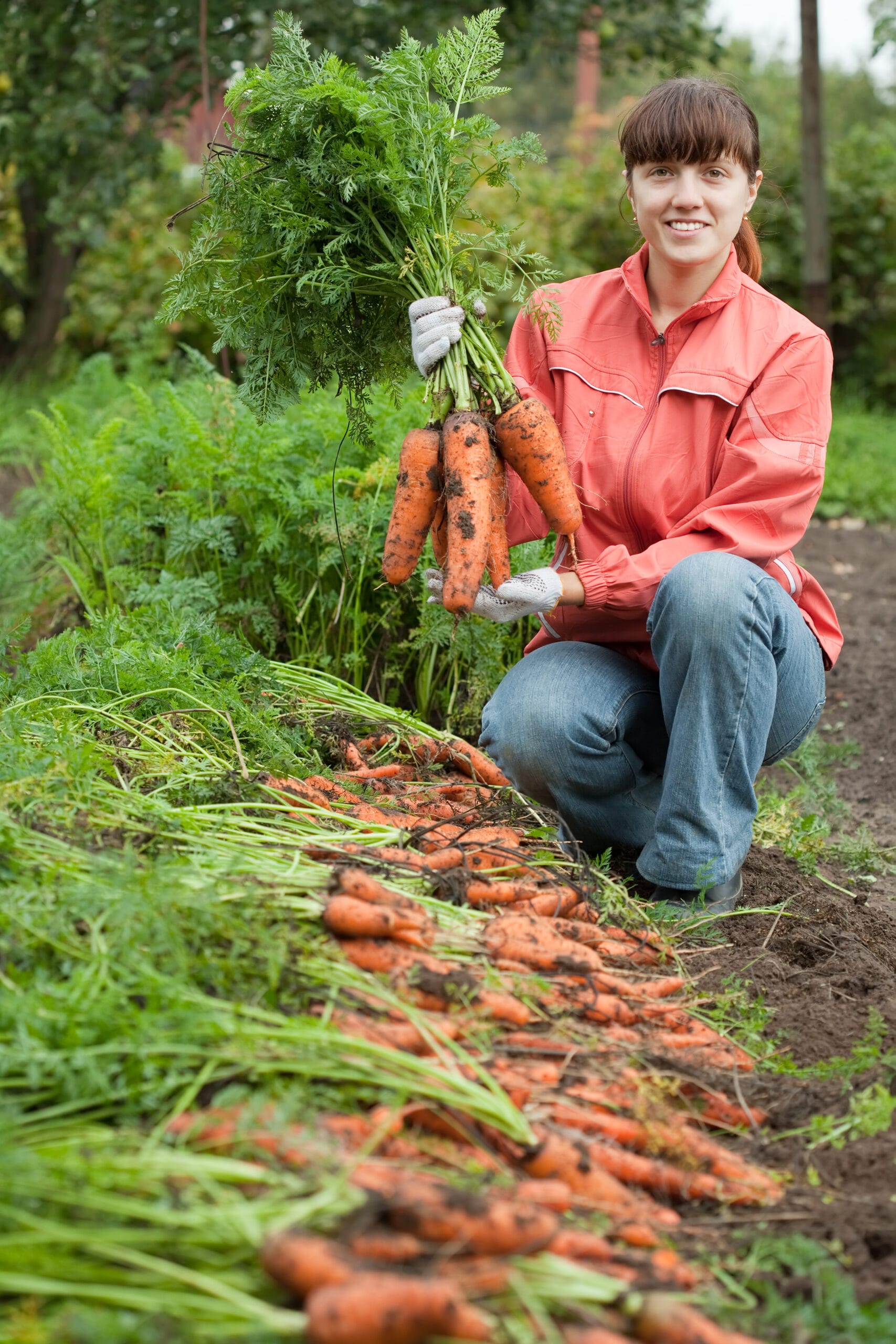
Growing carrots is like having a treasure hunt in your own backyard. You never know exactly what you’ll find when you pull them up—some perfectly straight, others charmingly twisted, but all incredibly sweet and crunchy. Homegrown carrots have concentrated flavors that make store-bought carrots taste like water. They’re also natural soil aerators, breaking up compacted earth for future crops. Choose shorter varieties like ‘Paris Market’ for clay soils, or go for long, straight types like ‘Danvers’ in loose, sandy soil.
Tips:
- Thin carrot seedlings when they’re 2 inches tall to give remaining carrots room to develop properly
- Keep soil consistently moist but not waterlogged to prevent cracking and splitting
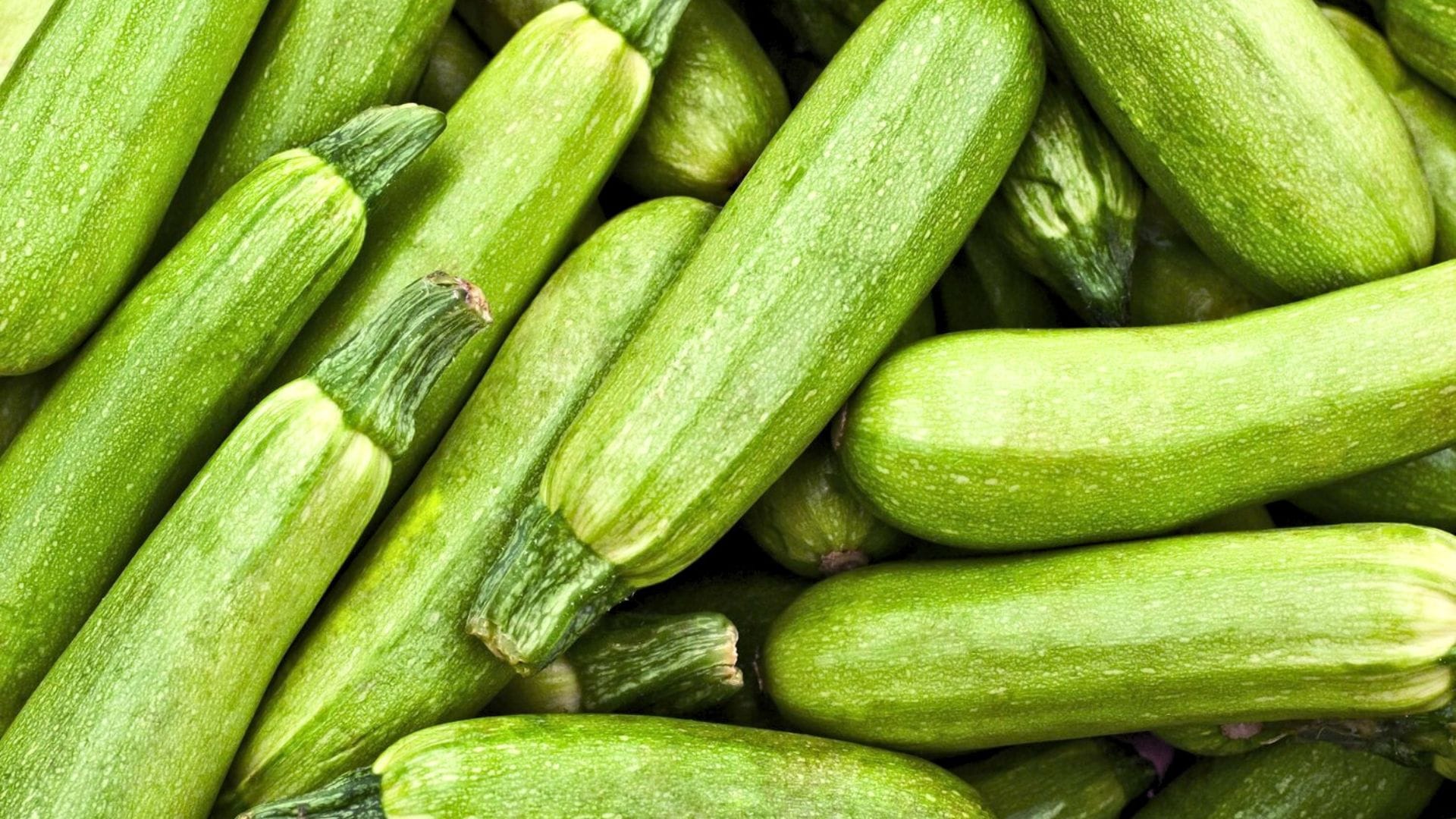
7. Zucchini: The Prolific Producer That Keeps on Giving
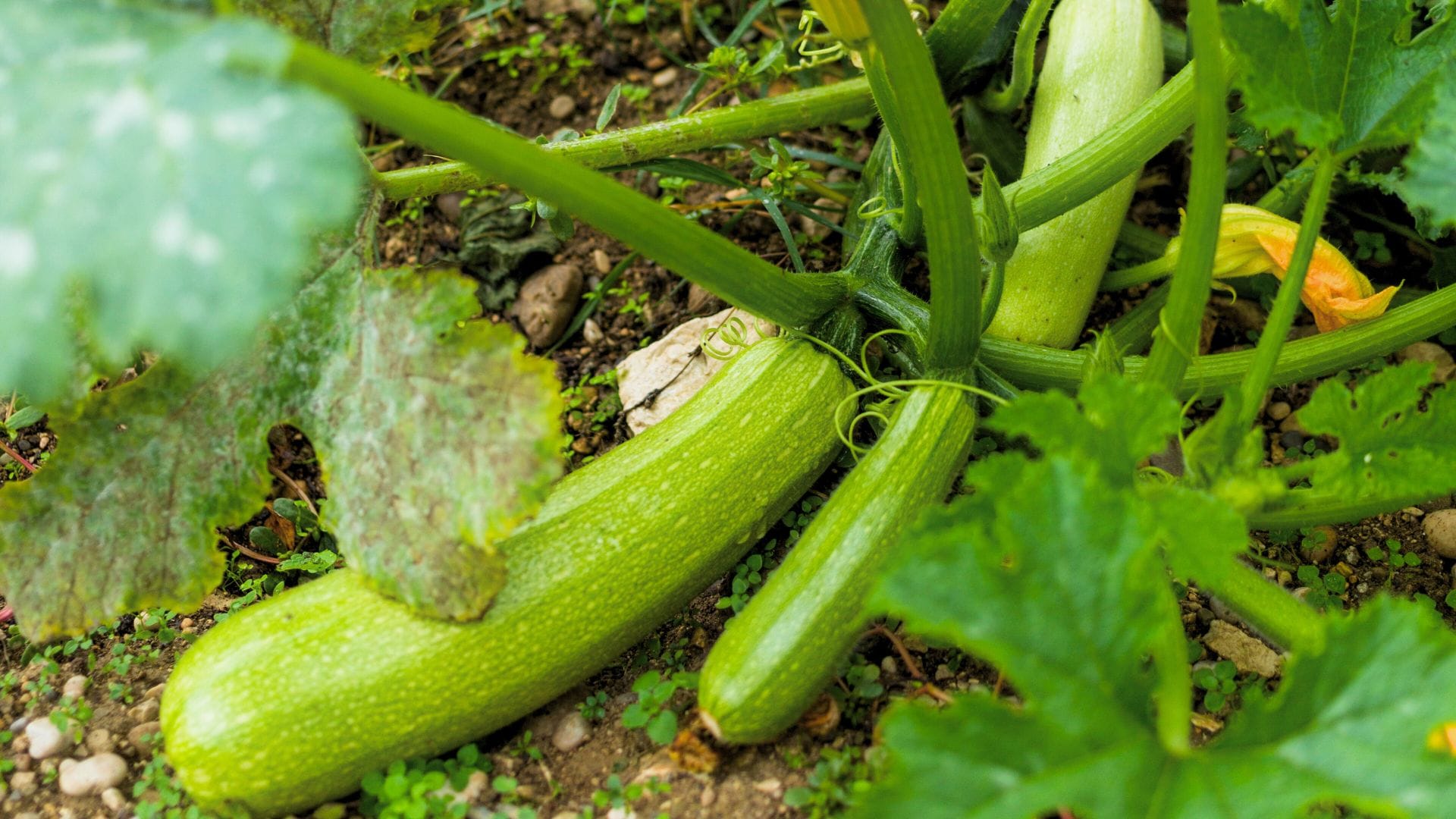
Zucchini is famous for being so productive that gardeners joke about leaving bags of it on neighbors’ doorsteps. One plant can produce 6-10 pounds of zucchini throughout the summer, providing enough for fresh eating, baking, and even preserving for winter. The tender, mild flavor of homegrown zucchini is perfect for everything from zucchini bread to grilled summer sides. Plus, both the fruits and the large, edible flowers are harvestable, giving you multiple crops from one plant.
Tips:
- Harvest zucchini when they’re 6-8 inches long for the best texture and flavor
- Check plants daily during peak season because zucchini can grow from small to oversized in just 2-3 days
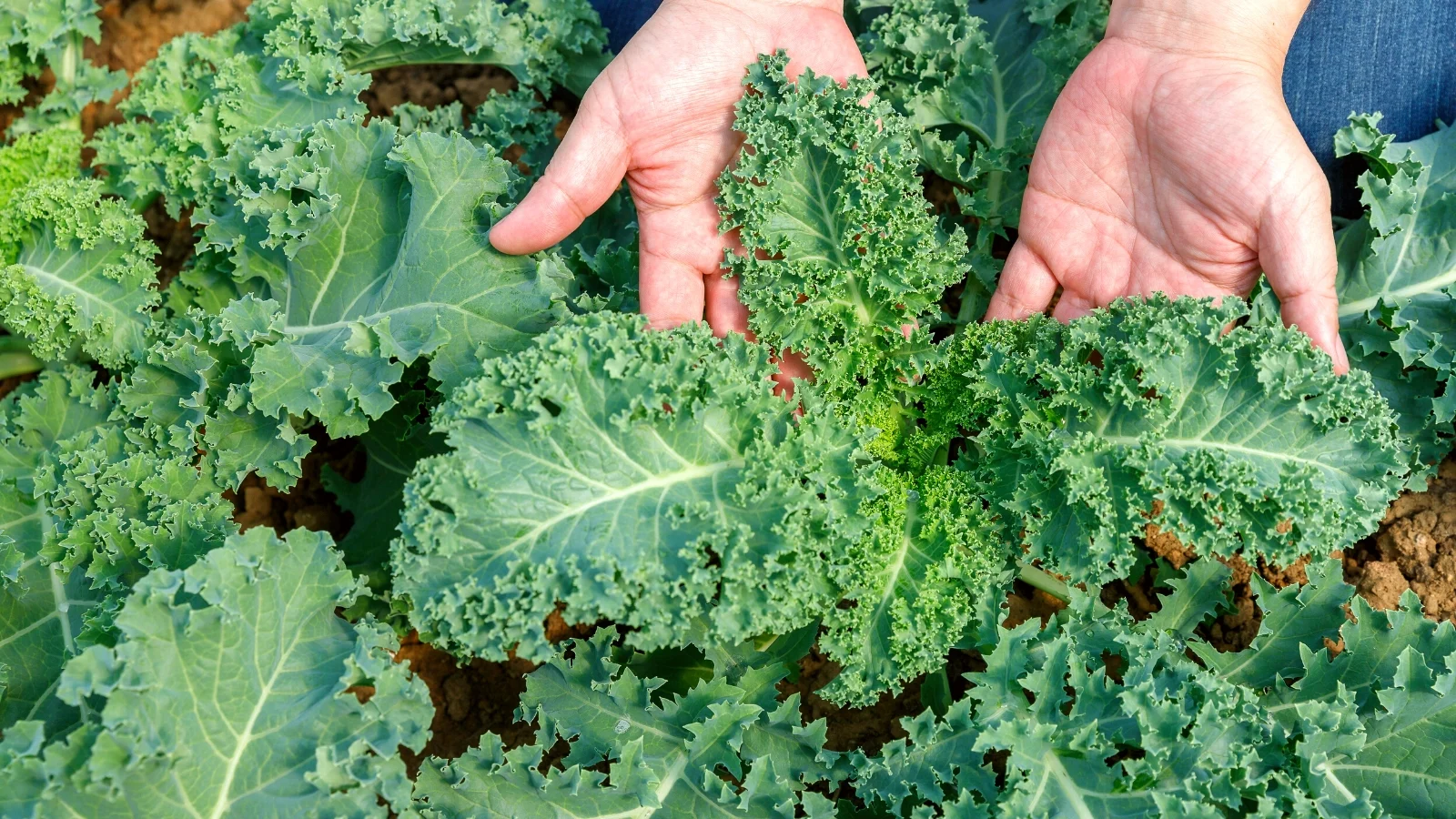
8. Kale: The Hardy Nutritional Powerhouse
Kale is the ultimate survival vegetable—it laughs at frost, keeps producing in snow, and actually tastes sweeter after cold weather. This superfood is packed with more nutrition per calorie than almost any other vegetable, and it’s incredibly versatile in the kitchen. From crispy kale chips to hearty winter soups, homegrown kale provides months of fresh greens when other vegetables have long since finished. The dinosaur kale (Lacinato) variety is particularly beautiful and delicious.
Tips:
- Harvest individual leaves from the bottom up, allowing the plant to keep producing new growth at the top
- Plant kale in late summer for winter harvests—cold weather makes the leaves sweeter and less bitter
9. Herbs: The Flavor Multipliers That Transform Every Meal
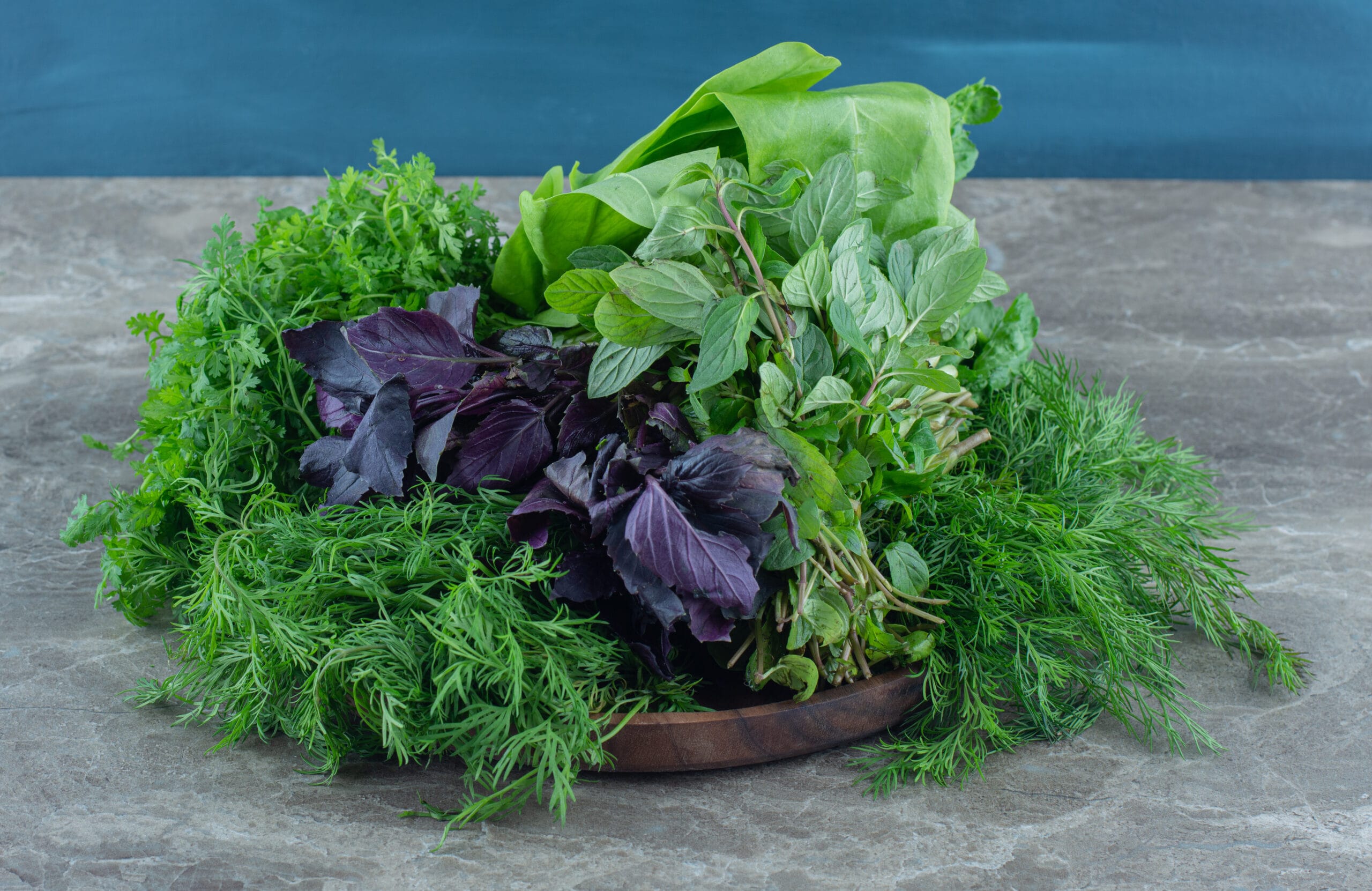
Image Description 10: A diverse herb garden with basil, parsley, cilantro, and other herbs growing in containers and ground beds, with hands harvesting fresh herbs, showing the aromatic and colorful nature of herb gardening.
Herbs are the highest-value crops you can grow in terms of cost savings per square foot. A small basil plant that costs $3 to grow can provide $30 worth of fresh basil over the season. Fresh herbs transform ordinary meals into gourmet experiences—imagine the difference between dried basil and fresh basil leaves on your homemade pizza. Start with easy-growing favorites like basil, parsley, cilantro, and oregano. These culinary powerhouses require minimal space but deliver maximum flavor impact.
Tips:
- Pinch off flower buds regularly to keep herbs producing tender leaves instead of going to seed
- Harvest herbs in the early morning after the dew dries for the most concentrated flavors and oils
Your Garden Journey Starts Now
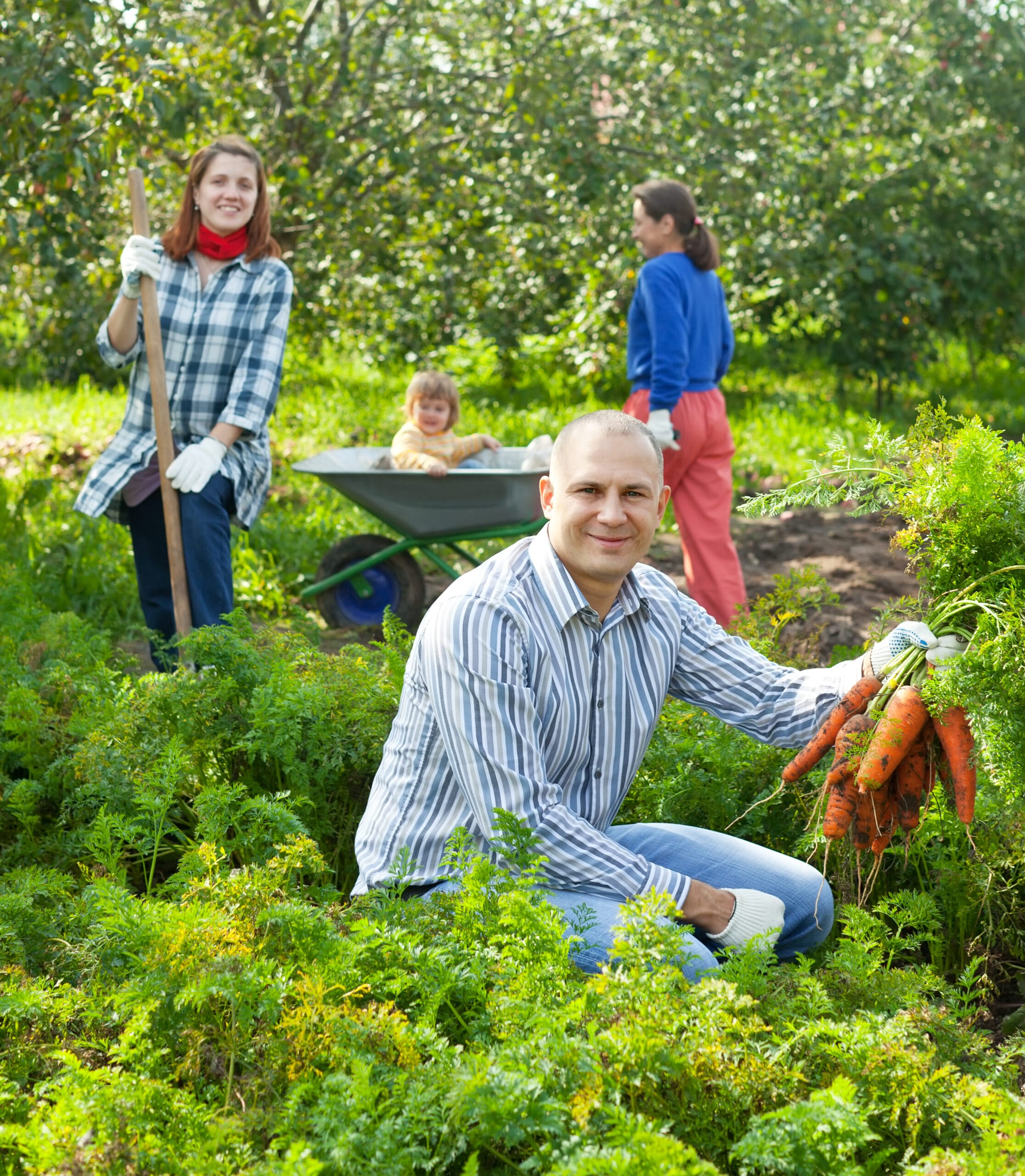
Growing your own food isn’t just about saving money—though you’ll easily save $600-1000 per year on groceries. It’s about reconnecting with your food, knowing exactly what goes into your body, and experiencing the profound satisfaction of creating something nourishing with your own hands. These nine vegetables will give you confidence, success, and incredibly delicious results that will have you planning next year’s garden before this year’s harvest is complete.
Start small, choose 2-3 vegetables that excite you most, and prepare to be amazed by what you can accomplish. Your taste buds, your wallet, and your family will thank you for taking this delicious step toward self-sufficiency.