You’re eating kale salads and drinking fortified milk. But here’s what most people miss: you might absorb only a fraction of those nutrients.
The problem? You focus on what you eat, not how you pair it. Research shows absorption can jump 200-2000% with smart combinations.
In this guide, you’ll learn 9 food pairings backed by science. These combinations boost bone strength, immune function, and overall health. Plus, you’ll get simple meal ideas you can try today.
🔬 Nutrient Absorption Power
How Food Pairings Multiply Nutrient Uptake
2000%
Black pepper increases turmeric absorption
67%
Vitamin C boosts plant-based iron absorption
79%
Americans deficient in magnesium (needed for vitamin D)
🦴 The Bone-Building Triple Threat
3 Nutrients That Work Together
Absorbs calcium
The cargo
Delivers to bones
⚡ Plant Iron Absorption Hack
The Vitamin C Solution
40%
Young US women are iron deficient
🥗 Unlock Your Salad’s Power
Why You Need Fat with Vegetables
🔗 The Vitamin D Missing Link
Why Magnesium Matters
28% → 39%
Magnesium absorption jumps with vitamin D
📋 Top 5 Easiest Pairings
Start Here Today

Why Food Pairing Matters for Your Health
Your body doesn’t absorb nutrients the same way every time. Some foods boost each other’s power when eaten together. Scientists call this nutrient synergy.
Here’s what happens: certain nutrients compete for the same absorption pathways in your gut. When you eat them together, one blocks the other. But smart pairings help instead of hurt.
The proof is dramatic. Black pepper increases turmeric absorption by 2000%. Vitamin C boosts iron absorption from plants by 67%. These aren’t small differences.
And here’s the problem: 79% of Americans don’t get enough magnesium, which your body needs to use vitamin D. Even if you take supplements, the food matrix—how nutrients sit in whole foods—changes bioavailability.
Bottom line? Pairing foods right means you actually use what you eat.
The Bone-Building Triple Threat
Taking calcium alone won’t build strong bones. Your body needs vitamin D to absorb that calcium from your gut into your bloodstream.
But there’s a third player most people forget: vitamin K2.
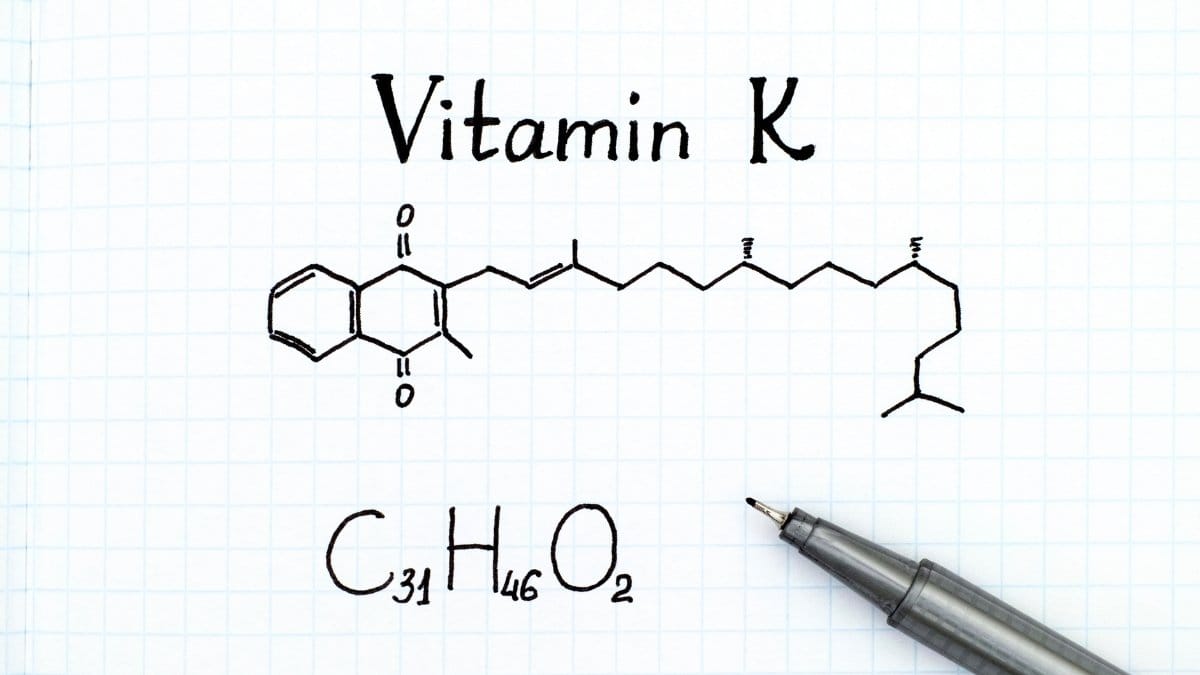
Here’s where it gets interesting. Vitamin K2 activates proteins that grab calcium from your blood and push it into your bones.
Without K2, that calcium can end up in your arteries instead of your skeleton. Research shows taking vitamins D and K together works better for bone mineral density than either one alone.
Think of it like a relay race. Vitamin D gets calcium into your blood. Vitamin K2 delivers it to your bones. Calcium is the cargo. You need all three.
Try these easy combos:
- Salmon + broccoli + wild rice
- Eggs + cheese + spinach
- Greek yogurt + kale salad
- Fortified milk + fermented foods like natto
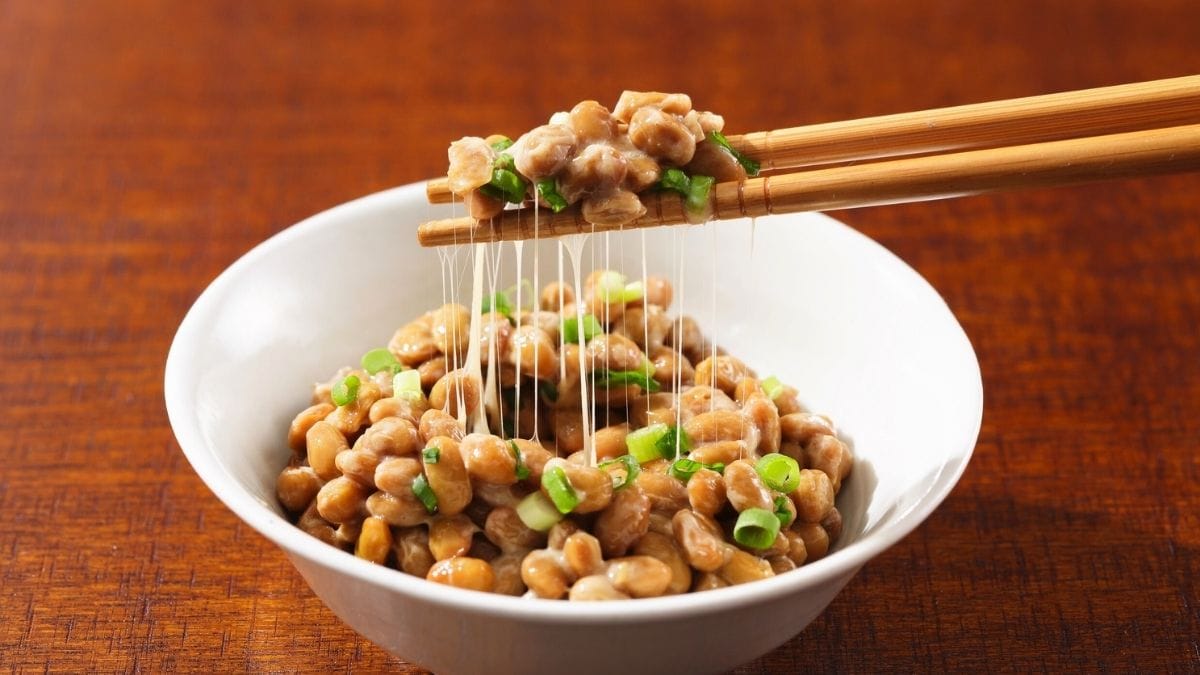
The vitamin K2 in fermented foods is especially powerful for calcium metabolism. Natto, a Japanese fermented soybean dish, has the highest K2 content of any food.
Boost Plant-Based Iron Absorption by 67%
If you eat plant-based foods for iron, you need vitamin C at the same meal.
Research shows 100mg of vitamin C increases iron absorption by 67%. That’s the difference between feeling tired and having energy.
Here’s why this matters: 40% of young women in the US are iron deficient.

Plant iron (non-heme iron) is harder for your body to absorb than meat iron. Vitamin C changes the iron into a form your intestines can grab easily.
Try these simple combos:
- Spinach salad + strawberries or mandarin oranges
- Lentil soup + squeeze of lemon juice
- Hummus + red bell peppers
- Black bean tacos + tomato salsa
- Tofu stir-fry + broccoli and red peppers
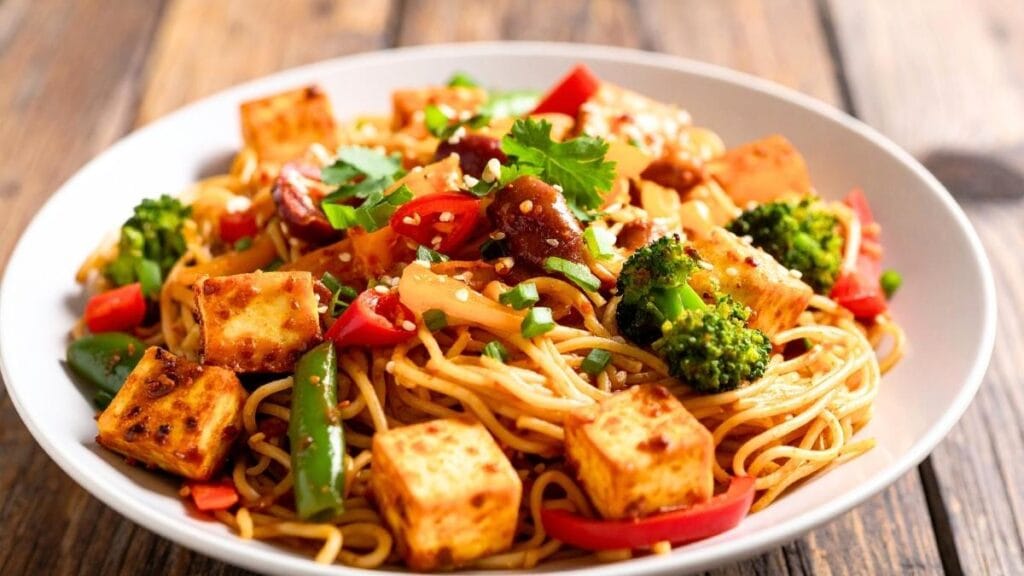
But watch your coffee and tea. The tannins in these drinks block iron absorption. Keep a 90-minute gap between your iron-rich meal and your caffeine fix.
One easy rule: add citrus or peppers to any plant-based iron source. Beans with salsa. Spinach with orange slices. Tofu with lemon. Your body will thank you.
Amplify Anti-Inflammatory Power by 2000%
Turmeric is famous for fighting inflammation. The problem? Your gut barely absorbs curcumin, the active compound in turmeric. Most of it passes right through your body unused.
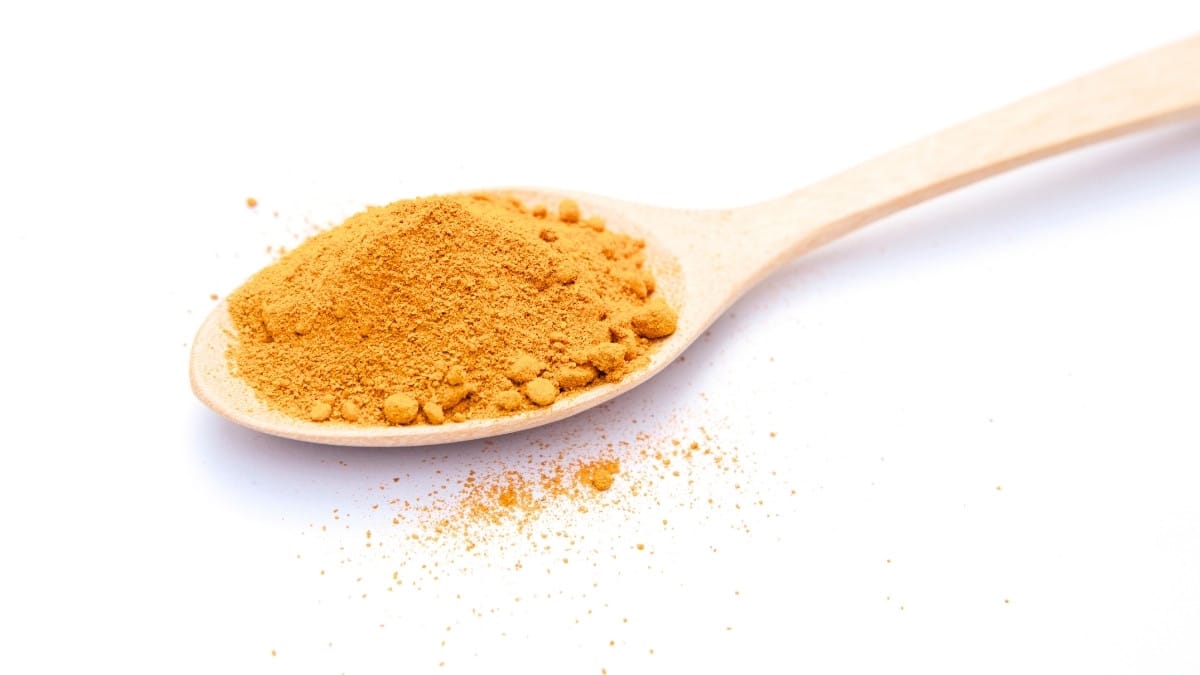
Black pepper fixes this. The piperine in black pepper boosts curcumin bioavailability by up to 2000%. That’s not a typo. One tiny pinch of pepper makes turmeric twenty times more powerful.
This matters for real health benefits. Curcumin helps with arthritis pain, kidney health, and reducing inflammation throughout your body. But only if you actually absorb it.
Easy ways to pair them:
- Golden milk (turmeric latte) with a pinch of pepper
- Turmeric roasted vegetables with cracked pepper
- Curry dishes (they naturally include both)
- Turmeric scrambled eggs with pepper
- Smoothies with turmeric and black pepper

You won’t taste the pepper in most dishes. Just a small pinch does the job. Add it to anything with turmeric, and your body gets twenty times more anti-inflammatory benefits.
Pro tip: grind fresh pepper for maximum piperine content.
Unlock Vitamins from Your Vegetables
That plain salad you’re eating? You’re missing most of its vitamins.
Vitamins A, D, E, and K need fat to enter your bloodstream. Without it, they pass through your body unabsorbed.
Research proves this matters. Adding oil to salad vegetables boosts absorption of seven different nutrients, including carotenoids and vitamin E. Even better:
twice the oil means twice the absorption. This helps prevent cancer and protects your eyesight.

Your body absorbs these vitamins in the small intestine using bile and dietary fat. No fat equals no absorption. It’s that simple.
Good news: you don’t need much fat. Just 5-10 nuts, a handful of seeds, or a few bites of avocado does the job. The relationship is proportional—more fat equals more vitamin bioavailability.
Easy combinations:
- Kale salad + olive oil dressing + avocado
- Carrots + hummus (tahini has fat)
- Sweet potato + butter or olive oil
- Tomato salad + olive oil
- Any veggie + nuts or seeds
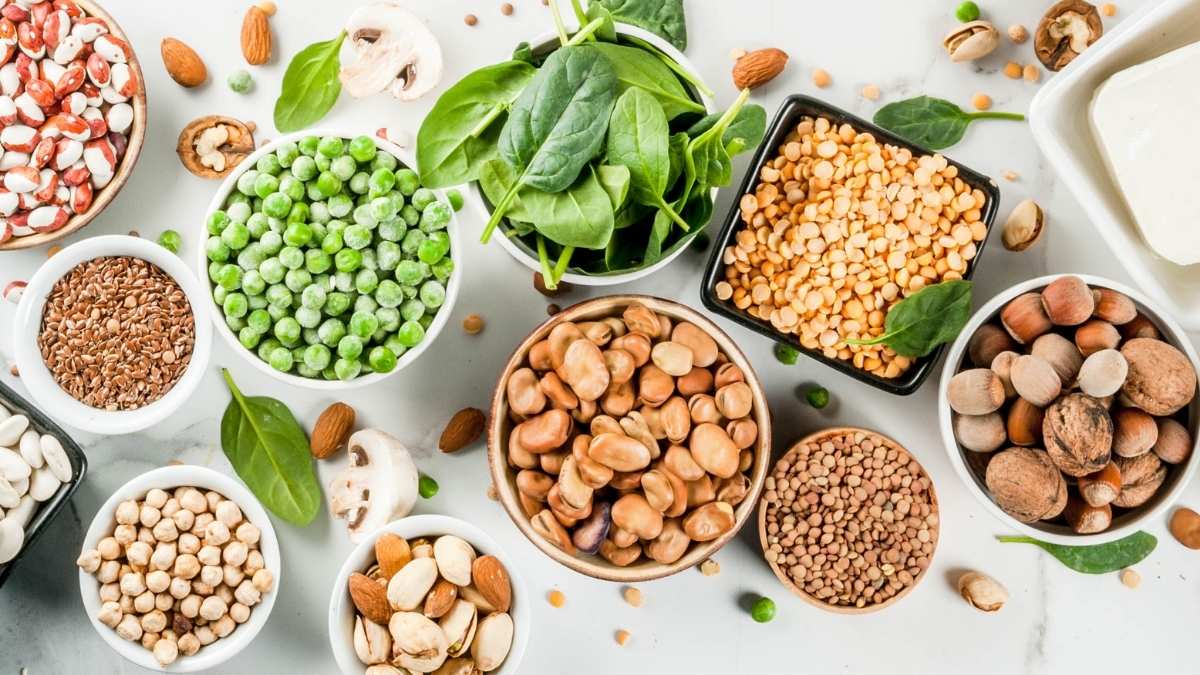
Best fat sources: avocado, olive oil, nuts, seeds, and nut butters. Add one to every meal with vegetables, and you’ll actually absorb those fat-soluble vitamins.
The Missing Link in Vitamin D Effectiveness
You’re taking vitamin D but still feel deficient? You might be missing magnesium. The enzymes that activate vitamin D in your body need magnesium to work.
Without enough magnesium, your vitamin D just sits there unused.
Here’s the science: magnesium deficiency causes vitamin D resistance.
Research shows that taking magnesium and vitamin D together raises your vitamin D levels better than taking vitamin D alone.
Even more interesting—magnesium absorption jumps from 28% to 39% when you increase vitamin D intake.
But there’s a catch. Taking large doses of vitamin D can drain your magnesium stores. That’s why you need both minerals from food, not just one in a pill.
Smart food pairings:
- Salmon + spinach or Swiss chard
- Fortified milk + almonds or pumpkin seeds
- Fatty fish + dark leafy greens + avocado
- Egg yolks + whole grain toast + banana
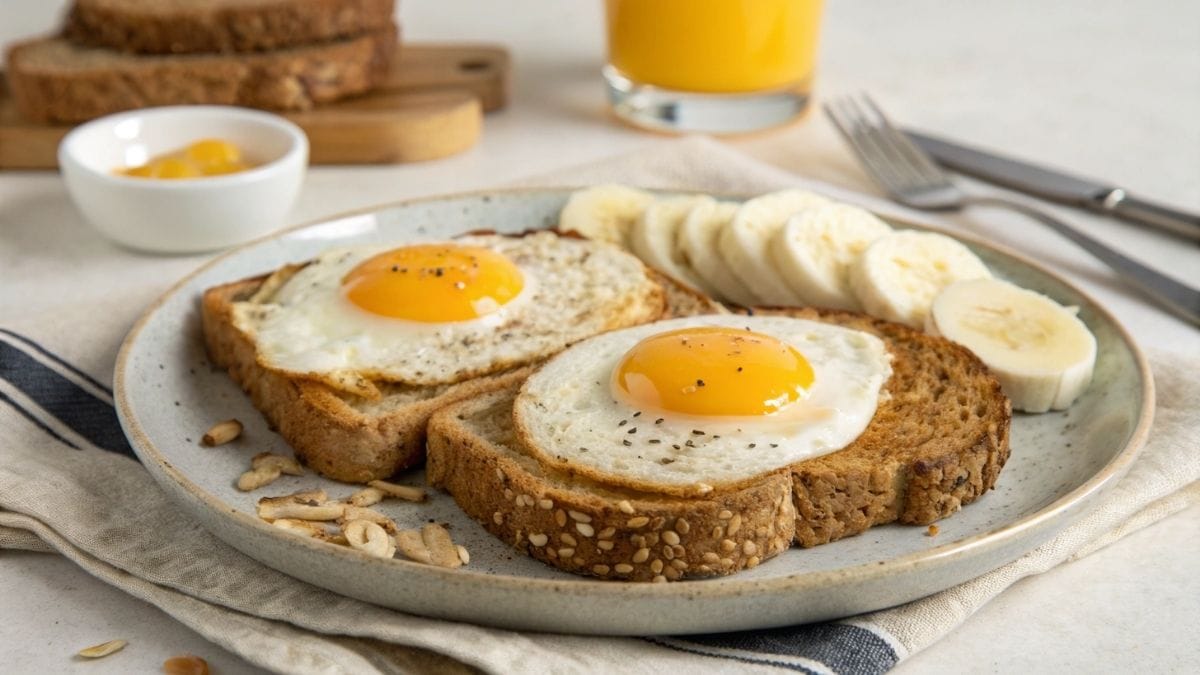
Best magnesium sources: dark leafy greens, nuts, seeds, whole grains, legumes, and dark chocolate. Add these to your vitamin D-rich meals for bone health and proper vitamin D metabolism.
If your vitamin D test stays low despite supplements, check your magnesium intake.
Enhance Cancer-Fighting Lycopene Absorption
Tomatoes fight cancer, but only if you prepare them right. Lycopene is the antioxidant that protects your cells from damage. Research shows it may help prevent prostate cancer. But your body can’t absorb lycopene without fat.
Olive oil solves this problem. Healthy fats improve lycopene uptake dramatically. When you cook tomatoes with olive oil, you get a double benefit—heat breaks down tomato cell walls, releasing more lycopene, while oil helps your body absorb it.
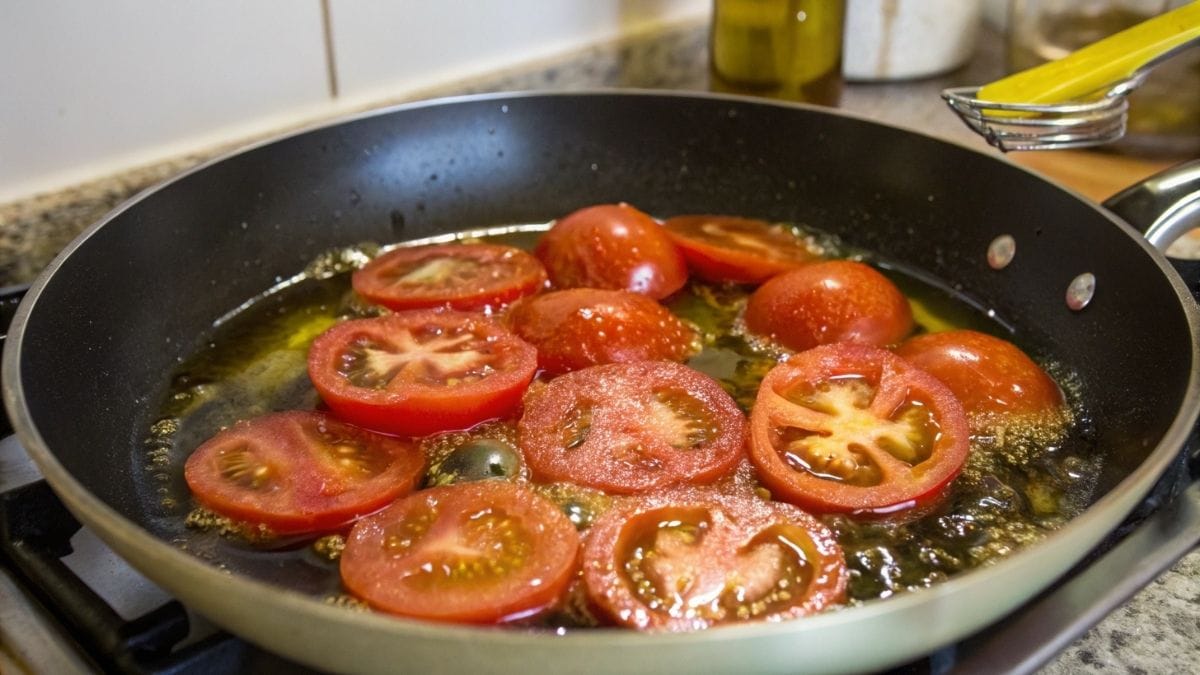
Raw tomatoes without fat? You’re missing most of the benefits. Cooked tomatoes with oil deliver far more absorbable lycopene.
Simple ways to pair them:
- Tomato sauce with olive oil
- Roasted tomatoes drizzled with oil
- Tomato and avocado salad
- Bruschetta with olive oil
- Tomato soup with an olive oil swirl
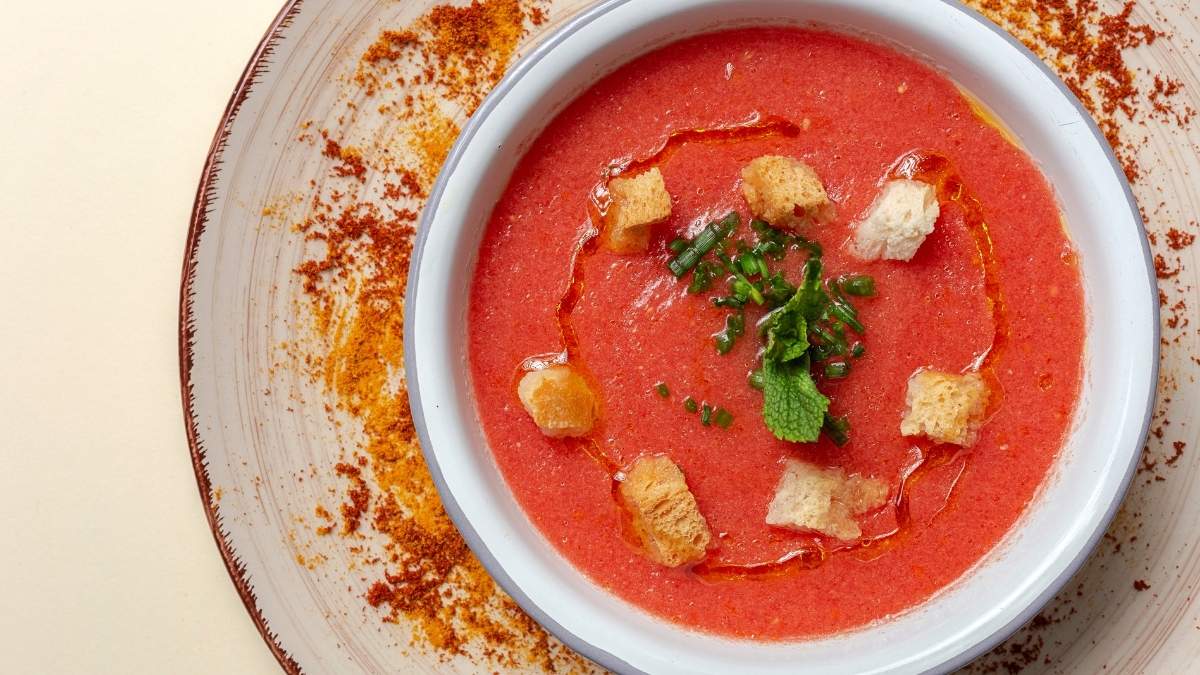
- The best approach: cook your tomatoes and add fat. Marinara sauce, roasted cherry tomatoes, or tomato soup all work. Just don’t skip the olive oil or avocado.
Feed Your Gut for Better Nutrient Absorption
Your gut controls how much nutrition you actually get from food. Even perfect food pairings fail if your digestive system can’t absorb them. That’s where probiotics and prebiotics come in.
Yogurt gives you probiotics—the good bacteria.
Bananas and berries provide prebiotics—the fiber those bacteria eat. When you pair them, you’re feeding your gut microbiome. A healthy gut doesn’t just help digestion.
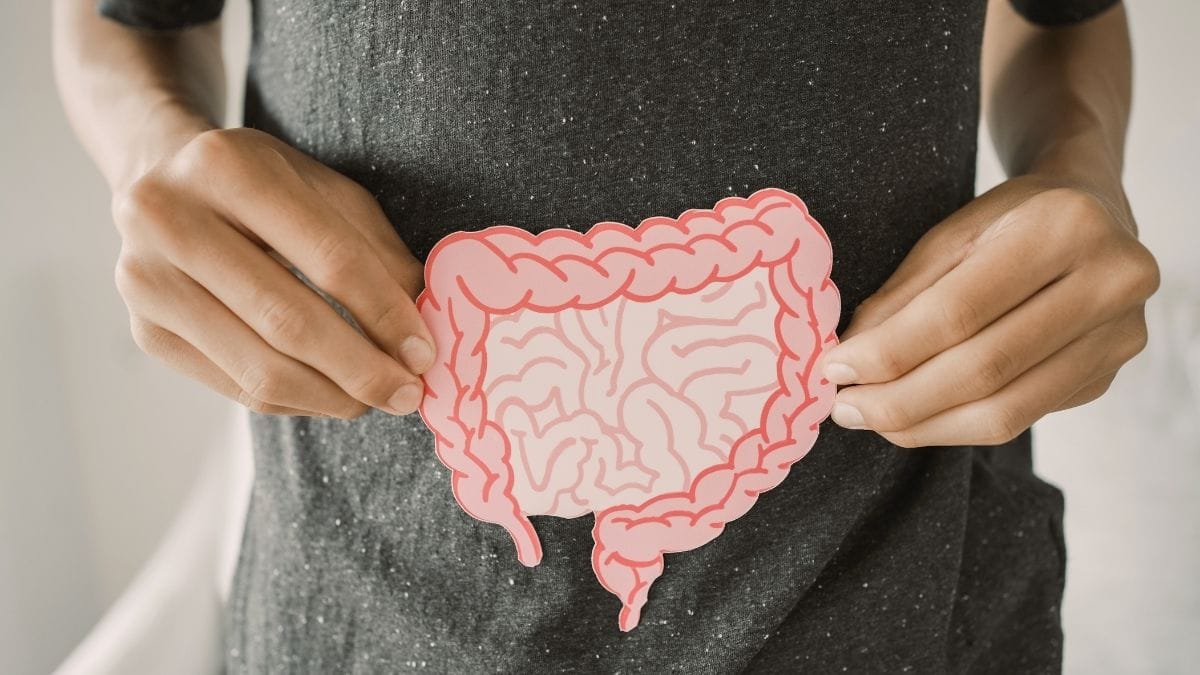
It affects your brain function, mood, and ability to absorb every nutrient you eat.
Berries add extra benefits. They contain polyphenols (antioxidants) that work with probiotics to improve digestive health. Slightly underripe bananas have resistant starch, which is especially good for gut bacteria.
Easy probiotic-prebiotic combos:
- Greek yogurt + banana slices
- Yogurt parfait + berries and chia seeds
- Kefir smoothie + banana and blueberries
- Yogurt bowl + banana and walnuts
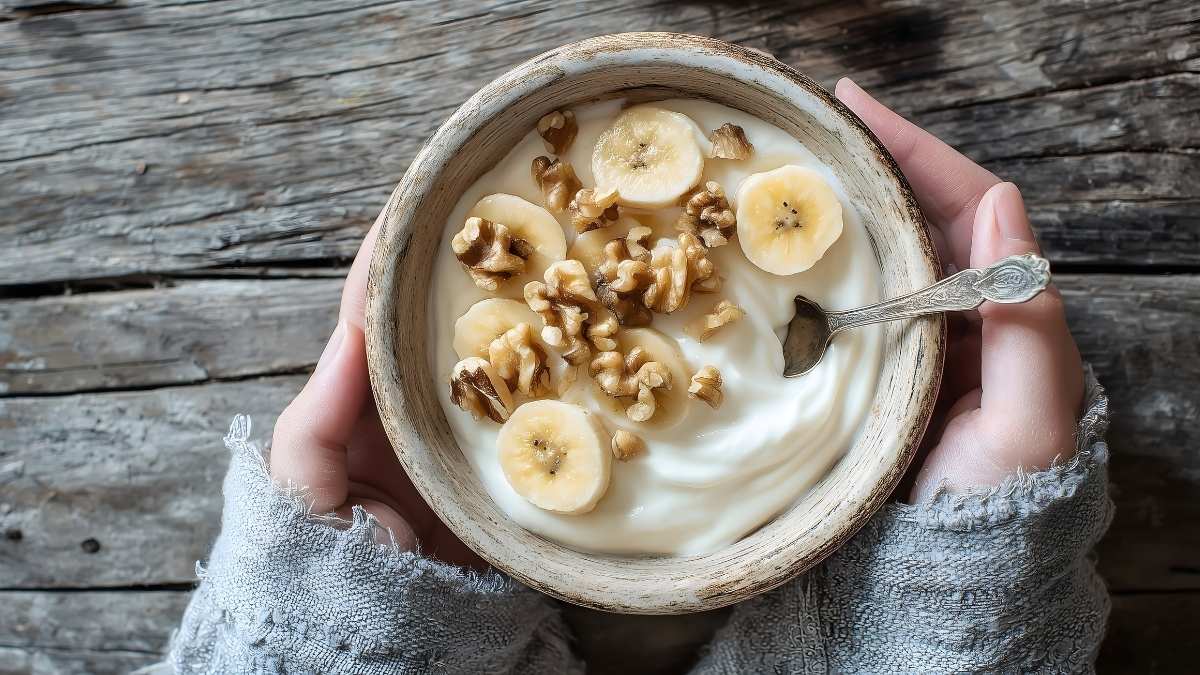
More prebiotic sources: apples, oats, garlic, onions, and Jerusalem artichokes. Add any of these to your yogurt or kefir.
Bottom line: gut health is the foundation. Fix your microbiome first, and all other nutrient pairings work better.
Enhance Calcium Absorption for Stronger Bones
You don’t need dairy to build strong bones. Plant foods like broccoli, kale, and tofu provide calcium.
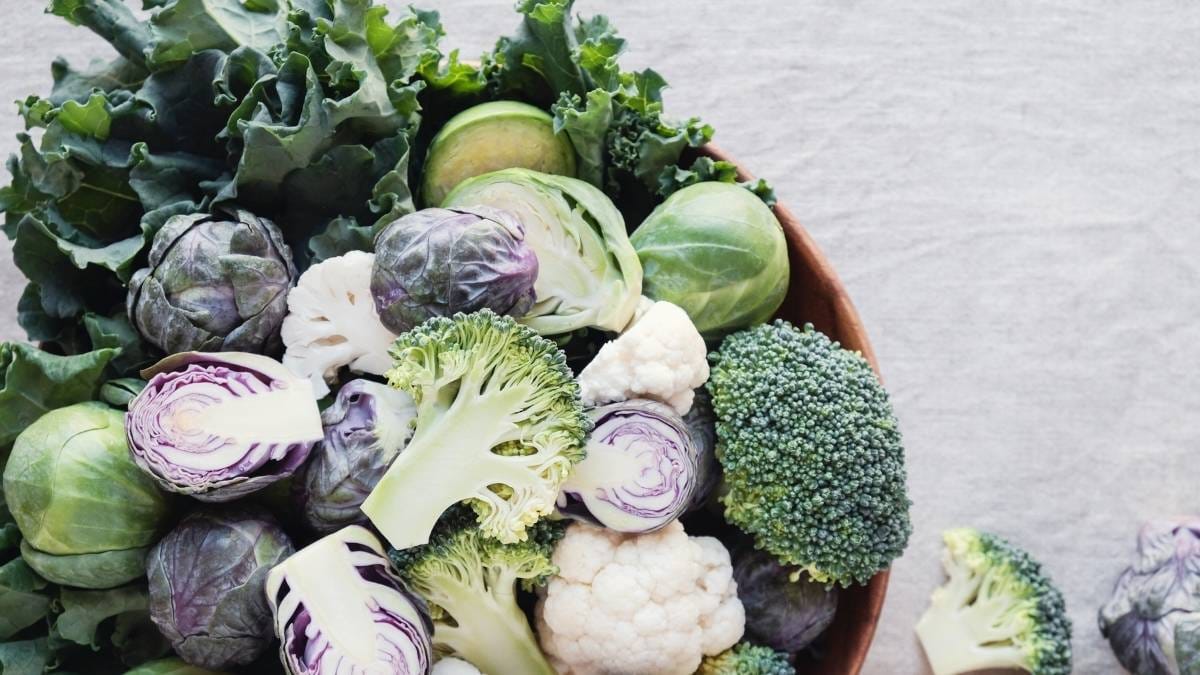
But pairing them with inulin-rich foods helps your body absorb that calcium better.
Inulin is a prebiotic fiber found in garlic, onions, asparagus, and leeks. When it ferments in your gut, it creates the perfect environment for calcium absorption. This boosts calcium bioavailability and supports bone health.
The benefit? You can skip dairy and still get enough calcium. Plant-based calcium sources work great when paired with inulin.
Simple food combos:
- Broccoli stir-fry with garlic and onions
- Bok choy and asparagus sauté
- Kale soup with leeks and onions
- Tofu scramble with garlic
- Collard greens with caramelized onions
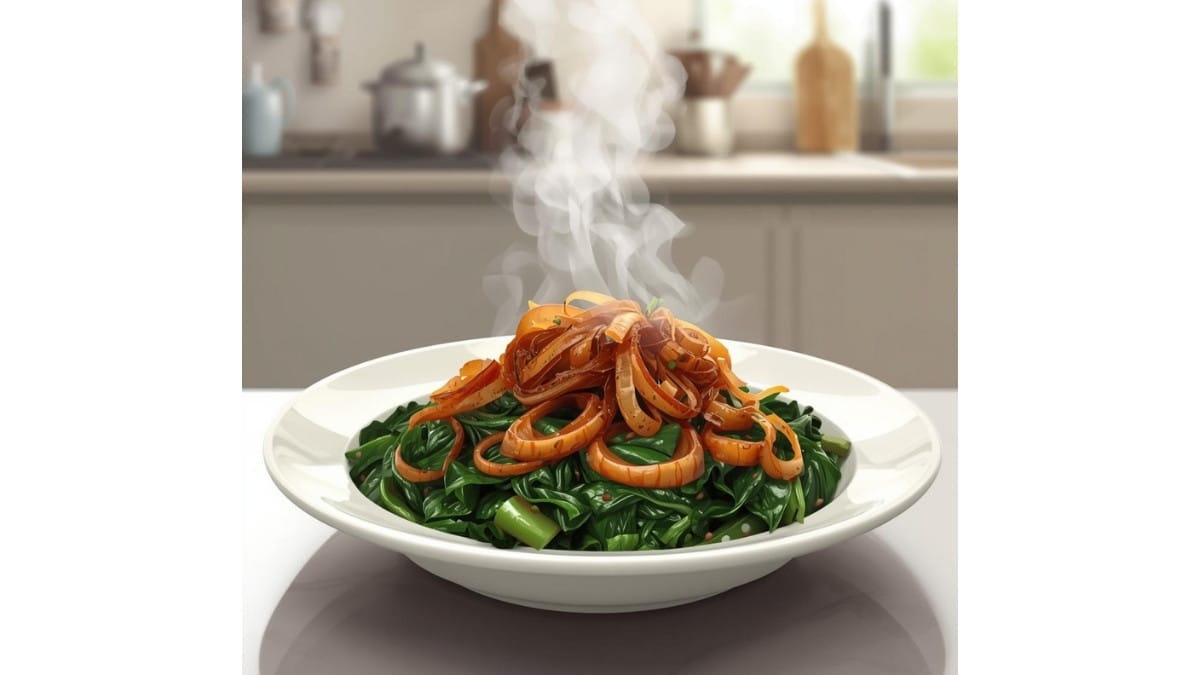
Best calcium sources: broccoli, kale, bok choy, collard greens, calcium-set tofu, and fortified plant milks. Best inulin sources: garlic, onions, leeks, asparagus, and Jerusalem artichokes.
Pro tip: cook your greens with garlic and onions. It’s an easy way to combine calcium and inulin in one dish.
Balance Mineral Intake to Prevent Absorption Interference
This pairing is different—it’s about what NOT to do. Zinc and copper compete for the same absorption site in your gut. When you take too much zinc (over 40mg daily), it blocks copper absorption by up to 40%.
The ideal zinc-to-copper ratio is 8:1. Too much of either mineral causes problems. Excess zinc leads to copper deficiency and weakened immunity. Too much copper depletes your zinc stores.
Your best strategy? Eat foods that contain both minerals. Shellfish, nuts, seeds, whole grains, and legumes naturally provide balanced amounts.
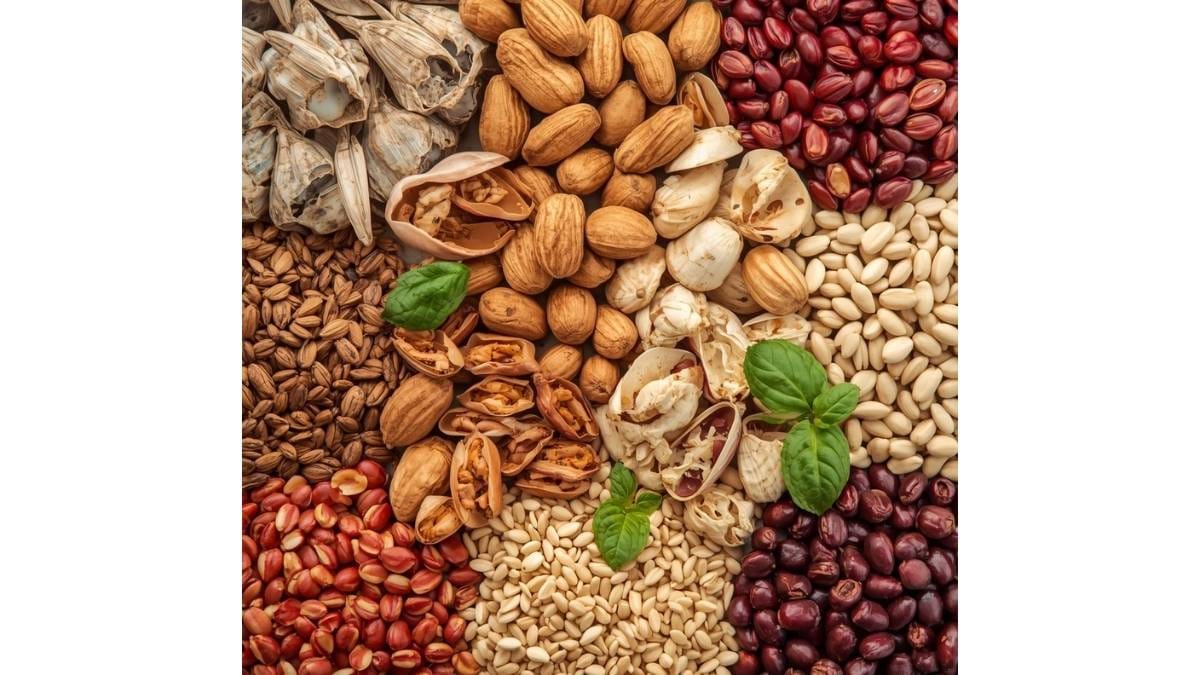
Your body handles whole food minerals better than isolated supplements.
Smart eating approach:
- Oysters, crab, and other shellfish
- Cashews, almonds, and other nuts
- Pumpkin seeds and sunflower seeds
- Whole grains and legumes
Timing matters too. Space out mineral-rich meals throughout the day. Don’t take high-dose zinc supplements with copper-rich foods.
Best practice: eat variety throughout the week. Don’t megadose on any single mineral source. Let whole foods provide the balance your body needs for proper trace mineral absorption.
How to Start Using Food Pairings Today
Don’t try to do everything at once. Pick 2-3 pairings that fit how you already eat. Small changes add up over time for better nutrient absorption.
Focus on variety and balance, not perfection. Whole foods naturally contain nutrient synergies. You’re just making them work harder for you.
Your Daily Framework
Breakfast options:
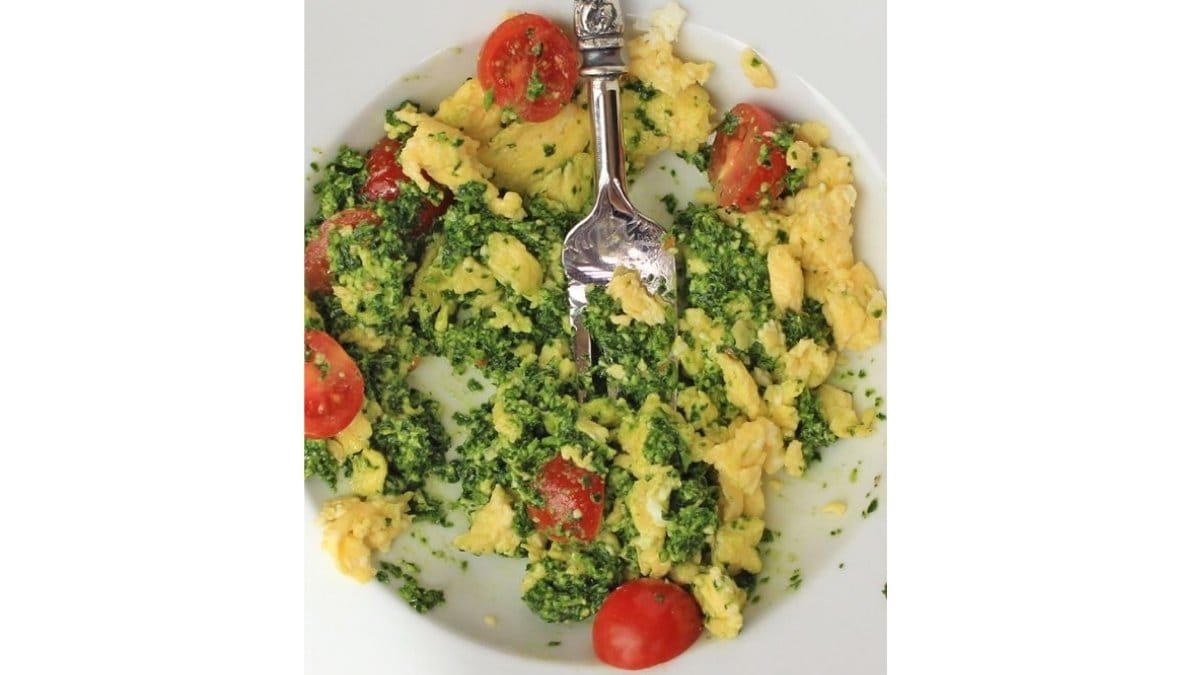
- Eggs + spinach + tomatoes cooked in olive oil (vitamin D, iron, vitamin C, healthy fats)
- Greek yogurt + berries + walnuts
- Oatmeal + banana + almonds
Lunch options:
- Large salad with bell peppers + chickpeas + olive oil dressing + seeds
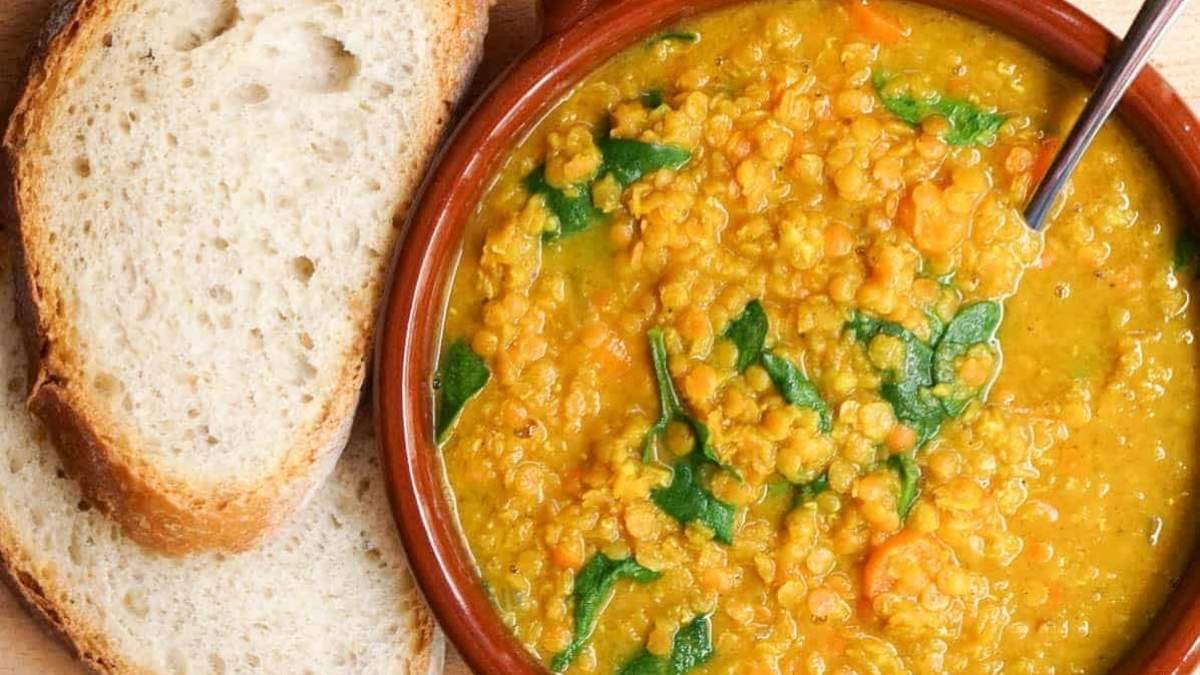
- Lentil soup with lemon squeeze + whole grain bread
- Salmon bowl + quinoa + broccoli + avocado
Dinner options:
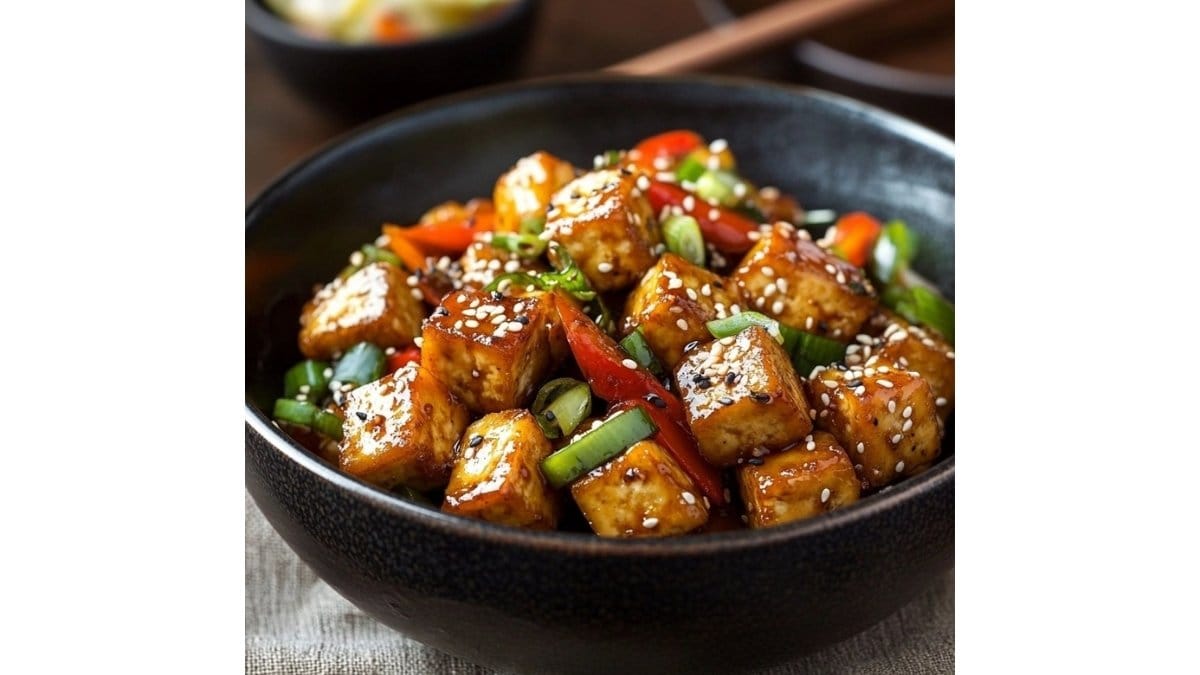
- Tofu stir-fry + garlic + bok choy + sesame oil
- Baked salmon + roasted vegetables with olive oil + wild rice
- Black bean tacos with salsa, avocado, and lime
Snacks that work:
- Carrots + hummus
- Apple slices + almond butter
- Kale chips with turmeric and black pepper
- Greek yogurt + slightly green banana
Make It Easy on Yourself
Prep on weekends. Cook base ingredients like grains, roasted vegetables, and proteins. Then mix and match during the week.
Keep these stocked: olive oil, avocados, nuts, citrus fruits, bell peppers, tomatoes, turmeric, and black pepper.
One simple rule: add a healthy fat to every vegetable. Olive oil on salads. Avocado with greens. Nuts with fruit. This one habit boosts absorption of vitamins A, D, E, and K.
Start with the pairings you’ll actually use. If you eat eggs for breakfast, add spinach. If you love salads, use olive oil dressing. Build from your current habits.
Lastly:
Smart food pairings boost nutrient absorption by 67% to 2000%. That’s the difference between wasting nutrition and actually using it.
Focus on the bone-building trio first: vitamin D + calcium + vitamin K. Add healthy fats to vegetables. Support your gut health. Balance your minerals.

Pick one pairing this week. Add olive oil to tomato sauce. Squeeze lemon on spinach. Grind black pepper into turmeric. Small changes create real results.
These food combinations for nutrient absorption turn every meal into better bone health nutrition. You’re not just eating healthy—you’re eating smart.
Start small. Build gradually. Your body will show you it’s working.