Your morning oatmeal could be doing more than filling you up—it might be actively lowering your cholesterol right now.
High cholesterol affects about 11.3% of U.S. adults. It’s a major cause of heart disease and stroke.
You’ve probably seen endless advice about foods that lower cholesterol. But which ones actually work? And how much do you need to eat?
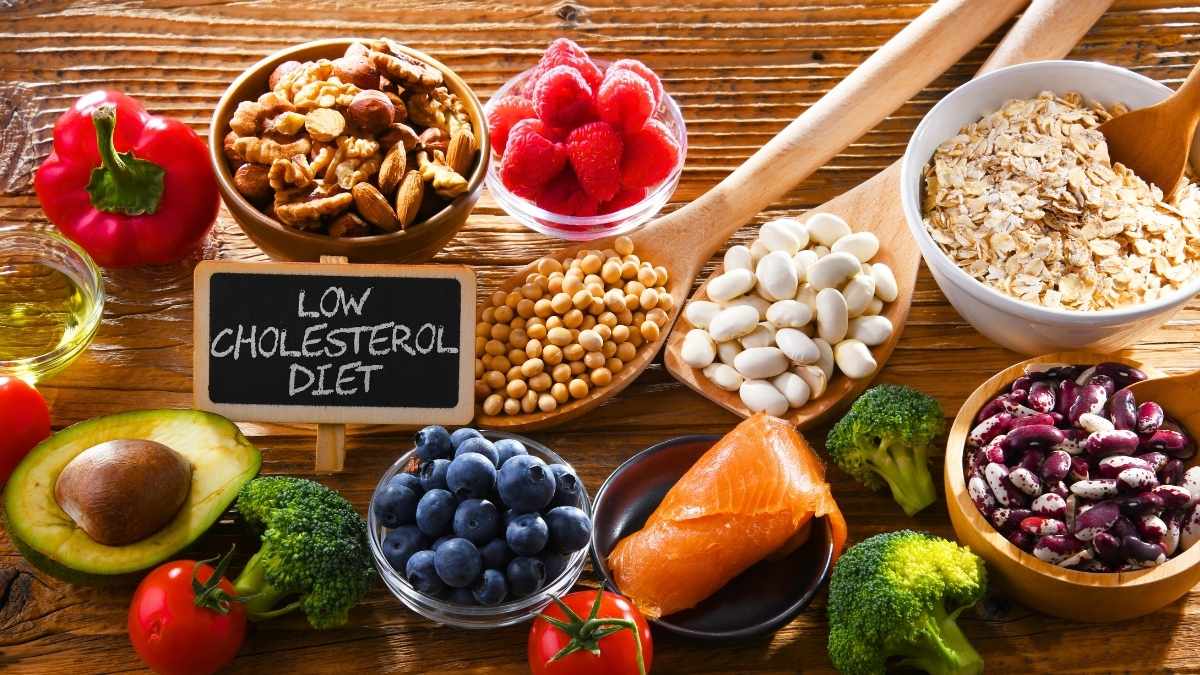
You’ll discover 9 Foods That Help Lower Cholesterol naturally. Each one is backed by real studies with proven results.
We’ll show you exactly how much to eat, simple meal ideas, and why they work. No confusing medical jargon. Just clear answers that help you lower LDL cholesterol starting today.
What You Need to Know About Cholesterol First
Your body makes two types of cholesterol. LDL is the bad cholesterol that clogs your arteries and raises your heart disease risk. HDL is the good cholesterol that helps clean out the bad stuff.
Here’s what matters: healthy adults should keep LDL below 100 mg/dL.
The good news? You can lower bad cholesterol by eating the right foods and staying active. Studies show dietary changes can drop your cholesterol by 5-25%.
That’s a big deal. It means the foods you choose at breakfast, lunch, and dinner directly affect your numbers.
You don’t always need medication to see real results. Simple food swaps can make a measurable difference in just weeks.
1. Oats: Your Cholesterol-Fighting Breakfast Champion
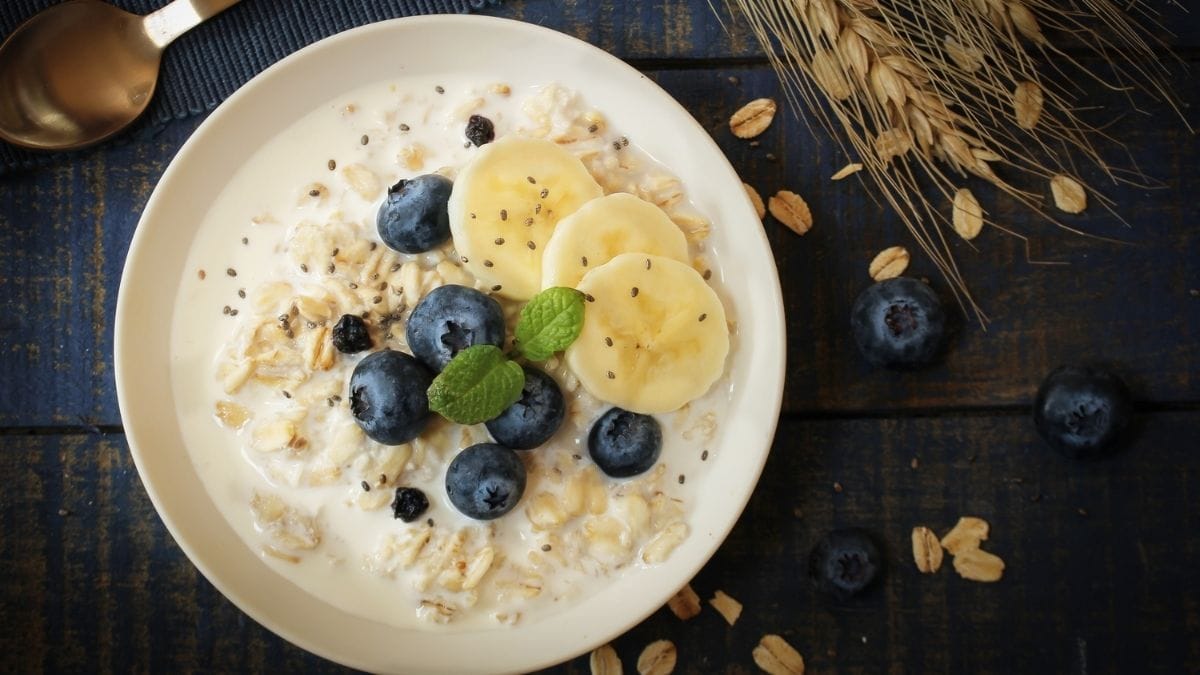
A bowl of oatmeal gives you 1 to 2 grams of soluble fiber. That’s exactly what your body needs to fight bad cholesterol.
Here’s how it works: soluble fiber acts like a sponge in your digestive system, soaking up cholesterol before it enters your bloodstream.
Oats contain something special called beta glucans. Get 3 grams of beta glucans daily and you’ll help keep your cholesterol levels healthy.
A morning bowl made with 40g of oats gives you 1.4g of beta glucans. You’re already halfway there.
Want better results? Add a banana or strawberries to your oatmeal. You’ll get another half-gram of fiber while making breakfast taste better. It’s an easy win.
Try oatcakes as snacks instead of regular crackers. They count toward your daily oat goal. Aim for 2-3 portions of oat foods each day.
That could be oatmeal for breakfast, oatcakes mid-morning, and oat bread at lunch. Simple swaps like these add up fast and your cholesterol numbers will show it.
2. Walnuts and Almonds: Powerful Nut Nutrition
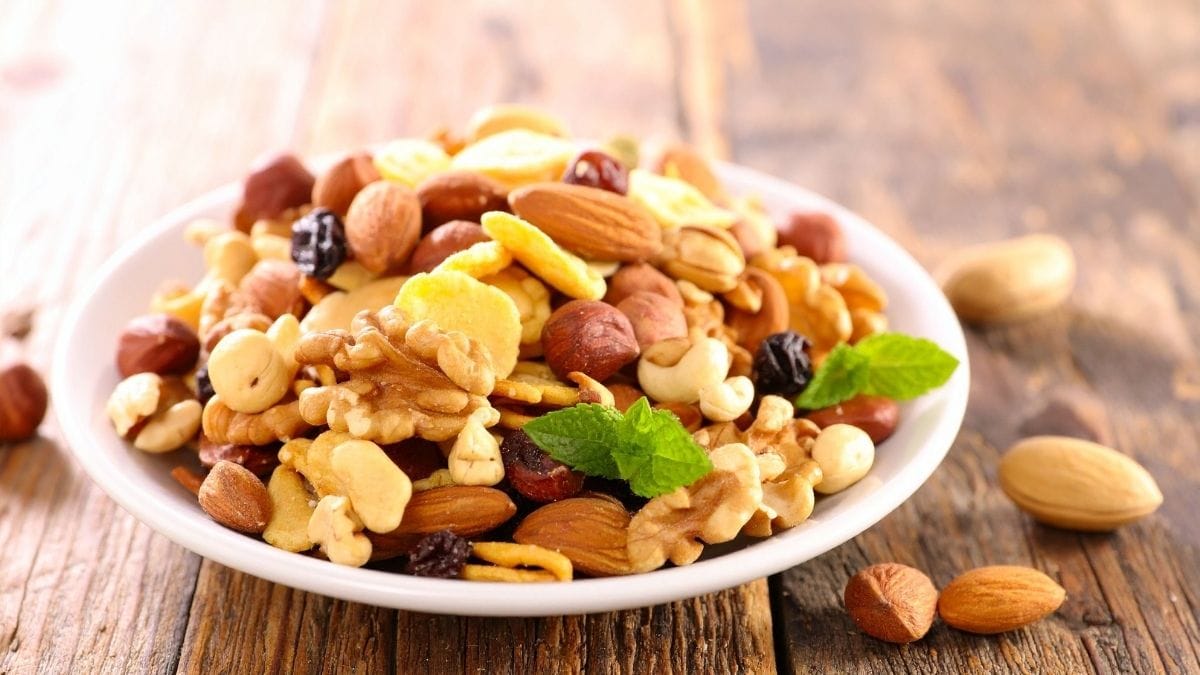
Nuts lower cholesterol better than most people think. A two-year study found that eating half a cup of walnuts daily dropped LDL levels by 4.3 mg/dL. That’s measurable progress from just snacking smarter.
Here’s more proof: eating 2 ounces of nuts each day can lower your bad cholesterol by about 5%.
Walnuts work especially well because they attack cholesterol in two ways. They reduced total LDL particles by 4.3% and the small dangerous particles by 6.1%.
Why do nuts work so well? They’re packed with omega-3 fatty acids and heart-healthy fats. Your body uses these fats to push out the bad cholesterol.
Start with a small handful daily. That’s about 30g or 1.5 ounces. Mix almonds, walnuts, and pistachios so you don’t get bored.
Sprinkle them on salads for crunch or keep a bag in your desk for afternoon snacks.
One warning: nuts have calories. Stick to the recommended amount. Eating the whole bag won’t give you better results.
3. Beans and Lentils: Fiber-Rich Plant Protein
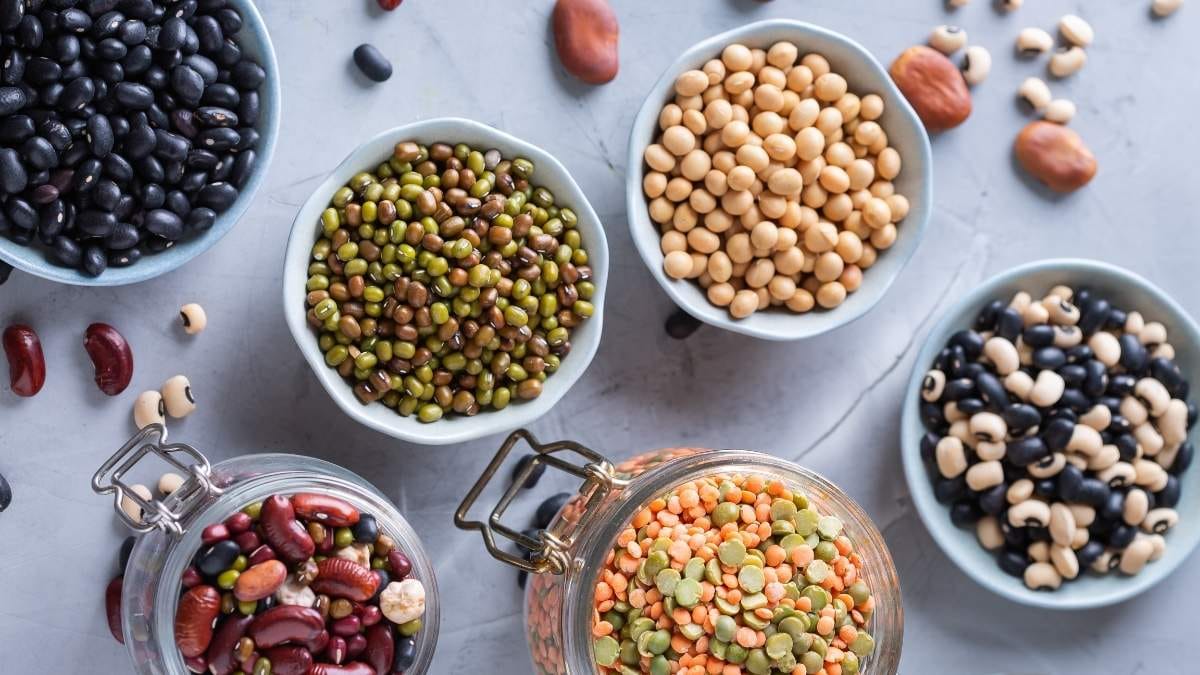
Legumes cholesterol results come fast. Eating a 130-gram serving of beans or lentils daily dropped LDL by 5% in just three weeks. That’s less than a month to see real change.
Black beans pack 15g of soluble fiber per cup. That’s more fiber than most foods you’ll eat all day.
The fiber traps cholesterol in your gut before it reaches your blood. Plus, beans give you plant protein without any cholesterol or saturated fat.
Here’s a bonus: beans take longer to digest than other foods. You stay full for hours, which helps if you’re trying to lose weight. Lower weight often means lower cholesterol too.
Eat one cup of beans or lentils 3-4 times each week. Make black bean chili on Sunday and eat it for lunches.
Try lentil soup or chickpea salad for variety. Replace ground beef with lentils in tacos and you won’t miss the meat.
Yes, beans cause gas at first. Your body adjusts after a week or two. Start small and build up.
4. Fatty Fish: Omega-3 Powerhouses
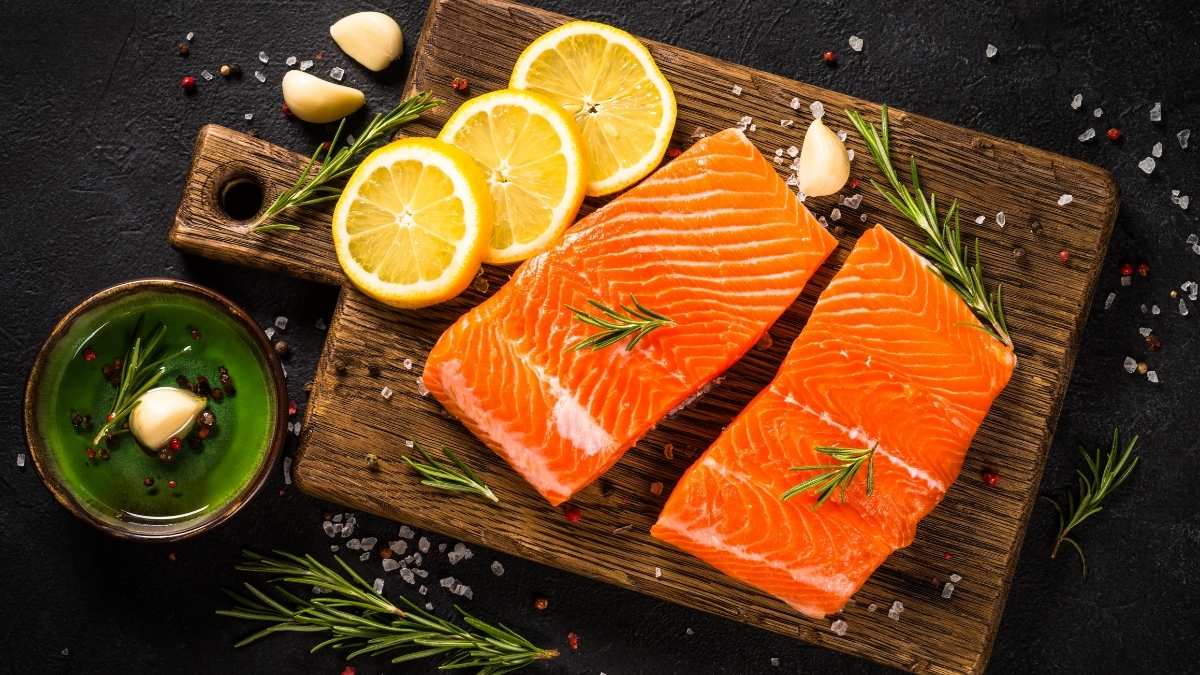
Fatty fish cholesterol benefits work in two ways. Eating fish two or three times weekly lowers LDL because you’re replacing red meat.
But you also get a huge dose of omega-3 fatty acids that actively fight cholesterol.
Omega-3s reduce triglycerides in your bloodstream. These are another type of fat that clogs arteries. The omega-3s also protect your heart by preventing abnormal heart rhythms that can lead to heart attacks.
The best heart-healthy fish are salmon, tuna, mackerel, and halibut. They have the most omega-3s packed into every bite.
Eat two servings of 3-4 ounces each week. That’s about the size of a deck of cards per serving.
Grill salmon and serve it with roasted vegetables for an easy dinner. Make tuna salad with olive oil instead of mayo for lunch. Bake mackerel with lemon and herbs.
Don’t like fish? That’s going to make this harder. Fish oil supplements exist but they’re not as effective as eating real fish. Try different recipes until you find one that works.
5. Avocados: Creamy Cholesterol Fighters
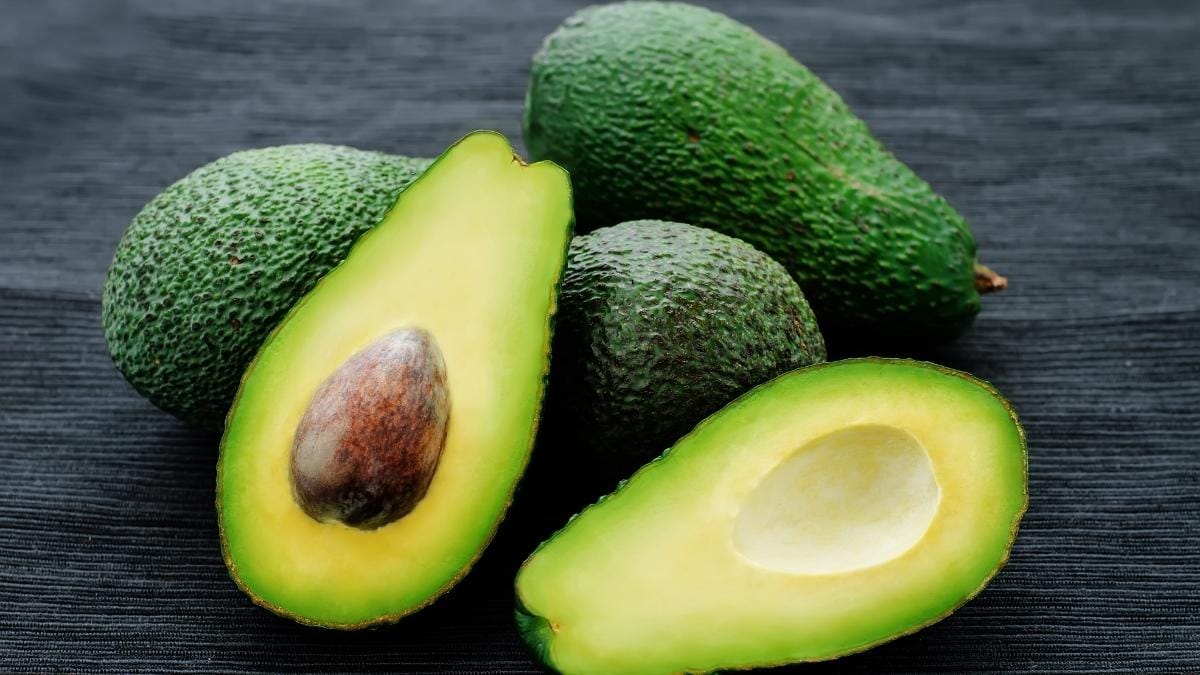
Avocado cholesterol research shows real results. The fiber and monounsaturated fats in avocados help lower both total and LDL cholesterol.
Half an avocado gives you 20% of your daily fiber needs plus 7.5g of healthy fats.
Avocados are loaded with oleic acid. This is the same heart-healthy fat found in olive oil. Your body uses these monounsaturated fats to push out the bad cholesterol and keep the good cholesterol.
But here’s the key: avocados work best when you use them to replace saturated fats. Just adding avocado to an already fatty diet won’t help much.
Eat half an avocado daily. Replace mayo with sliced avocado on your sandwiches and save about 10g of saturated fat per sandwich.
Toss avocado chunks into salads for creaminess without heavy dressing. Make fresh guacamole for a snack with veggies.
Yes, avocados have calories. One whole avocado has about 240 calories. Stick to half and you’ll get the benefits without overdoing it. The fiber helps you feel full anyway.
6. Olive Oil: The Mediterranean Secret
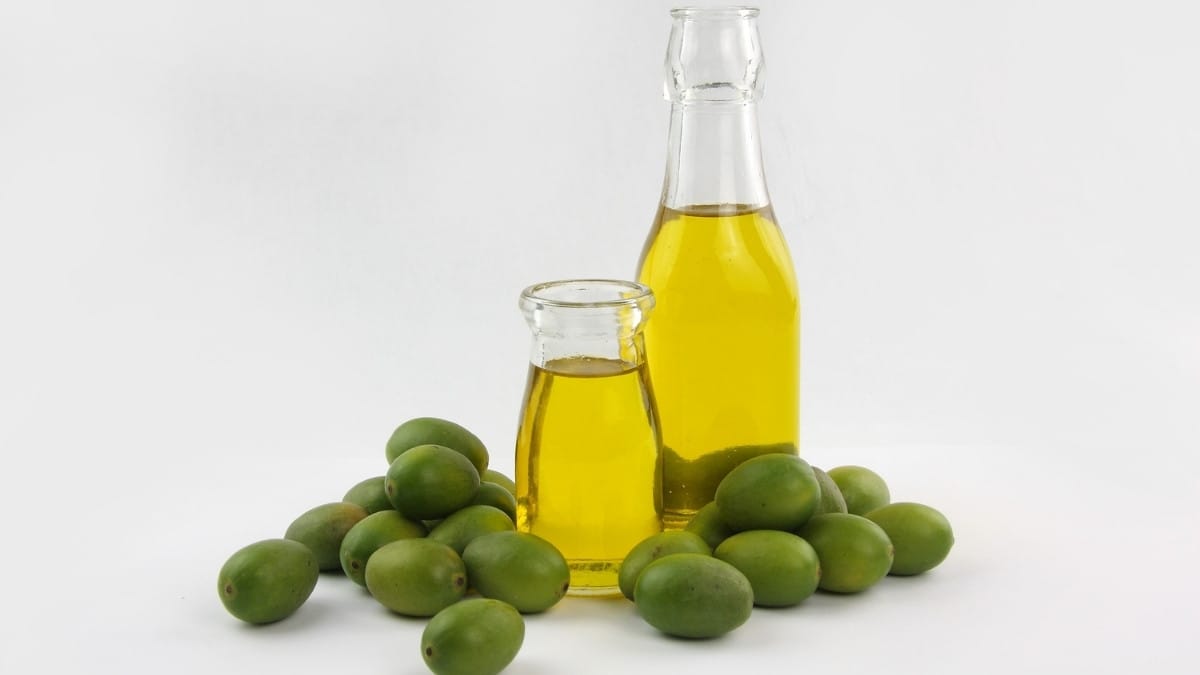
Extra virgin olive oil is special. It’s the only oil proven to raise your good HDL cholesterol while lowering bad LDL cholesterol at the same time. No other cooking oil does both jobs.
Olive oil cholesterol benefits come from monounsaturated fats and antioxidants. It’s a key reason why people who follow the Mediterranean diet have such healthy hearts. They use olive oil instead of butter or margarine for almost everything.
Use 2 tablespoons of extra virgin olive oil daily. Drizzle it over roasted vegetables or use it in salad dressings.
Cook with it at low to medium heat for sautéing. High heat can destroy some of the healthy compounds.
Always buy extra virgin for maximum benefits. Regular olive oil has been processed and lost many antioxidants. Check the label for “extra virgin” and look for a harvest date within the past year.
Store your olive oil in a dark bottle away from heat and light. It goes bad faster than you think. If it smells like crayons, toss it and buy fresh.
7. Berries and Apples: Pectin-Packed Fruits
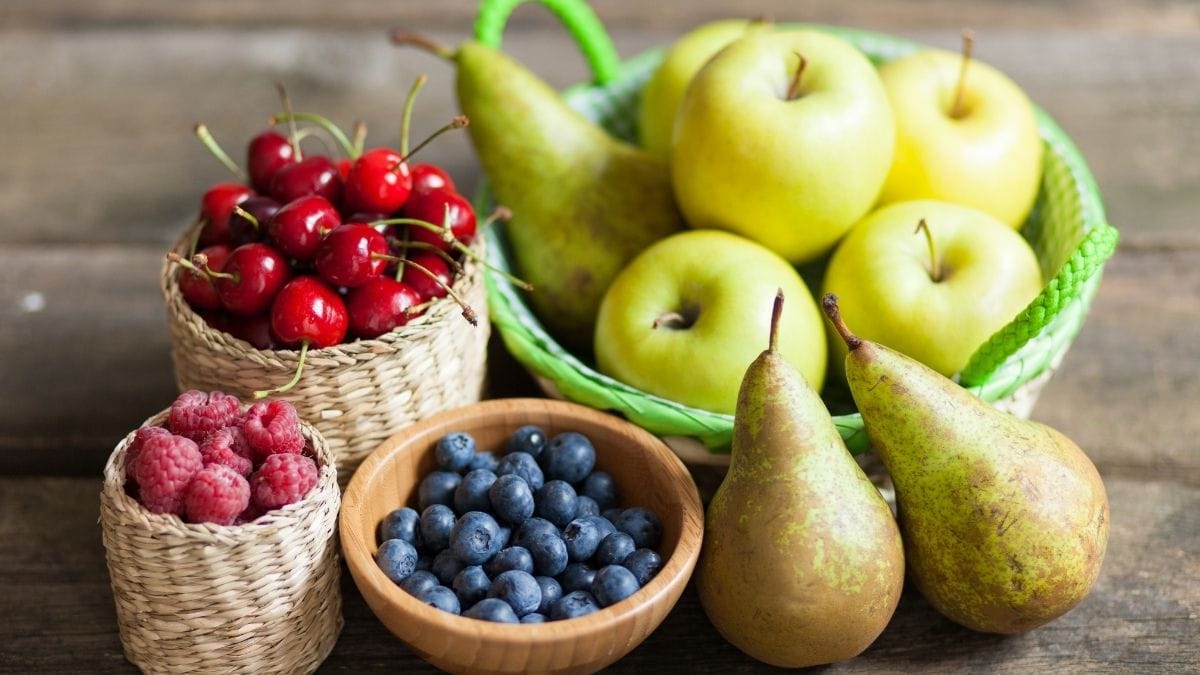
Apples are loaded with pectin. This special type of fruit fiber grabs onto cholesterol in your gut and pulls it out of your body. Pectin cholesterol research backs this up with real numbers.
A 2019 study found that eating two apples daily reduced both total and LDL cholesterol. Just two apples.
That’s an easy snack that actually works. Apples also pack antioxidants and polyphenols that protect your heart in other ways.
Here’s important: don’t peel your apples. Most of the fiber and nutrients hide in the skin. Wash them well and eat them whole.
Eat one apple daily as an afternoon snack. Add mixed berries to your morning oatmeal for extra fiber and flavor.
Make a fresh fruit salad with apples, strawberries, and blueberries. Aim for 2-3 servings of fruit each day.
Berries work great because they’re low in sugar compared to other fruits. Blueberries, strawberries, and raspberries all have fiber and antioxidants. Frozen berries count too and they’re cheaper year-round.
8. Barley and Whole Grains: Beyond White Rice
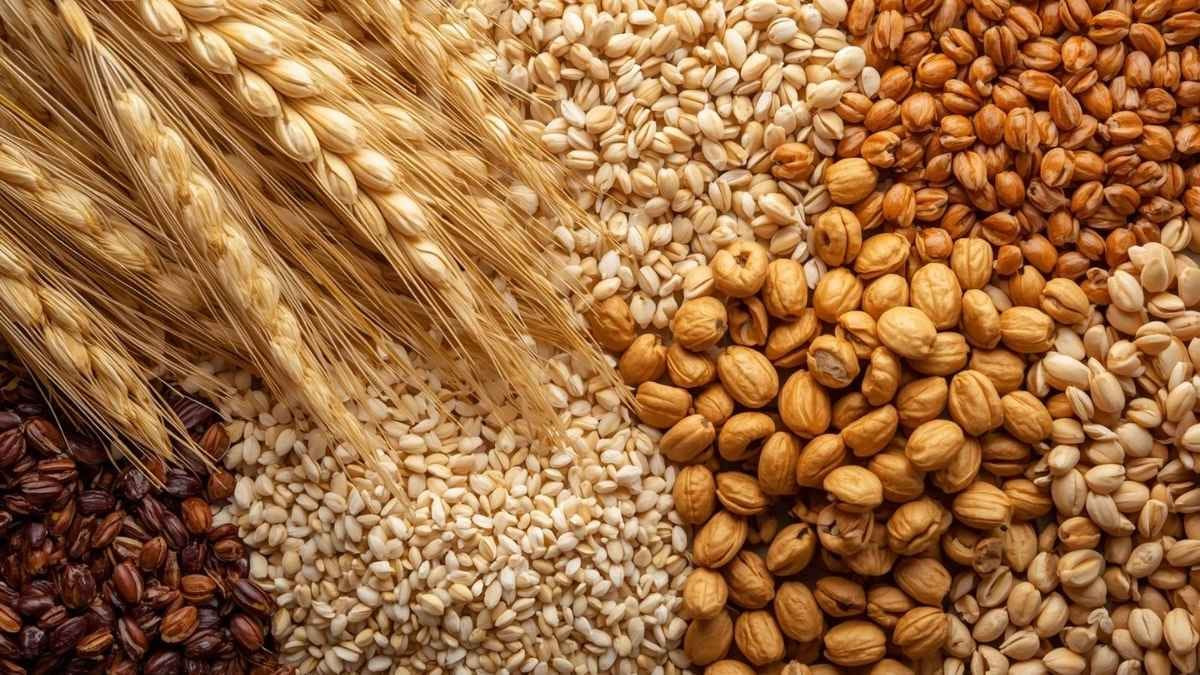
Barley fiber works like oats. It contains beta glucans that form a thick gel in your gut. This gel traps cholesterol and carries it out before your body can absorb it. Whole grains cholesterol studies show this effect is real and measurable.
Barley has more fiber than refined grains like white rice or white bread. When you swap white grains for whole grains, you get fiber that actually does something useful.
Use pearl barley in soups and risottos instead of rice. It has a chewy texture that fills you up. Switch to brown rice instead of white for an easy upgrade.
Buy whole grain bread and pasta at the store. Check labels for “100% whole grain” as the first ingredient.
Here’s a simple rule: make half your grains whole grains daily. If you eat bread at breakfast, make it whole grain. Have white pasta for lunch? Switch to brown rice at dinner.
Barley takes longer to cook than rice. Plan for 45 minutes or use a pressure cooker to speed it up.
9. Dark Chocolate: A Sweet Surprise
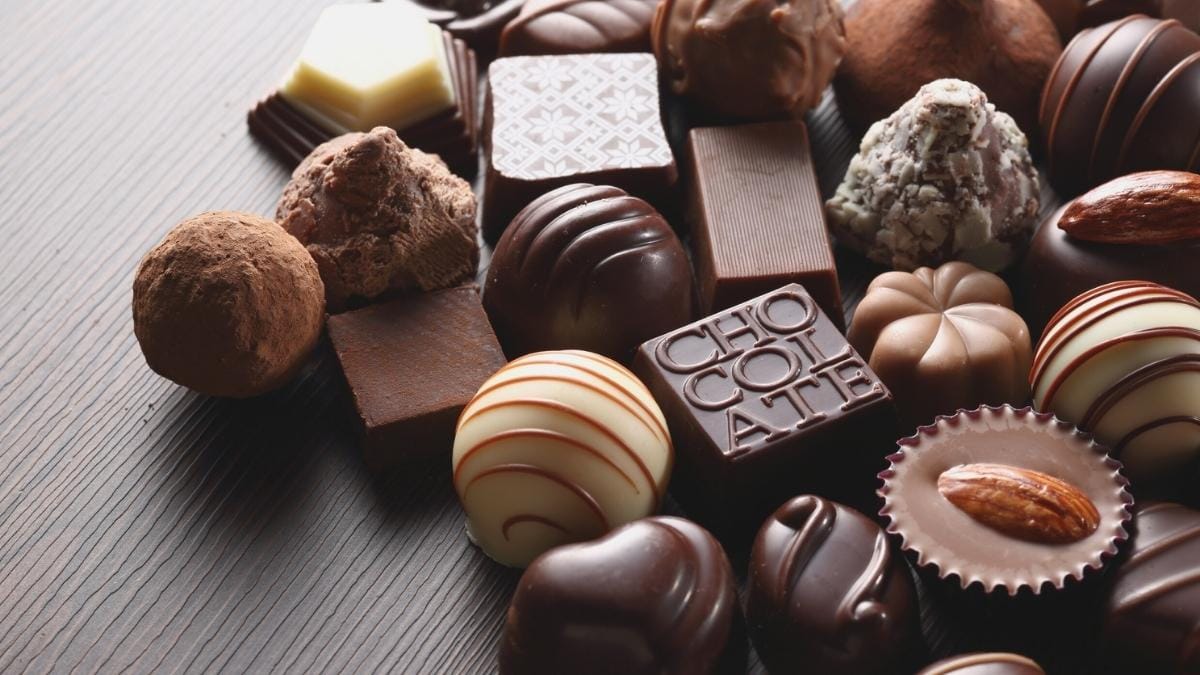
Dark chocolate cholesterol benefits sound too good to be true. But chocolate with at least 70% cocoa can lower LDL and reduce inflammation. The cocoa antioxidants called flavonoids do the heavy lifting here.
Before you eat a whole bar, stop. Moderation matters because chocolate has calories and sugar. Even dark chocolate can wreck your diet if you go overboard.
Eat 1-2 small squares daily. That’s about 1 ounce total. Check the label for minimum 70% cocoa content. Anything less has too much sugar and not enough flavonoids to help.
Want more cocoa benefits without the calories? Use unsweetened cocoa powder in smoothies or oatmeal. You get the antioxidants without extra fat and sugar.
Milk chocolate doesn’t work. It has too little cocoa and too much sugar. White chocolate has zero cocoa so it does nothing for cholesterol.
How to Combine These Foods for Maximum Effect
Here’s the truth: combining multiple cholesterol-lowering foods works way better than eating just one.
Research shows that a dietary portfolio of these foods can substantially lower LDL, triglycerides, and blood pressure. You get bigger results faster when you stack them throughout your day.
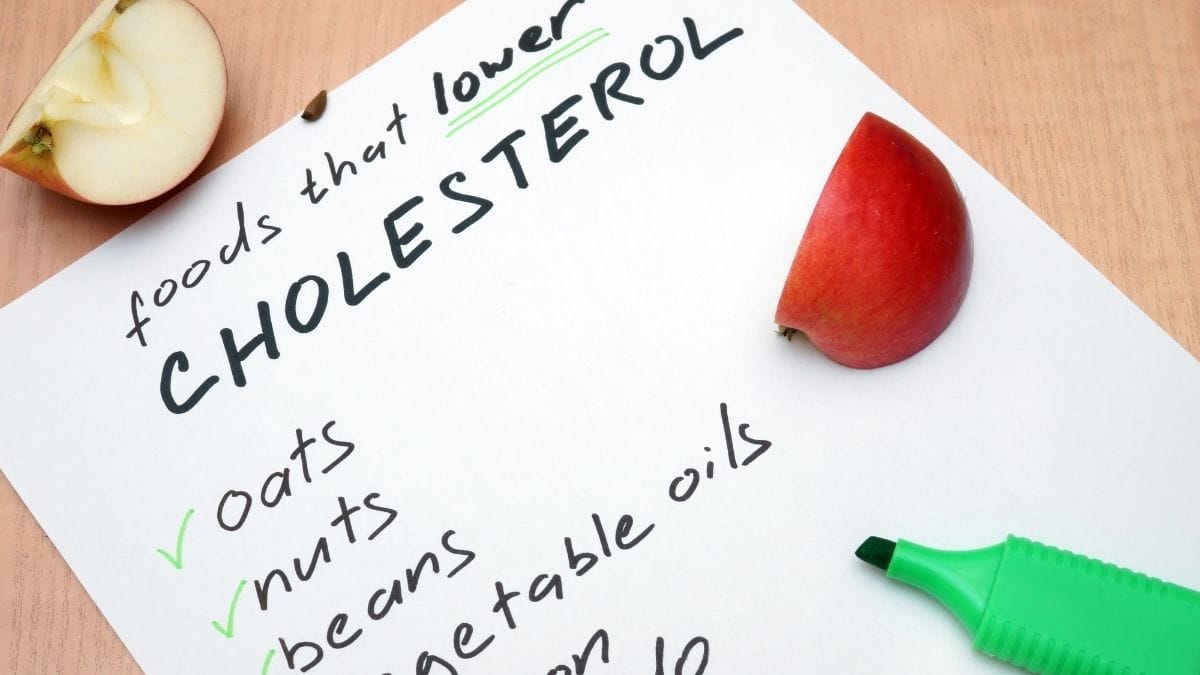
A sample meal plan for cholesterol shows you exactly how to do this. For breakfast, make oatmeal topped with mixed berries and crushed walnuts. You just combined three cholesterol fighters in one bowl.
At lunch, try a chickpea salad dressed with olive oil and topped with sliced avocado. Toss in some whole grain bread on the side. That’s four more foods working together.
For dinner, grill salmon and serve it over barley with roasted vegetables drizzled in olive oil. You’re hitting multiple targets again with one plate.
Snack on an apple with almond butter in the afternoon. Have 1-2 squares of dark chocolate after dinner if you want something sweet.
Consistency matters more than perfection. You don’t need to eat all 9 foods every single day. Aim to include 4-6 of them daily and rotate through the full list each week.
Track your meals for a week to see how many cholesterol-fighting foods you’re actually eating. Most people are surprised they’re only hitting 2-3. Once you see the pattern, fixing it becomes easier.
Final Thought;
These 9 foods are backed by real scientific research. Dietary changes can reduce your cholesterol by 5-25% when you stick with them.
Consistency matters more than perfection. Combine multiple foods throughout your day for the best results.
Start with one or two foods this week and gradually add more. Track your cholesterol levels with your doctor every 3-6 months to measure your progress. Write down what you eat so you can spot patterns.
Lowering cholesterol naturally through foods that lower cholesterol is an achievable goal when you make informed choices consistently. Your heart will thank you for it.