

Your immune system doesn’t just slow down a little as you age. It goes through a real, measurable decline — and most people don’t notice until they’re getting sick more often, staying sick longer, and recovering harder than before.
Here’s the hard truth. Adults over 65 are more likely to get serious infections. They’re also more likely to die from them. Between 70–90% of flu-related deaths each year happen in people over 65. That’s not a small number.
But here’s what most seniors don’t know. Food is one of the most powerful and affordable tools you have. No prescription needed. No complicated plan.
This guide covers 9 foods that support immune health for seniors — backed by real science, not hype. You’ll learn what each food does, why it matters after 60, and exactly how to add it to your meals this week.
Why Your Immune System Changes After 60 (And Why Food Matters)
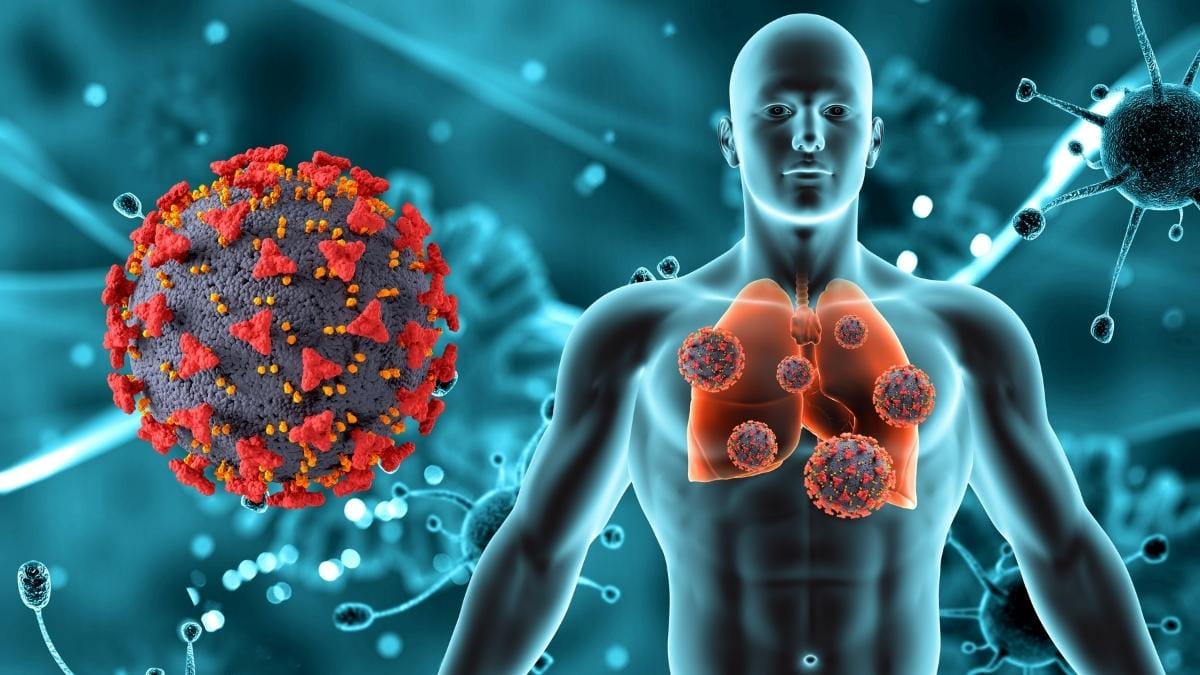
As you age, your immune system goes through a process called immunosenescence. Your thymus — the organ that produces T cells — slowly shrinks.
T cells are your body’s frontline fighters. When they drop, your ability to fight new infections drops with them.
The numbers back this up. Hospitalization rates for infections go from 126 per 100,000 in adults aged 40–44, all the way to over 1,200 per 100,000 in adults aged 80–84. That’s not bad luck. That’s biology.
But food changes things. Not in a miracle way — no single food cures anything. The goal is to stop deficiencies from making things worse. Poor diet quietly lowers your immune defenses over time.
The good news? You have more control than you think. The right foods help your gut, reduce inflammation, and give your immune cells the nutrients they need to work properly.
The 9 foods below have real evidence behind them. Start with one or two. That’s enough to make a difference.
The 9 Best Foods That Support Immune Health in Seniors
1. Garlic
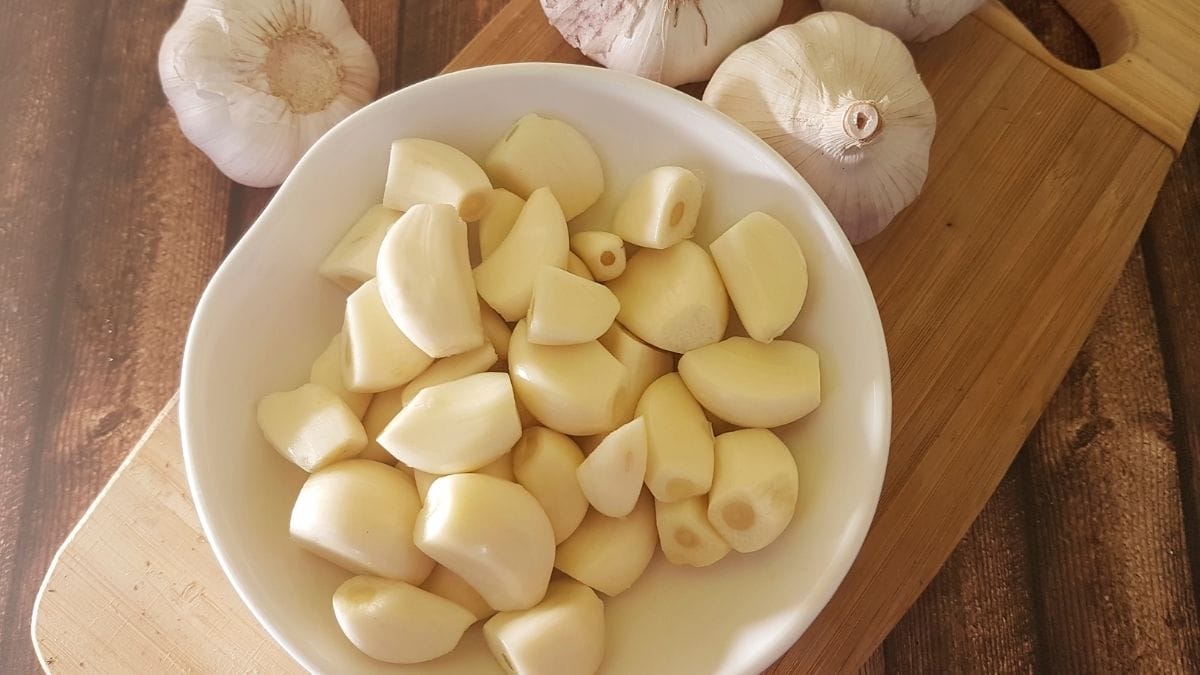
Garlic is one of the most studied immune-supporting foods on the planet. It contains compounds that activate your innate immune cells — the fast-response part of your immune system that fights infections before they spread.
One study found that six weeks of aged garlic extract reduced two key inflammatory markers: TNF-α and IL-6. High levels of both are linked to immune problems in older adults.
The key compound in garlic is allicin. But here’s what most people miss — allicin only gets released when garlic is crushed or chopped. Leaving a clove whole or burning it in a hot pan kills the benefit.
Easy tip for seniors: Crush one fresh clove and stir it into soup, lentils, or scrambled eggs.
Let it sit for five minutes after crushing — that gives the allicin time to fully form before heat touches it. One clove a day is enough to make a real difference.
2. Greek Yogurt With Live Active Cultures
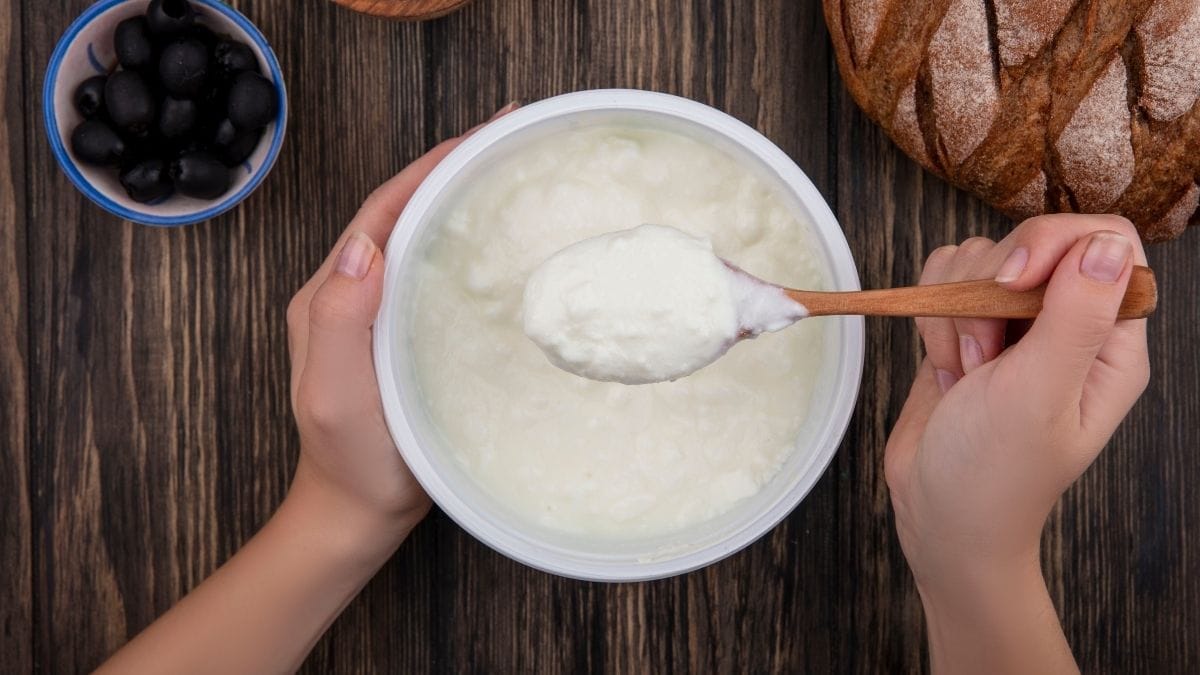
Your gut and your immune system are deeply connected. Around 70% of your immune cells live in your gut lining. When your gut bacteria are out of balance, your immune response weakens.
Greek yogurt fixes this. It’s packed with probiotics — live bacteria that restore balance in your gut.
Registered dietitian Emily Stasko from UPMC puts it simply: “Yogurt contains live and active cultures — good bacteria for your gut — and those can help with boosting your immunity.”
Not all yogurts work. You need to look for “live and active cultures” on the label. Flavored yogurts are usually full of added sugar, which works against your immune system.
Buy plain Greek yogurt. Add your own blueberries, a drizzle of honey, or a few almonds. That one breakfast bowl covers three foods from this list. It’s high protein, easy to eat, and gentle on digestion — which matters a lot for seniors with smaller appetites.
3. Blueberries
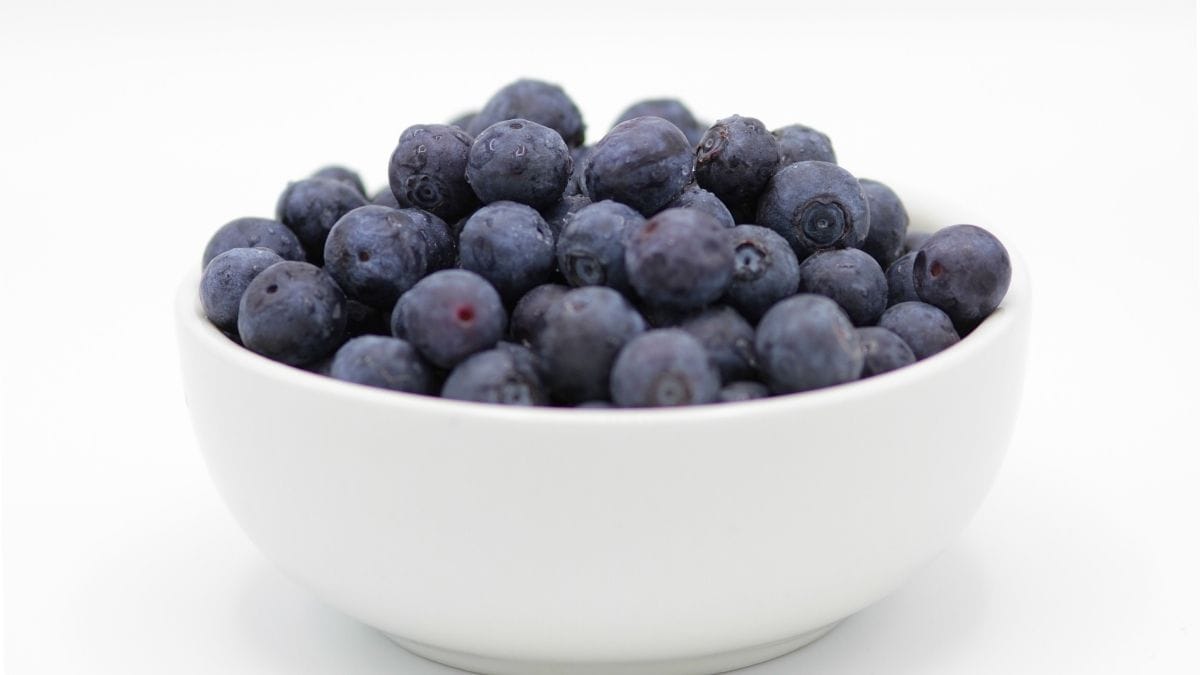
Blueberries are loaded with antioxidants. Antioxidants fight free radicals — damaged cells that build up as you age and damage healthy tissue, including immune cells.
Blueberries also contain flavonoids. Flavonoids lower inflammation and help your body recover faster after illness. UPMC notes that blueberries help reduce inflammation and speed up recovery from disease.
And there’s a bonus. Emerging research is looking at blueberries and brain health in older adults. So you’re potentially protecting both your immune system and your memory at the same time.
Fresh or frozen — it doesn’t matter. Frozen blueberries keep all their antioxidants and cost less year-round. That makes them practical for seniors on a fixed income.
Half a cup a day is plenty. Add them to oatmeal, stir them into yogurt, or just eat them straight from the freezer as a snack. Simple. Affordable. No cooking needed.
4. Spinach
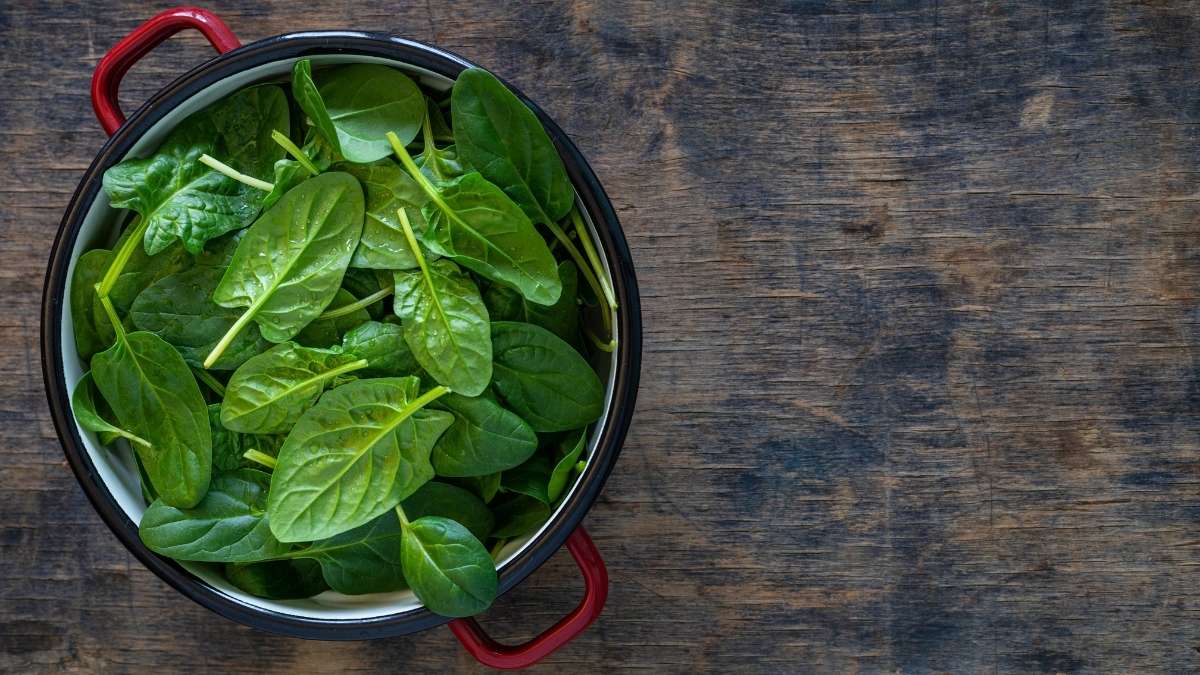
Spinach is one of the most nutrient-dense vegetables you can eat. It contains Vitamin C, beta-carotene, folate, and Vitamin A — all of which play a direct role in immune function.
Vitamin A helps your immune cells identify and destroy pathogens. Folate helps regulate your body’s immune response. Beta-carotene is a powerful antioxidant that protects your cells from damage.
One important note: don’t overcook it. Boiling spinach for too long destroys most of its nutrients. Lightly sauté it in olive oil for two to three minutes. That’s all it needs.
If chewing is difficult, blend spinach into a smoothie. It has almost no flavor when mixed with fruit. You get the full benefit without tasting much at all.
The American Academy of Nutrition and Dietetics specifically recommends Vitamin A-rich foods like spinach for seniors who want to maintain immune health. It’s cheap, easy to find, and works.
5. Citrus Fruits — Oranges, Lemons, Grapefruit
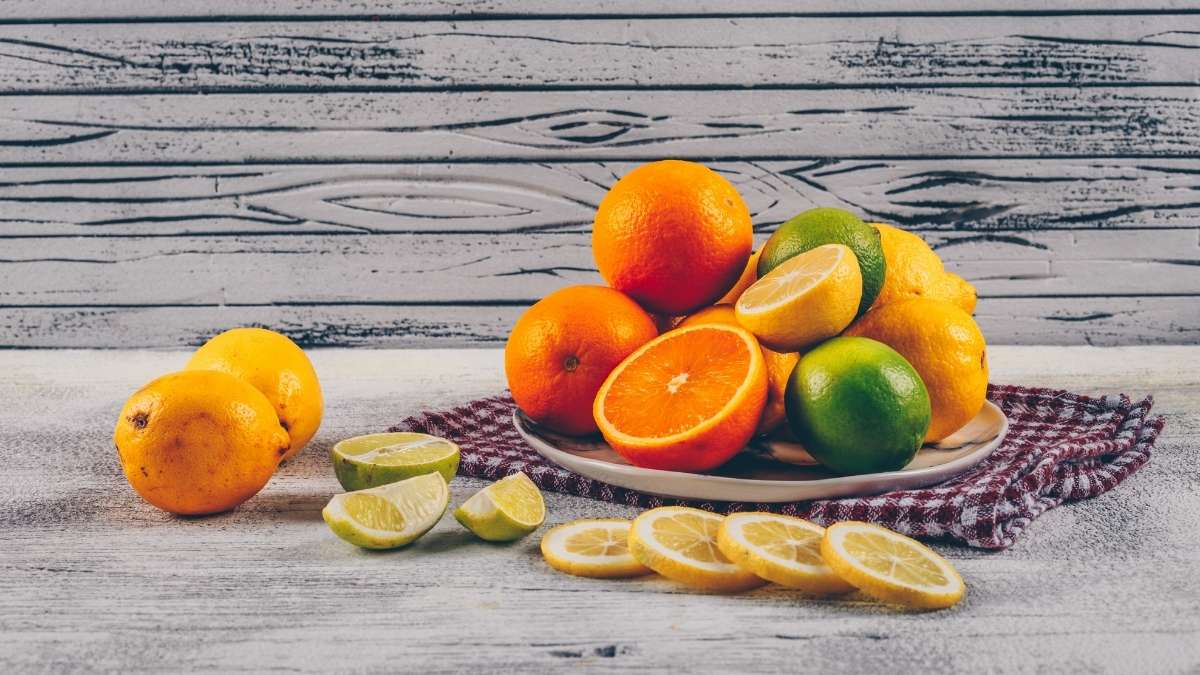
Citrus fruits are one of the richest food sources of Vitamin C. Vitamin C helps your body produce more white blood cells — the cells that hunt and destroy bacteria and viruses. It also acts as an antioxidant, protecting those cells while they work.
Seniors who eat a narrow range of foods are at higher risk of Vitamin C deficiency. That deficiency slows wound healing, weakens white blood cell response, and leaves you more exposed to infection.
One important warning: grapefruit reacts with many common medications. Statins, blood pressure drugs, and some heart medications don’t mix well with it.
If you take regular prescriptions, ask your doctor before eating grapefruit regularly.
For everyone else, citrus is simple to use. Squeeze fresh lemon into warm water every morning. Add orange slices to a salad. These small habits add up quickly. One orange or half a lemon gives you a full day’s Vitamin C without any pill.
6. Turmeric
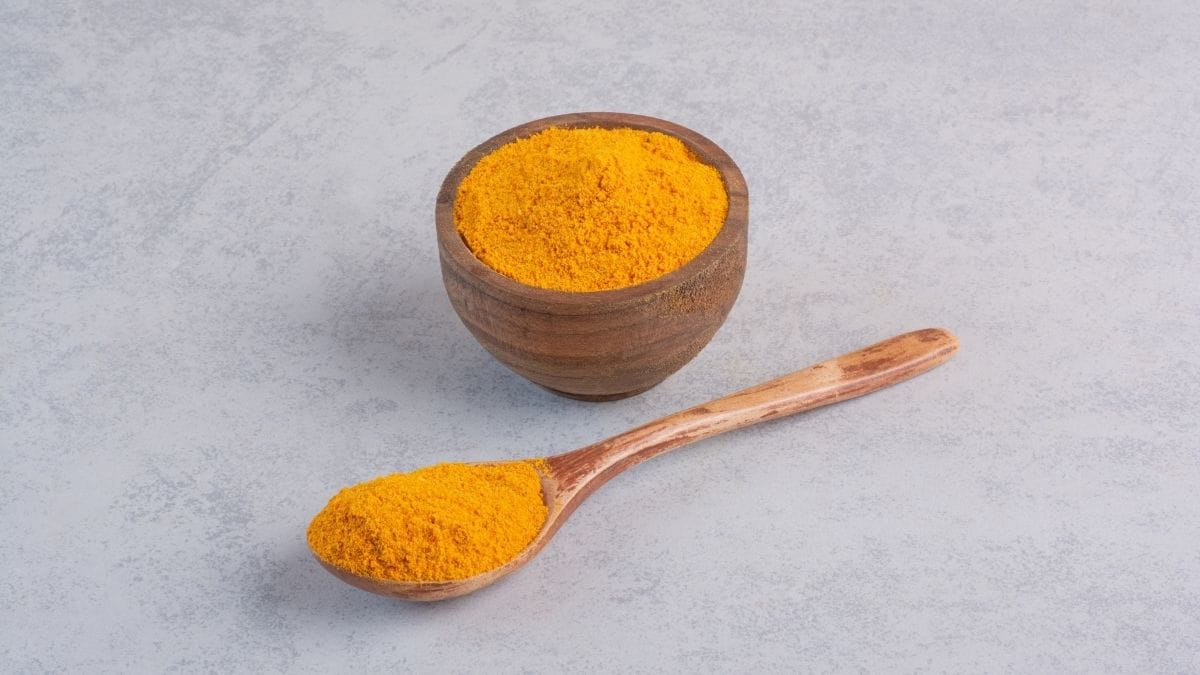
Turmeric contains a compound called curcumin. Curcumin is one of the most studied natural anti-inflammatory compounds in the world.
And for seniors, reducing inflammation is key — because chronic low-level inflammation is one of the main drivers of immune decline after 60.
Research reviewed between 2010 and 2025 shows curcumin consistently helps lower inflammatory biomarkers in aging adults. It also helps with joint pain from arthritis — which is extremely common in seniors and already stresses the immune system.
Here’s something most people skip: curcumin is fat-soluble. Your body can’t absorb it well without a fat. So pair turmeric with olive oil, coconut milk, or any healthy fat in the same meal.
Also add black pepper. A compound in black pepper called piperine increases curcumin absorption by up to 2,000%. That’s not a typo. A small pinch of pepper with your turmeric makes a huge difference.
Start with a quarter teaspoon in soup, eggs, or warm milk with honey.
7. Fatty Fish — Salmon, Mackerel, Sardines
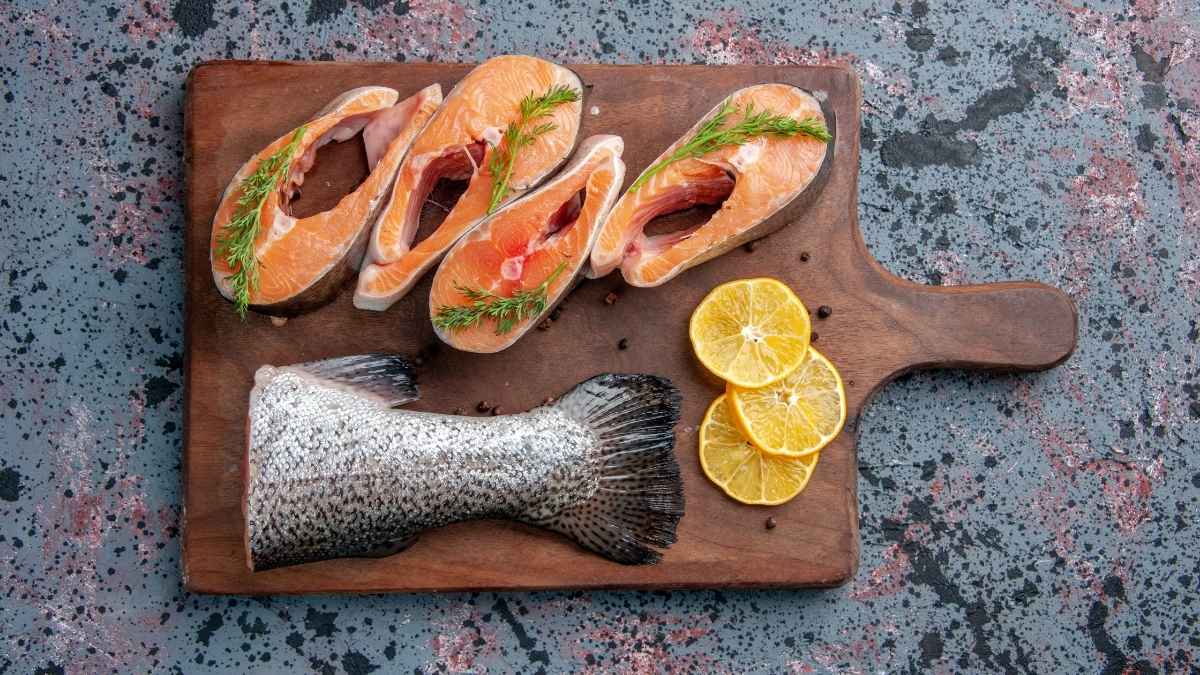
Fatty fish are rich in omega-3 fatty acids. Omega-3s reduce inflammaging — the chronic, low-grade inflammation that quietly damages your immune system over decades. This is one of the biggest immune problems aging adults face.
Research published in peer-reviewed journals shows omega-3s improve gut barrier function, reduce inflammatory markers, and help balance the immune response in older adults.
Mayo Clinic also recommends eating more fatty fish and fewer processed foods as a core part of healthy aging.
The U.S. Dietary Guidelines recommend two servings of fatty fish per week for adults. That’s all — just twice a week.
If salmon feels expensive or complicated to cook, try canned sardines in olive oil. They’re mild, affordable, and ready to eat straight from the can on whole grain crackers. No cooking needed. No strong fish smell.
One can of sardines gives you a solid omega-3 dose, protein, and calcium — three nutrients seniors commonly need more of.
8. Almonds and Sunflower Seeds
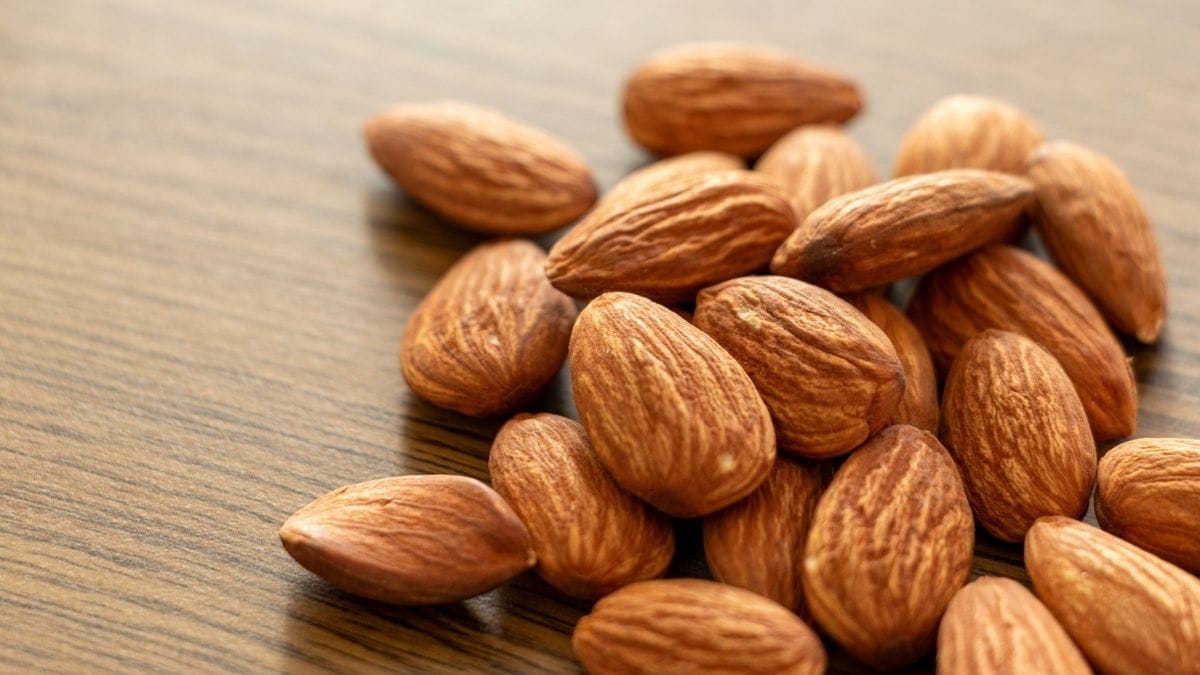
These two foods give you something most seniors are quietly deficient in: Vitamin E and selenium.
Vitamin E is a fat-soluble antioxidant that directly supports T-cell activity. T cells are the same immune fighters that decline with age.
Eating Vitamin E from food — not supplements — is the safest way to get it. Supplement form can cause problems at high doses.
A small handful of almonds — about 23 — covers most of your daily Vitamin E need. That’s easy to eat as a snack between meals.
Sunflower seeds add selenium. Selenium supports immune response and helps the body fight oxidative stress. Most people don’t get enough of it from everyday meals.
If chewing is a problem, use almond butter instead. Spread it on whole grain toast, stir it into oatmeal, or mix it into a smoothie. You get the same Vitamin E with no chewing required.
Both foods are inexpensive and available everywhere. They require zero preparation.
9. Ginger
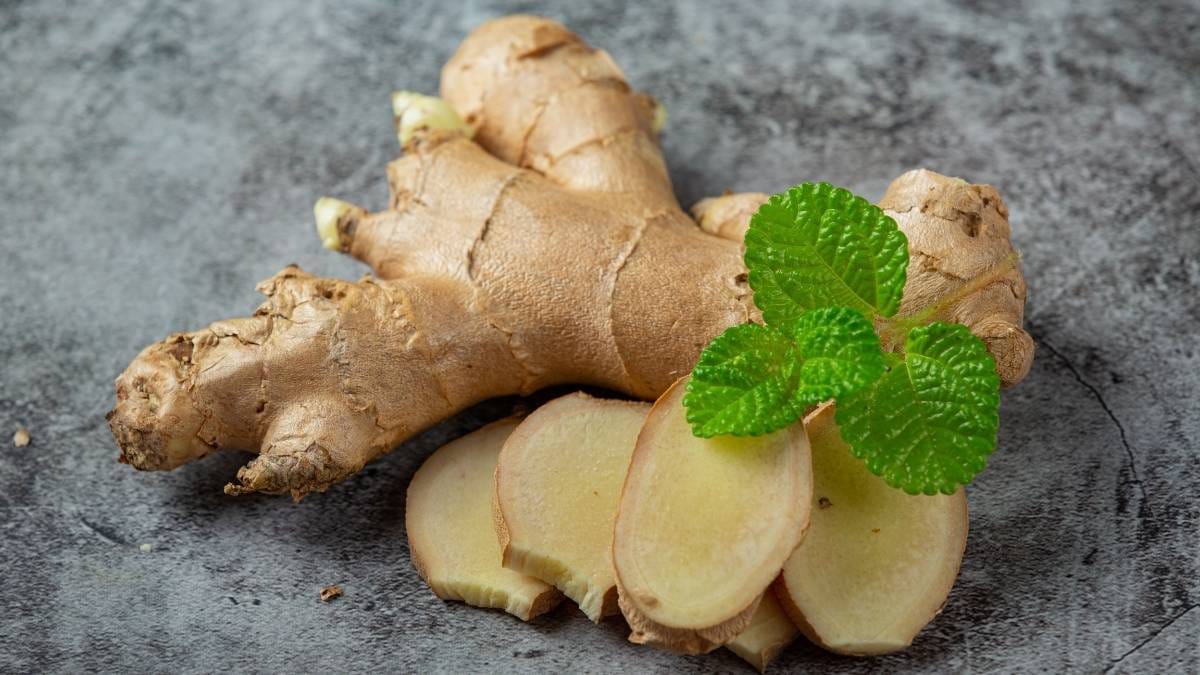
Ginger does two things that matter for seniors. First, it reduces inflammation — thanks to a compound called gingerol. Second, it helps digestion. And better digestion means better nutrient absorption from every other food on this list.
Many seniors struggle with reduced appetite or digestive discomfort.
Ginger addresses both. It stimulates digestion, reduces nausea, and helps the gut absorb more from meals. That’s especially important when a senior is eating smaller portions than they should.
Fresh ginger is easy to use. Slice a small piece and steep it in hot water for five minutes to make tea. Grate it over fish or vegetables. Blend it into a smoothie with blueberries and yogurt.
You don’t need much. A half-inch piece of fresh ginger per day is enough to notice a difference in digestion and inflammation over a few weeks. Ground ginger powder also works — use a quarter teaspoon in cooking.
It’s one of the easiest and cheapest additions you can make.
Simple Meals That Use These 9 Foods Together
You don’t need to overhaul your kitchen. Here are three meals that take under 10 minutes and use several foods from this list.
Breakfast:
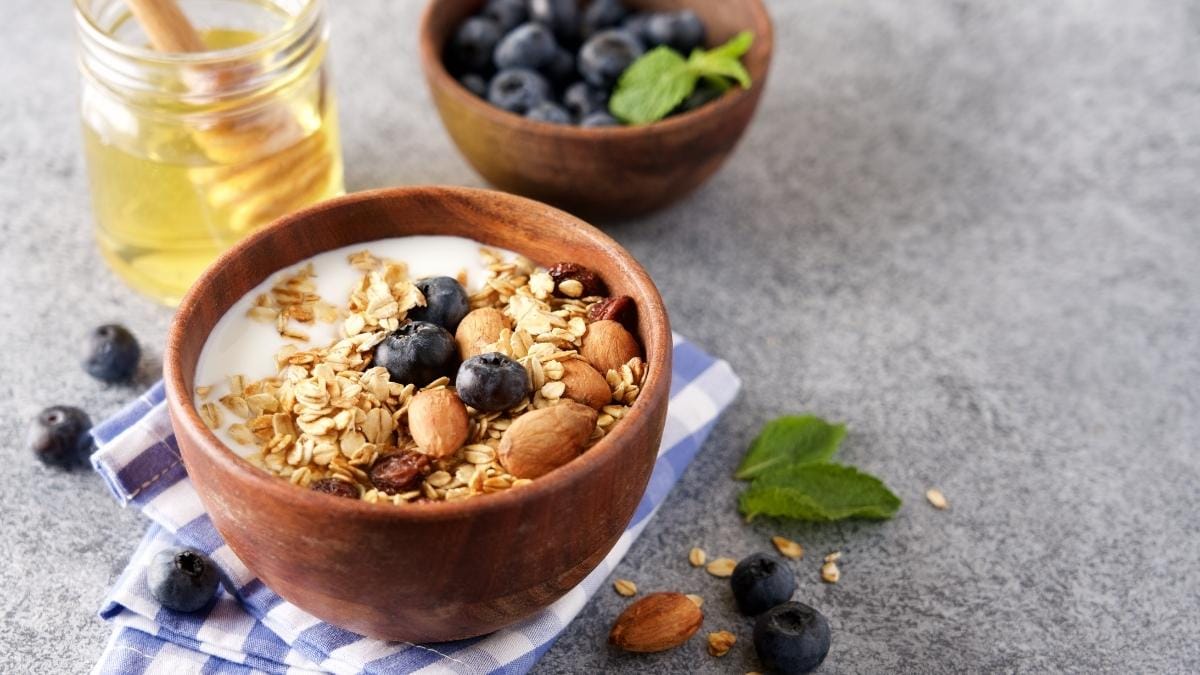
Plain Greek yogurt topped with blueberries and a small handful of almonds. Add honey if you like it sweeter. That covers yogurt, blueberries, and almonds in one bowl.
Lunch:
Canned sardines on whole grain crackers with a spinach salad. Dress it with olive oil and fresh lemon juice. Finish with ginger-lemon tea. That covers sardines, spinach, citrus, and ginger.
Dinner:
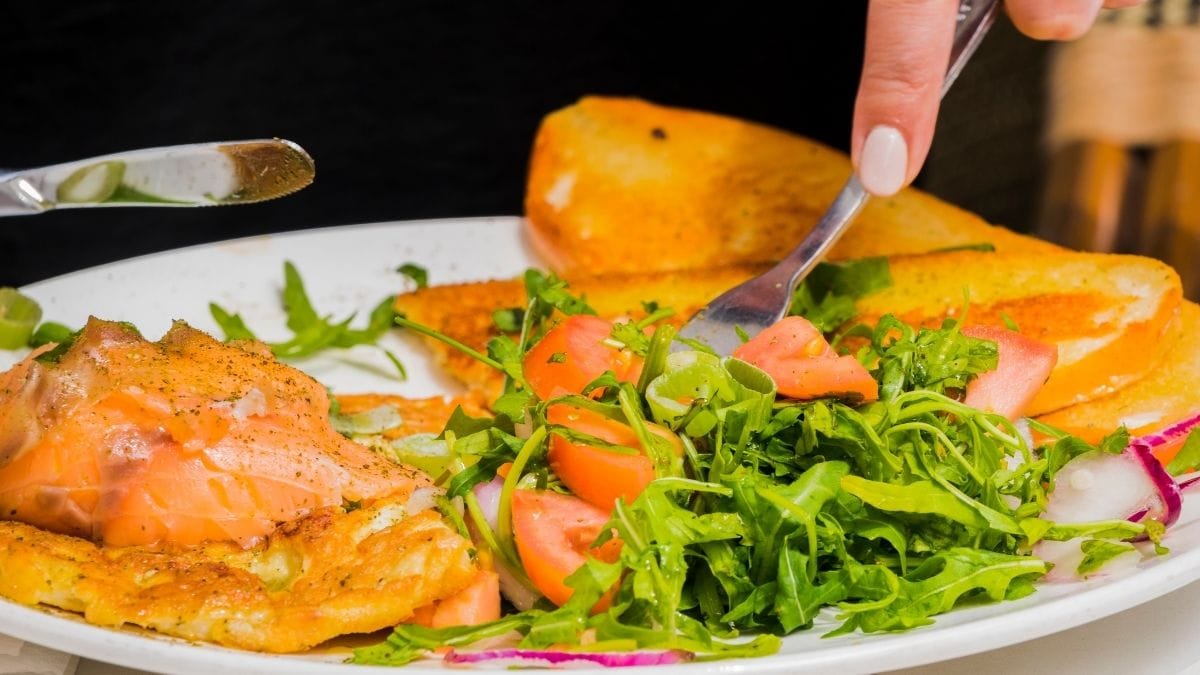
Baked salmon with garlic and turmeric, served over lightly sautéed spinach with a squeeze of orange. Add a pinch of black pepper to activate the curcumin. That covers salmon, garlic, turmeric, spinach, and citrus in one plate.
None of these require cooking experience. All are affordable. And each one combines multiple immune-supporting foods in a natural, tasty way.
Foods That Work Against Your Immune System
Eating the right foods only works if you’re not canceling them out. A few things quietly undo the work.
Ultraprocessed foods:
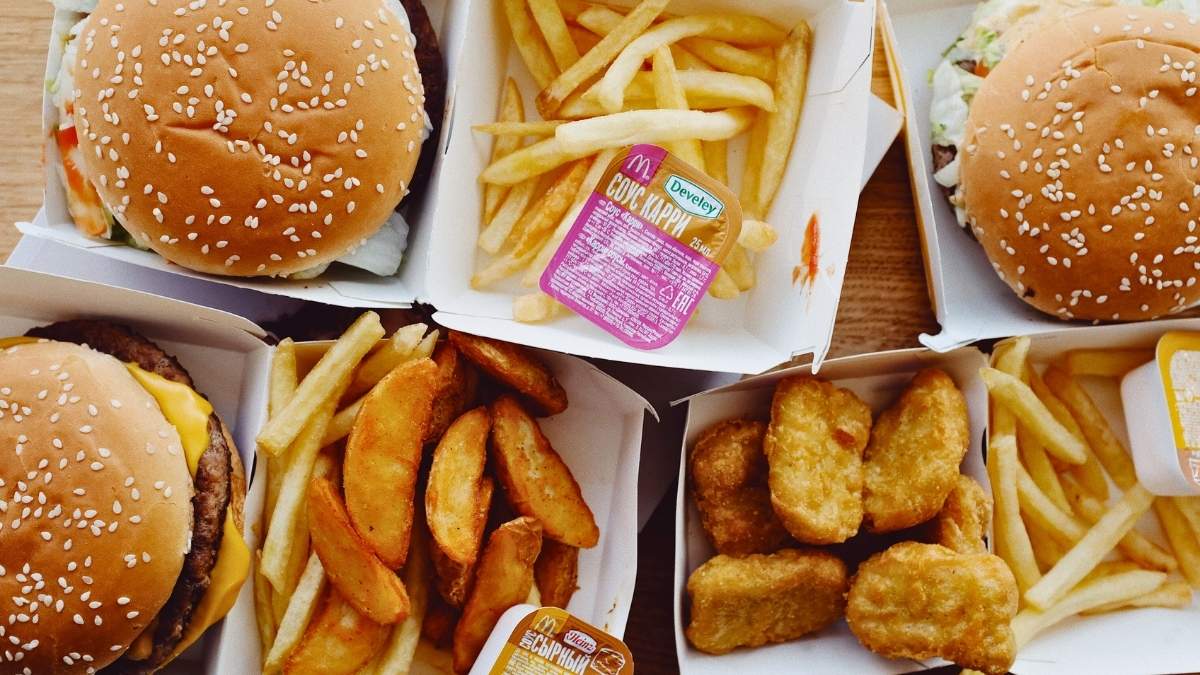
packaged snacks, frozen meals, fast food — raise inflammatory markers and damage the gut bacteria that support immunity. Mayo Clinic Press is clear on this: eat fewer ultraprocessed foods and more whole foods.
Excess sugar: directly suppresses white blood cell activity. Even one high-sugar meal can reduce immune response for several hours after eating it.
Alcohol:

weakens immune function. Even moderate drinking has been linked to nutritional immunosuppression in older adults, according to CDC data. It’s not about being strict — it’s about knowing the trade-off.
You don’t need to be perfect. But cutting back on these three things — even a little — gives the foods on this list a better chance to actually work.
Food First. Supplements Second.
Supplements have their place. But food is always better when you can get it that way. Real foods contain fiber, water, and dozens of compounds that work together — things a pill can’t fully copy.
Mayo Clinic Health System is direct about this: for most people, a balanced diet supplies enough nutrition to maintain a functional immune system. Supplements fill gaps — they don’t replace meals.
One real exception is Vitamin D.

Outside of fatty fish and a few other foods, it’s very hard to get enough from diet alone — especially if you don’t spend much time outdoors. Many seniors are deficient in Vitamin D without knowing it.
Talk to your doctor before adding any supplement. A simple blood test can show exactly where your levels are low. That’s a better starting point than buying a shelf full of vitamins and hoping for the best.
Food first. Supplements when your doctor says so.
Final Thought;
Your immune system responds to what you eat — at any age. These 9 foods are affordable, easy to find, and backed by real evidence.
You don’t need all nine at once. Start with two this week. Add one more next week. Small changes, done consistently, are how real immune support is built.