
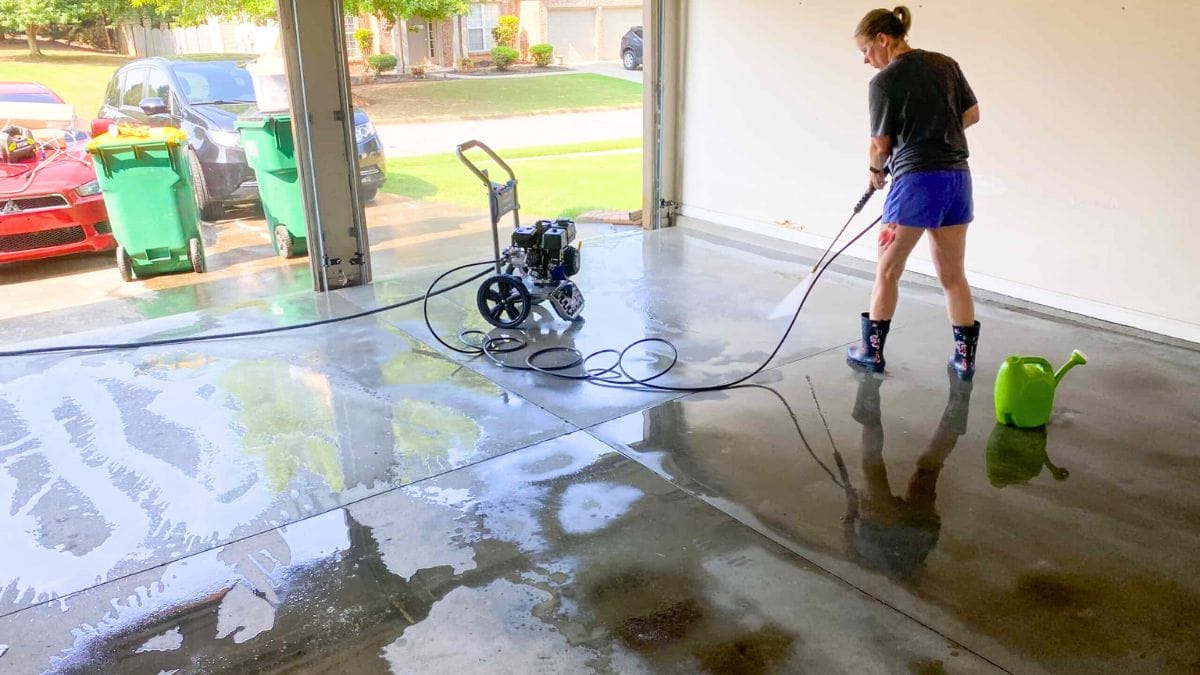
You’re getting ready to sell your house. Everything inside looks great. Fresh paint, updated fixtures, decluttered rooms. Then a potential buyer walks into your garage and their face falls.
Your garage floor is cracked, stained, and peeling. You just watched thousands of dollars vanish from your home’s value. It happens faster than you think.
The garage floor might seem like a minor detail. But buyers notice. They see a damaged floor and start wondering what else you’ve neglected. Let’s fix this before it costs you a sale.
Ignoring Cracks and Structural Damage
Small cracks turn into big problems. You might think that hairline crack isn’t a big deal. Buyers see it differently.
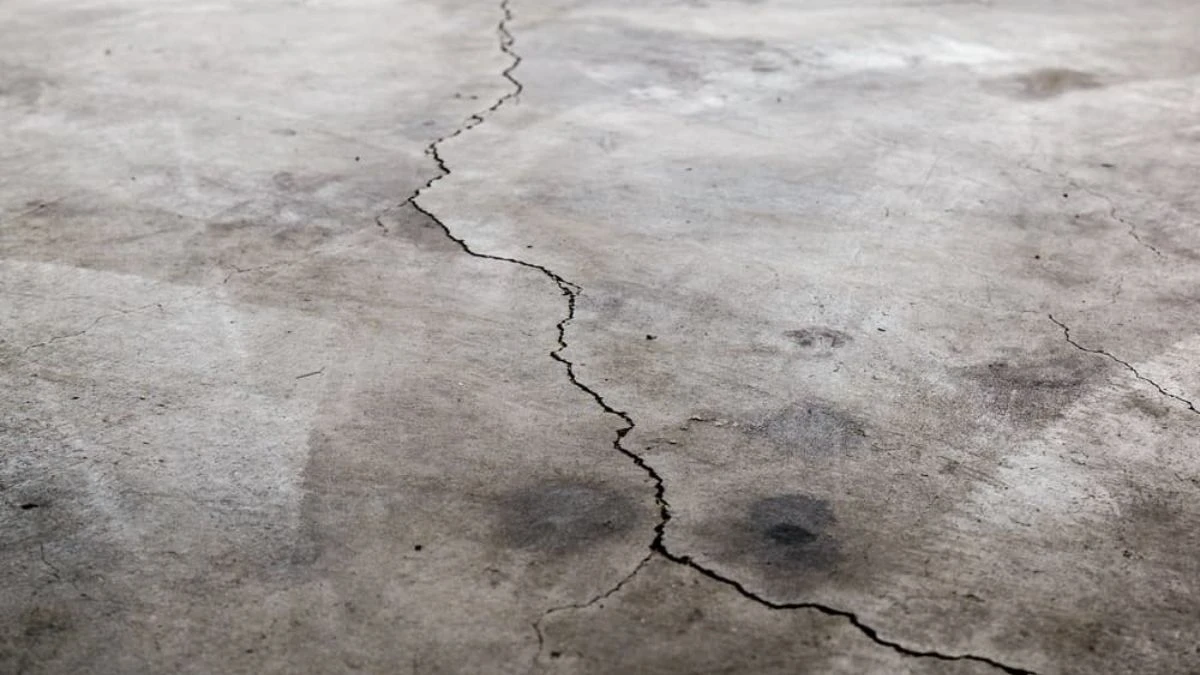
Water seeps into cracks. It freezes in winter. The crack expands. Now you’ve got a chunk of concrete lifting up. This screams “foundation issues” to anyone looking at your home.
Fix cracks before they spread. Clean them out completely. Fill them with concrete patch or epoxy filler. Make sure the repair is level with the rest of the floor. A smooth fix shows you maintain your property.
Deep cracks need professional help. If you can fit a credit card into the crack, call someone. Structural damage drops your home value fast. Don’t let this one slide.
Leaving Oil Stains and Chemical Spills
Oil stains tell a story. They say “cars leaked here for years.” Buyers imagine ongoing maintenance nightmares.
These stains soak deep into concrete. You can’t just mop them up. The porous surface holds onto that oil like a sponge. Fresh stains need immediate attention. Sprinkle cat litter or sawdust on the spill. Let it absorb for a few hours. Sweep it up and scrub with degreaser.
Old stains require more work. Try a concrete degreaser or TSP (trisodium phosphate). Scrub hard with a stiff brush. Rinse thoroughly. For stubborn stains, you might need a concrete etcher or professional cleaning.
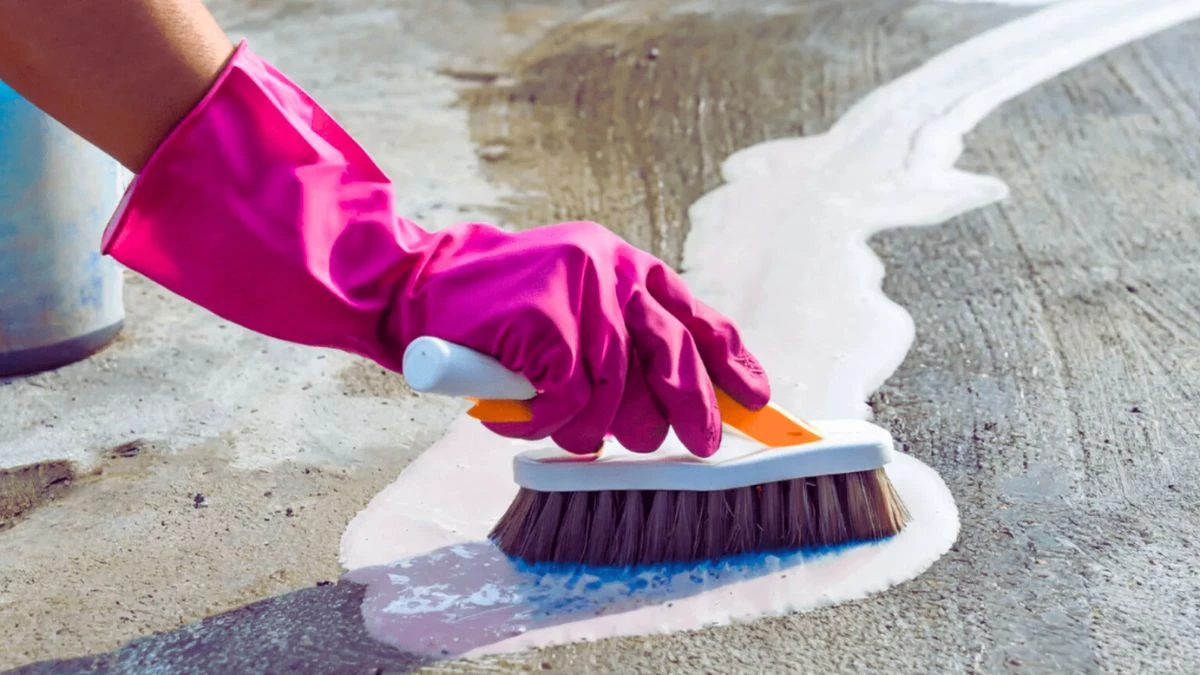
Here’s the thing. Even if you can’t remove every trace, try. A floor that’s been cleaned shows you care. A floor covered in old oil spots shows neglect.
Skipping Proper Floor Preparation Before Coating
You bought expensive epoxy coating. You spent a weekend applying it. Three months later, it’s peeling off in sheets.
The problem? You didn’t prep the floor. Concrete must be clean and porous for coatings to stick. Dirt, oil, and existing sealers create a barrier. Your beautiful coating bonds to the grime, not the concrete.
Proper prep takes time. Sweep thoroughly. Degrease the entire surface. Etch the concrete with muriatic acid or use a concrete grinder.
This opens up the pores so coating can grab hold.
Test the surface before coating. Sprinkle water on the floor. It should soak in within a few minutes. If water beads up, you’ve got more cleaning to do. Skip this step and watch your investment peel away.
Choosing the Wrong Coating for Your Climate
Not all floor coatings handle weather the same way. You live in Minnesota and applied a coating designed for Arizona garages. Winter hits. Your floor coating cracks and lifts.
Cold climates need flexible coatings.
Concrete expands and contracts with temperature changes. Rigid coatings crack under stress. Look for products rated for freeze-thaw cycles.
Hot climates have different needs. UV-resistant coatings prevent yellowing and breakdown. High temperatures make some coatings soft and sticky. Check the product specs before buying.
Moisture is another factor. Do you live in a humid area? Choose coatings with moisture barriers. Some regions need vapor-resistant primers under the topcoat. Your local home improvement store can guide you. Tell them your climate and listen to their advice.
Applying Coating in Poor Conditions
You picked a hot summer day to coat your garage floor. The temperature hit 95 degrees. The coating dried before you could spread it evenly. Now you’ve got thick ridges and thin spots.
Temperature matters. Most coatings work best between 50 and 80 degrees. Too cold and they won’t cure properly. Too hot and they set up too fast. Check the product label for ideal conditions.
Humidity plays a role too. High humidity slows curing. It can cause clouding or bubbling in the finish. Low humidity makes coatings dry too quickly. Aim for 50-60% humidity if possible.
Direct sunlight causes problems. It heats the concrete and accelerates drying. Work in shade or apply coating early morning. Late afternoon works too. Give yourself time to finish before extreme temperatures hit.
Ignoring Drainage Issues
Water pools in your garage. Every time it rains, you’ve got puddles. This damages your floor and screams “foundation problems” to buyers.
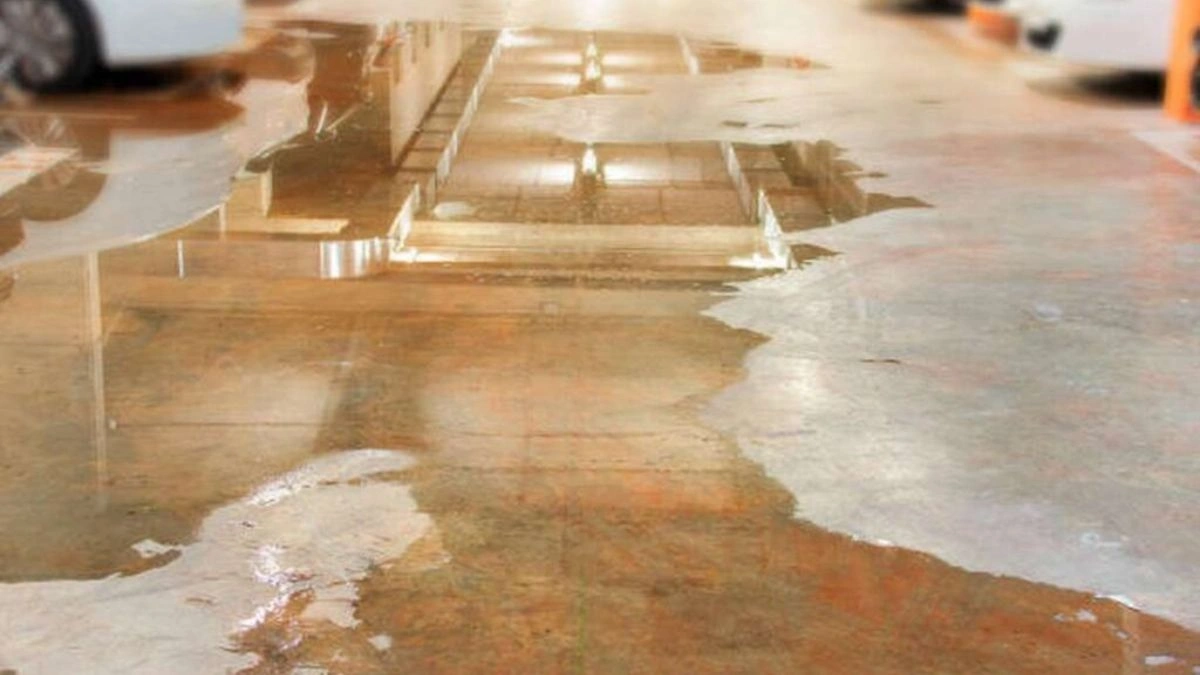
Garages need proper slope. The floor should pitch toward the door at about 1/8 inch per foot. This lets water drain out naturally. If water pools, you’ve got a leveling problem.
Fix minor drainage with self-leveling concrete. It’s easier than you think. Mix it, pour it, and it finds its own level. For major issues, hire a pro. Grinding down high spots and building up low areas requires skill.
Clean your floor drains regularly. Hair, dirt, and debris clog drains fast. A clogged drain means standing water. Standing water means concrete damage. Pop off the drain cover and clear it out every few months.
Using Cheap DIY Kits Without Research
The big box store has garage floor kits for $50. Looks easy. The photos show beautiful results. You buy two kits and get to work.
Six months later, your floor looks worse than before. The coating is patchy. It’s wearing through in high-traffic areas. You wasted money and created more work.
Not all kits are equal. Those bargain kits use thin coatings. They don’t stand up to car tires, dropped tools, or hot tire pickup. Read reviews before buying. Look for complaints about durability.
Better products cost more upfront. But they last. Polyurea and polyaspartic coatings outlast basic epoxy by years. They resist yellowing, chemicals, and abrasion. Calculate cost per year of service, not just initial price.
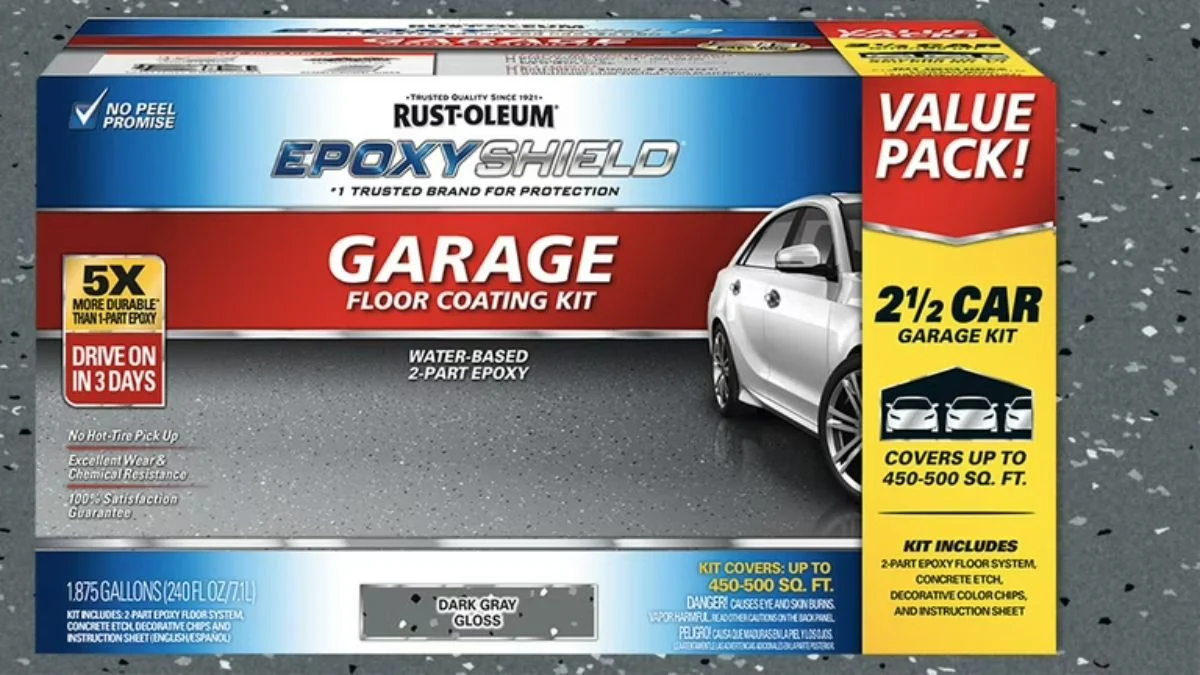
Talk to people who’ve used the product. Join online forums. Ask neighbors with nice garage floors what they used. Real-world results matter more than marketing photos.
Neglecting Edges and Corners
Your garage floor coating looks great in the center. The edges? Still bare concrete. This looks unfinished and sloppy.
Edges take extra work. You need to cut in carefully along walls and around posts. Use a brush for tight spots.
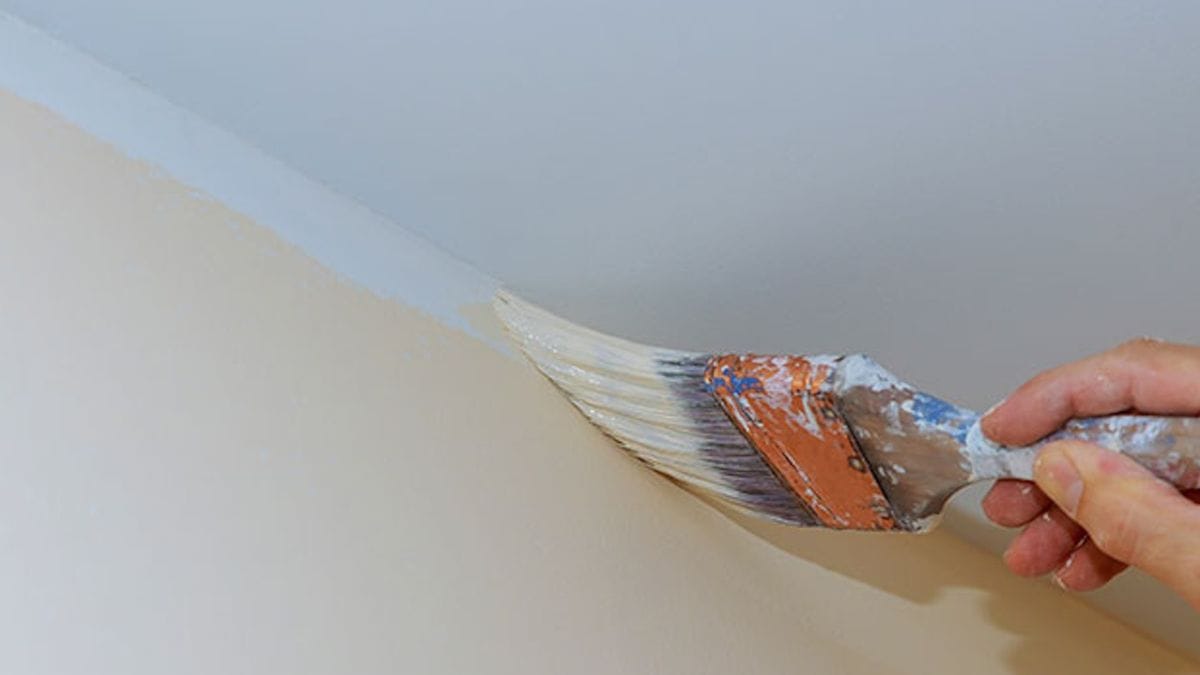
Rollers can’t reach into corners properly.
Take your time with edges. They’re the first thing people notice. A crisp, clean edge shows attention to detail. Ragged edges scream DIY disaster.
Seal the perimeter where floor meets wall. This prevents moisture from wicking up into drywall. It also stops dust from concrete from spreading. A small bead of caulk makes a big difference.
Forgetting Regular Maintenance
You installed a beautiful garage floor four years ago. Since then? You’ve done nothing. Now it’s dull, dirty, and starting to wear.
Coated floors need care. Sweep regularly. Dirt and grit act like sandpaper under car tires. They wear down your coating fast. A quick sweep once a week takes five minutes.
Mop occasionally with mild cleaner.
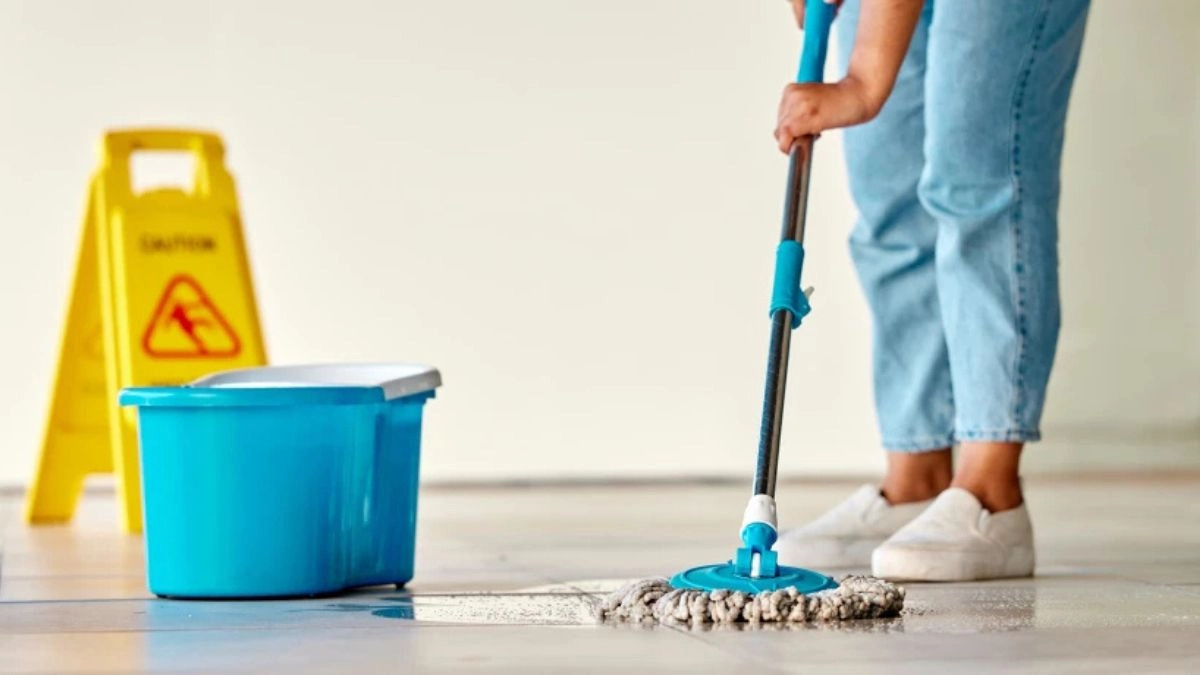
Harsh chemicals damage coatings. Skip the degreaser unless you have a fresh spill. Warm water and dish soap work fine for routine cleaning.
Reapply topcoat every few years. Even the best coatings wear down in high-traffic areas. A fresh topcoat is cheaper than redoing the entire floor. It keeps your garage looking new.
Check for damage regularly. Catch small chips before they spread. Touch up problem spots promptly. Prevention costs pennies. Repairs cost dollars.
Your Garage Floor Is an Investment
Your garage floor makes an impression. A damaged, neglected floor tells buyers you don’t maintain your home. A clean, well-coated floor suggests you care about every detail.
Start with repairs. Fix cracks and drainage issues first. Then clean and prep thoroughly. Choose quality products appropriate for your climate. Take time to do it right.
The result? A garage that adds value instead of subtracting it. When buyers walk into your garage, you want them thinking about parking their cars there. Not about how much it’ll cost them to fix your mistakes.
Your garage floor is one of the easiest ways to boost curb appeal and resale value. Don’t let these nine mistakes cost you thousands when you sell.