
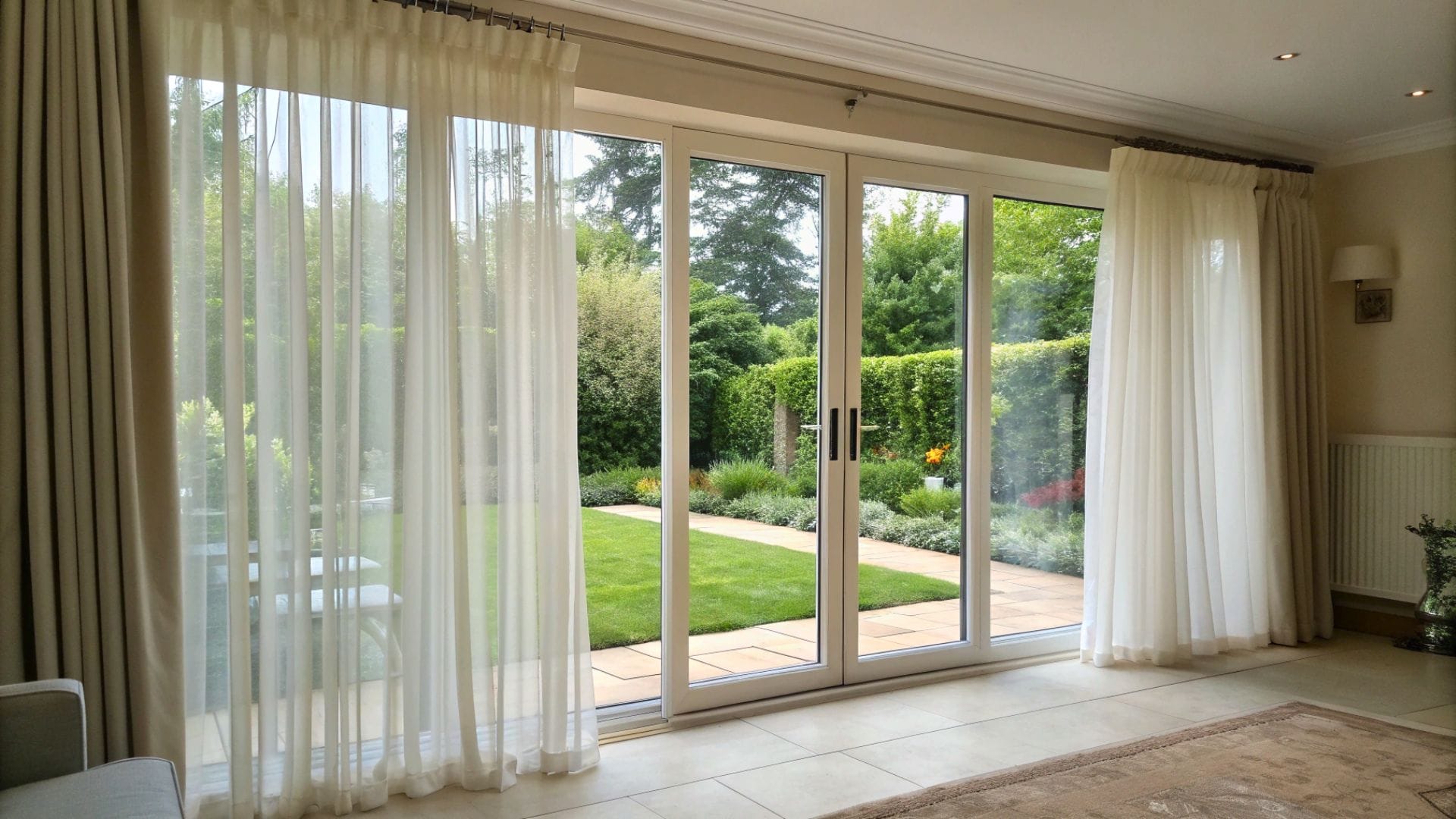
Your sliding glass door is letting in more than just natural light. It’s exposing your entire living space to prying eyes and harsh UV rays.
You know the problem. Neighbors can see right into your living room. The afternoon sun creates blinding glare on your TV. Your energy bills keep climbing because heat pours through that giant sheet of glass.
Six gorgeous sliding glass door curtains can fix all these problems while making your space look amazing. You’ll learn budget options under $100 and premium smart solutions. Plus simple installation tips that don’t require calling a handyman.
These sliding glass door curtains work for any home style. From modern apartments to farmhouse kitchens. Ready to get privacy, cut energy costs, and boost your home’s style? Let’s find your perfect patio door curtains solution.
Why Sliding Glass Door Curtains Matter More Than You Think
Most people think sliding glass door curtains are just for looks. Wrong. These window treatments can cut your energy bills by up to 25% every month.
Your bare glass door works like a giant heat magnet. In summer, it pulls hot air inside. In winter, it lets warm air escape. Good curtains create a barrier that keeps your home comfortable year-round.

UV rays streaming through glass can fade your furniture and floors in just six months. The sun’s rays are strongest near big windows and doors. Quality curtains with UV protection block up to 99% of harmful light.
Privacy matters too. Without sliding glass door curtains, anyone can see your family routines. Your kids playing. Your evening TV time. Window treatments give you control over who sees what and when.
Here’s a bonus you might not expect. Real estate agents say proper window treatments can boost home value by 3-5%. Buyers notice homes that look finished and well-maintained.

Energy efficiency plus UV protection plus privacy plus higher home value. That’s why smart homeowners invest in quality patio door curtains first.
1. Floor-to-Ceiling Panel Track Curtains for Maximum Drama
Want to make your ceiling look higher? Floor-to-ceiling curtains stretch your room up and make even small spaces feel grand.
Panel track curtains slide on rails like closet doors. They cover your entire sliding glass door from top to bottom. This creates one smooth wall of fabric that looks expensive.
The IKEA VIDGA system costs just $60 and works for most standard doors. You get aluminum tracks that mount to your ceiling. The panels hang on clips that slide smoothly back and forth. Installation takes about two hours with basic tools.
Choose linen for a relaxed look. Cotton blends work great for everyday use and wash easily. Want total darkness? Blackout fabric blocks 99% of light but costs more.
Stick to solid colors or simple patterns. Busy designs look messy when you have that much fabric. Light colors make rooms feel bigger. Dark colors add drama but can shrink your space.
Home Depot sells custom track systems for $200-$400. These fit odd-sized doors and hold heavier fabrics. The tracks come in white, black, or brushed metal to match your decor.
Cleaning is simple. Most panel track curtains are machine washable. Vacuum them monthly to prevent dust buildup. The smooth sliding action means less wear than regular patio door curtains.
2. Layered Sheer and Blackout Combinations for Versatile Light Control
Can’t decide between privacy and natural light? Double-layer sliding door window treatments give you both options with one simple pull.
Install two curtain rods about 4 inches apart. The front rod holds sheer curtains for daytime privacy. The back rod holds blackout curtains for complete darkness when you need it.
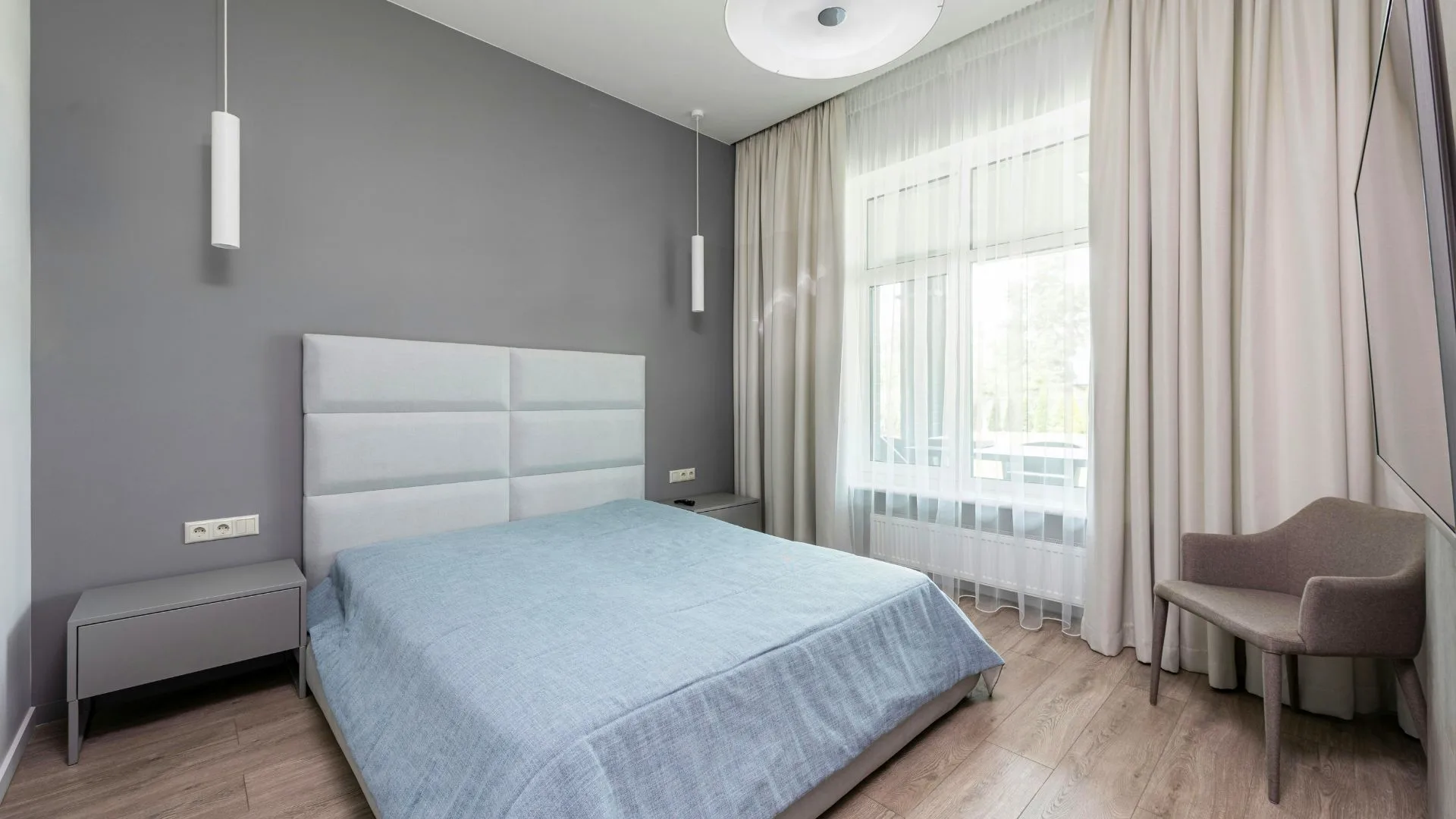
Linen sheers paired with velvet blackout panels create the perfect bedroom setup. During the day, close the sheers to block nosy neighbors but keep soft light coming in. At night, pull the blackout curtains for total darkness and better sleep.
White sheers work with any color blackout panels. Try navy blue or charcoal gray for a modern look. Patterned privacy panels add style but cost more than solid colors.
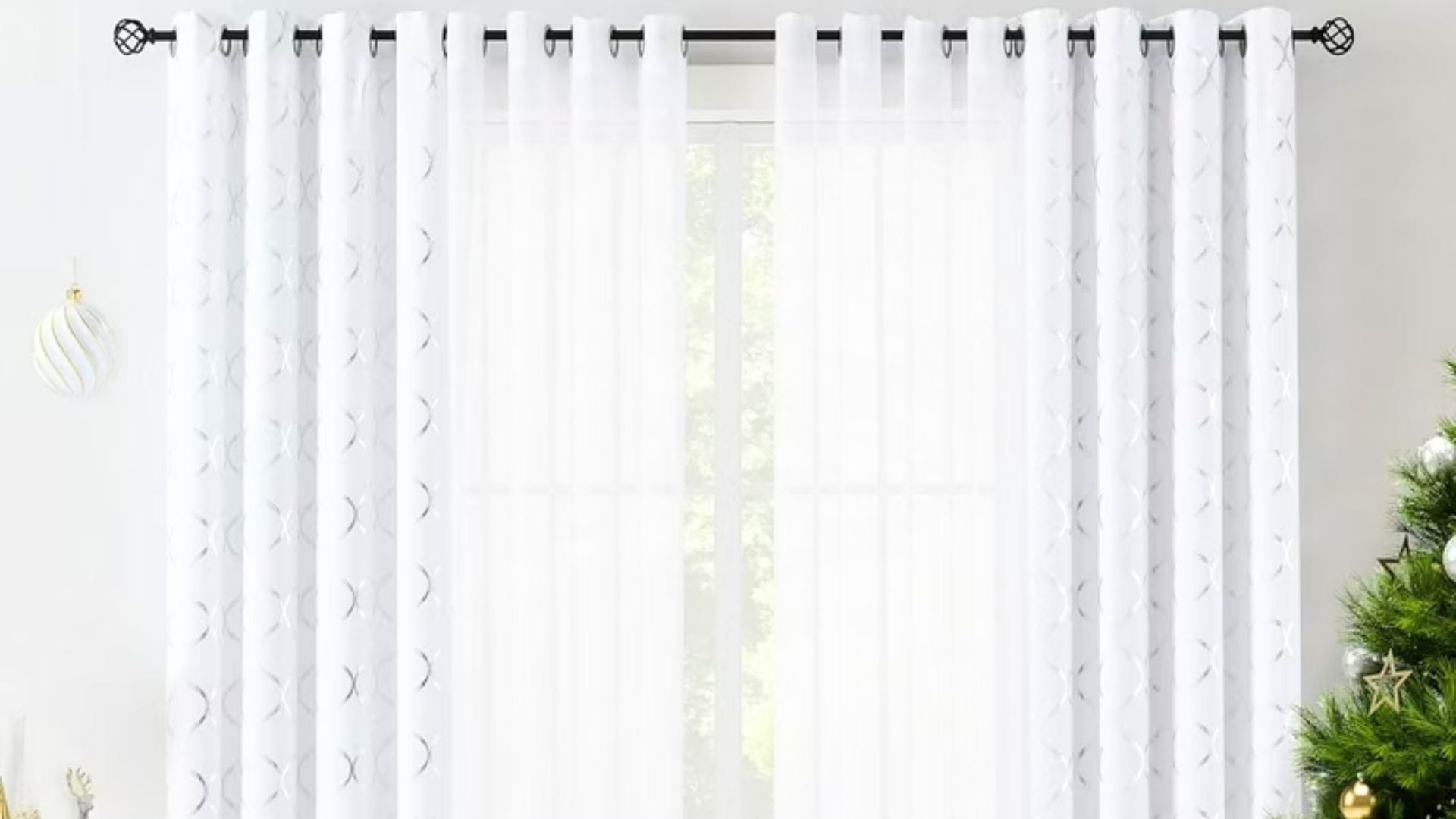
Budget tip: Buy shower curtain rods for $15 each instead of fancy curtain hardware. They hold lighter fabrics just fine. Use tension rods if you can’t drill into walls.
Summer strategy: Keep sheers closed during hot afternoons to block heat. Winter strategy: Open both layers on sunny days to warm your room naturally. This simple trick can cut your energy bills.
Manual operation means pulling each layer by hand. Motorized systems cost $300+ but let you control both layers with one button. Most people find manual systems work fine for sliding glass doors.
Clean sheer curtains monthly since they catch more dust. Blackout curtains need washing every few months.
3. Vertical Blinds with Curtain Panels: The Best of Both Worlds
Tired of choosing between precise light control and soft style? Vertical blinds plus curtain panels give you exact light adjustment and cozy fabric warmth.
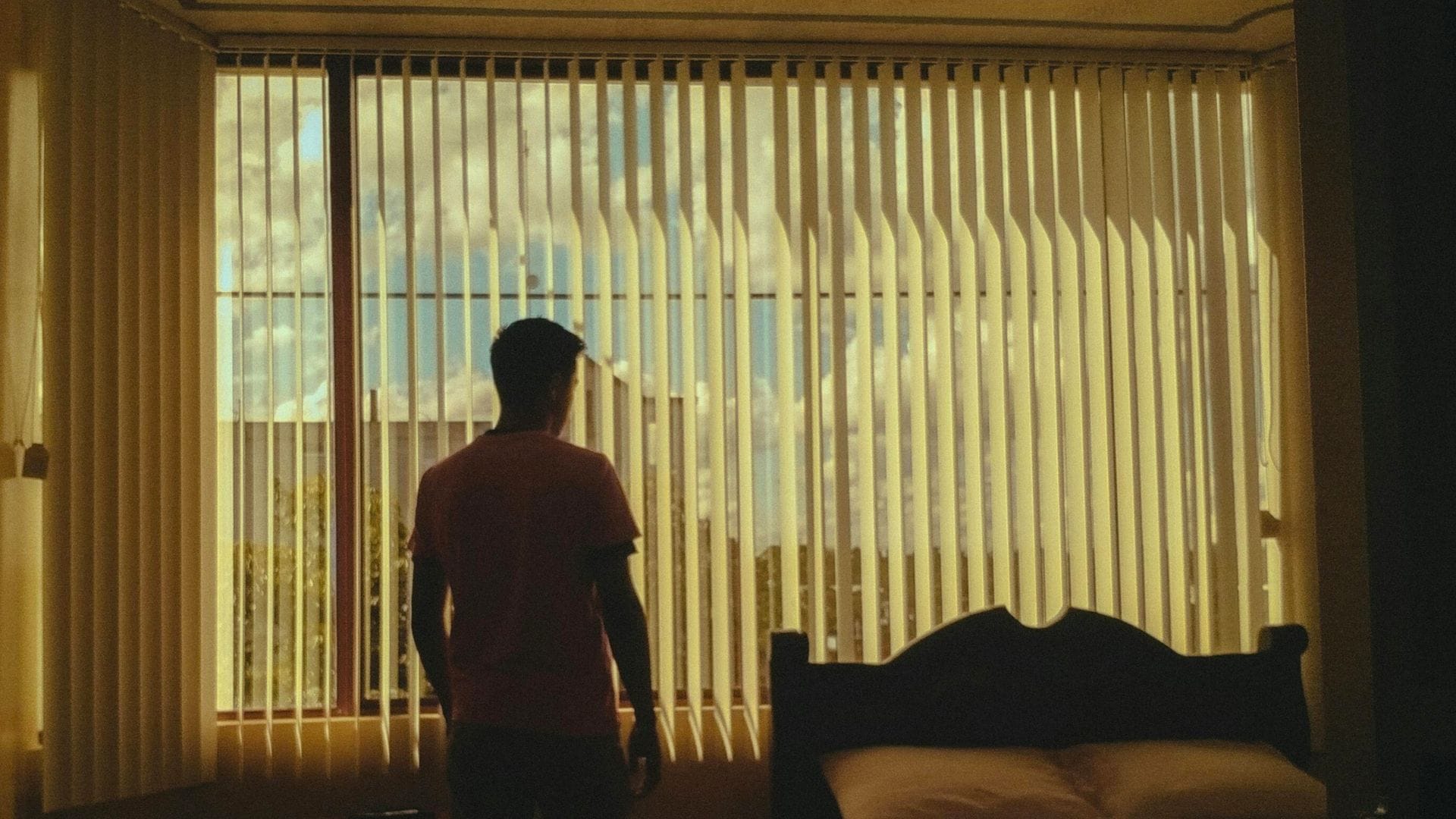
Install vertical blinds first for daily light control. Add curtain panels on a separate rod for style and extra privacy. This combo works great in living rooms where you need flexible lighting all day long.
Aluminum blinds with fabric valances cost just $120-$180 total. The blinds handle the hard work of blocking sun and glare. The fabric softens the look and adds color to your room.

Faux wood blinds with linen panels create a modern farmhouse vibe. The wood texture adds warmth while linen keeps things fresh and clean. This combination works in kitchens and dining areas.
DIY installation takes about 3 hours and basic tools. Professional installation costs $150-$200 but includes a warranty. Most people can handle this project over a weekend.
Cleaning is super easy. Wipe blinds monthly with a damp cloth. Wash curtain panels every few months. No special care needed for either part.
Smart home options let you control blinds with your phone. Add motorized vertical blinds for $300-$500. Regular sliding glass door curtains stay manual to keep costs down.
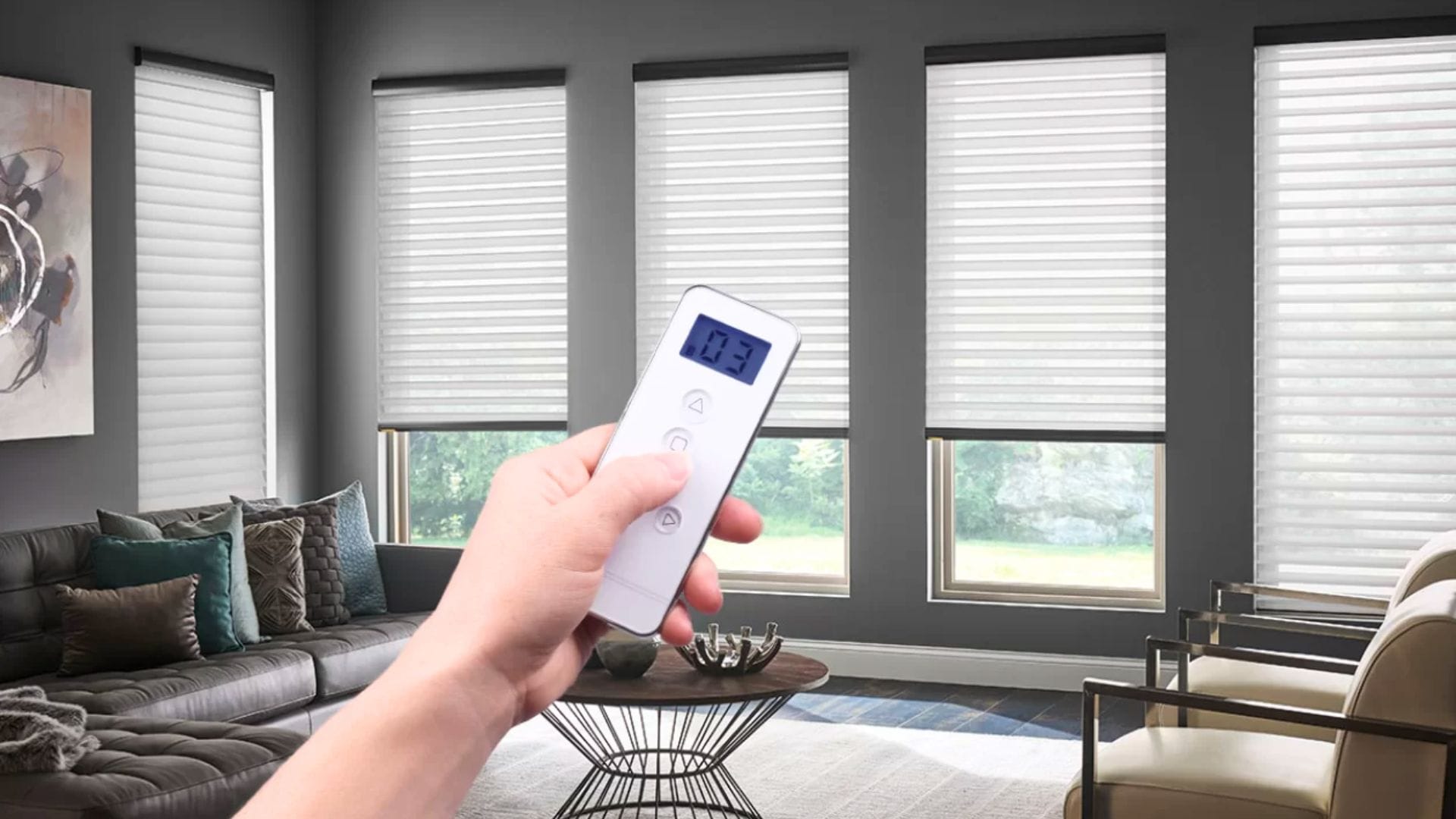
This setup lasts longer than curtains alone since blinds take most of the sun damage.
4. Café Curtains for Partial Privacy and Charm
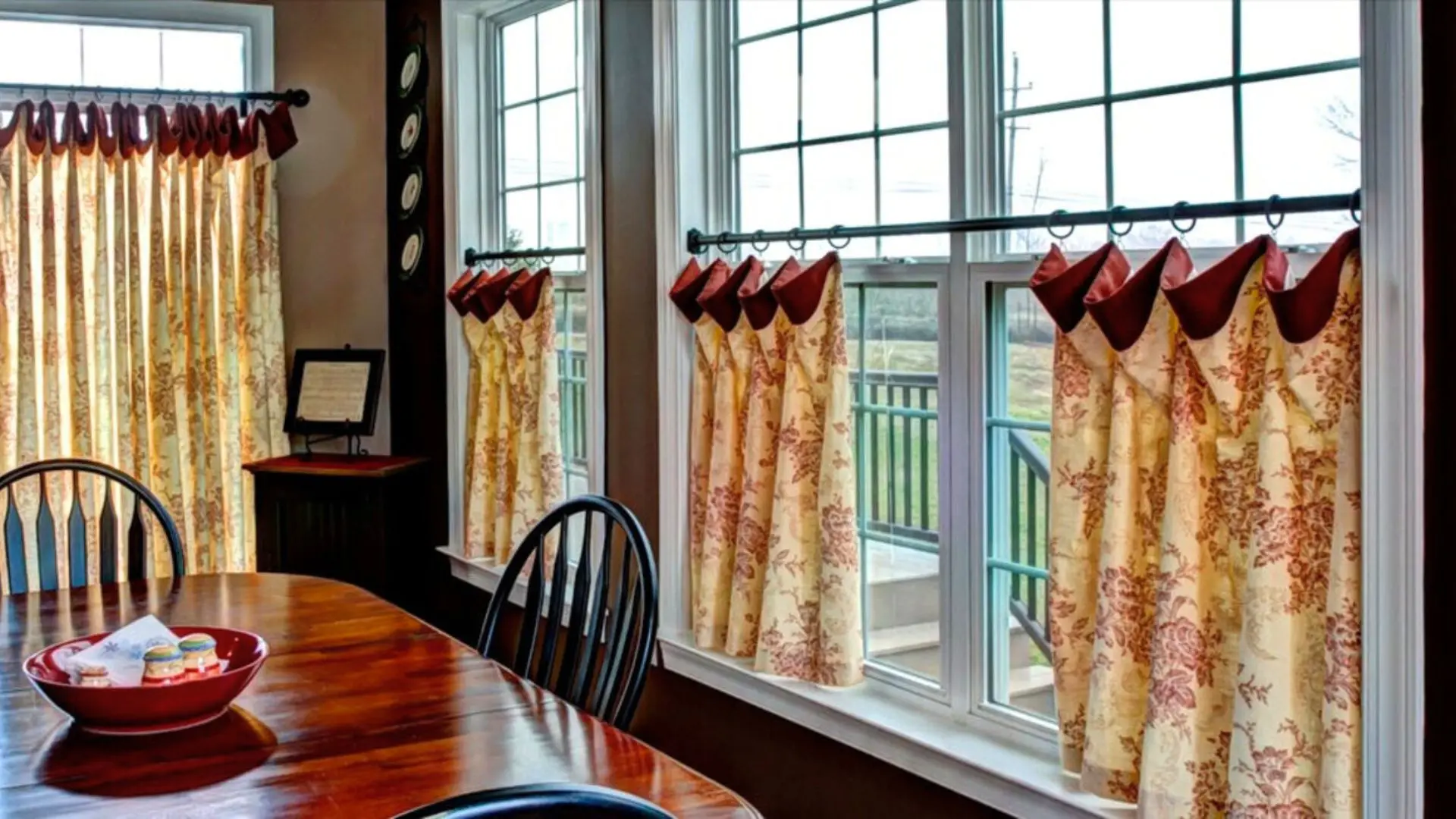
Need privacy from nosy neighbors but want to keep your view? Café curtains cover just the bottom half of your sliding door while letting light flood in from the top.
These work perfectly in kitchens and breakfast nooks. You block people from seeing your dirty dishes but keep the bright, airy feeling. Kids can’t peek in your windows but you still see your backyard.
Install a tension rod halfway up your door frame – no drilling needed. Measure 36-48 inches from the floor for the perfect height. Most café curtains cost $25-$60 and take 10 minutes to hang.
Farmhouse-style linen café curtains add rustic charm to country kitchens. The natural texture softens hard surfaces like tile and granite. White or cream colors work with any cabinet style.
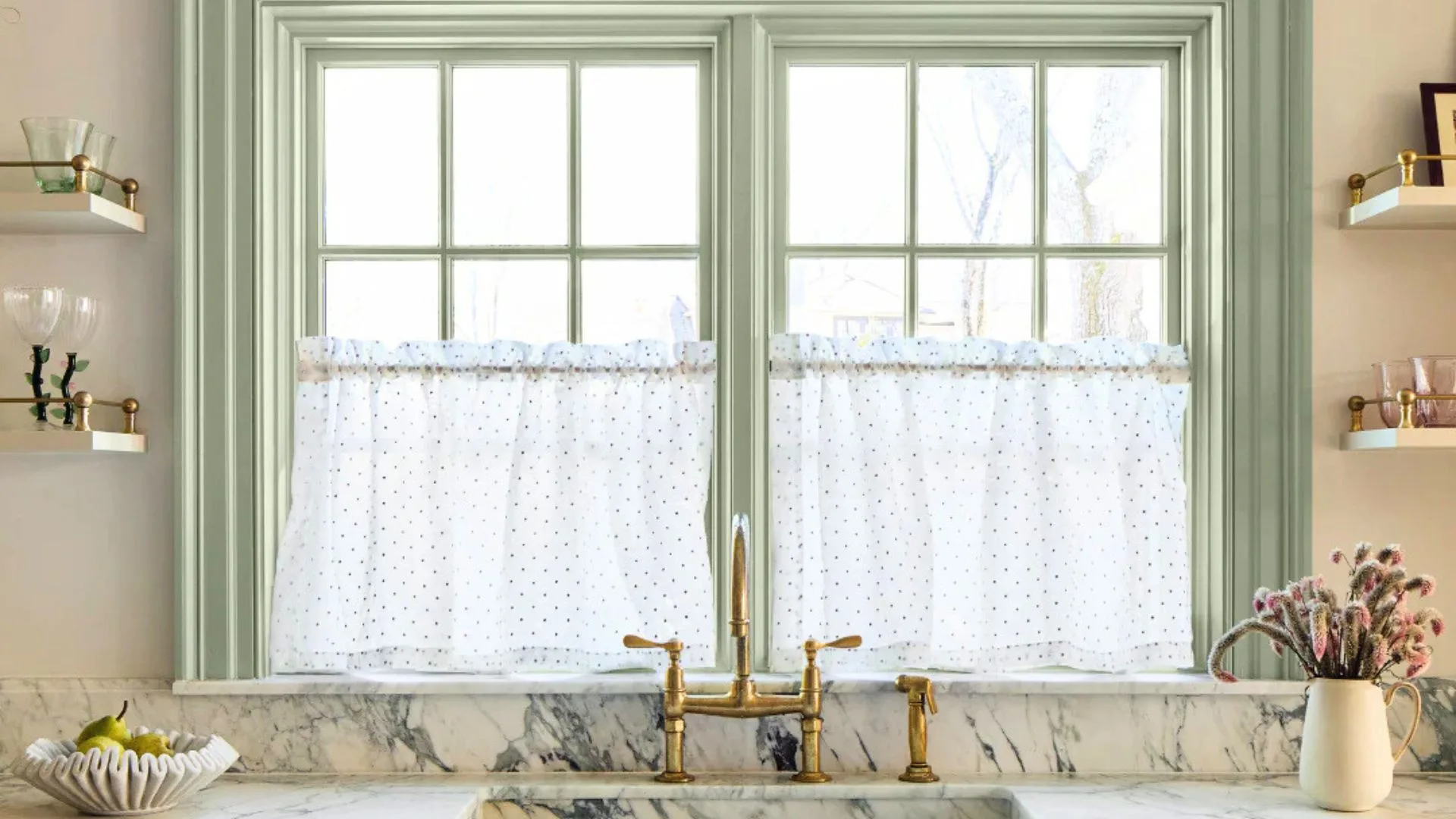
Modern homes need clean lines. Try geometric patterns in black and white or navy blue. Keep patterns small since you’re working with less fabric space.
Seasonal swapping keeps your sliding door window treatments fresh. Summer: light cotton in bright colors. Fall: warmer tones like burnt orange or deep red. Winter: heavier fabrics in rich colors.
Café curtains don’t work for bedrooms or living rooms where you need full privacy. They’re perfect for partial privacy in active spaces like kitchens and dining areas.
5. Motorized Smart Curtains for Ultimate Convenience
Tired of wrestling with heavy sliding glass door curtains every morning and night? Motorized curtains open and close with the touch of a button or simple voice command.
Smart home integration lets you control your curtains from anywhere. Set schedules to open curtains at sunrise and close them at sunset. Your home looks lived-in even when you’re on vacation.
Installation requires a nearby electrical outlet or hardwired connection. Most systems run on rechargeable batteries that last 6-12 months. Professional installation costs $200-$400 extra but includes setup and smart home connection.
Somfy motorized systems cost $800-$1,500 for sliding doors but offer the smoothest operation. These work with Alexa, Google Home, and Apple HomeKit. The motors are whisper-quiet and handle heavy fabrics easily.
IKEA FYRTUR smart blinds cost just $150-$300 and work great for basic needs. They connect to your phone via the IKEA app. Battery life is shorter but replacement is simple.
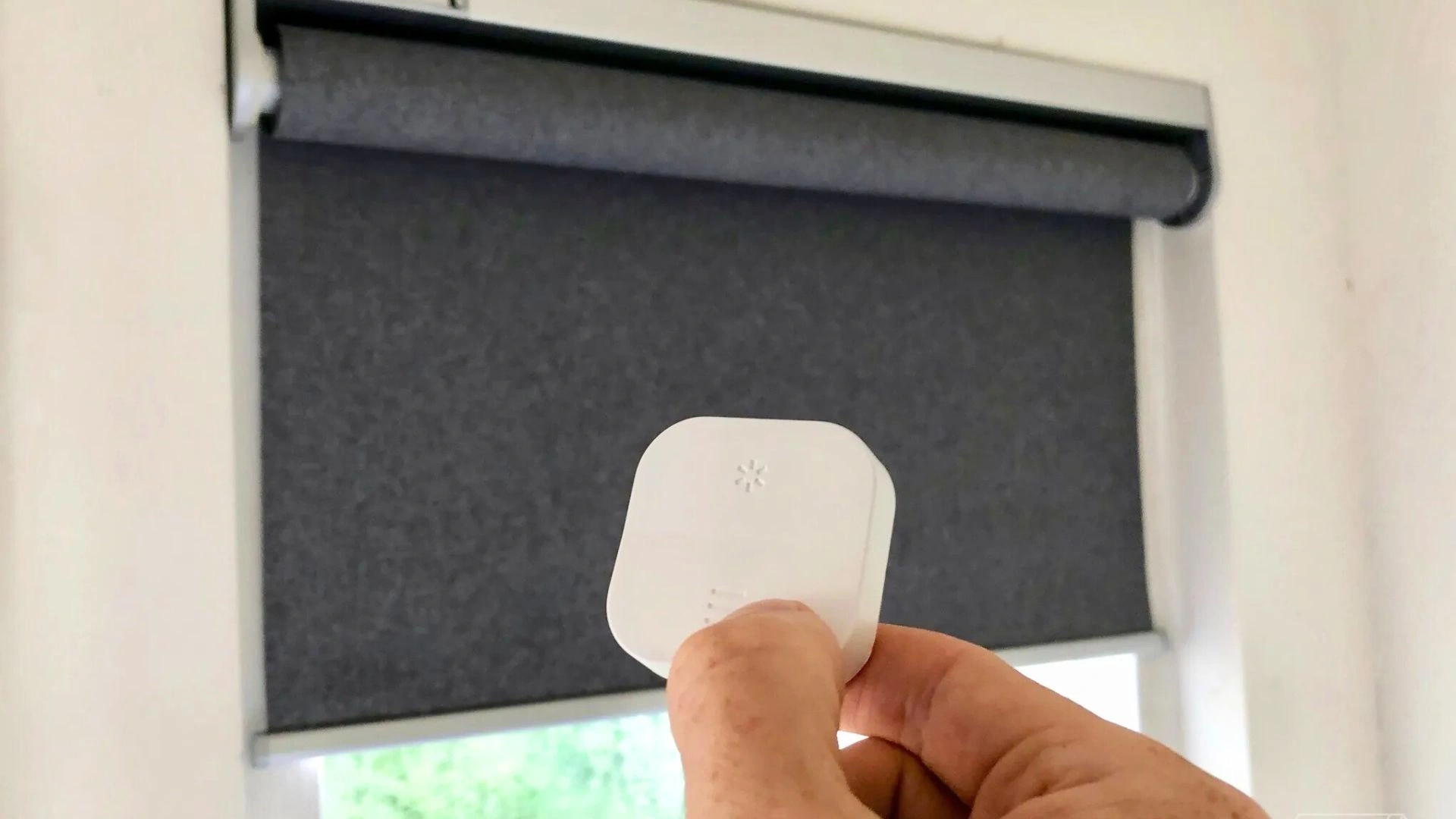
Voice control feels like magic. Say “Alexa, close the living room curtains” and watch them glide shut. Set morning routines to open curtains and start your coffee maker together.
Downside: repairs cost more than regular sliding glass door curtains. Motors can fail after 5-7 years. Budget an extra $100-$200 for maintenance over time.
Best for busy families who want convenience and tech lovers who enjoy smart home features.
6. Budget-Friendly DIY Curtain Solutions Under $100
Can’t afford custom patio door curtains but need privacy now? These DIY curtains cost under $100 and take just one weekend to complete.
Start with canvas drop cloths from Home Depot. A 9×12 foot drop cloth costs $15 and covers most sliding doors perfectly. Add clip rings for $8 and a tension rod for $12. Total cost: $35.

No-sew methods save time and money. Use iron-on hem tape to create clean edges in minutes. Fabric glue works for lightweight materials like cotton sheets. Both options hold up for years with normal use.
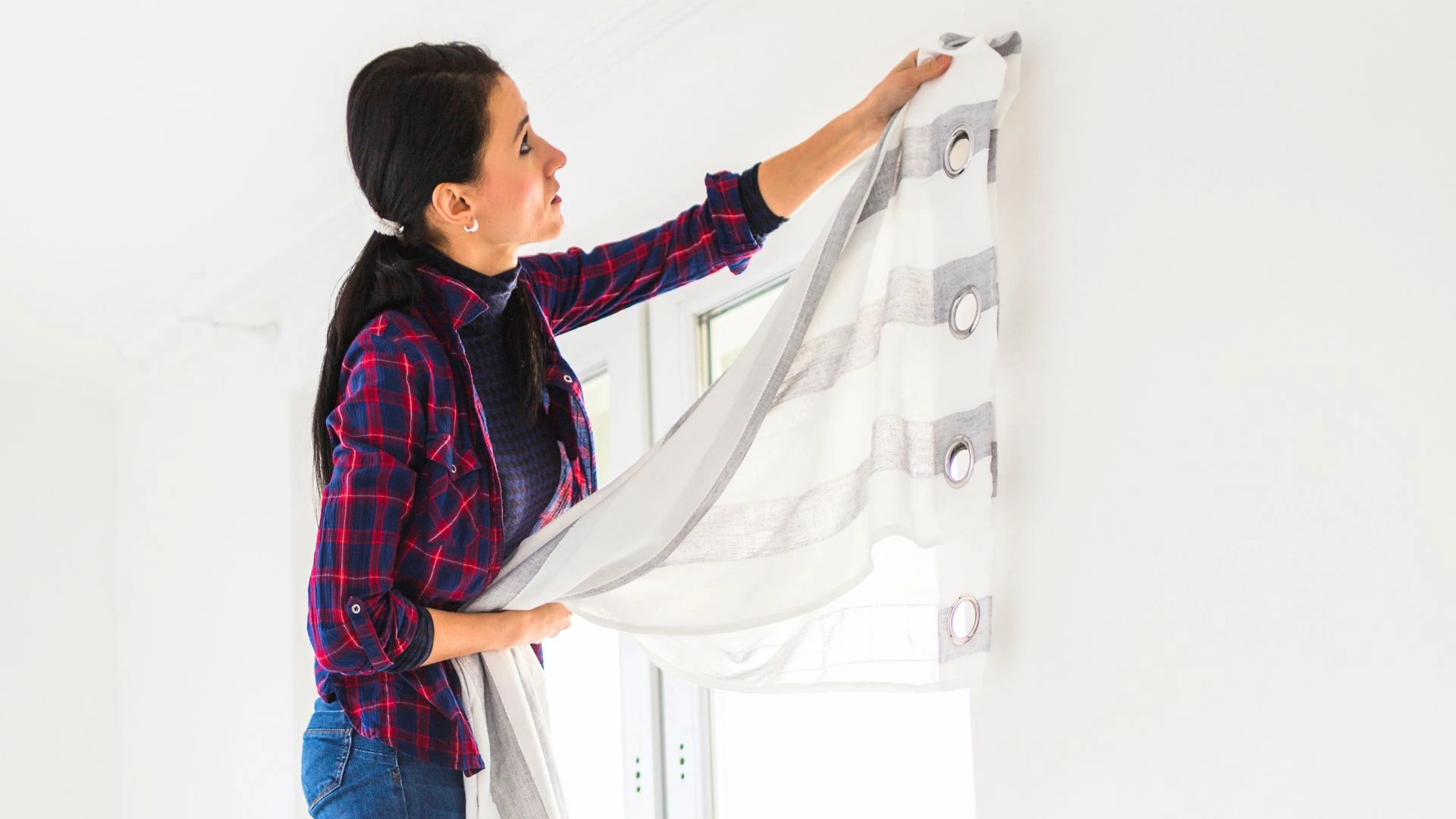
Transform old tablecloths into stylish DIY curtains. Thrift stores sell large tablecloths for $3-$8 each. Look for linen or cotton in solid colors. Cut them to size and add grommets with a $10 kit from craft stores.
Shower curtain hacks work great for renters. Buy fabric shower curtains for $20-$30 each. They’re already the right width and come with grommets. Hang two side-by-side for full coverage.
Check fabric store remnant bins for deals. End-of-roll pieces cost 50-70% less than regular fabric. You need about 6-8 yards total for standard sliding doors. Mix and match colors for a custom look.
Weekend timeline: Saturday morning for shopping and measuring. Saturday afternoon for cutting and hemming. Sunday morning for hanging. You’ll have budget curtains finished before Sunday dinner.
Installation Tips and Common Mistakes to Avoid
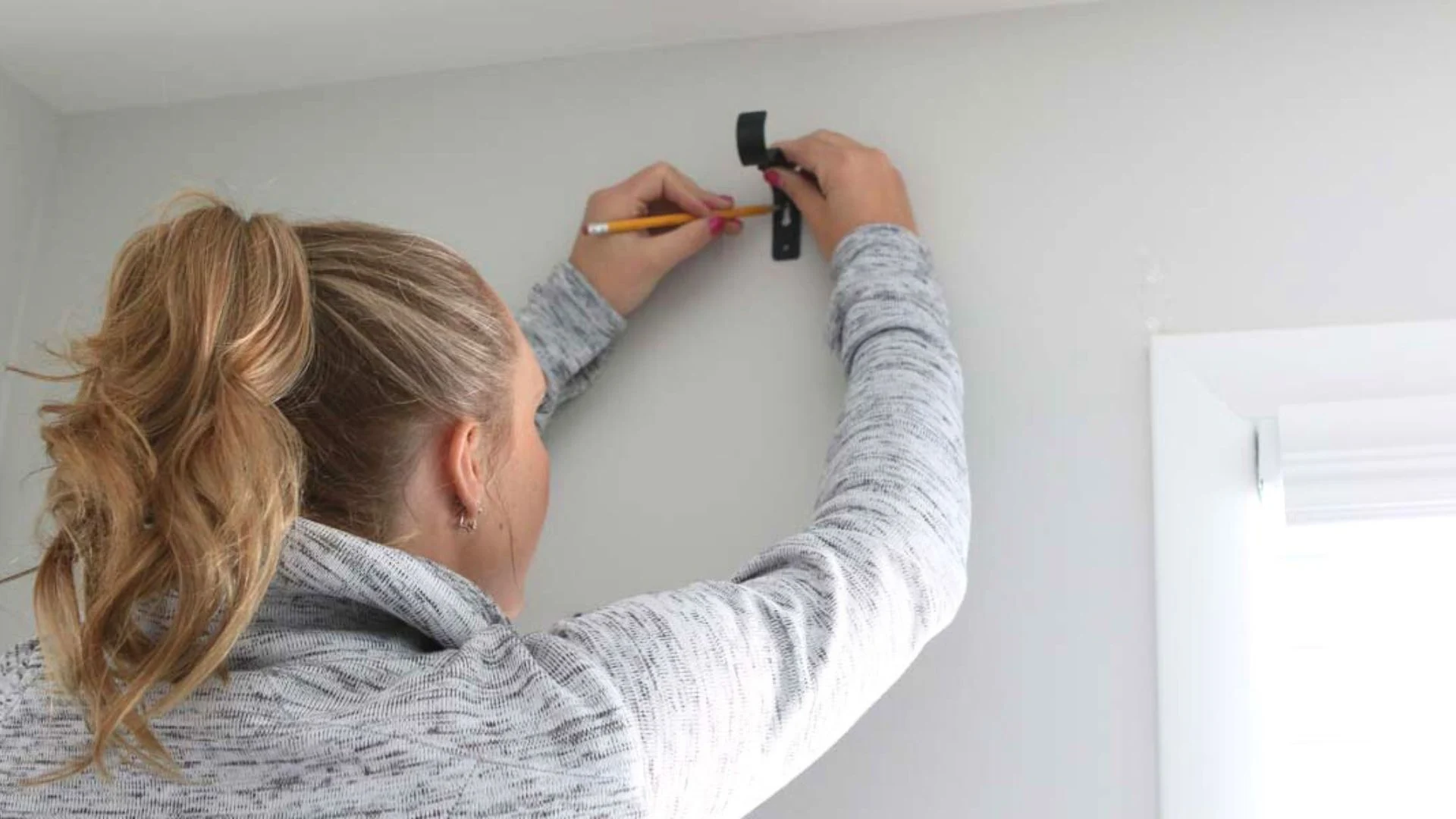
Nothing ruins your curtain project faster than crooked rods or falling hardware. Measure twice, drill once – and always check your measurements before making holes.
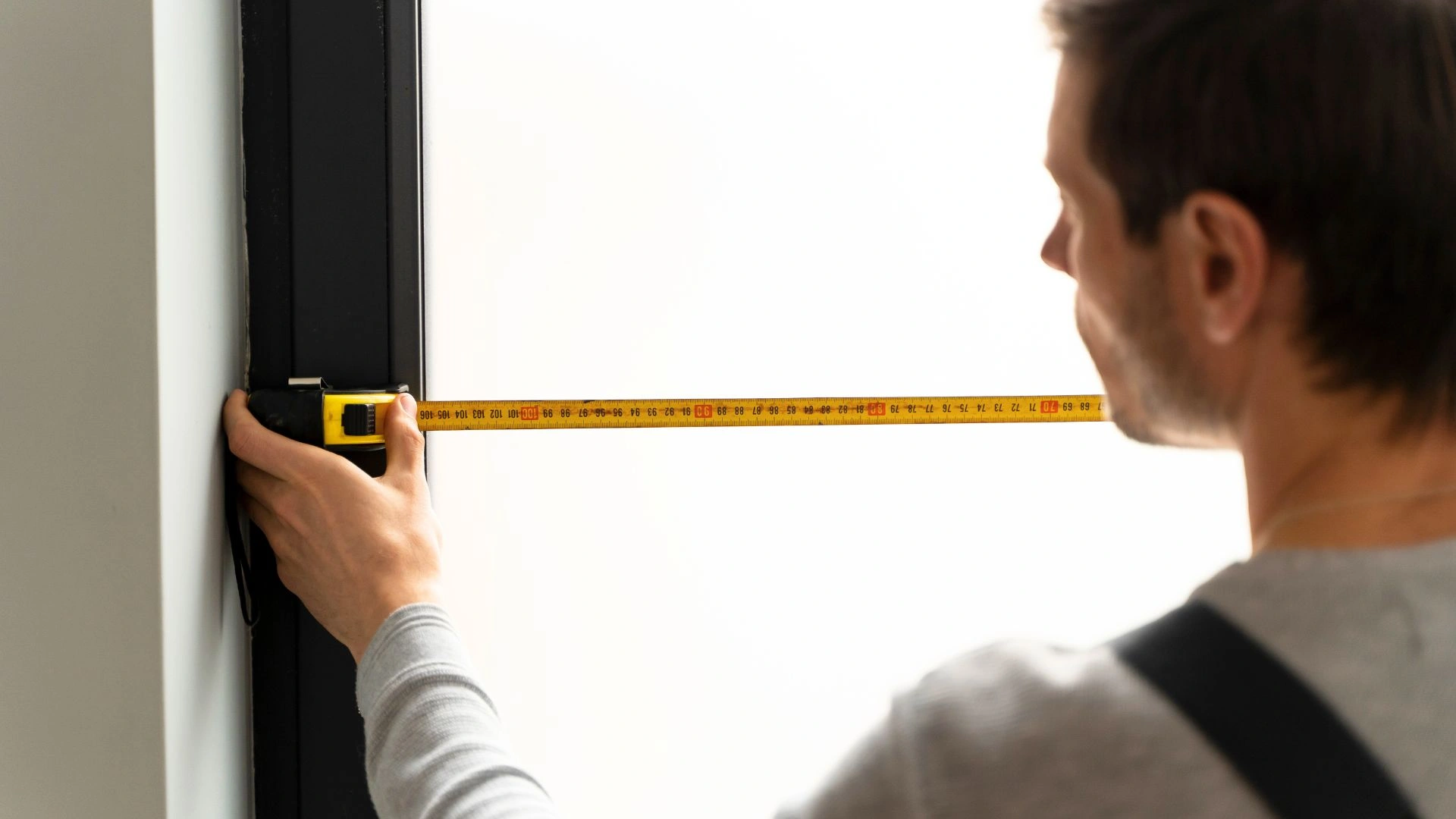
Standard sliding doors are 6-8 feet wide. Add 6 inches on each side for proper coverage. Mount rods 4-6 inches above the door frame to make ceilings look higher.
Find wall studs before drilling – drywall alone won’t hold heavy curtains. Use a stud finder or tap the wall to hear the difference. Hollow sounds mean no stud. Solid thuds mean you found one.
Check weight limits on your hardware. Curtain rods hold 10-30 pounds depending on the bracket type. Heavy blackout sliding glass door curtains need stronger brackets than lightweight sheers.
Common mistake #1: Not accounting for door handles. Your curtains need to clear the handle when closed. Leave 2-3 inches of space.
Common mistake #2: Installing rods too close to the wall. Curtains need 3-4 inches of clearance to hang properly and slide smoothly.
Call professionals if you have concrete walls, high ceilings over 10 feet, or motorized systems. Most curtain installation costs $100-$200 but saves you from expensive mistakes.
Test your setup before hanging heavy curtains. Use a lightweight towel first to check for sagging or movement.
Styling Your Sliding Glass Door Curtains Like a Pro
Want your curtains to look expensive without the designer price tag? Match your curtain color to your largest piece of furniture for instant coordination.
Use the 60-30-10 color rule. Your walls are 60%, furniture is 30%, and sliding door window treatments are your 10% accent color. This creates balance without overwhelming your space.
Pattern mixing works when you vary the size. Large floral curtains pair with small striped pillows. Geometric curtains work with solid furniture and small patterned accessories.
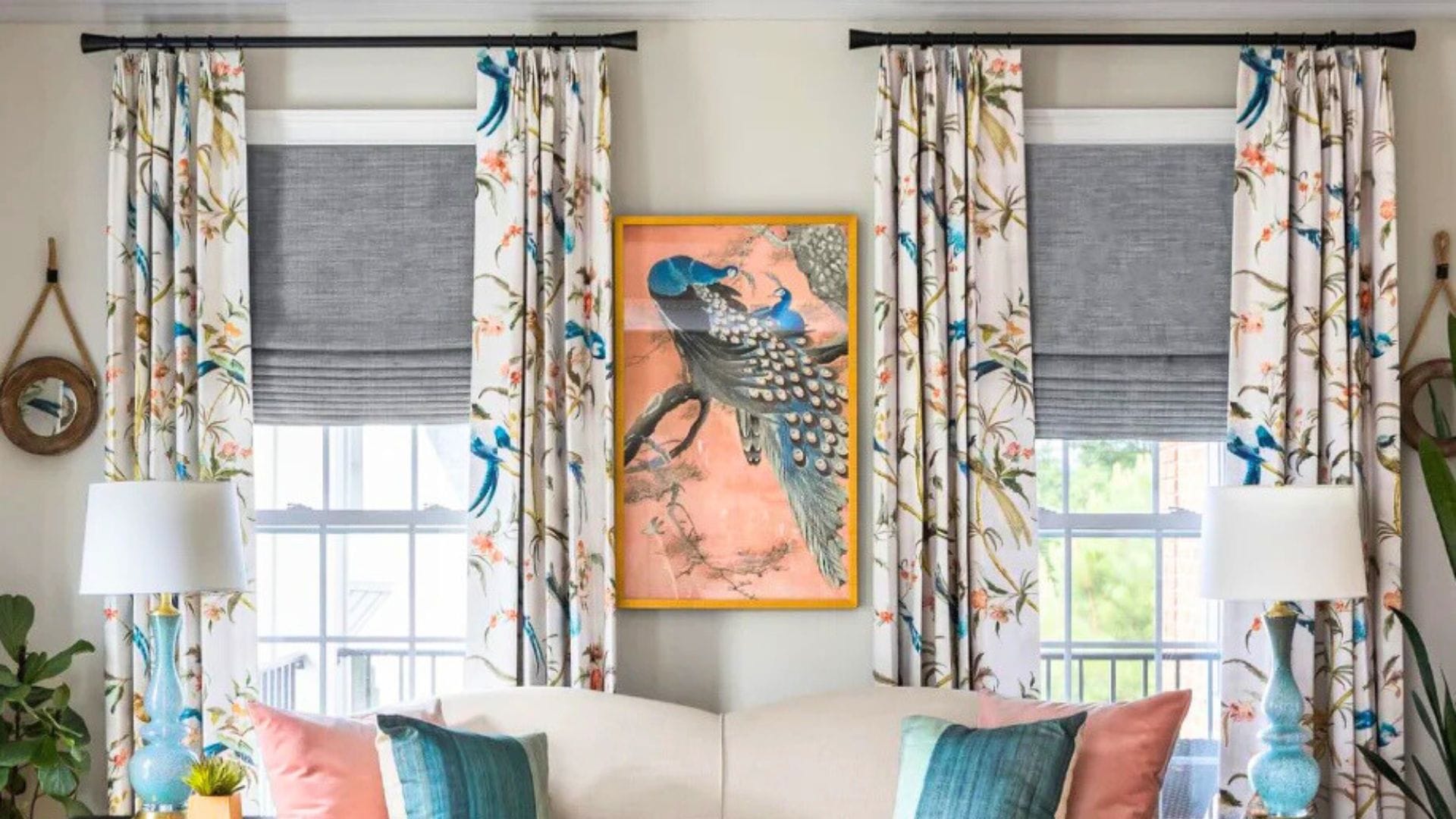
Hardware finishes should match your door handles and light fixtures. Brushed nickel works with modern homes. Oil-rubbed bronze fits traditional spaces. Black works with everything but shows fingerprints more.
Layer different textures for depth. Smooth silk panels with rough jute tiebacks. Linen curtains with velvet trim. This adds interest without clashing colors.
Seasonal updates keep your space fresh. Summer: light cotton in bright colors. Winter: heavier fabrics in rich tones. Swap out tiebacks and hardware for quick changes.
Pro tip: hang curtains high and wide to make windows look bigger. Your sliding glass door will seem more grand and expensive.
Final Thought;
You now have six proven ways to upgrade your sliding glass door curtains. Floor-to-ceiling panels add drama. Layered curtains give flexible light control. Smart motorized options offer convenience. Budget DIY solutions cost under $100.

Each option solves privacy problems and cuts energy costs. Your space will look finished and feel more comfortable.
Grab your measuring tape and pick your favorite style. Whether you choose patio door curtains for $35 or premium systems for $1,500, your home transformation starts now.