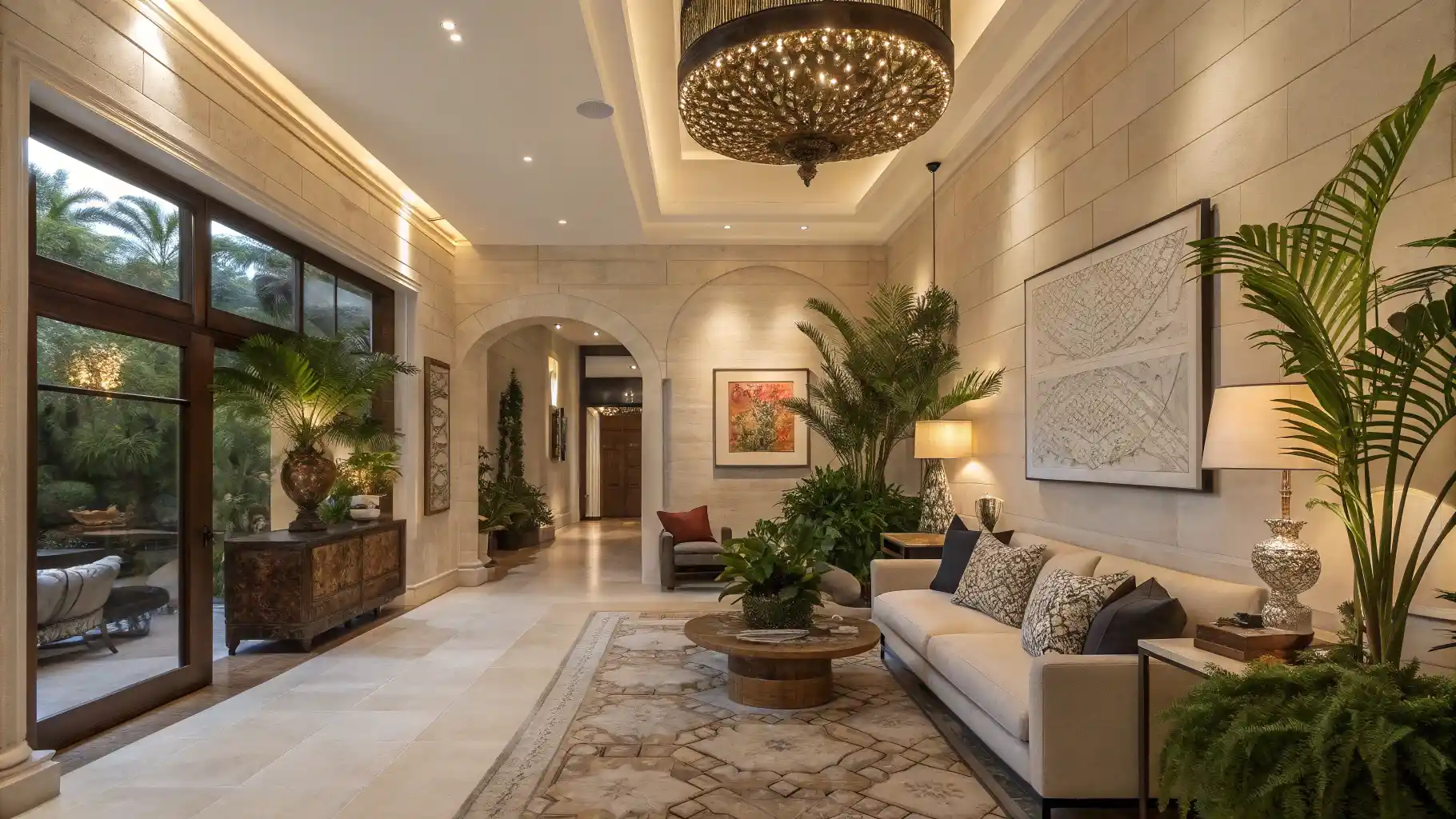
You know that feeling when you flip through a design magazine and think, “I could never afford that”? I get it. We’ve all been there, scrolling through Pinterest, convinced that beautiful home decor ideas are only for people with unlimited budgets.
But here’s the secret designers don’t always tell you: luxury doesn’t have to drain your bank account. I’m going to share five budget home decorating tricks that interior designers use to create high-end looks for a fraction of the cost. These DIY decor projects work in every room of your house—and even your yard.
Ready to make your home look like a millions bucks without the big spending it? Let’s dive in.
1. Layer Your Lighting Like a Pro
Here’s what most people get wrong: they rely on one overhead light and call it done. Designers never do this. They layer lighting at different heights to create depth and warmth.
You don’t need fancy fixtures to pull this off. Start with these three levels:
- Ambient lighting: Your main overhead light (what you already have)
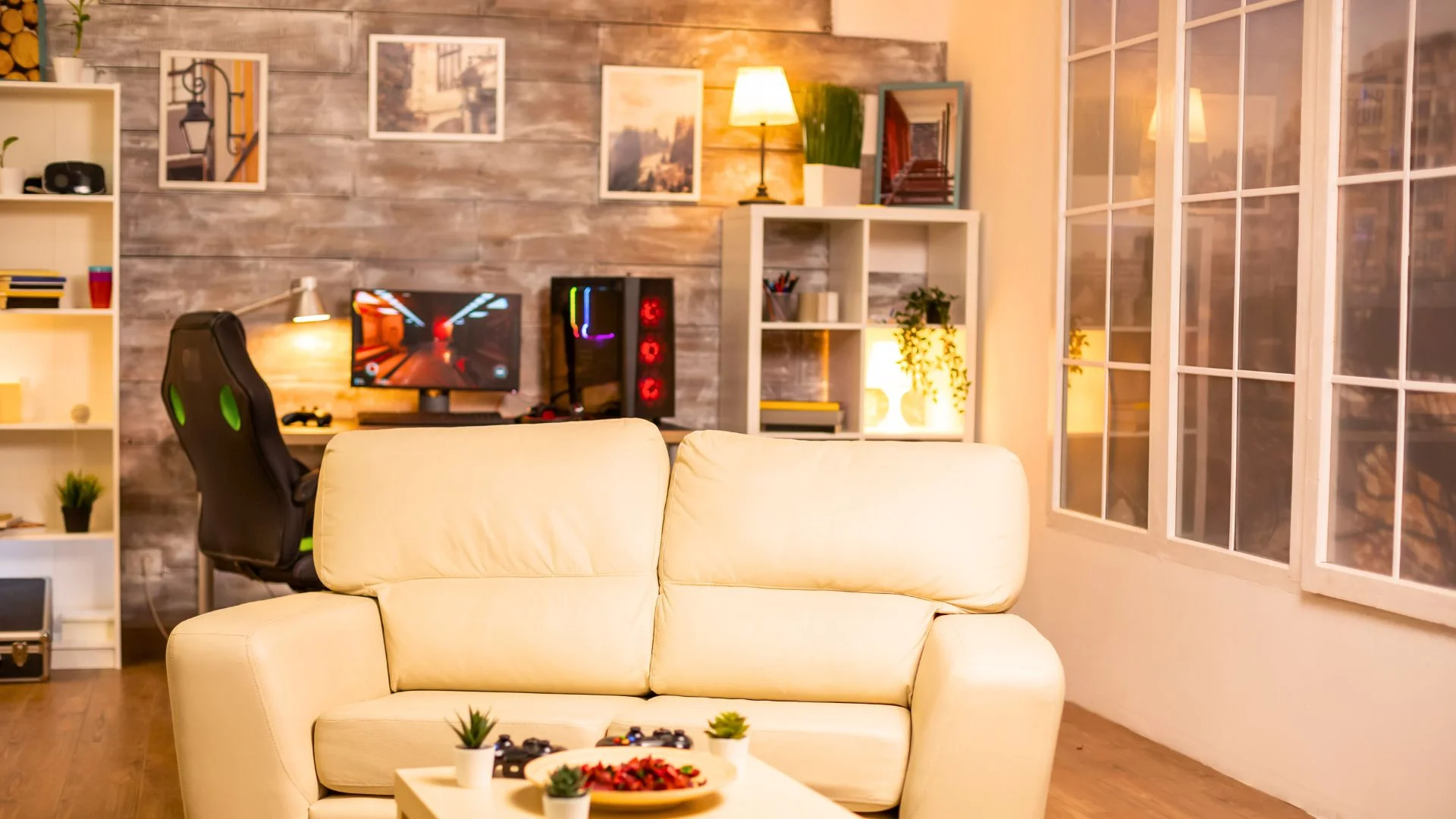
- Task lighting: Table lamps, floor lamps, or under-cabinet lights for specific activities
- Accent lighting: String lights, LED strips, or battery-operated candles to highlight features
The magic happens when you combine all three. Your living room instantly feels cozier. Your kitchen looks more upscale. Your bedroom becomes a sanctuary.
Budget DIY Lighting Ideas
You can transform any room for under $50. Hit up thrift stores for vintage lamps—you’ll find incredible deals on brass and ceramic pieces. Spray paint them if needed (gold or matte black works every time). Add affordable LED Edison bulbs for that trendy industrial look.
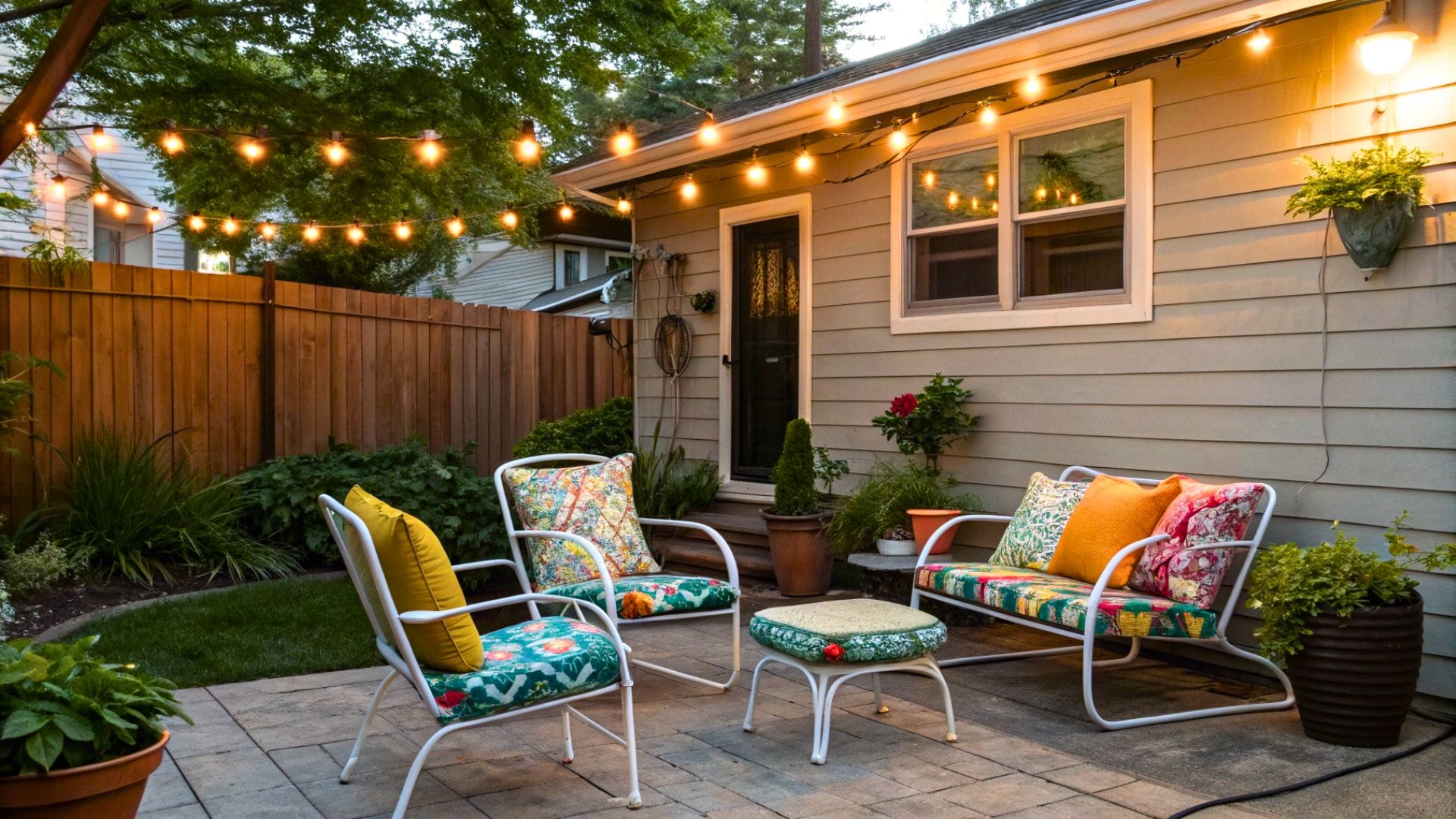
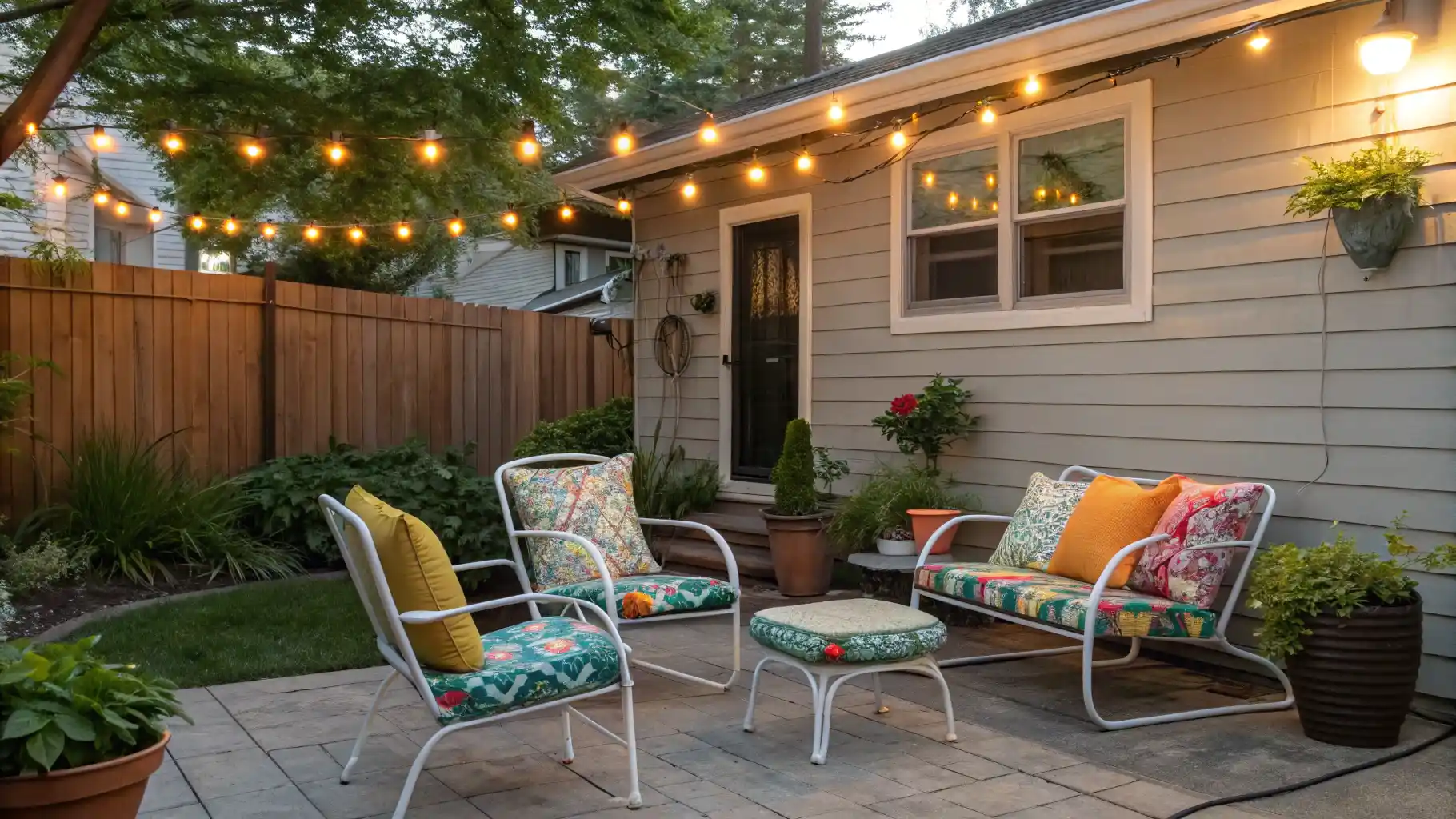
For outdoor spaces, solar string lights are your best friend. Drape them across your patio or weave them through tree branches. They cost around $20-30 and completely change your backyard’s vibe. Plus, they’re free to run since they’re solar-powered.
Don’t forget dimmer switches. Installing them takes about 15 minutes and costs less than $20 per switch. Suddenly, every room has mood lighting.

2. Create Expensive-Looking Texture with Paint Techniques
Paint is the cheapest way to make a massive impact. But forget plain walls—texture is what makes spaces look designer-worthy.
I’m talking about techniques that add depth without adding cost. You probably have everything you need already: paint, a roller, maybe a sponge or rag.
Try these budget-friendly paint techniques:
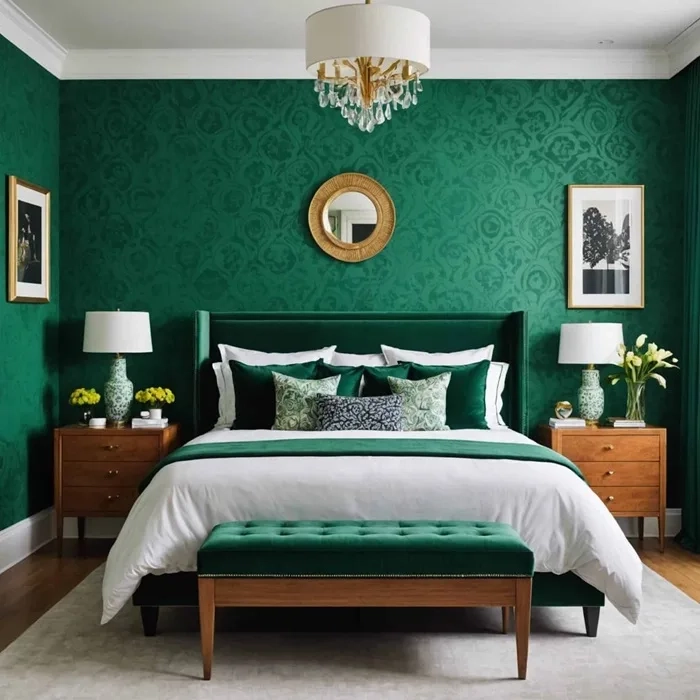
- Accent walls in rich, saturated colors: Deep emerald, navy, or terracotta creates instant sophistication
- Color blocking: Use painter’s tape to create geometric shapes (looks like custom wallpaper)
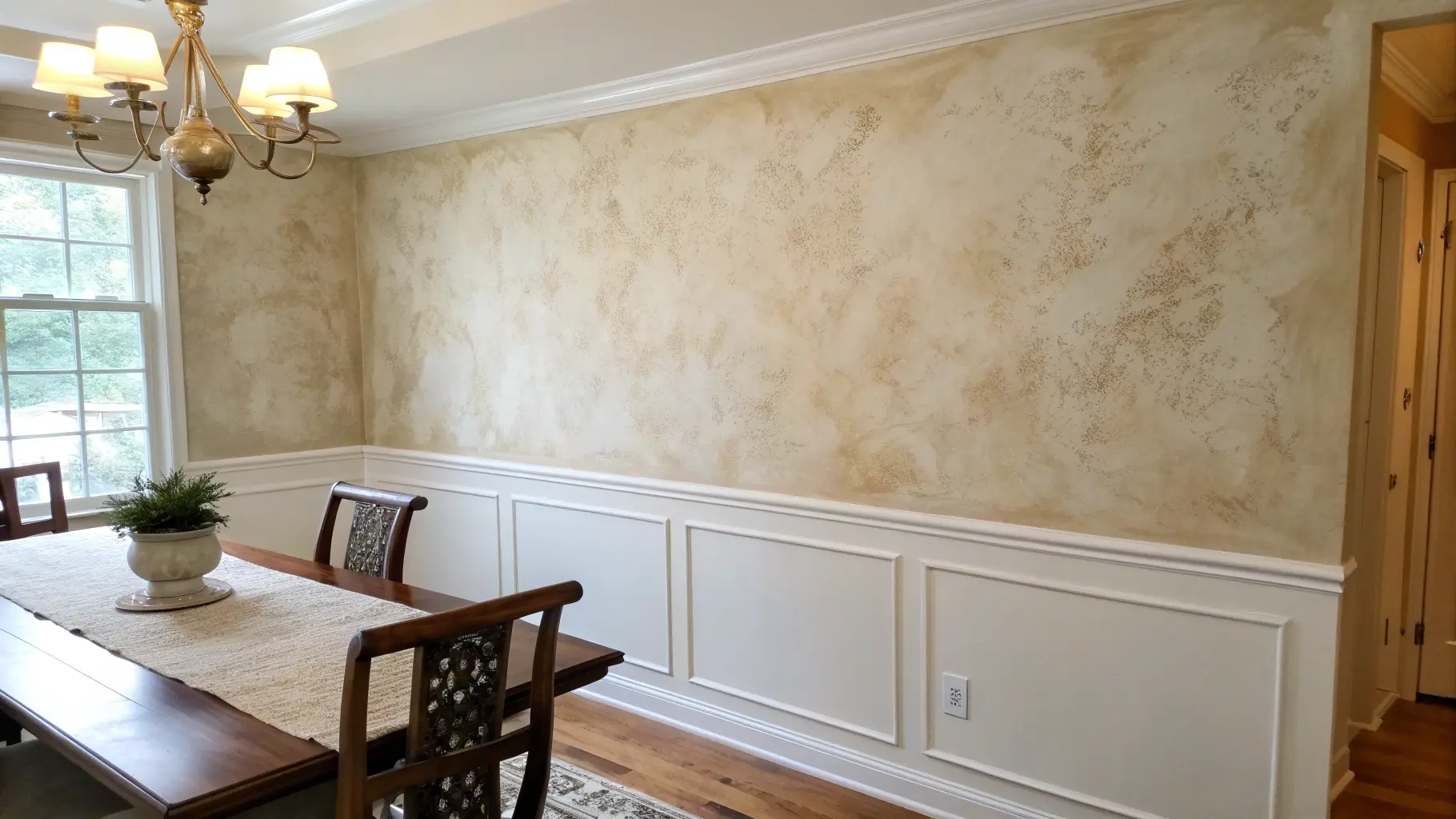
- Textured finishes: Sponge painting, rag rolling, or even the trendy limewash look
The best part? Paint is incredibly forgiving. If you don’t love it, you can paint over it. That’s not true for most home decor ideas.
The Limewash Look for Less
Real limewash paint costs a fortune. But you can fake it beautifully. Mix regular paint with water (about 3:1 ratio) and apply it with a large brush in random, sweeping strokes. Let some of the base coat peek through. It creates that organic, textured look you see in $10 million homes.
This technique works incredibly well in living rooms, bedrooms, and even on exterior walls. Use warm whites or soft neutrals for a European villa vibe. The whole project costs less than $50 in materials.
3. Use Oversized Art (The Affordable Way)
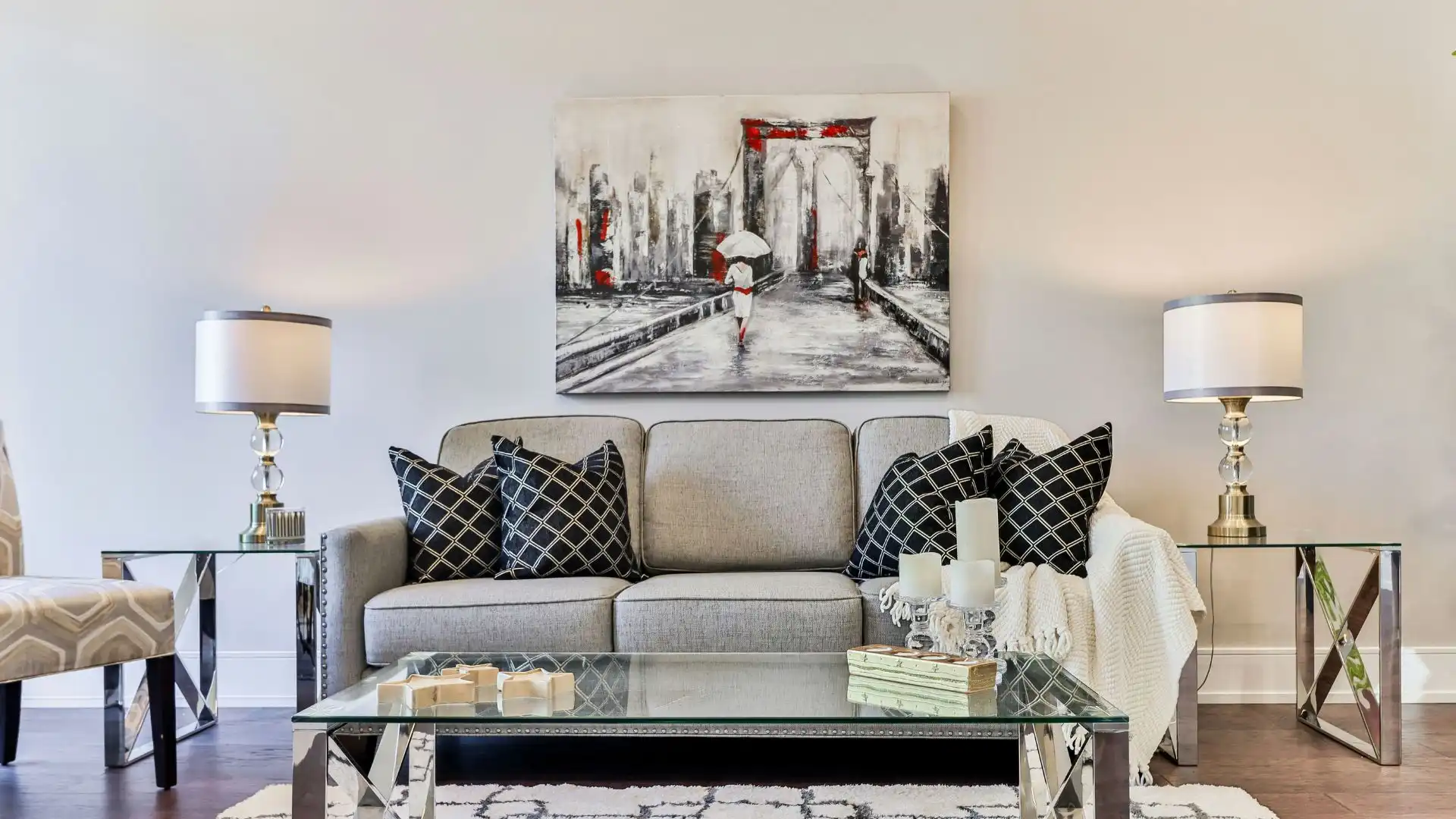
Small art scattered everywhere screams “budget decorating.” Designers know that one large piece creates more impact than ten small ones.
But gallery-quality art? Ridiculously expensive. Here’s how to get the look without the price tag.
Budget-friendly large art solutions:
- Print your own: Download high-resolution images from free sites like Unsplash or Pexels. Print them as engineer prints at your local office supply store for $3-5 per huge print
- Frame fabric or wallpaper samples: Buy remnants for a few dollars and stretch them over canvas frames from the craft store
- DIY abstract art: Grab acrylic paints and create your own. Abstract art is forgiving—it doesn’t have to be “perfect”
- Thrift store frames: Find large frames and paint them one cohesive color (black, gold, or white). Put anything inside—even wrapping paper looks chic
The key is scale. Go big. A 3-foot by 4-foot piece commands attention and makes your ceiling look higher. Your room instantly feels more curated.
Gallery Wall on a Dime
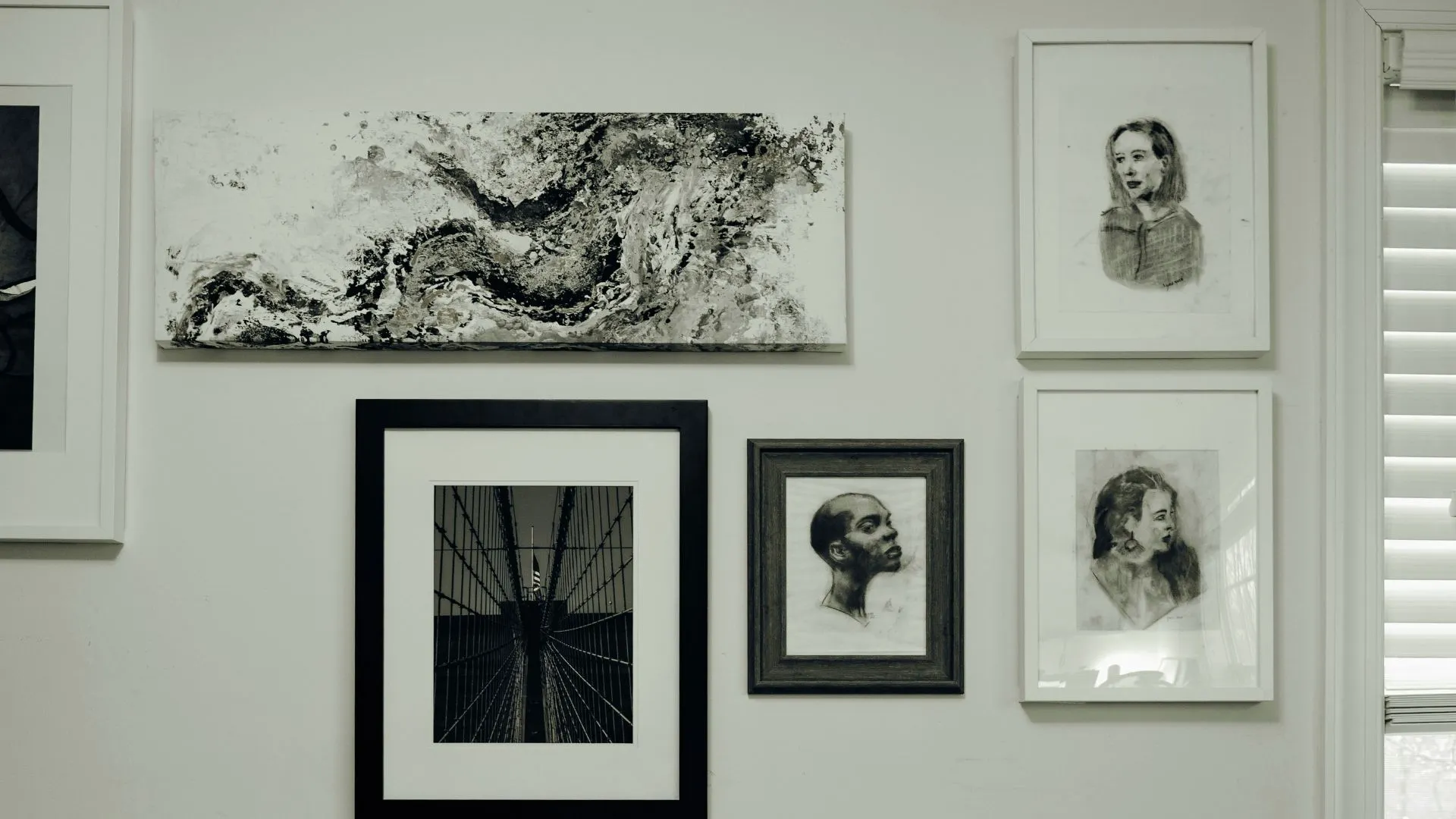
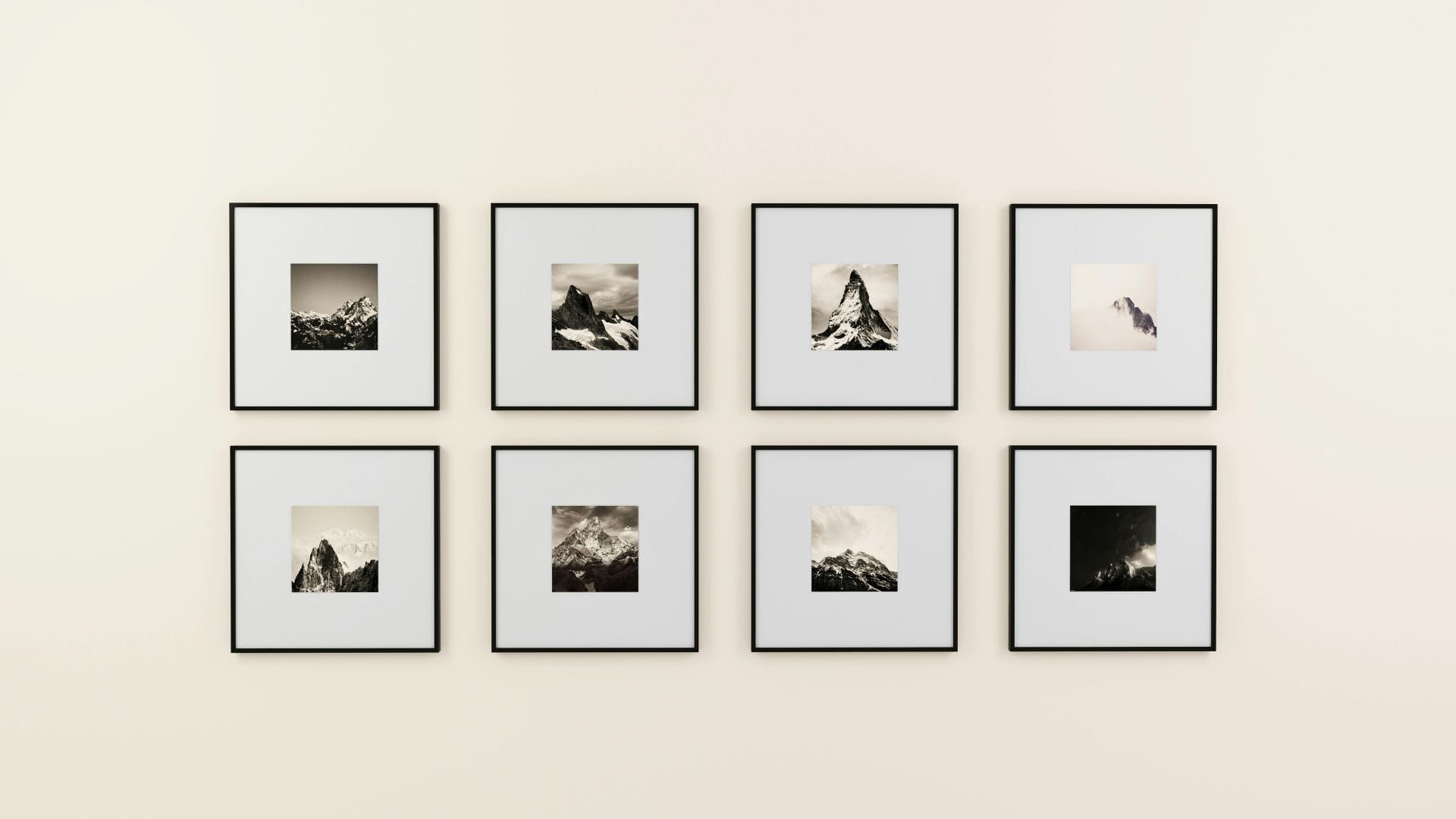
If you prefer multiple pieces, create a gallery wall with free printables. Mix photography, line drawings, and typography. Keep frames the same color but vary the sizes. This creates cohesion while looking intentional.
Pro tip: Use painter’s tape to map out your arrangement on the wall before hammering nails. You’ll get the spacing perfect every time. This home decorating trick saves you from nail holes you’ll regret.
4. Add Architectural Interest with Trim and Molding
Want to know what makes expensive homes look expensive? Architectural details. Crown molding, wainscoting, board-and-batten walls—these features add thousands to a home’s perceived value.
The good news? You can DIY them for incredibly cheap. We’re talking under $100 for most projects.
Easy DIY architectural upgrades:
- Picture frame molding: Attach simple trim pieces to your walls in rectangular patterns. Paint them the same color as your wall. It looks custom and European
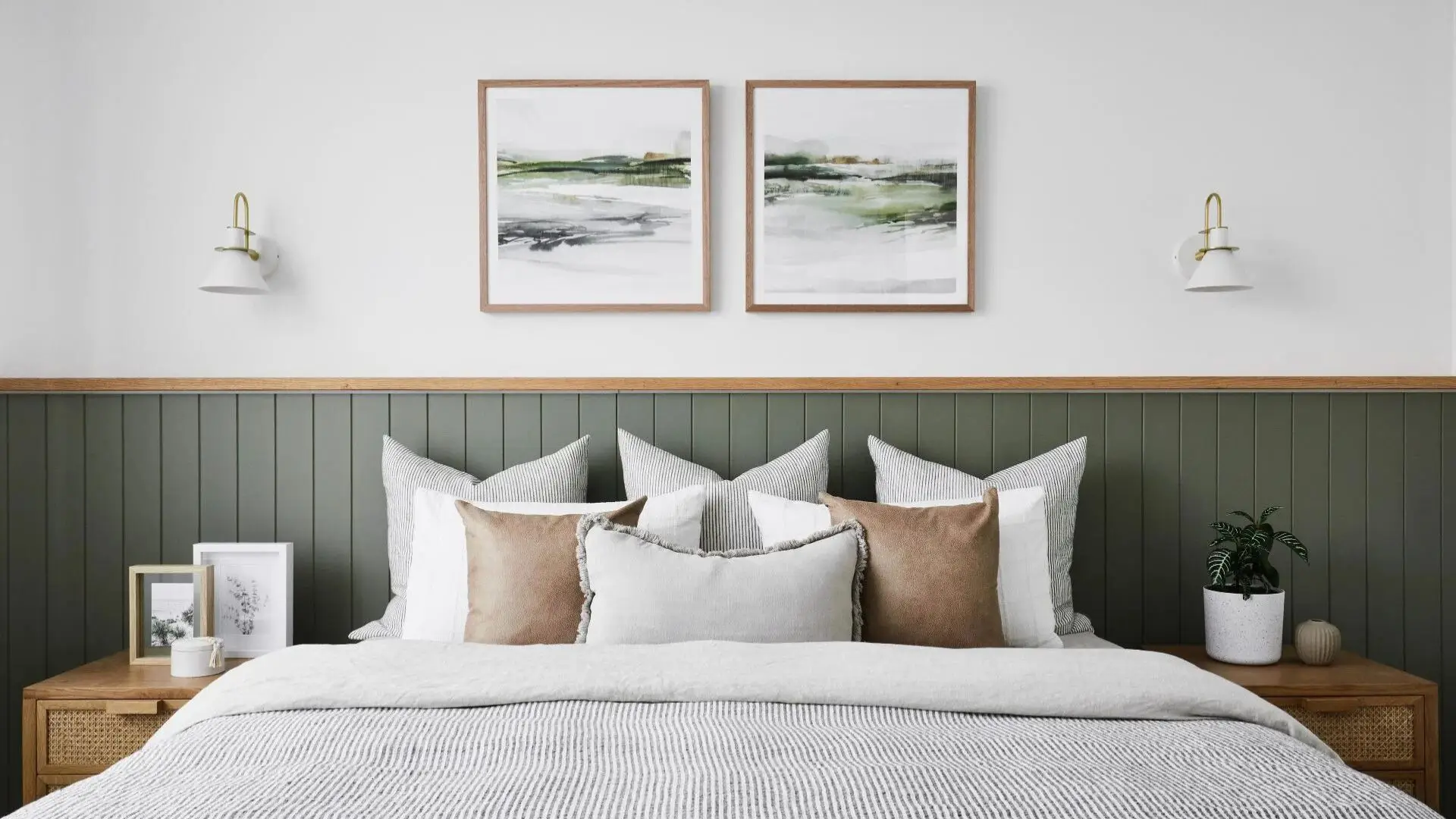
- Board-and-batten accent wall: Use 1×2 boards from the hardware store to create vertical lines. Perfect for bedrooms or dining rooms
- Window and door trim upgrades: Replace builder-grade trim with chunkier pieces. It makes everything look more substantial
- Faux ceiling beams: Use lightweight foam beams that look real but cost 75% less than wood
These DIY decor projects take a weekend, not a month. And the impact? Huge. Your rooms suddenly have character and depth.
The Crown Molding Hack
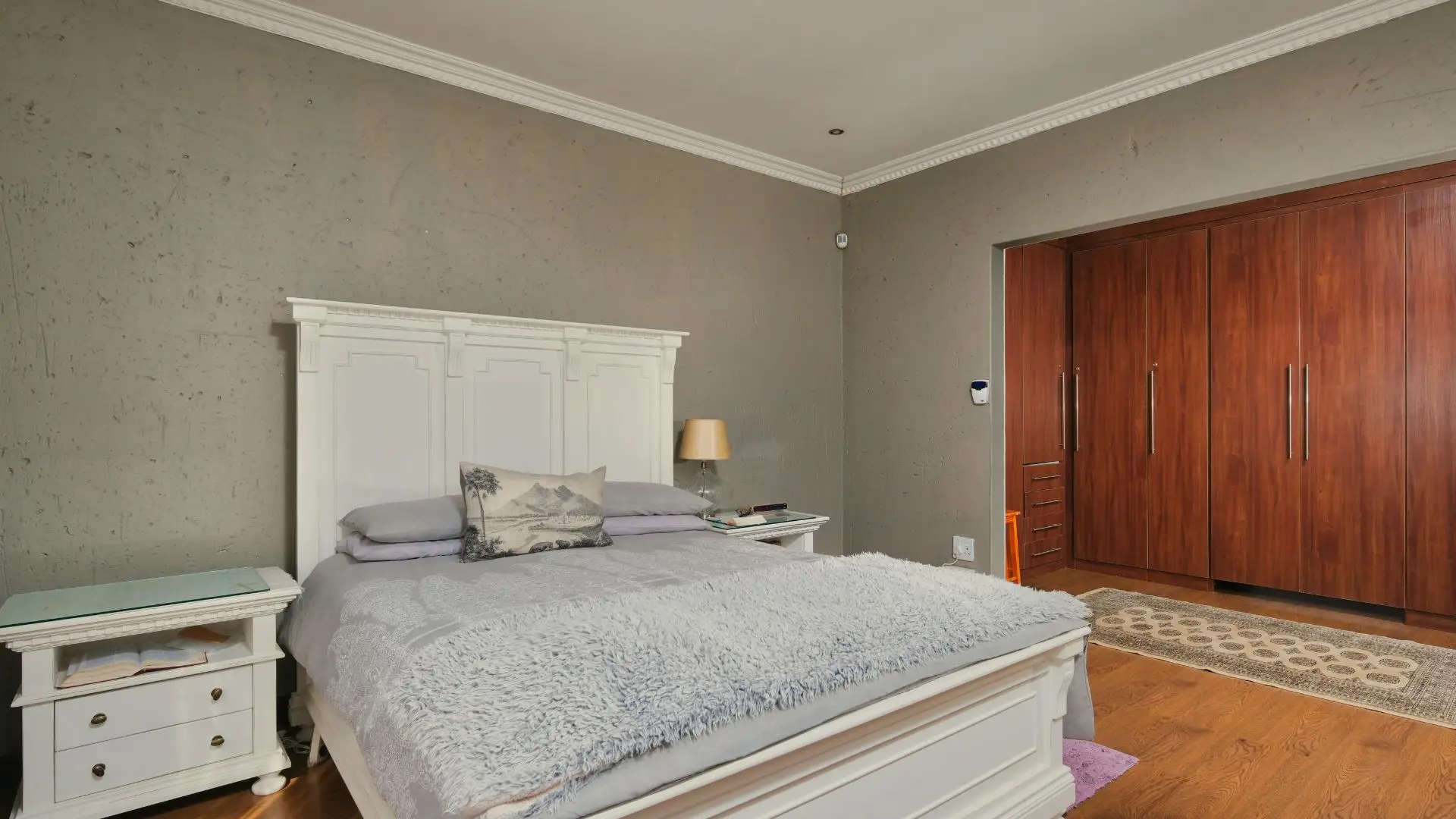
Real crown molding installation is tricky. Here’s the shortcut: use pre-painted, lightweight polyurethane crown molding. It comes in 8-foot sections and installs with adhesive caulk. No miter saw needed. No professional required.
Start in a bedroom or hallway where mistakes are less visible. Once you’ve done one room, you’ll feel confident tackling your living room or kitchen. The whole house transformation costs $200-300 in materials.
5. Bring the Outdoors In (and the Indoors Out)
This trend isn’t going anywhere, and it’s one of the most budget-friendly home decor ideas out there. Blurring the lines between indoor and outdoor spaces makes everything feel larger and more luxurious.
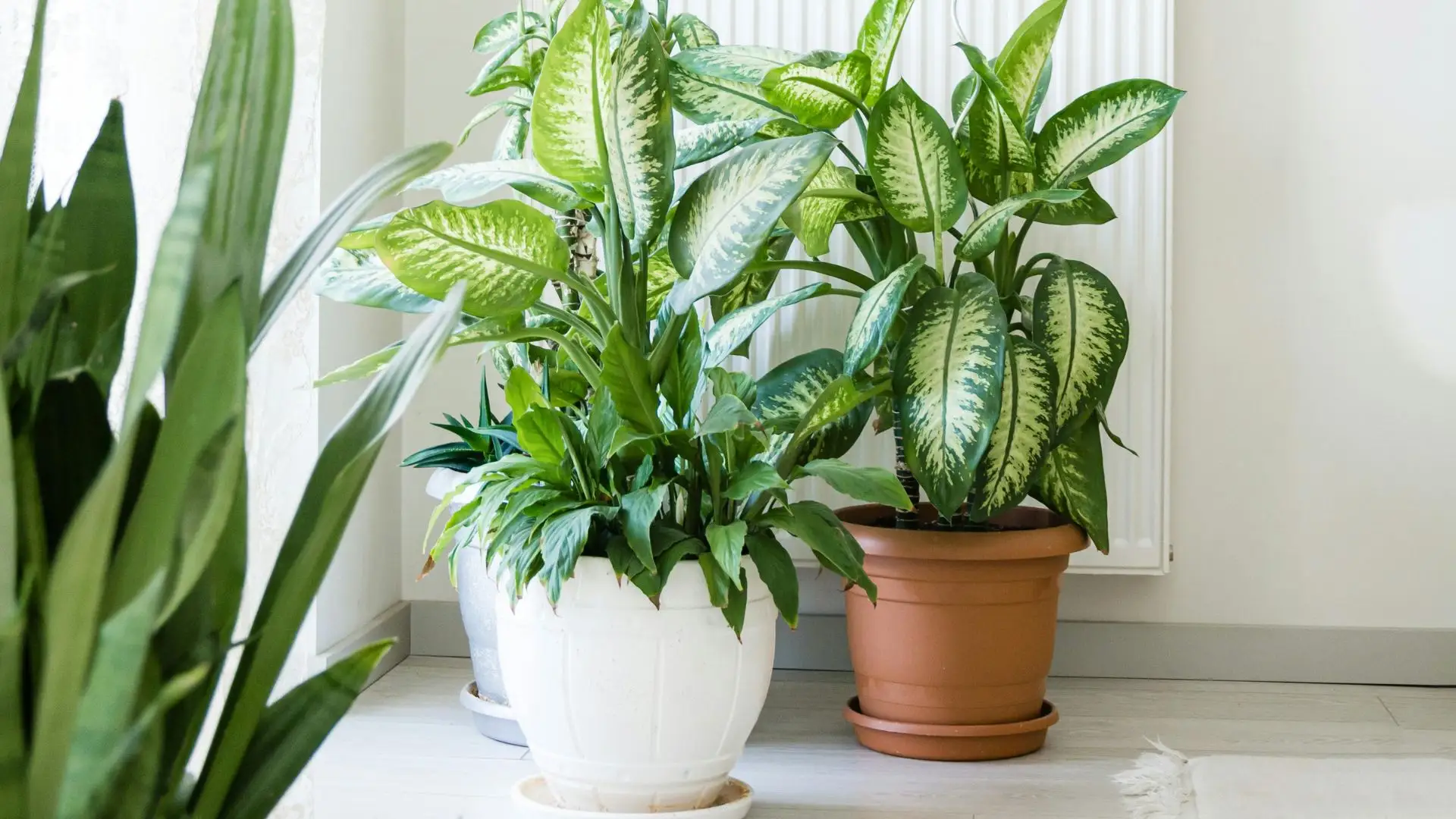
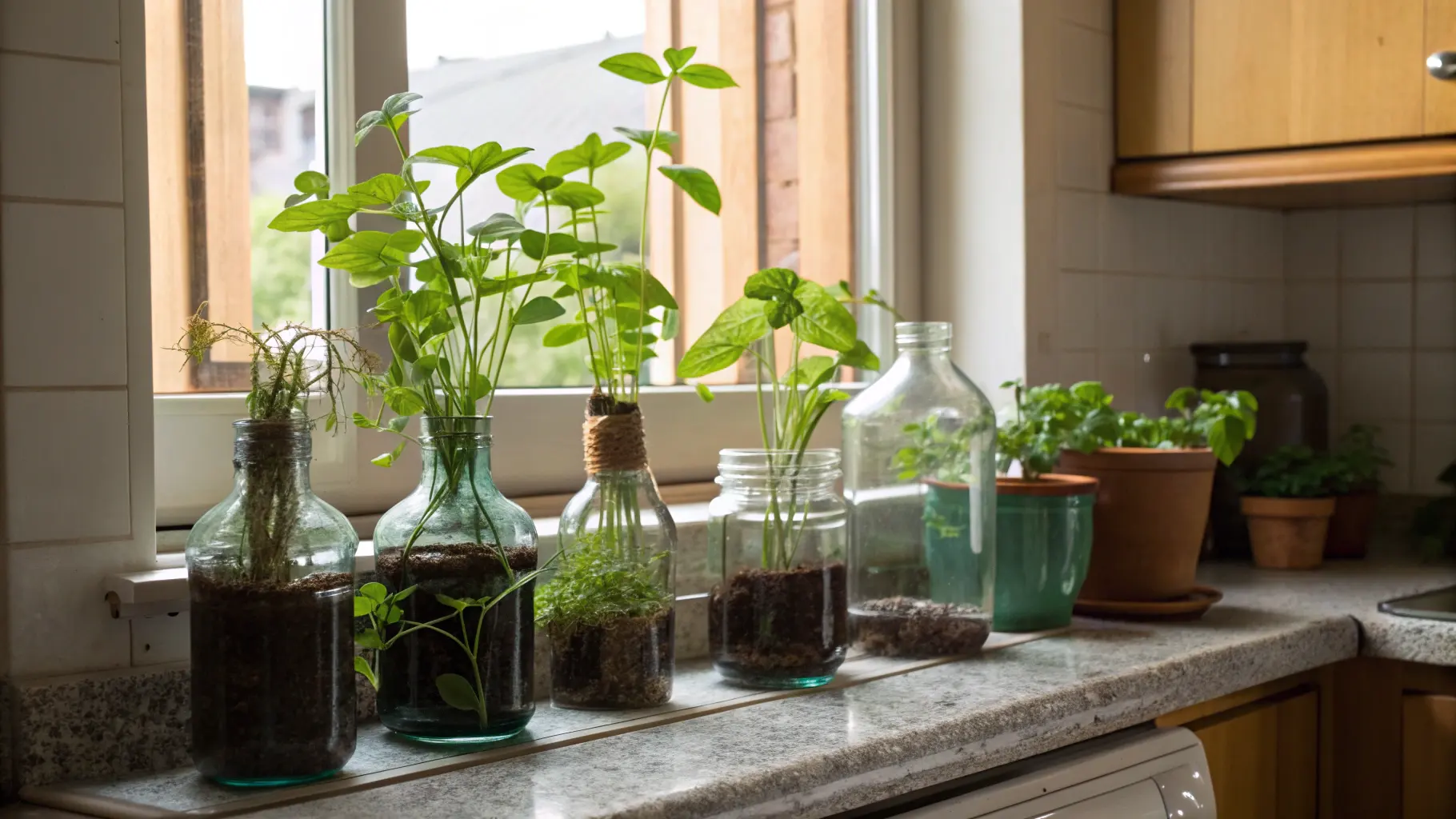
Inside your home, plants are your secret weapon. They add life, color, and that organic texture that softens modern spaces. You don’t need a green thumb—start with nearly indestructible options like pothos, snake plants, or ZZ plants.
Indoor plant styling tips:
- Cluster them in odd numbers: Three or five plants together looks intentional
- Use baskets or ceramic pots: Hide ugly plastic nursery pots inside prettier containers
- Vary the heights: Use plant stands or stack books to create levels
- Go big: One large plant makes more impact than five tiny ones
Outside, extend your living space with budget-friendly outdoor decor. Think of your yard as another room. You don’t need expensive outdoor furniture—you need cozy zones.
Creating Outdoor Living Zones for Less
Hit up Facebook Marketplace or yard sales for outdoor furniture. A $20 can of spray paint transforms rusty metal chairs into trendy statement pieces. Add outdoor cushions (wait for end-of-season sales) and suddenly you have a $2,000 look for $200.
Define separate zones in your yard: a dining area, a lounging spot, maybe a fire pit corner. Use outdoor rugs to anchor each space—you can find them for $30-50. String lights overhead (remember trick #1?) and add solar lanterns for ambiance.
For privacy and style, create vertical gardens with inexpensive trellises. Grow climbing plants like clematis or morning glories. In one season, you’ll have a lush, expensive-looking backdrop. The trellis costs $20-30. The seeds or starter plants? Another $10-15.
The Sustainable Decor Bonus
Here’s something great about these budget home decorating tricks: they’re often more sustainable. You’re reusing, repurposing, and buying less. You’re choosing plants over plastic. You’re creating instead of consuming.
Thrift stores, yard sales, and DIY projects keep things out of landfills. And honestly? That handmade, collected-over-time look is way more interesting than a room bought all at once from one store.
Conclusion; Putting It All Together
Let’s be real: you don’t need a designer budget to have a beautiful home. You need these five tricks and the willingness to try them.
Start with one room. Maybe you add layered lighting to your bedroom this weekend. Next month, you tackle that accent wall in your living room. By summer, you’ve transformed your outdoor space into an oasis.
These home decor ideas work because they’re based on actual design principles—scale, texture, lighting, architectural interest, and bringing nature inside. Designers charge thousands to implement these concepts. You’re getting them for free (plus the cost of materials).
Your action plan:
- Choose one trick that excites you most
- Set a budget (even $50 can make a difference)
- Start this weekend
- Share your results (seriously, I want to see them!)
The best part about DIY decor projects? You can take them with you when you move. That painted furniture, those plant propagations, your handmade art—it all comes along to your next home.
You deserve a space that feels expensive, curated, and completely yours. These five designer tricks will get you there without the designer price tag.
Now grab that paint brush, head to the thrift store, or order those string lights. Your dream home is five tricks away.