
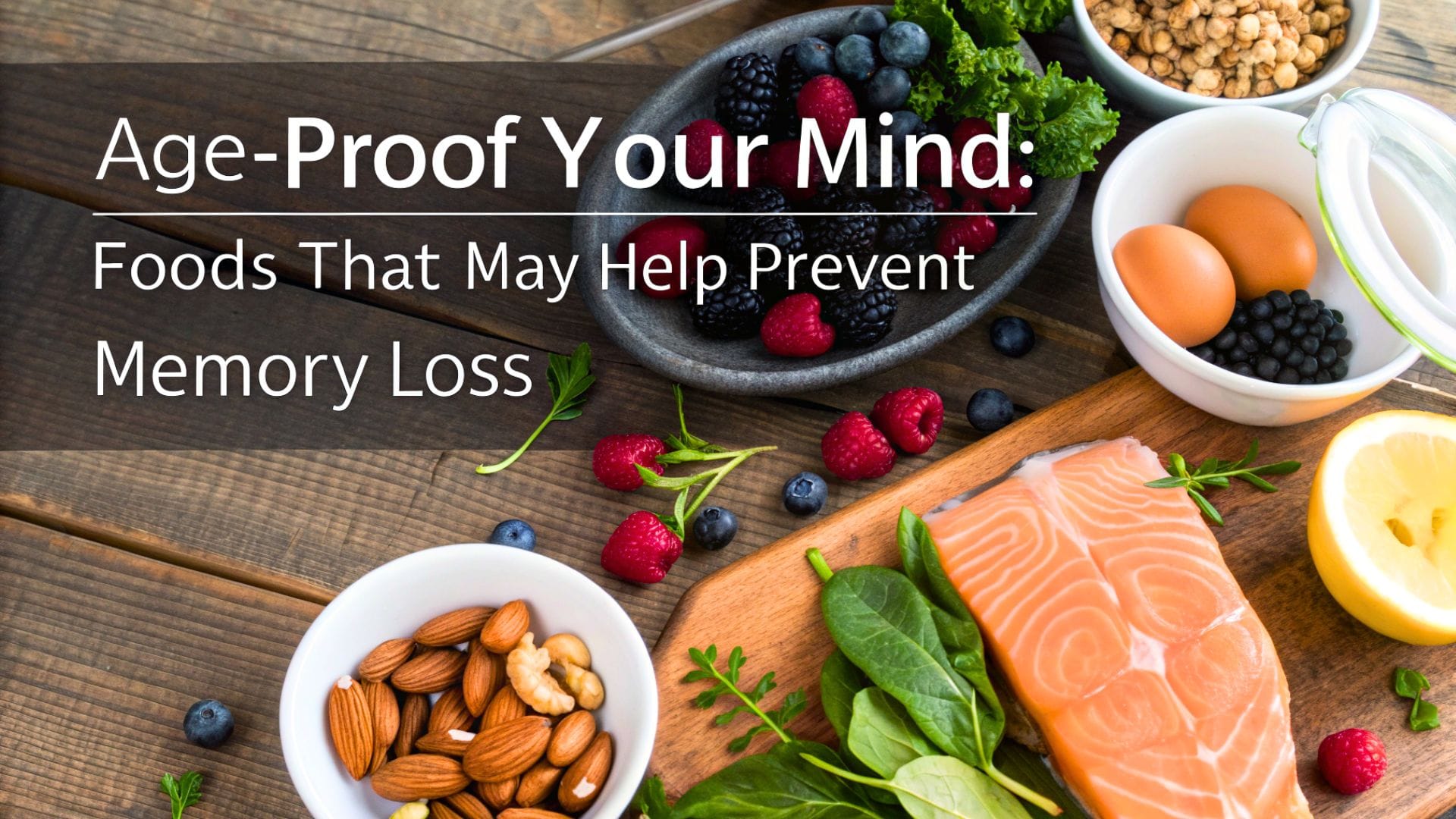
Imagine forgetting the name of your favorite song or misplacing your keys daily — memory loss doesn’t just happen overnight, it creeps in slowly.
Many people fear losing their memory as they age. What most don’t realize is that everyday choices, like the foods on your plate, can make a real difference. Your brain needs the right fuel to stay sharp.
The good news? Certain brain-boosting foods may help prevent memory loss and keep your mind strong.
In this article, you’ll learn which foods protect brain cells, how nutrients fight memory decline, and simple ways to add them to your meals. With the right diet for memory loss prevention, you can take small steps today that support a healthier, clearer tomorrow.
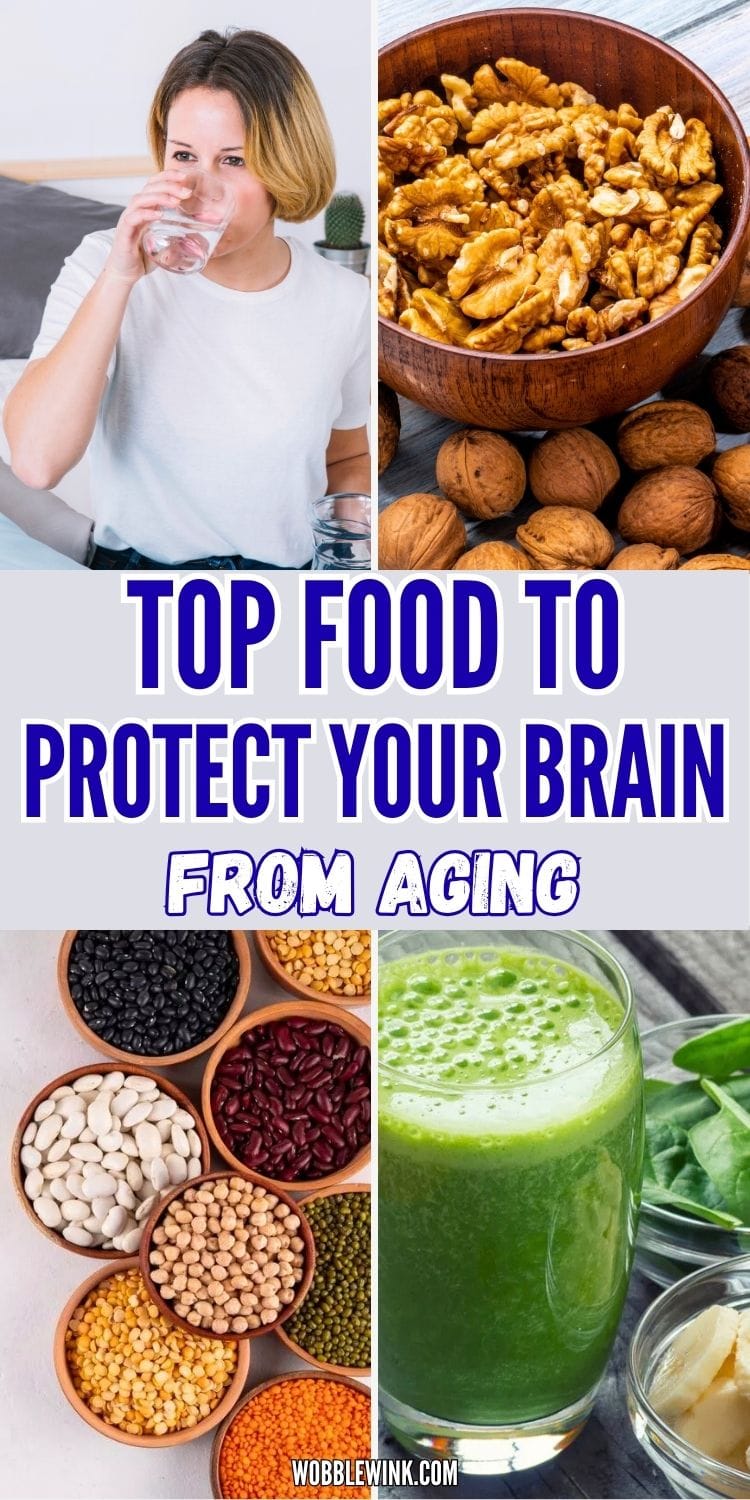
Why Diet Matters for Brain Health
What you eat every day shapes how well your brain works — both now and as you age.
Nutrition is closely tied to memory and focus. A poor diet filled with processed foods, sugar, and unhealthy fats can speed up memory loss. That’s because these foods fuel inflammation and oxidative stress
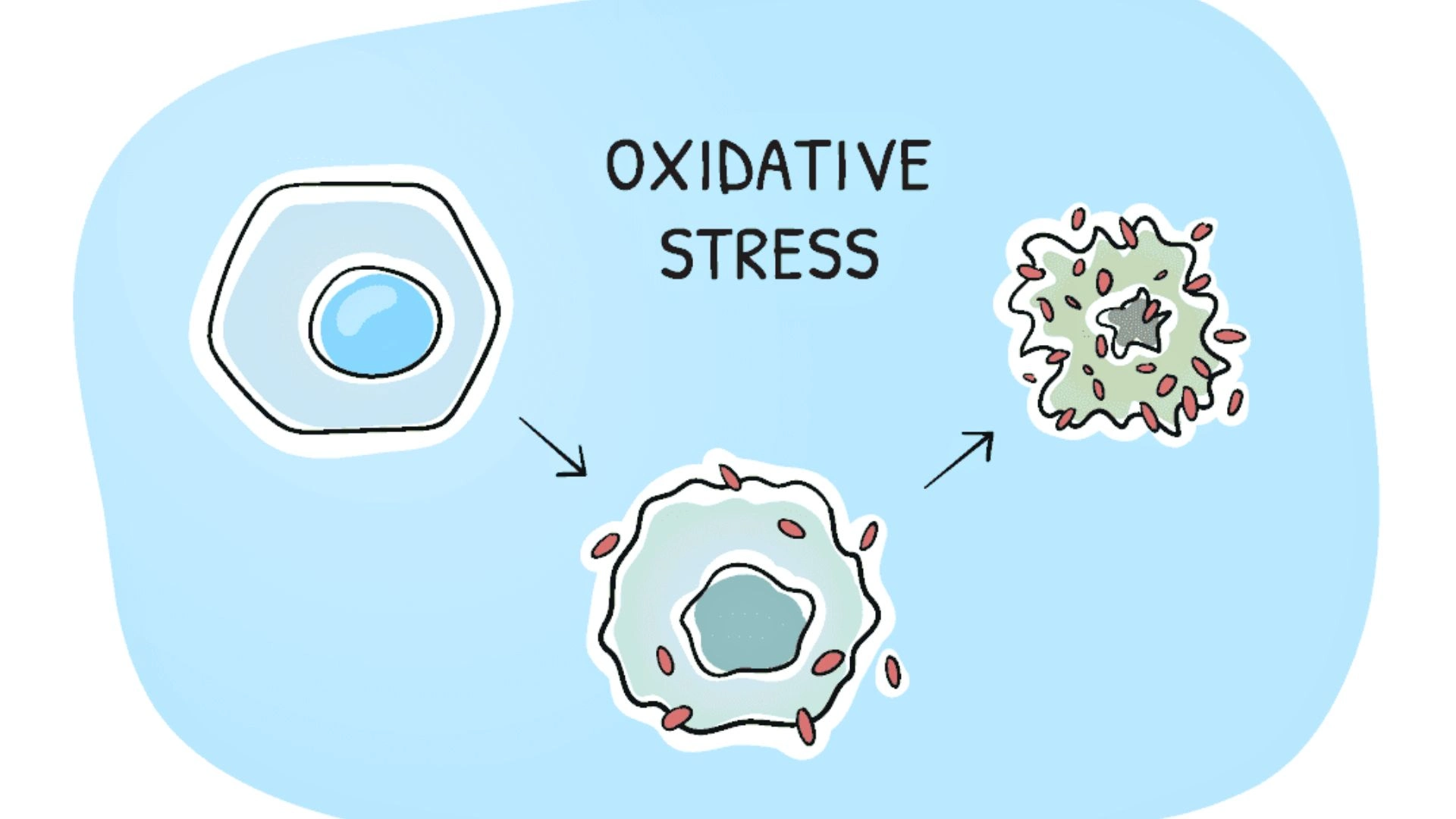
which damage brain cells over time. On the other hand, a balanced diet gives your brain the vitamins, minerals, and healthy fats it needs to stay sharp.
Research shows that food choices can lower your risk of memory problems, even Alzheimer’s disease. For example, people who follow the MIND diet — a plan that combines the best parts of the Mediterranean and DASH diets — had up to a 53% lower risk of developing Alzheimer’s.

Supplements may help in some cases, but they don’t replace real food. Your brain thrives on whole foods like leafy greens, berries, nuts, fish, and whole grains.
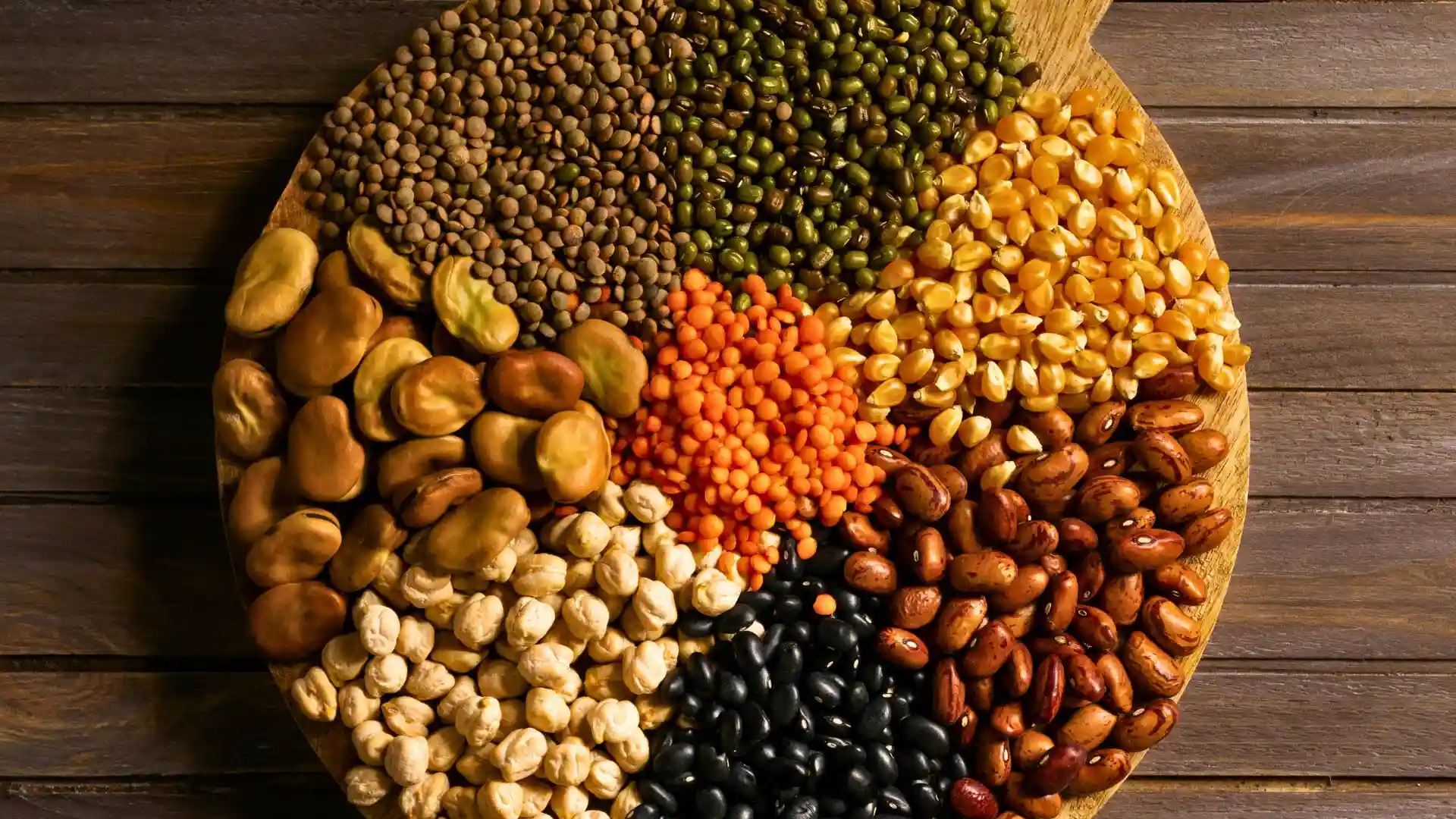
These supply steady energy and nutrients that pills can’t match.
That’s why building a daily “brain diet” is smarter than relying on quick fixes. With the right foods to improve brain health, you give yourself the best chance at preventing memory loss long-term.
Top Brain-Boosting Foods That May Help Prevent Memory Loss
Fatty Fish for Omega-3s
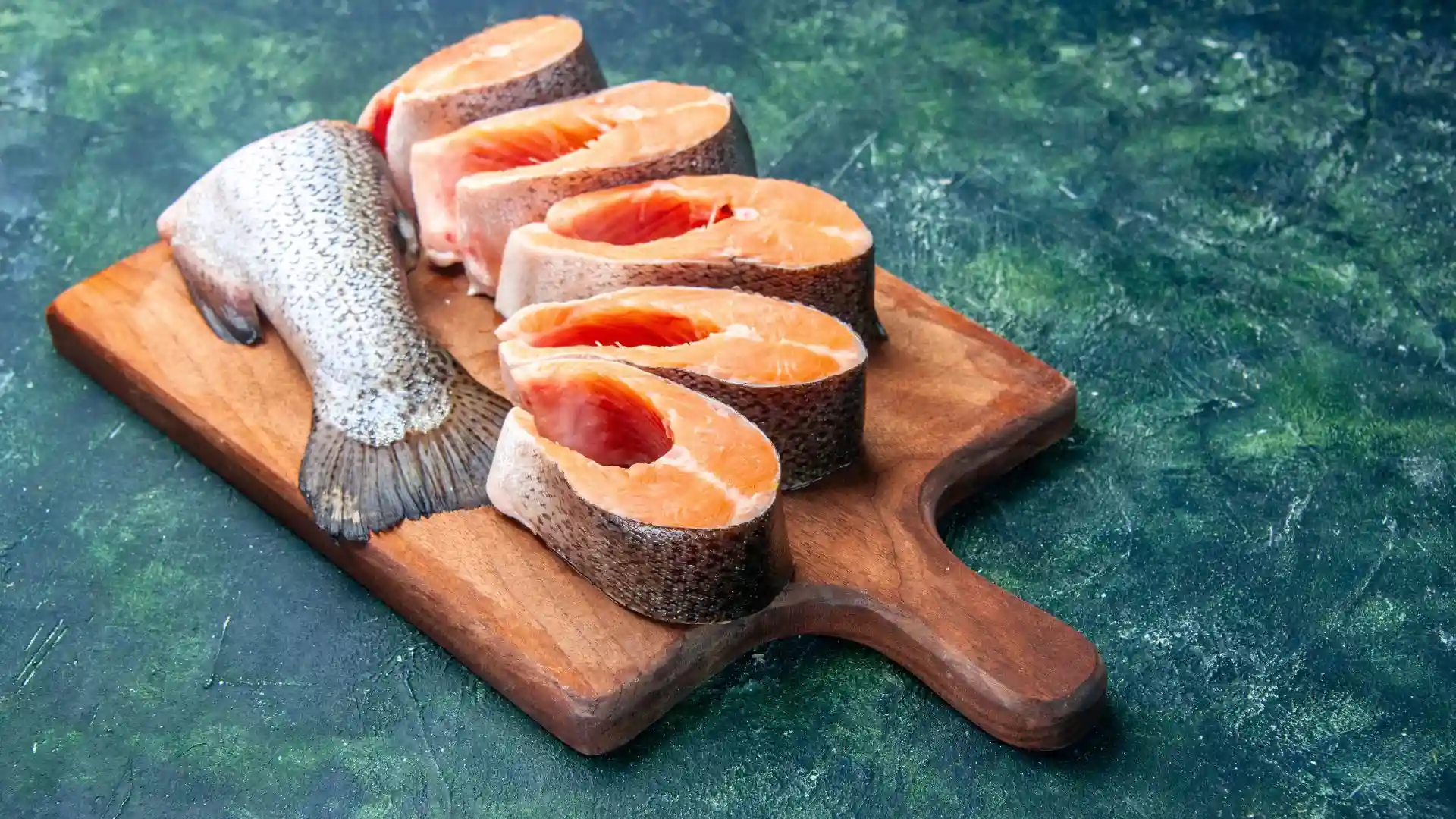
Your brain is about 60% fat, and it needs the right kind. Fatty fish like salmon, mackerel, and sardines are packed with omega-3 fatty acids, especially DHA. This nutrient is critical because it builds brain cell membranes and helps them communicate better. Without enough omega-3s, your brain may age faster than it should.
Omega-3s also lower inflammation in the brain. Chronic inflammation is linked to memory loss and slower thinking. That’s why people who eat fatty fish regularly often have sharper focus and better recall.
One study found that older adults with higher omega-3 levels had larger brain volumes. Bigger brain volume is linked to a lower risk of Alzheimer’s and other memory problems.
Adding fatty fish to your meals doesn’t have to be hard. Try grilled salmon with leafy greens,
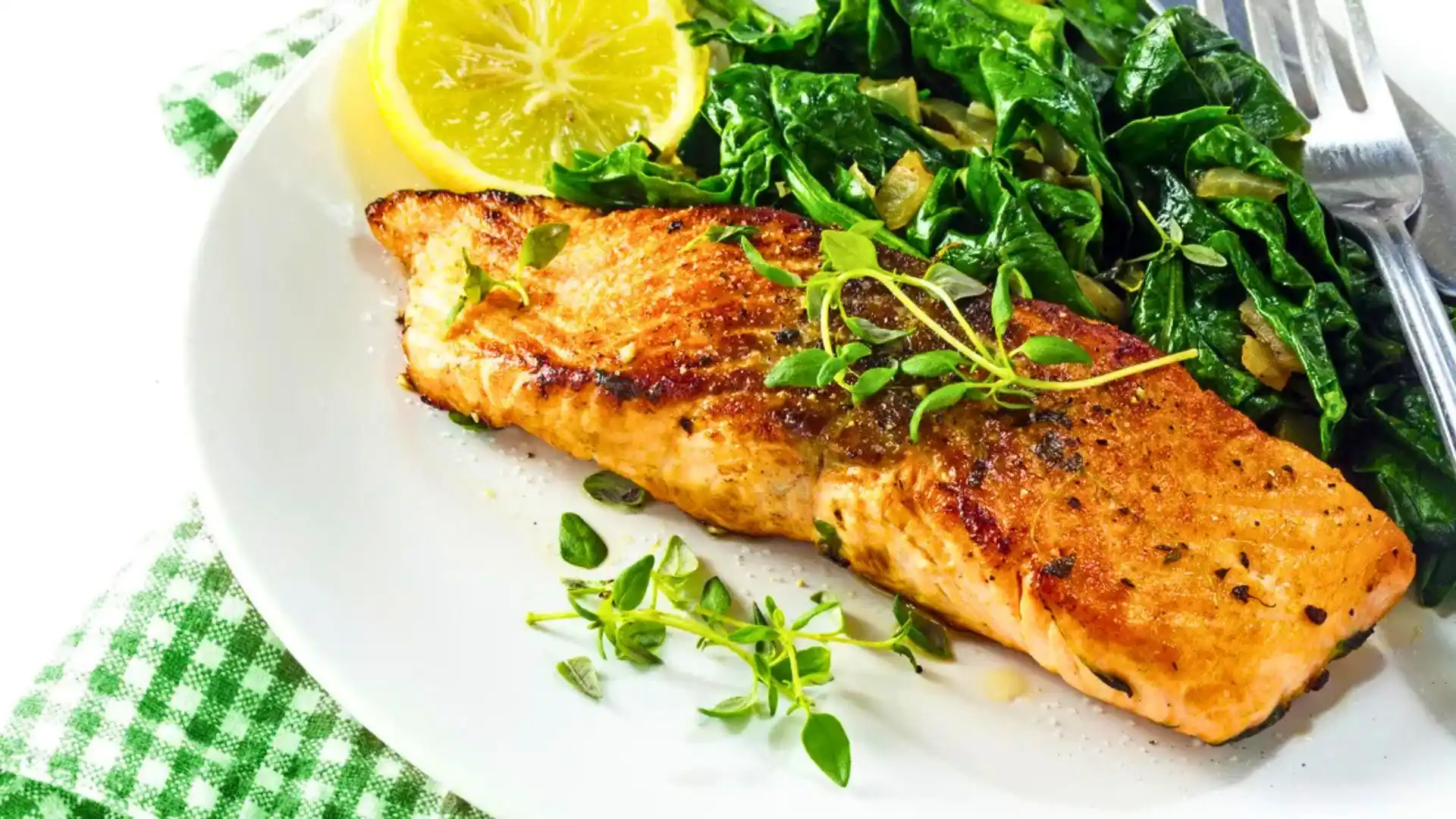
sardines on whole-grain toast, or a simple mackerel salad. These small changes can add up.
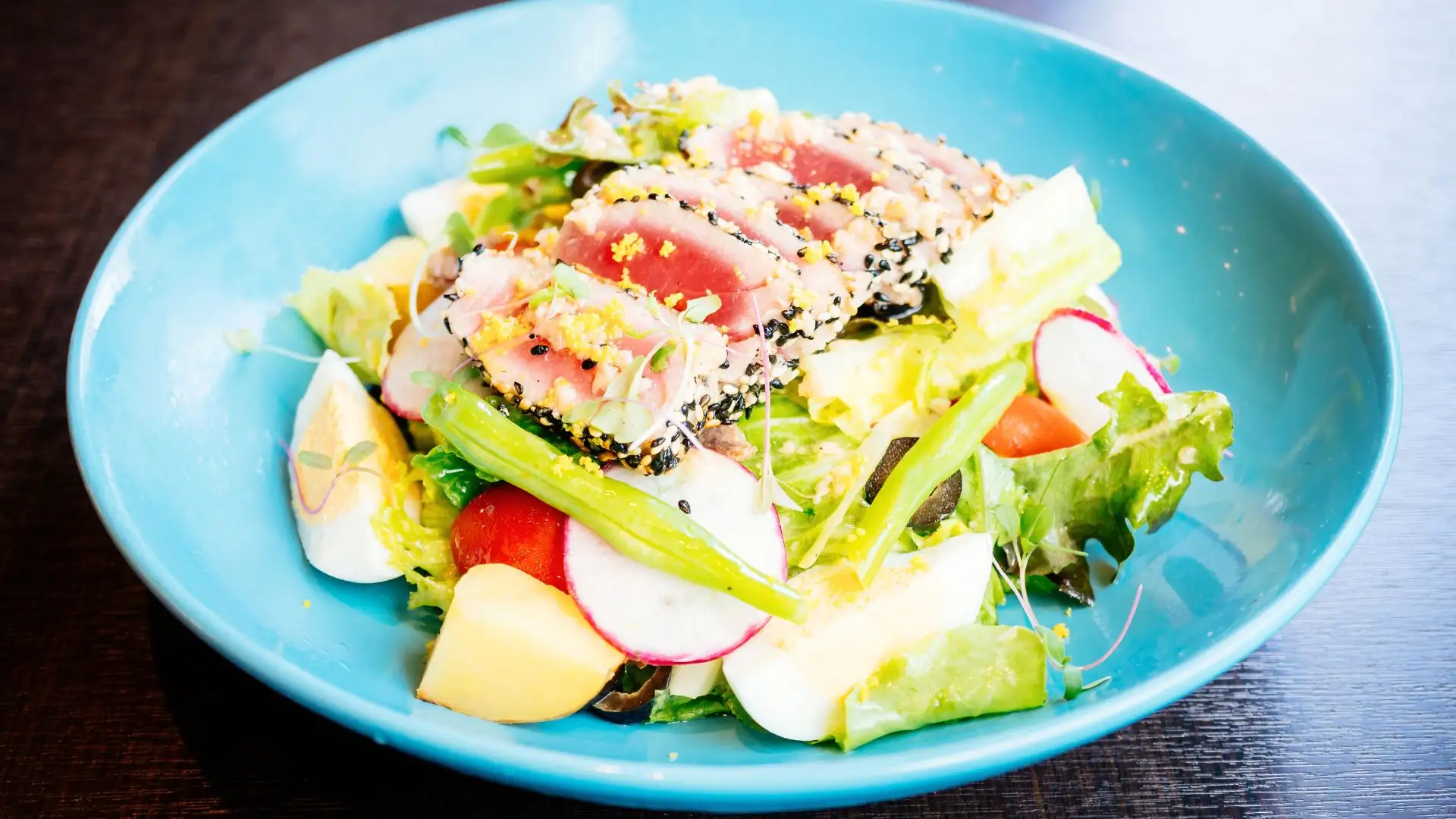
Eating fish twice a week is enough to give your brain a steady supply of omega-3s. Among brain-boosting foods, fatty fish is one of the most powerful choices. It’s a smart step if you want foods that may help prevent memory loss as you age.
Berries and Antioxidant Powe
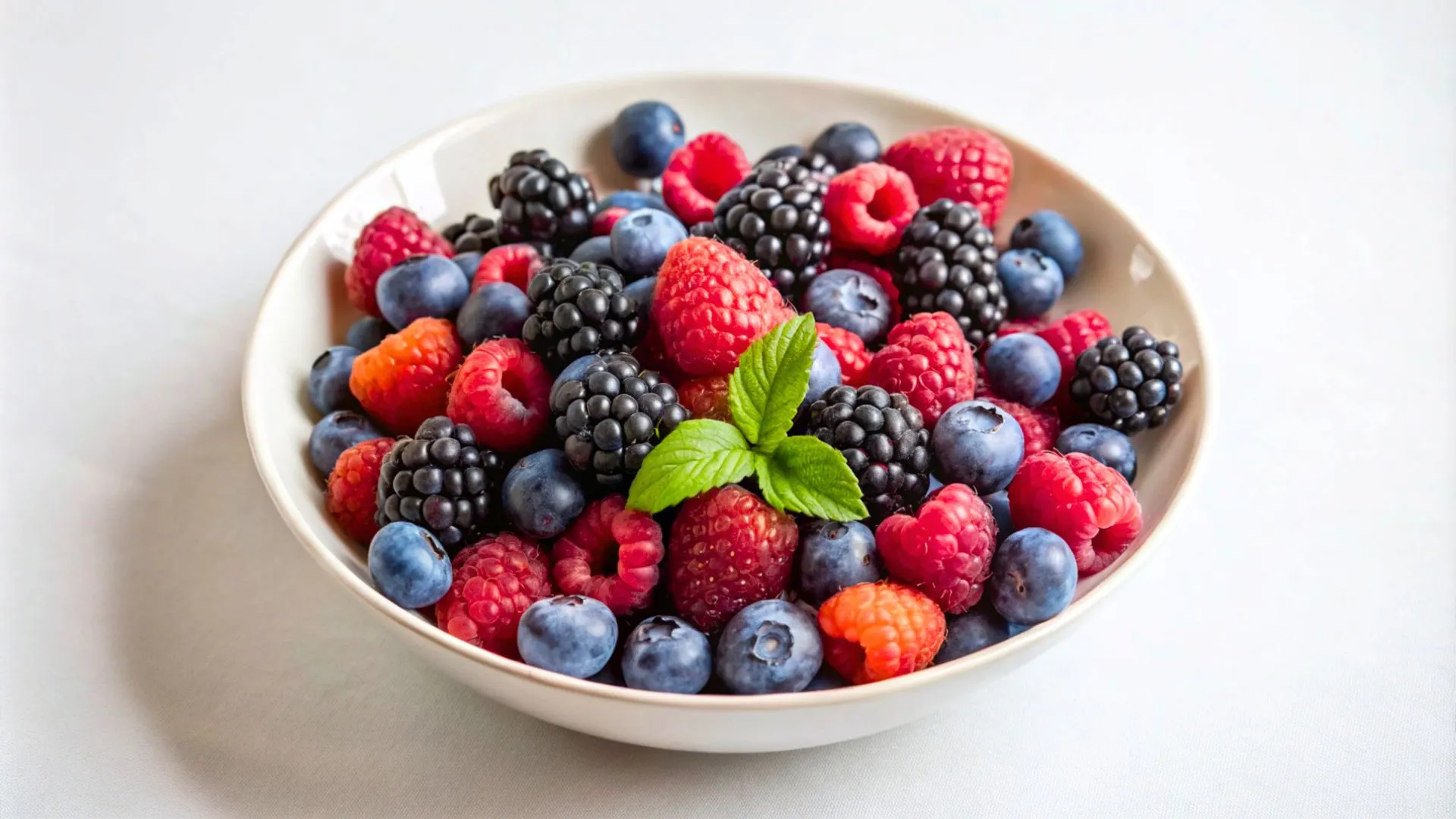
Berries are more than just a sweet snack — they’re food for your brain. Blueberries, strawberries, and blackberries are loaded with flavonoids, natural compounds that fight damage in brain cells.
Everyday stress and poor diet can cause oxidative stress, which wears down your memory over time. Antioxidants in berries protect your brain from this damage. They also improve how neurons talk to each other. Better communication means faster thinking and sharper recall.
A large Harvard Nurses’ Health Study followed more than 16,000 women. It found that those who ate at least two servings of berries each week delayed memory decline by up to 2.5 years. That’s a powerful benefit from something so simple.
The best part is how easy berries are to add to your meals. Toss them into a smoothie, top your oatmeal with fresh blueberries,
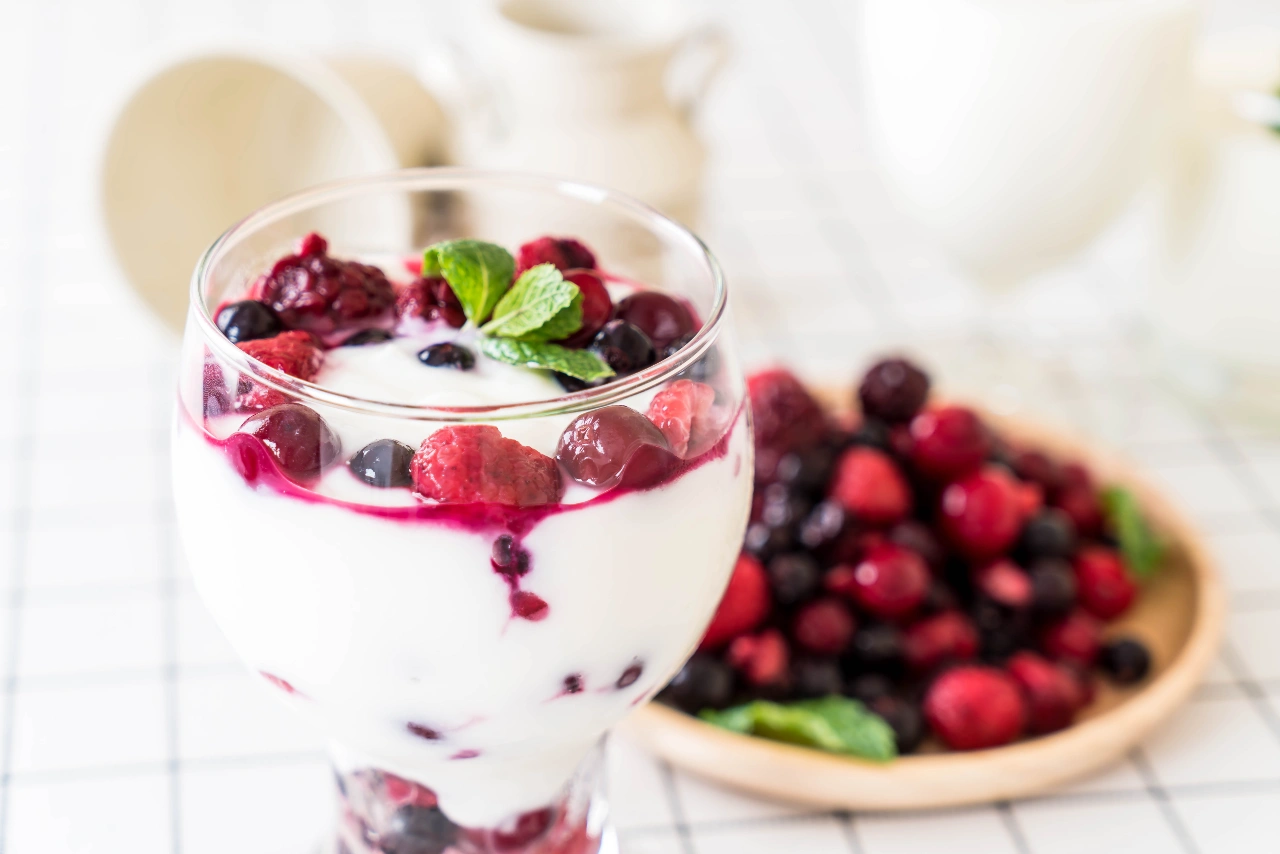
or make a quick berry yogurt parfait. Frozen berries work just as well as fresh, so you don’t need to wait for the right season.
Among brain-boosting foods, berries stand out for their rich mix of antioxidants. Eating them a few times a week is a tasty and practical way to support your memory.
Leafy Greens for Folate & Vitamin K
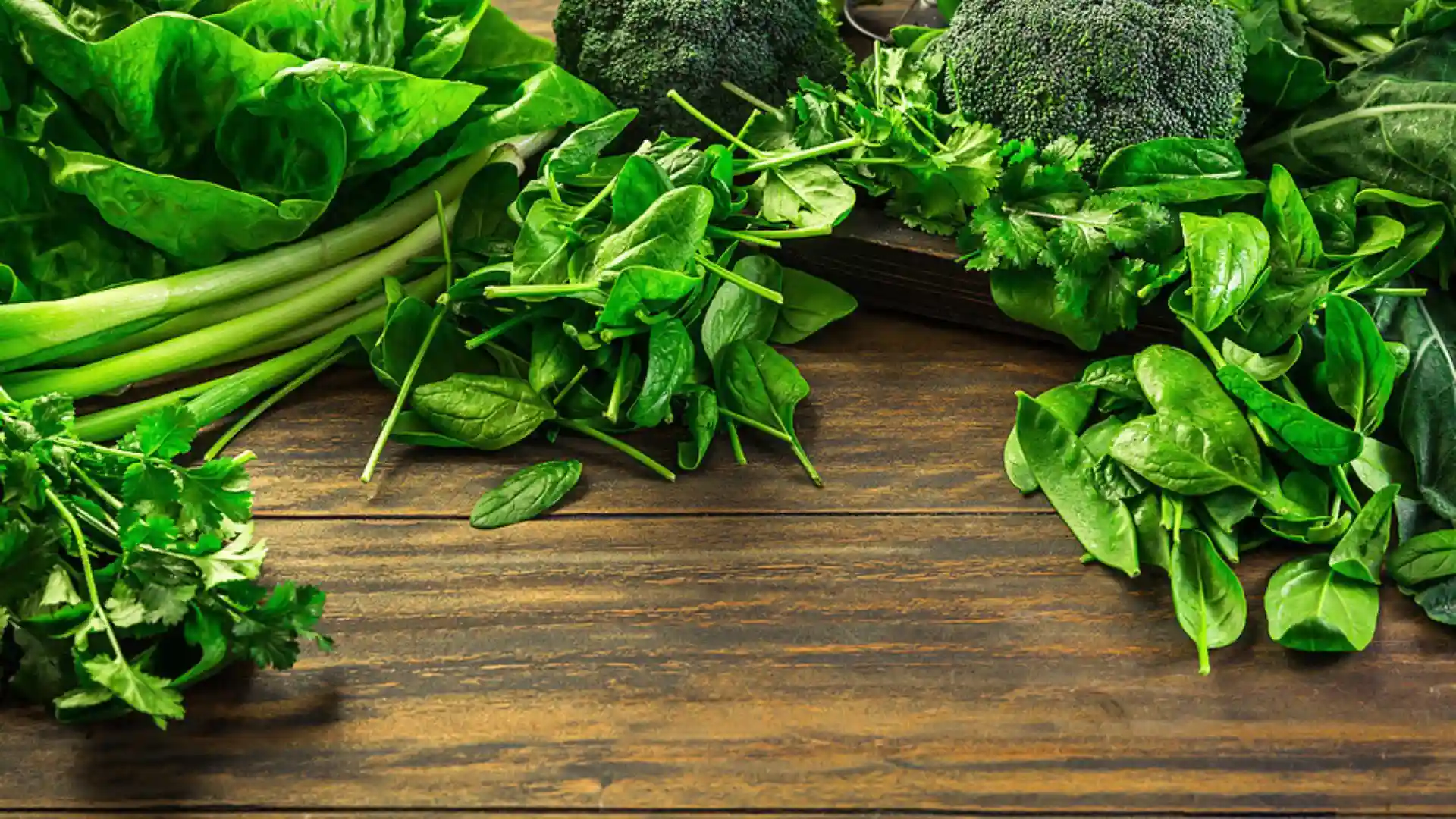
One serving of leafy greens a day could keep your brain younger. Spinach, kale, and collard greens are full of folate, vitamin K, and beta carotene. These nutrients protect brain cells and support healthy blood flow, which helps memory.
A study from Rush University Medical Center tracked older adults for several years. People who ate one daily serving of leafy greens had the memory of someone 11 years younger. That’s a huge difference from such a small habit.
Folate helps your body process homocysteine,

a compound that can damage brain cells when levels get too high. Vitamin K also plays a role in protecting brain cell structure. Together, they form a strong defense against memory loss.
The good news is greens are easy to work into your meals. Add spinach to a morning smoothie, throw kale into soups, or top your omelet with chopped greens. Even a handful in your sandwich can help.
Greens don’t just protect your brain — they also support heart health, which matters because a healthy heart pumps more oxygen to your brain.

Among foods to improve brain health, leafy greens give you daily protection with little effort.
Nuts & Seeds for Healthy Fats
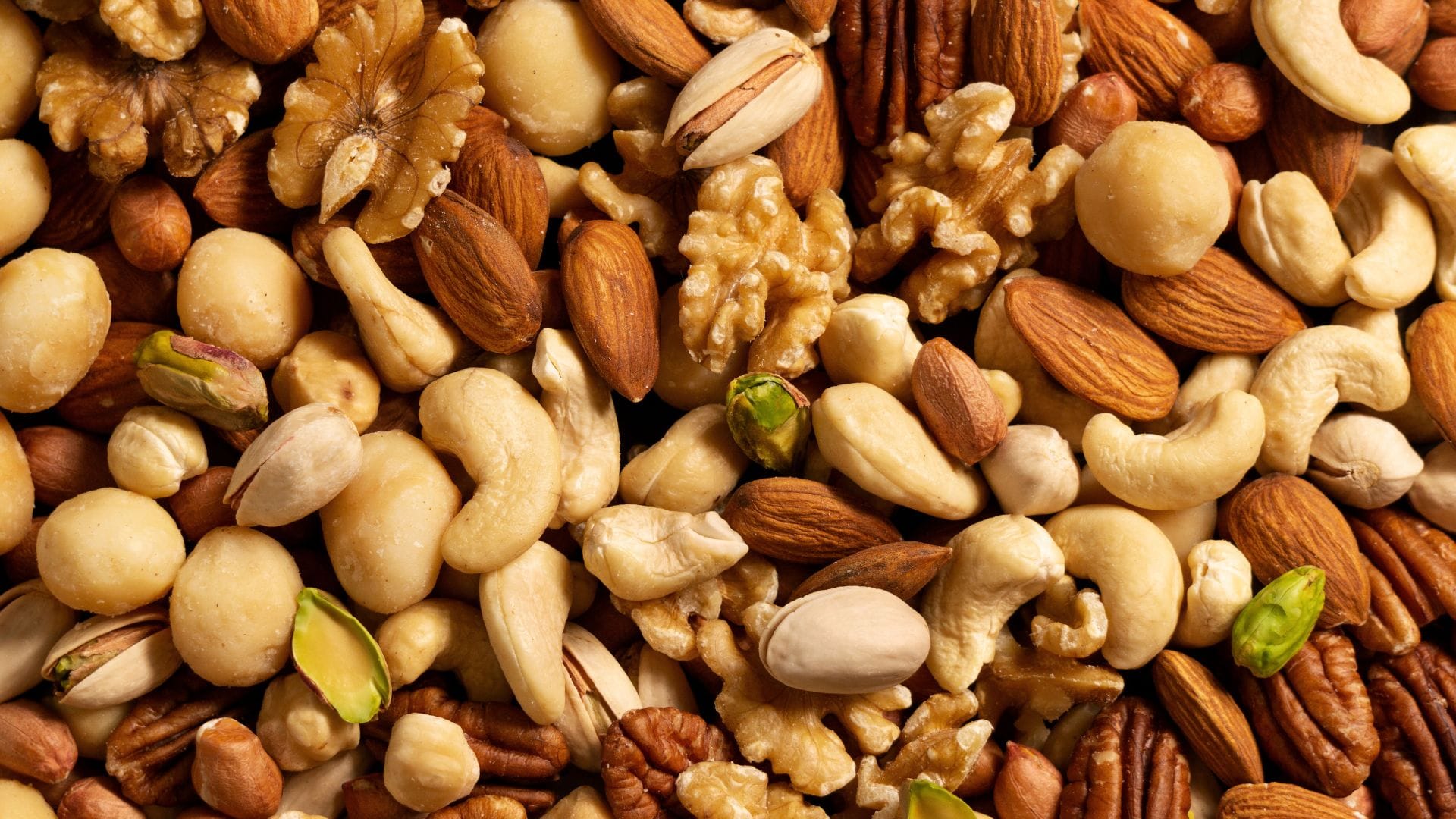
A small handful of nuts or seeds can do a lot for your memory. Walnuts, almonds, flaxseeds, and pumpkin seeds are packed with healthy fats, protein, and vitamin E.
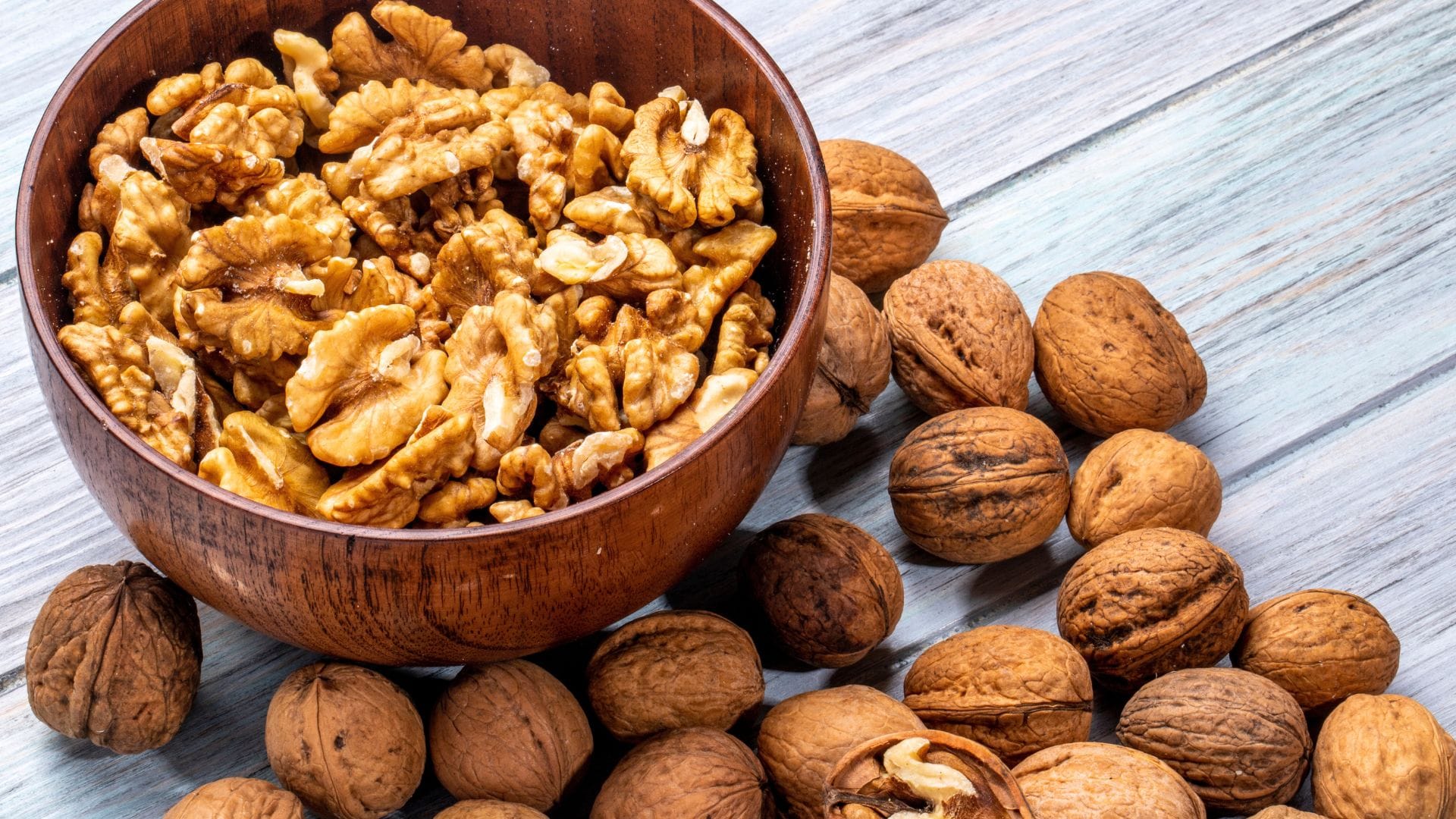
Vitamin E is a powerful antioxidant that helps protect brain cells from damage. Studies suggest people who eat more vitamin E-rich foods have a slower rate of cognitive decline. Walnuts, in particular, are linked to better memory scores in adults of all ages.
The fats in nuts and seeds also keep your brain fueled and reduce inflammation. Unlike processed snacks, they provide steady energy without sugar crashes or brain fog. That’s why they’re a smart replacement for chips or cookies.
Adding them to your diet is simple. Sprinkle flaxseeds on oatmeal, keep a trail mix of almonds and walnuts handy, or spread peanut or almond butter on whole-grain toast.
The key is consistency. Even a small daily serving — about a handful — can make a difference. Among foods that may help prevent memory loss, nuts and seeds are an easy, affordable choice. They fit into almost any lifestyle, whether you want a quick snack or a nutrient boost in meals.
Whole Grains & Legumes
Your brain runs on glucose, and whole grains provide the best kind. Unlike refined carbs that cause sugar spikes and crashes, whole grains release energy slowly. This steady supply fuels your brain all day.
Oats, quinoa, and brown rice are rich in fiber and nutrients that support brain health. Legumes like beans and lentils add protein, fiber, and complex carbs that also keep blood sugar stable. Together, they protect you from brain fog and memory dips caused by energy swings.
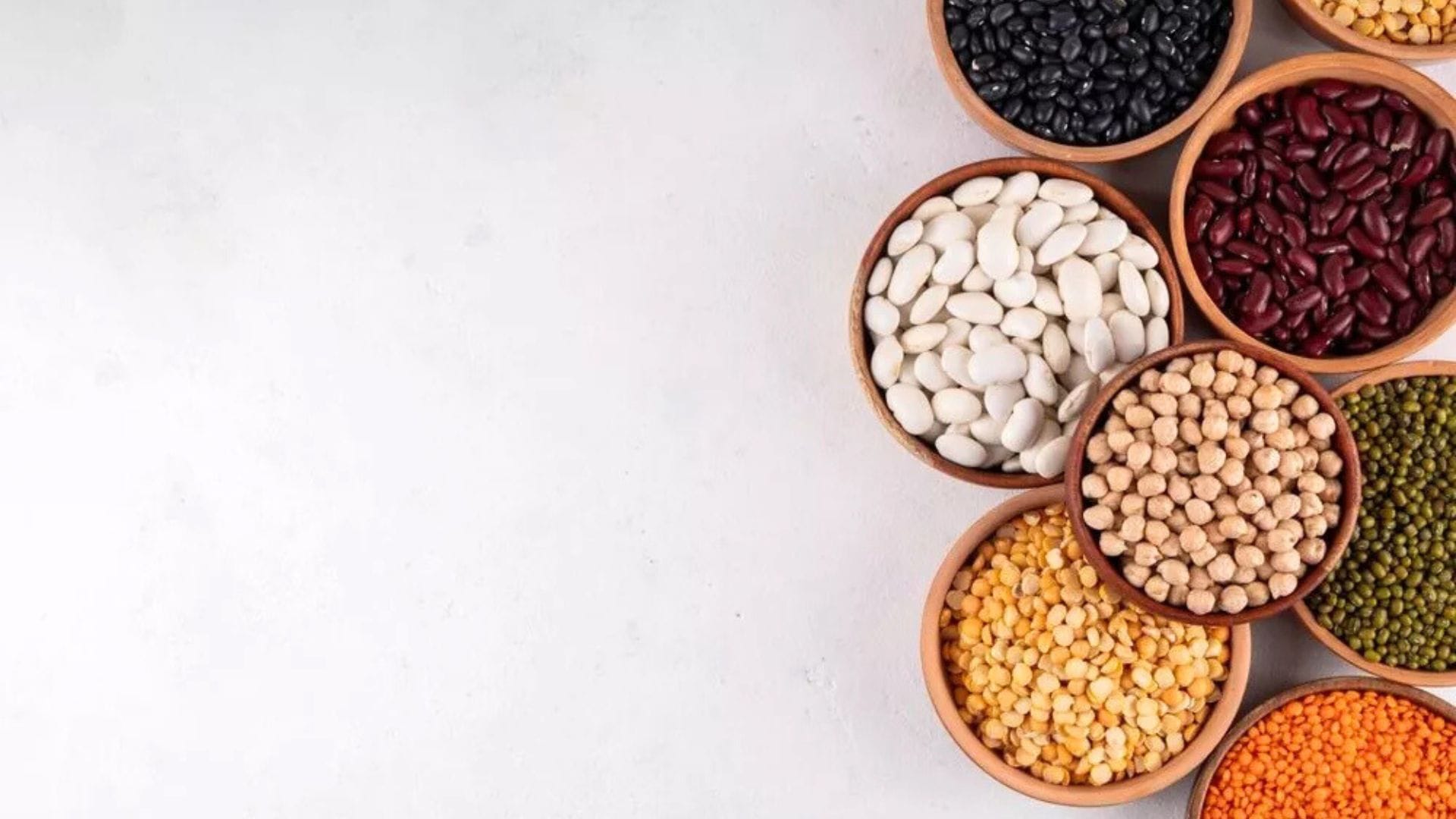
Research shows that diets rich in whole grains are linked to better focus and lower risk of cognitive decline. They also support heart health, which is key because your brain relies on steady blood flow.
Practical examples: start your morning with oatmeal topped with berries, swap white rice for quinoa at dinner, or enjoy a hearty lentil soup. Even small swaps like using whole-grain bread instead of white bread add up over time.
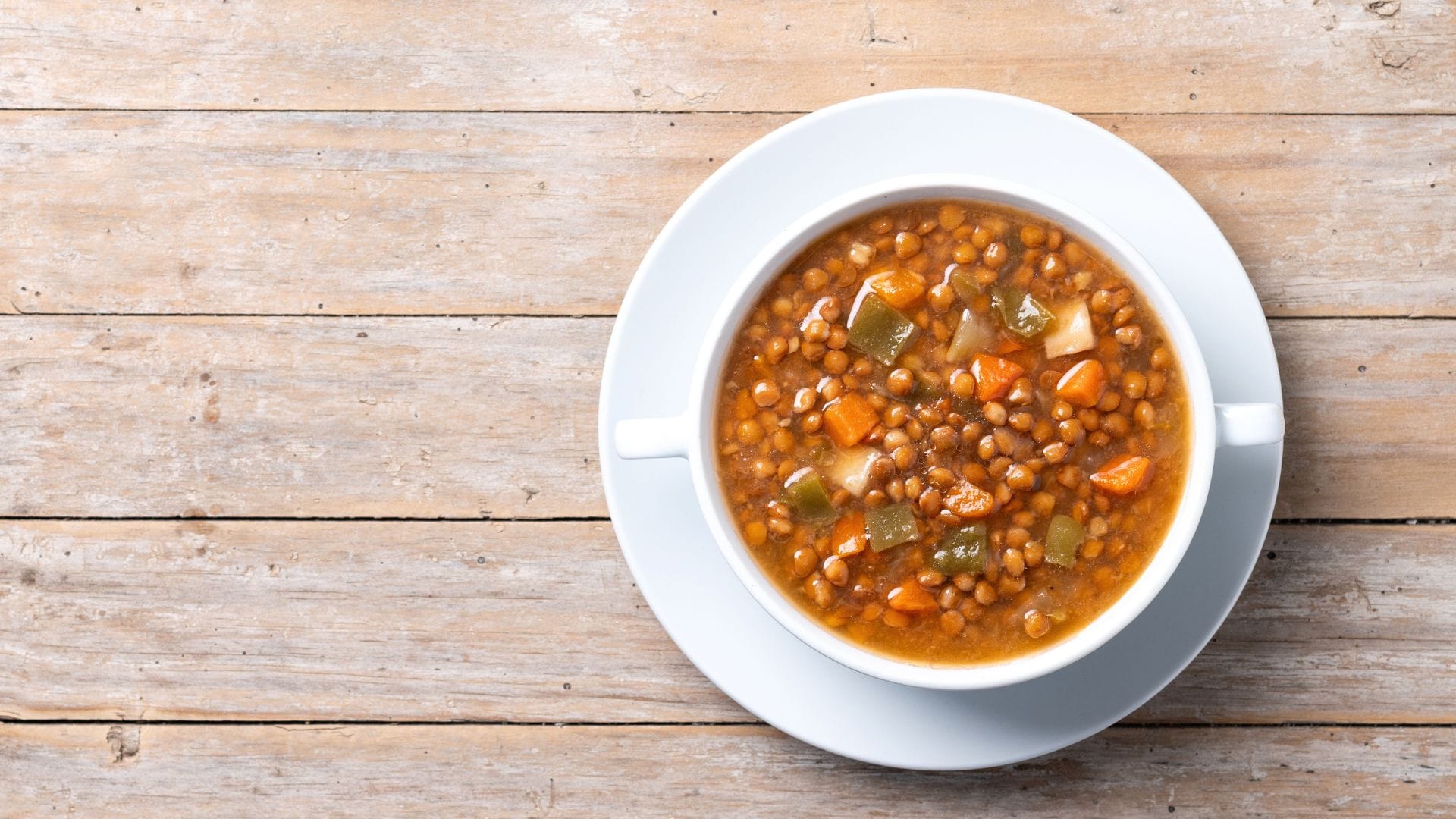
Among brain-boosting foods, whole grains and legumes stand out because they’re filling, affordable, and easy to cook. Making them part of your regular meals helps build a diet for memory loss prevention that works long-term.
Foods to Limit That Harm Brain Health
What you avoid is just as important as what you eat.
Processed foods, fast food, and snacks high in sugar or trans fats can speed up memory decline.
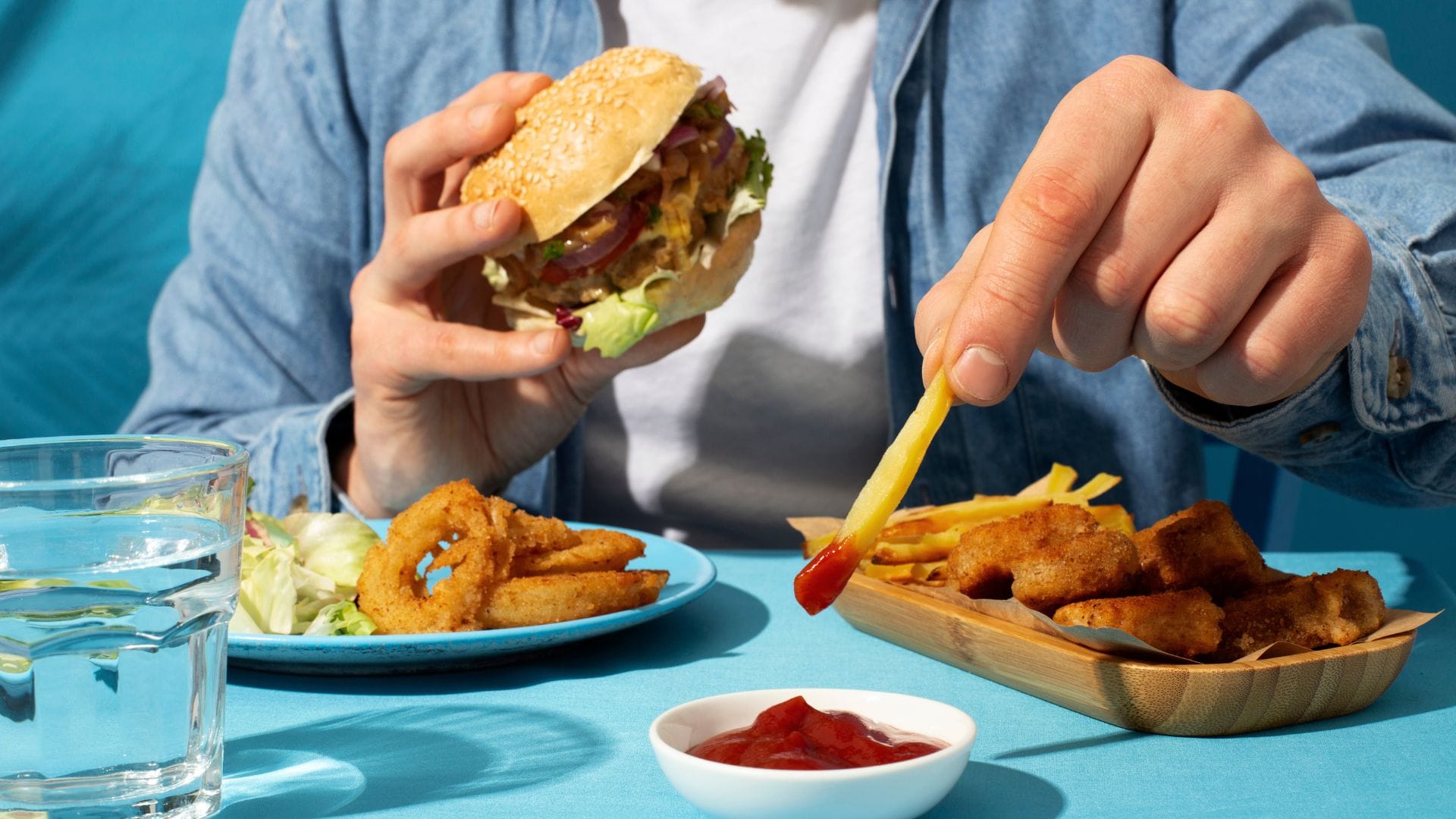
These foods fuel inflammation and stress inside the brain. Over time, they damage the cells that keep your memory sharp.
Alcohol and refined carbs, like white bread and pastries, also affect brain function. They cause quick spikes in blood sugar followed by crashes, leaving your brain tired and unfocused. Heavy drinking can shrink brain tissue, making it harder to learn and remember.

The good news is you don’t have to cut everything out at once. Start with simple swaps. Try sparkling water with lemon instead of soda. Use olive oil instead of margarine or butter blends. Choose whole-grain bread instead of white.
These small steps make a big difference. By limiting harmful foods and choosing better options, you support your brain every single day. If your goal is a diet for memory loss prevention, avoiding the worst foods is just as powerful as adding the best ones. Among foods to improve brain health, the best choices are often about what you leave off your plate.
Easy Daily Habits to Make Brain-Friendly Eating Simple
Big changes aren’t always needed. Small daily habits can protect your memory.
Meal prep is one of the easiest ways to stay on track. Cook a batch of salmon, chop leafy greens, or wash berries once a week. When healthy food is ready in your fridge, you’ll reach for it more often.
Mixing brain-boosting foods into meals makes eating healthy feel natural. Add spinach to your morning smoothie,
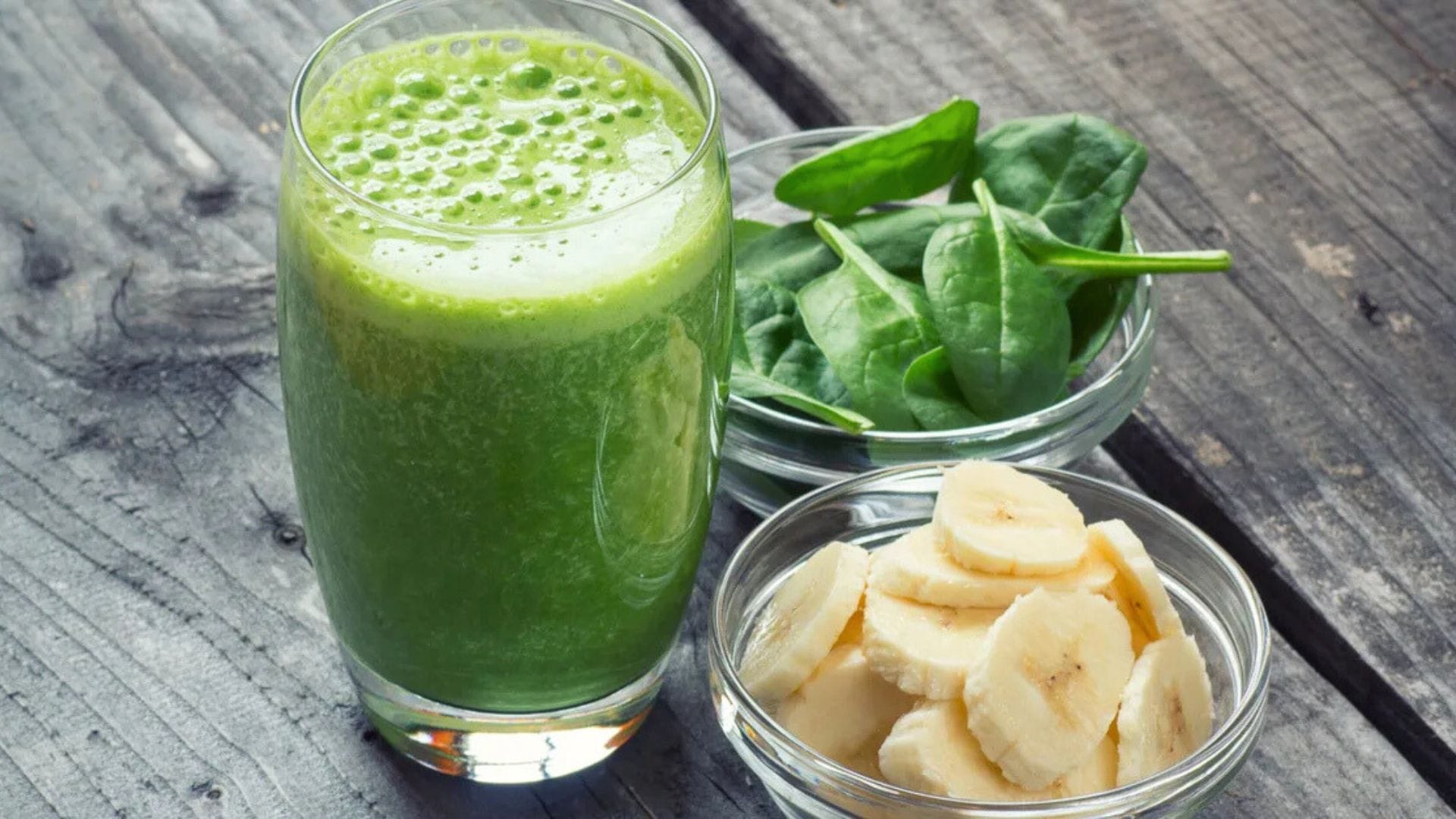
toss walnuts into trail mix, or stir beans into soup. These quick add-ins save time and give your brain steady fuel.
The MIND diet is a great pattern to follow. It blends the Mediterranean and DASH diets, focusing on fish, nuts, greens, berries, and whole grains. Research shows it may lower Alzheimer’s risk by more than 50%.
Food is part of the picture, but lifestyle matters too. Drink plenty of water, aim for 7–8 hours of sleep,

and move your body daily. Exercise improves blood flow to your brain, making food’s benefits even stronger.
By adding simple routines and pairing them with healthy living, you create a diet built for memory loss prevention. The key is consistency, not perfection.
Conclusion
Eating brain-boosting foods like fatty fish, berries, nuts, leafy greens, and whole grains helps protect memory and lowers the risk of age-related decline. You don’t need to change everything at once — start small. Add one of these foods to your plate today and build from there. By making smart choices and eating foods that may help prevent memory loss, you can age-proof your mind and enjoy sharper thinking for years to come.