Your fork might just be your best beauty tool
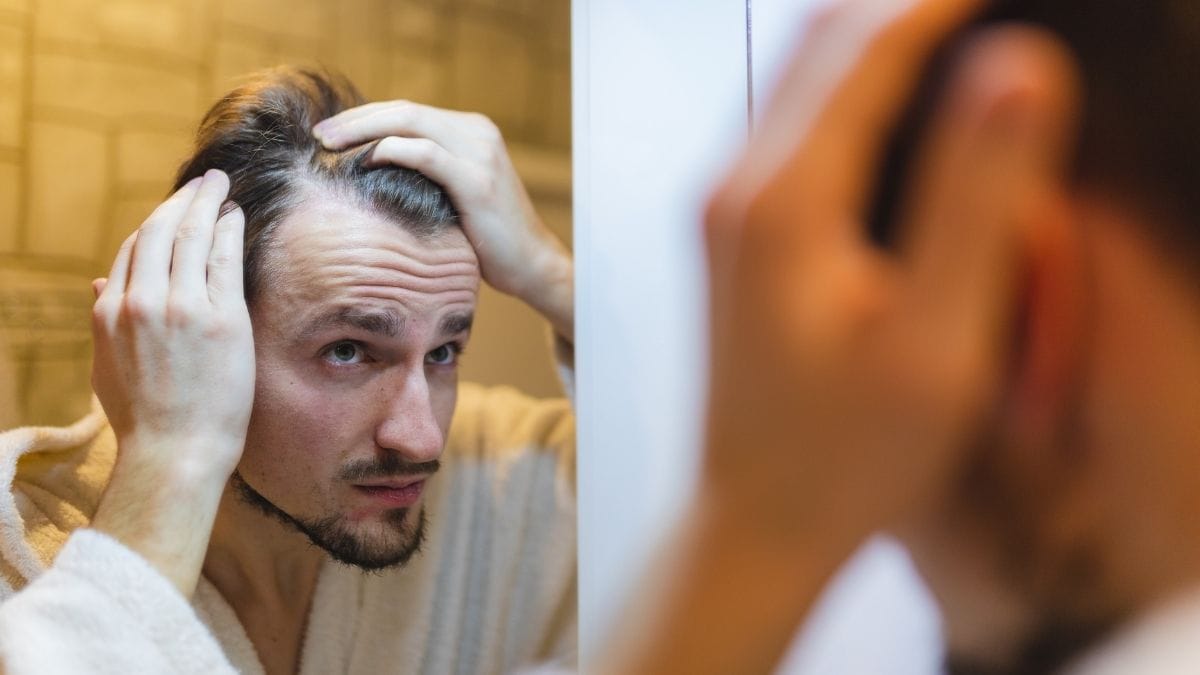
We’ve all been there—standing in front of the mirror, wondering why our hair isn’t as thick, shiny, or strong as we’d like it to be. While we invest in expensive shampoos, treatments, and salon visits (the UK alone spent £6.6 billion on hair and beauty treatments in 2023!), we often overlook one of the most powerful tools we have: our diet.
As a nutritionist, I’m here to tell you that what you put on your plate matters just as much as what you put on your hair. Let me share the science-backed foods that can transform your locks from the inside out—and the dietary habits that might be sabotaging your hair goals.
The Science Behind Food and Hair Health
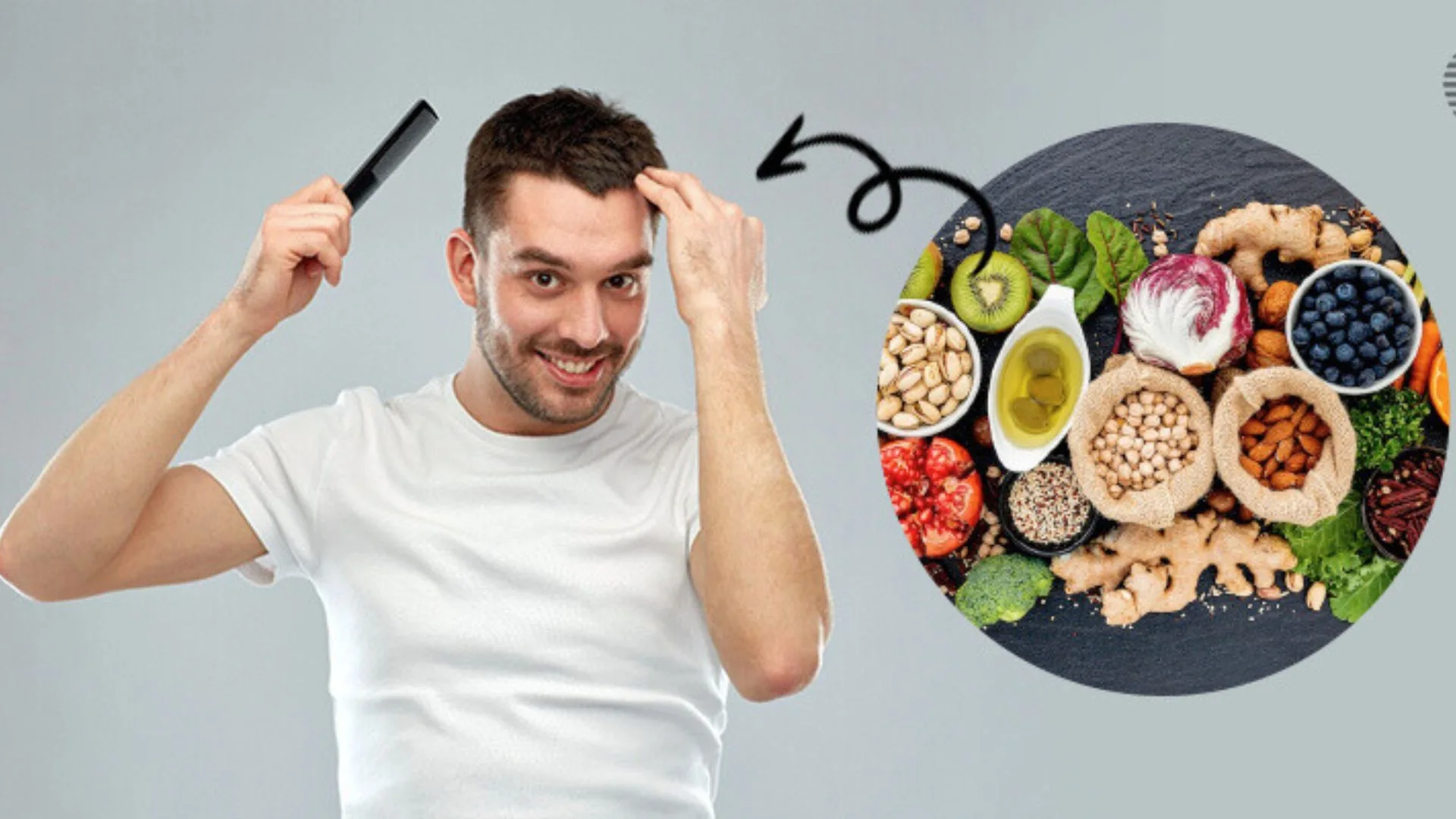
Here’s something fascinating: your body doesn’t consider hair “essential” for survival. That means when you’re deficient in key nutrients, your body redirects them to vital organs first, leaving your hair to suffer. This is why nutrient deficiencies often show up in our hair before anywhere else.
The good news? Once you nourish your body properly, your hair can thrive.
The Hair-Loving Foods You Need on Your Plate
1. Protein-Packed Powerhouses
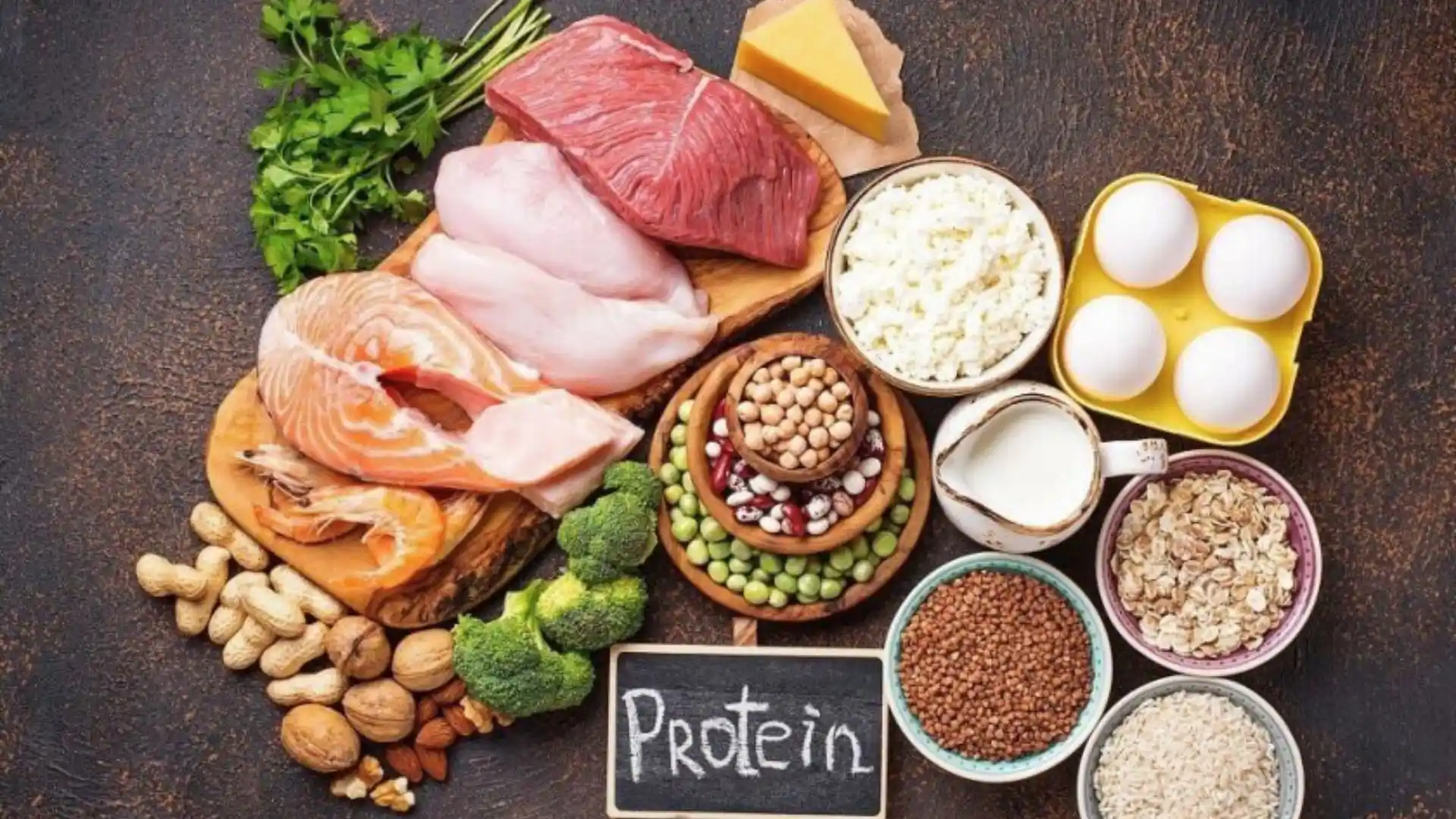
Let’s start with the star of the show: protein. Your hair is made primarily of keratin, a protein, so it makes sense that protein intake directly impacts hair health.
What to eat:
- Eggs (my personal favorite—they’re like multivitamins for your hair!)
- Lean meats like chicken and turkey
- Fish, especially fatty varieties
- Dairy products like Greek yogurt
- Plant-based options: tofu, lentils, chickpeas, and quinoa
- Nuts and seeds
Try this: Start your day with scrambled eggs or Greek yogurt topped with nuts. For dinner, a warming butter chicken or grilled salmon gives you that protein boost while satisfying your taste buds.
Pro tip: Protein becomes increasingly important as we age, especially for women post-menopause. Aim to include protein with every meal for optimal hair health.
2. Iron-Rich Ingredients
Iron deficiency is one of the most common nutritional shortfalls, particularly for those who menstruate or follow plant-based diets. Low iron disrupts your hair’s natural growth cycle and can lead to increased shedding.
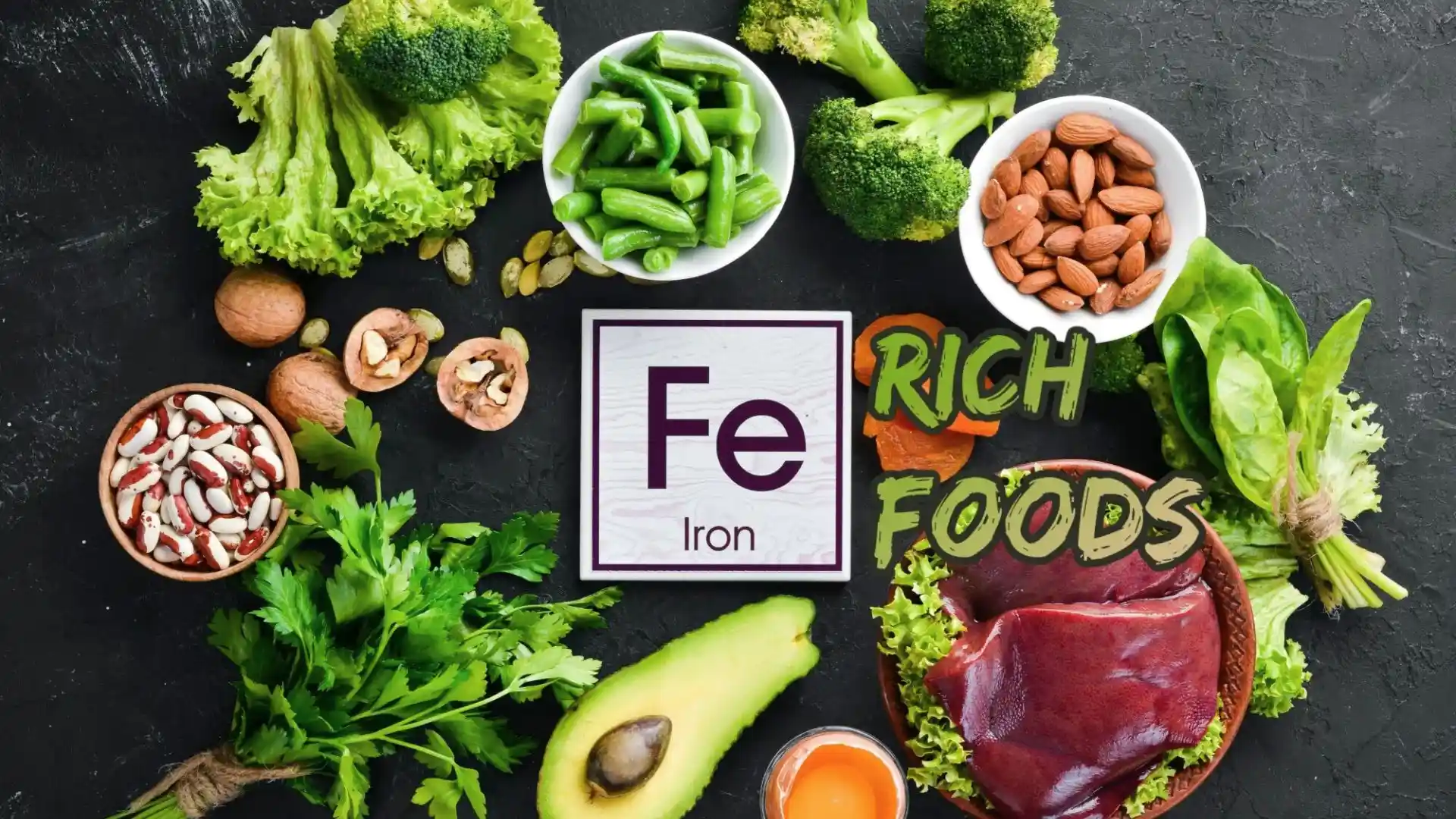
What to eat:
- Red meat (in moderation)
- Lentils and beans
- Spinach and dark leafy greens
- Fortified cereals
- Pumpkin seeds
Try this: Whip up a quick fried lentil bowl with a fried egg on top, or toss pumpkin seeds onto your salad for a crunchy iron boost.
Important note: While iron is crucial, too much can be problematic. If you suspect deficiency, get tested before supplementing.
3. Omega-3 Rich Fish
These healthy fats support scalp health and may reduce inflammation that contributes to hair loss.
What to eat:
- Mackerel
- Salmon (wild-caught when possible)
- Sardines
- For plant-based options: flaxseeds, chia seeds, and walnuts
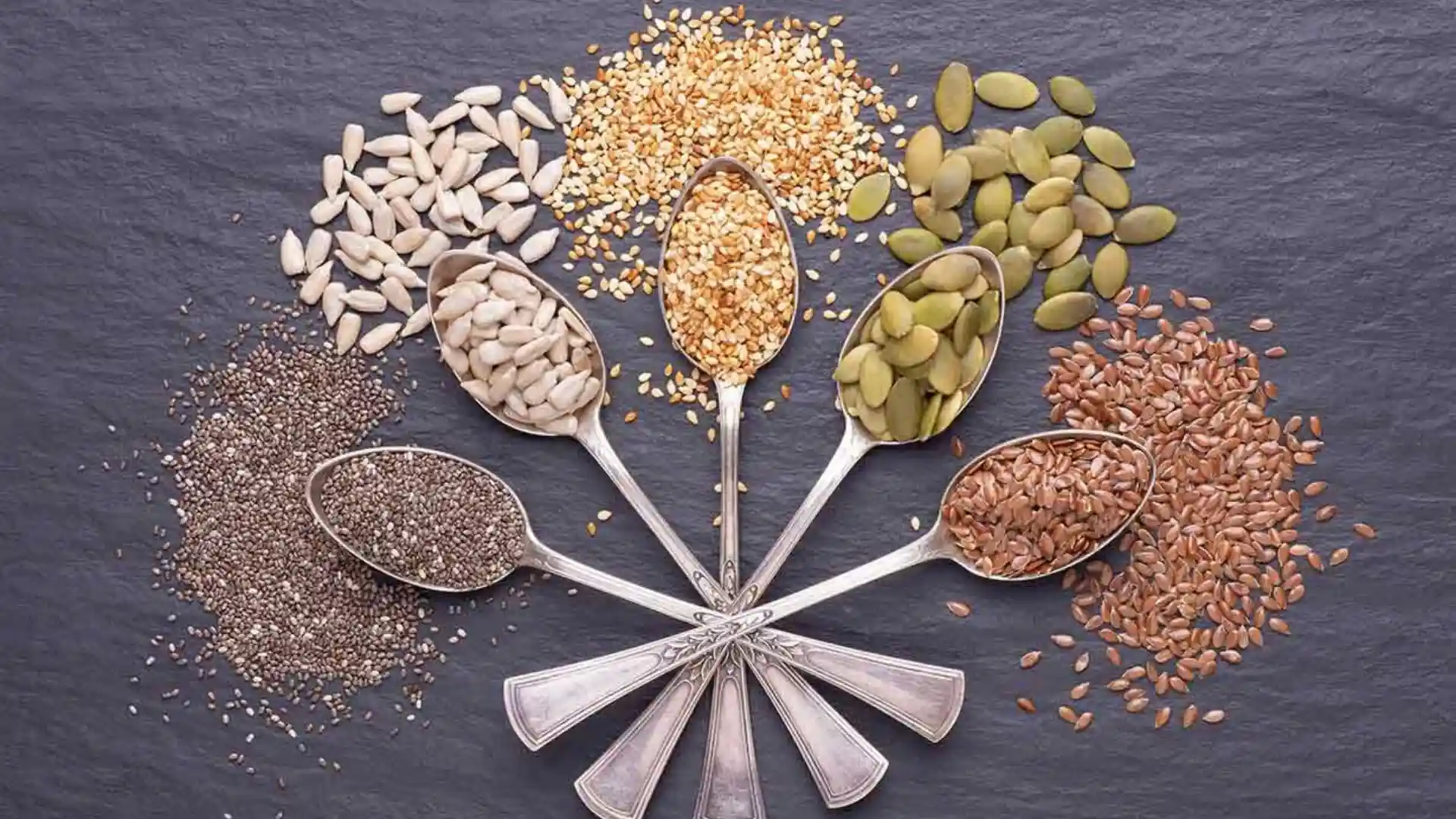
Try this: Make a quick tinned mackerel pasta with lemon and chili, or sprinkle ground flaxseeds into your morning smoothie.
4. Vitamin C Superstars
Vitamin C isn’t just for immunity—it’s essential for collagen synthesis, which provides structure to your hair and stimulates follicle growth.
What to eat:
- Berries (strawberries, blueberries, raspberries)
- Citrus fruits
- Kiwis
- Bell peppers
- Broccoli
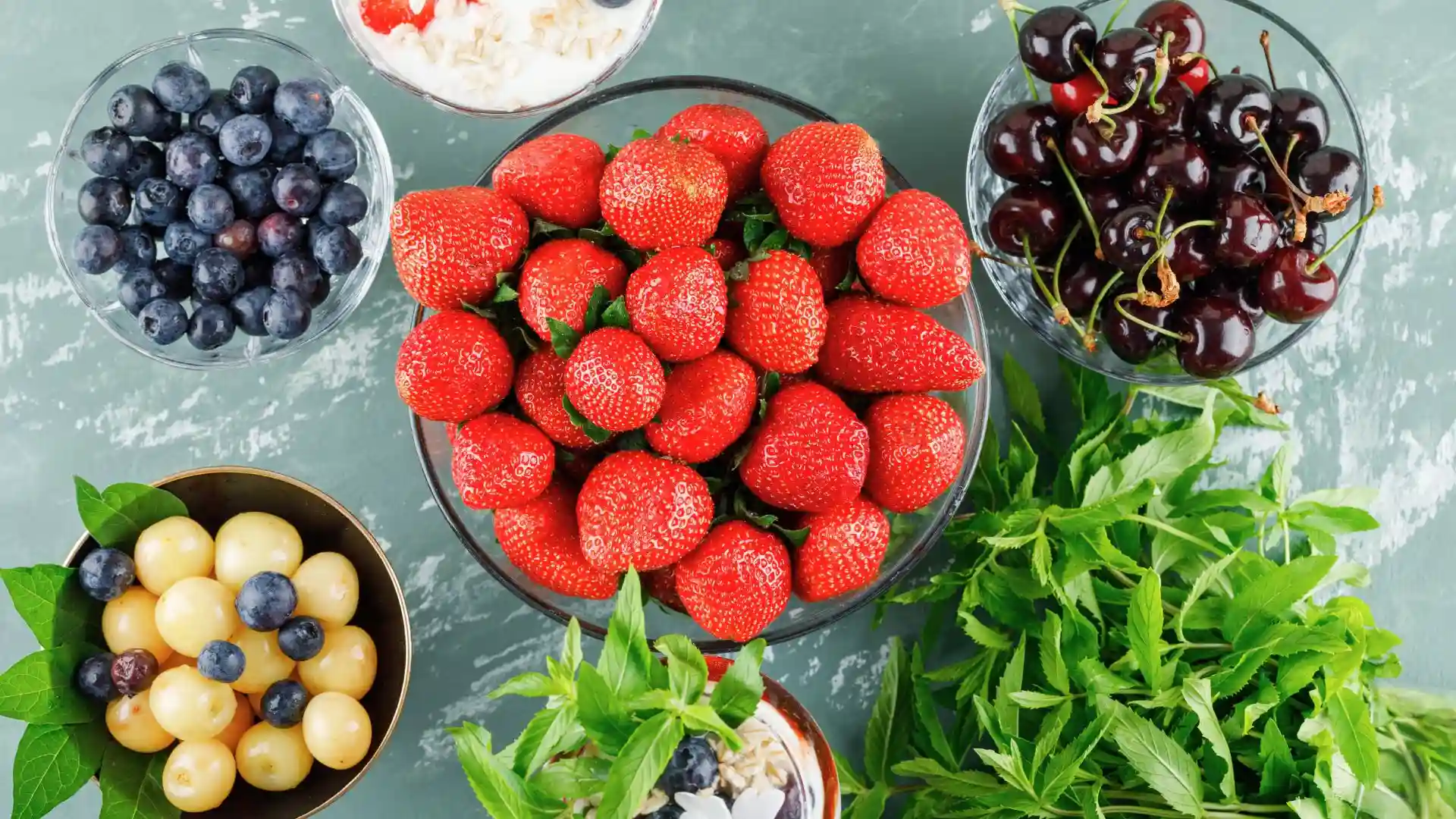
Try this: Blend up a morning smoothie with milk, oats, berries, ground almonds, and a touch of cocoa. It’s delicious and packed with vitamin C, protein, and iron!
5. Biotin-Rich Foods
Biotin (vitamin B7) supports hair follicle function, though severe deficiencies are rare.
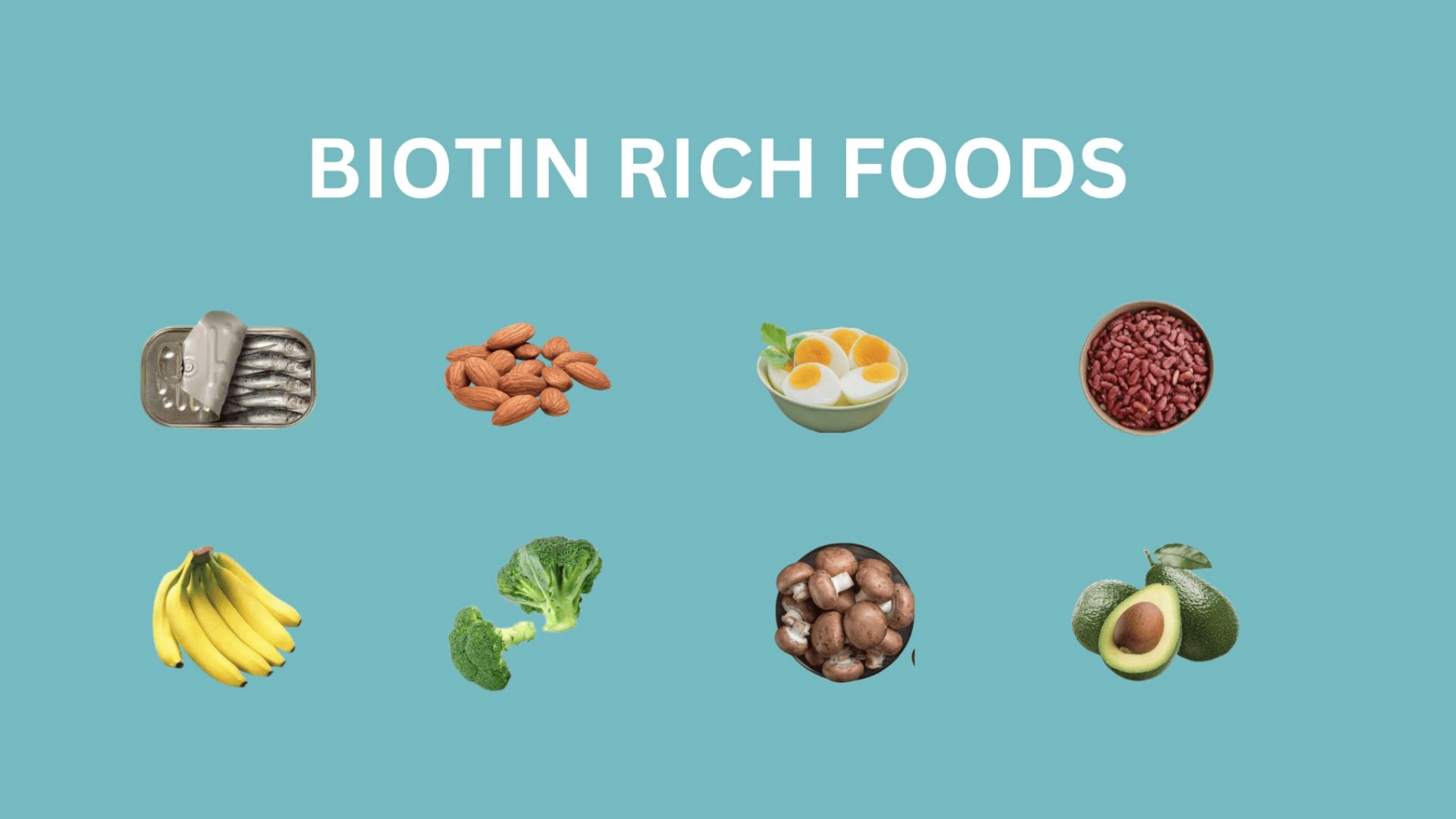
What to eat:
- Eggs (especially the yolks)
- Nuts, particularly almonds and peanuts
- Whole grains
- Legumes
Try this: Make a batch of marinated soy eggs for easy snacking throughout the week.
6. Zinc Sources
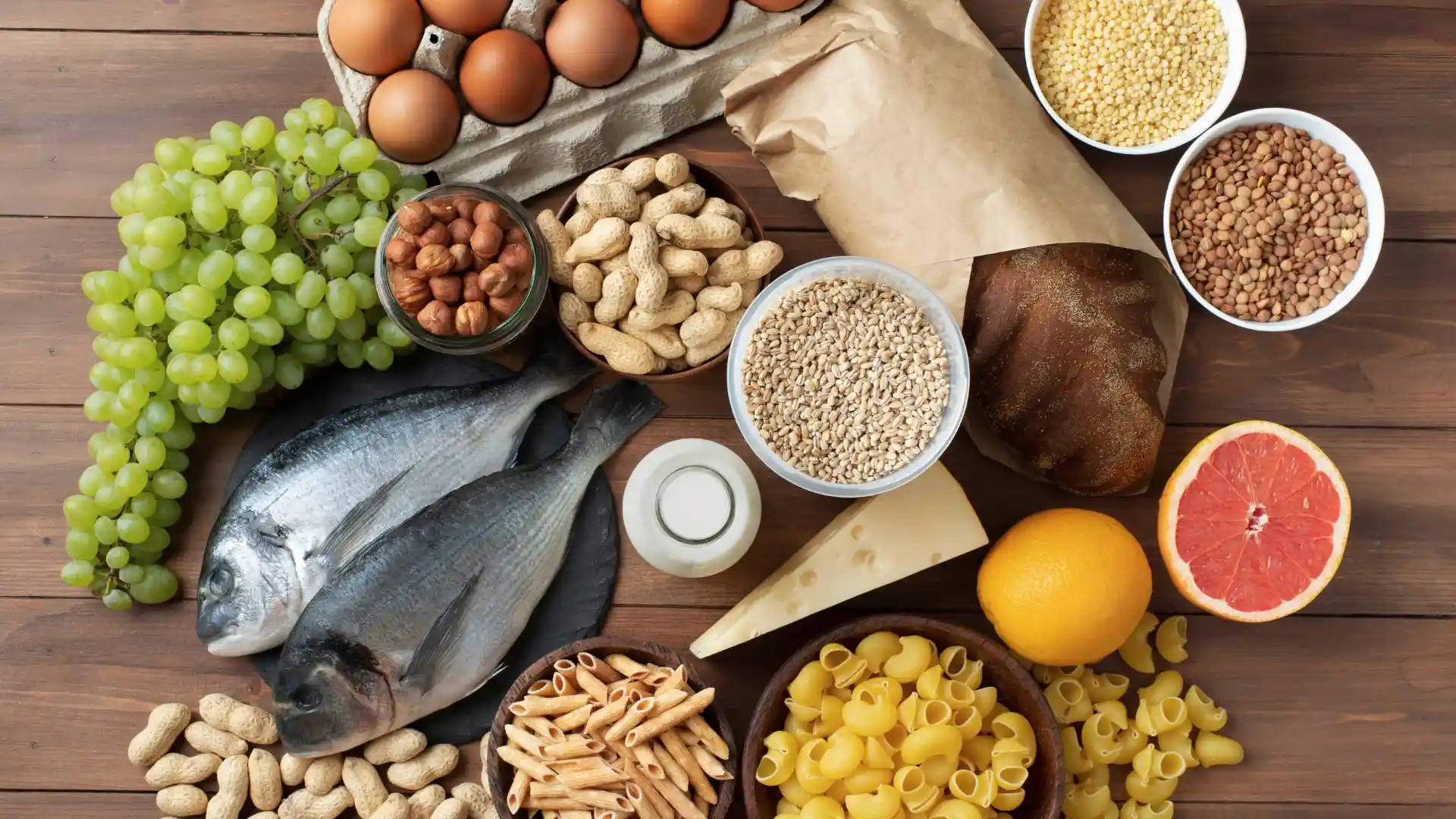
This essential mineral plays a supporting role in hair health, and deficiencies have been linked to hair loss.
What to eat:
- Fortified cereals
- Seafood, especially oysters
- Nuts and seeds
- Beef and poultry
What to AVOID for Better Hair Health
Now for the flip side—these dietary habits could be undermining your hair growth goals:
Intermittent Fasting and Restrictive Eating Windows
Recent research shows that restricting your eating window may slow hair growth. Studies in both mice and humans found that time-restricted eating led to slower hair growth compared to eating throughout the day. Your hair needs consistent nourishment!
Crash Diets and Extreme Calorie Restriction
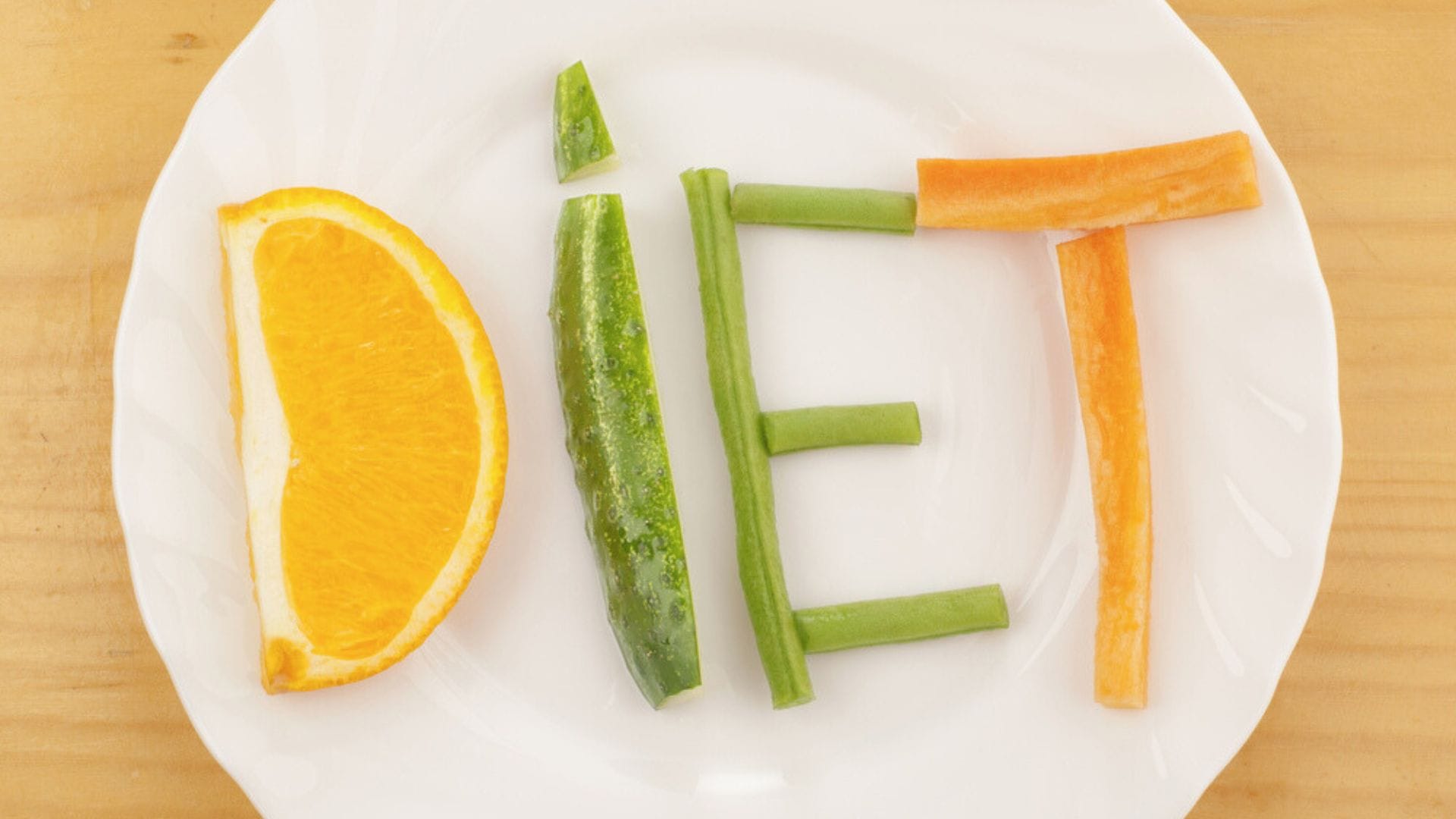
When you drastically cut calories, your body goes into survival mode—remember, hair isn’t “essential,” so it gets neglected first. This can trigger temporary hair loss called telogen effluvium.
Excessive Alcohol
Heavy drinking can deplete your body of essential nutrients like zinc, iron, and B vitamins—all crucial for hair health.
Too Much Vitamin A
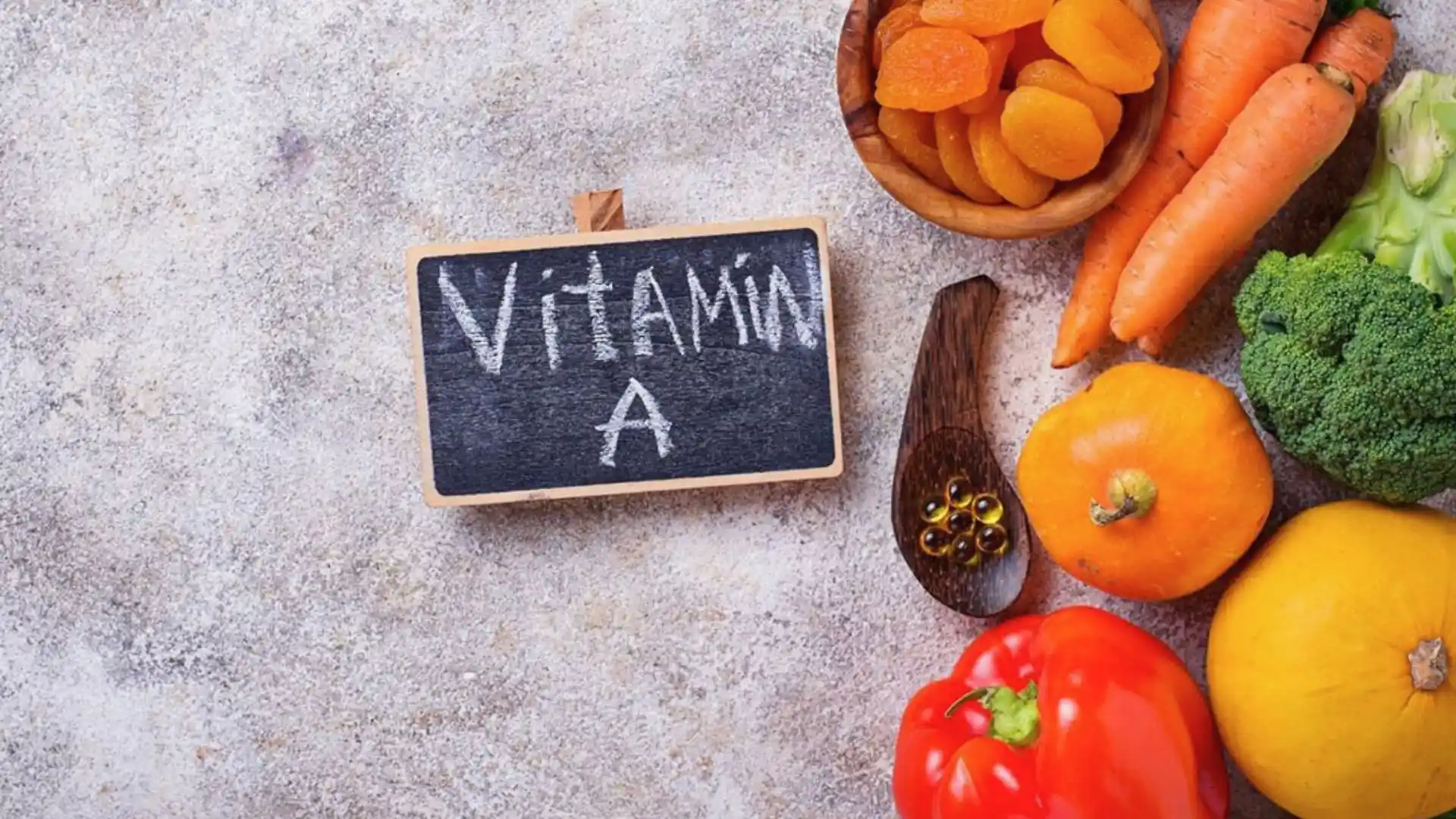
While vitamin A is important, excessive supplementation (usually from pills, not food) can actually trigger hair loss. Stick to food sources and be cautious with supplements.
High-Sugar, Processed Foods
A diet high in refined sugars and processed foods can trigger inflammation and may negatively impact hair growth. Plus, these foods often crowd out the nutrient-dense options your hair craves.
The Bottom Line: Feed Your Hair from Within
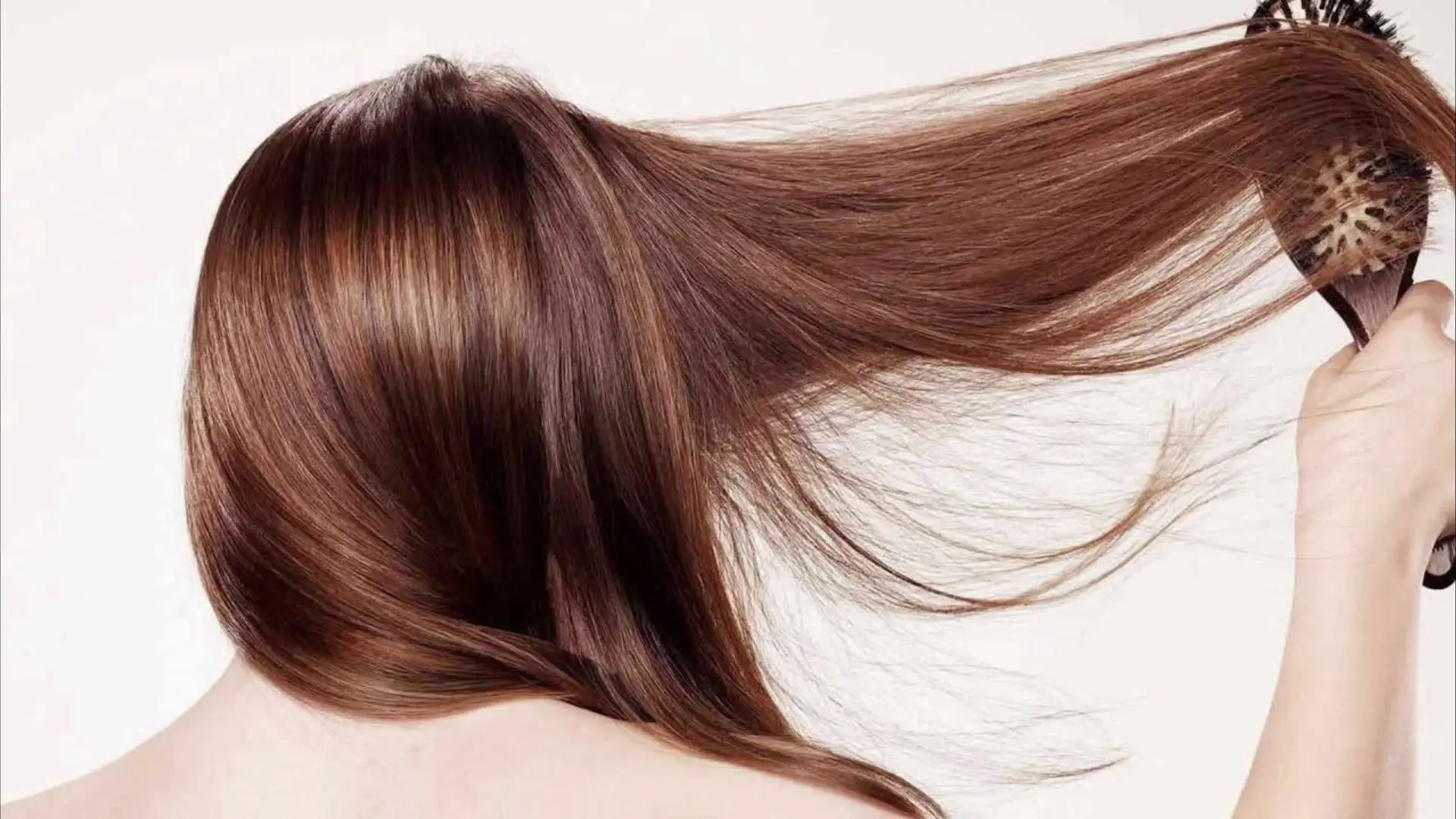
While there’s no magic food that will instantly give you Rapunzel-length locks, consistently eating a balanced, nutrient-rich diet will support healthy faster hair growth and strength. Think of it as long-term investment in your hair health.
My practical advice:
- Eat protein with every meal
- Load up on colorful fruits and vegetables
- Include fatty fish 2-3 times per week
- Don’t skip meals or restrict eating windows drastically
- Stay hydrated
- If you notice unusual hair loss, see your doctor—it could signal an underlying deficiency or condition
Remember, hair grows slowly (about half an inch per month), so give any dietary changes at least 3-6 months to show results. Your hair reflects your overall health, so nourishing your body is the best beauty treatment you can give yourself.
Now, who’s ready to cook up some hair-loving meals?