
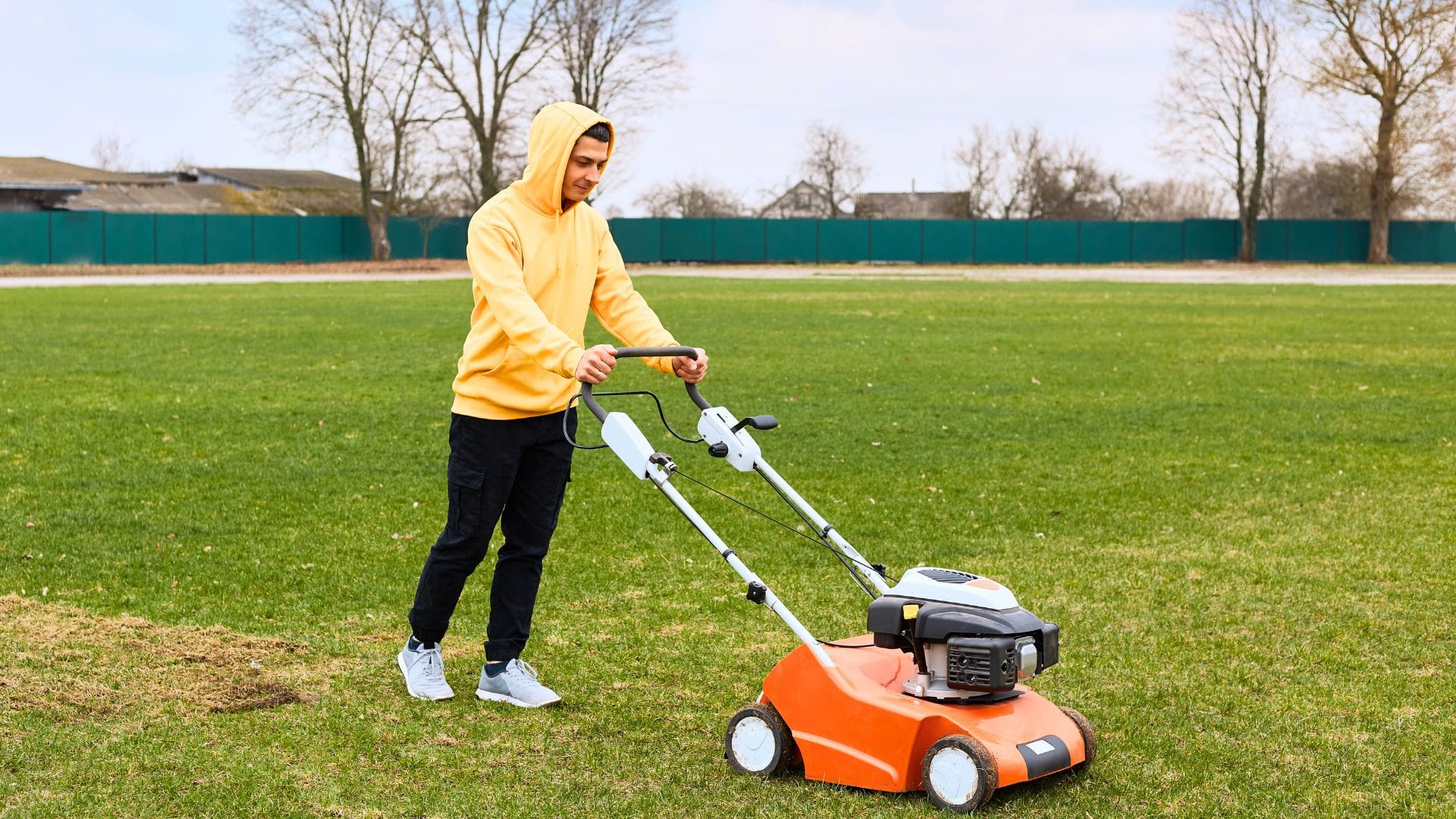
Your lawn is looking tired. Bare patches dot the yard. Weeds are winning the battle. Maybe it’s time to reseed.
Getting the timing right makes all the difference. Seed at the wrong time, and you’re throwing money on the ground. Seed at the right time, and your grass will grow thick and strong.
Let me share what the experts know about reseeding lawns.

Know Your Grass First
Walk outside and look at your lawn. What kind of grass grows there?
This matters more than you think.

Cool-season grasses love cold weather. They grow best in winter and spring. Fescue, Kentucky bluegrass, and perennial ryegrass fall into this group. These grasses go dormant when summer heat arrives.
Warm-season grasses do the opposite. They sleep through winter and wake up when spring arrives. Bermudagrass, zoysia, St. Augustine, and centipedegrass belong here. They thrive in heat.
Where you live determines which grass grows in your yard. Northern states grow cool-season grasses. Southern states grow warm-season types. The middle of the country? You can grow both.
Craig McManus runs a garden design company and hosts The Garden Question Podcast. He says timing is everything. “The goal is to establish deep root systems,” he explains. Deep roots help grass survive summer heat or winter cold.
When to Seed Warm-Season Grass
Wait until night temperatures stay around 70 degrees. This usually happens in late spring or early summer.
Why wait? Warm soil helps seeds sprout. No frost means seedlings won’t die. And seeding in spring gives grass months to grow strong before winter returns.
When to Seed Cool-Season Grass
Early fall is perfect. Seed about ten weeks before the first frost.

McManus puts it simply: “This gives young seedlings time to establish deep root systems.” Those roots help grass survive the brutal months of July, August, and September.
Spring works too, but it’s not ideal. Grass has less time to mature before summer heat hits. If spring is your only option, consider laying sod instead of seeding. Mature sod handles stress better than baby grass.
Overseeding vs. Starting Over
Not sure which approach you need?
Overseed when your lawn just needs help. Maybe you see some bare spots. Maybe the grass looks thin. McManus suggests overseeding when you see 30% or more soil showing through.
Reseed completely when things are bad. If you see 50% soil, start fresh. Kill everything. Remove it. Start over.
Sometimes grass isn’t the answer. Some spots just won’t grow grass no matter what you do. Too much shade. Too much foot traffic. Wrong soil. McManus sees this often. “The real solution may be to stop trying to grow grass in an area that will never support it,” he says.
Try groundcovers instead. Or plant shrubs. Not every inch of your yard needs grass.

Getting the Soil Ready
Buy good seed. Read the label. Skip any mix that lists weed seeds or “other crops.” For cool-season lawns, use a blend of tall fescues and Kentucky bluegrasses.
For Overseeding
Mow your existing grass down to two inches. Bag the clippings.
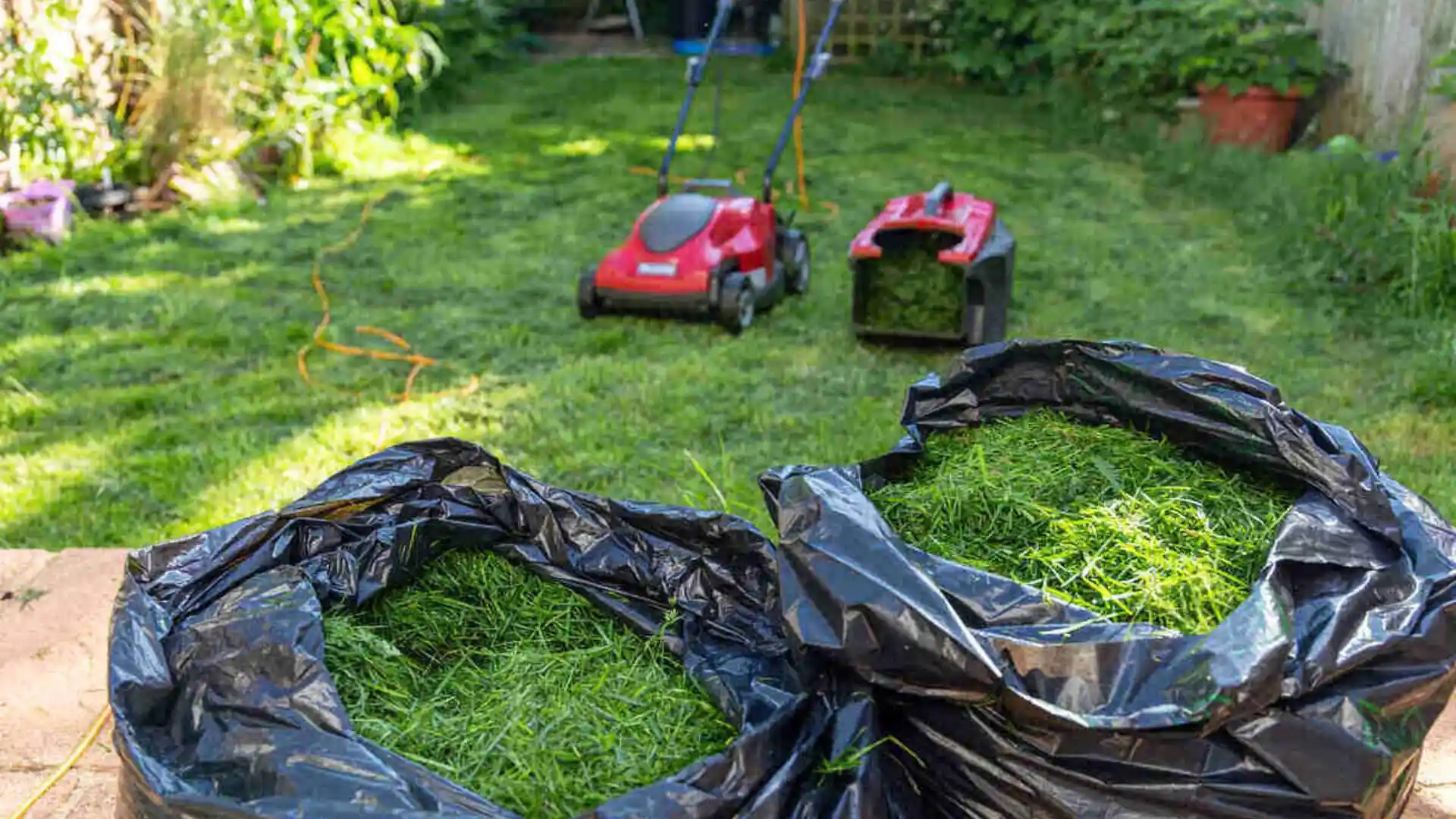
Then rake or blow away all debris. Seeds need to touch soil to sprout.
For Complete Reseeding
This takes more work.
Kill and remove existing plants. Test your soil. You might need to adjust pH or add nutrients.
“You’re wasting money if your seed doesn’t contact a prepared soil bed,” McManus warns.
Dig deep. Till the soil 4 to 6 inches down.

Or use a core aerator. This lets moisture and oxygen reach roots. Mix in any soil amendments. Rake everything smooth.
Check bare spots carefully. Sometimes rock or construction debris hides underground. That’s why grass won’t grow there. Dig down and look.
How to Spread Seed
Use a spreader. Drop spreaders or broadcast spreaders both work fine.
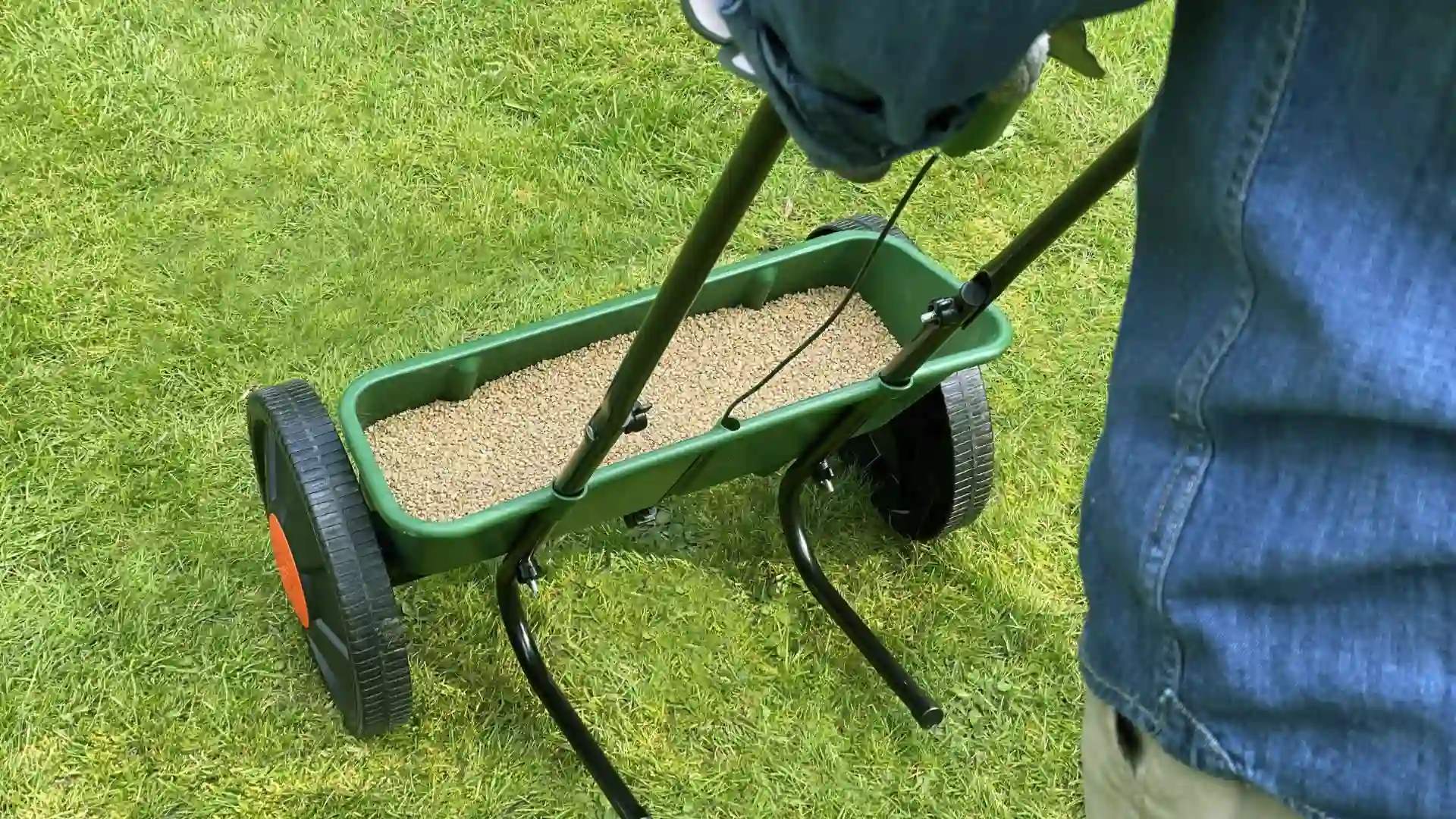
Here’s the trick: Apply half the seed walking in one direction. Apply the other half walking the opposite direction. This prevents missed spots.
Mix seed with sand or Milorganite if you want. This helps spread it evenly.
For overseeding, use the rate listed on the seed bag. For reseeding bare ground, use a higher rate.
After spreading seed on bare soil, rake gently. Cover seeds with 1/8 inch of soil. Then use a lawn roller to press seeds into contact with soil. You can rent rollers at equipment stores.
After You Seed
Water is everything now.
Keep the soil moist until seeds sprout. This might mean watering lightly twice a day. Once grass is up, water less often but deeper.
Don’t walk on new grass. Stay off the lawn for several weeks.
Don’t mow until grass reaches 3 inches tall. When you do mow, remove only the top third of the blade.
The Bottom Line
Good lawns start with good timing. Seed warm-season grass when nights stay warm. Seed cool-season grass in early fall.
Prepare the soil right. Use quality seed. Water consistently.
Your lawn will reward you with thick, healthy grass that crowds out weeds and looks beautiful all season long.
Sometimes the pros know best. As McManus says, give your grass time to grow deep roots. Those roots make all the difference when stress arrives.
Now get out there and give your lawn the fresh start it deserves.