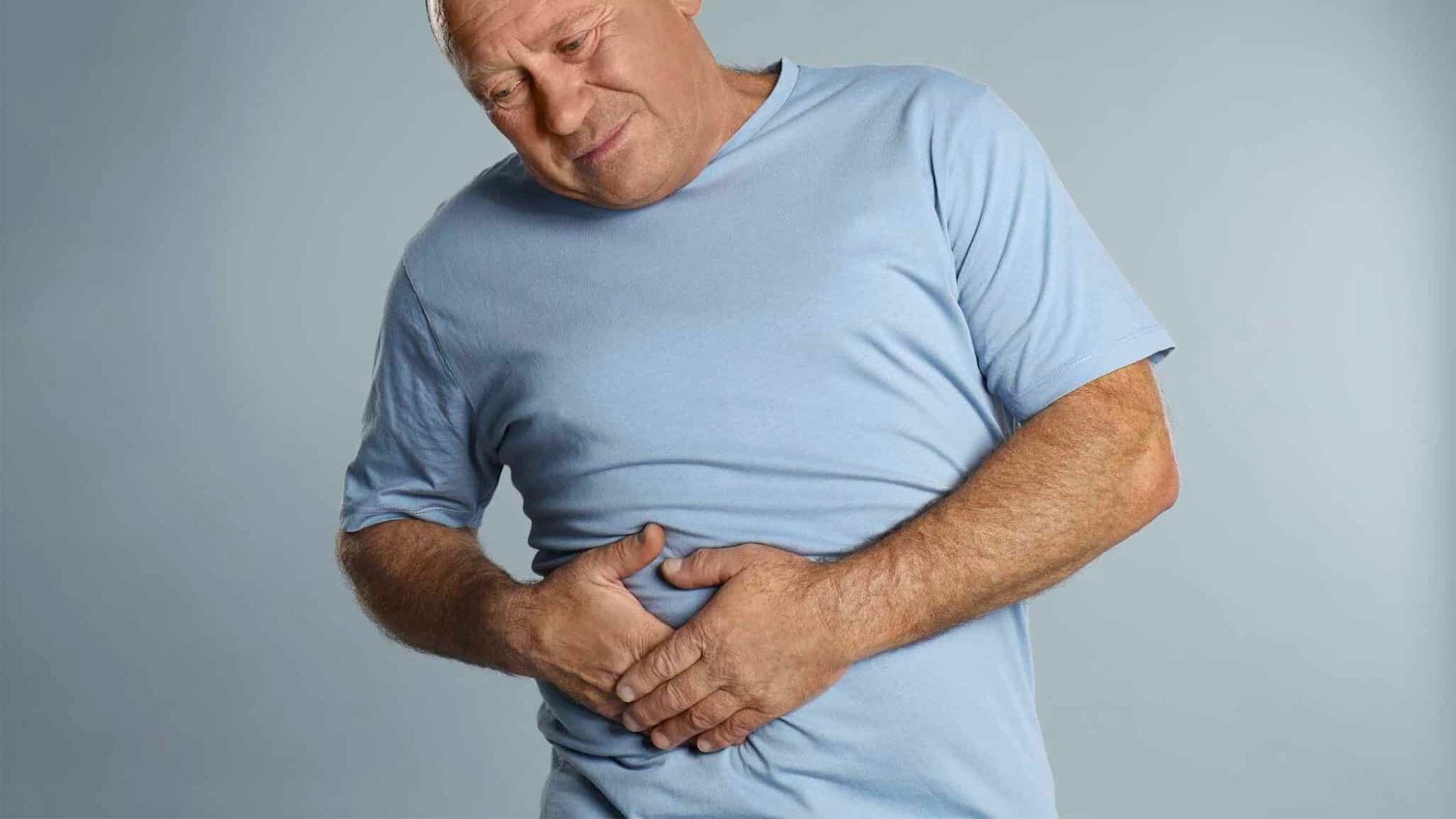
Your liver is silently filtering 1.4 liters of blood every minute, but when it starts struggling, it whispers warnings that most people mistake for stress or aging.
You’re tired all the time. Your stomach feels bloated after meals. Your skin looks dull or itchy. You blame work stress or getting older. But what if your liver is trying to tell you something?
Here’s the problem: Most people ignore these early liver warning signs until it’s too late. You want answers, but online advice confuses you more.
One site says detox teas work. Another warns they’re dangerous. You don’t know who to trust.
This article cuts through the noise. You’ll learn five clear warning signs your liver needs help. We’ll explain why each symptom happens in simple terms.
Then you’ll discover exactly which foods fix each problem. You’ll also know when food isn’t enough and you need a doctor.
Plus, we’ve included a simple 3-day meal plan you can start tomorrow. No complicated recipes. No exotic ingredients. Just real food that helps your liver heal.
Your liver can repair itself—even if 75% of it is damaged. But only if you catch the Liver Damage Symptoms and Foods early and take action now.
Let’s find out what your body is trying to tell you.
Understanding Your Liver’s Warning System
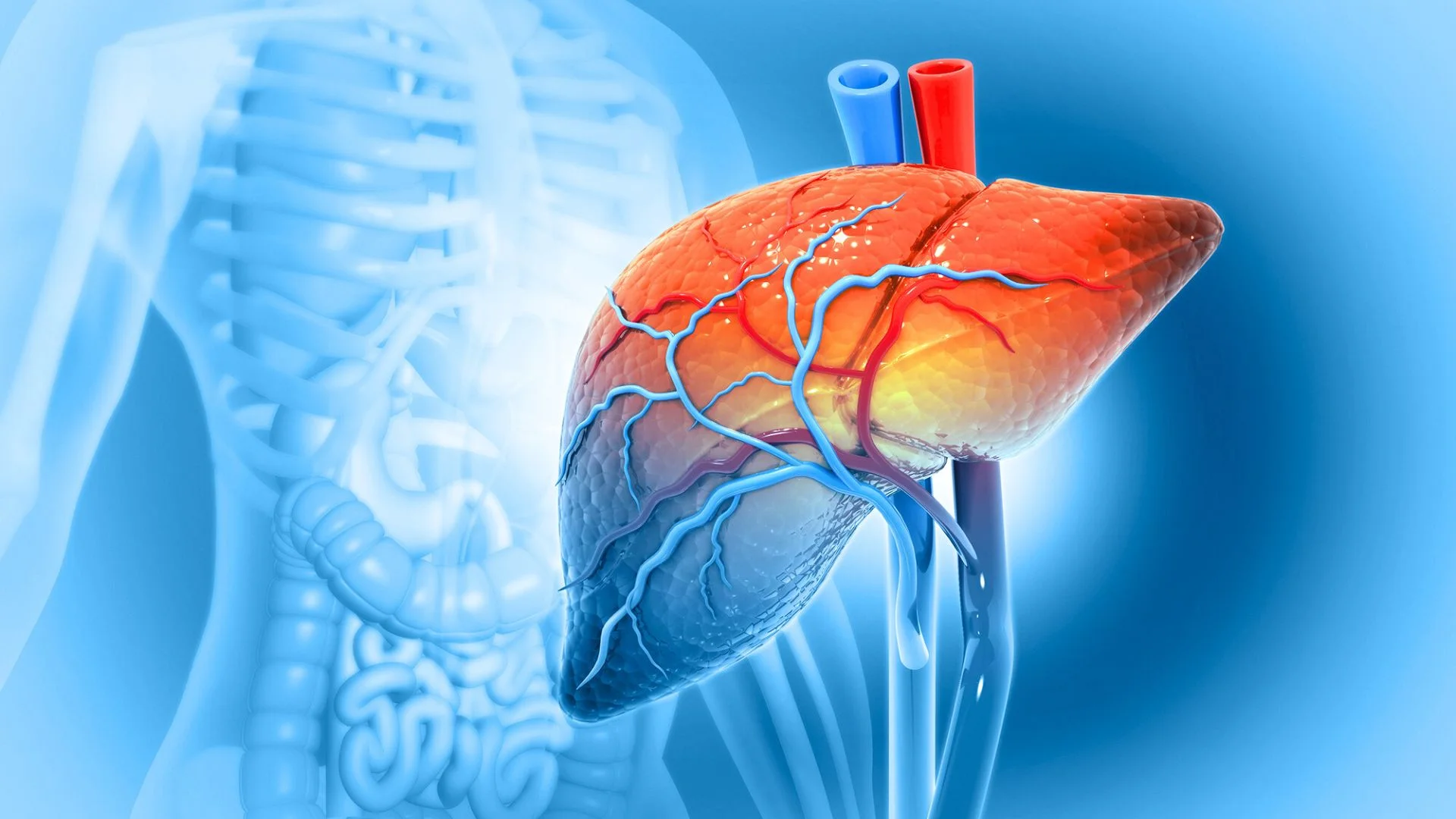
Your liver doesn’t have pain receptors. It can’t scream when it’s in trouble.
This is why over 70 million Americans have some form of liver disease, but 90% don’t know it, according to the American Liver Foundation.
Think of your liver like a water filter in your home. When it starts clogging, water still flows through—just slower and dirtier.
You don’t notice the problem until the filter is almost completely blocked. That’s exactly how your liver works.
Here’s what makes your liver special: it can regenerate itself. Even if 75% of your liver is damaged, it can grow back and restore healthy liver function.
No other organ in your body can do this. Your heart can’t regrow. Your kidneys can’t repair themselves this way. But your liver can.
The problem? Most liver disease stays silent until it reaches advanced stages. Your liver performs over 500 essential functions every single day—filtering toxins, making proteins, storing energy, producing bile.
When it starts failing at these jobs, the symptoms seem unrelated to liver health.
There’s a big difference between acute damage and chronic dysfunction. Acute damage happens fast—like from poisoning or medication overdose. Chronic dysfunction builds slowly over months or years from poor diet, alcohol, or fatty liver disease.
Liver disease is now the 12th leading cause of death in the US. But here’s the good news: catching early liver damage means you can reverse it.
Your modern lifestyle—processed foods, sugar, stress, lack of sleep—puts constant pressure on your liver.
When you spot the warning signs early and take action, your liver will thank you by healing itself.
That’s why knowing these signs matters so much.
Persistent Fatigue That Sleep Can’t Fix
You sleep 8 hours but feel like you’ve been hit by a truck by 2 PM. Coffee doesn’t help. Naps don’t help. This isn’t normal tiredness—it’s one of the most common liver warning signs.
Sarah thought she was just stressed. She slept 9 hours every night but couldn’t focus at work by noon.
Her doctor ran tests. Her liver enzymes were elevated. The fatigue wasn’t in her head—it was her liver struggling to do its job.
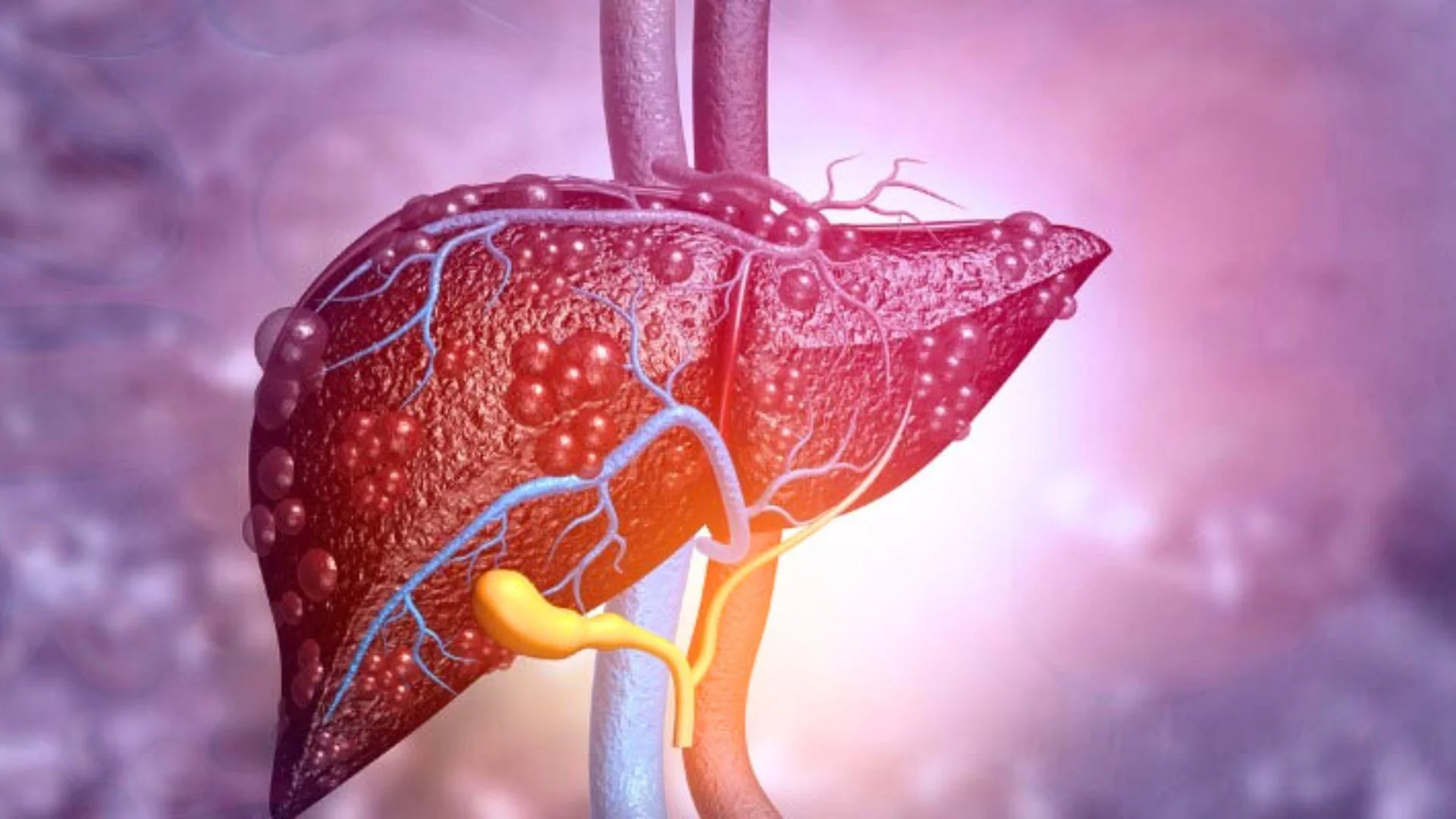
Here’s what’s happening inside your body. When your liver can’t filter toxins properly, they build up in your bloodstream.
Your body has to work harder to function with all that waste floating around. It’s like trying to run while breathing through a straw—exhausting.
Your liver also controls your blood sugar. When liver function drops, your glucose regulation goes haywire. Your energy crashes even though you ate.
Plus, ammonia (a waste product from protein breakdown) starts accumulating. Ammonia makes you feel foggy and drained.
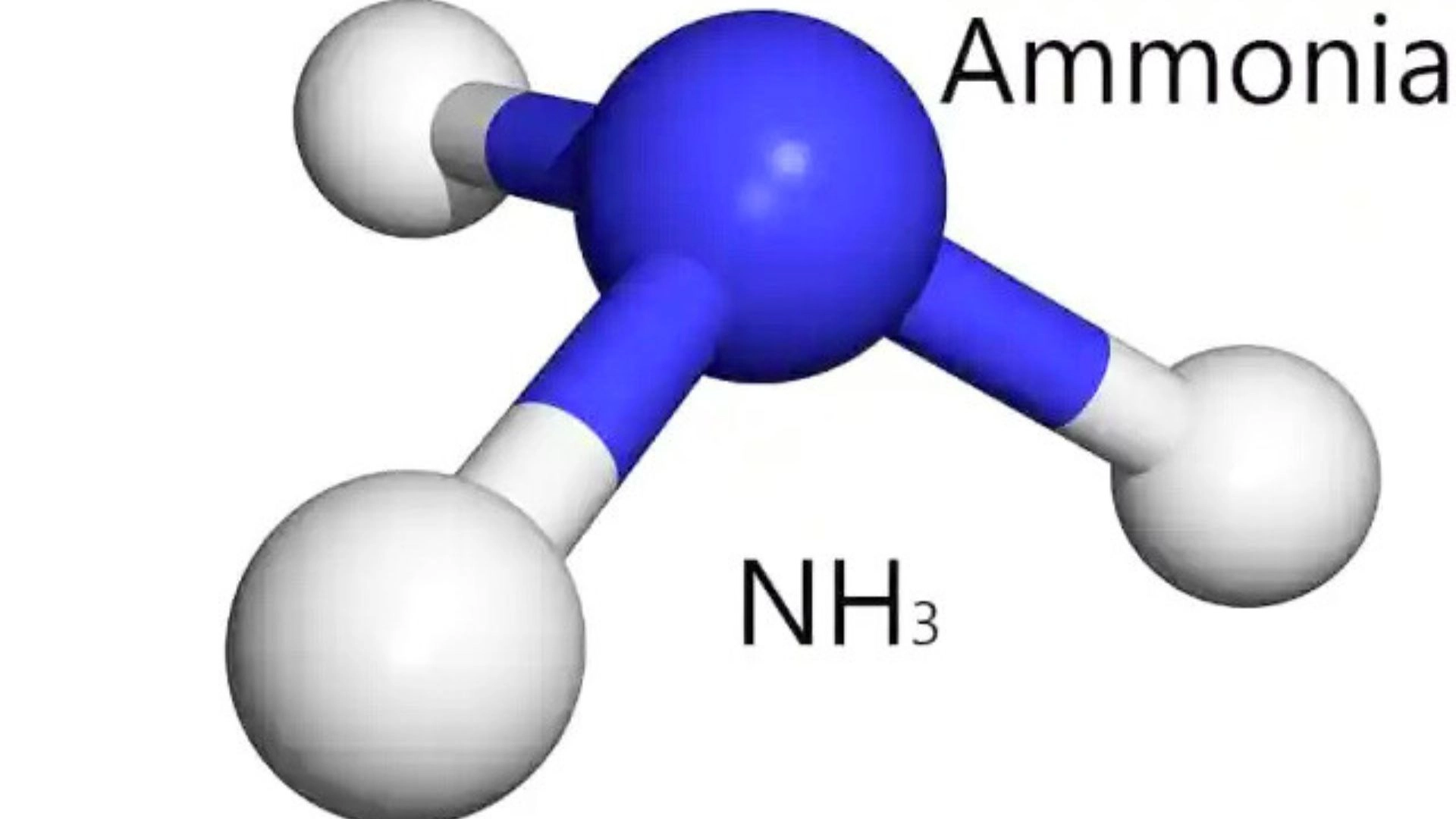
About 70% of people with early liver disease report chronic fatigue. But here’s how liver fatigue is different from regular tiredness: Normal fatigue gets better after rest.
Liver-related fatigue doesn’t. You wake up tired. You stay tired all day. Sleep doesn’t recharge you.
Ask yourself: Do you feel exhausted even after a full night’s sleep? Does your energy crash in the afternoon no matter what? Do you feel weak doing normal activities? If yes to two or more, your liver might be sending signals.
When does fatigue become serious? If you can’t complete daily tasks, feel confused or disoriented, or the fatigue came on suddenly—see a doctor immediately.
These are signs of liver damage symptoms that need medical attention.
Foods That Fix It
The right foods can help your liver clear toxins and restore your energy. Here’s exactly what to eat.
Beets contain betalains—natural compounds that support Phase 2 liver detoxification.
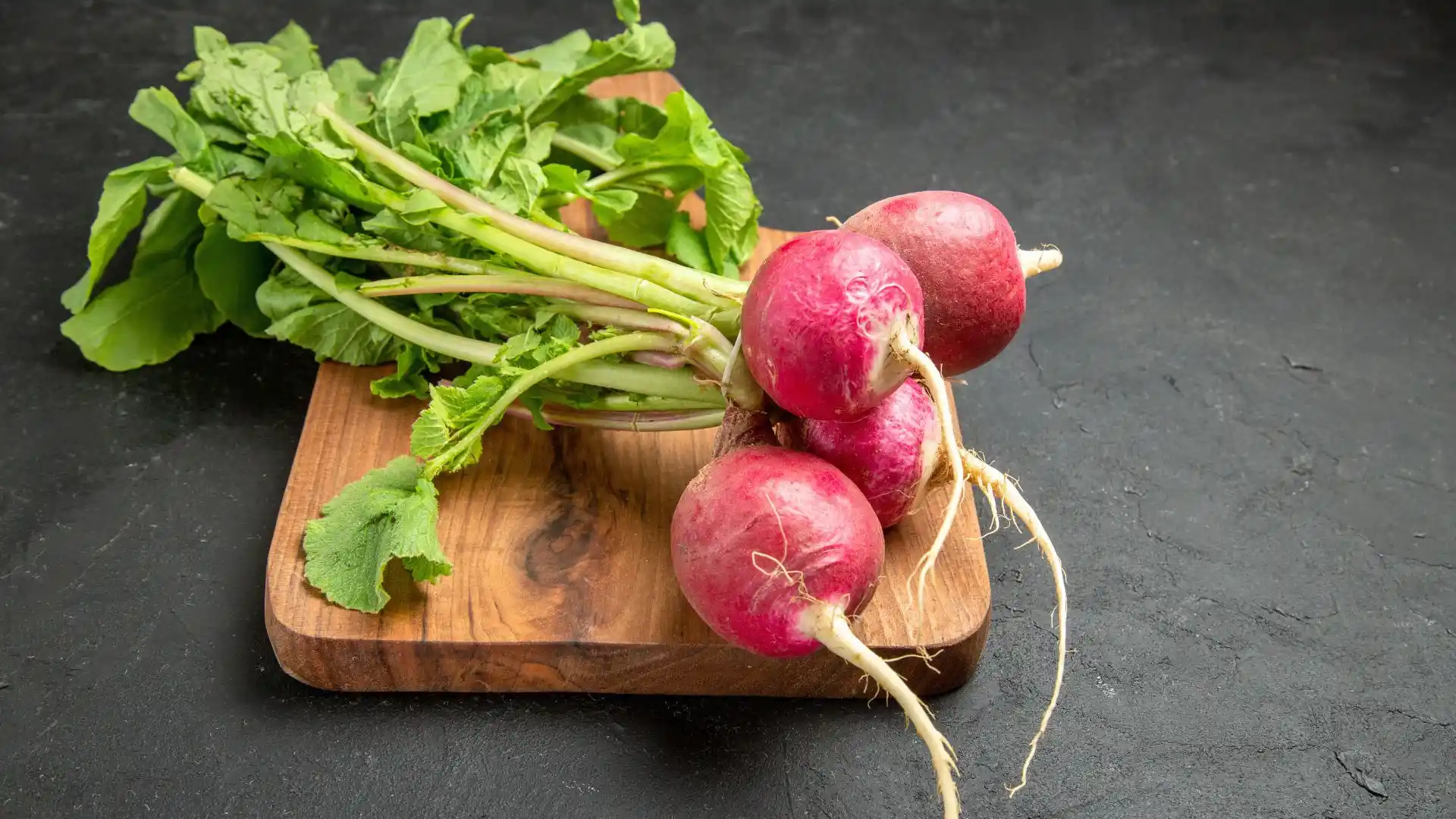
This is when your liver packages up toxins to remove them from your body. Drink 1 cup of beet juice every morning. Fresh is best, but bottled works too.
Walnuts pack omega-3 fatty acids and arginine. These reduce liver inflammation and help your liver process ammonia more efficiently.
Eat a handful (about 7 walnuts) in the afternoon when your energy typically crashes.
Green tea contains EGCG catechins that boost liver enzyme function. Your liver enzymes break down toxins and regulate energy. Drink 2-3 cups of green tea daily. Skip the sugar—it stresses your liver more.
Why these foods work: They give your liver the specific nutrients it needs to clear the toxin backlog.
When toxins decrease, your energy returns. Most people notice a difference within 7-10 days.
Start with one food today. Your liver will start responding by tomorrow.
Unexplained Weight Gain Around Your Midsection
You’re eating the same. You’re exercising. But your belly keeps growing. Your pants don’t fit. This stubborn belly fat might be your liver crying for help.
One in four Americans has fatty liver disease—that’s 25% of all adults. Most don’t know it. The fat doesn’t just sit around your waist. It also builds up inside your liver itself.
Here’s why your liver causes belly fat specifically. When your liver gets overwhelmed, it can’t process sugar and fat properly.
This creates insulin resistance. Your body starts storing fat instead of burning it—and it stores it right around your middle.
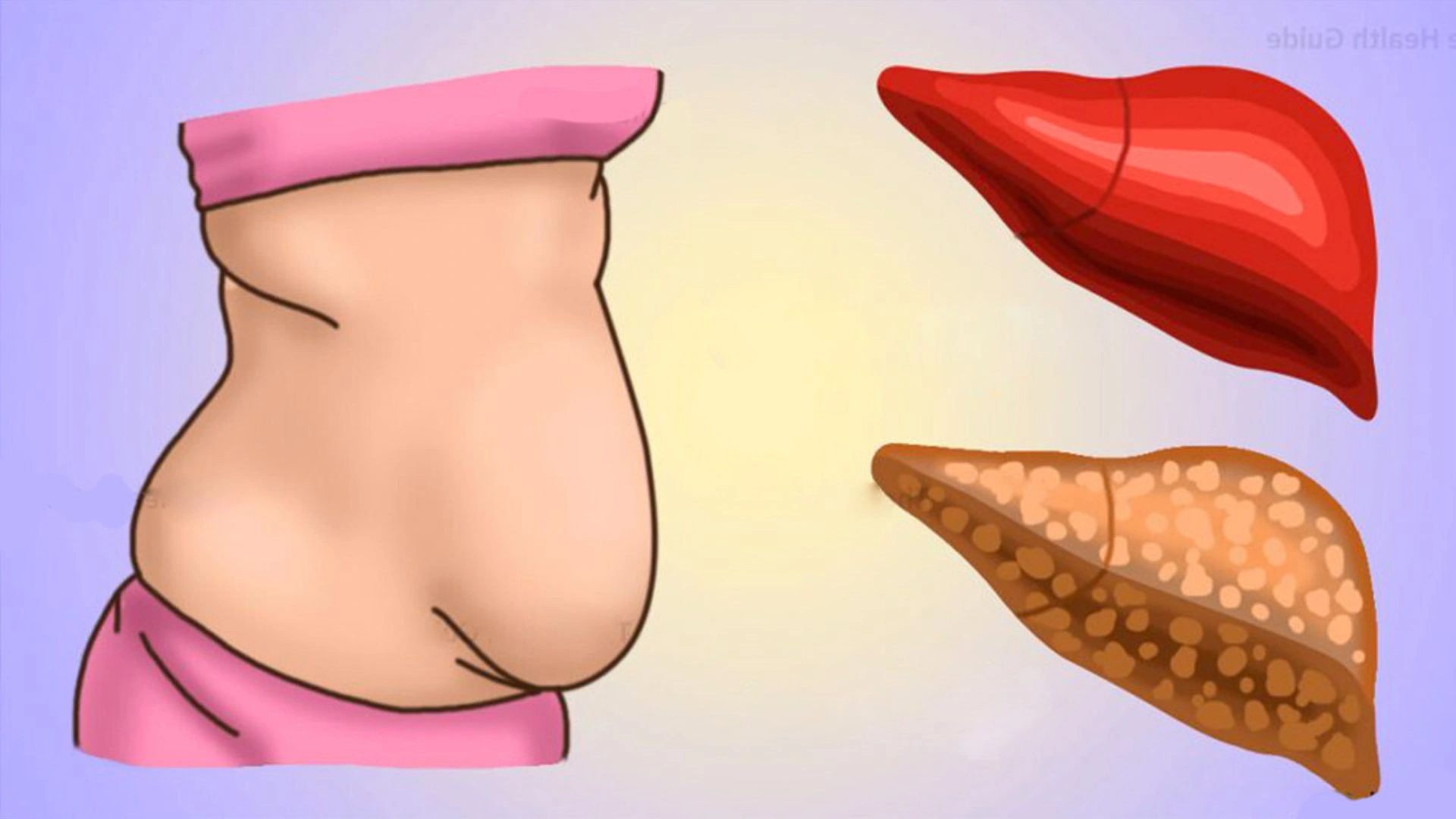
Fat in your liver makes everything worse. The more fat your liver stores, the worse it functions. The worse it functions, the more fat accumulates.
It’s a dangerous spiral. Your liver fat can increase by 30% before you notice any symptoms.
How do you know if it’s liver-related weight gain? Check your waist. If you’re gaining weight mainly around your belly (not your arms, legs, or butt), your liver might be the problem.
Measure your waist and hips. If your waist is bigger than your hips, that’s a red flag for liver health issues.
Other signs: You feel bloated after meals. Your stomach looks swollen even when you haven’t eaten much.
You’re gaining weight even though you’re trying to lose it. Diet and exercise aren’t working like they used to.
This is non-alcoholic fatty liver disease (NAFLD).
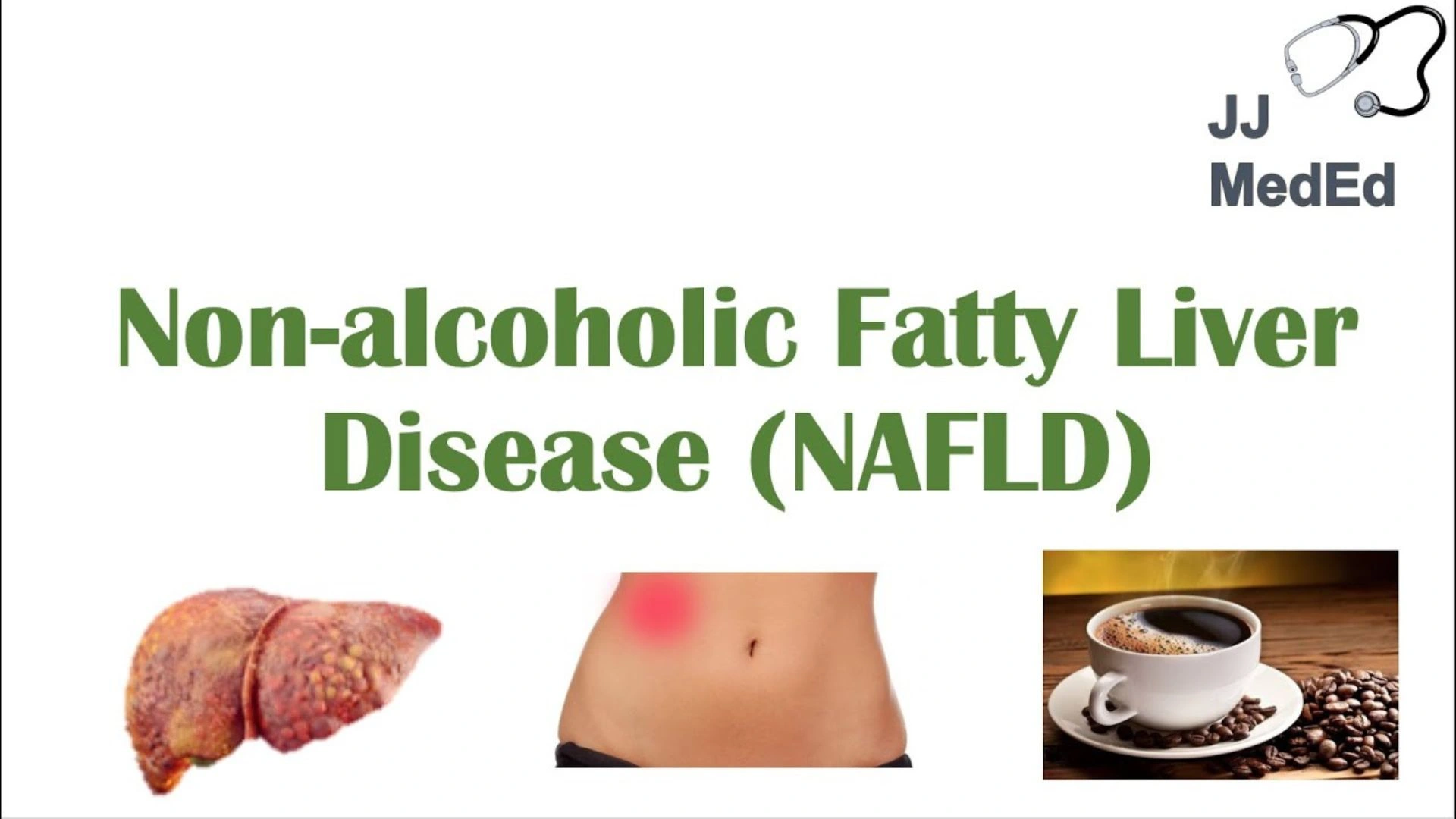
You don’t need to drink alcohol to get it. Poor diet, sugar, and processed foods cause it. The good news? You can reverse it by learning how to improve liver function through the right foods.
Your liver wants to heal. You just need to give it the right tools.
Foods That Fix It
These three foods target liver fat and help restore normal metabolism. Add them to your daily routine.
Leafy greens like spinach and kale neutralize heavy metals and support fat metabolism in your liver.
They contain compounds that help your liver break down stored fat. Eat 2 cups daily—raw in salads, cooked in eggs, or blended in smoothies.
Avocados boost glutathione production.
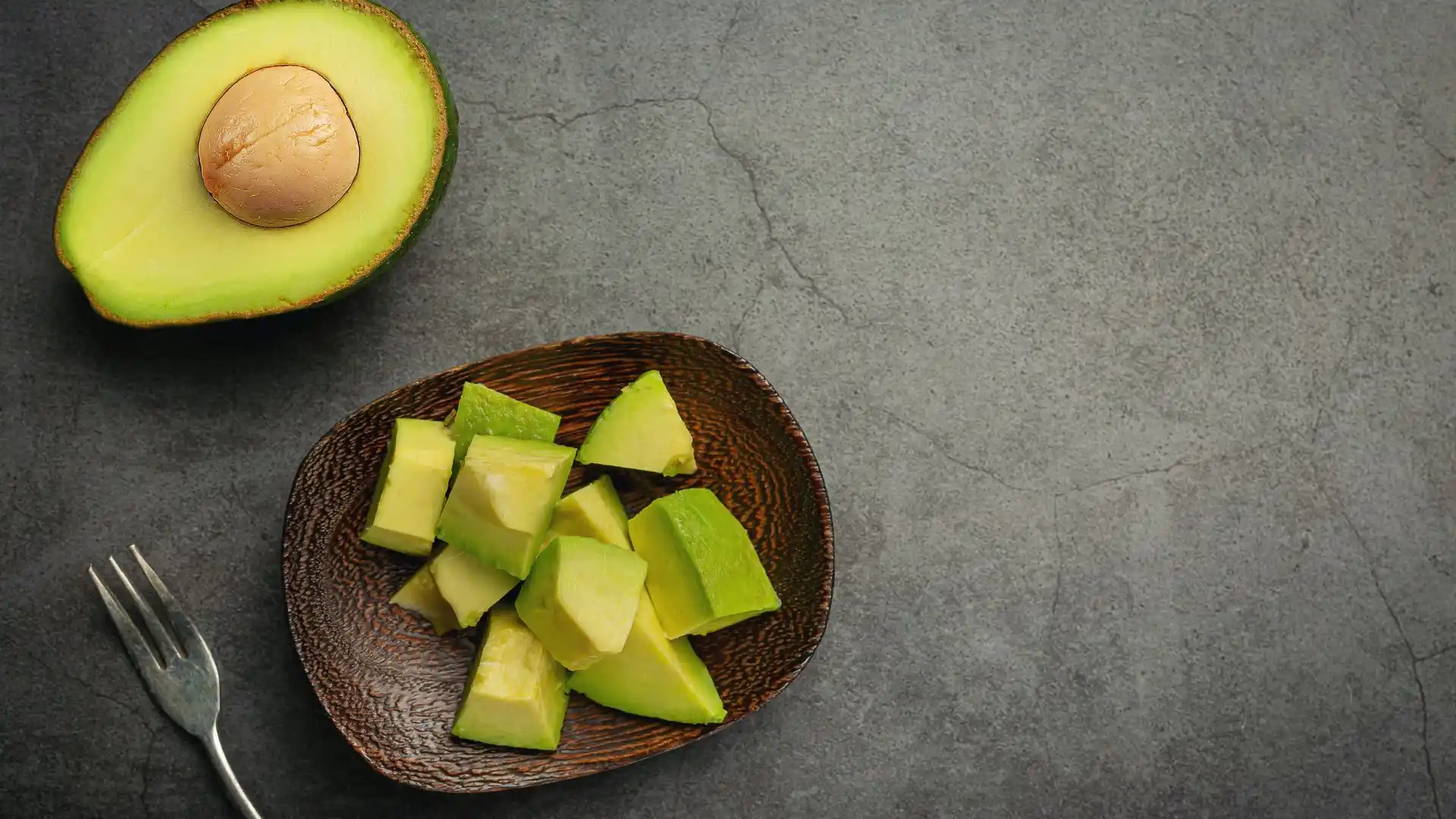
Glutathione is your liver’s master antioxidant—it protects liver cells from damage while processing fat. Eat half an avocado daily. Add it to toast, salads, or eat it plain with a pinch of salt.
Garlic activates liver detox enzymes through allicin and selenium. These compounds help your liver process fat more efficiently and reduce inflammation.
Use 2 crushed garlic cloves daily. Crush them and let them sit for 10 minutes before cooking—this activates the allicin.
Why these foods work: They reduce fat accumulation in your liver and improve insulin sensitivity. When your liver can process sugar properly again, belly fat starts melting off. You’ll notice your waist shrinking within 2-3 weeks.
Start eating these foods today. Your liver will start clearing fat tomorrow.
Digestive Problems and Unusual Bathroom Habits
Your bathroom habits tell a story about your liver. If your stools are pale or clay-colored, your urine looks like dark tea, or you’re constantly bloated—your liver is struggling.
Your liver produces 800-1000ml of bile every single day. Bile is the green-yellow fluid that breaks down fats from your food. Without enough bile, you can’t digest properly. When liver function drops, bile production can decrease by 40-50%.
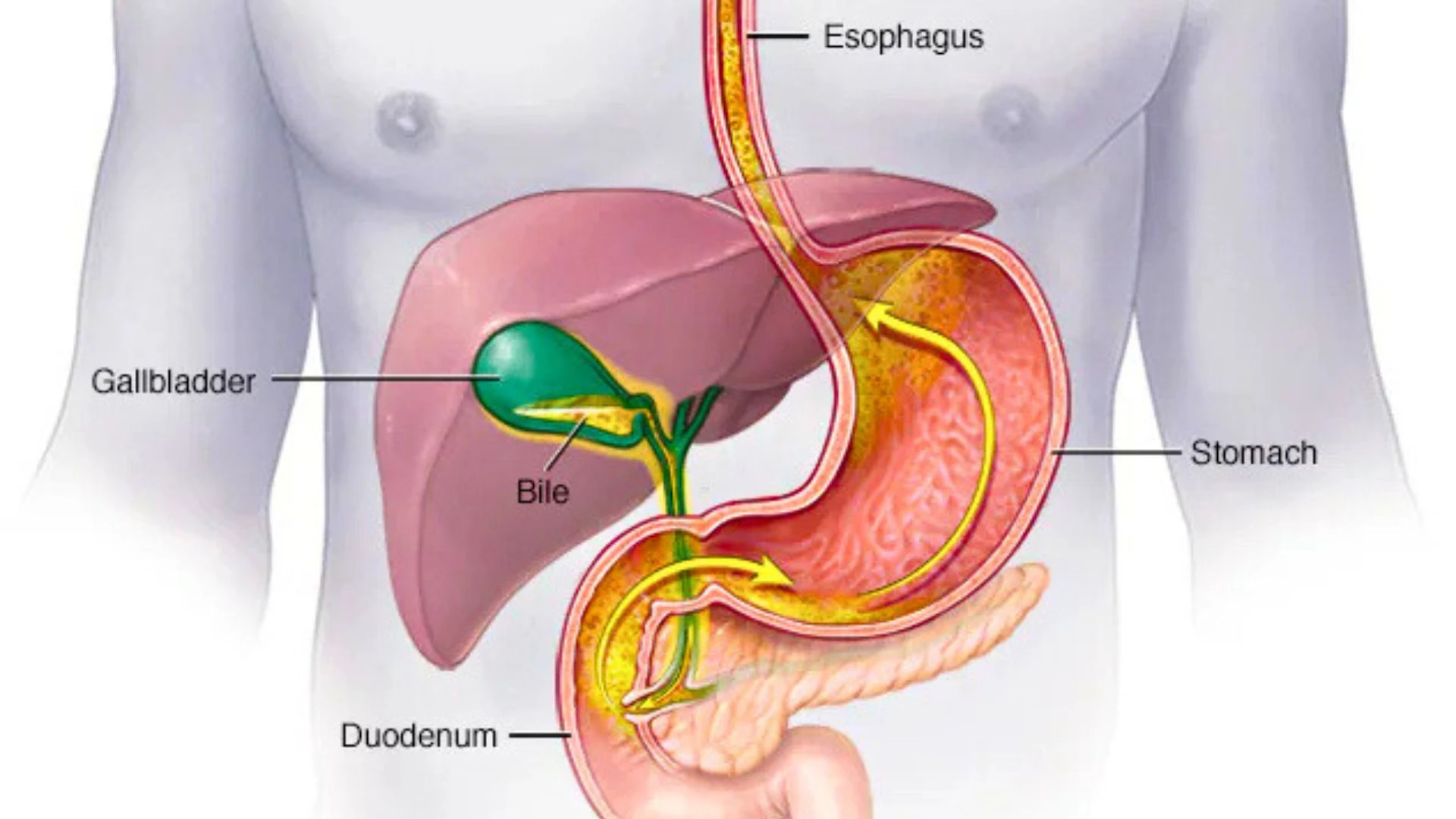
Here’s what different colors mean. Pale or clay-colored stools mean your liver isn’t making enough bile. The brown color in normal poop comes from bile. No bile? No color.
Dark urine (looks like strong tea or cola) means your liver can’t process bilirubin properly. This waste product backs up into your bloodstream and comes out in your pee.
Constant bloating after meals? Your liver isn’t producing the enzymes and bile needed to break down fats.
Food sits in your gut longer, fermenting and causing gas. You might also feel nauseous after eating fatty foods like pizza or fried chicken.
Your gut and liver work as a team—the gut-liver axis. When your liver fails to make enough bile, you can’t absorb vitamins A, D, E, and K. These are fat-soluble vitamins.
Without bile to break down fat, these vitamins pass right through you. This leads to deficiencies even if you eat healthy.
Check your bathroom habits this week. These signs of liver damage show up before blood tests detect problems. Catching them early means you can fix liver function before serious damage occurs.
Foods That Fix It
These foods restart bile production and get your digestion back on track. Your bathroom habits should improve within one week.
Artichokes contain cynarin—a compound that directly stimulates bile production in your liver.
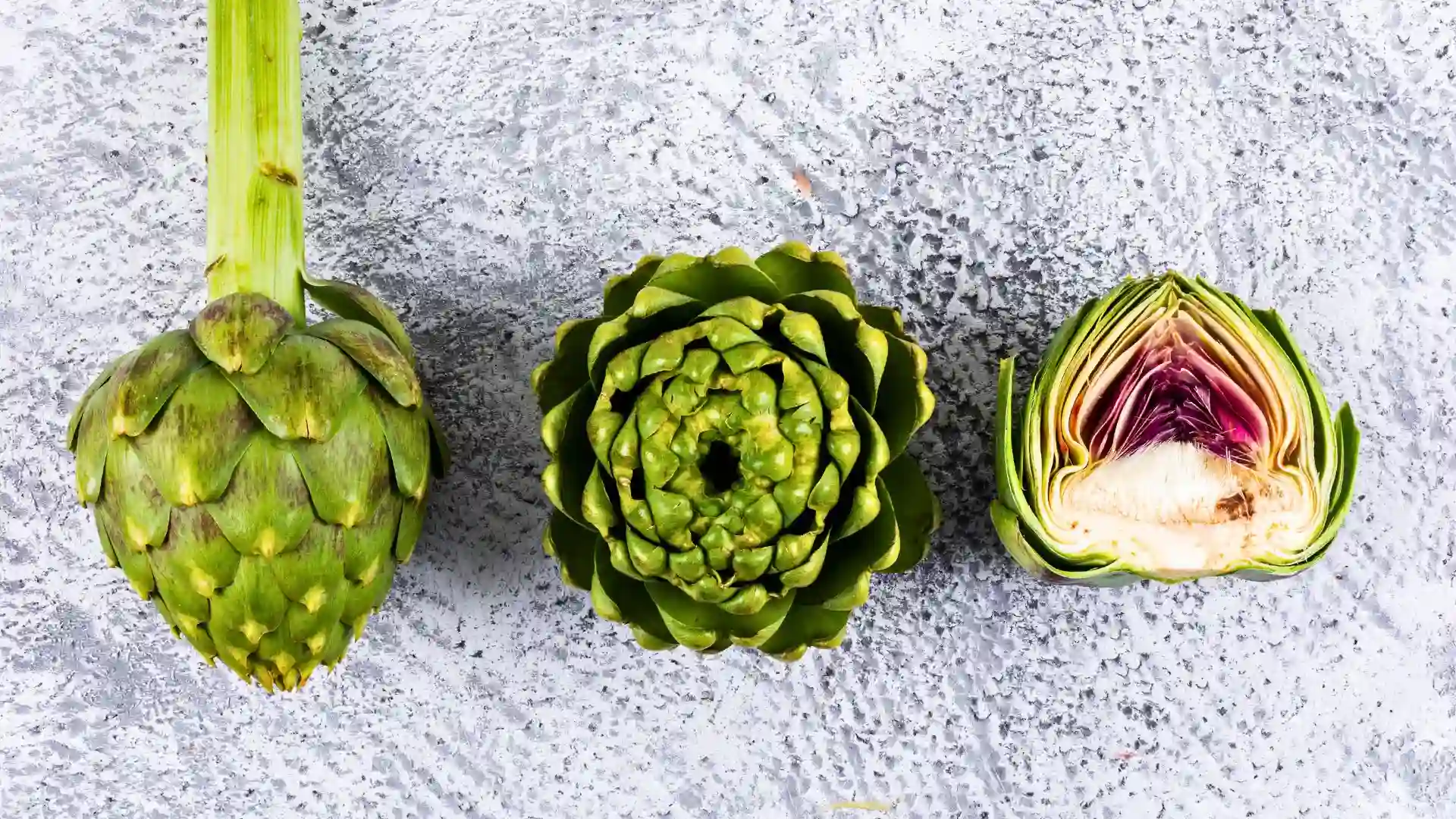
You can eat one fresh artichoke daily or take artichoke extract supplements (300-640mg per day). Steam the artichoke and eat the leaves and heart.
Lemons provide citric acid that encourages bile flow from your liver to your gallbladder.
Squeeze half a lemon into warm water and drink it first thing when you wake up. This kickstarts bile production for the day and keeps you hydrated.
Cruciferous vegetables like broccoli and Brussels sprouts contain glucosinolates.
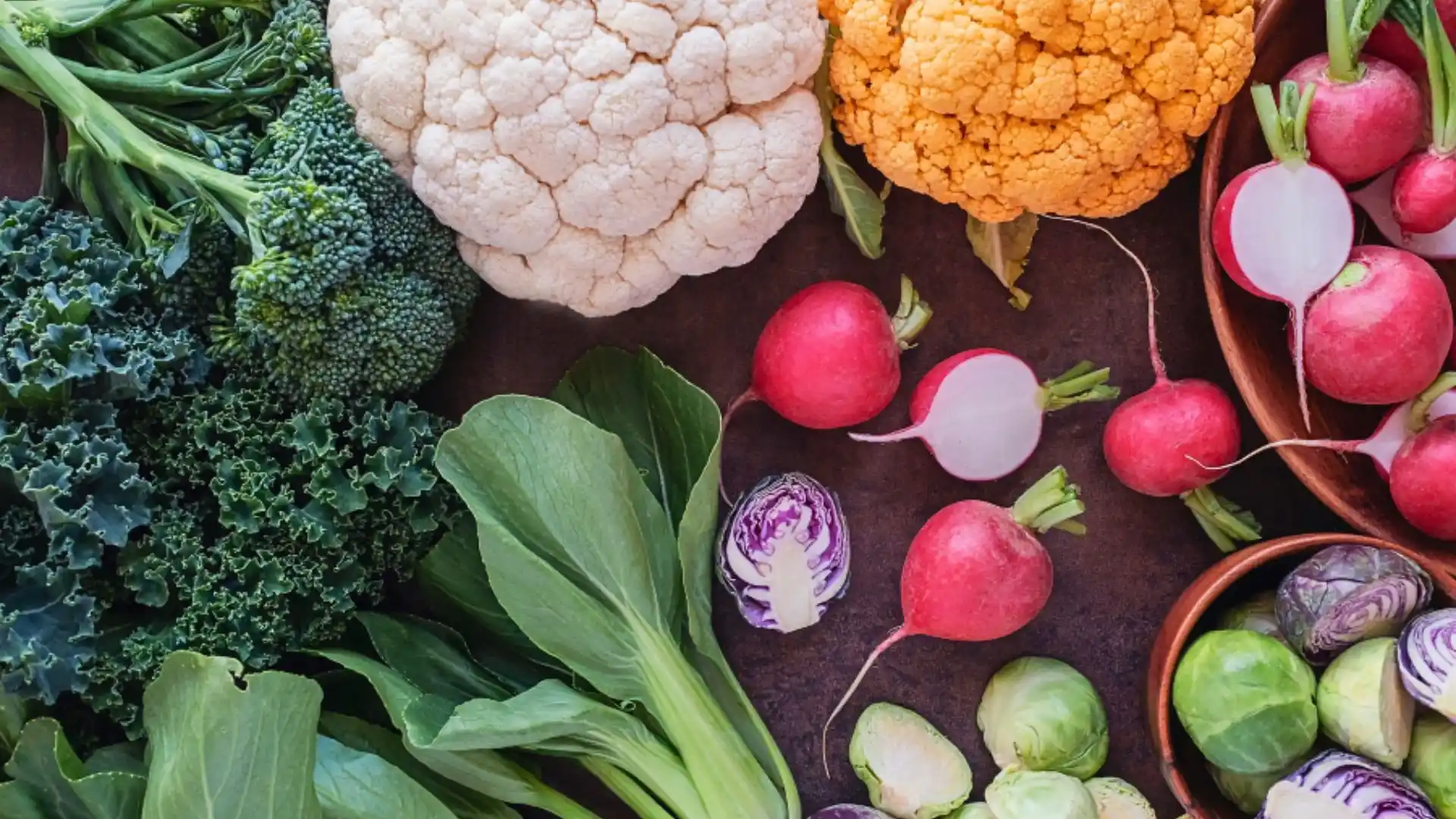
These compounds enhance your liver’s detox pathways and support bile production. Eat 1 cup daily—steamed, roasted, or raw in salads.
Why these foods work: They give your liver the specific nutrients it needs to manufacture bile and digestive enzymes.
When bile flows properly again, your stools return to normal brown color, your urine lightens, and bloating disappears.
Start tomorrow morning with lemon water. Add the vegetables at lunch. Your liver will respond fast.
Skin Changes and Persistent Itching
Your skin is itchy for no reason. You scratch constantly but find no rash. Your palms look bright red. These are liver warning signs showing up on your skin.
When your liver can’t filter toxins properly, your body tries to push them out through your skin instead.
It’s your backup elimination system. But this causes visible changes and intense itching that lotions can’t fix.
Here are the specific signs to watch for. Jaundice makes your skin and eyes look yellow.
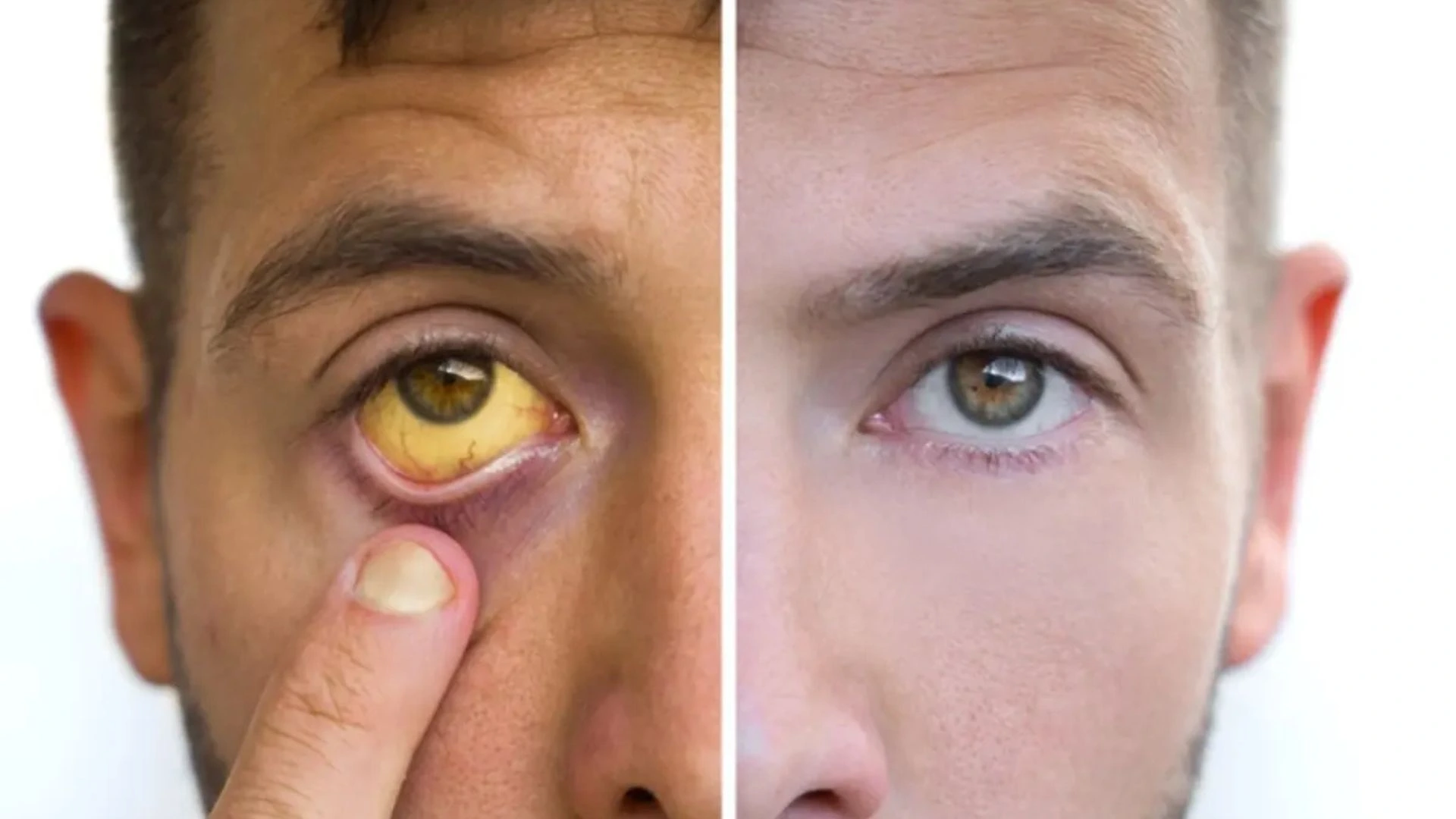
This happens when bilirubin (a waste product) builds up in your blood—usually when levels exceed 2.5 mg/dL.
Spider veins (small red blood vessels that look like spider webs) appear on your chest, arms, or face. About 70% of people with cirrhosis develop these spider angiomas.
Red palms (called palmar erythema) happen when your liver can’t regulate hormones properly.
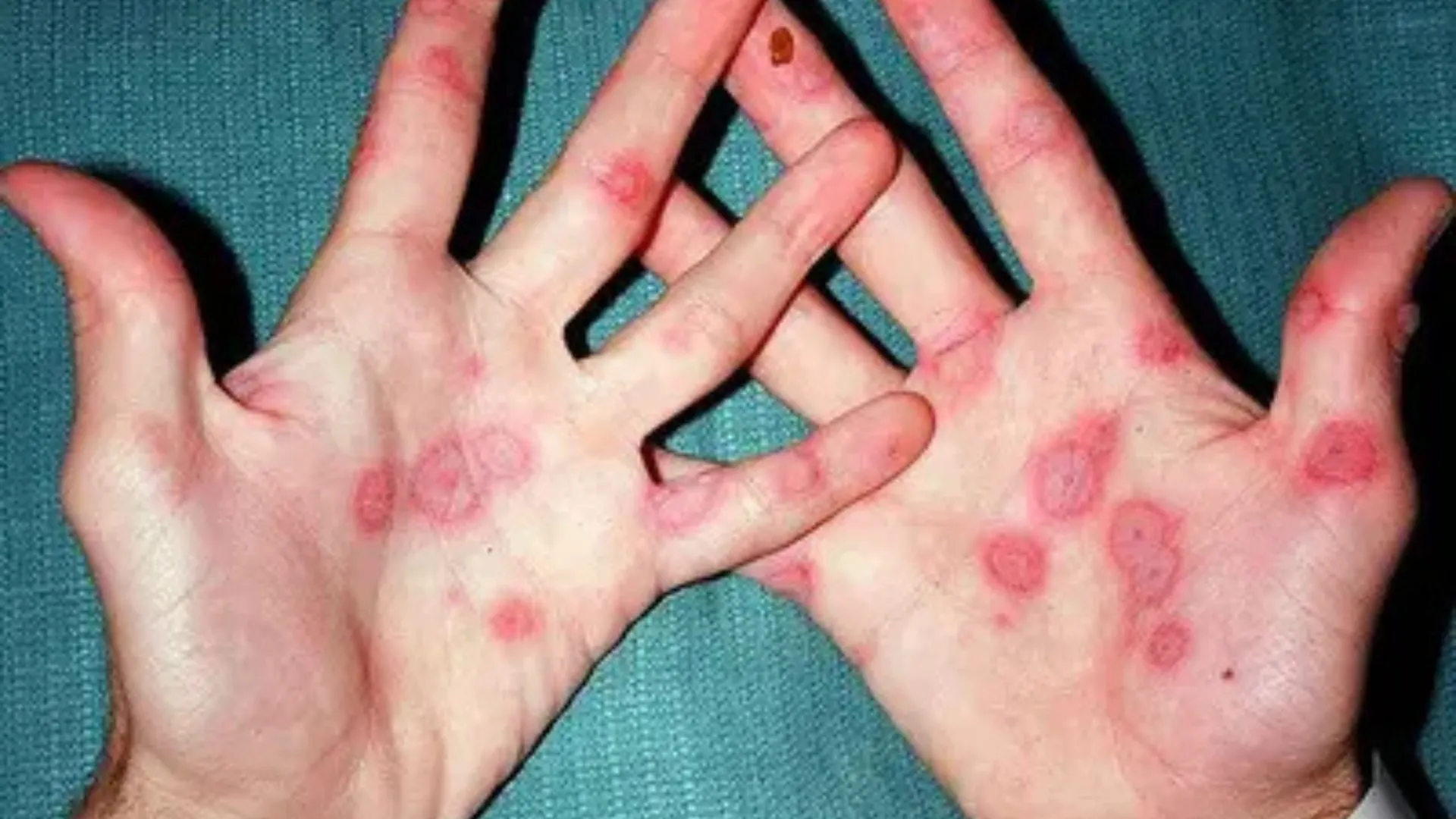
Your palms look flushed and feel warm. You might also notice your skin looks dull, bruises easily, or develops dark patches.
The itching is one of the most frustrating liver damage symptoms. Bile salts accumulate under your skin when bile flow gets blocked.
These salts irritate nerve endings, causing intense itching—especially at night. About 80% of people with cholestatic liver disease experience this maddening itch.
The good news? Skin changes often appear before serious damage occurs. They’re early signs of liver problems you can still reverse. But if your skin or eyes turn yellow, see a doctor immediately. Jaundice means your liver needs urgent medical attention.
Pay attention to what your skin is telling you. It’s showing you what’s happening inside.
Foods That Fix It
These anti-inflammatory foods calm your skin from the inside out by healing your liver. Most people see improvement within 2 weeks.
Turmeric contains curcumin—a powerful compound that reduces liver inflammation and supports bile flow.
This helps clear the bile salt buildup causing your itching. Mix 1 teaspoon of turmeric powder with a pinch of black pepper (this increases absorption by 2000%) in warm milk or water. Drink daily.
Berries are packed with anthocyanins that protect liver cells from oxidative stress. Blueberries, strawberries, and blackberries all work. Eat 1 cup of mixed berries daily—fresh or frozen. Add them to yogurt, oatmeal, or eat them plain.
Extra virgin olive oil provides polyphenols that reduce liver enzymes and inflammation markers.
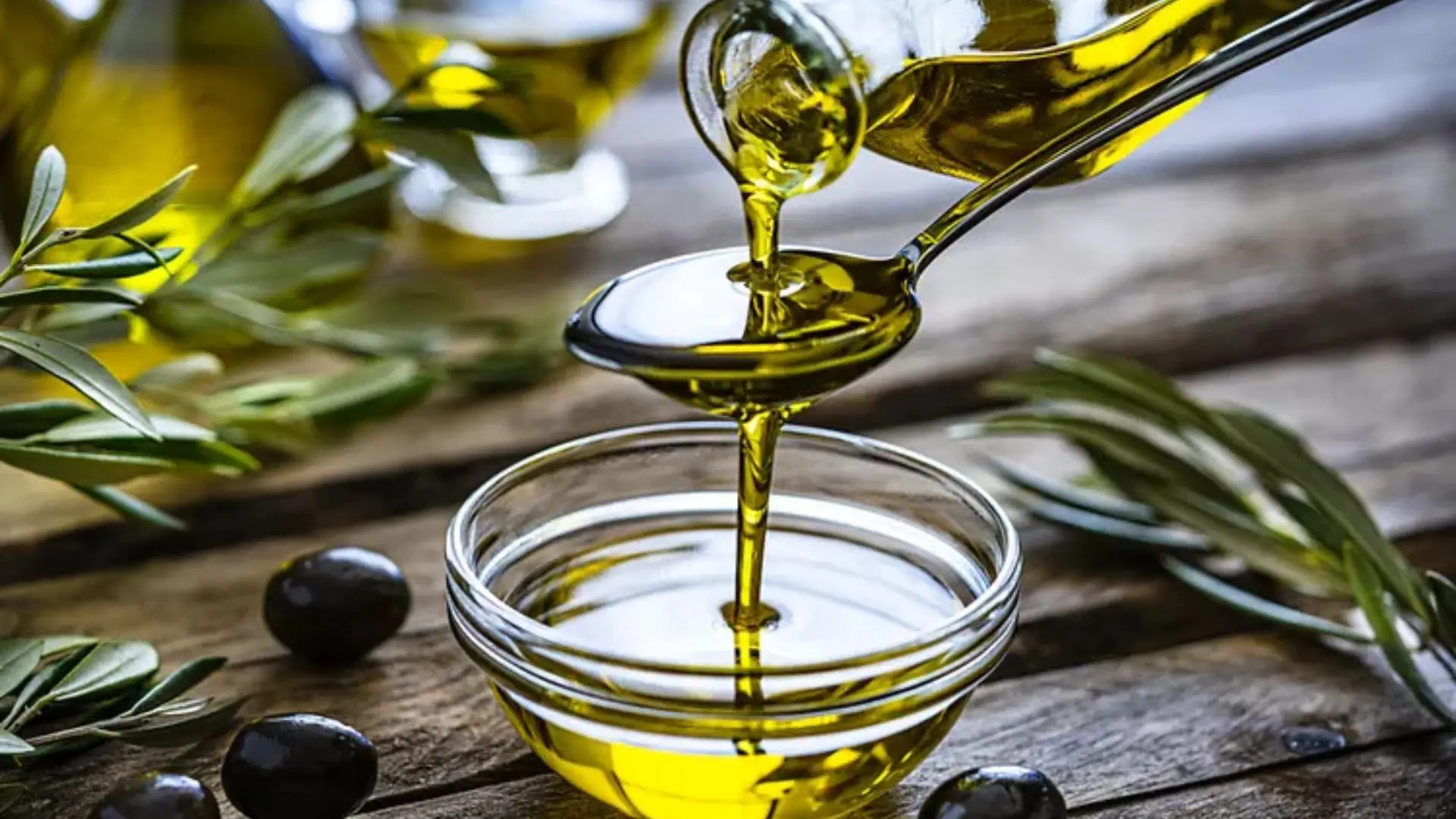
Use 2 tablespoons daily. Drizzle it on salads, vegetables, or dip bread in it. Don’t cook with it on high heat—this destroys the beneficial compounds.
Why these foods work: They attack the root cause—liver inflammation. When inflammation drops, bile flows properly again. Bile salts leave your skin, toxins clear faster, and the itching stops. Your skin color returns to normal as your liver processes bilirubin correctly.
Start with turmeric today. Your skin will thank you within days.
Mental Fog and Mood Changes
You walk into a room and forget why. You can’t focus on simple tasks. You feel irritable for no reason. This brain fog might be one of the most overlooked liver warning signs.
When your liver can’t filter toxins, they enter your bloodstream and reach your brain. The main culprit? Ammonia.
In liver dysfunction, ammonia levels can increase by 300%. This waste product crosses your blood-brain barrier and disrupts how your brain cells communicate.
Here’s what this looks like in real life. You forget appointments you never used to miss. You lose your train of thought mid-sentence.
You feel confused doing tasks you’ve done a thousand times. You snap at people over small things. Some people experience depression or anxiety that seems to come from nowhere.
This is called hepatic encephalopathy in its early stages.
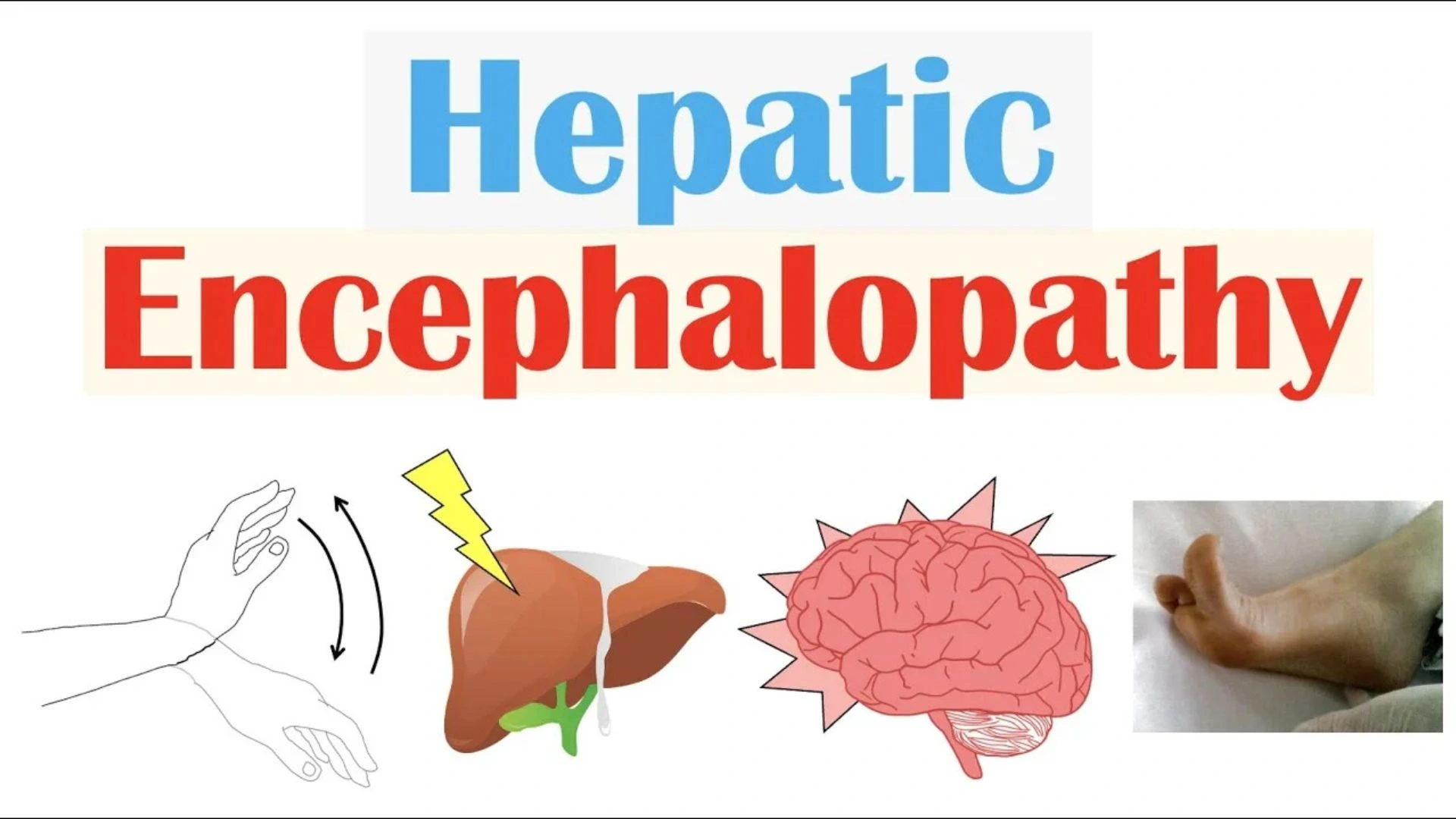
About 30-45% of people with cirrhosis have some cognitive impairment. But brain fog shows up much earlier—often before blood tests show serious problems.
Your personality might change too. Family members notice you’re not yourself. You’re more withdrawn. More irritable. Less patient. These aren’t character flaws—they’re symptoms of poor liver function affecting your brain chemistry.

The encouraging news? These symptoms are often reversible. When you learn how to improve liver function through diet and lifestyle, the toxins clear. Your brain fog lifts. Your mood stabilizes. Most people notice sharper thinking within 2-3 weeks of making changes.
Your liver and brain are connected. Fix one, and you help the other.
Foods That Fix It
These foods reduce the toxin load reaching your brain and protect your liver at the same time. Mental clarity improves fast—often within days.
Fatty fish like salmon, mackerel, and sardines provide omega-3 fatty acids. These reduce neuroinflammation (brain swelling from toxins) and support liver cell membranes. Eat fatty fish 3 times per week. Canned works fine if fresh is too expensive.
Grapefruit contains naringenin—a powerful antioxidant that protects liver cells and enhances detoxification.
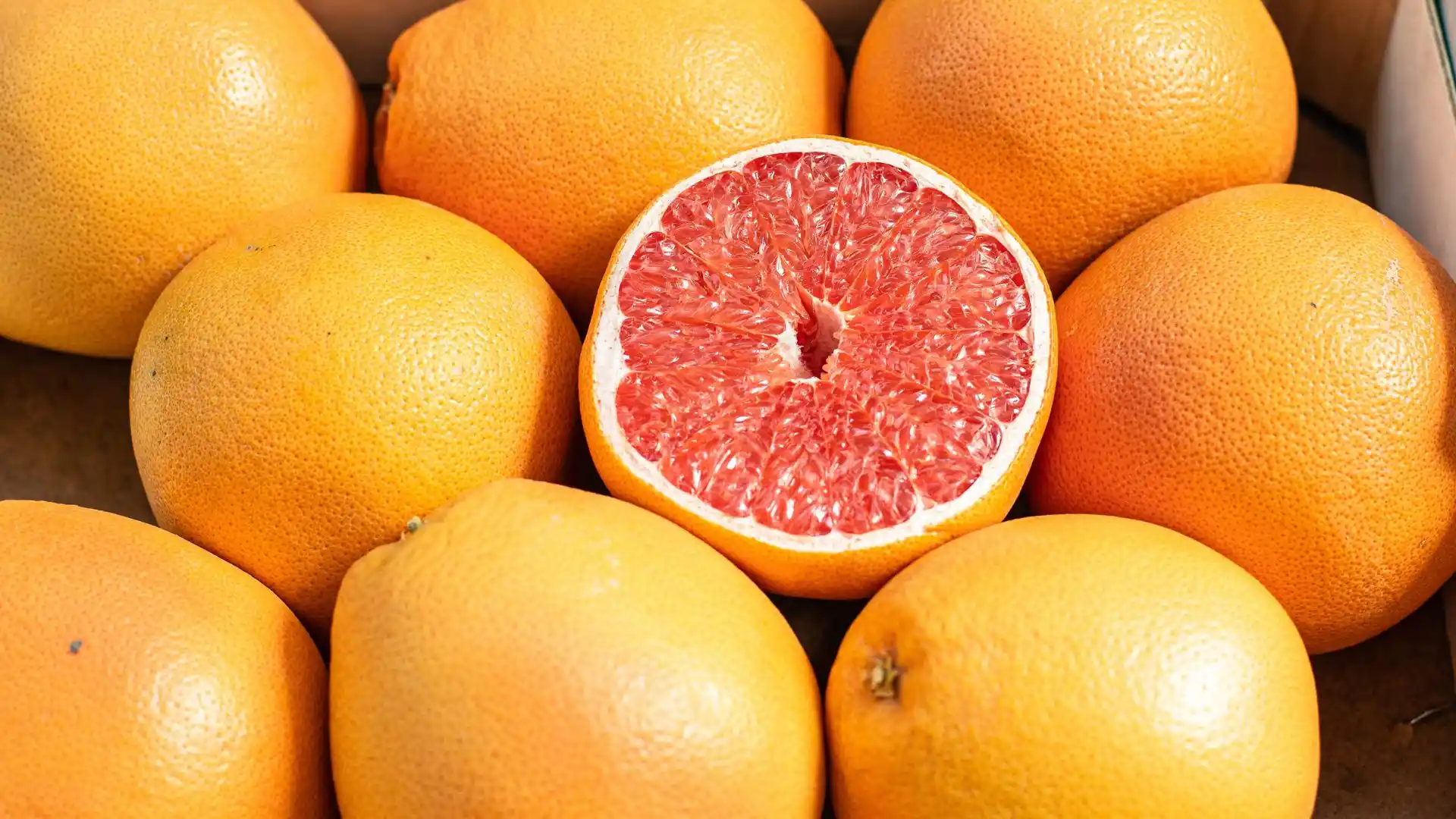
It helps your liver process ammonia more efficiently. Eat half a grapefruit daily. Check with your doctor first if you take medications, as grapefruit can interact with some drugs.
Coffee decreases liver enzyme levels and protects against liver fibrosis (scarring). Studies show coffee drinkers have healthier livers. Drink 2-3 cups of black coffee daily. Skip the sugar and cream—they stress your liver.
Why these foods work: They reduce ammonia and other toxins circulating to your brain. When toxic load drops, your thinking clears, memory improves, and mood stabilizes. Your liver processes waste efficiently again.
Start with coffee tomorrow morning. Add fish twice this week. Your mind will feel sharper within days.
The 3-Day Liver Reset Meal Plan
You know which foods for liver health work. Now let’s put them together into a simple plan you can start tomorrow. No complicated recipes. No exotic ingredients.
Day 1: Energy Boost Focus
- Breakfast: Warm lemon water (16 oz), then oatmeal (1 cup) topped with mixed berries (½ cup) and walnuts (7 pieces)
- Lunch: Spinach salad (2 cups) with grilled salmon (4 oz), olive oil dressing (2 tbsp), half a grapefruit
- Dinner: Garlic chicken breast (4 oz) with steamed broccoli (1 cup) and quinoa (½ cup)
- Snacks: Green tea (2 cups throughout day), apple with almond butter
Day 2: Detox Support Focus
- Breakfast: Green tea (2 cups), avocado toast (½ avocado on whole grain), berries (½ cup)
- Lunch: Beet and walnut salad (2 cups beets, 7 walnuts) with lemon dressing, grilled chicken (3 oz)
- Dinner: Turmeric cauliflower curry (2 cups) with brown rice (½ cup), side of kale
- Snacks: Beet juice (8 oz), handful of walnuts
Day 3: Inflammation Control Focus
- Breakfast: Black coffee (2 cups), Greek yogurt (1 cup) with mixed berries and turmeric (1 tsp)
- Lunch: Artichoke quinoa bowl (1 artichoke, 1 cup quinoa) with spinach and olive oil
- Dinner: Grilled salmon (4 oz) with Brussels sprouts (1 cup) and crushed garlic (2 cloves)
- Snacks: Half grapefruit, green tea
Critical hydration rule: Drink 8-10 glasses of water daily (64-80 oz).
Your liver needs water to flush toxins. Add lemon to boost benefits.
Foods to avoid completely: Alcohol (even one drink), processed foods, fried foods, white bread, sugary drinks, and excess sugar. These stress your liver when it’s trying to heal.
What to expect: Most people feel more energy by day 4. Digestion improves by day 7. Skin clears and mental fog lifts within 2 weeks. This isn’t magic—it’s giving your liver the tools to do what it does best: heal itself.
After 3 days, keep eating these liver-friendly foods. Make them your normal diet. Your liver will thank you for life.
When to See a Doctor (Critical Warning Signs)
Food helps your liver heal. But some liver damage symptoms need a doctor right now. Know when diet isn’t enough.
Go to the emergency room immediately if you have:
- Yellow skin or eyes (jaundice)
- Vomiting blood or blood in your stool
- Severe abdominal pain or swelling
- Confusion or can’t stay awake
- Bruising or bleeding easily
See your doctor this week if:
- Fatigue stops you from completing daily tasks
- You’ve lost weight without trying
- Multiple liver warning signs from this article
- You have risk factors: diabetes, obesity, heavy alcohol use, family history of liver disease
Blood tests you need: Ask for a complete metabolic panel and liver function panel. These measure ALT, AST, and bilirubin levels
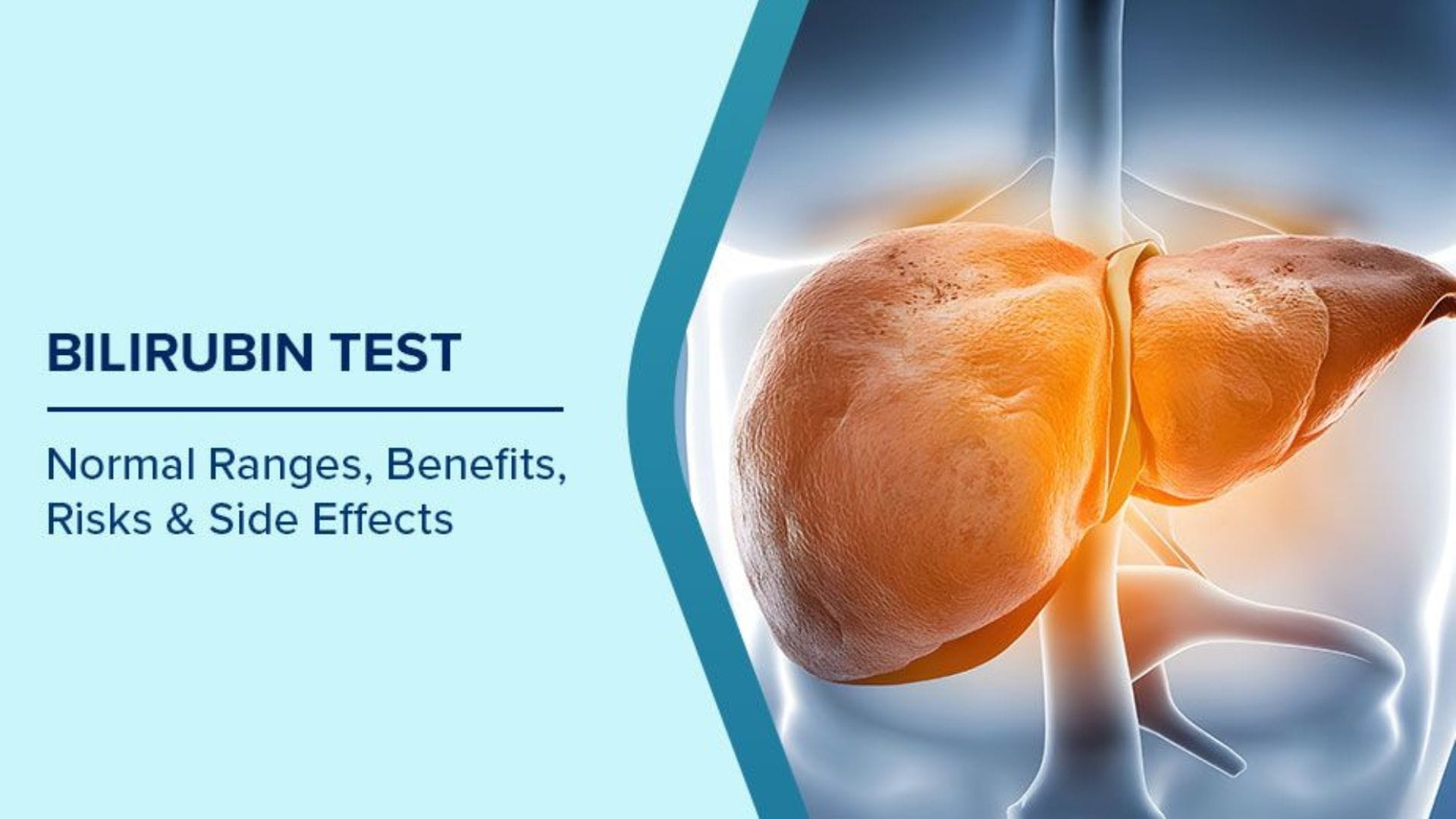
The key markers of liver health. Request an ultrasound if blood tests show problems.
Important: Dietary changes support medical treatment—they don’t replace it. Think of food as your liver’s maintenance crew and your doctor as the construction foreman. Both are necessary.
Questions to ask your doctor: “What’s my ALT and AST level? Do I have fatty liver disease? How severe is the damage? What’s my treatment plan?”
Your liver can heal. But get professional help when you need it.
Final Thought;
You now know the five liver warning signs: persistent fatigue, unexplained belly weight, digestive problems, skin changes, and mental fog. Each one tells you exactly what your liver needs.
Your liver has an amazing power—it can regenerate even after 75% damage. But only if you act early. The foods for liver health in this article work because they give your liver what it needs to repair itself.
Start your liver recovery today by choosing just ONE food from this article and eating it with your next meal. Your liver begins healing immediately—sometimes within 30 days. Track how you feel over two weeks. If symptoms persist, schedule that doctor’s appointment.
Your liver is crying for help. But unlike other organs, it’s ready to forgive and heal when you finally listen. Take action now to improve liver function before small problems become big ones.