
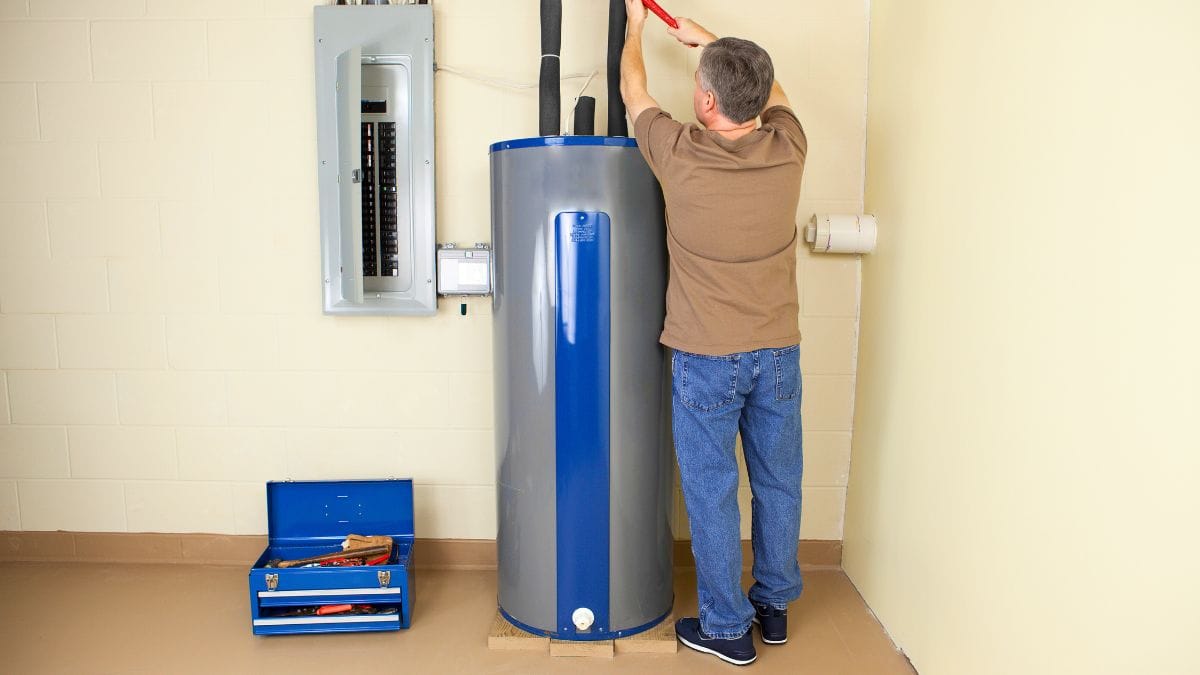
Your water heater just died. Cold showers aren’t cutting it. You need a replacement fast, but you don’t want to make a rushed decision you’ll regret.
I get it. When hot water disappears, everything feels urgent. But here’s the thing: you can move quickly AND make a smart choice. You just need to know what actually matters when you’re under pressure.
Let’s cut through the confusion and find you a reliable water heater that fits your home, your budget, and your timeline.
Why Speed Matters (But Smart Choices Matter More)
Emergency replacements feel stressful. You’re comparing models at midnight. Reading specs that sound like another language. Wondering if that budget option will fail in six months.
Take a breath. Most quality water heaters can be installed within 24-48 hours. The key is choosing one that matches your household’s needs. Buy too small, and you’ll run out of hot water constantly. Buy too big, and you’re wasting energy heating water you’ll never use.
Focus on three things: your home’s hot water demand, your available space, and your budget. Everything else is just noise.
Tank vs. Tankless: What Works for Emergency Situations
Go with a tank water heater for emergencies. Here’s why.
Tank models are simpler to install. Most homes already have the infrastructure for them. Your plumber can swap out the old unit and install a new tank in a few hours. No major modifications needed.
Tankless systems are fantastic for long-term planning. But they often require electrical upgrades, gas line modifications, or venting changes. That’s not what you need when you’re racing against time.
Save tankless for your next planned upgrade. Right now, a quality tank heater gets you back to hot showers today, not next week.
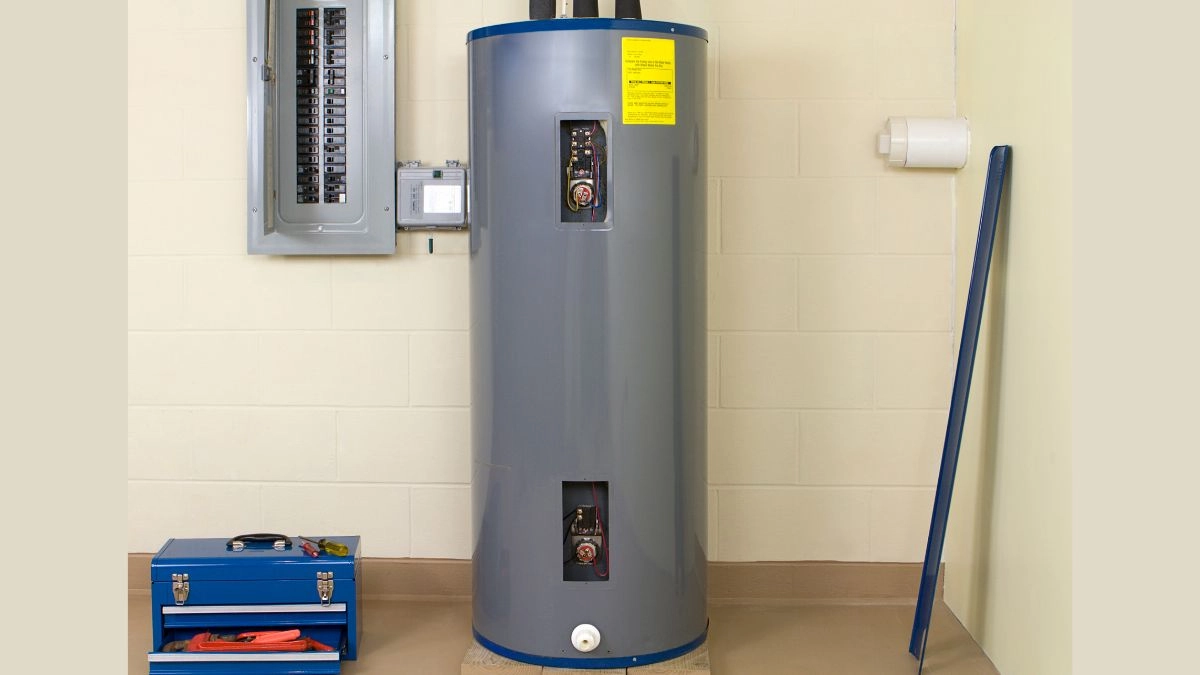
Quick Picks: Top Water Heaters for Emergency Replacement
Best Overall: Rheem Performance Platinum 50-Gallon
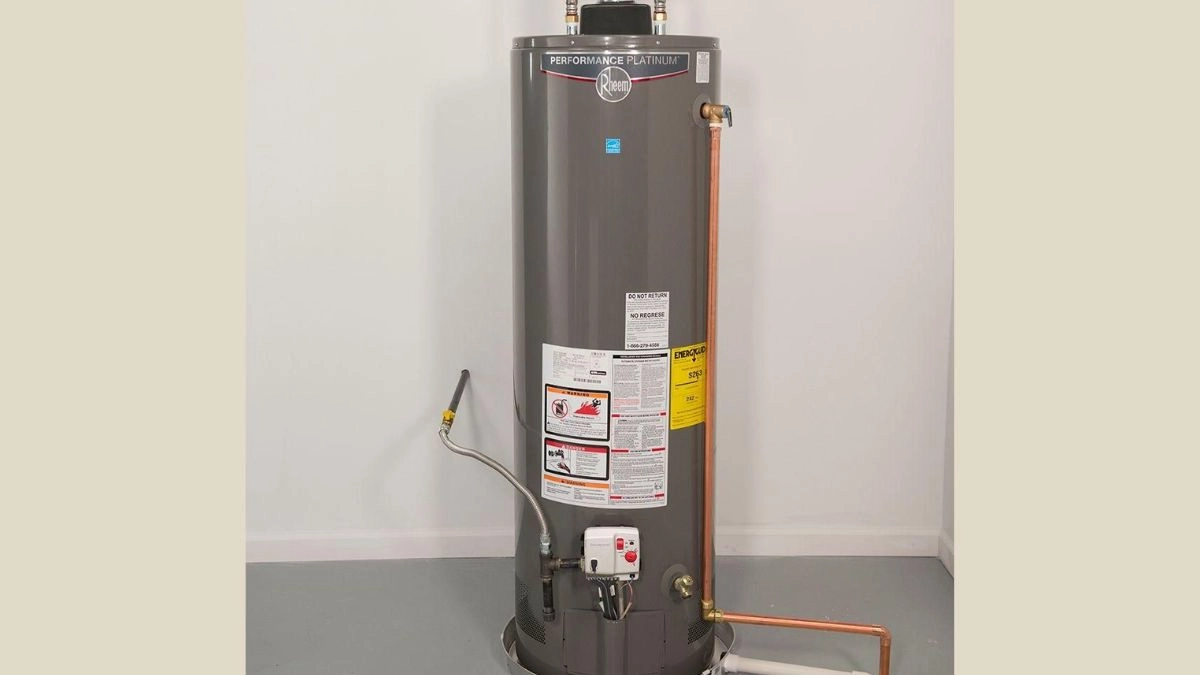
This is the workhorse you want. Rheem’s Performance Platinum series delivers consistent hot water with a 12-year warranty. The 50-gallon size works for most families of four.
It heats fast. The recovery rate means you won’t run out during back-to-back showers. Plus, it meets current energy efficiency standards, so your utility bills won’t spike.
Expect to pay $800-$1,200 installed. Yes, it’s more than budget models. But you’re buying reliability when you need it most.
Best Budget Option: A.O. Smith Signature 40-Gallon
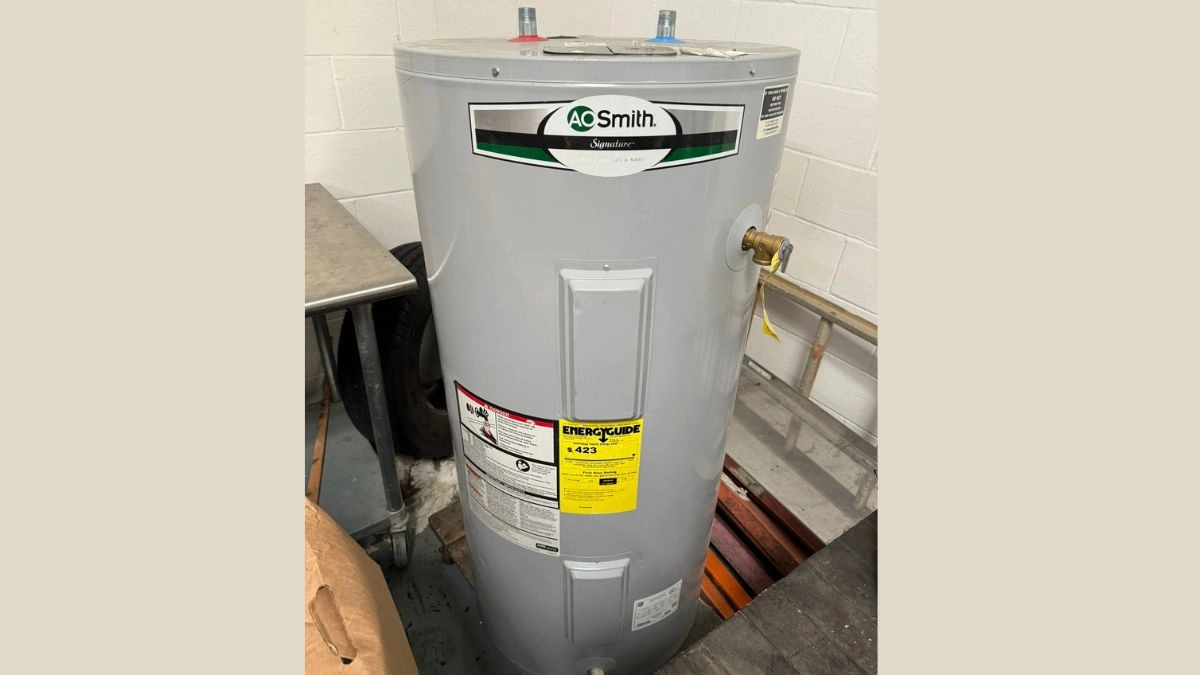
Need to save money without sacrificing quality? A.O. Smith’s Signature line is solid. The 40-gallon model handles smaller households (2-3 people) without issue.
It comes with a 6-year warranty. Not as long as premium models, but respectable for the price point. Installation typically runs $600-$900 total.
This is your pick if budget is tight but you still want a name-brand unit that’ll last.
Best for Large Families: Bradford White 75-Gallon
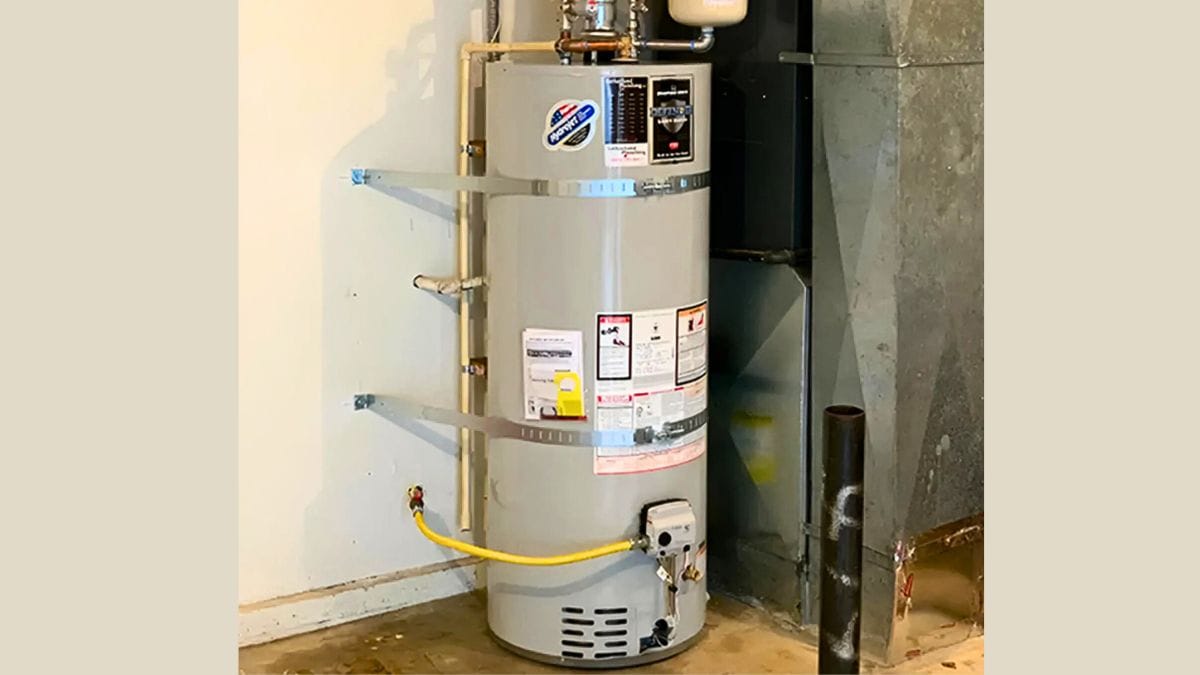
Got four or more people fighting for hot water? The Bradford White 75-gallon solves that problem. This thing is built like a tank (because it literally is one).
Commercial-grade construction means it handles heavy daily use. The larger capacity ensures everyone gets their shower, even during peak morning hours. Warranty coverage runs 6-10 years depending on the model.
Budget $1,200-$1,600 installed. Worth every penny if you’re tired of cold water complaints.
Best for Small Spaces: Rheem Performance 30-Gallon Short
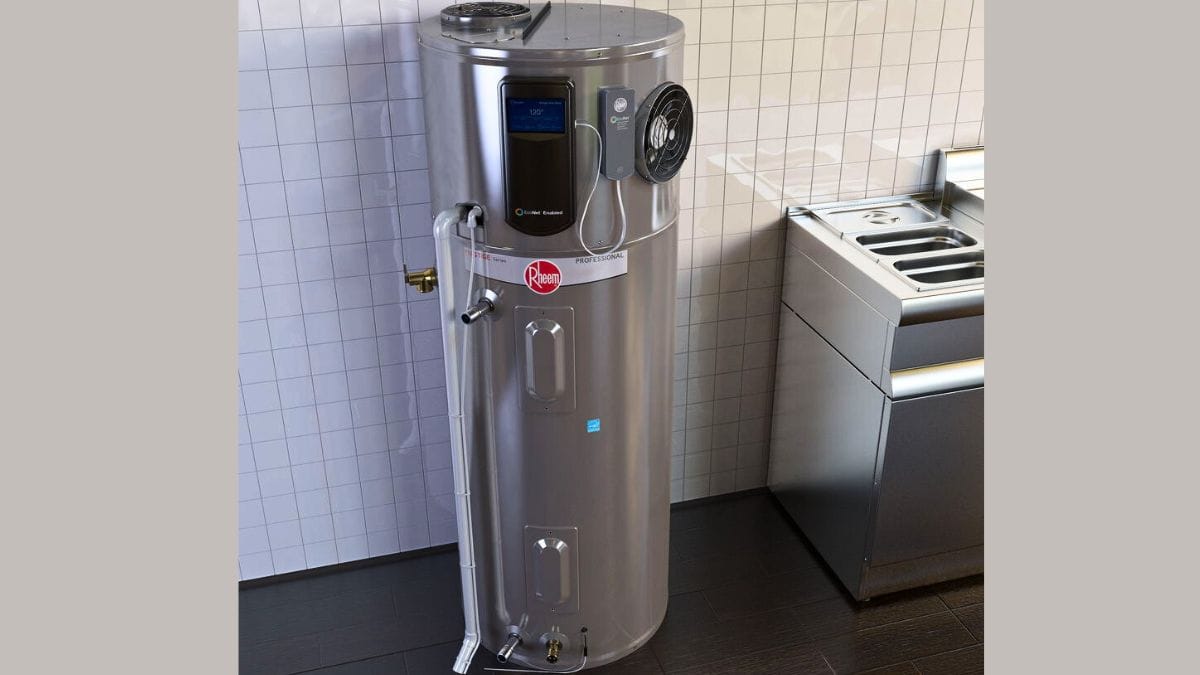
Tight basement or closet installation? This short model fits where standard heaters won’t. Don’t let the compact size fool you—it handles 1-2 people easily.
The shorter height (around 31 inches) opens up installation options. Same Rheem quality, just in a space-saving package. Expect to pay $600-$900 installed.
Perfect for apartments, condos, or homes with limited utility space.
Sizing Your Emergency Replacement Right
Here’s the sizing breakdown that actually works:
1-2 people: 30-40 gallons 2-3 people: 40-50 gallons
3-4 people: 50-60 gallons 5+ people: 60-80 gallons
But there’s more to it than headcount. Do you run the dishwasher and washing machine constantly? Take long showers? Need hot water for a soaking tub? Add 10 gallons to the recommended size.
Live alone and take quick showers? You can drop down a size and save money. Match your actual hot water habits, not just the number on your mailbox.
What to Check Before the Plumber Arrives
Make your installation smooth. Do these things first:
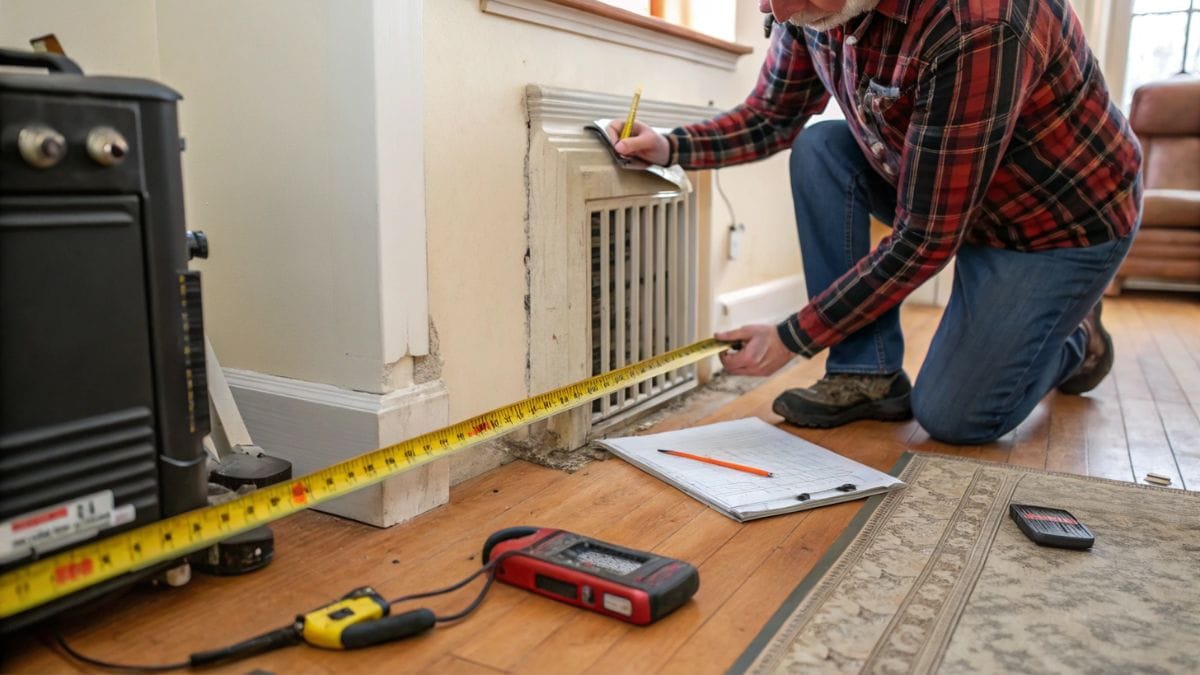
Measure your space. Grab a tape measure. Check height, width, and depth where your old heater sits. Some replacements are taller or wider than older models. Know what fits before you buy.
Check your venting. Gas water heaters need proper venting. Take a photo of your current setup. Show it to your plumber or the store rep. Venting issues delay installation every time.
Verify your power source. Electric or gas? What voltage? Natural gas or propane? Match your new heater to your existing setup. Switching fuel types adds complexity and cost you don’t need right now.
Clear the area. Move boxes, holiday decorations, and anything else crowding your water heater. Give your plumber room to work. Faster access means faster installation.
Red Flags to Avoid When Shopping Fast
Don’t grab the cheapest option because you’re panicking. Some deals aren’t deals at all.
Skip store brands with names you’ve never heard of. Stick with Rheem, A.O. Smith, Bradford White, or similar established brands. Parts and service matter when something goes wrong.
Avoid used or refurbished water heaters. This isn’t the time to gamble on a salvaged unit. You need reliability, not another failure in six months.
Watch out for overly aggressive sales tactics. If someone’s pushing hard for same-day installation of a premium model at double the normal price, take a step back. Get a second quote.
Don’t skip the permit. Some installers offer to skip permits to save time. Bad idea. Permits protect you and ensure code-compliant installation. Pay for the permit.
Energy Efficiency: Does It Matter in an Emergency?
Yes, but don’t overthink it. All new water heaters meet minimum efficiency standards. You’re not getting a gas guzzler.
Look for an Energy Factor (EF) rating of 0.67 or higher for gas models. For electric, aim for 0.95 or above. Higher numbers mean better efficiency and lower operating costs.
Tank insulation matters too. Better insulation means the water stays hot longer without constant reheating. Look for at least R-16 insulation value.
Will a high-efficiency model save you money long-term? Sure. But if it costs $500 more upfront and takes ten years to recoup the difference, maybe that’s not your priority right now. Get something solid and efficient enough.
Installation Timeline: What to Expect
Here’s the realistic timeline for emergency replacement:
Day 1: Call plumbers. Get quotes. Most can visit same-day or next-day for emergencies. Expect to pay $100-$150 for an emergency service call.
Day 2: Purchase and schedule installation. If you buy from a big-box store, they’ll coordinate the installer. If you buy direct, your plumber handles pickup.
Day 3: Installation happens. Standard tank replacement takes 2-4 hours for a straightforward swap. Add time if codes require updates to venting, expansion tanks, or drain pans.
You could have hot water in 48 hours. Sometimes faster if you catch a plumber with a light schedule.
Budget Reality Check
Let’s talk real numbers. A complete emergency water heater replacement runs:
Budget tier: $600-$900 total (unit + installation) Mid-range: $900-$1,400 total
Premium: $1,400-$2,000+ total
Installation costs vary by location. Urban areas charge more. Complex installations cost more. Permit fees add $50-$150 depending on your city.
Can you negotiate? Sometimes. Get three quotes if possible. But don’t sacrifice quality to save $100. A water heater failure next year costs way more than today’s savings.
Many plumbers offer financing. Home improvement stores do too. If cash flow is tight, ask about payment plans before you commit.
Your Next Steps
You’ve got the knowledge. Now take action.
Call three local plumbers today. Explain your emergency. Get quotes for both service and equipment. Ask about their timeline and warranty coverage.
While you’re waiting for quotes, measure your space and check your current water heater’s specifications. That label on the side tells you everything—fuel type, capacity, dimensions.
Choose reliability over flash. Pick a reputable brand in the right size for your home. Work with a licensed, insured plumber who pulls proper permits.
Hot water isn’t a luxury. It’s essential. You’ll have it back soon. Just take these smart steps, and you’ll make a choice that keeps working long after the emergency stress fades.