
Your kidneys filter 200 quarts of blood every single day. Yet most shopping carts are loaded with foods that make this massive job harder. You grab what looks healthy.
You follow doctor’s orders to “eat better.” But you still feel confused standing in the grocery aisle.
The problem? Common foods hide kidney stressors you can’t see. Excess sodium. Phosphorus additives. Poor-quality proteins.
These compounds force your kidneys to work overtime. Medical advice tells you what to avoid but rarely explains what to buy instead.
This guide gives you simple swaps for every grocery aisle. You’ll learn which kidney-friendly foods protect your organs without bland meals or complicated recipes.
These evidence-based substitutions can reduce kidney workload by 40-60%. You’ll discover foods that support kidney health while keeping meals enjoyable.
No deprivation. Just smarter choices that protect your kidney function starting today.

What Your Kidneys Actually Need (And What Hurts Them)
Your kidneys work like filters in your body. They clean your blood and remove waste. But three things make this job much harder: too much sodium, phosphorus additives, and low-quality proteins.
Sodium becomes a problem above 2,300mg per day. That’s about one teaspoon of salt. Most Americans eat way more than this.
Processed foods contribute to 67% of excessive sodium intake, according to the American Heart Association. Your kidneys must work overtime to flush out the excess.
Phosphorus additives are worse than natural phosphorus. Look for these codes on labels: E338-E341 and E450-E452.
Your body absorbs 90% of additive phosphorus compared to only 40% from natural sources. This extra load stresses your kidney health over time.
Poor-quality proteins create more waste. When your body breaks down protein, it makes waste products.
Your kidneys must filter these out. Processed meats and low-grade proteins generate more waste than fresh, lean options.
Here’s what matters most: processed foods contain 75% more kidney-stressing compounds than whole foods.

You can’t see or taste these hidden stressors. They build up day after day.
Your kidney function gets measured by GFR (glomerular filtration rate). Think of it as your kidney’s cleaning speed.
Small daily choices to support kidney function add up over months. Pick the right foods today, and your kidneys thank you tomorrow.
Pick These Proteins, Skip Those (Your Kidneys Will Notice)
More protein isn’t always better for kidneys. When your body breaks down protein, it creates waste. Your kidneys must filter out this waste.
The type of protein you eat determines how much work your kidneys do.
Quality beats quantity every time. You want proteins with less phosphorus per serving. Check the phosphorus-to-protein ratio.
The best foods for kidneys deliver protein without excess minerals that create extra filtering work.
Here’s what 3 ounces looks like in phosphorus content:
- Fresh chicken breast: 190mg phosphorus

- Deli turkey: 290mg phosphorus plus 600mg sodium
- Wild-caught salmon: 185mg phosphorus
- Protein bar: 250mg+ phosphorus (from additives)
Your body absorbs phosphorus differently based on the source. Plant-based phosphorus? You absorb about 40%.
Phosphorus additives in processed foods? You absorb 90%. That’s why a protein bar can stress your kidneys more than actual chicken.
Portion size matters too. If you have kidney concerns, aim for 0.6-0.8 grams of protein per kilogram of body weight. For a 150-pound person, that’s about 40-55 grams daily. Your palm size equals one serving.
Eat This Instead
Wild-caught salmon gives you omega-3 fats with lower phosphorus. Grill or bake it. Skip the breading.
Egg whites are pure protein with almost no waste products. One egg white has 3.6 grams of protein and only 5mg of phosphorus. Cook them any way you like.

Skinless chicken breast stays lean and controls phosphorus. Remove the skin before cooking. A 3-ounce piece is about the size of a deck of cards.
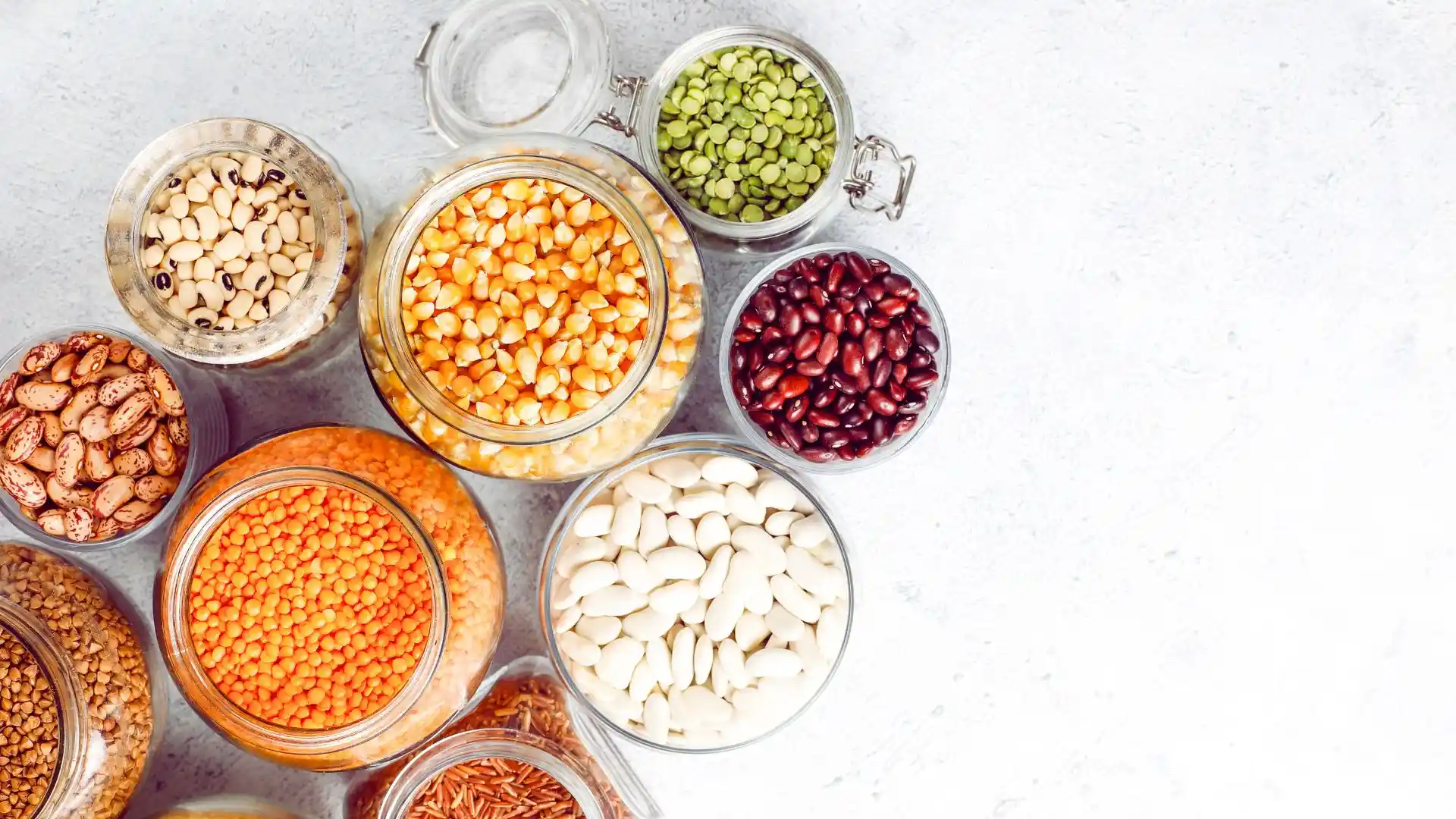
Legumes work in moderation. Beans and lentils provide plant protein plus fiber. Your body absorbs less of their natural phosphorus. Stick to half-cup servings.
Skip These Proteins
Processed deli meats pack sodium and phosphorus additives.
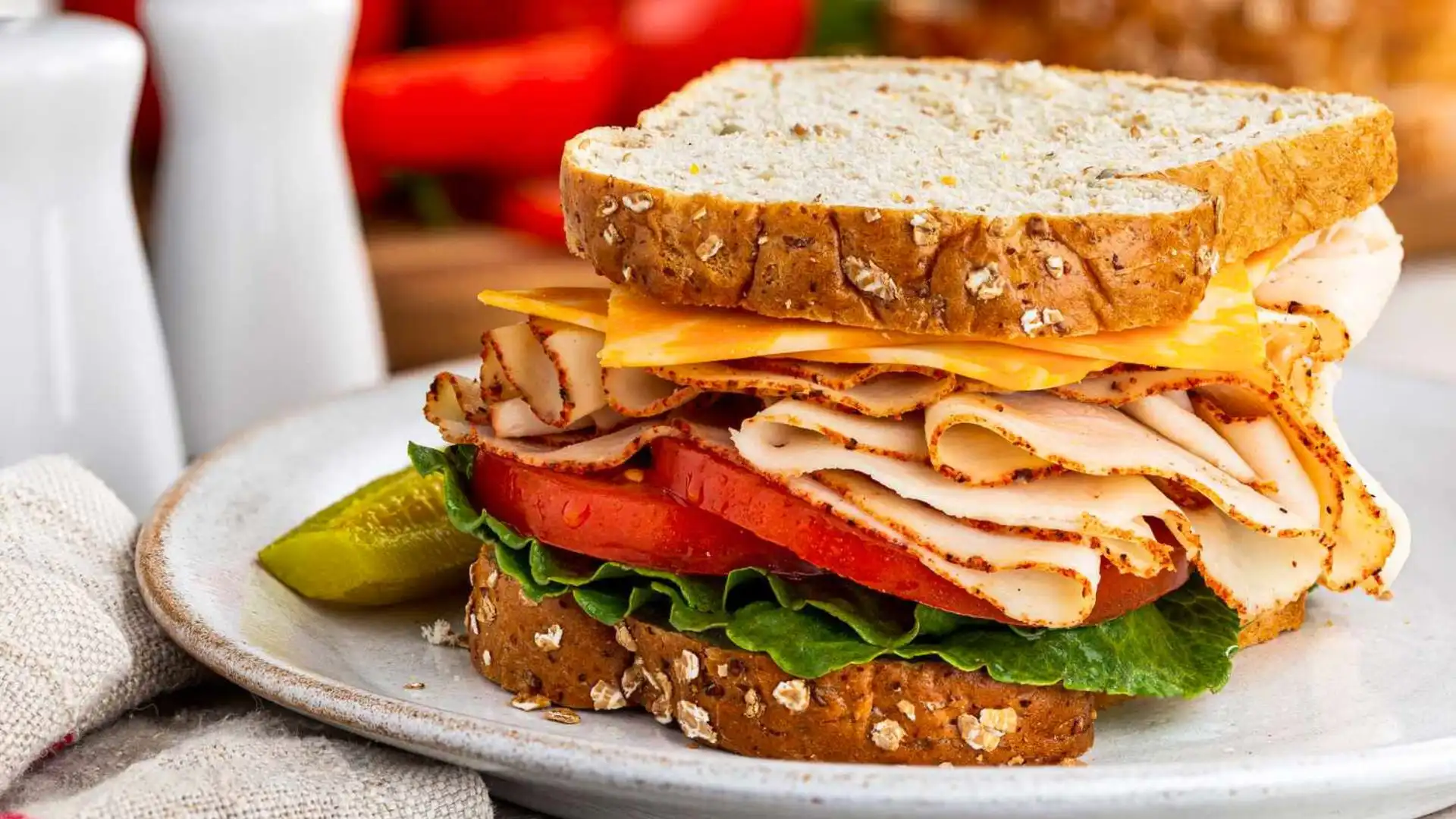
Three slices can hit 800mg of sodium. Your kidneys pay the price.
Dark meat poultry with skin contains more phosphorus than white meat. Choose chicken breast over thighs.
Organ meats like liver concentrate waste products. These are the last things stressed kidneys need.
Protein bars hide phosphate additives behind health claims. Most contain 15-20 ingredients. Kidney-friendly foods have ingredient lists you can actually read.
How you cook matters. Grilling and baking preserve protein quality. Frying adds oxidative stress. Keep it simple.
Which Fruits and Vegetables Actually Help Your Kidneys
The produce section looks healthy, but not all vegetables are safe for kidneys. Potassium is essential for your body. But when kidneys struggle, they can’t remove excess potassium from your blood. High potassium levels can cause serious heart problems.
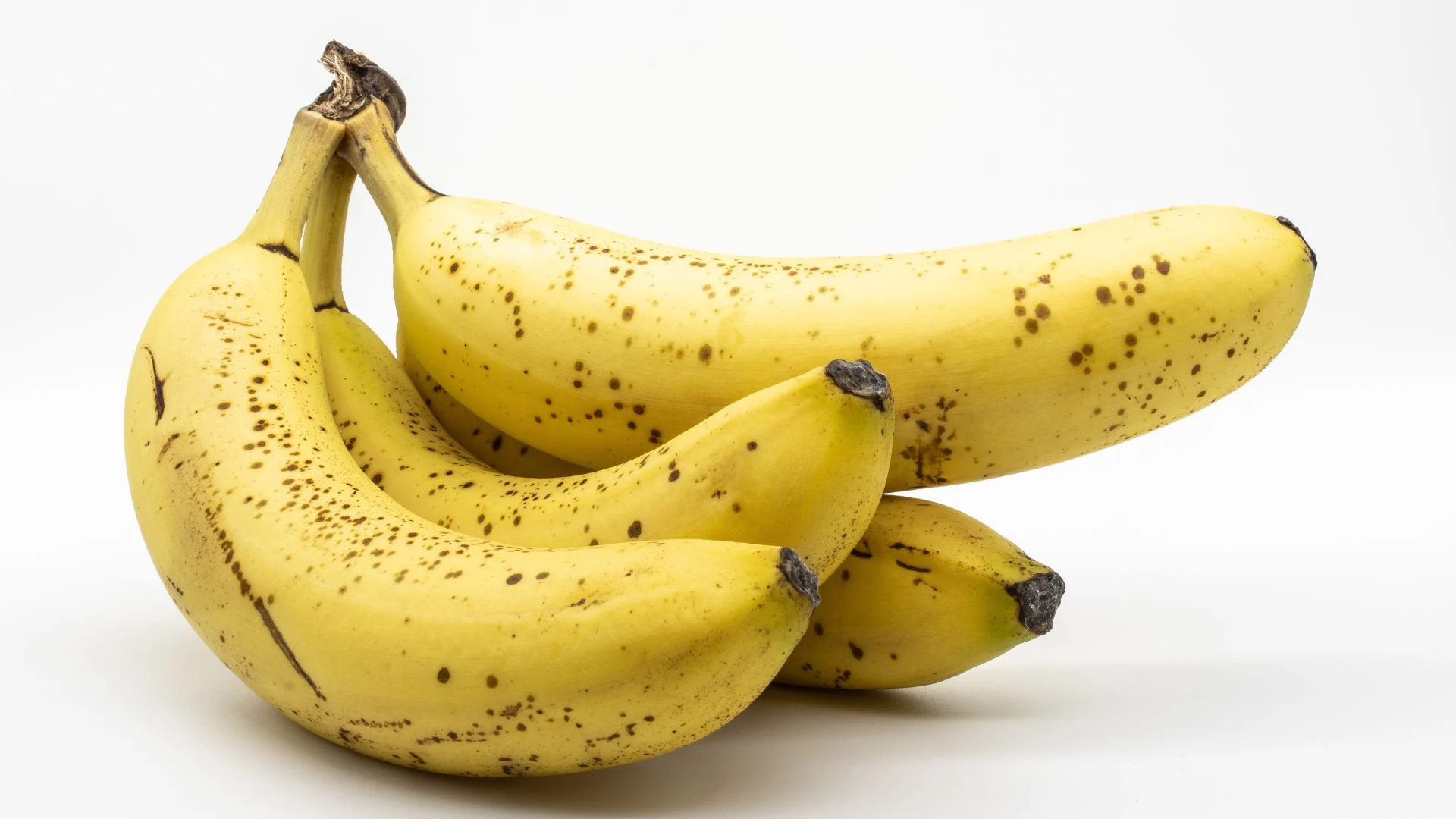
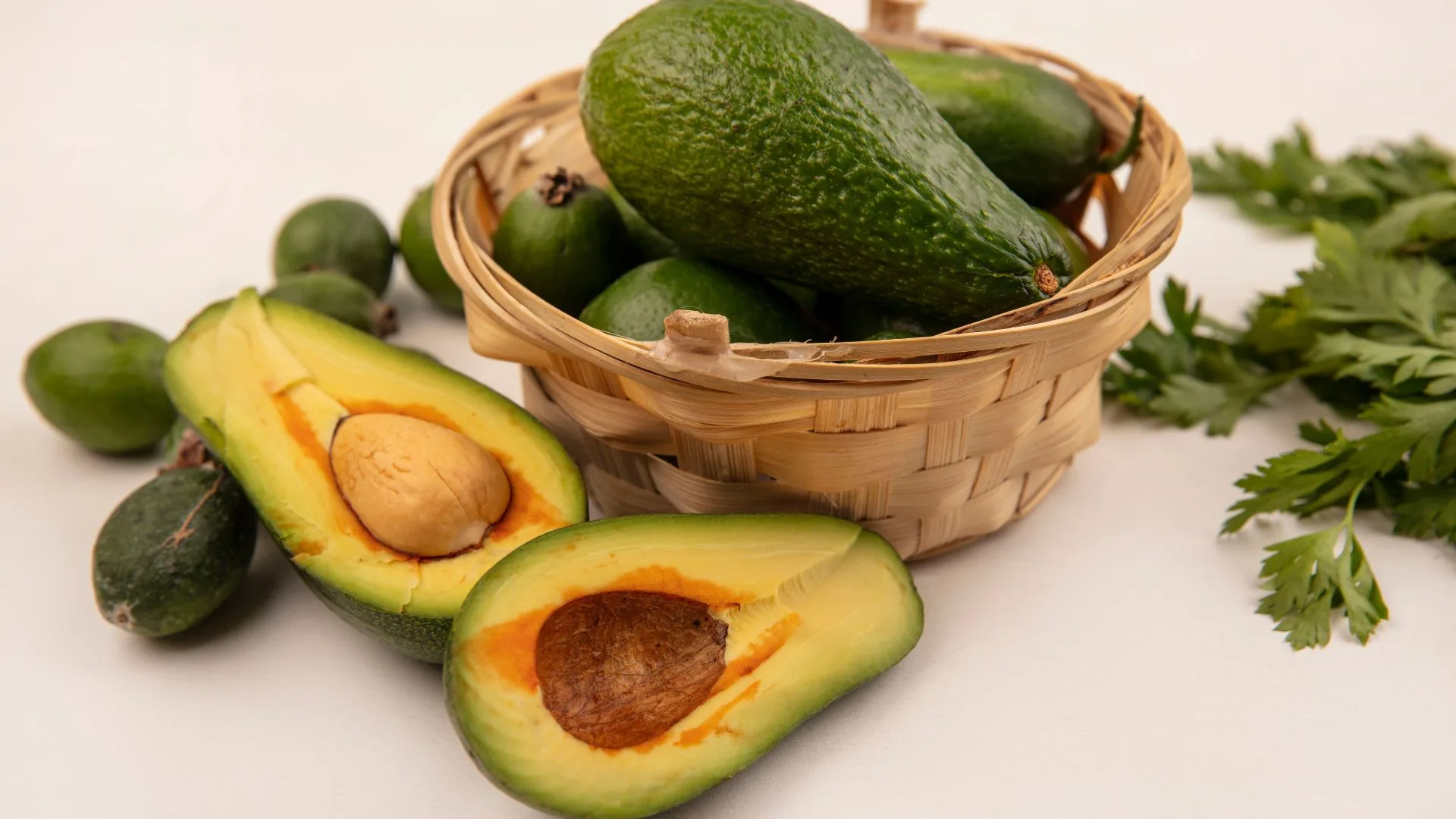
Here’s the tricky part: many “superfoods” are loaded with potassium. That banana? 422mg of potassium. Half an avocado? 485mg. Your kidneys must work hard to filter these out.
You don’t need to avoid produce completely. You just need to choose smarter. Foods that support kidney health deliver vitamins without the potassium overload.
Pick These Vegetables and Fruits
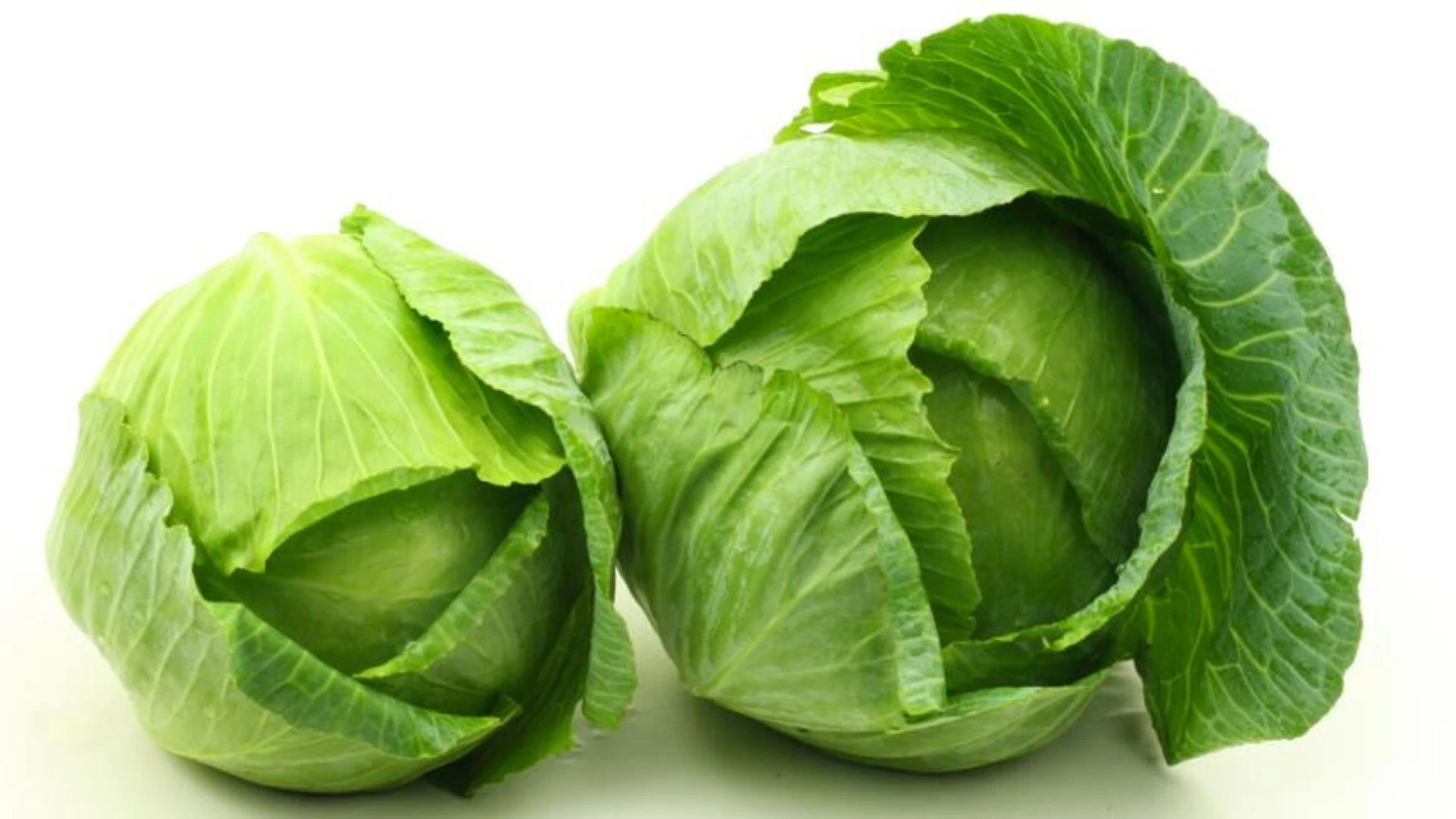
Cabbage gives you vitamin K and only 119mg potassium per cup. Shred it for coleslaw or sauté it with garlic.
Cauliflower works everywhere. Mash it like potatoes. Rice it for stir-fries. One cup has just 176mg potassium but plenty of vitamin C and fiber.
Bell peppers add crunch and color. Red, yellow, or green—all stay under 200mg potassium per cup. Roast them or eat them raw.
Blueberries beat other berries for kidney health. One cup contains only 114mg potassium. Strawberries work too at 220mg per cup.
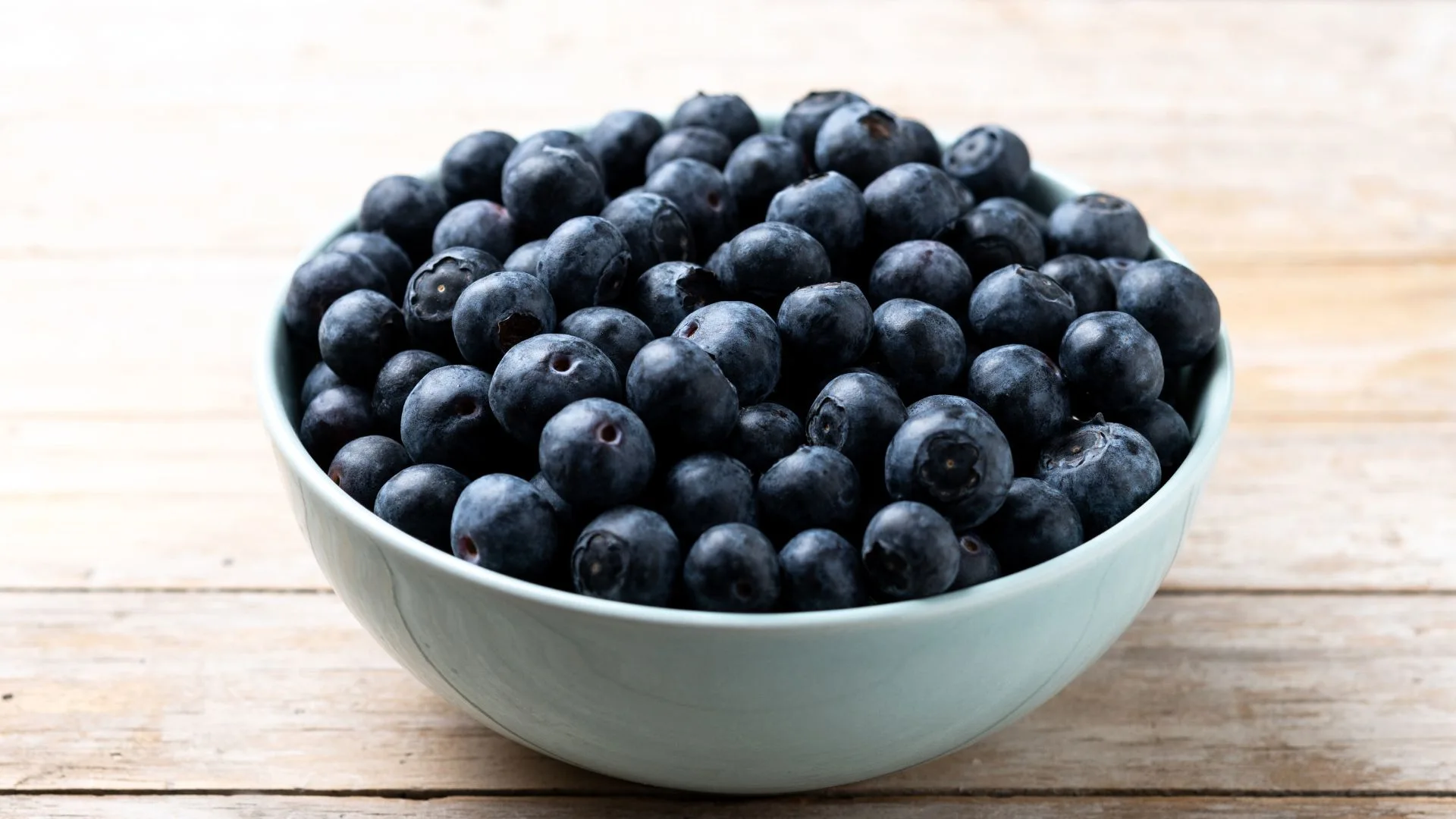
Apples and grapes keep everything moderate. One medium apple has 195mg potassium. Fifteen grapes have about 140mg. Both make easy snacks.
Onions and garlic add flavor without minerals. Use them freely. They’re basically potassium-free.
Skip These Common Picks
Bananas top the high-potassium list. One medium banana packs 422mg. Choose berries instead.
Oranges and orange juice concentrate potassium. One orange has 237mg. A cup of juice? Over 470mg. Switch to apple juice if you want juice.
Avocados are trendy but risky. Half an avocado delivers 485mg potassium. That’s nearly a third of your daily limit.
Potatoes and sweet potatoes need special treatment. A medium baked potato contains 926mg potassium. But you can fix this with leaching.
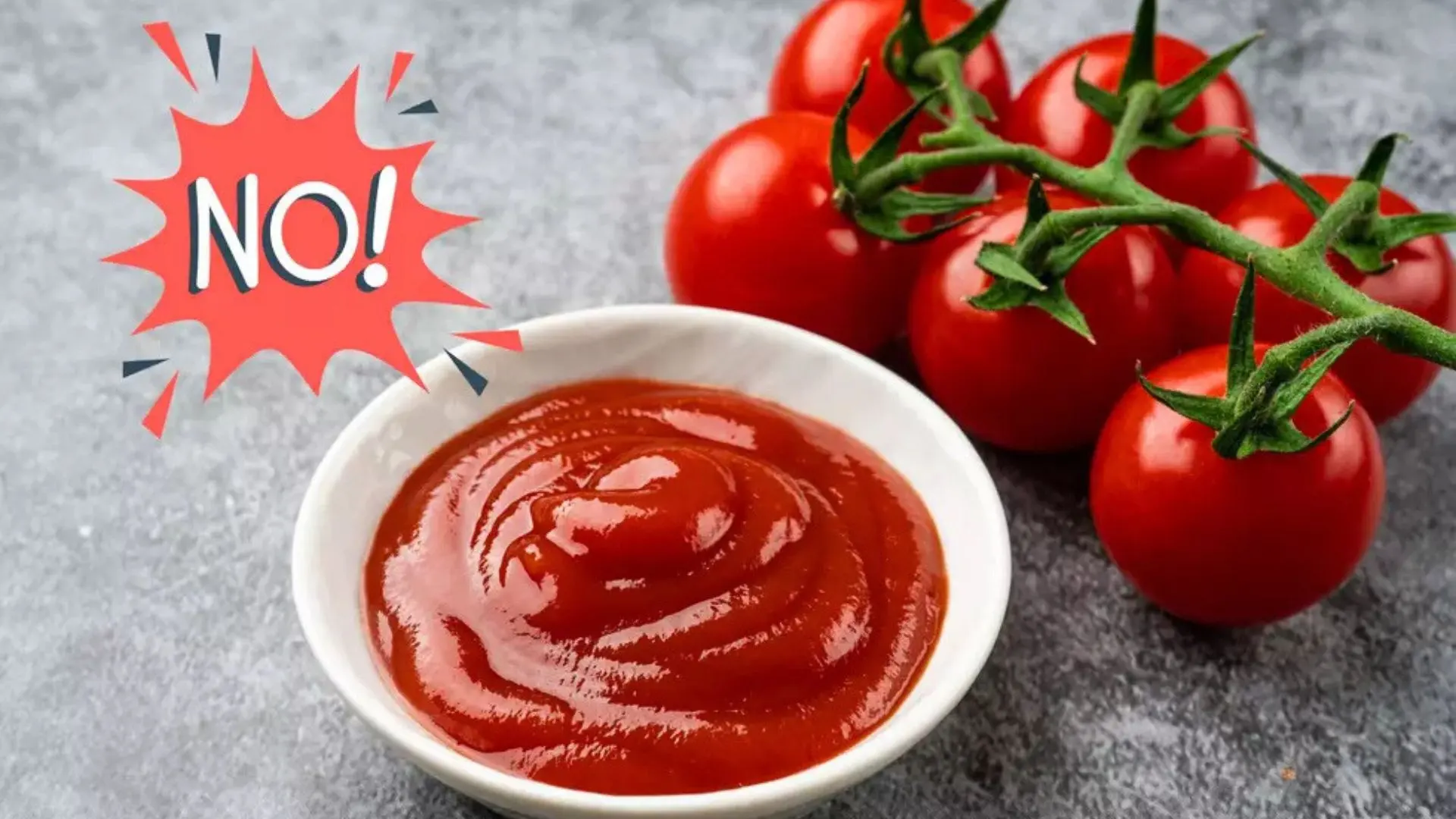
Tomatoes and tomato products get concentrated. One cup of tomato sauce has 811mg potassium. Skip pasta sauce or make your own with allowed vegetables.
Spinach and Swiss chard combine high potassium with oxalates. Oxalates can form kidney stones. One cup of cooked spinach delivers 839mg potassium. Choose cabbage or lettuce.
How to Leach Potassium from Potatoes
Want potatoes? Try this method:

- Peel and dice potatoes into small pieces
- Soak in warm water for 4 hours (change water twice)
- Rinse and boil in fresh water
- Drain completely before eating
This removes about 50% of the potassium. It’s not perfect, but it helps. Limit portions to half a cup.
Organic doesn’t matter for kidney health. How you prepare produce matters more. A kidney cleanse diet focuses on potassium levels, not pesticides.
The Dairy Aisle: Get Calcium Without Harming Your Kidneys
Dairy gives you calcium, but it also loads your kidneys with phosphorus. One cup of milk contains about 247mg of phosphorus. Your body absorbs most of it. That’s the problem—dairy has roughly a 1:1 phosphorus-to-protein ratio, which is too high for stressed kidneys.
Non-dairy alternatives aren’t all equal either. Some contain more potassium or phosphorus than regular milk. You need to read labels carefully.
Choose These Dairy Options
Rice milk wins for kidney safety. It has the lowest phosphorus and potassium of all milk alternatives. One cup contains only 60mg phosphorus. Use it on cereal or in recipes.

Macadamia nut milk tastes creamy without the mineral load. It’s naturally low in phosphorus and potassium. Check labels—pick unsweetened versions without additives.
Cream cheese works in small amounts. Two tablespoons contain about 50mg phosphorus, which is lower than milk. Spread it thin on your morning toast.
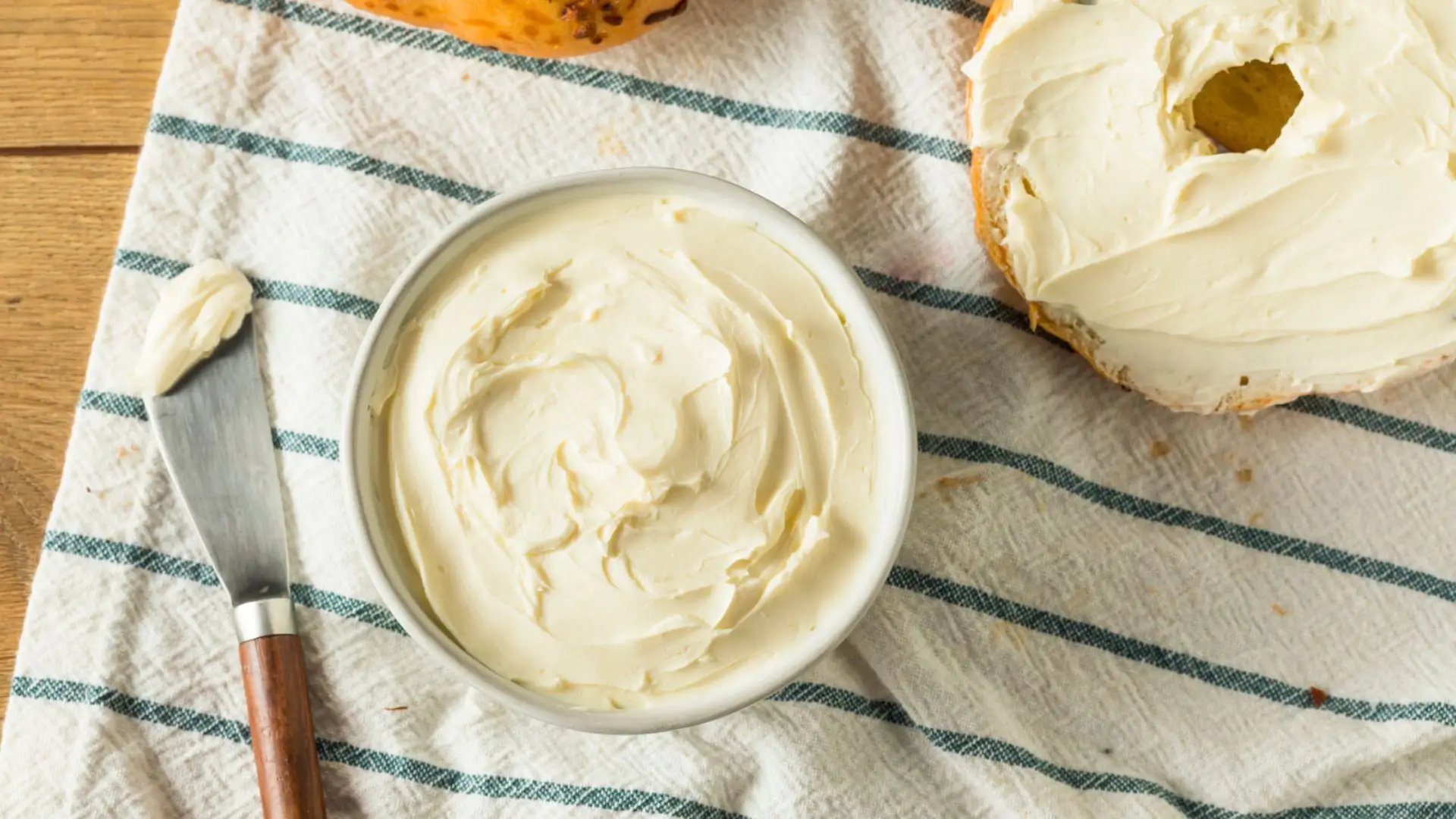
Greek yogurt can work if you control portions. Stick to 4 ounces or less. Plain varieties without fruit have less phosphorus than flavored types. This gives you protein without overwhelming your kidneys with kidney-friendly foods choices.
Skip These Dairy Items
Regular milk packs too much phosphorus for daily use. One cup delivers 247mg. If you love milk, limit it to a few tablespoons in coffee.
Chocolate milk adds sugar on top of phosphorus. It’s a double hit your kidneys don’t need.
Processed cheese products hide phosphate additives. Look for ingredients like sodium phosphate or calcium phosphate. These get absorbed at 90% rates. Natural cheese is better but still high in phosphorus.
Almond milk contains more potassium than rice or macadamia milk. One cup has about 180mg potassium.
Yogurt with fruit adds hidden phosphorus through stabilizers and additives. Plain yogurt gives you more control.
Check every label for these red flags: calcium phosphate, dipotassium phosphate, or trisodium phosphate. Skip products with these additives.
Need calcium? Talk to your doctor about supplements. Some people need them, but timing matters with kidney disease.
Why White Bread Beats Whole Wheat for Your Kidneys
Whole grains are usually the healthy choice, but not for kidneys. Brown rice and whole wheat contain more natural phosphorus than white versions. Your body absorbs 40-60% of natural phosphorus. That still adds up when kidneys are struggling.
The real danger hides in additive phosphorus. Many breads, cereals, and packaged grains contain phosphate additives. Your body absorbs 90% of these additives compared to 40% from natural sources. Check every label in the grain aisle.

Eat These Grains Instead
White rice contains only 68mg of phosphorus per cup. Brown rice has 150mg per cup. Cook it plain without seasoning packets. One serving equals half a cup cooked.
White bread and pasta have less phosphorus because processing removes the outer grain layer.
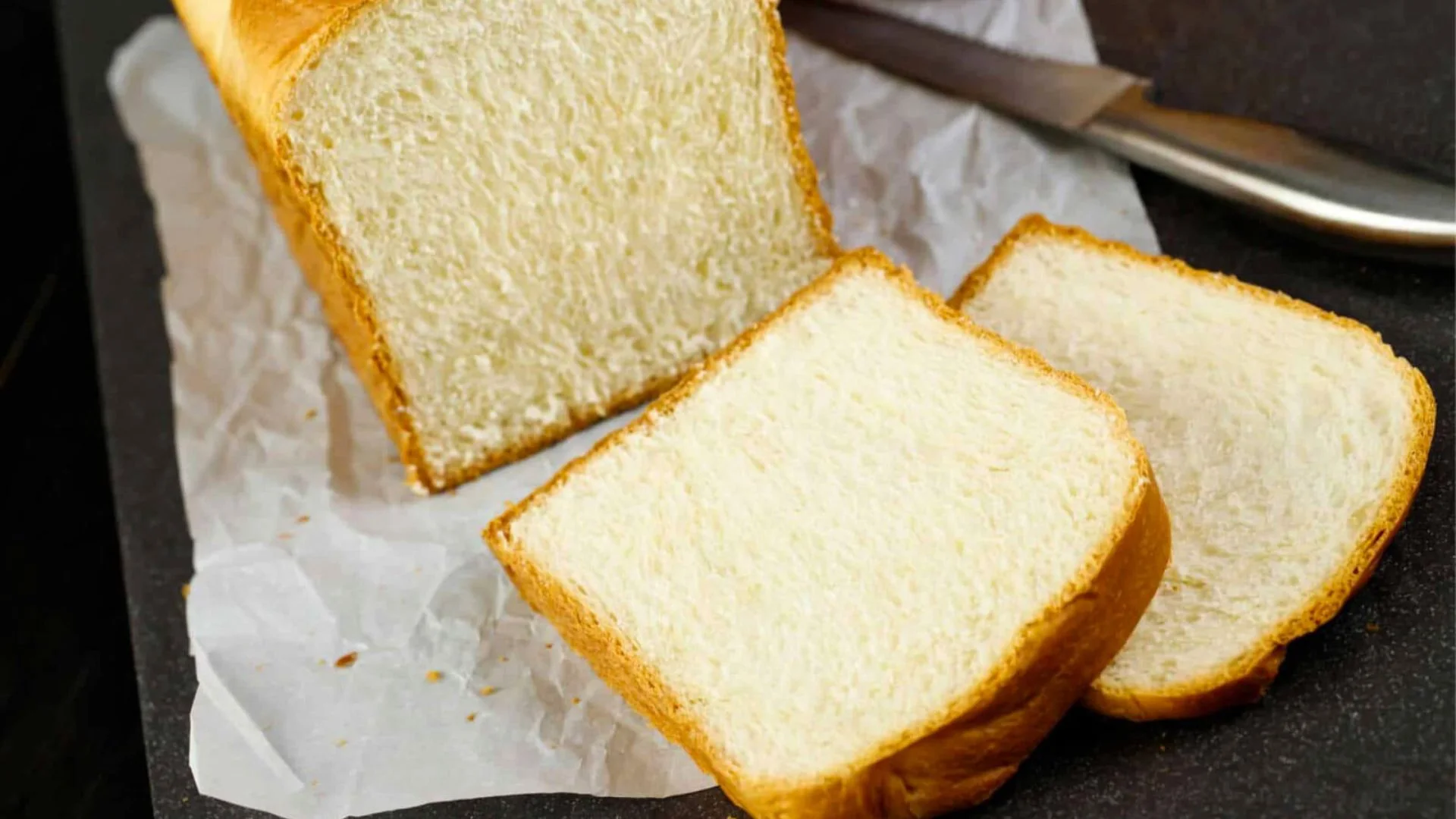
Look for simple ingredient lists. Bread with fewer than 5 ingredients usually skips the additives.
Sourdough bread uses traditional fermentation without chemical additives. The tangy taste comes from natural bacteria, not phosphates. Check labels to confirm.
Rice noodles work great for pasta dishes. They’re naturally low in phosphorus and potassium. Use them in stir-fries or soups.
Plain popcorn makes a kidney-safe snack. Air-pop it yourself. Three cups of popped corn contain only 90mg of phosphorus. Skip the butter and salt—use herbs instead.

Skip These Grain Products
Whole wheat bread with phosphate additives combines natural phosphorus with added phosphates. One slice can contain 100mg+ phosphorus. Read ingredient lists carefully.
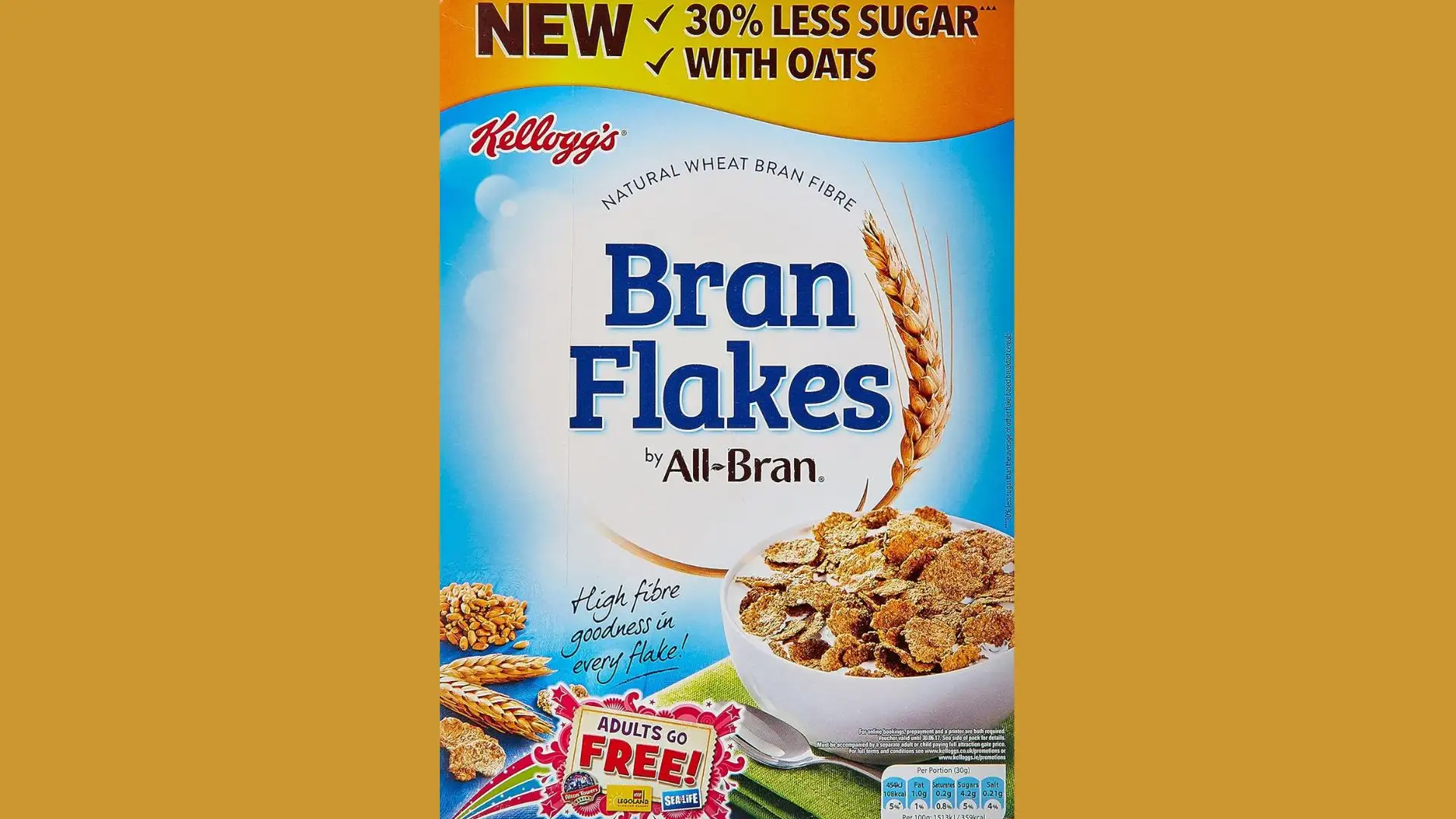
Bran cereals pack extreme phosphorus levels. One cup of bran flakes delivers 180mg phosphorus. The best foods for kidneys keep phosphorus under control.
Instant oatmeal packets add phosphates for texture and shelf life. Plain oats are better, but watch portions. One packet can hide 150mg phosphorus.
Packaged rice mixes load sodium and phosphorus into convenient boxes. A serving can contain 800mg sodium plus phosphate additives. Cook plain rice and add your own kidney-safe seasonings.
Pretzels and crackers are sodium bombs. Ten pretzels contain 400-600mg sodium. Your kidneys must filter all of it.
Look for these additive codes on labels: monocalcium phosphate, sodium acid pyrophosphate, or dicalcium phosphate. Put those products back on the shelf.
Stick to half-cup servings of cooked grains. This portion size gives you energy without overwhelming your kidneys. Foods that support kidney health come in controlled amounts.
What to Drink When Your Kidneys Need Help
Plain water is the best thing you can drink for kidney health. It helps your kidneys flush out waste without adding extra work. Aim for 8-10 cups daily unless your doctor says otherwise.
Most other drinks hide problems. Sodas contain phosphoric acid. Juices concentrate potassium.

Enhanced waters add minerals your kidneys must filter out. Even healthy-sounding drinks can stress your kidneys.
Drink These Instead
Plain water stays the gold standard. Room temperature or cold—both work. Drink throughout the day, not all at once.
Lemon water adds flavor without minerals. Squeeze fresh lemon into water. It tastes good and won’t harm your kidneys.
Herbal teas without additives work well. Chamomile, peppermint, or ginger tea all stay safe. Check labels—skip teas with added vitamins or minerals.

Cranberry juice cocktail in small amounts is okay when diluted. Mix 2 ounces with 6 ounces of water. The cranberry-kidney myth? Cranberries help prevent bladder infections, not kidney disease.

Clear ginger ale occasionally settles your stomach without dark cola’s phosphoric acid. Limit to 8 ounces.
Skip These Drinks
Dark colas contain phosphoric acid—50mg per 12-ounce can. This additive form gets absorbed at 90% rates. Choose clear sodas if you want soda.
Orange juice packs 470mg of potassium per cup. That’s concentrated trouble. Apple juice contains only 240mg per cup.
Enhanced waters with electrolytes add unnecessary potassium and sodium. Plain water hydrates better for kidneys.
Energy drinks combine caffeine, sugar, and multiple additives. One can stresses kidneys in three different ways.

Coffee over 3 cups daily can increase kidney workload. One or two cups are fine. A kidney cleanse diet keeps caffeine moderate to support kidney health.
Season Your Food Without Destroying Your Kidneys
The smallest bottles in your kitchen contain the biggest kidney threats. One tablespoon of soy sauce packs 900mg of sodium—that’s 40% of your daily limit. Condiments concentrate sodium, sugar, and phosphate additives into tiny servings.
You don’t need bland food. You just need different flavor sources. Fresh herbs, citrus, and vinegars deliver taste without the kidney stress.
Use These for Flavor
Fresh herbs beat everything. Basil, cilantro, parsley, rosemary, and thyme add intense flavor with zero sodium. Chop them right before eating for maximum taste.
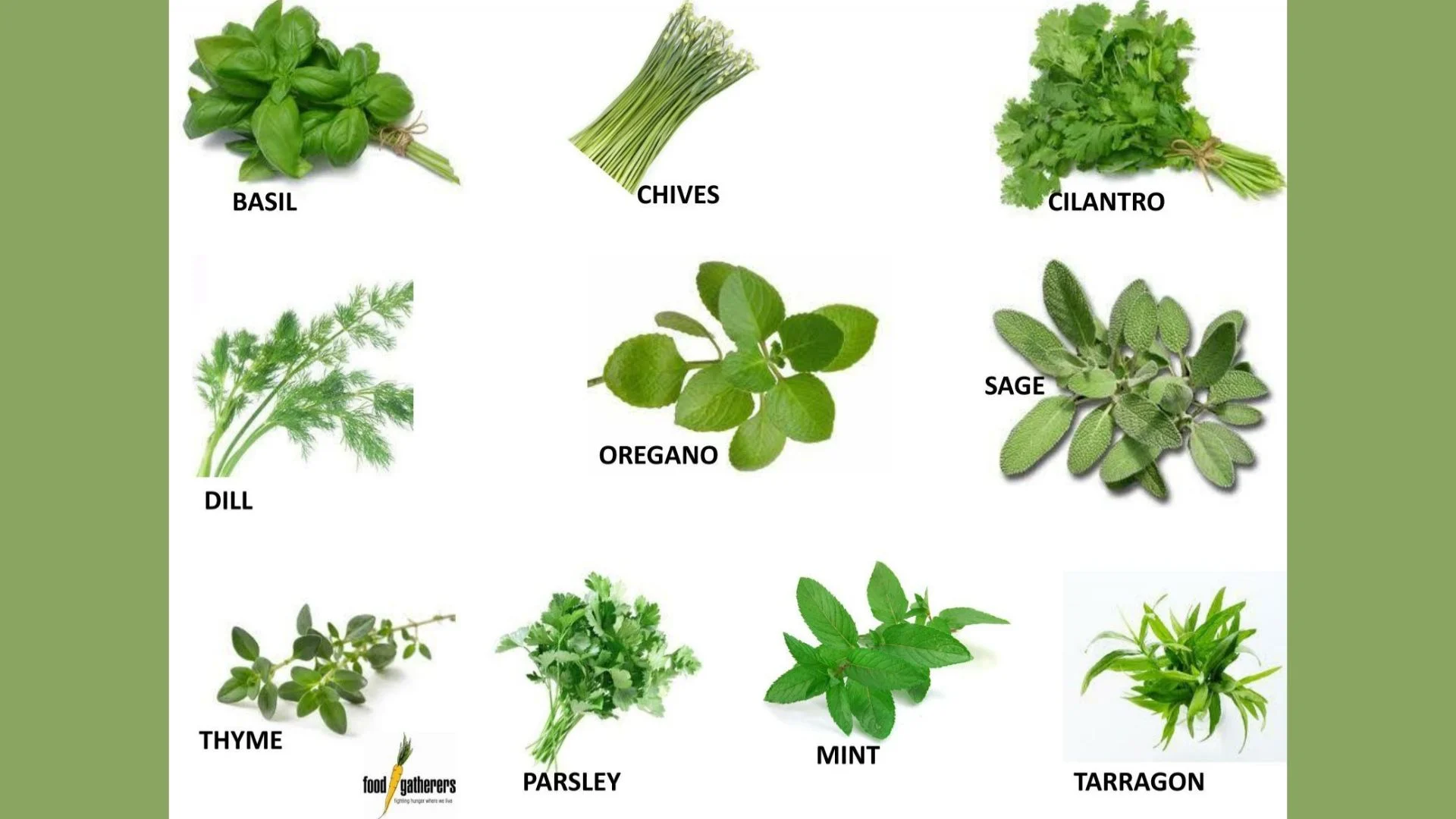
Lemon and lime juice brighten any dish. Squeeze fresh citrus over vegetables, fish, or chicken. One lemon contains only 1mg of sodium.
Vinegars add tang without minerals. Balsamic, apple cider, or red wine vinegar all work. Drizzle them on salads or use them in marinades.
Low-sodium seasoning blends exist but read labels carefully. Mrs. Dash and similar brands skip the salt. Or make your own: mix 2 tablespoons paprika, 1 tablespoon garlic powder, 1 tablespoon onion powder, 1 teaspoon black pepper, and half a teaspoon of cayenne.
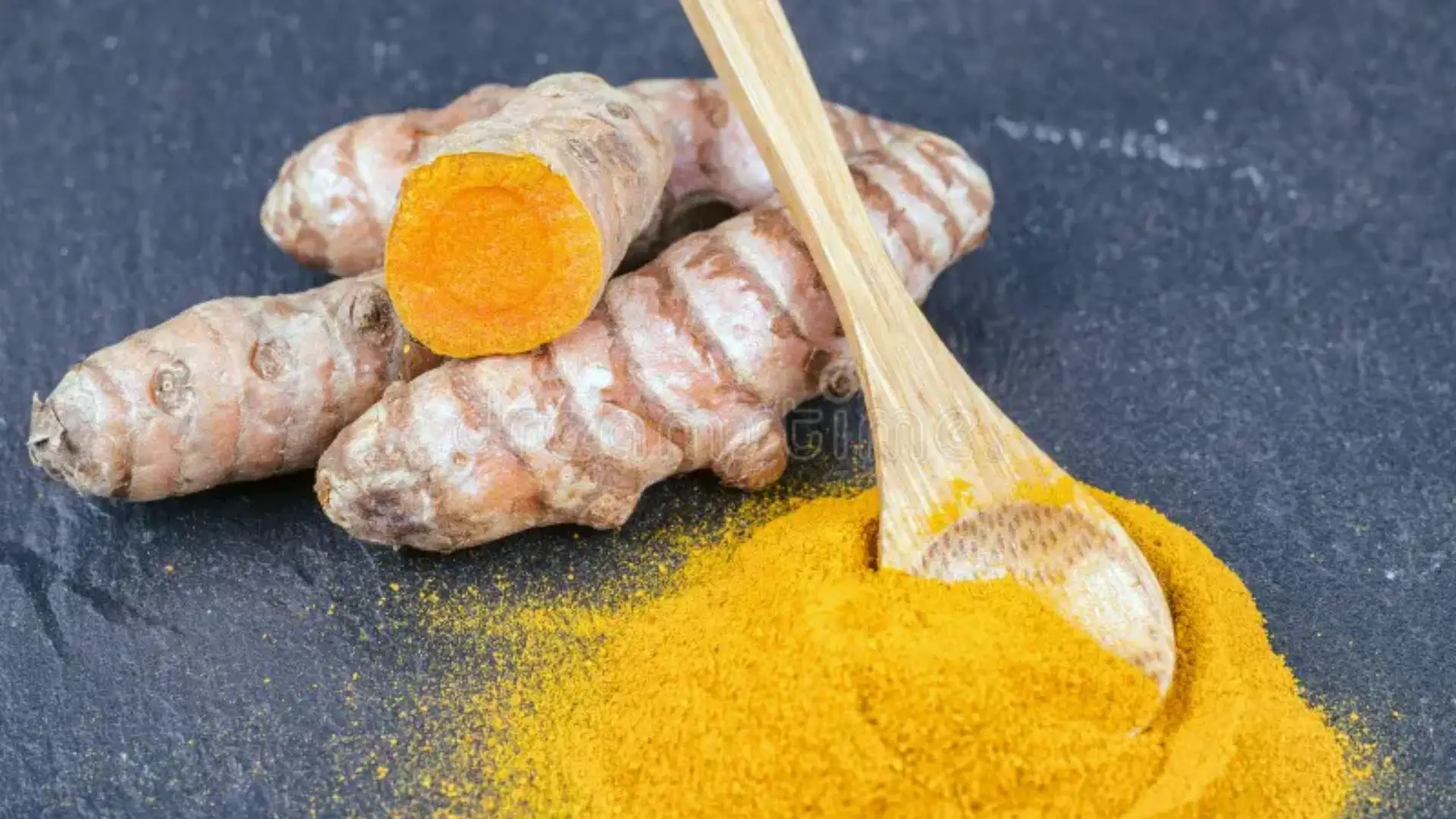
Ginger and turmeric add warmth and color. Fresh ginger works in stir-fries. Turmeric colors rice yellow without sodium.
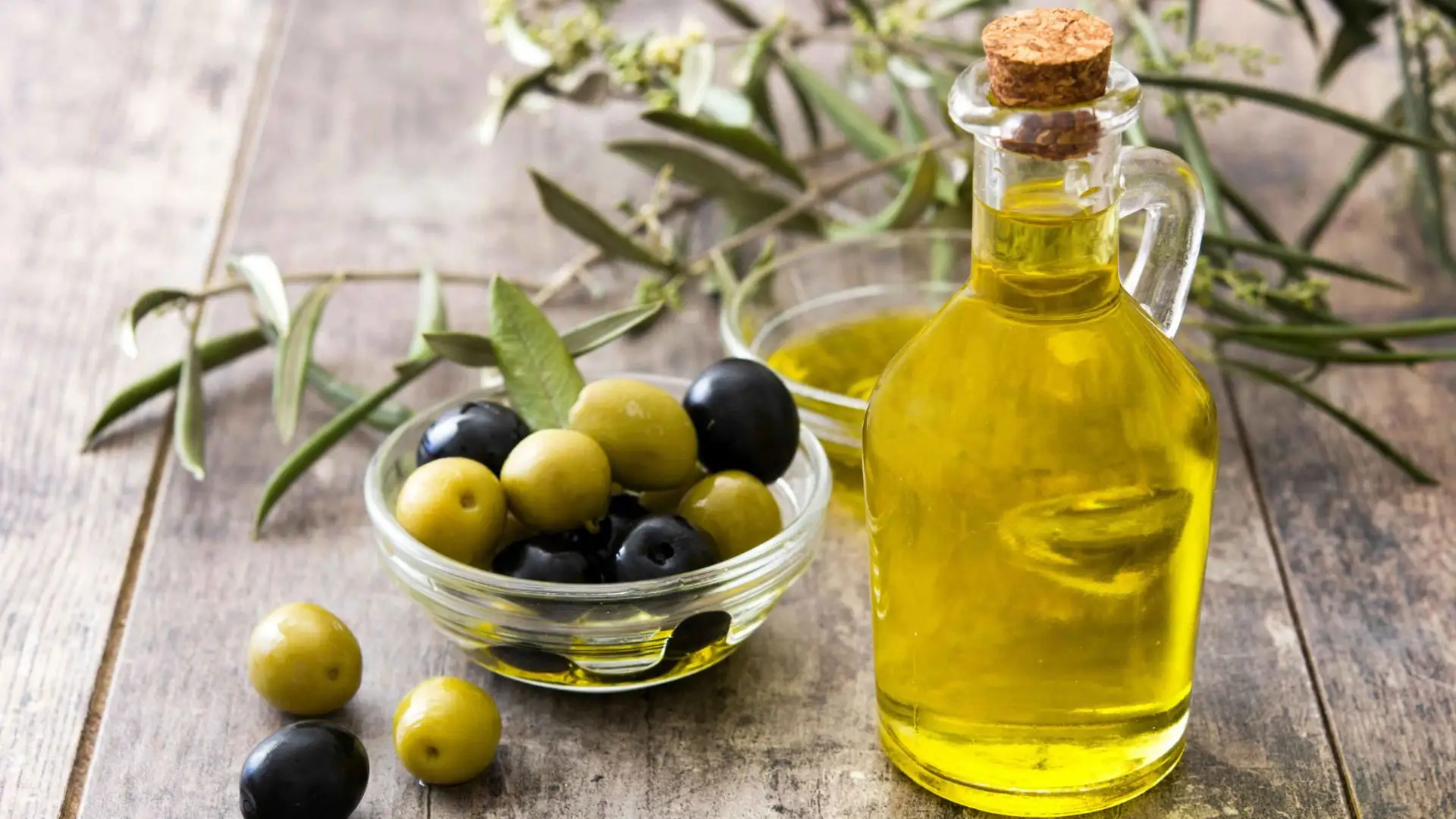
Homemade dressings let you control ingredients. Mix olive oil, vinegar, herbs, and a touch of honey. Skip bottled versions.
Skip These Sodium Traps
Soy sauce and teriyaki deliver extreme sodium. Even low-sodium soy sauce contains 600mg per tablespoon. Use vinegar and ginger instead.
Barbecue sauce combines sodium and sugar. Two tablespoons contain 300-400mg sodium plus 12 grams of sugar.
Pickles and olives get preserved in salt. One large pickle contains 800mg of sodium. Three olives? About 250mg.
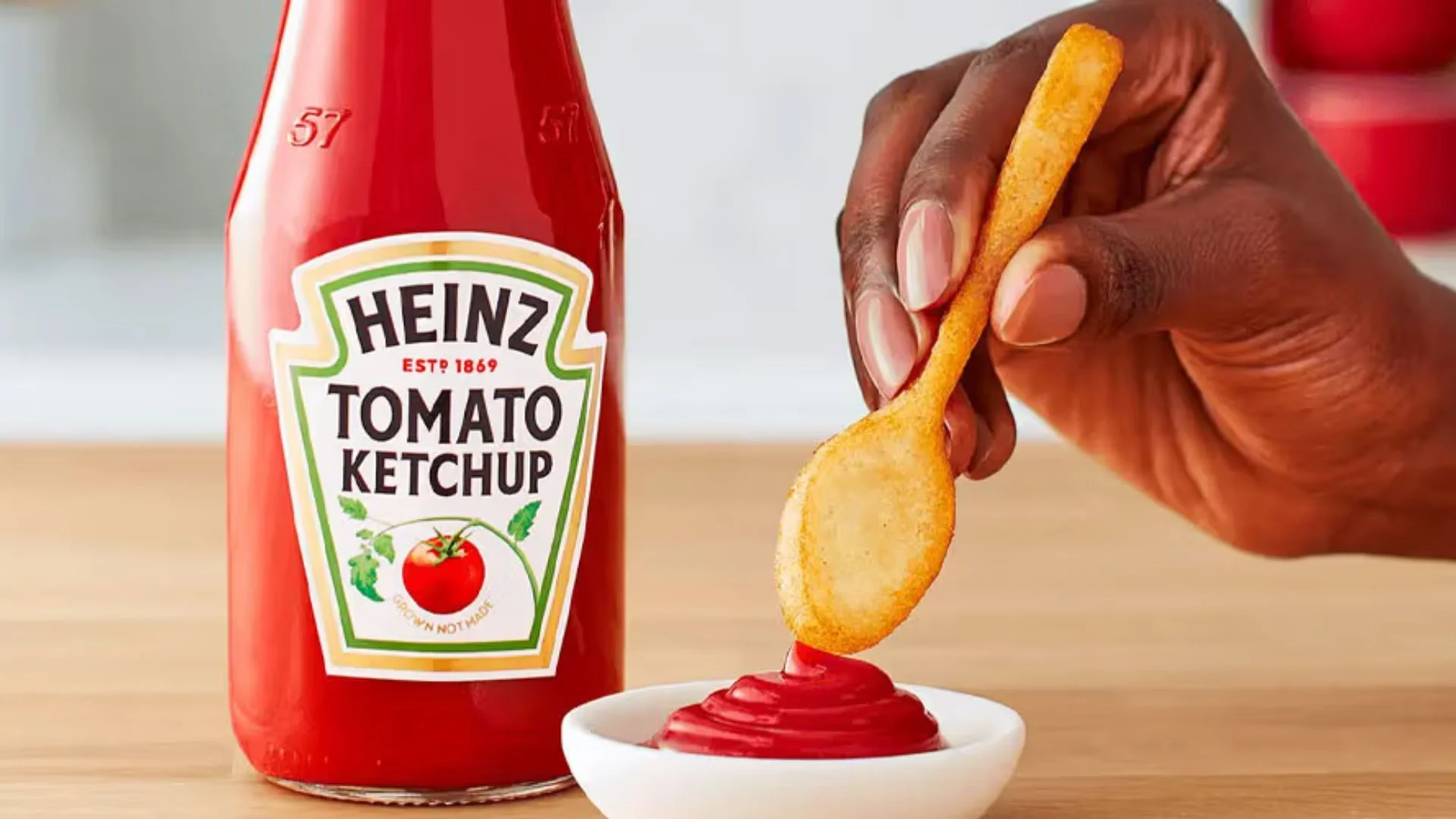
Ketchup hides sodium. One tablespoon has 160mg. It adds up fast on burgers and fries.
Seasoning salts are just expensive sodium. Garlic salt, onion salt, and celery salt all contain 1,500mg+ sodium per teaspoon.
Bottled salad dressings hide phosphate emulsifiers. These additives make dressings creamy and shelf-stable. Kidney-friendly foods skip these chemical shortcuts.
The Truth About Packaged Snacks and Your Kidneys
Most packaged snacks hit your kidneys with a triple threat: excessive sodium, phosphate additives, and low-quality ingredients.
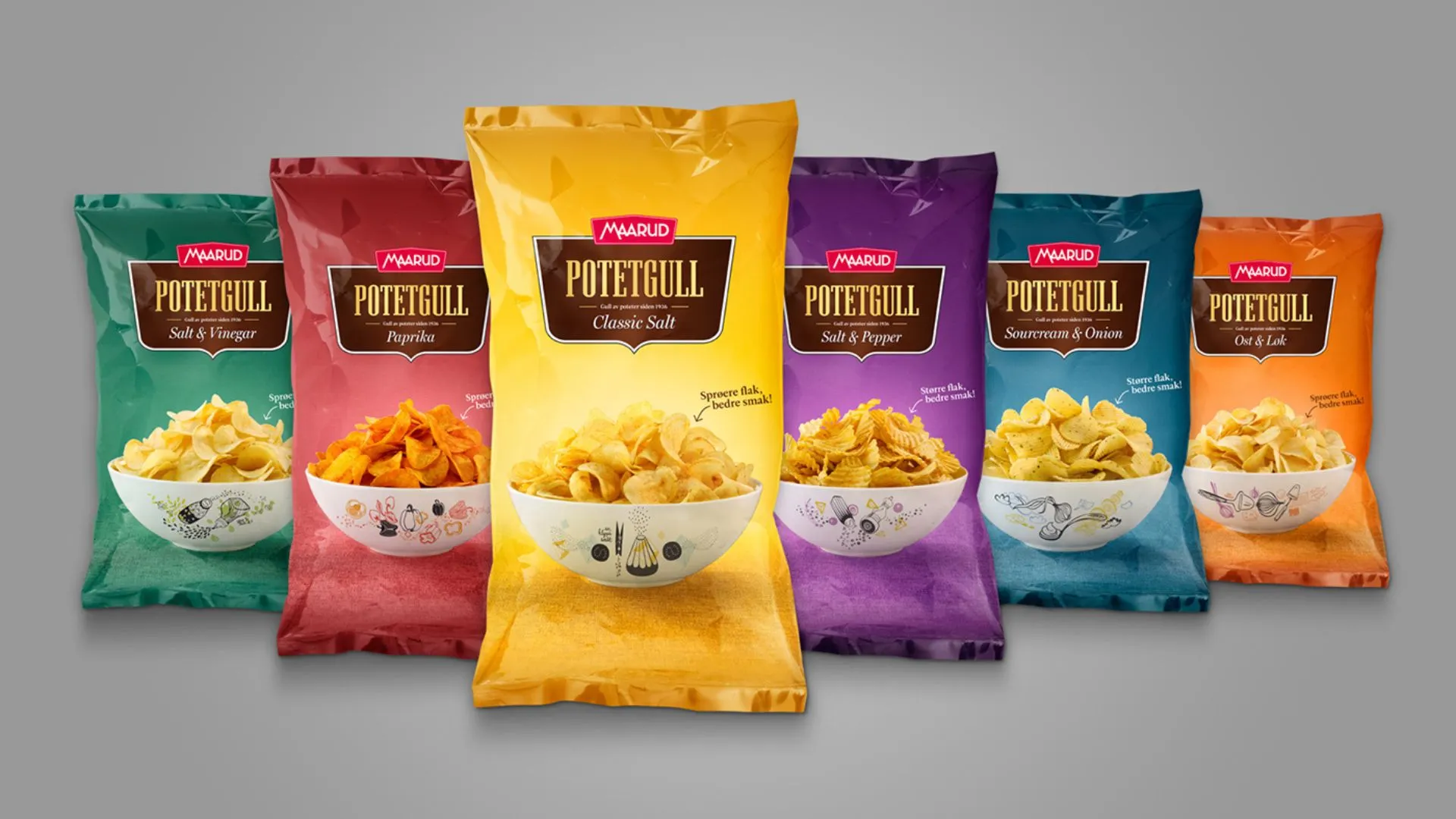
One serving of regular chips can contain 180mg of sodium. Three crackers might hide phosphate-based preservatives. The more processing steps from farm to package, the more kidney stress.
“Healthy” snacks fool you constantly. Organic protein bars still contain 200mg+ of additive phosphorus. Natural granola bars pack hidden sodium and sugar. The front label says healthy. The ingredient list tells the real story.
Snack on These Instead
Unsalted pretzels work if you make them yourself or find brands with zero added salt. Check that sodium stays under 140mg per serving. Store-bought versions usually fail this test.
Air-popped popcorn with herbs makes a perfect snack. Three cups contain only 90mg phosphorus and 2mg sodium. Season with rosemary or garlic powder—skip the butter and salt.
Fresh fruit portions beat packaged fruit snacks every time. One apple, a cup of grapes, or half a cup of blueberries. Keep portions moderate to control natural sugars.
Rice cakes with cream cheese combine crunch and creaminess. One rice cake has 35mg sodium. Add one tablespoon of cream cheese for 50mg phosphorus.
Homemade trail mix lets you control what goes in. Mix unsalted pretzels, rice cereal, and a few raisins. Pre-portion into half-cup servings. The best foods for kidneys come in controlled amounts.

Skip These Packaged Snacks
Chips are sodium disasters. One ounce of regular chips contains 150-180mg sodium. Baked versions aren’t much better. Your kidneys process every milligram.
Packaged cookies and crackers hide phosphate additives in long ingredient lists. Look for words ending in “phosphate”—if you see them, put the box back. An ingredient list over 10 items usually contains additives.
Protein bars concentrate protein and phosphorus. One bar can deliver 15-20 grams of protein plus 200mg of additive phosphorus. Your kidneys don’t need this concentrated load.
Trail mix with chocolate and dried fruit loads potassium. Raisins contain 320mg potassium per quarter cup. Dried cranberries aren’t better. Make your own version without dried fruit.
Granola bars combine phosphorus-rich oats with phosphate binders. One bar contains 150mg+ phosphorus plus added sugars. Choose fresh fruit instead.
Your phosphate detector guide: Read ingredient lists for monocalcium phosphate, dicalcium phosphate, or sodium aluminum phosphate. Kidney-friendly foods skip these chemical additives. Aim for under 140mg sodium per serving.
Your Weekly Kidney-Safe Shopping List (Ready to Print)
Shop the outer edges of the grocery store first. Fresh produce, proteins, and dairy alternatives live on the perimeter. The center aisles pack most processed foods with hidden additives. Spend 80% of your time and money on the store’s edges.
Kidney-safe eating doesn’t cost more than regular groceries. Cabbage costs less than spinach. White rice costs less than brown. Chicken breast goes on sale weekly. You’re swapping items, not adding expensive specialty foods.
Your Complete Shopping List
Produce Section: Cabbage, cauliflower, bell peppers (all colors), cucumbers, lettuce, green beans, blueberries, apples, grapes, onions, garlic, fresh herbs

Protein Section: Skinless chicken breast, wild-caught salmon, egg whites, small portions of Greek yogurt
Grains and Starches: White rice, white bread (simple ingredients), rice noodles, plain popcorn kernels
Beverages: Plain water, herbal tea, lemons for water
Dairy Alternatives: Rice milk or macadamia nut milk, small container of cream cheese
Seasonings: Fresh basil, cilantro, rosemary, garlic powder, onion powder, paprika, black pepper, vinegar, olive oil
Sample One-Week Plan
Monday: Grilled chicken breast with cauliflower rice and bell peppers Tuesday: Baked salmon with white rice and green beans Wednesday: Egg white omelet with peppers and onions, side of grapes Thursday: Chicken stir-fry with cabbage and rice noodles Friday: Grilled chicken with mashed cauliflower Weekend: Repeat favorites or mix combinations
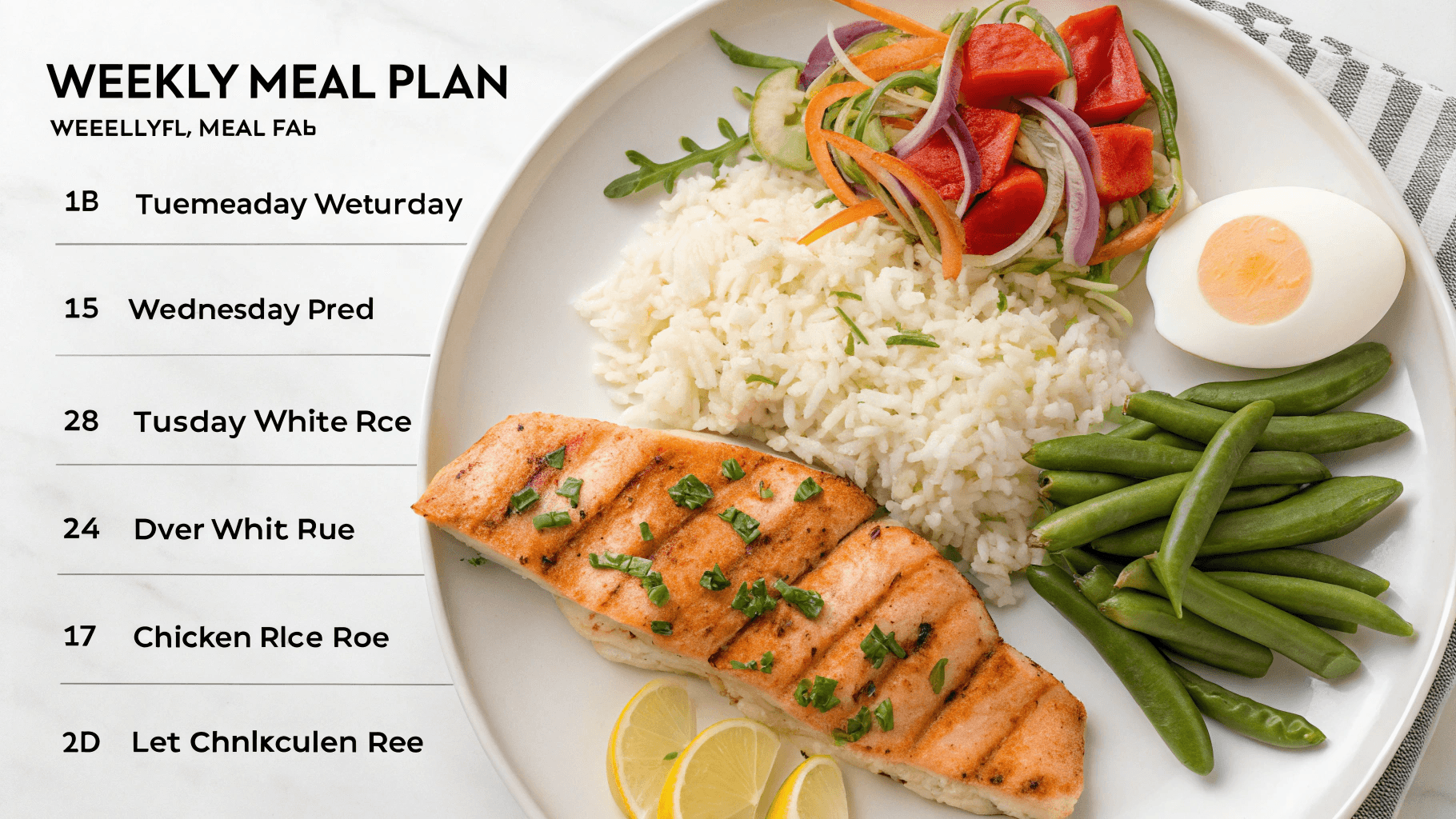
Prep on Sunday: Wash and chop all vegetables. Store in airtight containers for 5-7 days. Cook a batch of white rice. Grill 3-4 chicken breasts. These foods that support kidney health stay fresh when properly stored.
Budget tip: Buy whole chickens and cut them yourself. Freeze portions you won’t use this week. Kidney-friendly foods work on any budget when you plan ahead.
Start Making These Swaps Today
Small changes create big kidney relief. These simple swaps can reduce kidney stress by 40-60%. Your kidneys filter less waste when you choose white rice over brown, fresh chicken over deli meat, and cabbage over spinach. The burden decreases with every smart choice.
Your needs might differ based on your kidney function stage. This guide provides a foundation, but everyone’s situation is unique. Talk to your nephrologist before making major dietary changes. They can adjust these recommendations for your specific lab results.
Start with three swaps this week. Replace your regular bread with low-phosphate alternatives. Swap processed proteins for fresh options. Choose kidney-friendly produce like cauliflower and bell peppers. Track how you feel over 30 days—many people notice increased energy as kidney burden decreases.
Print this guide and keep it in your car. Reference it during every grocery trip until these kidney-friendly foods become automatic. Your kidneys work hard for you every day. Now you know the best foods for kidneys to return the favor.