
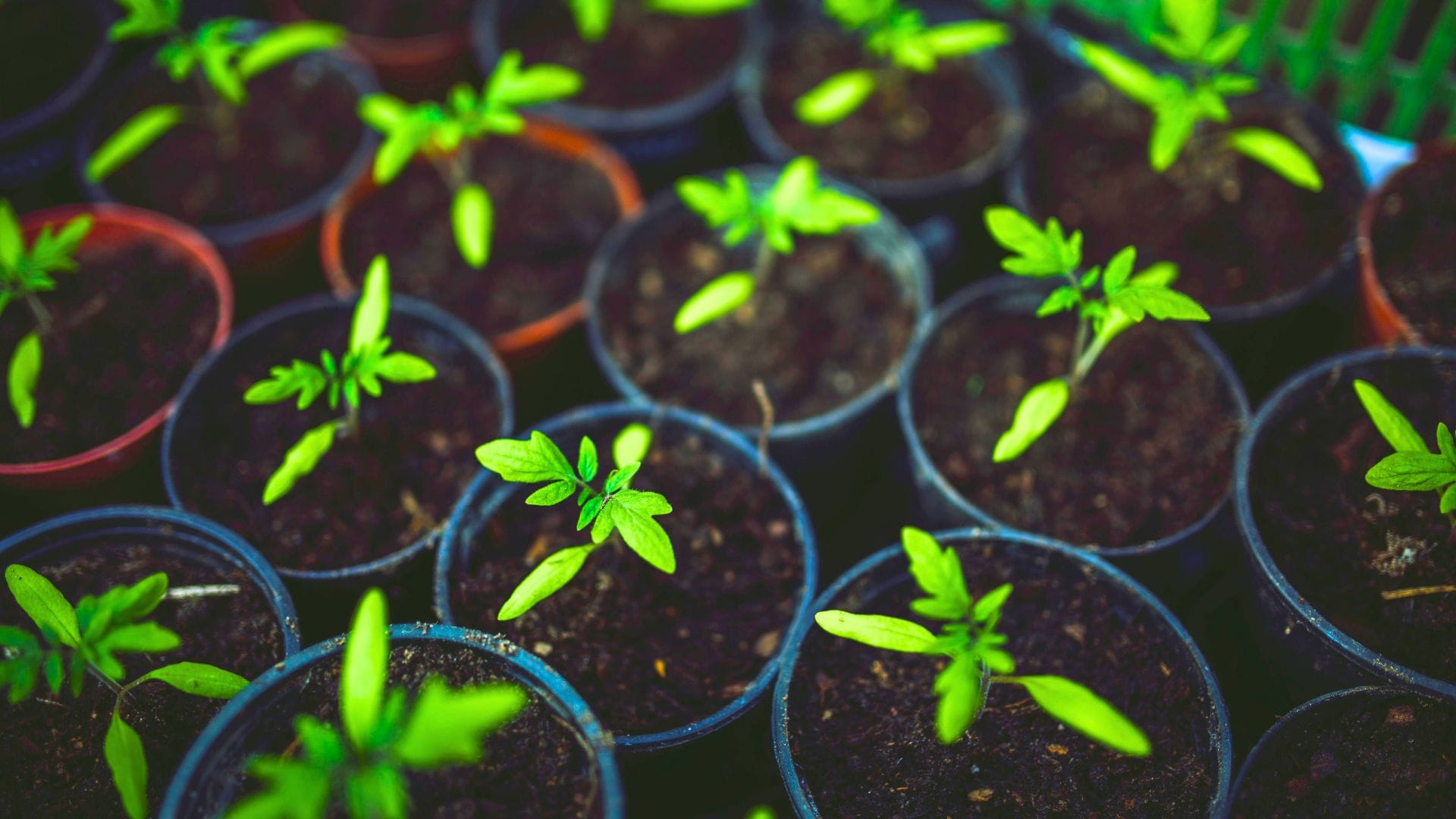
You grabbed a seed packet at the garden center. It looked promising. The packet showed gorgeous blooms or lush vegetables. You planted those tiny seeds with high hopes.
Fast forward three months. Your neighbor bought the same plant as a seedling. Theirs is thriving and producing. Yours? Still struggling to get established. Or worse, it never even sprouted.
Here’s what nobody tells you at the seed rack. Some plants take forever to grow from seed. Others need tricky conditions most of us can’t provide. A few cost more in time and effort than they’re worth. Let’s talk about which plants you should skip at the seed stage and buy as starts instead. Your garden will thank you.
1. Asparagus
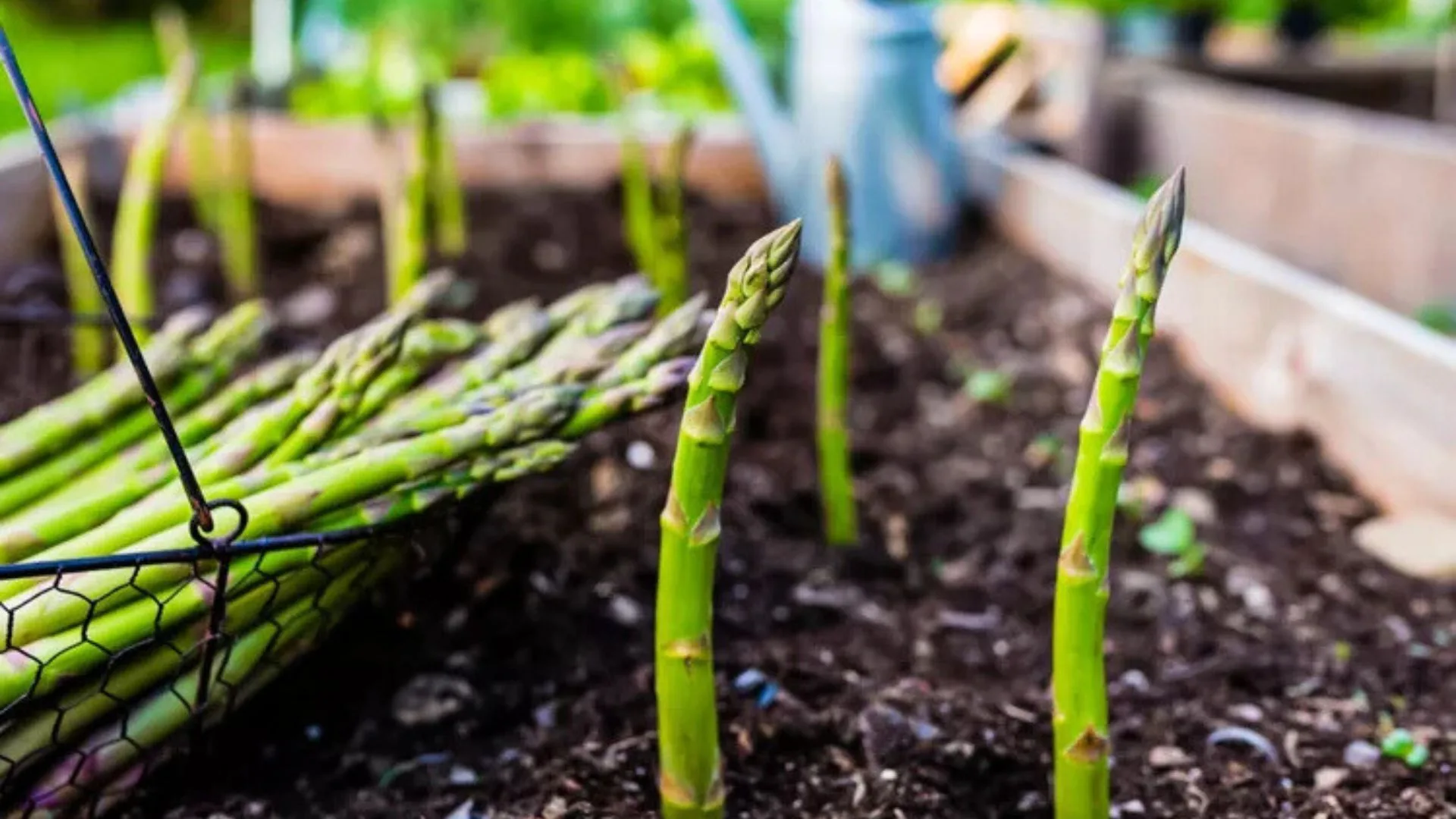
Asparagus from seed takes three years before you can harvest. Three. Years.
You read that right. You plant the seed, wait a full growing season for tiny ferns to appear, then wait two more years before cutting a single spear. And even then, you can only harvest lightly that third year.
Buy one-year-old crowns instead. You’ll harvest in year two. That’s a two-year jump ahead. Asparagus crowns aren’t expensive, and they establish quickly. Plant them once, and you’ll harvest for the next 20 years.
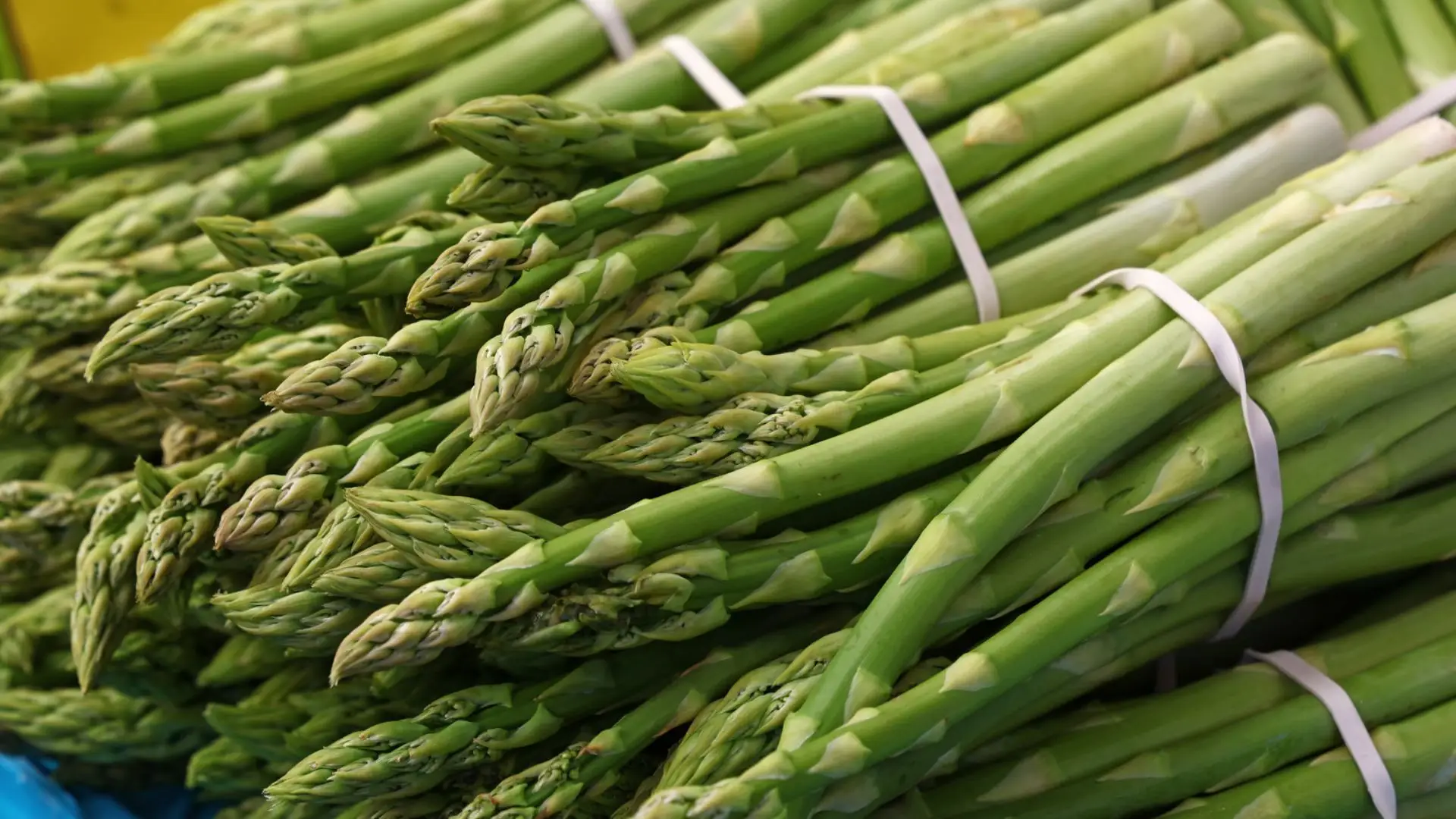
Trust me on this one. Life’s too short to wait three years for asparagus.
2. Artichokes
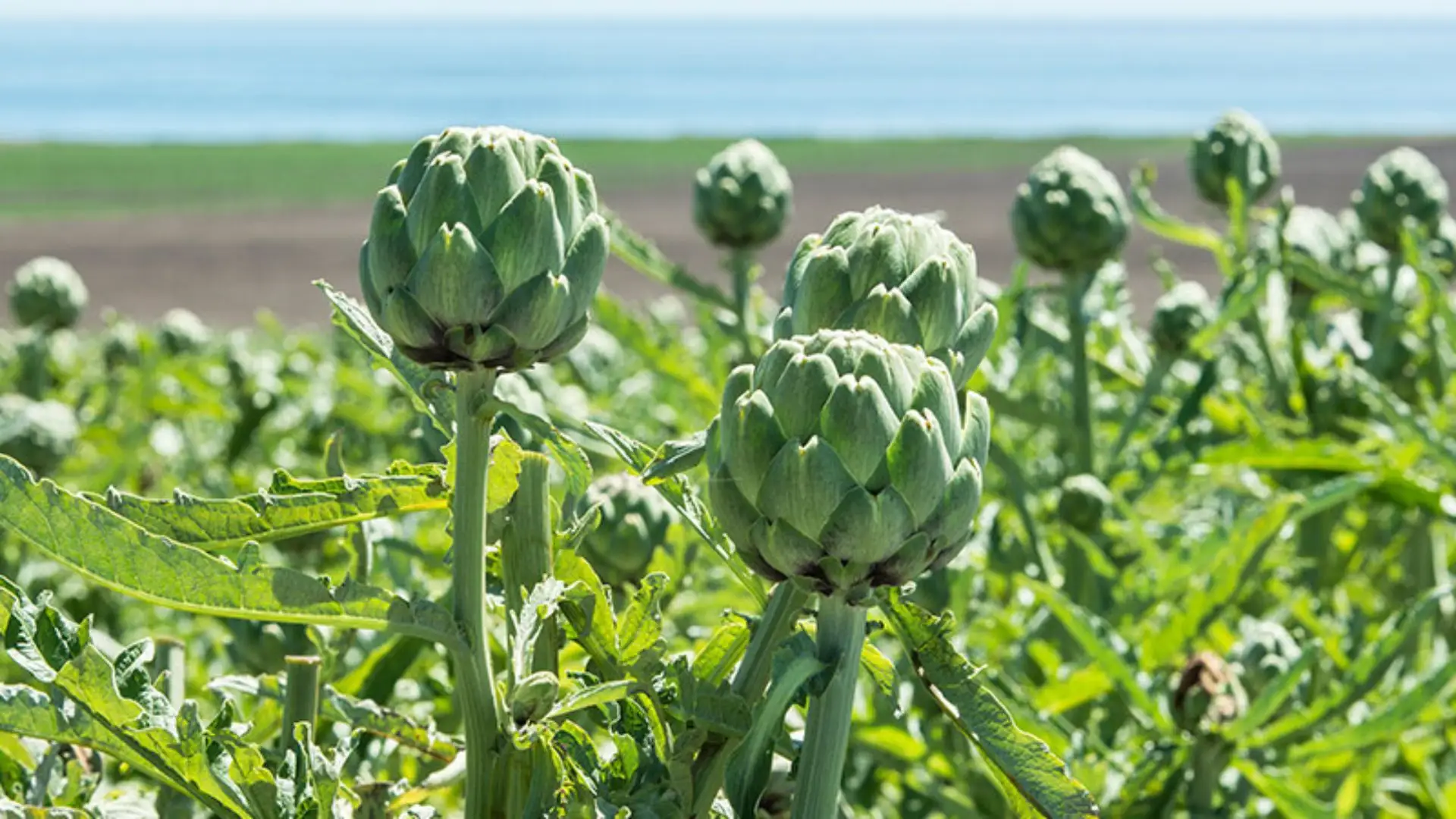
Artichokes from seed are temperamental. They need cold stratification to germinate. That means you refrigerate seeds for weeks before planting. Then they need consistent warmth and moisture.
Get it slightly wrong? Your germination rate plummets. Even when everything goes right, artichokes from seed take 180 days to produce. That’s six months.
Transplants give you artichokes in 90 days. You skip the fussy germination process entirely. In most climates, you need that head start to get any harvest before frost anyway.
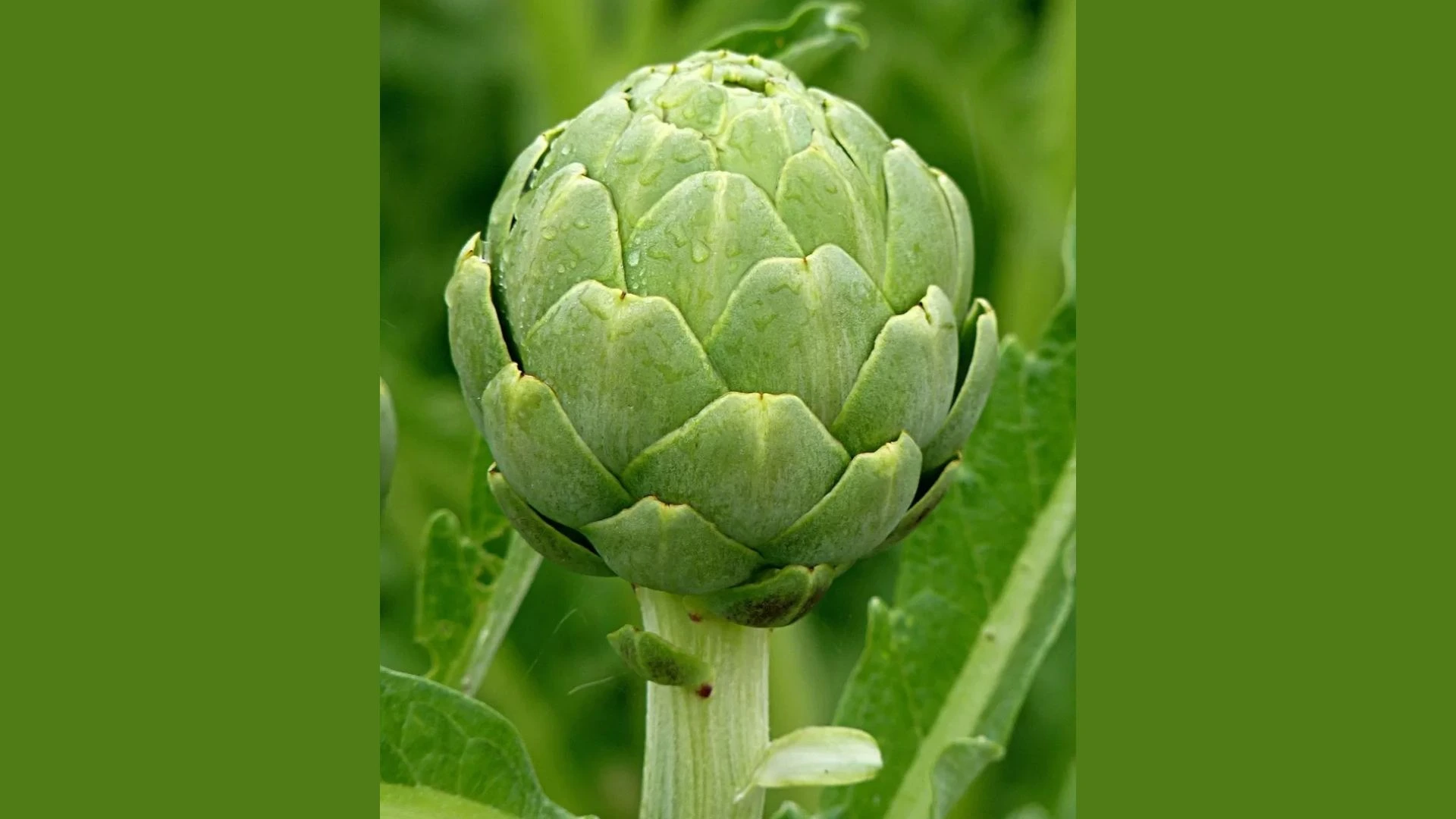
Plus, artichoke transplants are already the right variety for your climate. Seed packets often contain varieties that won’t produce well in your zone.
3. Lavender
Lavender seeds have abysmal germination rates. Expect only 20-30% to sprout, even under perfect conditions. They also need light to germinate, which means surface sowing. That makes them dry out fast.
The seeds that do sprout grow incredibly slowly. You’ll wait a full year for a small plant. Two years for anything resembling the bushy lavender you’re picturing.
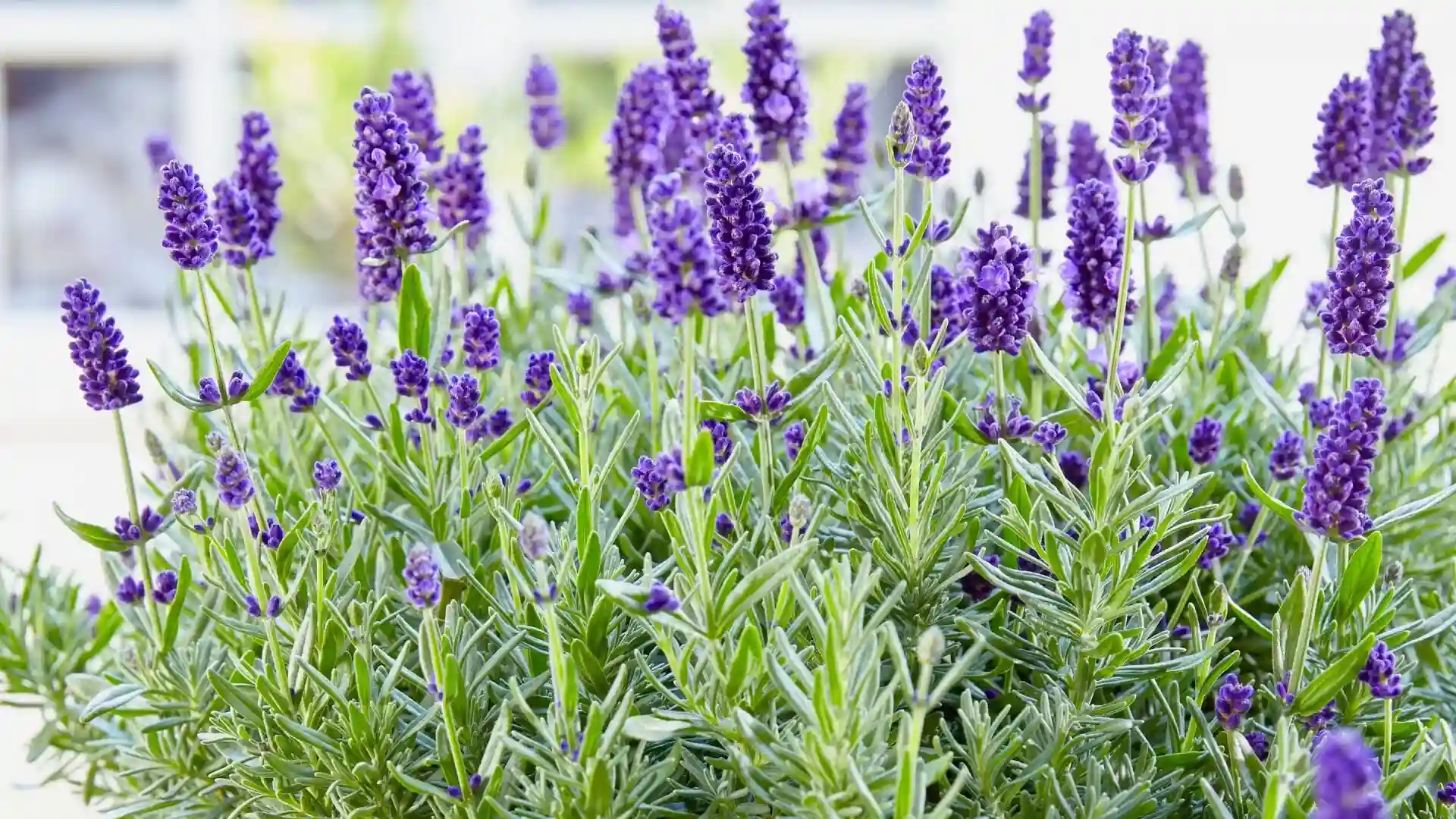
Buy a small lavender plant for five bucks. It’ll be blooming by summer. You can take cuttings from it next year and propagate more for free. That’s the smart way to grow lavender.
4. Rosemary
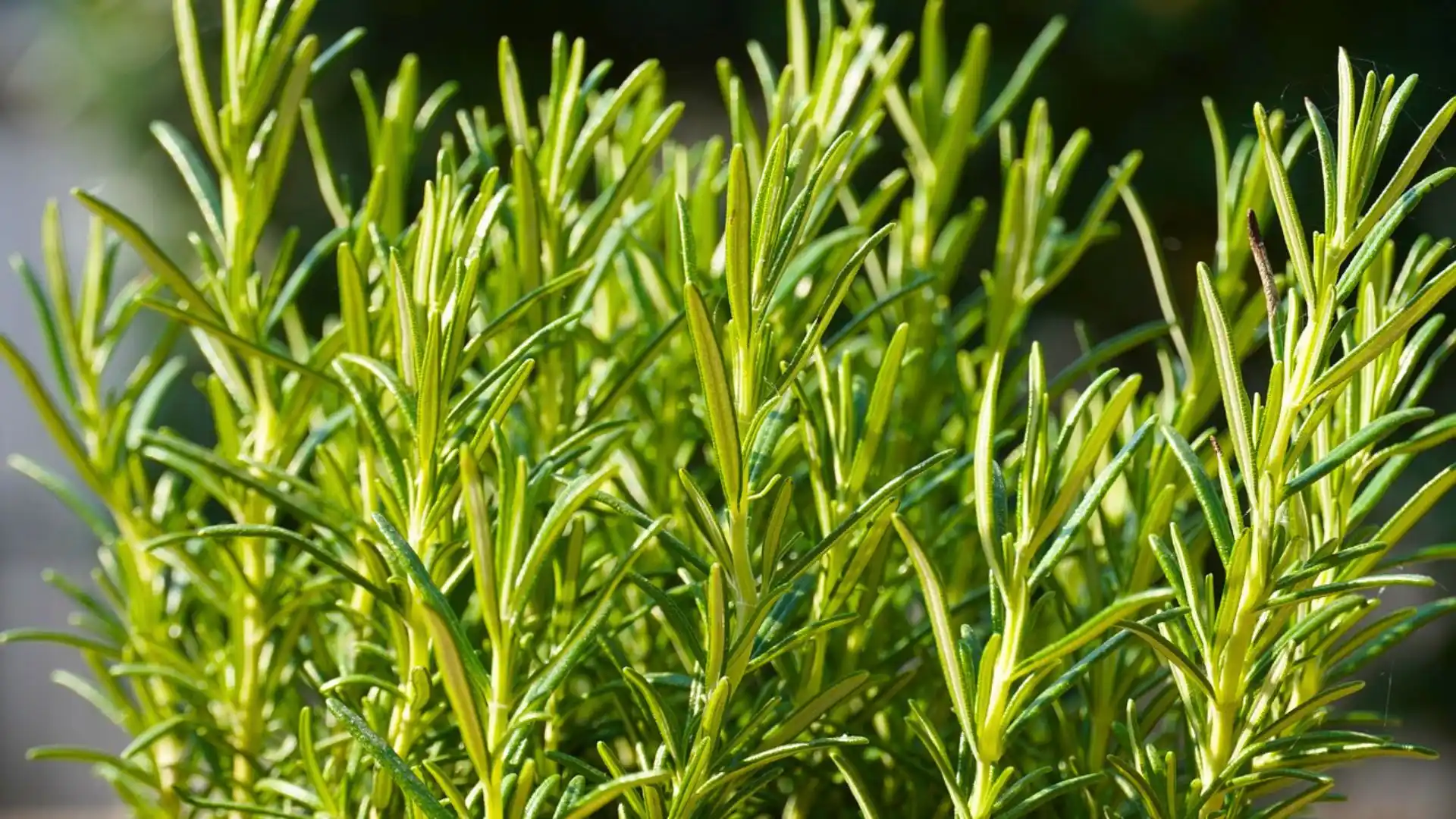
Rosemary germination makes lavender look easy. Seeds take up to three weeks to sprout. They need consistently warm soil and high humidity. Most seeds rot before they germinate.
The ones that do survive grow painfully slowly. You’ll have a tiny, fragile seedling that takes eight months to reach usable size. It’s frustrating to watch.
A rosemary start costs about the same as a seed packet. You get an established plant ready to harvest immediately. Rosemary also propagates easily from cuttings. Buy one plant, take cuttings, and you’ll never need to buy rosemary again.
5. Fruit Trees (All Varieties)
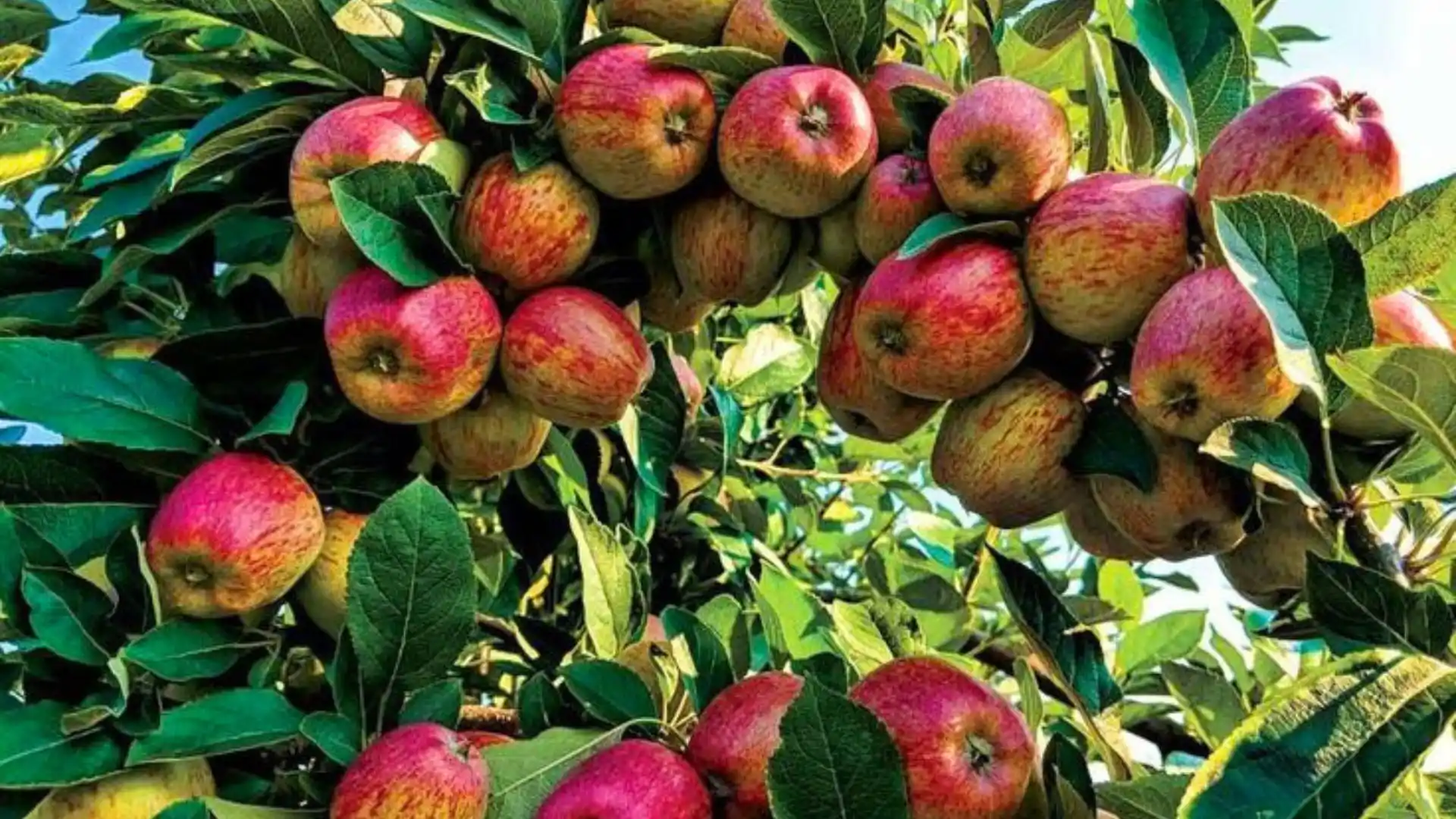
Here’s the thing about fruit tree seeds. They don’t grow true to type. That apple seed won’t grow the same apple you ate. You might get something decent. You’ll probably get something barely edible.
Fruit trees from seed also take years to produce. Apples take 6-10 years. Peaches take 3-4 years. That’s assuming they survive at all.
Grafted fruit trees produce in 2-3 years. They’re guaranteed to give you the exact fruit variety you want. The grafting also creates stronger, more disease-resistant trees. You pay more upfront, but you actually get fruit within your lifetime.
6. Eggplant
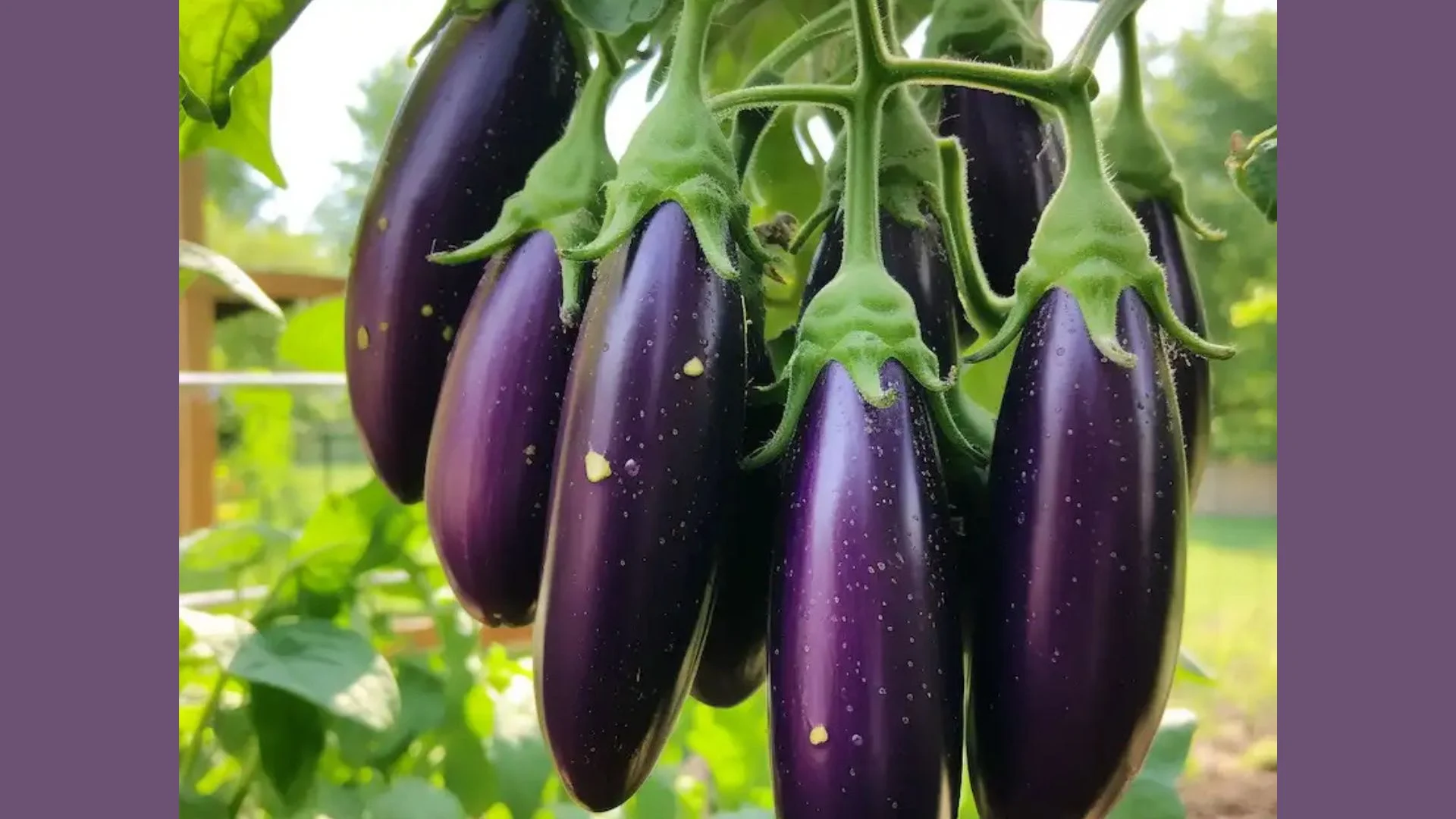
Eggplant seeds are viable. They’ll grow. But they need a long, hot growing season to produce. We’re talking 100-150 days from seed to harvest.
Most climates don’t give you that much warm weather. Start eggplant from seed indoors, and you’re looking at 8-10 weeks before transplant. Then another 70-90 days before harvest. Time it wrong by a week, and frost kills your plants before you get fruit.
Eggplant transplants put you 8-10 weeks ahead. In short-season climates, that’s the difference between harvesting and getting nothing. Even in warm climates, why wait when you don’t have to?
7. Eucalyptus
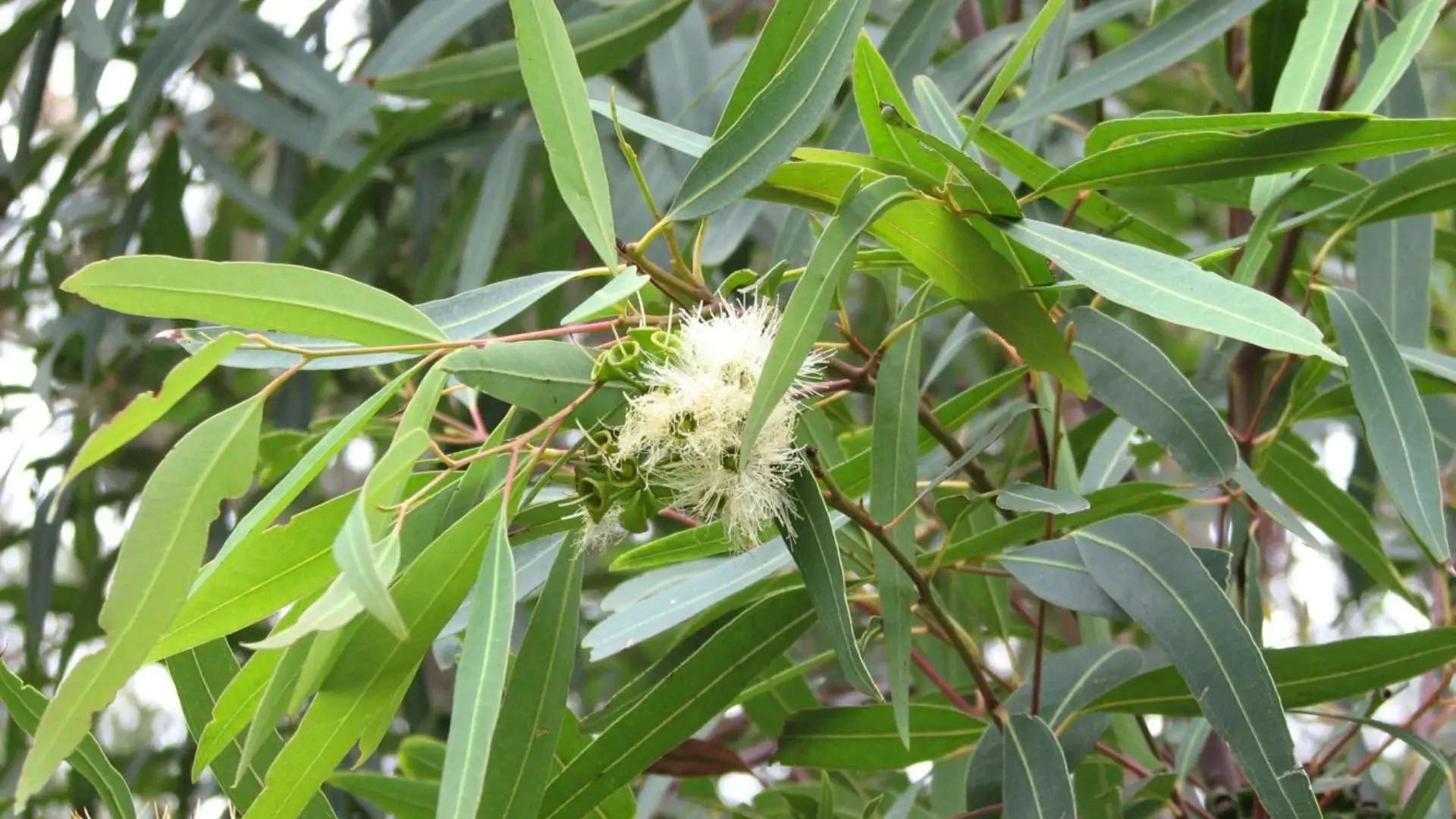
Eucalyptus seeds are dust-sized. Seriously, they’re tiny. They need light to germinate, so you sprinkle them on soil surface. The slightest breeze or heavy watering washes them away.
Germination is spotty even when you manage to keep the seeds in place. The seedlings are delicate and prone to damping off. They grow slowly for the first few months.
Eucalyptus transplants are readily available and inexpensive. You get an established plant that grows quickly once in the ground. Skip the frustration of tiny seeds and fragile seedlings.
8. Lemongrass
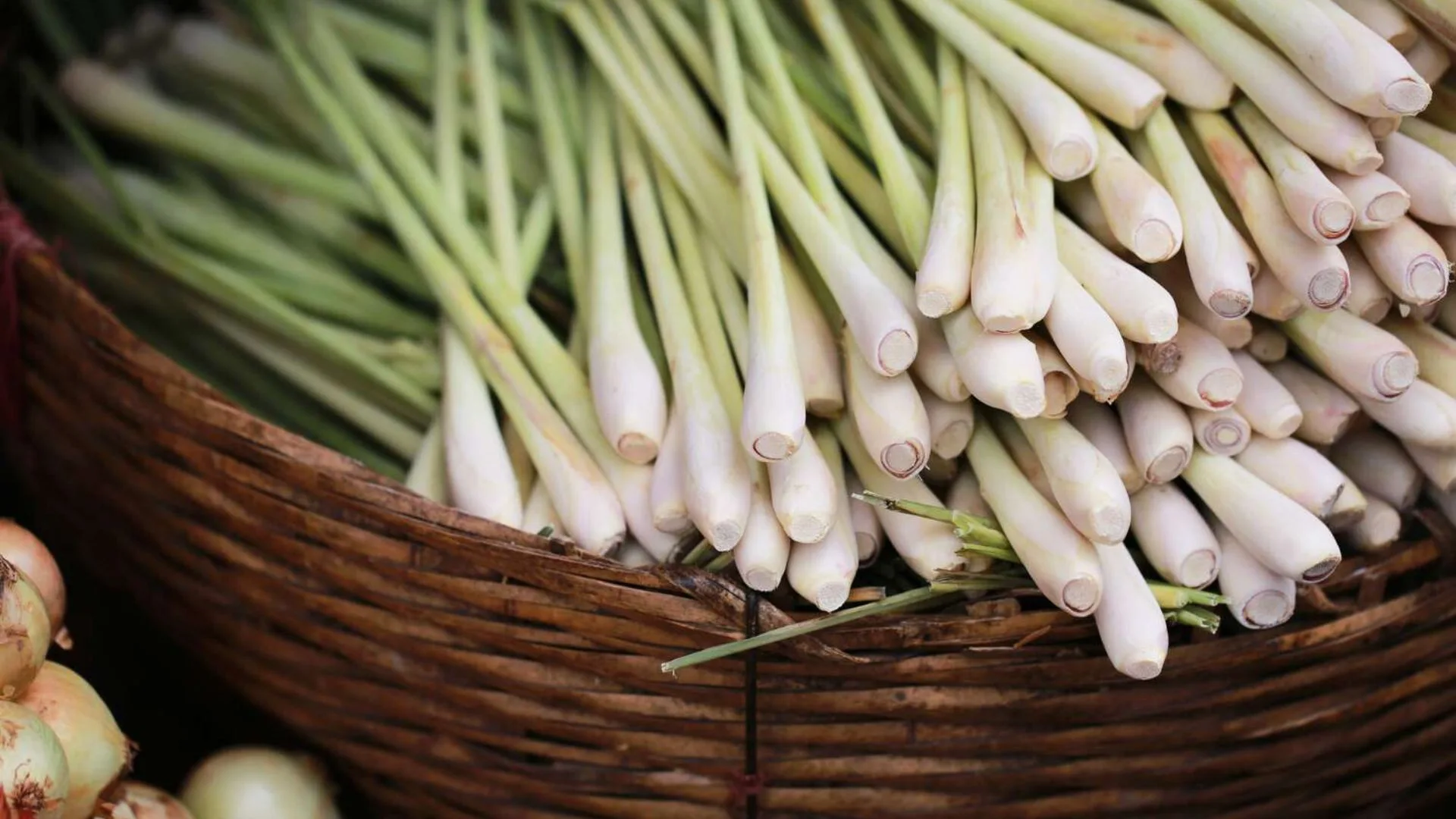
Lemongrass seeds have terrible germination. Even fresh seeds only hit 50% success rates. Older seeds? Forget it. The seeds need precise temperature and humidity that’s hard to replicate at home.
Here’s what’s wild. Lemongrass stalks from the grocery store root in a glass of water. Put them on your windowsill. Change the water every few days. You’ll have roots in two weeks.
Plant those rooted stalks, and you’ve got free lemongrass. No seeds needed. You can also buy a small lemongrass plant and divide it. Each clump separates into multiple plants. That’s the genius move.
9. Rhubarb
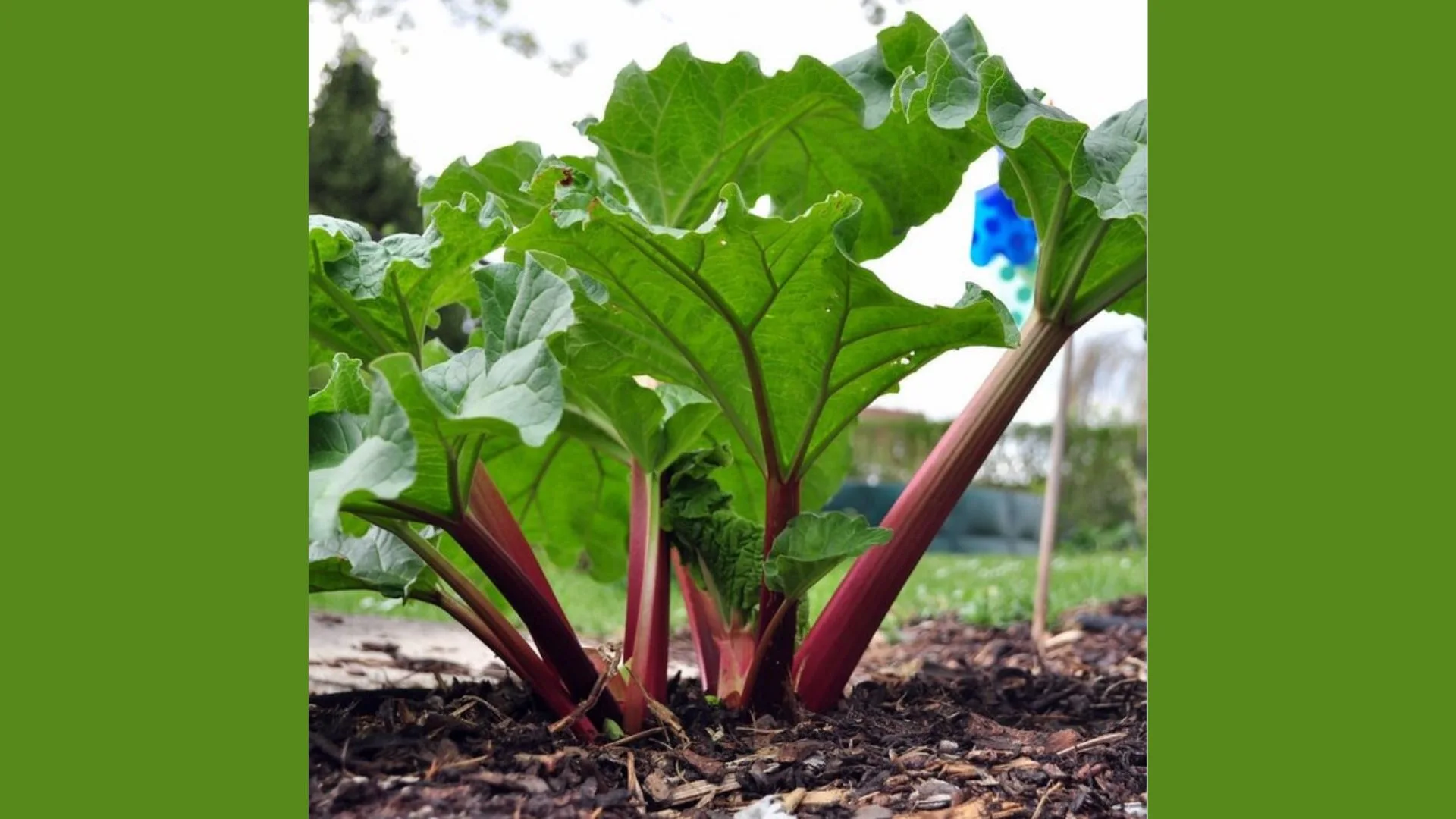
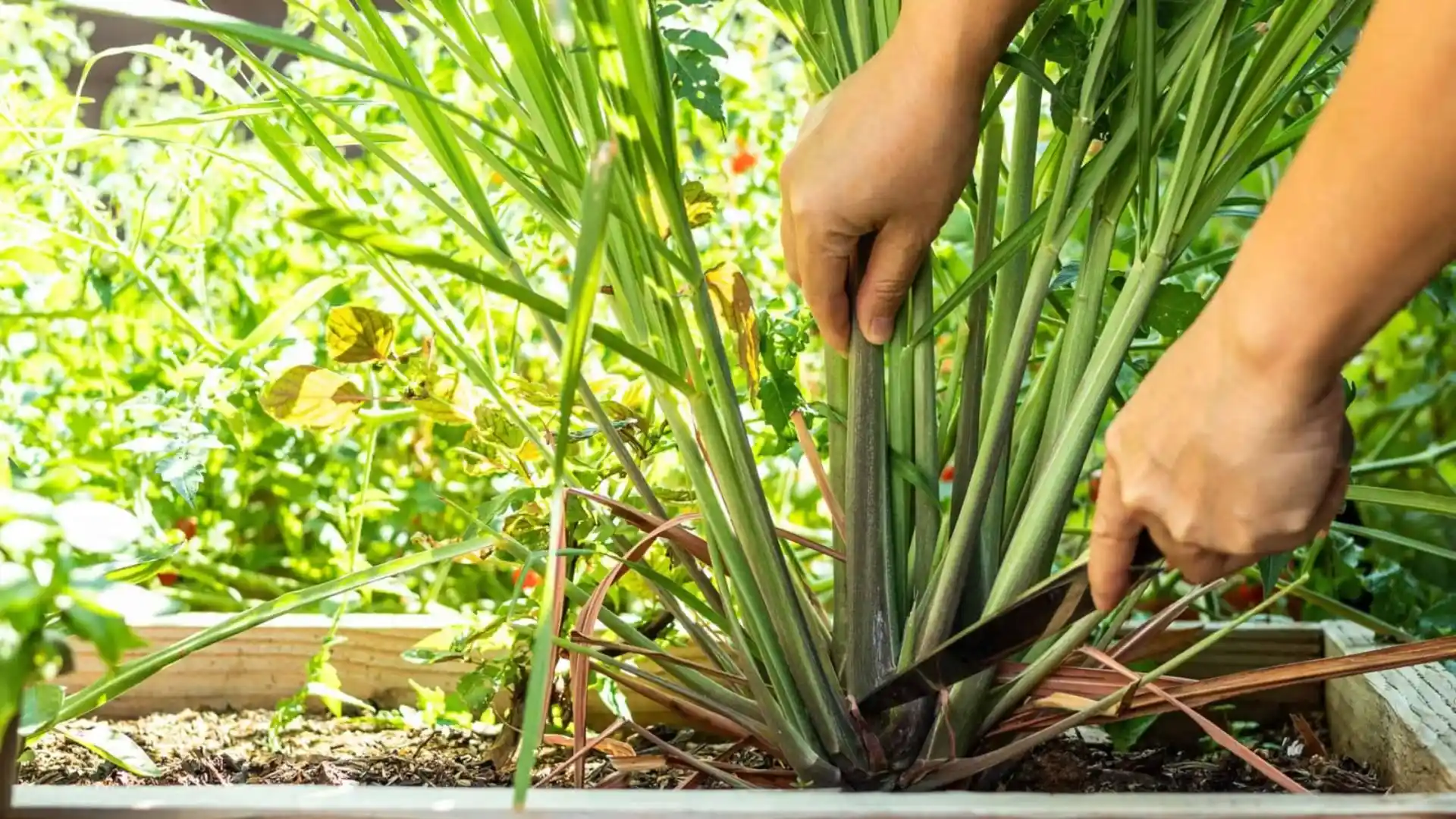
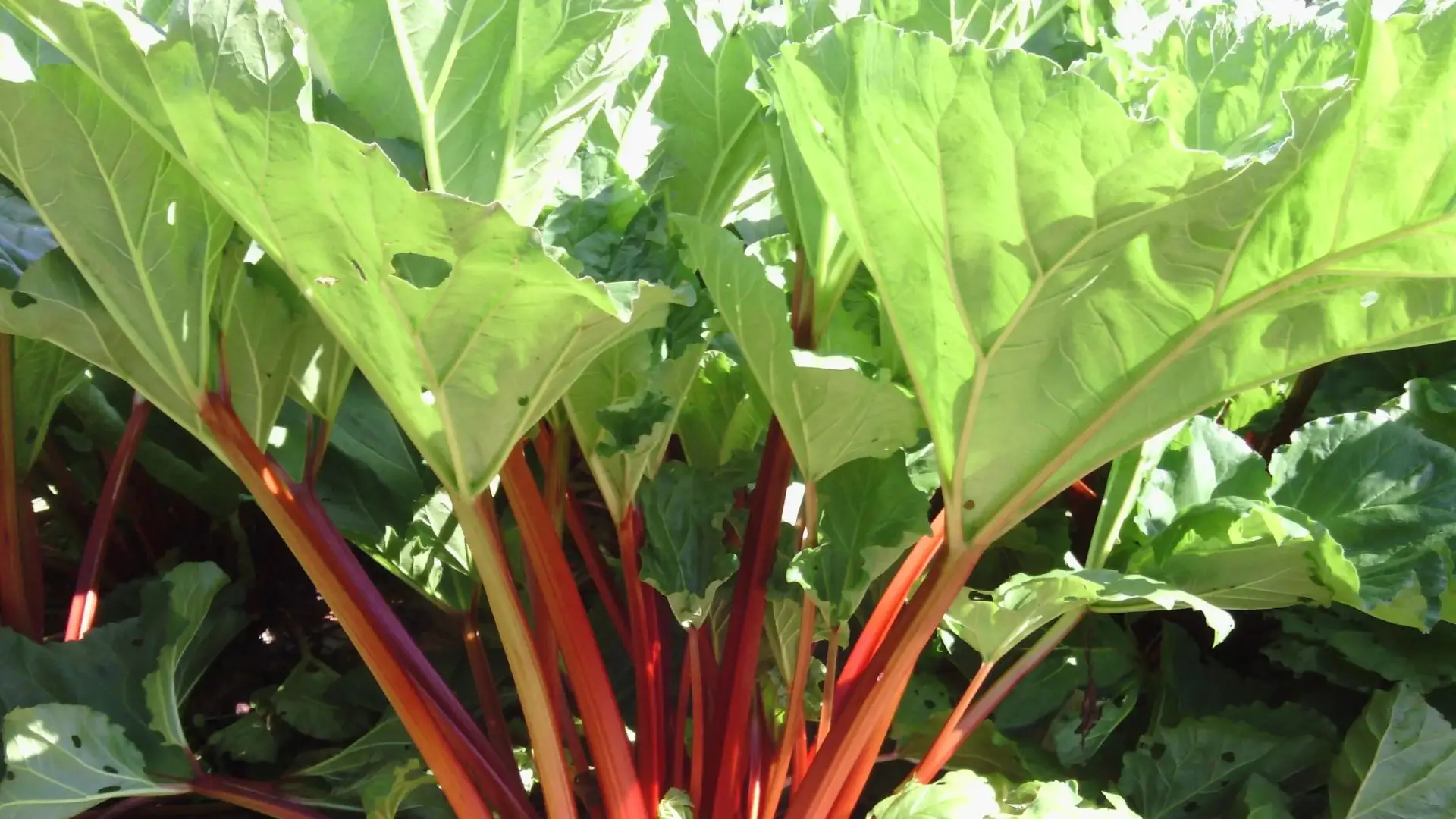
Rhubarb from seed takes three years before harvest. Sound familiar? Same deal as asparagus. You plant, wait a year, watch it grow the second year, and finally harvest lightly in year three.
Rhubarb crowns cost around ten dollars. They cut your waiting time to one year. You plant crowns in spring or fall. They establish roots. Next year, you harvest.
Bonus: Rhubarb from crowns gives you known varieties. Seeds give you a genetic lottery. You might get thick, tender stalks. You might get thin, tough ones. Crowns guarantee what you’re getting.
10. Blueberries
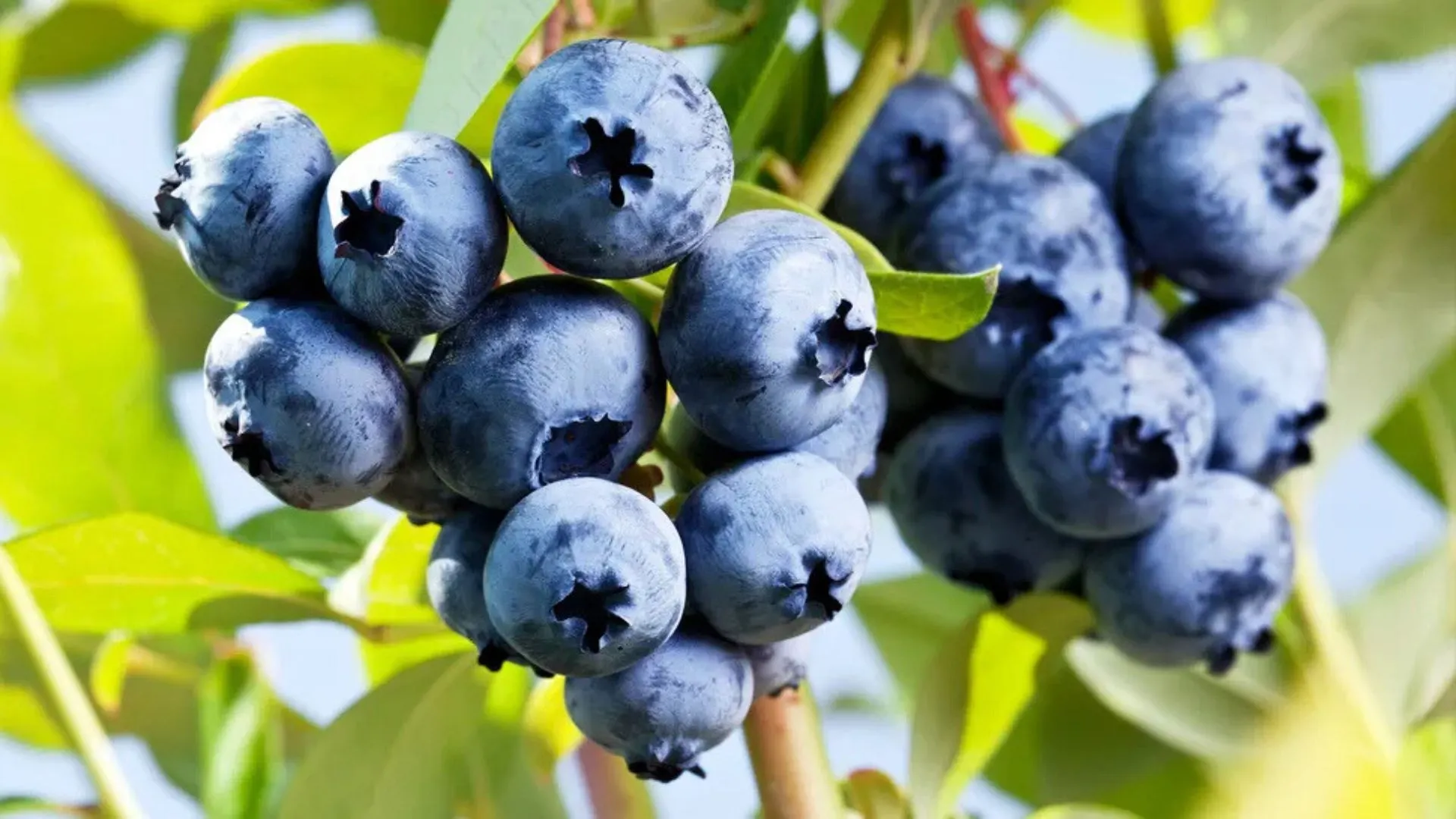
Blueberry seeds need cold stratification for 90 days. Then they germinate slowly and sporadically. The seedlings grow at a snail’s pace. You’re looking at 3-4 years before any fruit.
Even then, blueberries from seed don’t produce true to type. You won’t get the same berry you started with. The plant might not even suit your soil pH or climate zone.
Blueberry bushes are affordable and start producing in their second year. They’re already the right variety for your region. They’ve been selected for disease resistance and berry quality. Buy the bush. Skip the seed drama.
11. Peppers (Especially Specialty Varieties)
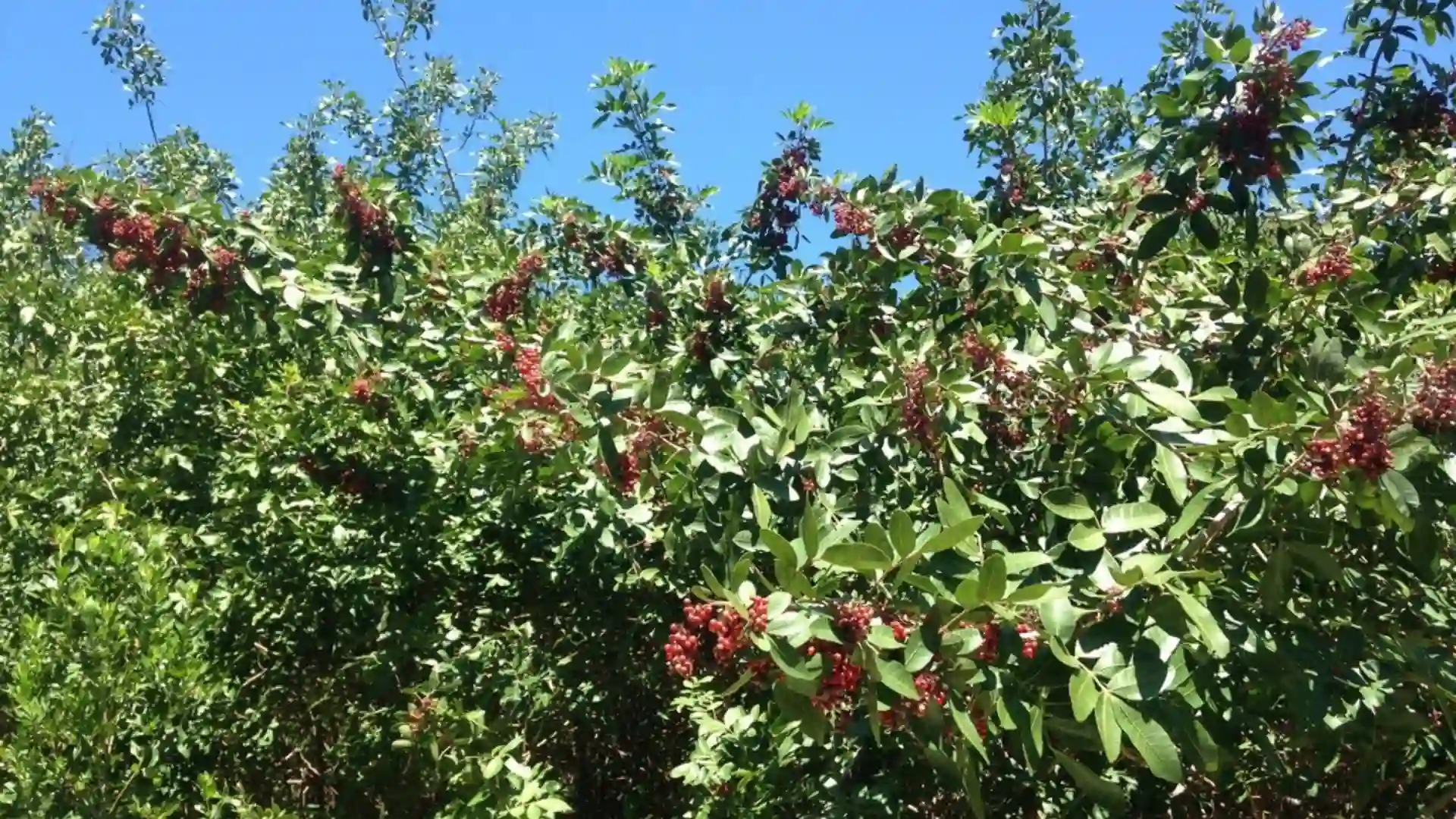
Standard pepper seeds are fine. But specialty varieties? Hot peppers, sweet peppers, exotic types? They’re a gamble. Germination can be hit or miss. They need 80-100 days from seed to harvest.
In most climates, you must start peppers indoors 8-10 weeks before last frost. That’s extra work, grow lights, and space. Time it wrong, and your season’s too short for production.
Pepper transplants are everywhere in spring. They’re inexpensive. You get healthy plants ready to put in the ground at the perfect time. They’ll produce weeks before seed-started peppers catch up.
For specialty peppers that are hard to find as transplants? Sure, grow from seed. But for common varieties, save yourself the hassle.
When Seeds Actually Make Sense
Look, I’m not anti-seed. Some plants grow beautifully from seed. Tomatoes, lettuce, beans, peas, squash, cucumbers, zucchini, radishes, carrots, and most annual flowers are perfect seed candidates.
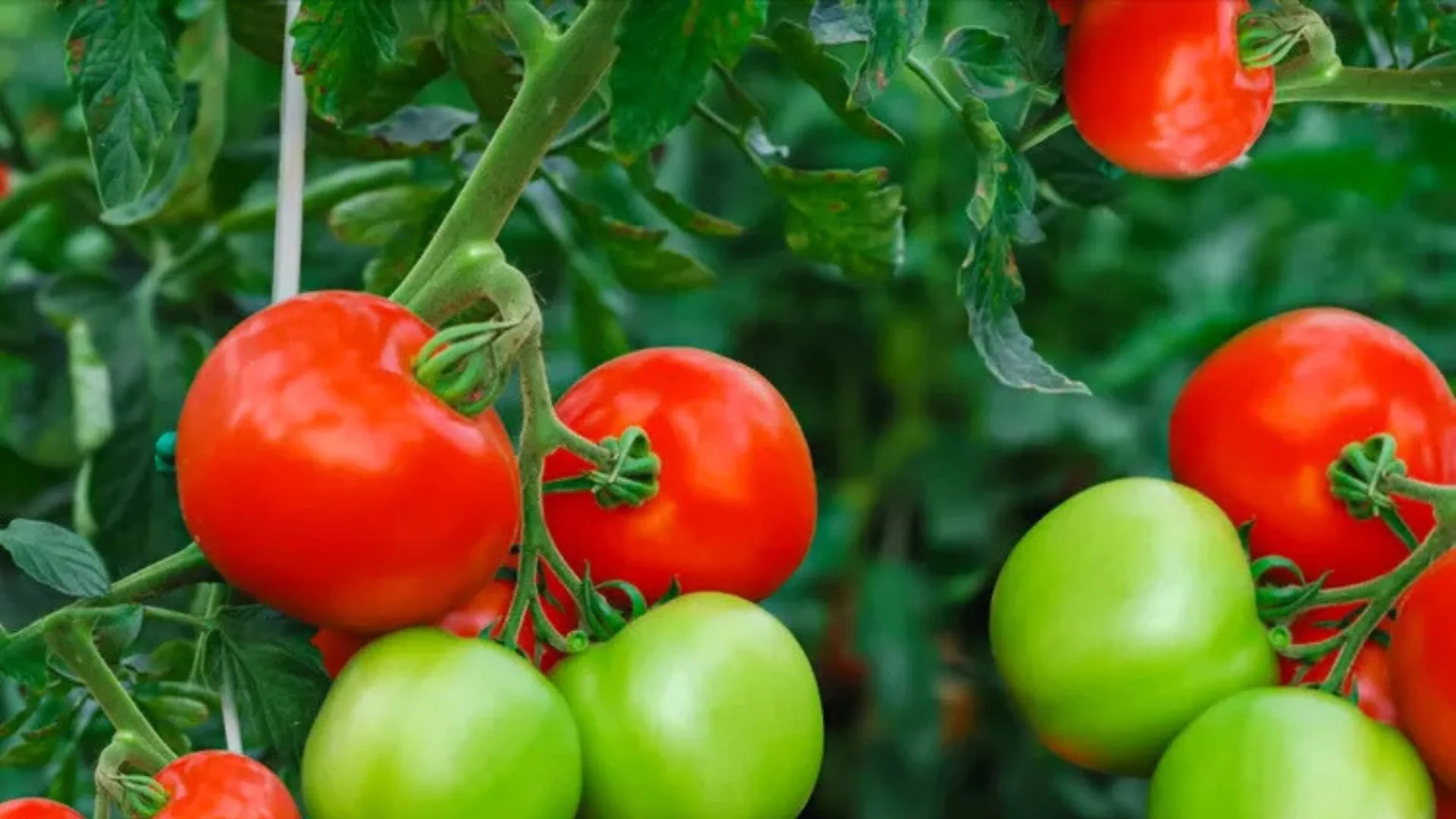
These plants germinate easily. They grow quickly. They mature fast enough to fit any growing season. Plus, starting them from seed is genuinely cheaper. A pack of bean seeds gives you dozens of plants for a few bucks.
But the eleven plants on this list? They fight you every step. They need perfect conditions. They take forever to reach harvest. The time and frustration cost more than buying established plants.
Making Smart Gardening Choices
Gardening should be fun. Yes, there’s work involved. But you shouldn’t be nursing temperamental seeds for months while your growing season ticks away.
Buy these eleven plants as starts, crowns, or transplants. Use your time and energy on plants that grow easily from seed. You’ll harvest more, stress less, and actually enjoy the process.
Your garden doesn’t care whether you started from seed or transplant. It just wants healthy plants that produce. Give yourself that advantage. You’ve earned it.