

You’ve tried melatonin supplements, blackout curtains, and keeping your bedroom at 68 degrees. So why are you still exhausted every morning? The answer might be sitting on your dinner plate.
Most people blame stress or screen time for poor sleep. They buy new pillows and download meditation apps. But they never look at what they’re eating.
Here’s the truth: certain foods spike your stress hormones, crash your blood sugar at 3 AM, and block the chemicals your brain needs to sleep. Your “healthy” lunch might be why you can’t fall asleep 12 hours later.
This article shows you exactly which foods for better sleep actually work—and when to eat them. You’ll learn which 15 foods help you fall asleep faster and stay asleep longer.
You’ll see which “healthy” foods secretly ruin your rest. And you’ll get a simple eating pattern that works with your body’s natural sleep cycle, not against it.
Your diet affects sleep quality more than you think. Let’s fix it.
How Your Diet Affects Sleep Quality (More Than You Think)
Most people think sleep problems start at bedtime. They focus on what to eat before bed and miss the real issue. Your lunch choices trigger stress hormones in the afternoon that are still messing with your sleep 12 hours later.
Here’s what’s happening in your body. Your brain needs three things to make melatonin (your sleep hormone): tryptophan, magnesium, and B vitamins.
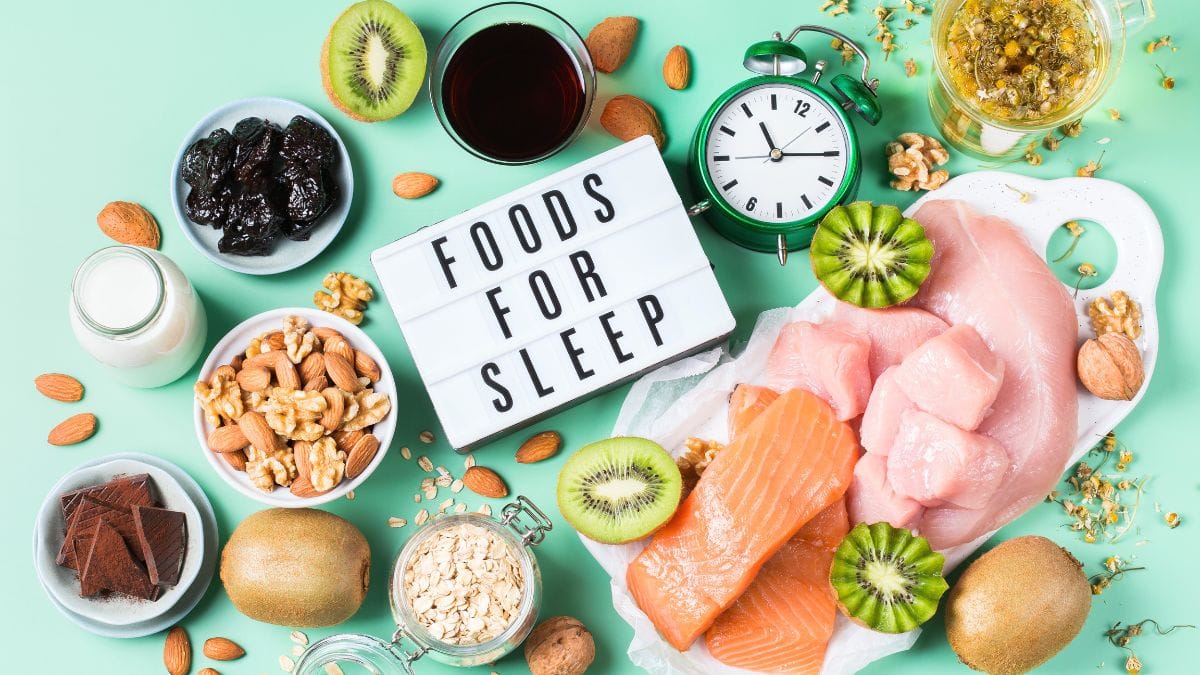
When you eat foods without these nutrients, your body can’t produce enough melatonin. You lie awake even though you’re tired.
Blood sugar matters too. About 30% of people with sleep issues have blood sugar problems.
When your blood sugar crashes at 3 AM, your body releases cortisol (stress hormone) to wake you up. This is why you jolt awake in the middle of the night.
Studies show that magnesium deficiency causes insomnia, and tryptophan-rich foods can boost your REM sleep by 20%. But timing is everything. Eating the right foods at the wrong time won’t help your sleep quality.
Your gut also talks to your brain through hormones. An inflamed gut from lunch sends stress signals that block melatonin production at night. This is the connection most people miss.
Foods That Help You Sleep (Backed by Science)
These foods for better sleep aren’t magic pills. But they give your body the exact nutrients it needs to produce sleep hormones naturally. Here’s what actually works.
1. Tart Cherry Juice

Sleep compound: Natural melatonin
Tart cherry juice contains actual melatonin, not just the building blocks. Studies show drinking 8 ounces twice daily increases sleep time by 84 minutes. Your body absorbs this melatonin quickly, which tells your brain it’s time to wind down.
When to drink it: One glass in the morning, one glass 1-2 hours before bed.
Quick tip: Buy 100% tart cherry juice with no added sugar. Mix with sparkling water if the taste is too strong.
2. Fatty Fish (Salmon, Mackerel)
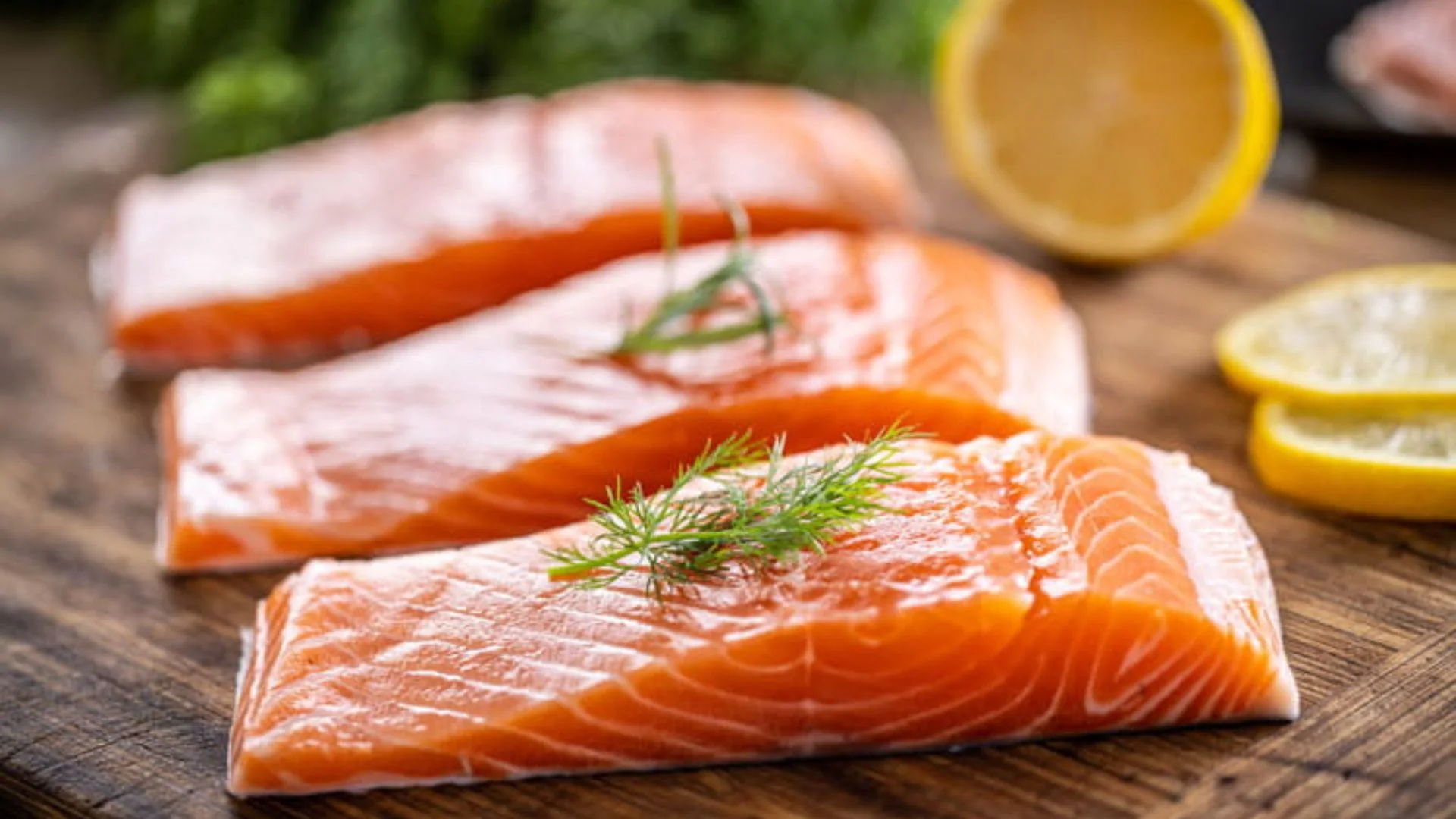
Sleep compound: Vitamin D and omega-3 fatty acids
Your brain uses vitamin D and omega-3s to make serotonin, which turns into melatonin at night. People who eat fatty fish 3 times per week fall asleep 10 minutes faster. The combination of these two nutrients works better than either one alone.
When to eat it: Include in dinner, but finish eating 3 hours before bed.
Quick tip: Bake salmon with lemon for 15 minutes at 400°F. Keep frozen fillets on hand for busy nights.
3. Kiwi
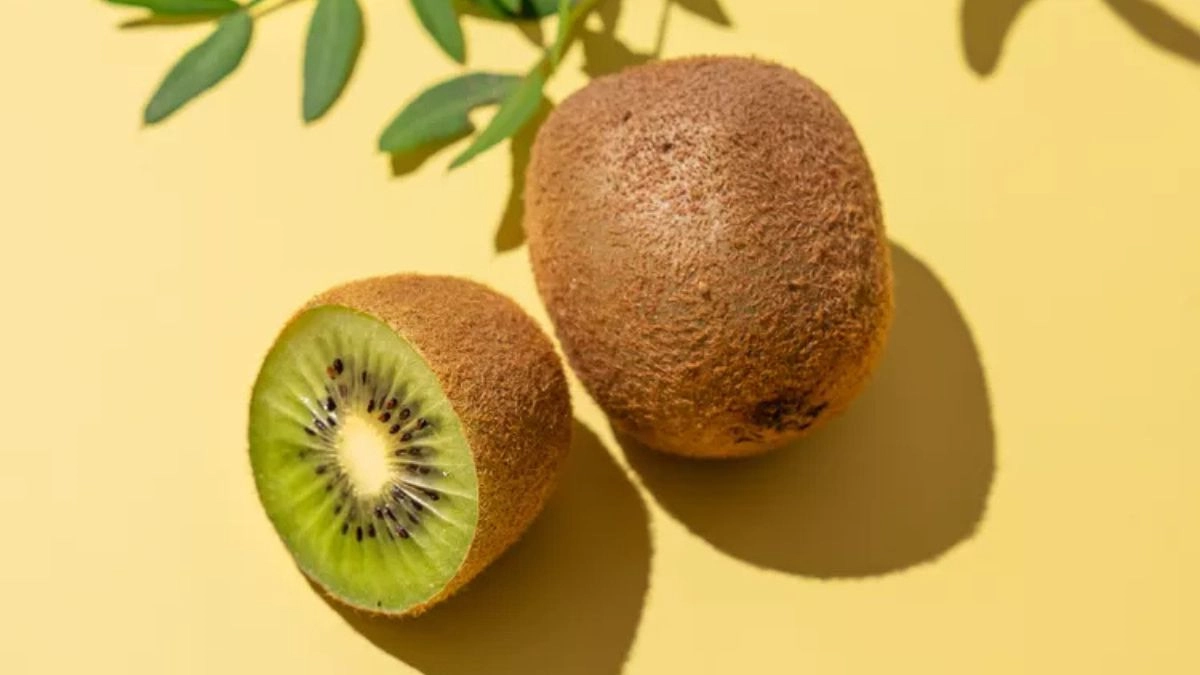
Sleep compound: Serotonin and antioxidants
Kiwis boost your serotonin levels naturally. Research shows eating 2 kiwis one hour before bed helps you fall asleep 42% faster. The antioxidants also reduce inflammation that can disrupt sleep.
When to eat them: 1 hour before bed as your evening snack.
Quick tip: Cut in half and scoop with a spoon. No peeling needed.
4. Almonds
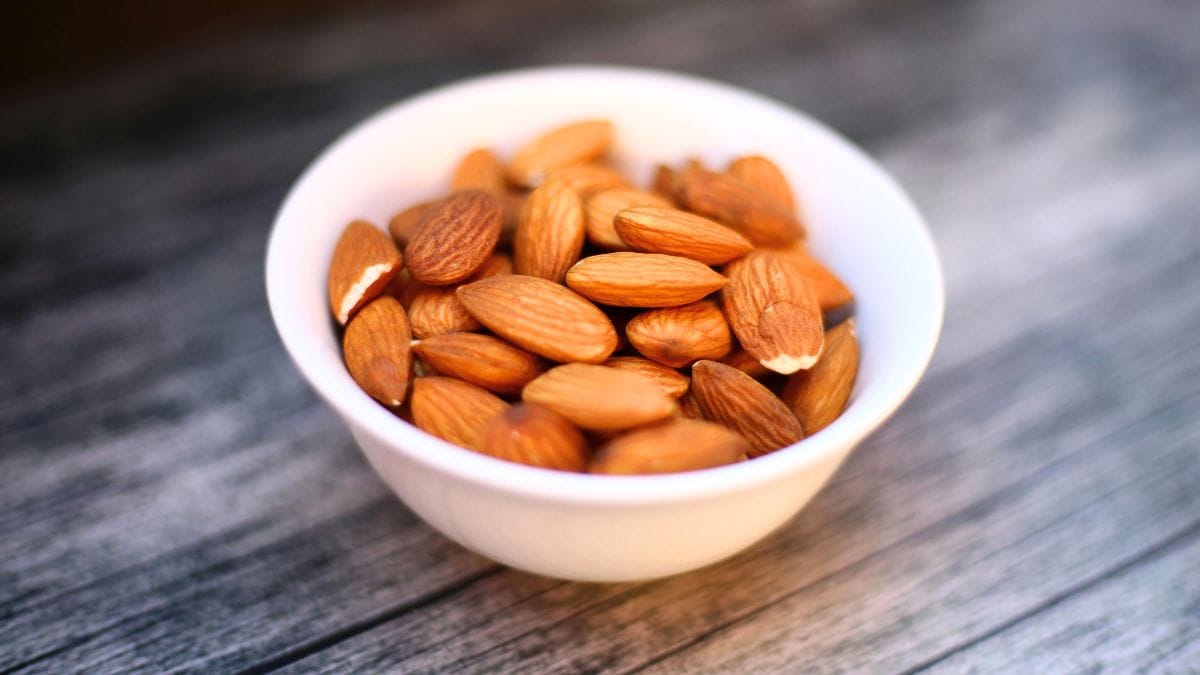
Sleep compound: Magnesium and melatonin
One ounce of almonds gives you 19% of your daily magnesium needs. Magnesium relaxes your muscles and calms your nervous system, making it easier to fall asleep. Almonds also contain small amounts of melatonin.
When to eat them: As an evening snack, 1-2 hours before bed.
Quick tip: Pair with a banana for a powerful sleep combo. Stick to 1 ounce (about 23 almonds).
5. Chamomile Tea

Sleep compound: Apigenin (an antioxidant)
Apigenin binds to receptors in your brain that make you feel calm and sleepy. Studies show chamomile tea reduces the time it takes to fall asleep by 15 minutes. It’s one of the safest natural sleep aids with no morning grogginess.
When to drink it: 30-45 minutes before bed.
Quick tip: Steep for 5 minutes, add a teaspoon of honey. Drink it warm, not hot.
6. Passionflower Tea

Sleep compound: GABA-boosting compounds
This tea increases GABA in your brain—a chemical that reduces anxiety and promotes sleep. Research shows it improves sleep quality by 5% after just one week. It works especially well if racing thoughts keep you awake.
When to drink it: 1 hour before bed.
Quick tip: Combine with chamomile for a stronger effect. Steep both tea bags together for 7-10 minutes.
7. Turkey

Sleep compound: Tryptophan
Yes, the Thanksgiving sleepiness is real. Turkey contains 350mg of tryptophan per 4-ounce serving—enough to boost melatonin production significantly. But you need carbs with it for tryptophan to reach your brain.
When to eat it: At dinner, paired with rice or sweet potato.
Quick tip: Make turkey meatballs with ground turkey. They’re cheaper than whole breasts and easier to prep.
8. White Rice
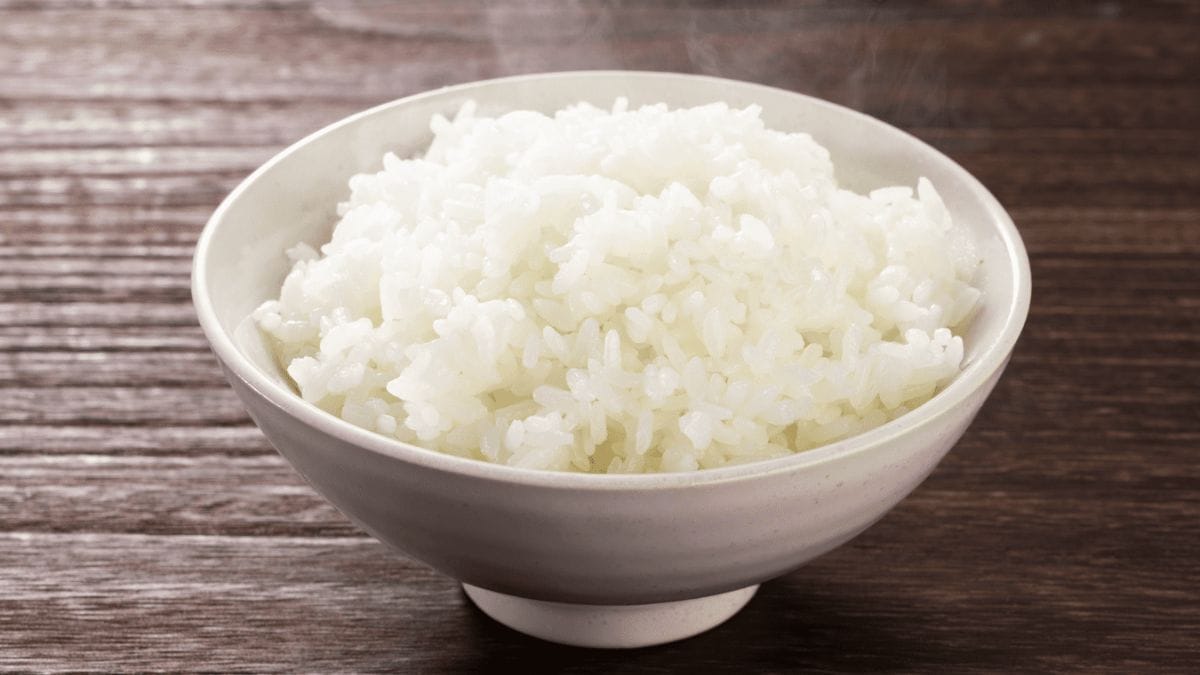
Sleep compound: High glycemic index carbohydrates
This might surprise you. White rice eaten 4 hours before bed cuts the time it takes to fall asleep by 30%. The quick insulin spike helps tryptophan cross into your brain faster. Brown rice doesn’t have the same effect.
When to eat it: With dinner, 3-4 hours before bed.
Quick tip: Cook a big batch on Sunday. Reheat throughout the week with your protein.
9. Bananas
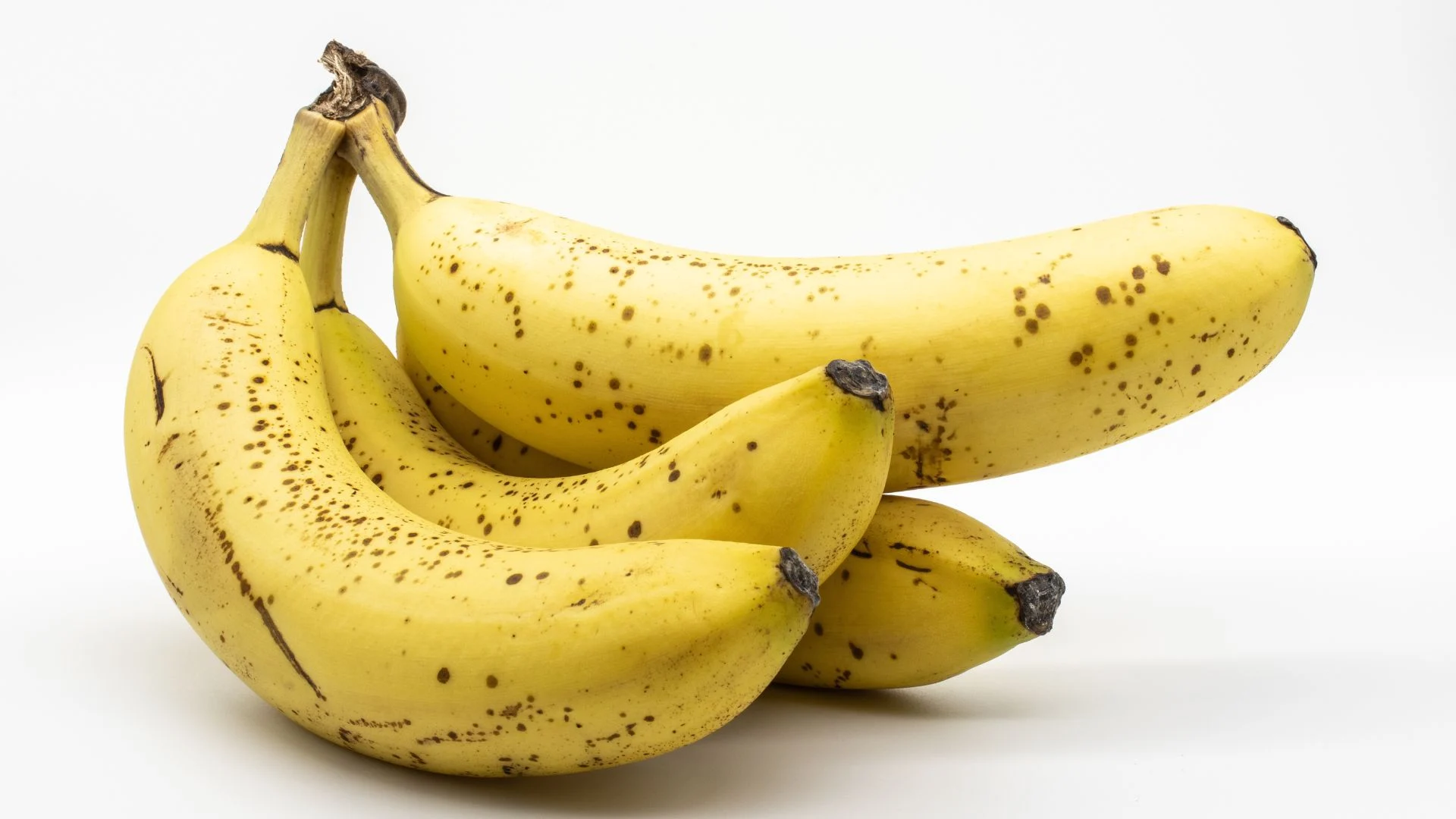
Sleep compound: Magnesium, potassium, and vitamin B6
Bananas are triple threats for sleep. The magnesium relaxes muscles, potassium prevents nighttime leg cramps, and B6 helps convert tryptophan to serotonin. One medium banana has all three.
When to eat them: 1 hour before bed, or blend into a smoothie at dinner.
Quick tip: Slice over oatmeal or spread with almond butter for a complete bedtime snack.
10. Oatmeal
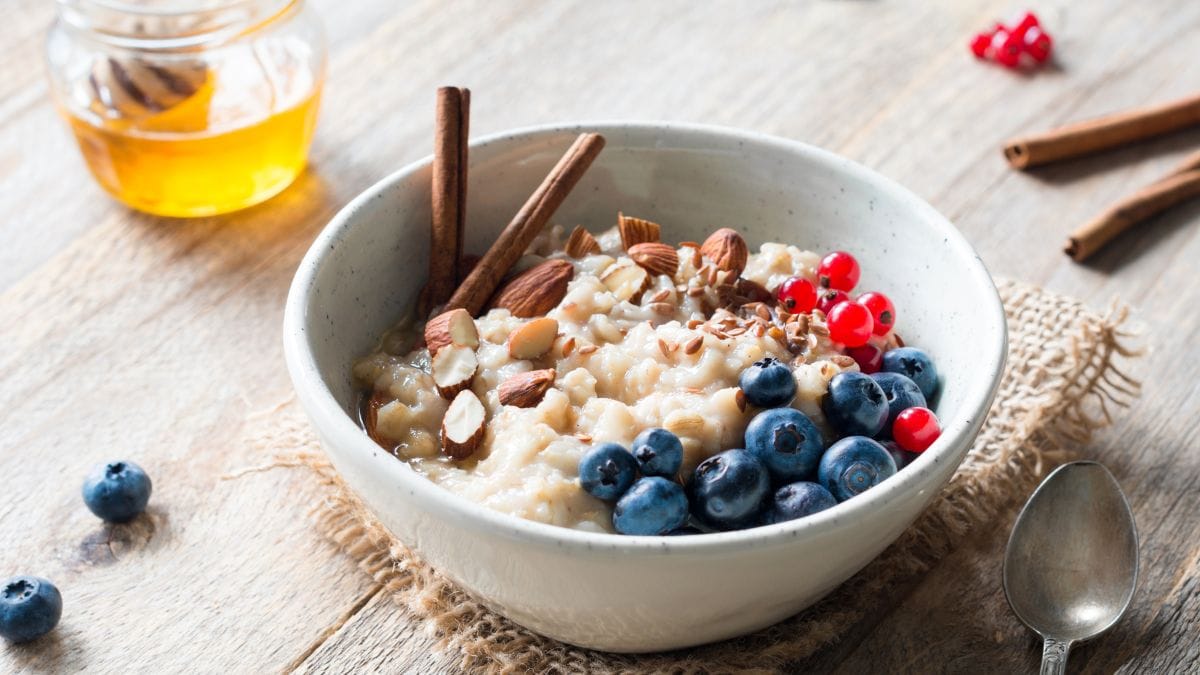
Sleep compound: Complex carbs and natural melatonin
Oats contain melatonin and complex carbs that trigger insulin release (which helps tryptophan). A bowl of oatmeal raises melatonin levels without spiking blood sugar. It keeps you full so hunger doesn’t wake you up.
When to eat it: As a light dinner or evening snack, 2-3 hours before bed.
Quick tip: Make overnight oats with tart cherry juice instead of milk. Add walnuts and honey before bed.
11. Walnuts
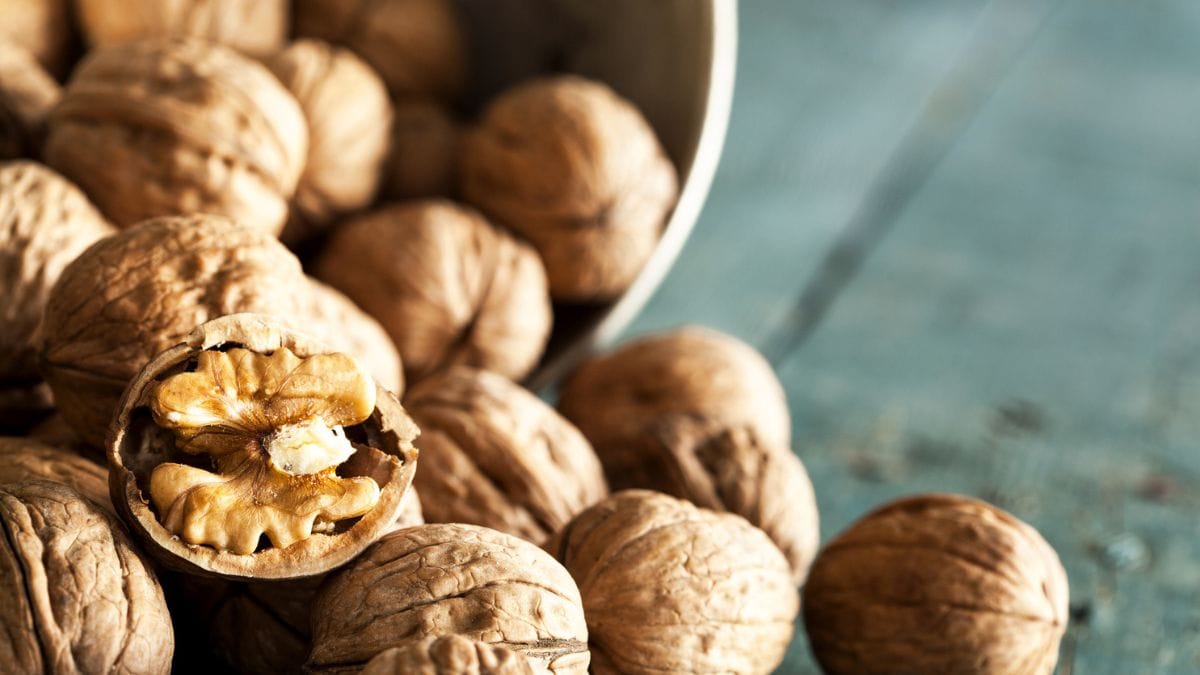
Sleep compound: Melatonin and omega-3s
Walnuts are one of the best plant sources of melatonin. Studies show they triple your blood melatonin levels. The healthy fats also help you absorb fat-soluble vitamins that support sleep.
When to eat them: Evening snack, 1-2 hours before bed.
Quick tip: Keep a small container of walnuts by your bed. Eat 7-10 halves if you get hungry at night.
12. Cottage Cheese
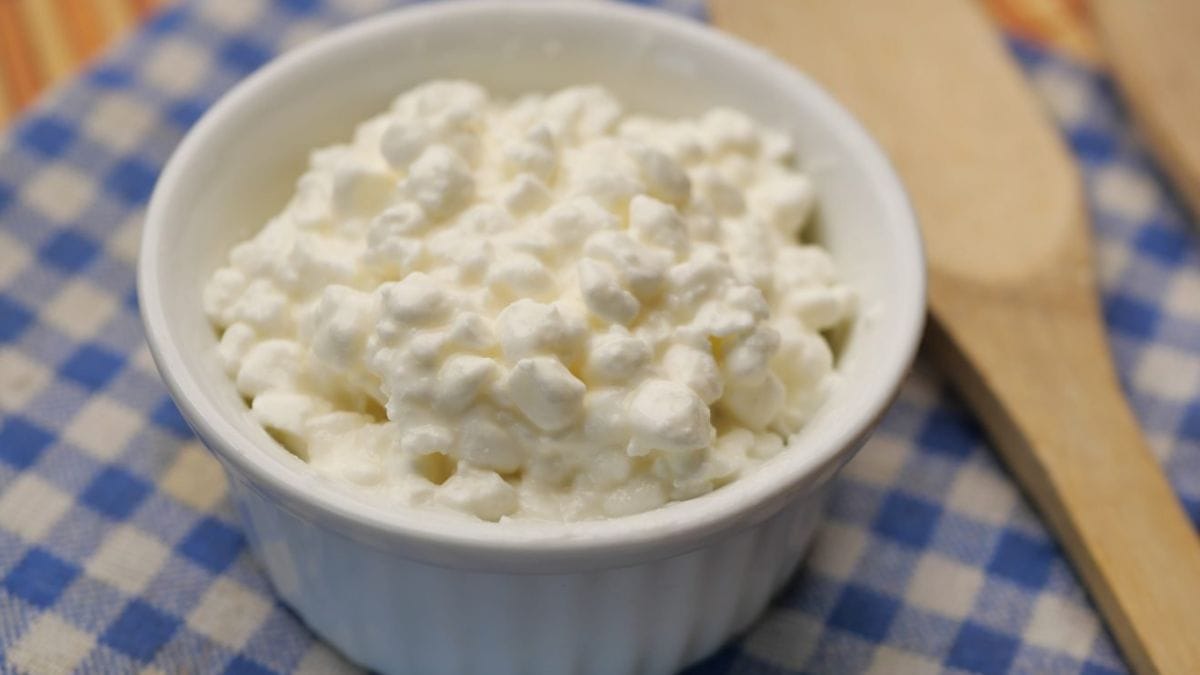
Sleep compound: Casein protein
Casein digests slowly, releasing amino acids all night long. This prevents the blood sugar crashes that wake you at 3 AM. Cottage cheese also contains tryptophan for melatonin production.
When to eat it: 1 hour before bed as your last snack.
Quick tip: Mix with honey and cinnamon. The combination tastes like dessert and promotes sleep.
13. Sweet Potato
Sleep compound: Potassium and complex carbohydrates
Sweet potatoes have more potassium than bananas—which relaxes your muscles and prevents cramps. The complex carbs also help tryptophan reach your brain without causing blood sugar spikes. They’re filling enough to prevent midnight hunger.
When to eat them: At dinner, 3-4 hours before bed.
Quick tip: Microwave for 7 minutes, split open, add a pat of butter. Easiest side dish ever.
14. Dark Chocolate (85%+)
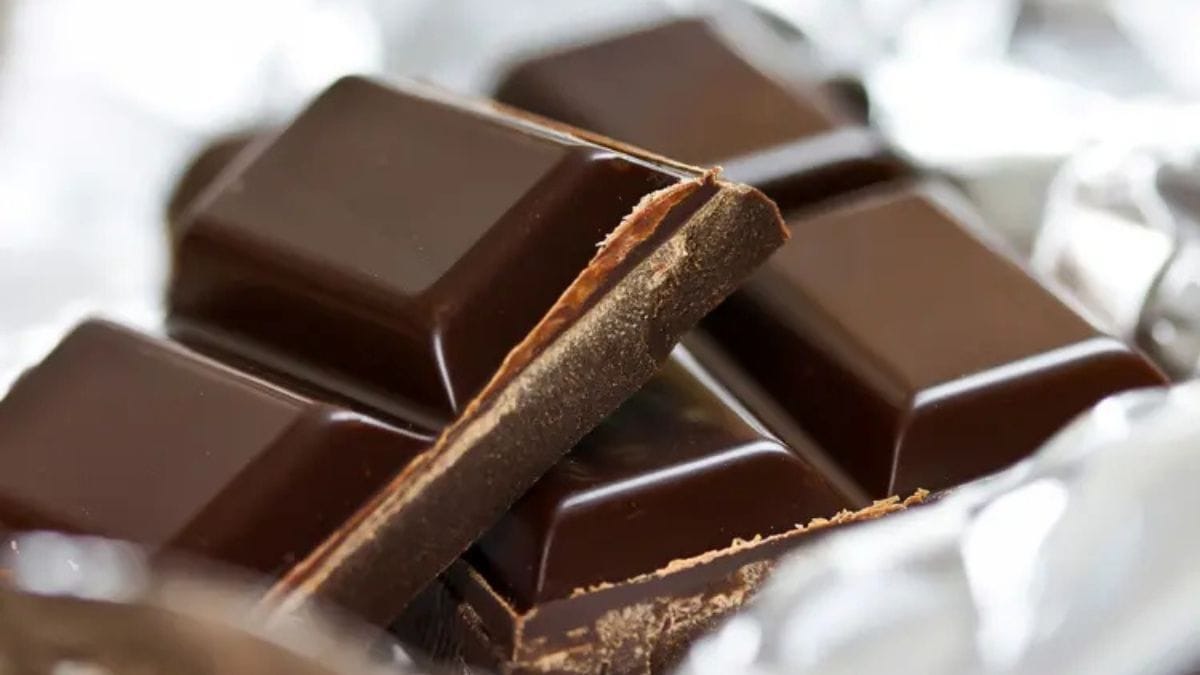
Sleep compound: Magnesium and serotonin
Dark chocolate with 85% cacao contains magnesium that calms your nervous system. Studies show 1 ounce improves sleep quality without disrupting it (unlike milk chocolate).
The small amount of caffeine (about 20mg) won’t affect most people if eaten early enough.
When to eat it: After dinner, at least 4 hours before bed.
Quick tip: Break off 2-3 squares only. More than that can interfere with sleep despite the benefits.
15. Honey
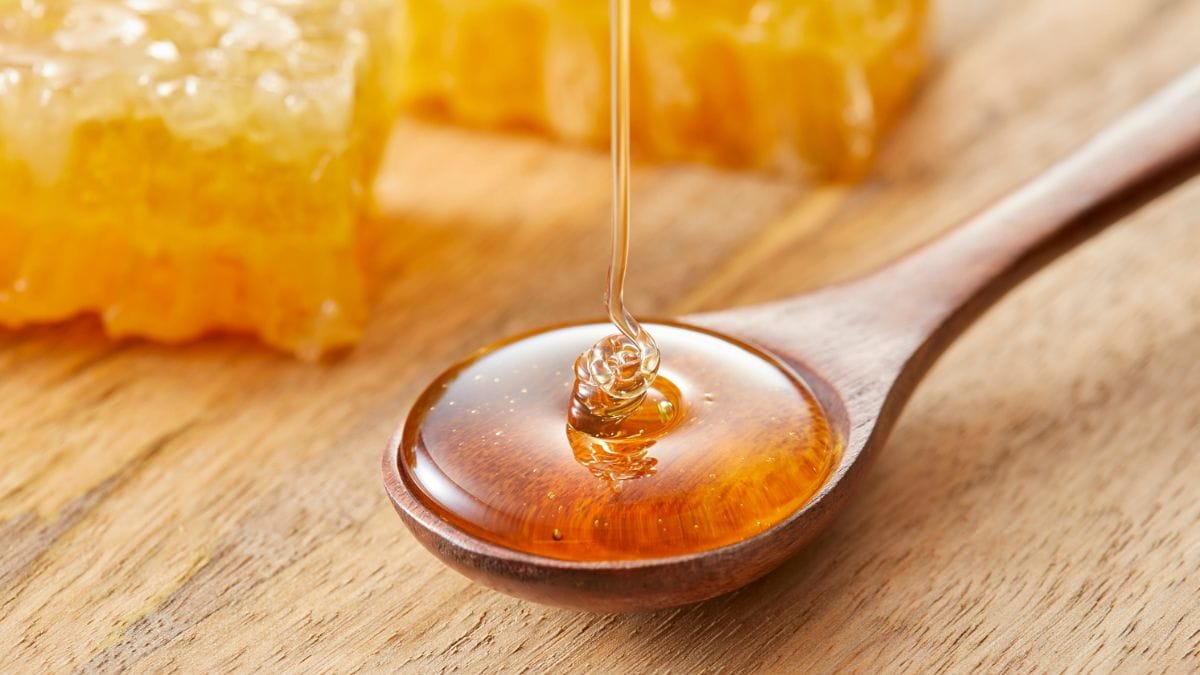
Sleep compound: Natural sugars for tryptophan transport
A small amount of honey causes a tiny insulin spike that helps tryptophan cross your blood-brain barrier. One tablespoon before bed also keeps your liver stocked with glycogen, preventing stress hormones from waking you. This is what to eat before bed if you wake up hungry.
When to eat it: 30 minutes before bed.
Quick tip: Stir into chamomile tea, drizzle over cottage cheese, or take a spoonful straight.
These 15 foods for better sleep work best when combined strategically. Pick 3-4 from this list and rotate them throughout your week. You don’t need all 15 every day—consistency with a few is better than randomly trying them all.
5 “Healthy” Foods That Might Be Keeping You Awake
These aren’t bad foods. They’re just badly timed foods. Your diet affects sleep quality more through timing than through the foods themselves. Here’s what to move to earlier in your day.
1. High-Protein Dinners Without Carbs
You think you’re being healthy by eating grilled chicken and vegetables for dinner. But protein without carbs blocks tryptophan from reaching your brain.
The amino acids in protein compete with tryptophan, so it never gets converted to melatonin. You need some carbs to make the tryptophan work.
Better timing: Eat high-protein meals at breakfast or lunch. Add white rice or sweet potato to dinner.
2. Cruciferous Vegetables at Night
Broccoli, cauliflower, and Brussels sprouts are nutritious. But they cause gas and bloating that disrupts sleep. Your digestive system works slower at night, so these vegetables sit in your gut for hours. The discomfort keeps you tossing and turning.
Better timing: Eat them at lunch when your digestion is strongest. Avoid after 5 PM.
3. Citrus Fruits Before Bed
Oranges and grapefruits are vitamin C powerhouses. But the acid triggers reflux when you lie down. Stomach acid flows back up your esophagus, waking you up with burning sensations. This is one of the most common foods that disrupt sleep.
Better timing: Eat citrus at breakfast or as a mid-morning snack. Stop by 2 PM.
4. Aged Cheeses
Parmesan, cheddar, and blue cheese contain tyramine—an amino acid that makes your brain more alert. Tyramine triggers norepinephrine release, which is basically a wake-up signal. The older the cheese, the more tyramine it has.
Better timing: Enjoy cheese at lunch. Switch to cottage cheese or mozzarella at night (low tyramine).
5. Dark Leafy Greens in Excess
Kale and spinach are healthy, but eating large amounts at dinner can backfire. Too much magnesium at once causes loose stools and stomach cramping. Your body can only absorb so much at a time.
Better timing: Spread leafy greens throughout the day. One cup at dinner is fine, but save the big salad for lunch.
The fix isn’t cutting these foods out. Just eat them when your body can handle them best. Move these five foods to breakfast or lunch, and you’ll sleep better without giving up nutrition.
Meal Timing Matters: Your Sleep-Friendly Eating Schedule
Even perfect foods won’t work if you eat them at the wrong time. Your body runs on a 24-hour clock that controls when it digests food and produces sleep hormones. Here’s when to eat for the best sleep.
Breakfast (Within 1 Hour of Waking)
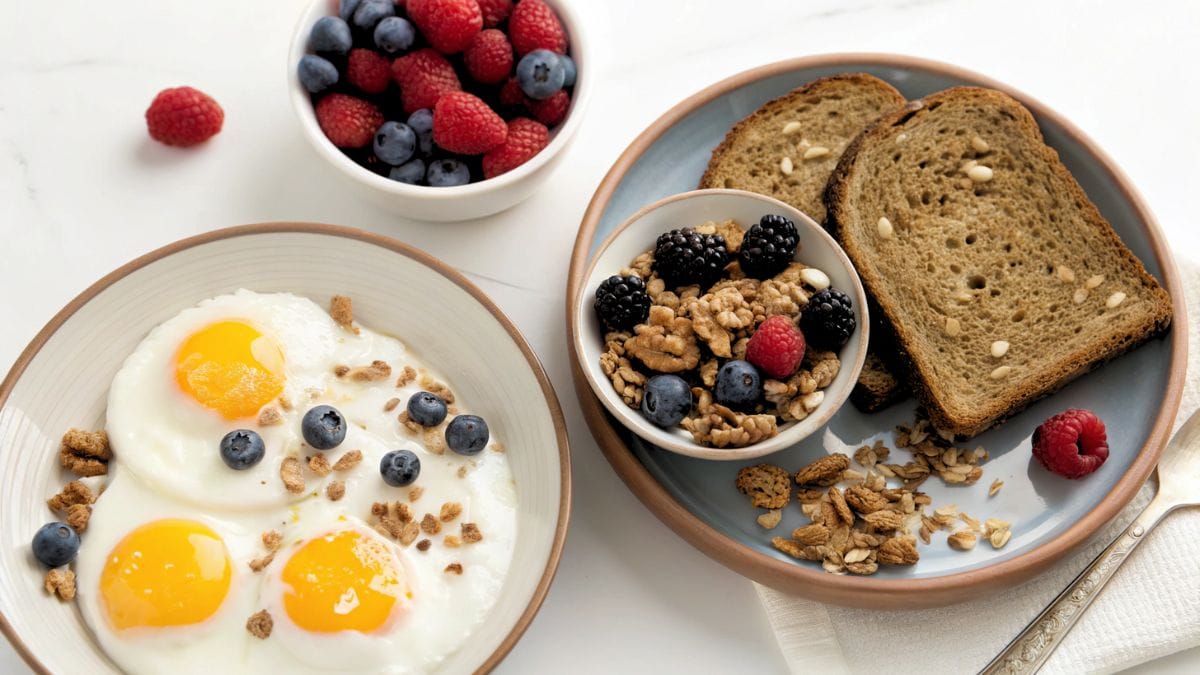
Start with protein to stabilize blood sugar for the entire day. Eggs, Greek yogurt, or turkey sausage work best. This morning protein prevents the afternoon blood sugar crashes that trigger cortisol spikes later. Those afternoon spikes interfere with your melatonin production at night.
Sample breakfast: 3 eggs with whole grain toast, or Greek yogurt with walnuts and berries.
Lunch (12 PM – 2 PM)
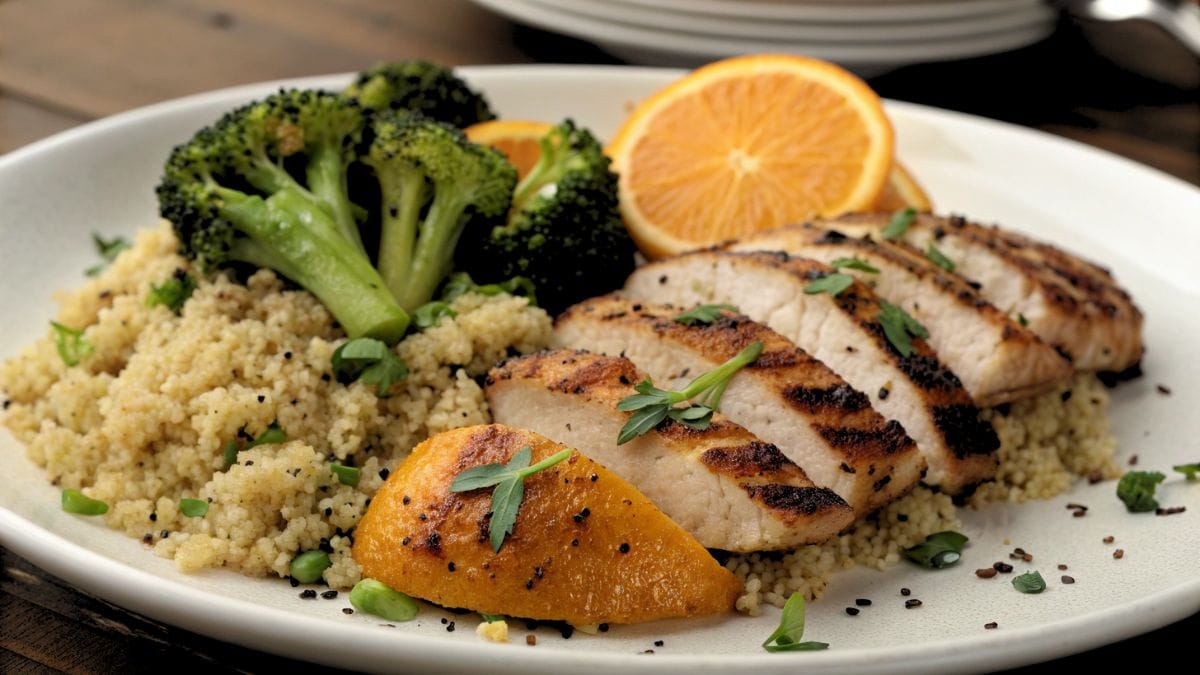
Eat a balanced plate with complex carbs, protein, and vegetables. This is when your digestion is strongest. Avoid inflammatory foods like fried items or too much sugar—they cause afternoon energy crashes. Include the cruciferous vegetables and citrus fruits here instead of at dinner.
Sample lunch: Grilled chicken, quinoa, roasted broccoli, and an orange.
Dinner (3-4 Hours Before Bed)
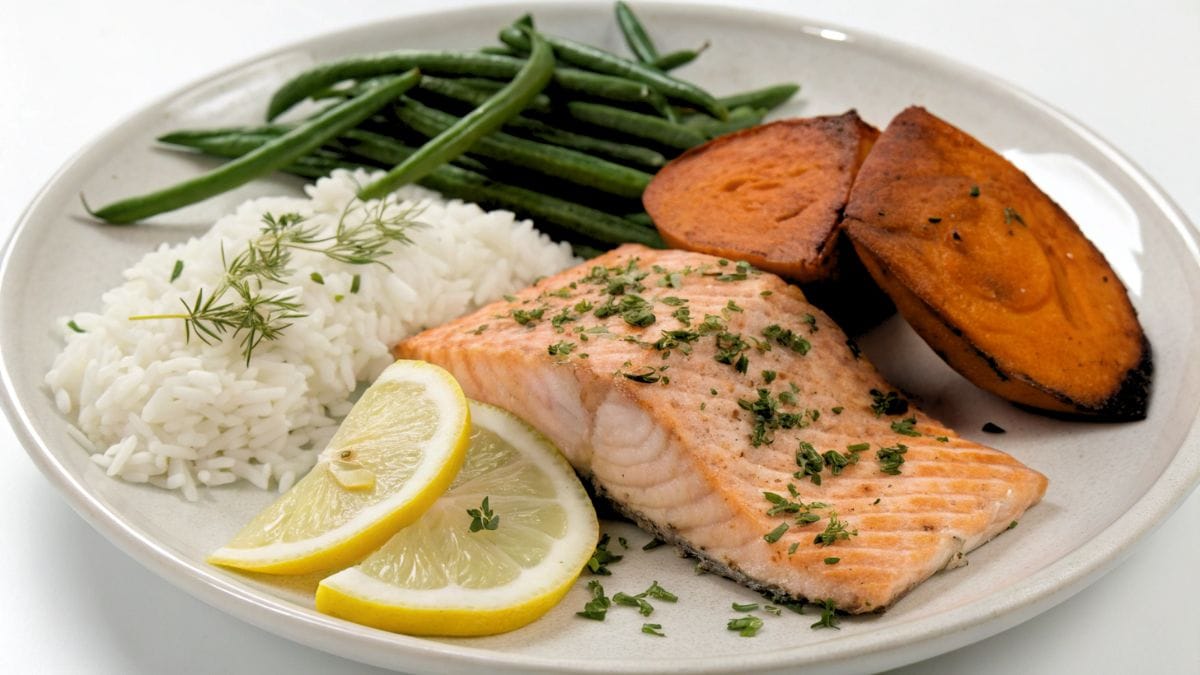
This is where meal timing for better sleep really matters. Eat moderate portions with foods from the list of 15. Finish dinner by 7 PM if you sleep at 10 PM. Eating too close to bedtime raises your core body temperature, which blocks melatonin release. Your body needs to cool down to sleep well.
Sample dinner: Baked salmon, white rice, sweet potato, and green beans.
Evening Snack (1-2 Hours Before Bed)
Here’s what to eat before bed if you’re still hungry. Pick something small and strategic. Cottage cheese with honey, a banana with almond butter, or chamomile tea with dark chocolate. These combinations provide tryptophan plus the carbs needed to deliver it to your brain.
Carb myth debunked: You’ve heard “no carbs after 6 PM.” That’s wrong. Complex carbs at night actually help tryptophan reach your brain and support sleep. The problem isn’t carbs—it’s eating too much too late.
Follow this schedule for one week and track your sleep. Most people notice they fall asleep faster within 3-4 days.
How to Combine These Foods for Better Sleep (7-Day Plan)
You don’t need to eat all 15 foods every day. Pick 3-4 foods for better sleep from the list and rotate them throughout your week. This simple framework makes it easy to stick with.
Sleep-Friendly Dinner Combinations
These meals combine tryptophan, magnesium, and complex carbs. Each combo works together to boost melatonin naturally.
Dinner 1: Grilled salmon + sweet potato + side salad with almonds on top This gives you omega-3s, complex carbs, and magnesium in one plate. Cook time: 20 minutes.
Dinner 2: Turkey meatballs + white rice + roasted vegetables The turkey provides tryptophan, and the white rice helps it reach your brain. Cook time: 25 minutes.
Dinner 3: Baked chicken + oatmeal risotto + steamed broccoli Yes, oatmeal for dinner works. It’s creamy, filling, and packed with sleep-promoting compounds. Cook time: 30 minutes.
Bedtime Snack Options
Pick one of these 1-2 hours before bed:
- Banana with almond butter (magnesium + tryptophan)
- Cottage cheese with honey (casein protein + insulin boost)
- Chamomile tea with 2 squares dark chocolate (apigenin + magnesium)
- Small bowl of oatmeal with walnuts (melatonin double-dose)
Quick Meal Prep Tips
Sunday prep saves time all week. Batch cook 3 salmon fillets, bake 6 sweet potatoes, and make turkey meatballs. Store in containers. These sleep-friendly meals reheat in 5 minutes when you’re busy.
Keep tart cherry juice, chamomile tea, and almonds stocked at all times. These are your emergency sleep foods when you forget to meal prep.
Set a phone alarm for 3 hours before bedtime. This reminds you to eat dinner on time—not too late.
Adjustments for Dietary Restrictions
Vegan: Replace fish with walnuts and chia seeds (omega-3s). Use oatmeal and bananas for tryptophan. Swap cottage cheese for coconut yogurt with hemp seeds.
Gluten-free: You’re covered. Most foods for better sleep are naturally gluten-free. Just check your oats are certified gluten-free.
Dairy-free: Use almond milk in oatmeal. Replace cottage cheese with mashed avocado and pumpkin seeds (provides magnesium and healthy fats).
Start with one dinner combo this week. Add a bedtime snack. Track how you feel after 3 days. Adjust from there.
Final Thought;
Your poor sleep often starts with what you ate 12 hours earlier. The three most powerful foods for better sleep are tart cherry juice, fatty fish, and almonds. Start there.
You don’t need to overhaul your entire diet overnight. Add just 2-3 sleep-promoting foods to your dinner rotation this week and notice how your energy levels respond. Consistency beats perfection every time.
Track your sleep quality for the next 7 days while incorporating these foods. Note which combinations work best for your body—everyone’s biochemistry is slightly different. Small changes to improve sleep quality naturally add up fast.