
Your grandmother was right about carrots—but she was only telling you part of the story about foods for eye health.
Most people watch their vision fade with age and assume nothing can stop it. They buy expensive supplements or follow outdated advice that doesn’t actually work.
The truth? Science now shows exactly which foods protect your eyes and why.
In this guide, you’ll discover 15 foods proven to fight age-related vision loss.
You’ll learn which vision-supporting nutrients your eyes need most, how much to eat, and simple ways to add these eye health foods aging adults need into meals you already make.
No confusing medical terms. No impossible meal plans. Just real food that keeps your vision sharp as you get older.
Let’s start with what actually works.
Why Your Diet Matters for Aging Eyes
Age-related macular degeneration affects approximately 20 million Americans over 40.

Your risk doubles every decade after age 50. Here’s what’s happening inside your eyes.
Your retinal cells get damaged by oxidative stress. Think of it like rust forming on metal.
Free radicals attack the delicate tissue at the back of your eye where you process images. Over time, this damage adds up and steals your central vision.
Macular degeneration is the leading cause of vision loss in adults over 50. But foods for eye health can slow this down.
The AREDS2 study proved that specific vision-supporting nutrients protect your eye tissue better than random supplements.
Whole foods beat pills because they contain dozens of compounds that work together.
Lutein and zeaxanthin filter harmful blue light. Omega-3s build healthy retinal cells. Vitamins C and E fight oxidative damage. Zinc helps your body use vitamin A for night vision.
You can’t stop aging. But you can feed your eyes what they need to fight age-related vision loss.
The 5 Key Nutrients Your Eyes Need (And Where to Find Them)
Lutein and zeaxanthin are the “eye vitamins” that filter blue light before it damages your retina. You need 10mg of lutein and 2mg of zeaxanthin daily. Find them in leafy greens and egg yolks.
Omega-3 fatty acids build the structure of your retinal cells. Your retina contains the highest concentration of DHA in your entire body. Aim for 250-500mg daily from fatty fish.
Vitamin C keeps the blood vessels in your eyes healthy.
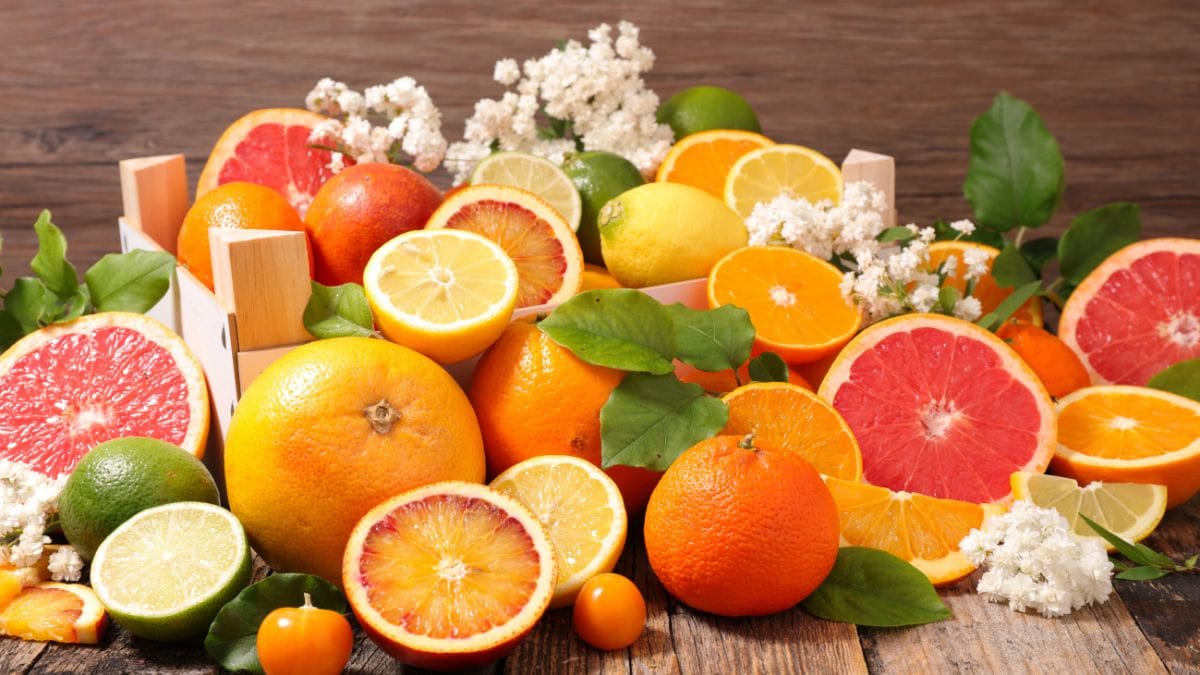
You need 500mg daily. Citrus fruits and bell peppers deliver this easily.
Vitamin E protects the fatty tissue in your retina from damage. Get 400 IU daily from nuts and seeds.
Zinc helps your body use vitamin A for night vision. You need 25-40mg daily from shellfish, beans, or meat.
These vision-supporting nutrients work better together than alone. That’s why eye health foods aging adults need beat isolated supplements every time.
15 Foods for Eye Health That Deserve a Spot on Your Plate
1. Leafy Greens: Kale and Spinach
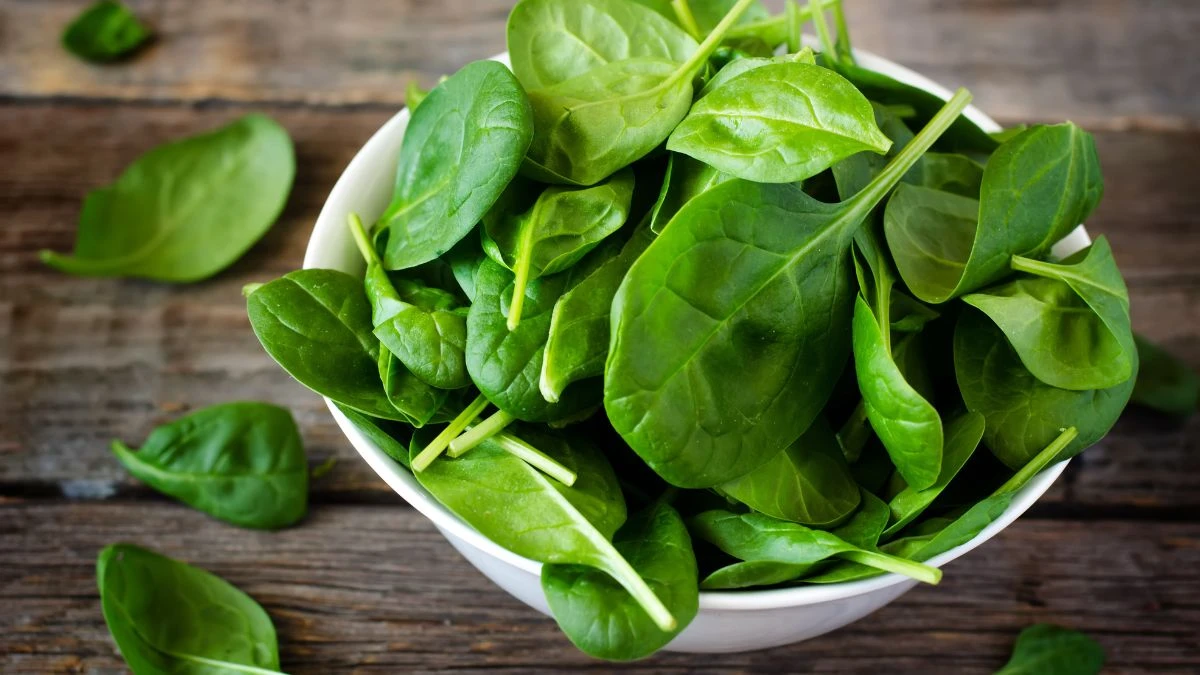
One cup of cooked kale delivers more than 20mg of lutein—the amount shown in studies to reduce macular degeneration risk by up to 40%. Spinach comes close with 20mg per cooked cup.
These carotenoids travel straight to your macula, the part of your eye that handles detailed vision. They form a protective layer that filters out damaging blue light.
Think of them as natural sunglasses built into your retina.
Eat kale in massaged salads with olive oil or sauté spinach with garlic. The fat helps your body absorb the lutein better. Aim for one cup of cooked greens three times per week.
2. Wild-Caught Salmon
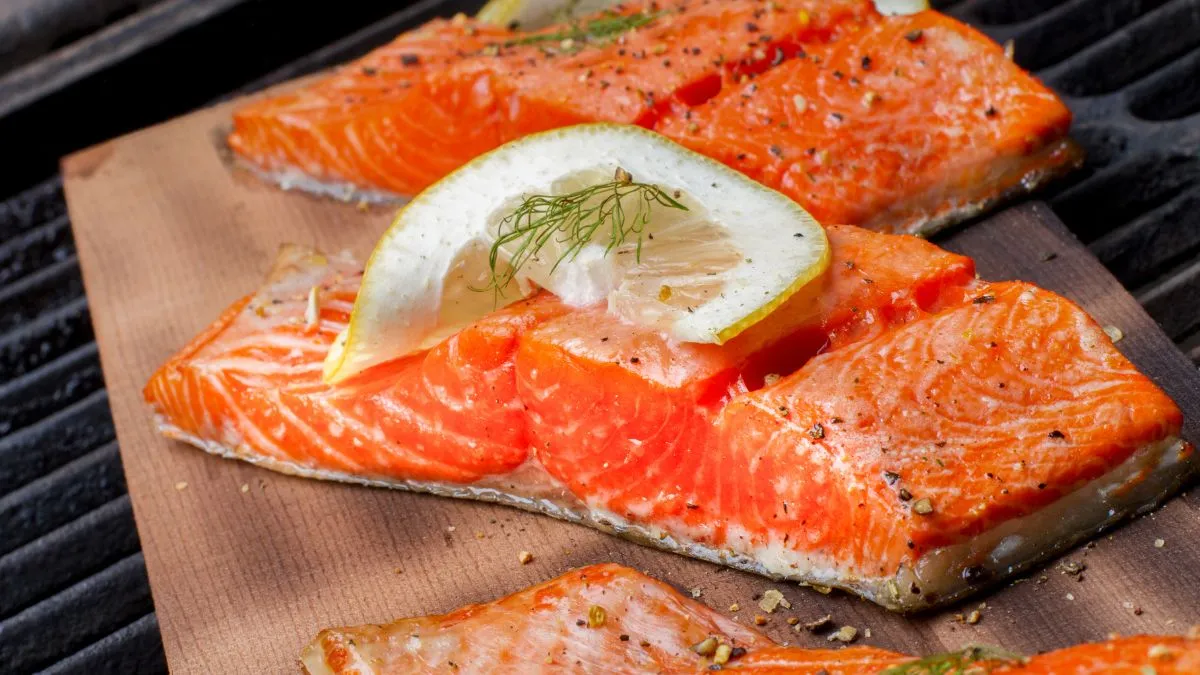
Omega-3 consumption reduces advanced AMD risk by 30%, according to long-term studies. Salmon packs more DHA omega-3s than almost any other food.
These fatty acids reduce inflammation in your retinal tissue. They also help prevent dry eye syndrome, which gets worse as you age. Your tear film needs omega-3s to work properly.
Eat salmon two to three times weekly. Bake it with lemon, grill it with herbs, or add it to salads. Wild-caught has more omega-3s than farmed. Frozen works just as well as fresh.
3. Eggs (Don’t Skip the Yolk)
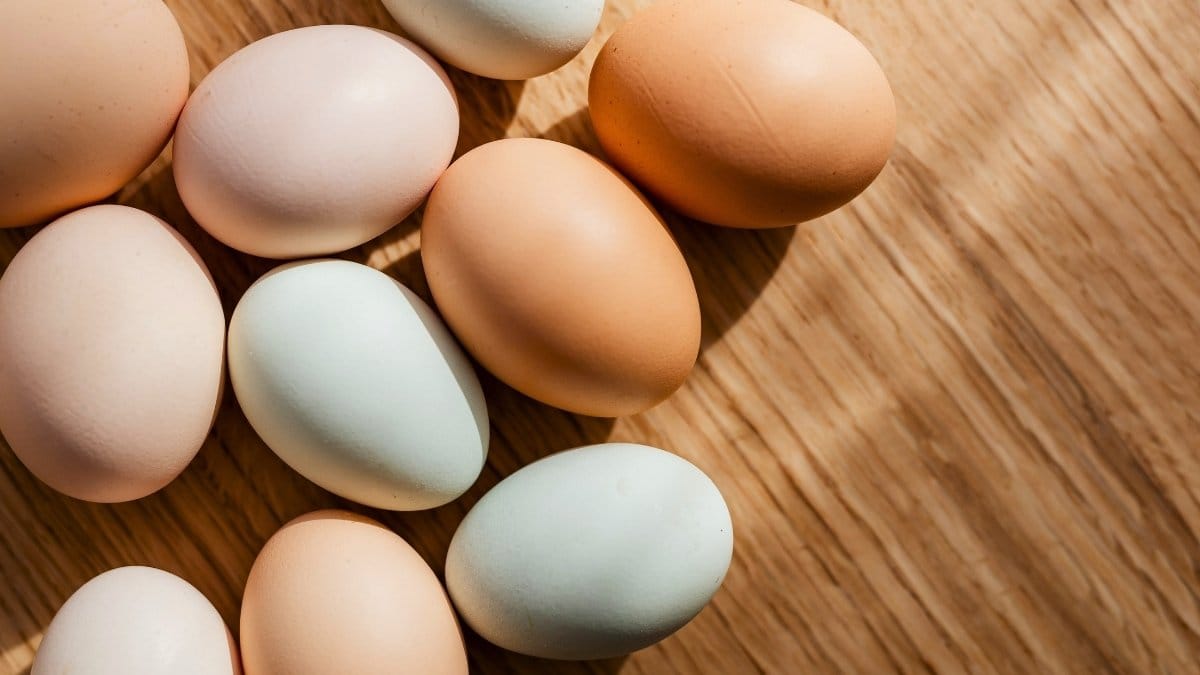
The lutein in eggs is up to three times more bioavailable than from plant sources due to the fat content. Your body absorbs it easier because the yolk contains natural fats.
Each yolk gives you lutein, zeaxanthin, and zinc. The zinc supports night vision and helps your retina work in low light. All three nutrients sit right in the yolk, not the white.
Eat two to three eggs for breakfast several times a week. Scramble them with spinach for double eye protection. The fat in the yolk helps you absorb nutrients from vegetables too.
4. Orange Bell Peppers
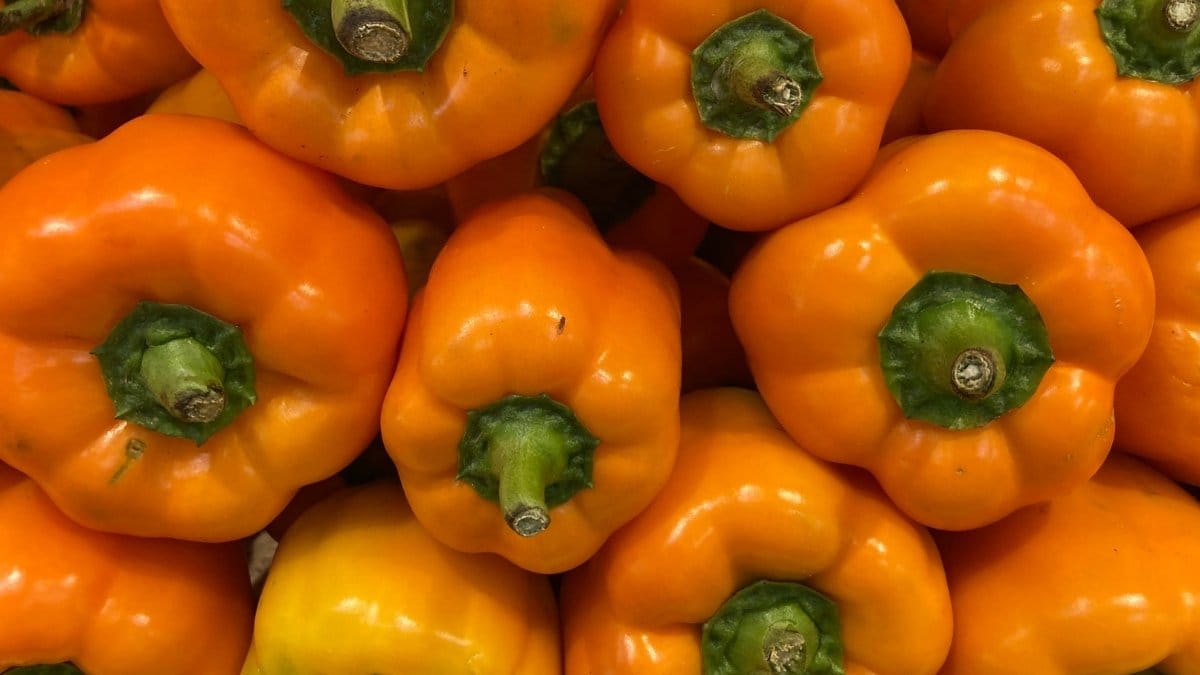
Orange bell peppers contain three times more vitamin C than oranges. One pepper gives you more than 100% of your daily vitamin C needs.
They’re also loaded with zeaxanthin, which protects your macula from damage. Vitamin C keeps the tiny blood vessels in your eyes strong and healthy. Weak blood vessels leak and cause vision problems.
Eat them raw for maximum nutrients. Slice them for snacks, add them to salads, or dip them in hummus. Cooking reduces vitamin C content by up to 50%.
5. Blueberries and Dark Berries
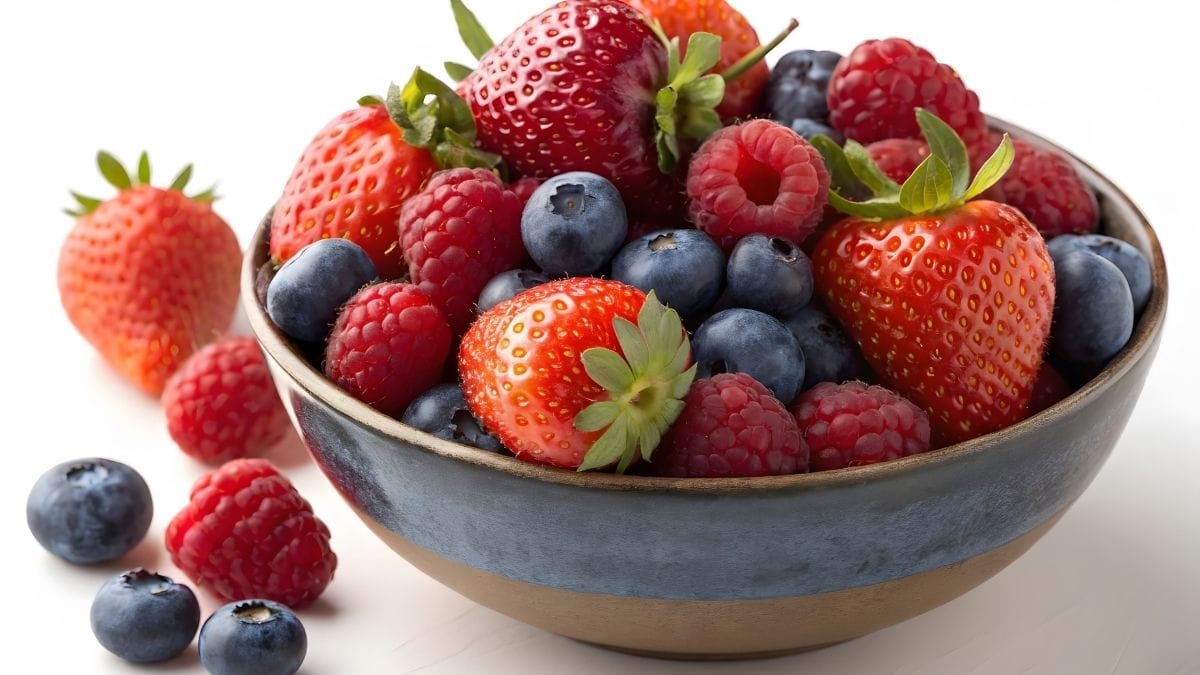
British Royal Air Force pilots ate bilberry jam before night missions in World War II to improve their vision in the dark. The anthocyanins in dark berries really do help you see better at night.
These compounds reduce oxidative stress in your retina. They strengthen capillaries and improve blood flow to your eyes. Blueberries, blackberries, and bilberries all work.
Eat half a cup of berries daily. Add them to yogurt, blend them in smoothies, or eat them plain. Frozen berries keep their nutrients and cost less than fresh.
6. Sweet Potatoes
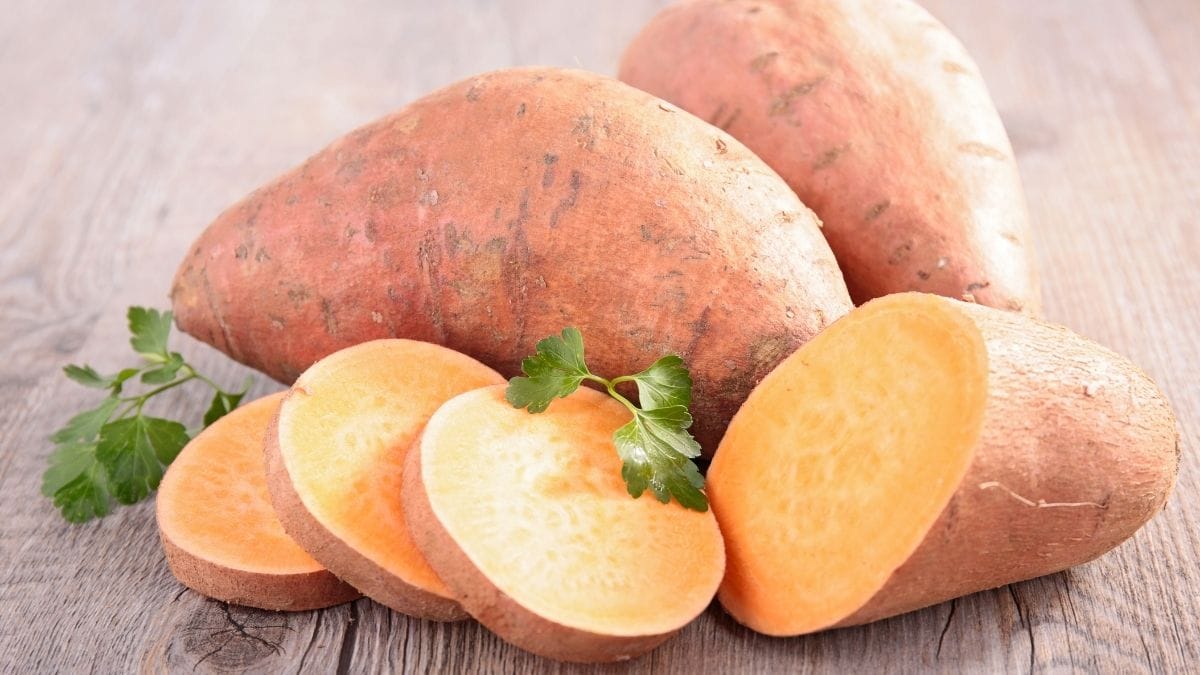
One medium sweet potato gives you over 400% of your daily vitamin A needs. Your body converts the beta-carotene into vitamin A, which your eyes need to see in dim light.
Vitamin A deficiency causes night blindness. Your eyes can’t adjust from bright to dark without it. Orange-fleshed sweet potatoes have more beta-carotene than white varieties.
Bake sweet potatoes with the skin on to keep all the nutrients. Top them with a bit of butter or olive oil. The fat helps your body absorb the beta-carotene better.
7. Almonds and Sunflower Seeds
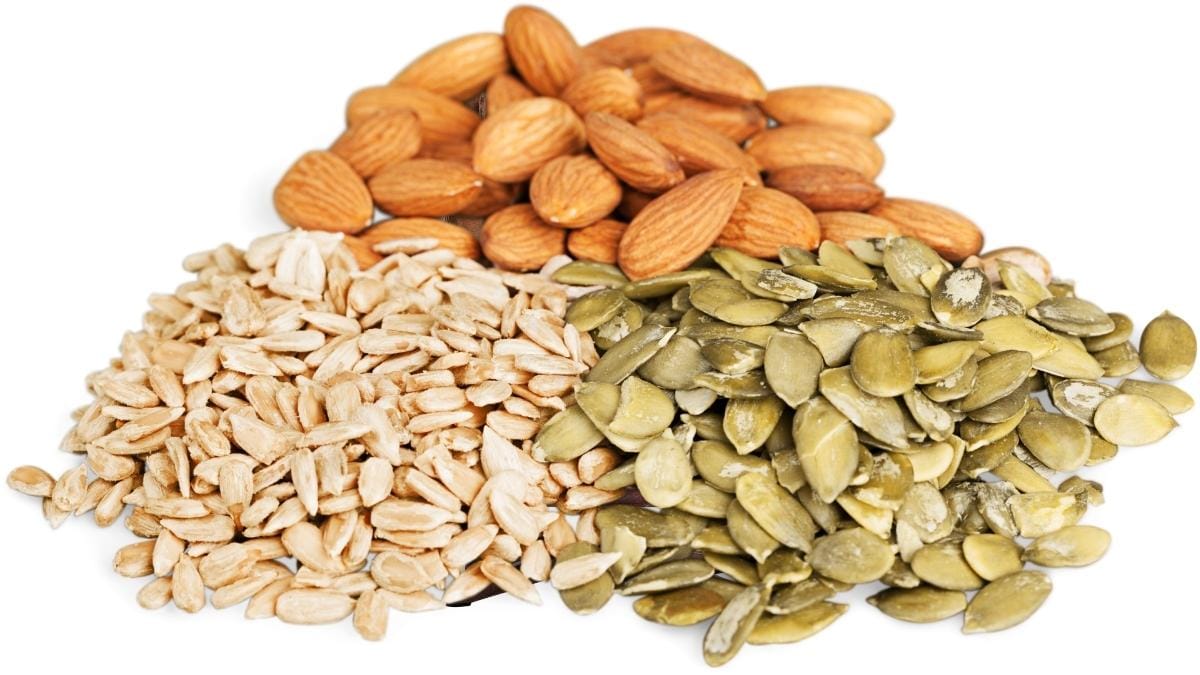
A quarter cup of almonds gives you 50% of your daily vitamin E. Sunflower seeds deliver even more—over 80% in the same serving size.
Vitamin E protects the fatty acids in your retina from oxidative damage. Your retina contains lots of delicate fats that break down without protection. This vitamin keeps them stable.
Keep a small container of nuts at your desk for afternoon snacks. Mix almonds with sunflower seeds for variety. Raw or dry-roasted both work—just avoid the heavily salted versions.
8. Citrus Fruits
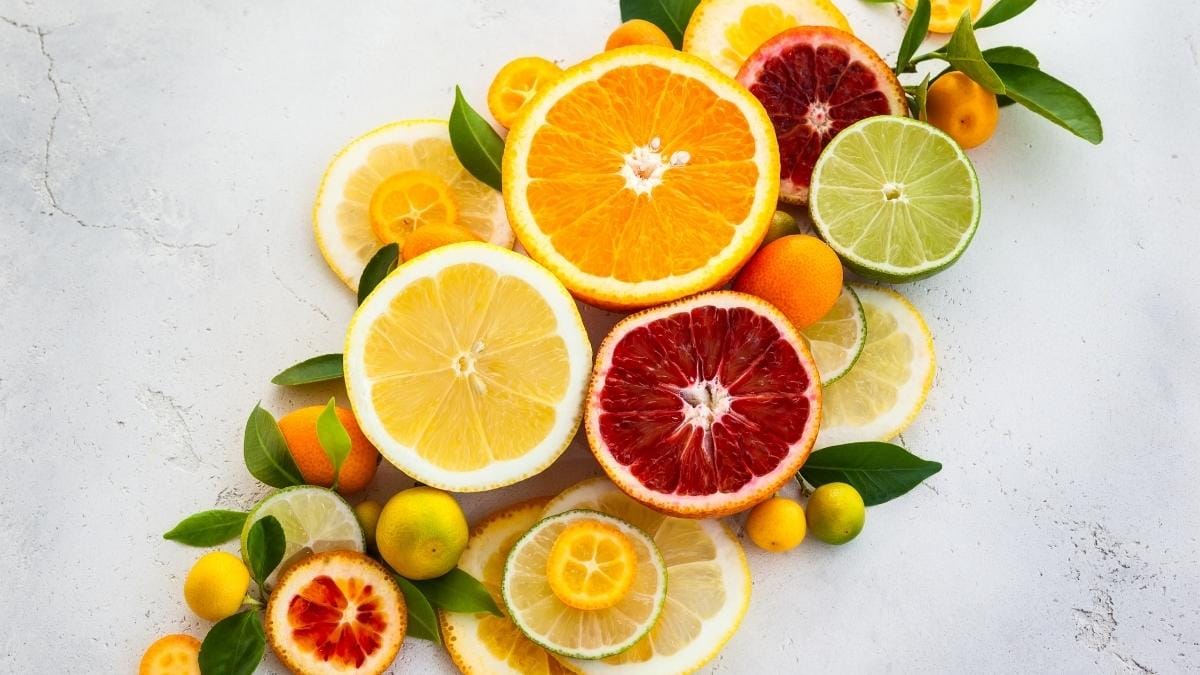
Vitamin C builds collagen in your cornea and strengthens blood vessels throughout your eyes. Studies show people who eat more citrus have lower rates of cataracts as they age.
Oranges, grapefruits, and lemons all deliver high amounts of vitamin C. This vitamin also helps your body absorb iron, which carries oxygen to your eye tissue.
Eat one citrus fruit daily or drink fresh-squeezed juice. Add lemon to water, snack on orange slices, or eat grapefruit for breakfast. The whole fruit is better than juice alone because it includes fiber.
9. Oysters and Shellfish
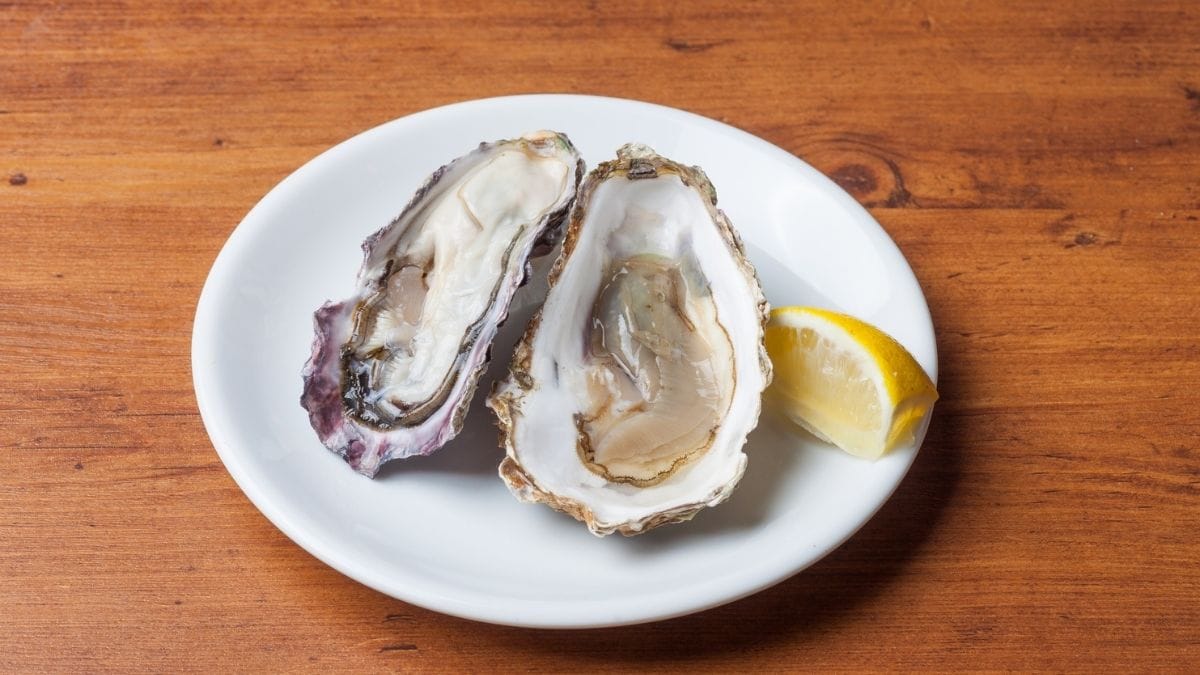
Six medium oysters give you over 400% of your daily zinc requirement. No other food comes close to this concentration.
Zinc deficiency directly causes poor night vision and slow adaptation to darkness. Your retina needs zinc to convert vitamin A into its active form. Without enough zinc, you can’t use the vitamin A you eat.
Eat oysters once weekly if you like them. Shrimp, crab, and lobster also provide zinc but in smaller amounts. If you don’t eat shellfish, choose beef or pumpkin seeds instead.
10. Carrots (Yes, Really)
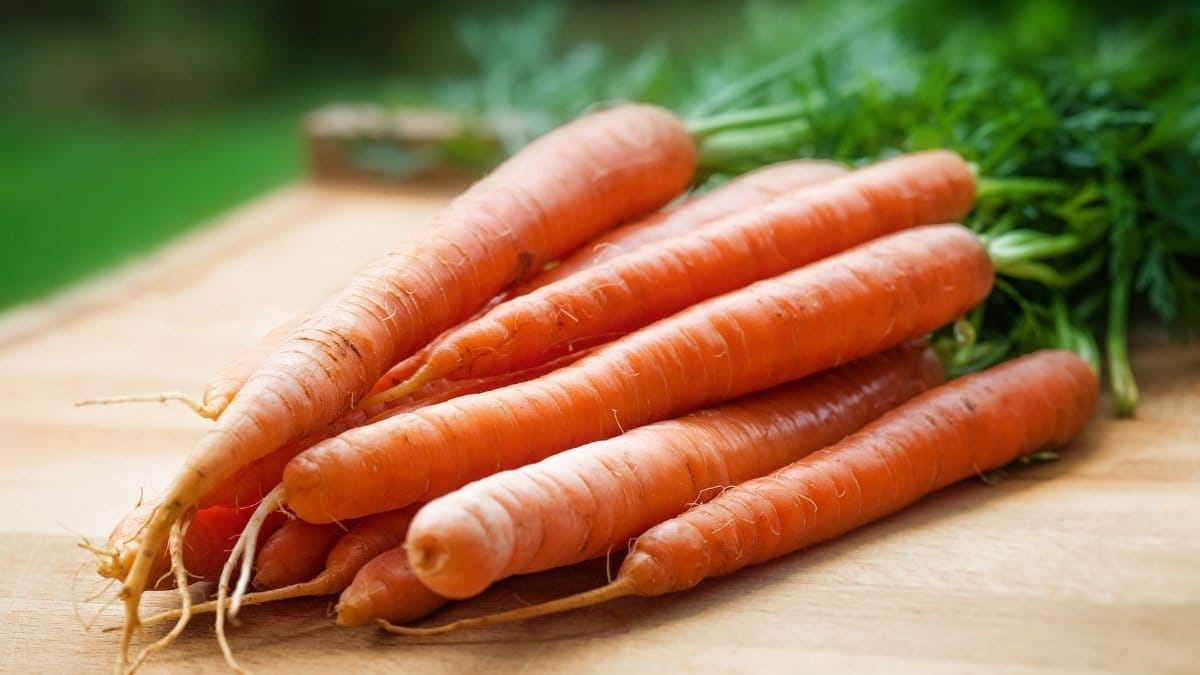
While carrots won’t give you superhuman vision, vitamin A deficiency is a leading cause of preventable blindness worldwide. Your grandmother was right about carrots helping you see in the dark.
Beta-carotene in carrots converts to vitamin A in your body. This vitamin helps your eyes adjust to low light and prevents night blindness. Cooked carrots release more beta-carotene than raw ones.
Steam or roast carrots to maximize absorption. Add a little olive oil or butter—the fat helps your body use the beta-carotene. Raw carrots in salads still provide benefits but in smaller amounts.
11. Broccoli
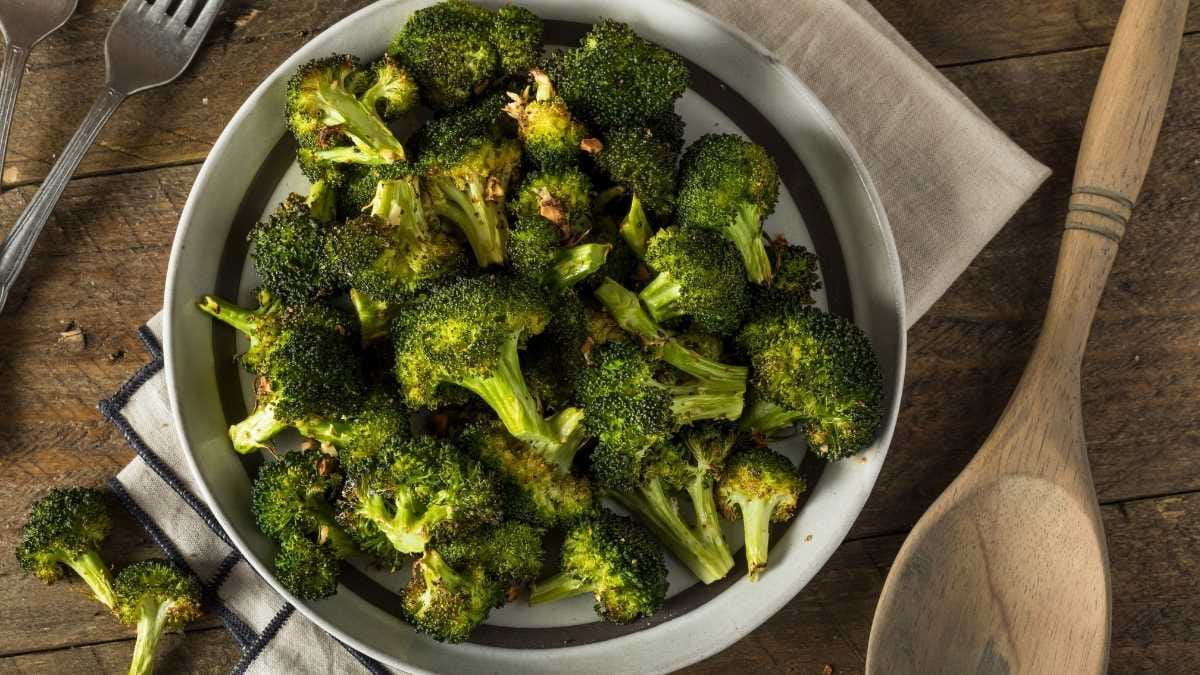
One cup of cooked broccoli gives you lutein, zeaxanthin, vitamin C, and vitamin E all at once. It’s like a multivitamin for your eyes.
Broccoli also contains sulforaphane, which protects your eyes from UV damage. This compound activates your body’s natural defense systems.
The combination of nutrients works better together than any single vitamin.
Steam broccoli for five minutes to keep the most nutrients. Boiling destroys up to 50% of vitamin C. Eat it as a side dish three times weekly or add it to stir-fries.
12. Black Beans and Legumes
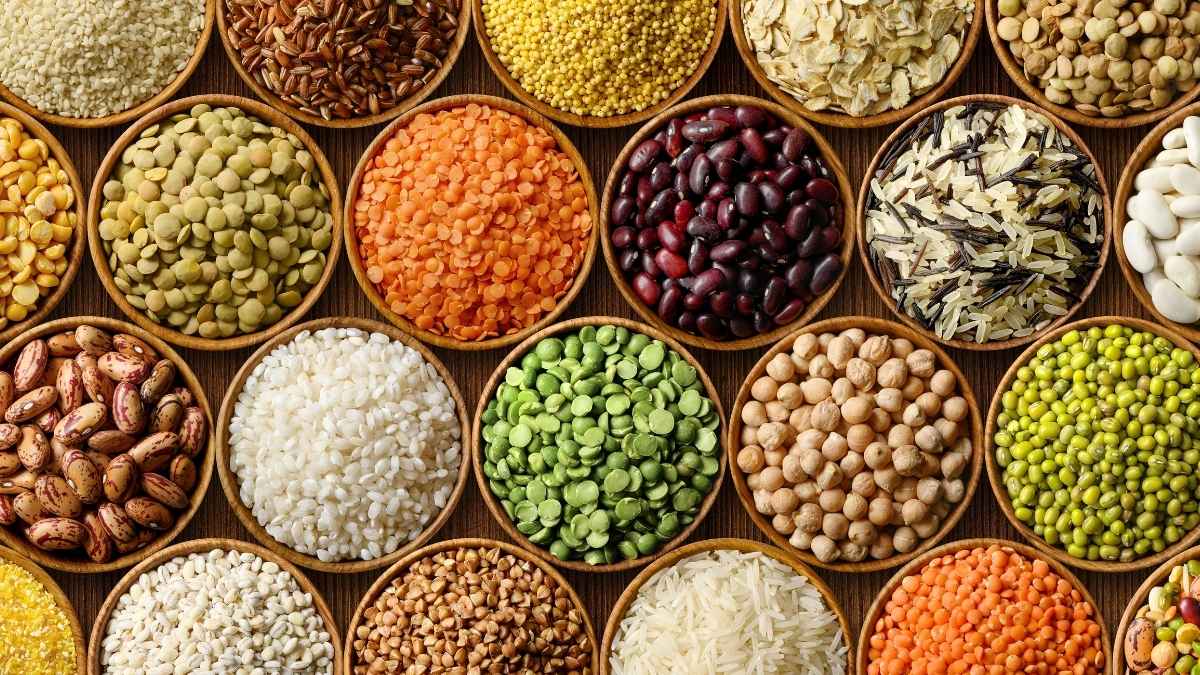
Black beans give you zinc and bioflavonoids that help your retina resist damage. One cup provides about 20% of your daily zinc needs.
They’re also rich in plant-based protein and fiber. The bioflavonoids protect blood vessels in your eyes and reduce inflammation. Lentils, chickpeas, and kidney beans work too.
Add half a cup of beans to lunches or dinners four times weekly. Mix them into salads, make bean soup, or use them in tacos. Canned beans are just as nutritious as dried ones.
13. Sardines

Sardines deliver the same omega-3s as salmon but cost half as much. They also provide vitamin D, which reduces inflammation in your eyes.
The omega-3s in sardines reduce your risk of dry eyes and macular degeneration. Vitamin D supports overall eye health and may lower glaucoma risk. Canned sardines keep for months.
Eat sardines twice weekly. Add them to salads, eat them on whole grain crackers, or mix them with pasta. Look for sardines packed in olive oil for extra healthy fats.
14. Red and Yellow Peppers
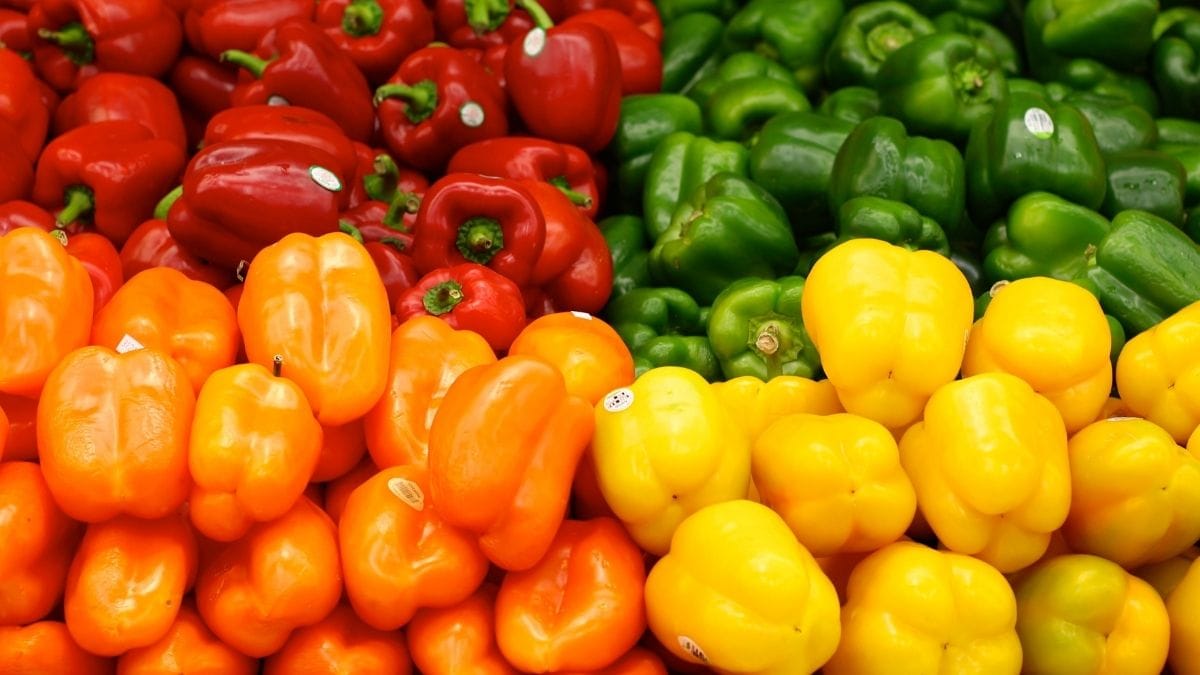
Different colored peppers contain different carotenoids that work together to protect your eyes. Red peppers have lycopene while yellow peppers contain lutein.
Both colors provide high amounts of vitamin C. The variety of compounds offers broader protection than eating just one color. Raw peppers give you maximum nutrients.
Eat a mix of red and yellow peppers throughout the week. Slice them for snacks, add them to salads, or eat them with dip. Three peppers per week gives you solid eye protection.
15. Walnuts
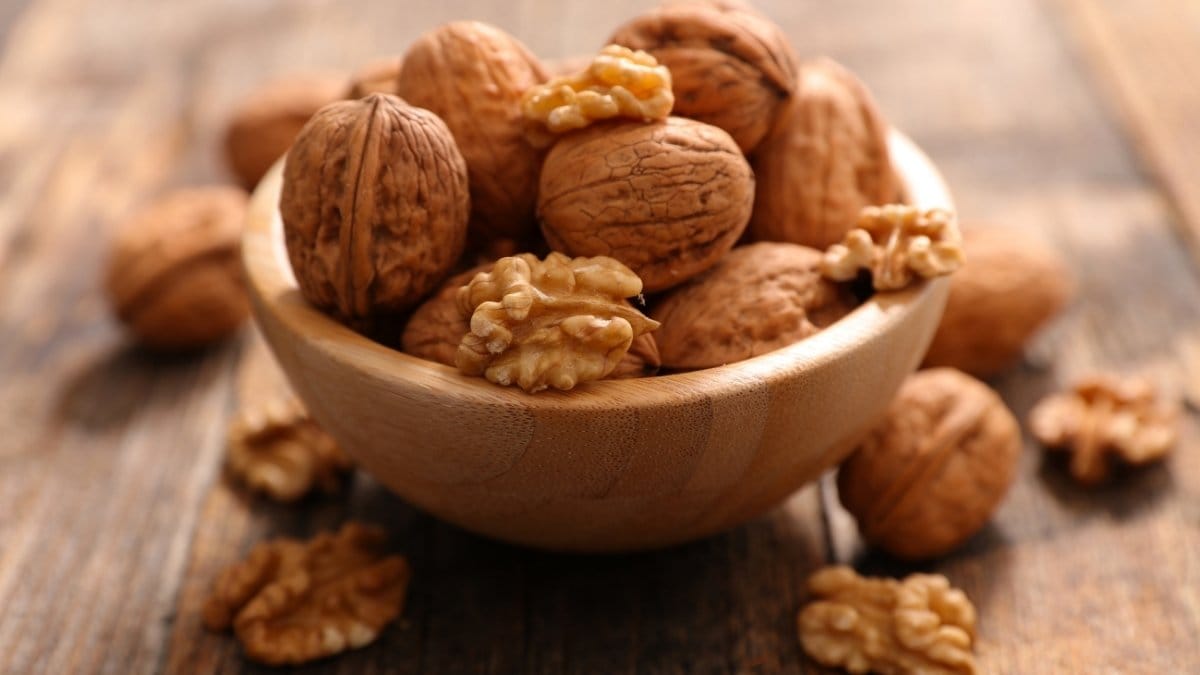
Walnuts contain plant-based omega-3s (ALA) plus vitamin E. A small handful daily gives you both nutrients your eyes need.
The ALA in walnuts converts to DHA in your body, though less efficiently than fish. The vitamin E protects your retinal cells from damage. Walnuts are the best nut source of omega-3s.
Eat a quarter cup of walnuts daily. Add them to oatmeal, toss them in salads, or eat them plain as a snack. Store them in the fridge to keep the oils from going rancid.
How to Build an Eye-Healthy Eating Pattern
You don’t need to eat all 15 foods daily. Pattern matters more than perfection.
The Mediterranean diet reduces AMD risk by 41% according to research. This eating style focuses on vegetables, fish, nuts, olive oil, and whole grains. It combines multiple foods for eye health in every meal.
Here’s what a sample day looks like:
Breakfast: Two eggs scrambled with spinach, whole grain toast, and an orange. Lunch: Spinach salad with walnuts, bell peppers, and grilled salmon, dressed with olive oil.
Dinner: Roasted sweet potato, steamed broccoli with garlic, and sardines on whole grain crackers. Snack: Handful of almonds and fresh blueberries.
This plan hits 11 of the 15 eye health foods aging adults need. Variety beats eating kale every single day because different foods provide different protective compounds.
Steam vegetables instead of boiling them.

Boiling destroys up to 50% of vitamin C and washes away water-soluble nutrients. Steaming keeps more vitamins intact.
Always pair vegetables with healthy fats. Add olive oil to your salad or eat carrots with hummus.
Your body absorbs carotenoids three times better when you eat them with fat. The lutein in spinach needs fat to enter your bloodstream.
Start with three foods for eye health this week. Add more next month.
What Habits Undermine Your Vision (Besides Diet)
Even the best diet can’t overcome certain vision-destroying habits. Let’s address what actually damages your eyes.
Smoking doubles your macular degeneration risk and triples your cataract risk. It restricts blood flow to your eyes and increases oxidative damage. If you smoke, quitting is the single best thing you can do for your vision.

UV exposure without sunglasses damages your retina over decades. Wear sunglasses that block 100% of UVA and UVB rays whenever you’re outside. Cloudy days still have UV radiation.

Screen time itself doesn’t cause permanent damage, but it does cause eye strain and dry eyes. Follow the 20-20-20 rule: every 20 minutes, look at something 20 feet away for 20 seconds.

Poor blood sugar control damages the tiny blood vessels in your retina. Uncontrolled diabetes is a leading cause of age-related vision loss. Keep your blood sugar stable.

Sleep less than seven hours nightly and your eyes don’t get enough time to repair themselves. Aim for eight hours.

Final Thought:
Protecting your vision as you age isn’t about miracle cures. It’s about consistent choices. The 15 foods for eye health covered here protect your retina, reduce oxidative damage, and maintain the structures your vision depends on.
Start with one change this week: swap your afternoon snack for a handful of almonds, add spinach to your morning eggs, or commit to salmon twice weekly. Your eyes twenty years from now will thank you.
Remember, these eye health foods aging well isn’t about perfection—it’s about making vision-supporting nutrients a regular part of your eating pattern.