
After twenty years of treating patients with preventable chronic diseases, I’ve watched the same pattern repeat: small dietary changes made early create profound health outcomes later.
You’re sick of conflicting nutrition advice. One expert says eat this. Another says avoid it. Meanwhile, you’re watching your parents struggle with diabetes and heart disease.
You wonder if you’re next. Your current diet feels wrong, but you can’t face another restrictive meal plan that bans everything you enjoy.
Here’s what you’ll learn today. Fifteen specific foods that reduce chronic disease risk by up to 30%. The exact compounds in each food that protect your health.
How to add these anti-inflammatory foods to meals you already eat. Plus simple shopping lists that prevent heart disease and diabetes.
No calorie counting. No meal plans. Just foods that reduce chronic disease risk, backed by real science.
Why These 15 Foods Work (The Science Behind Disease Prevention)
Chronic inflammation is quietly destroying your body right now.
Think of it like a fire burning inside your blood vessels, brain, and organs. Most heart disease, diabetes, and cancer start with this hidden inflammation.
According to the CDC, 6 in 10 Americans have at least one chronic disease because of it.

Your cells also face oxidative stress. That’s damage from unstable molecules that age you faster.
These anti-inflammatory foods for disease prevention contain special compounds that put out both fires. Polyphenols fight inflammation.
Omega-3s cool down your immune system. Fiber feeds good bacteria that protect you.
The proof is solid. The Harvard Nurses’ Health Study tracked thousands of people for decades.
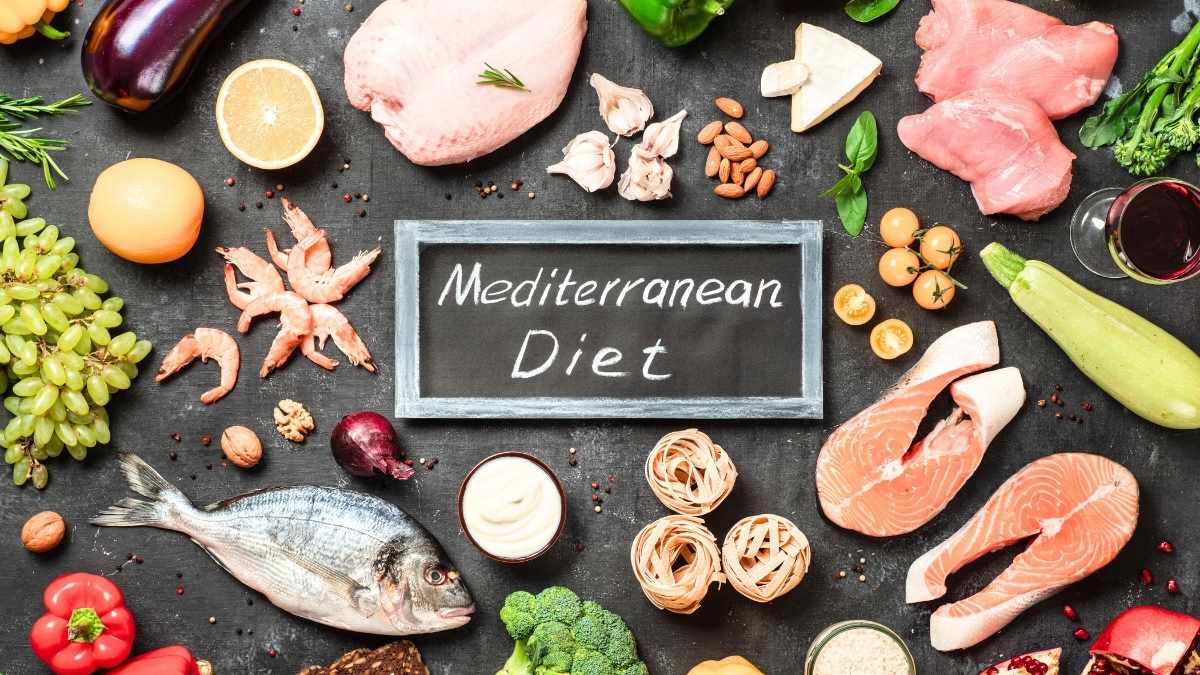
Those eating these doctor recommended foods had 31% lower heart disease risk. The Mediterranean diet, loaded with these same foods, cuts disease risk by 25-30%.
I’ve seen patients drop their inflammation markers by 40% in just 12 weeks. Their CRP levels fall. Blood pressure drops. Blood sugar stabilizes.
Look at the Blue Zones. People in Sardinia and Okinawa eat these foods daily. They live to 100. You don’t need perfection. You need consistency with the right foods.
The 15 Foods That Reduce Chronic Disease Risk
Here are the exact foods I tell my patients to eat. Each one has been studied for years. Each one protects your body in a specific way.
Leafy Greens (Spinach, Kale, Swiss Chard)
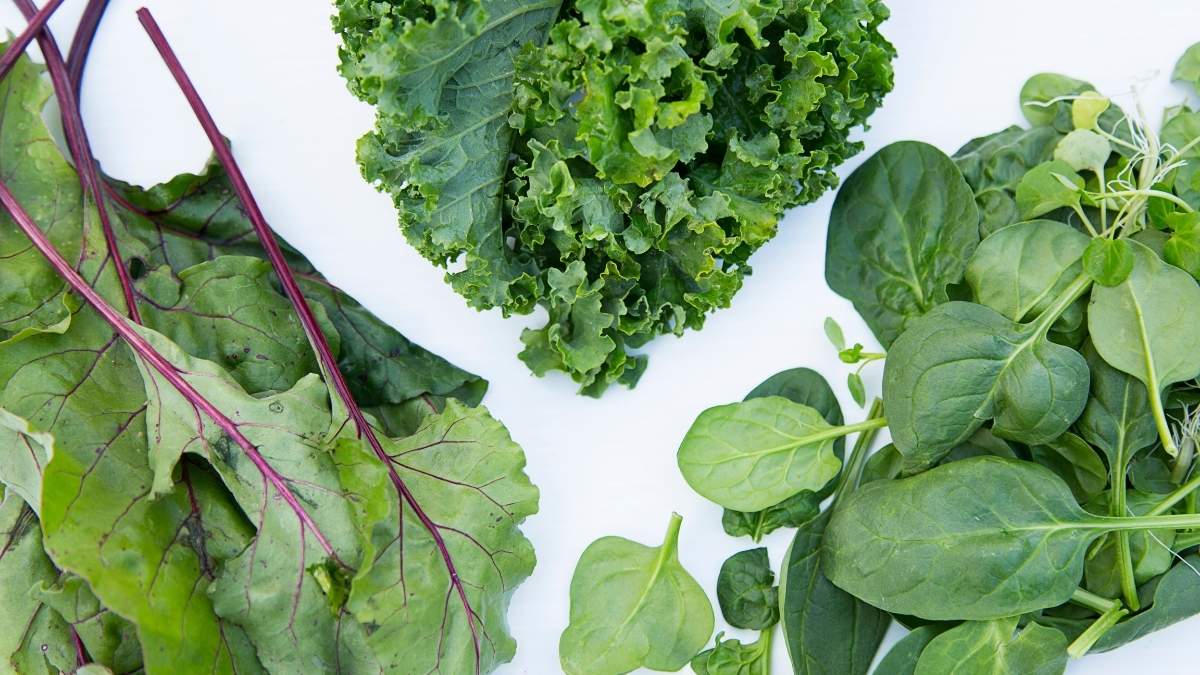
Leafy greens are the best food for your blood vessels. They contain nitrates that relax your arteries and drop blood pressure by 5-8 points.
Vitamin K stops calcium from building up in your arteries. That’s what causes heart attacks.
Eat 1 cup cooked or 2 cups raw every day. Add them to morning eggs. Blend into smoothies. Sauté as a side dish. These are powerful anti-inflammatory foods that work fast.
Wild-Caught Fatty Fish (Salmon, Sardines, Mackerel)
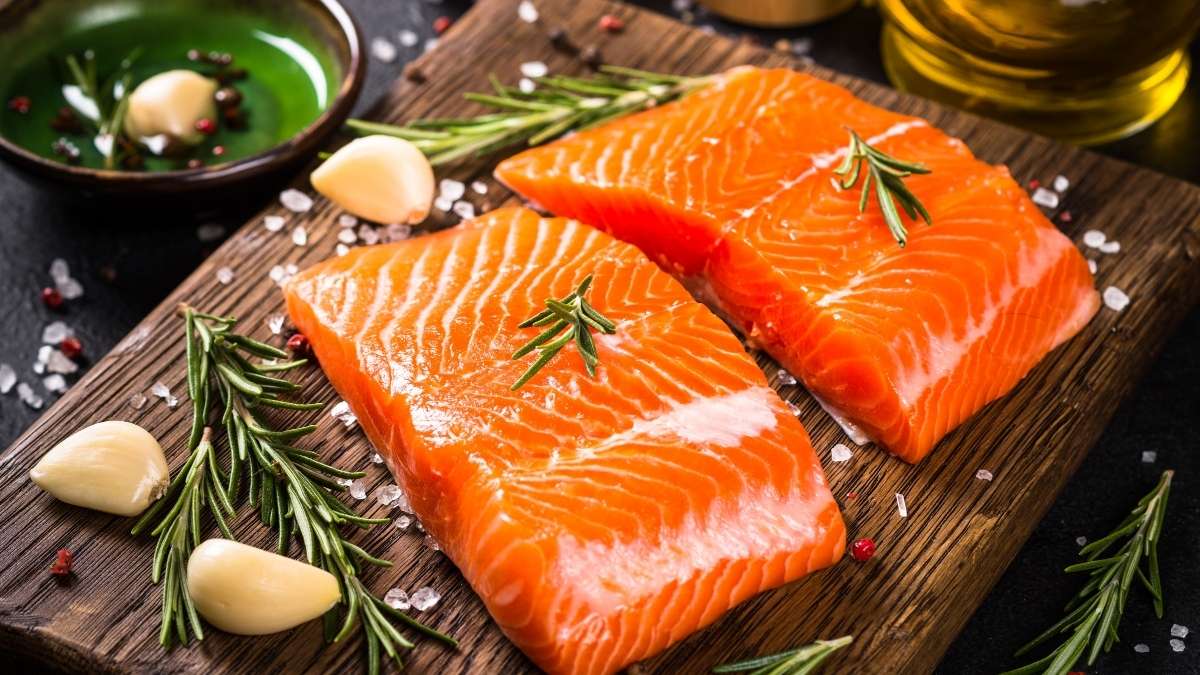
Fish oil is medicine. The EPA and DHA omega-3s cool down inflammation in your body by 20-30%. Your triglycerides drop.
Your heart rhythm stays steady. The American Heart Association recommends this for good reason.
Eat 2-3 servings per week. That’s a 4-ounce portion each time. Bake at 400°F for 12 minutes with lemon and herbs. Simple. Effective.
Berries (Blueberries, Strawberries, Blackberries)
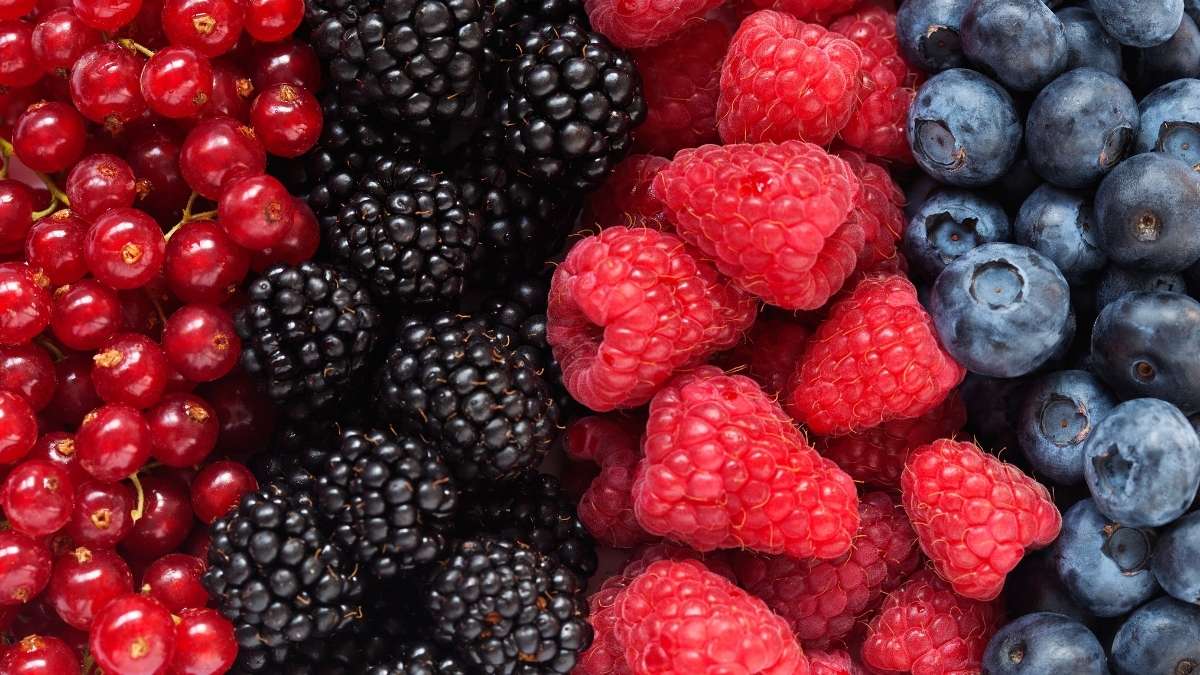
Berries protect you from diabetes. The compounds called anthocyanins make your cells respond better to insulin.
Studies show 23% reduced diabetes risk when you eat berries regularly. They also fight the oxidative stress that ages your brain.
Eat 1 cup daily. Fresh or frozen both work. Top your yogurt. Mix into oatmeal. Grab them as an afternoon snack.
Extra Virgin Olive Oil
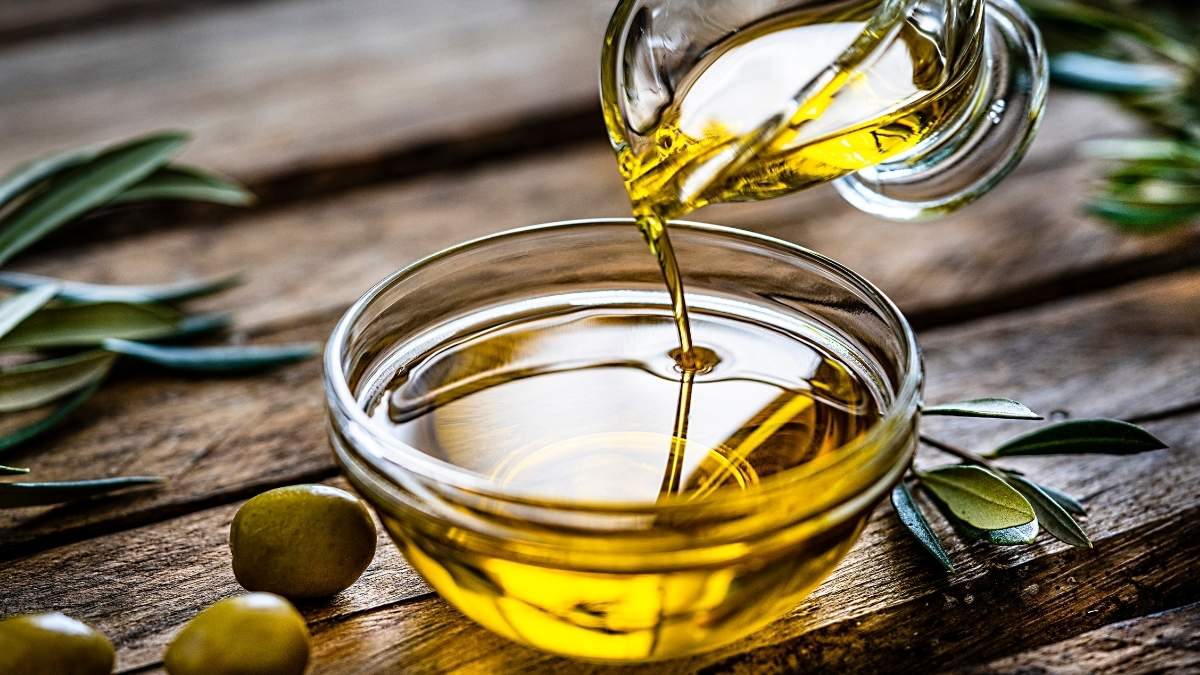
This oil contains oleocanthal, which works like natural ibuprofen in your body. It fights inflammation every time you eat it.
The famous PREDIMED study found a 30% reduction in heart attacks and strokes. That’s huge.
Use 2-3 tablespoons daily for cooking and salad dressings. This is one of the top foods that reduce chronic disease risk. Make sure it says “extra virgin” on the label.
Nuts (Walnuts, Almonds, Pistachios)
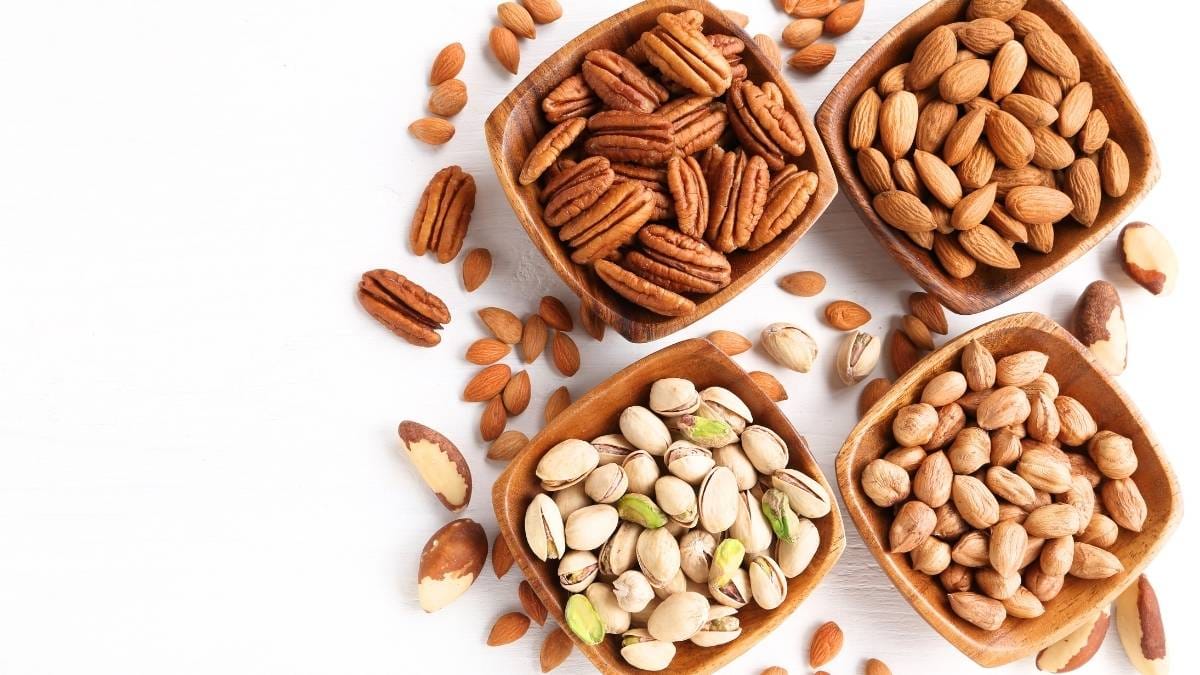
Nuts fix your cholesterol. They raise your good HDL and lower your bad LDL.
The Physicians’ Health Study tracked thousands of doctors and found 21% lower heart disease risk in nut eaters.
Eat 1 ounce daily. That’s a small handful. Do this 5-6 days per week. Watch your portions though. Nuts pack a lot of calories.
Legumes (Beans, Lentils, Chickpeas)
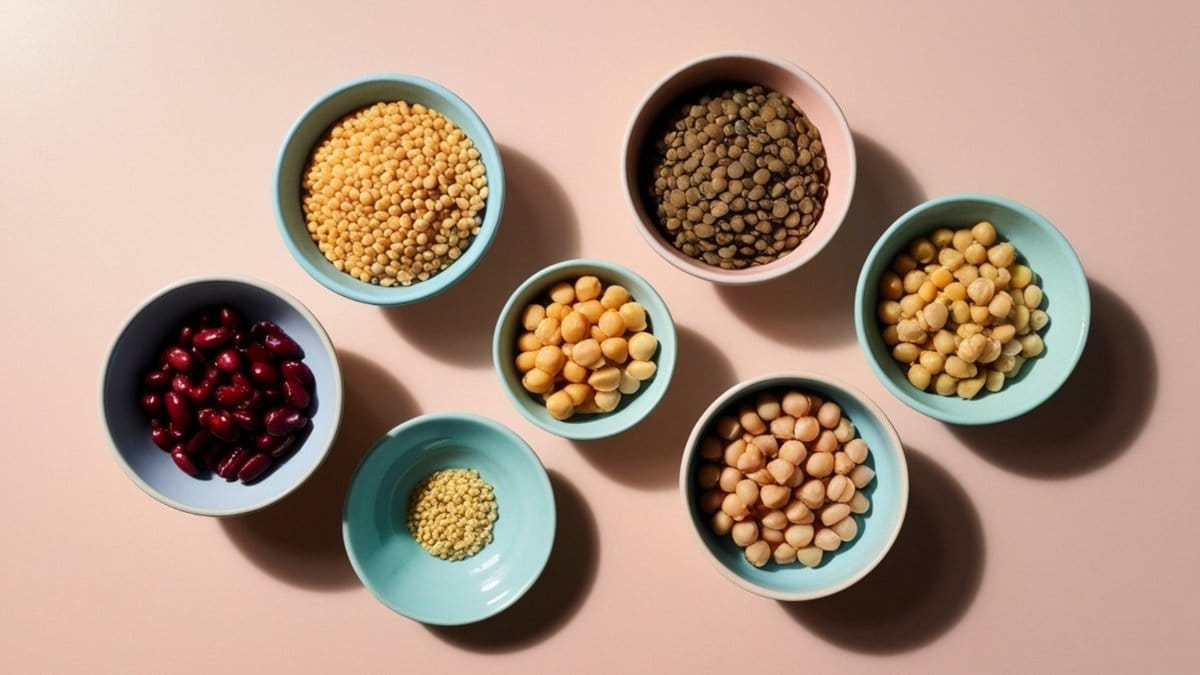
Beans feed the good bacteria in your gut. Those bacteria make compounds that reduce inflammation throughout your body.
The soluble fiber also grabs cholesterol and pulls it out, dropping your LDL by 10-15%.
Eat at least 3 servings per week. That’s ½ cup cooked. Top salads with chickpeas. Make hummus. Add lentils to soups. Easy ways to get them in.
Cruciferous Vegetables (Broccoli, Cauliflower, Brussels Sprouts)
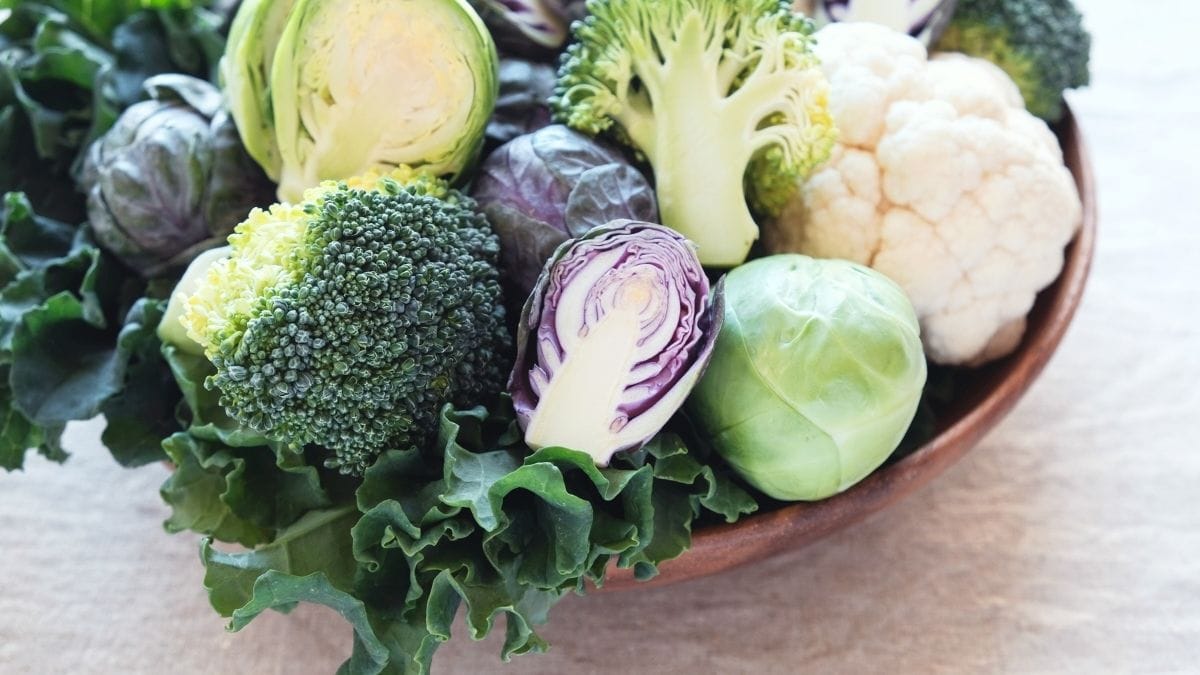
These vegetables contain sulforaphane. That compound turns on your body’s detox enzymes.
Population studies link cruciferous vegetables to 30% lower cancer risk. Your liver loves these foods.
Eat 4-5 servings weekly. Steam them lightly. Boiling destroys too many nutrients. Roast them with olive oil for better taste.
Whole Grains (Oats, Quinoa, Brown Rice)
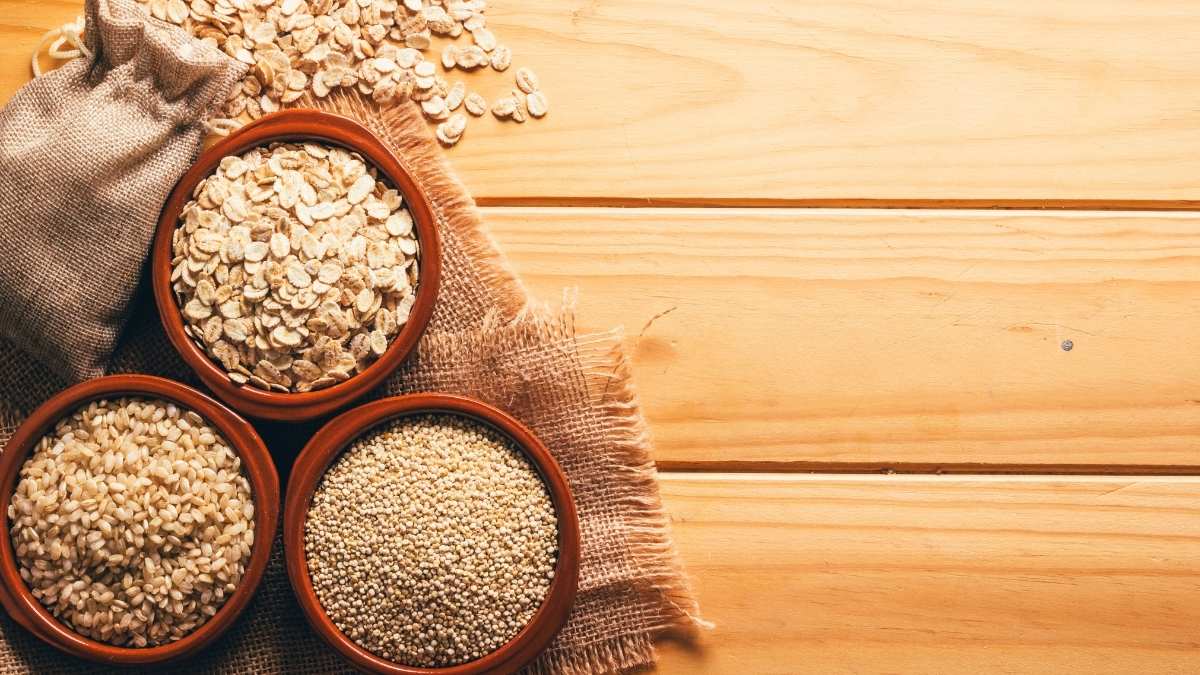
Whole grains contain beta-glucan fiber that protects your heart. This type of fiber reduces heart disease risk by 20-30%.
It also keeps your blood sugar steady, unlike white bread and white rice that spike it.
Replace refined grains completely. Eat 3 or more servings daily. These prevent heart disease and diabetes better than any medication without side effects.
Tomatoes (Especially Cooked)
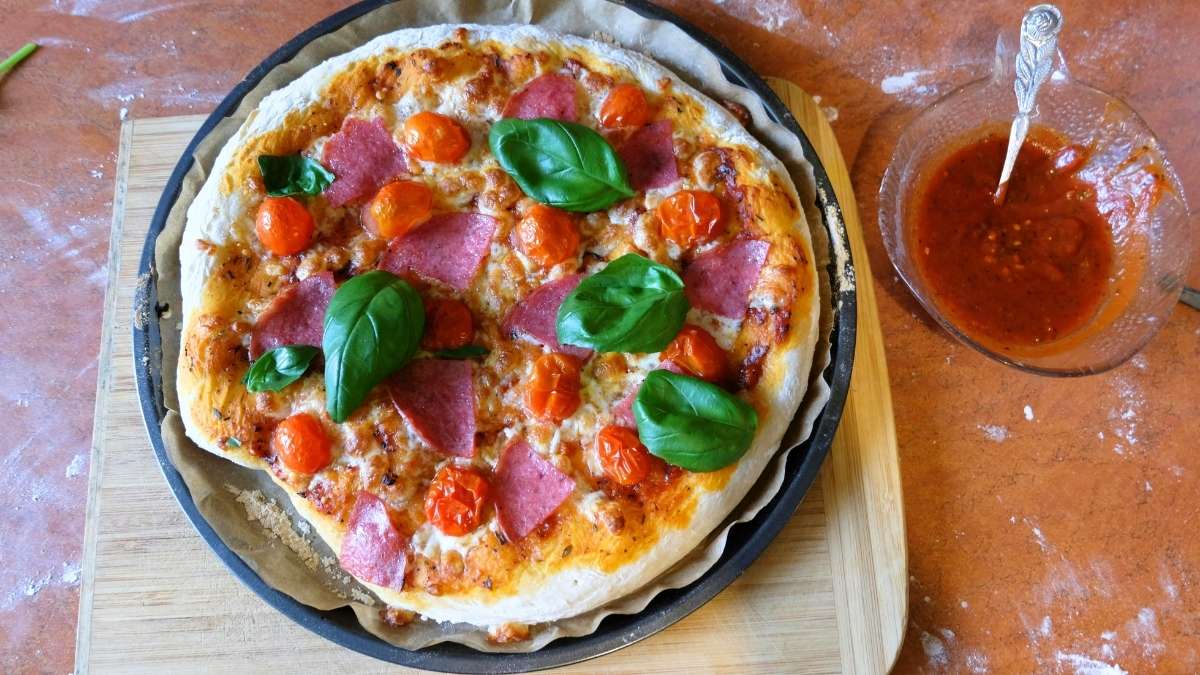
Lycopene is the red pigment in tomatoes. It cuts prostate cancer risk by 30-40%. Here’s the trick: cooking tomatoes releases more lycopene. Your body absorbs it better from tomato sauce than fresh tomatoes.
Eat 5-7 servings weekly. Use tomato sauce on pasta. Make tomato soup. Roast them with olive oil.
Garlic and Onions
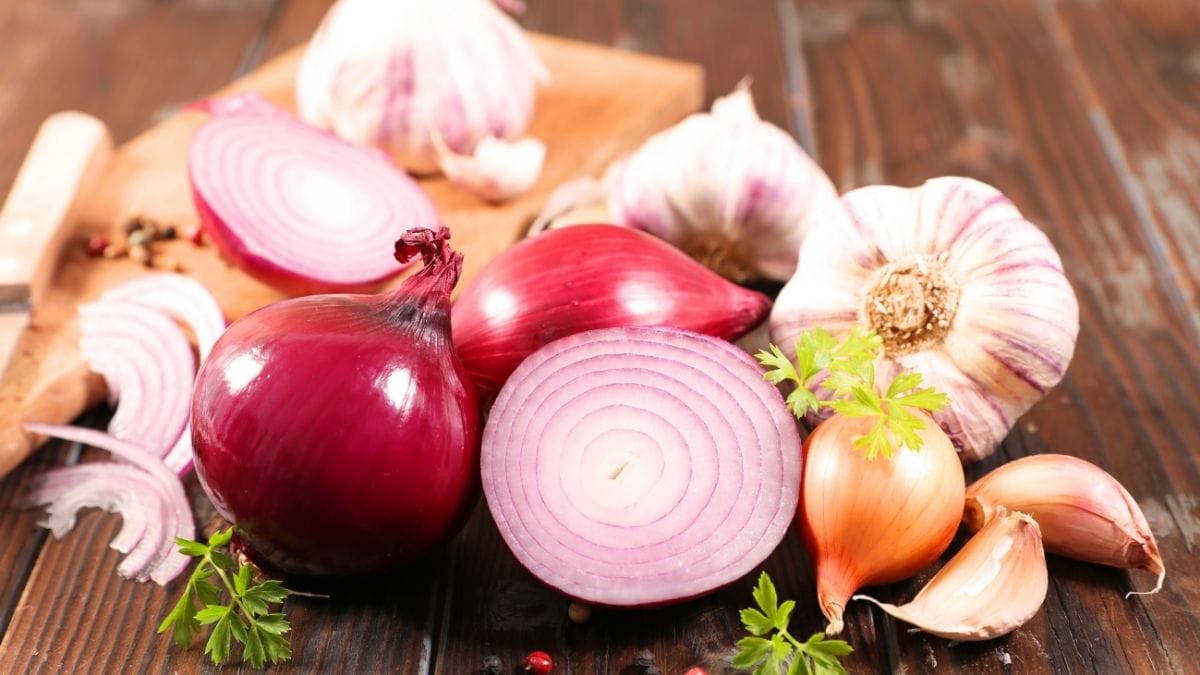
Garlic contains allicin, which lowers blood pressure and cholesterol. Both garlic and onions feed your gut bacteria with prebiotic fiber.
Those bacteria make compounds that fight inflammation.
Use them daily in your cooking. Crush garlic and let it sit for 10 minutes before cooking. That step activates the allicin.
Dark Chocolate (70%+ Cacao)

Yes, chocolate made the list. The flavonoids in dark chocolate improve blood flow and lower blood pressure.
But this only works with real dark chocolate, not milk chocolate loaded with sugar.
Eat 1-2 small squares, 3-4 times weekly. That’s about 1 ounce. Choose varieties with 70% cacao or higher. Think of it as a treat that happens to protect your heart.
Green Tea
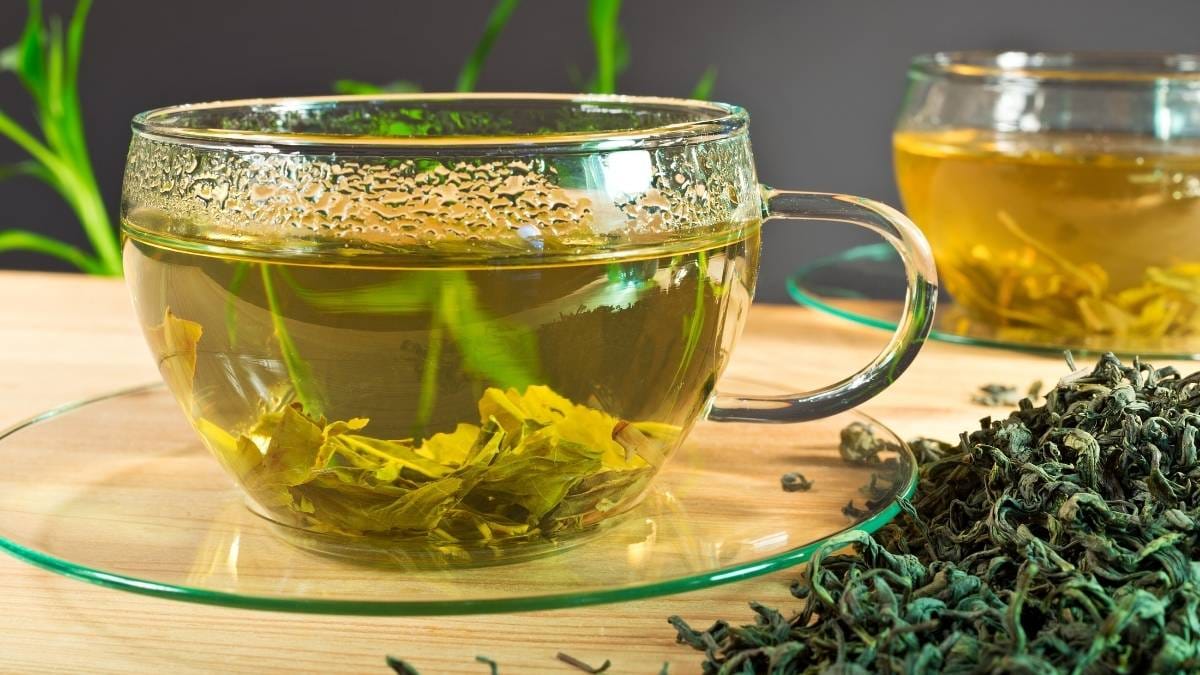
Green tea contains EGCG, a catechin that reduces inflammation and protects your cells.
Studies link green tea to 20-30% lower death rates from heart disease. Japanese populations who drink it daily live the longest.
Drink 2-3 cups daily. Steep for 3-5 minutes to extract the most EGCG. You can drink it hot or cold.
Avocados
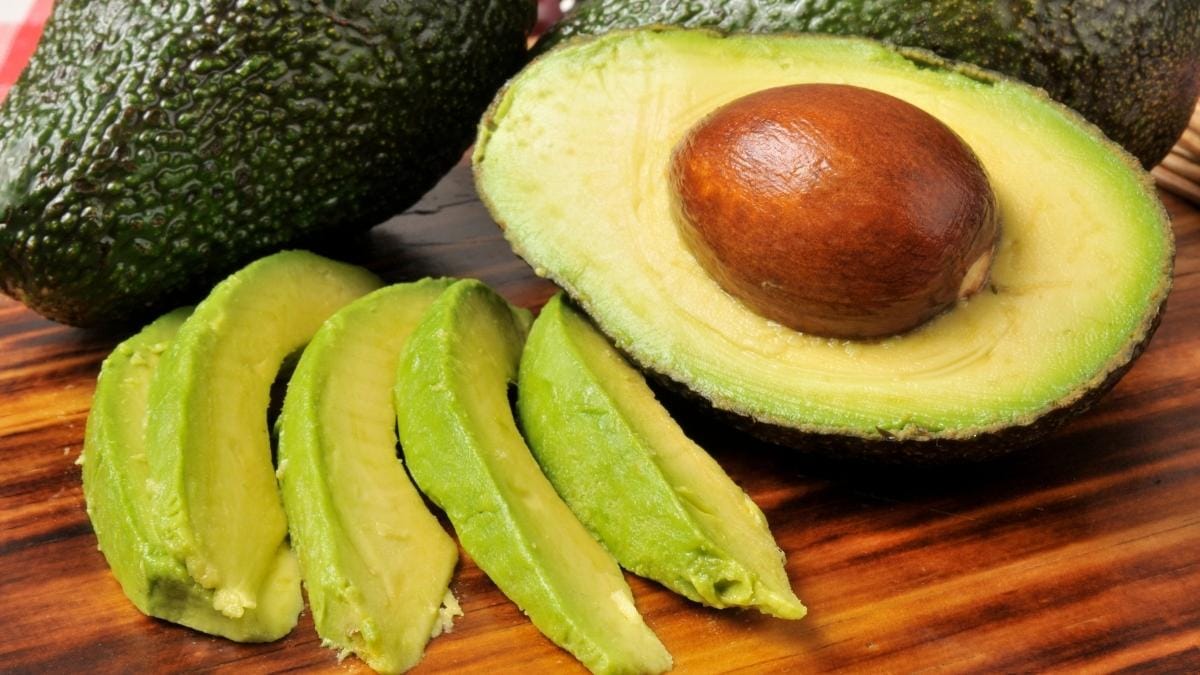
The monounsaturated fats in avocados improve your cholesterol profile. They raise good cholesterol and lower bad cholesterol at the same time. The potassium helps control blood pressure too.
Eat ½ to 1 avocado, 5-6 days per week. Add to salads. Mash on toast. Blend into smoothies for creaminess.
Beets
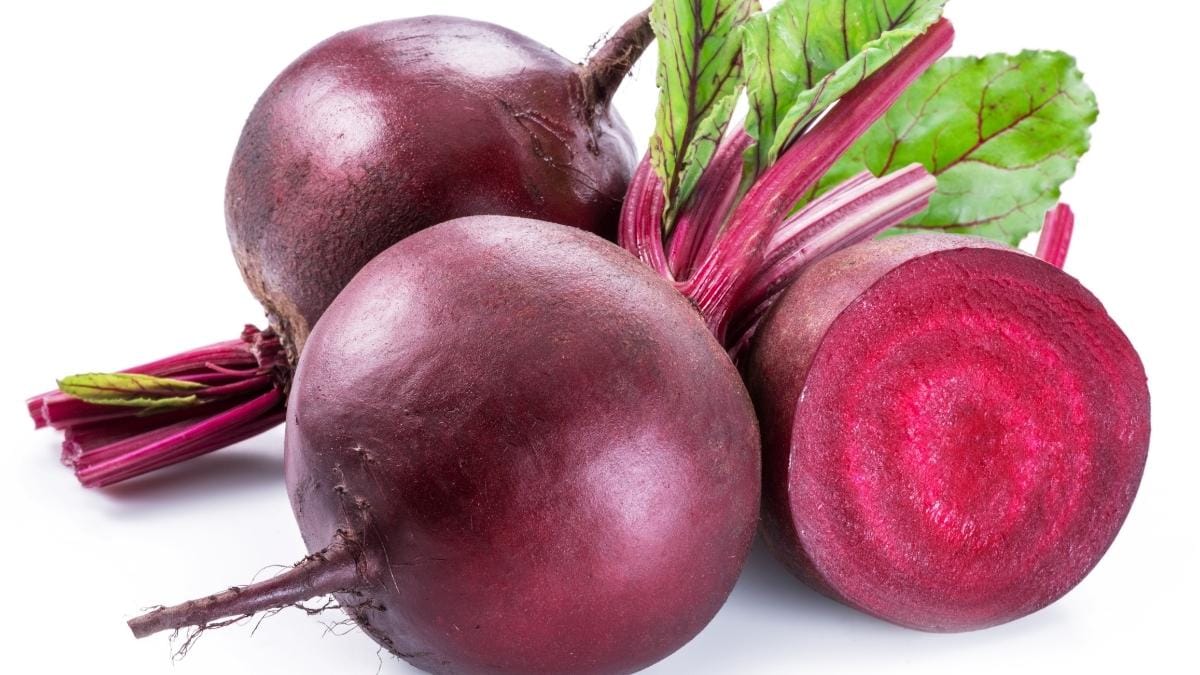
Beets contain dietary nitrates that relax your blood vessels. This can drop your blood pressure by 4-10 points. Your blood vessel linings work better after eating beets. That’s called improved endothelial function.
Eat 2-3 times weekly. Roast them in the oven. Juice them if you prefer. Pair them with arugula for even more nitrates.
Fermented Foods (Yogurt, Kefir, Sauerkraut)
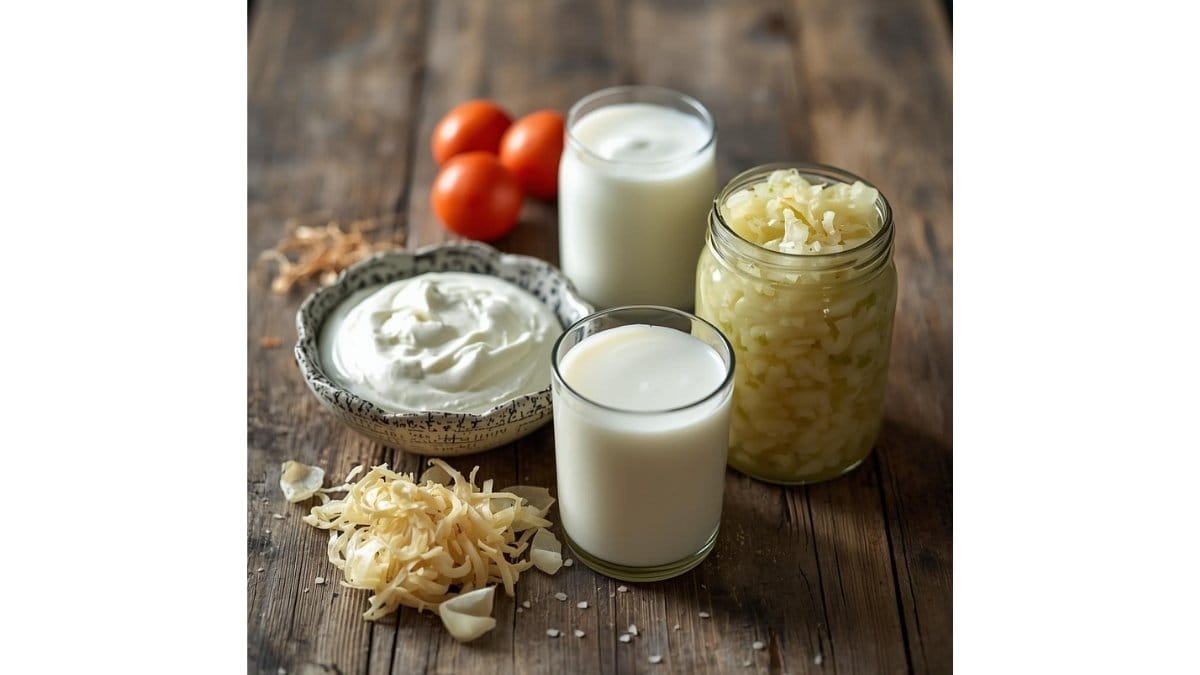
Probiotics in fermented foods reduce inflammation throughout your body. They support your immune system.
They even affect your mental health through the gut-brain connection. New research shows this link gets stronger every year.
Eat 1 serving daily. Choose unsweetened varieties of yogurt and kefir. These doctor recommended foods for health work best when you eat them consistently.
How to Build Your Weekly Anti-Inflammatory Meal Plan
You don’t need to eat all 15 foods every single day. That’s impossible and stressful. Instead, rotate them through your week and aim for 3-4 of these foods at each meal.
Here’s your simple template. Breakfast: Oatmeal with berries and walnuts, plus green tea. Lunch: Large salad with leafy greens, chickpeas, olive oil dressing, and tomatoes. Dinner: Salmon with roasted Brussels sprouts and quinoa.
Snacks are easy too. Hummus with vegetables. A handful of almonds. One square of dark chocolate. These foods that reduce chronic disease risk fit into meals you already eat.
Batch cooking makes this work. On Sunday, cook a big pot of beans. Roast several trays of vegetables. Portion out nuts into small bags. Wash and chop your greens. This diet to prevent heart disease and diabetes takes 90 minutes of prep for the whole week.
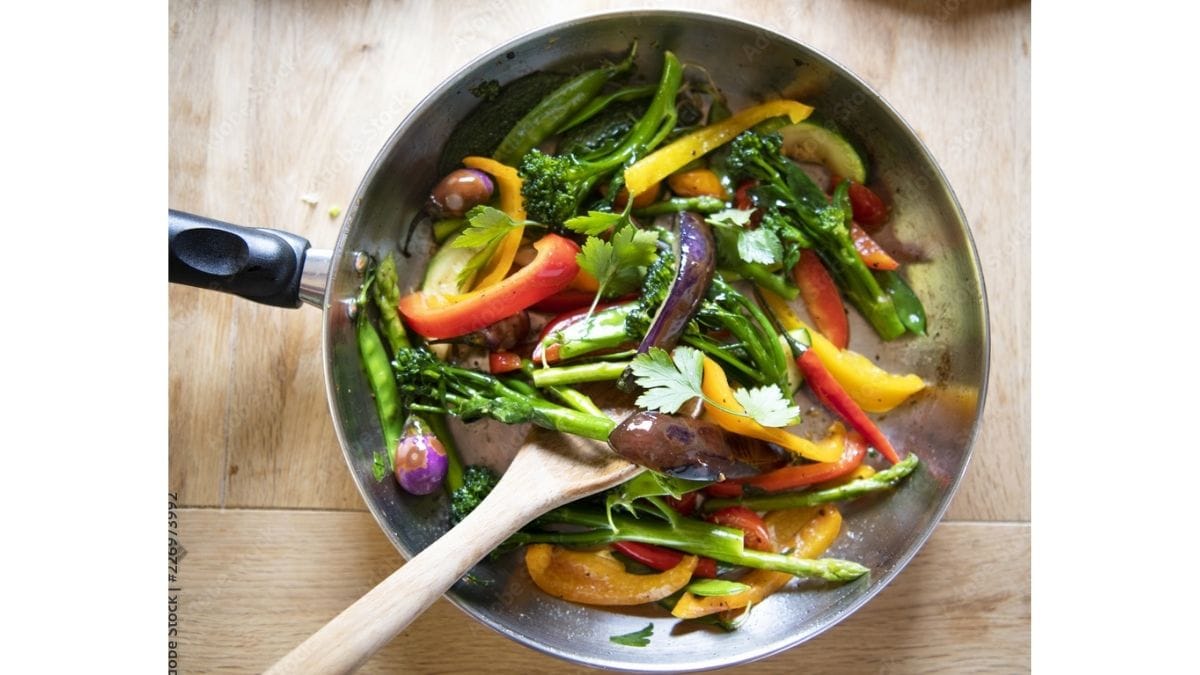
Dining out? Order salmon or any grilled fish. Ask for extra vegetables instead of fries. Request olive oil for your salad. Skip the bread basket and ask for hummus instead.
Your shopping list by store section: Produce (greens, berries, tomatoes, broccoli, beets, garlic, avocados). Seafood (wild salmon).
Dairy (plain yogurt). Bulk bins (nuts, oats, quinoa, beans). Oils (extra virgin olive oil). Beverages (green tea).
Common Mistakes (And How to Avoid Them)
Mistake #1: Buying fake healthy foods. Last week a patient showed me her “olive oil.” It was a vegetable oil blend. Real extra virgin olive oil comes in a dark bottle with a harvest date within the past year.
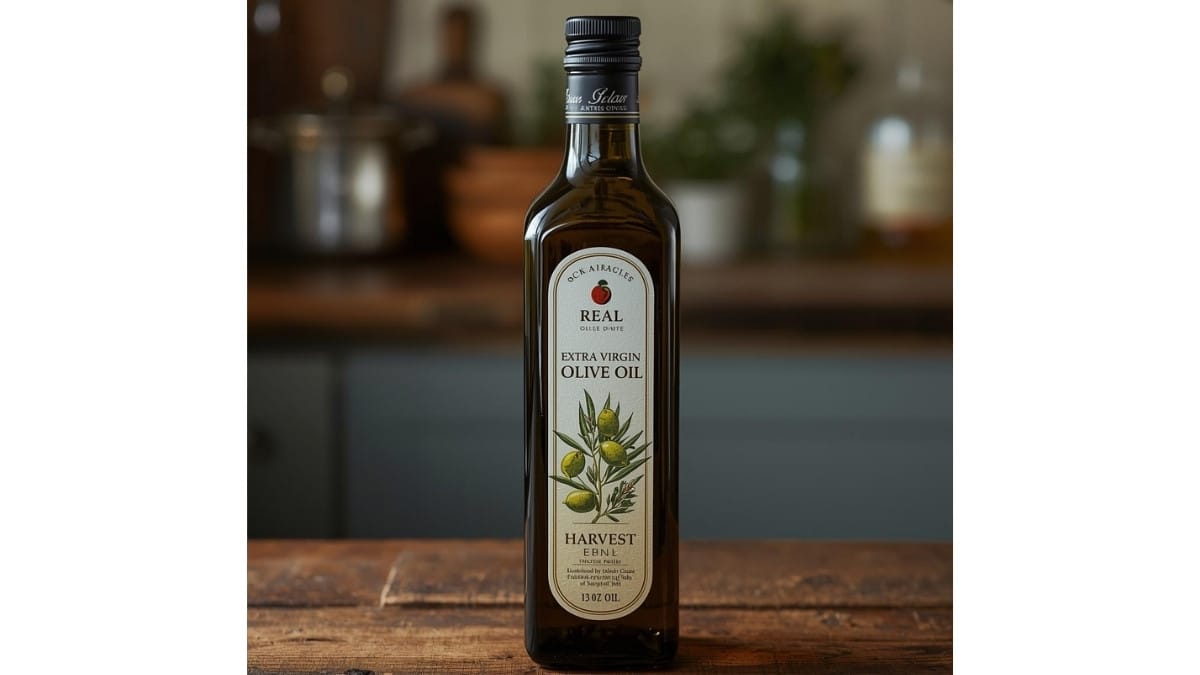
Look for those markers. Sugary yogurt isn’t fermented food. Choose plain, unsweetened varieties.
Mistake #2: Eating the same three foods every day. You need variety to get different protective compounds.
Rotation matters for these anti-inflammatory foods for disease prevention. Swap berries throughout the week. Try different nuts. Change up your greens.
Mistake #3: Destroying nutrients through bad cooking. Boiling vegetables leaches out vitamins.
Deep frying creates harmful compounds. Steam or roast instead. Don’t overcook your fish until it’s dry.

Mistake #4: Portion control problems. Nuts and olive oil are healthy but calorie-dense. One handful of nuts, not the whole bag.
Three tablespoons of olive oil daily, not half the bottle.
Mistake #5: Quitting after two weeks. Your blood pressure improves in 2-4 weeks. Cholesterol drops in 6-8 weeks. Full benefits take 3-6 months. Stick with it.
For salmon, wild-caught has darker color and leaner texture. Check labels carefully.

Buy organic for the “dirty dozen” produce like berries and leafy greens where pesticides matter most.
What the Research Really Shows
I’m not guessing about these doctor recommended foods. The evidence is solid. The PREDIMED trial followed 7,447 people for five years and found a 30% reduction in heart attacks and strokes.
That’s from eating a Mediterranean diet with these exact foods.
The Harvard Nurses’ Health Study tracked 120,000 women for decades.
Those eating 3+ servings of leafy greens weekly cut their stroke risk by 24%. The Lyon Diet Heart Study showed similar heart protection.
Here’s what matters most. No single food is magic. It’s the pattern of eating multiple foods that reduce chronic disease risk together.
Each 10-gram daily increase in fiber drops your mortality risk by 10%. Stack these foods and the benefits multiply.
Your genetics do matter. Some people are predisposed to certain diseases. But diet is still powerful enough to overcome much of that risk.
Blood pressure improves in 2-4 weeks. Cholesterol changes show up in 6-8 weeks. Inflammation markers drop within 12 weeks. Full disease protection builds over months and years of consistency.
Conclusion:
These 15 foods are backed by decades of research. Small, consistent changes beat perfection every time. When you combine multiple foods, they work together and protect you even more.
Diet is critical, but it’s just one piece. You also need exercise, sleep, and stress management for full protection.

Start by adding just 3-4 of these foods this week. Track how you feel after 30 days—your energy, sleep, and digestion. Most patients notice improvements fast, and your blood work will follow.
These anti-inflammatory foods for disease prevention aren’t about restriction. They’re about strategic addition. Your future self will thank you for the choices you make today.