
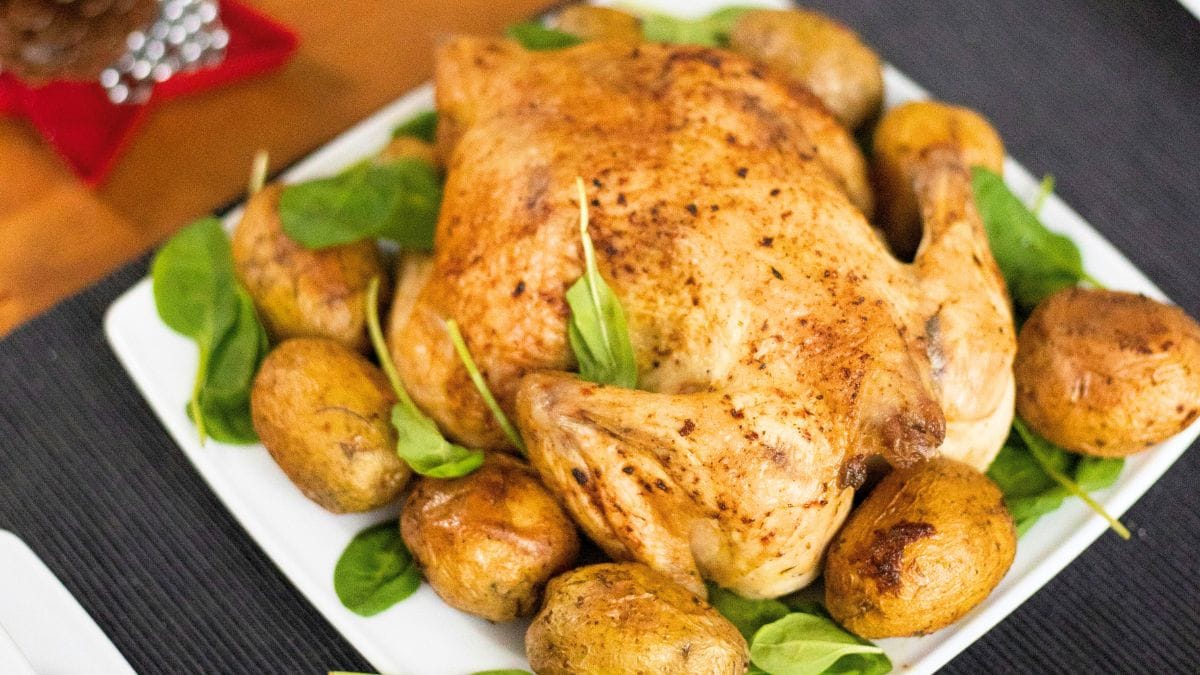
White chicken has been a staple protein in healthy diets for decades, but most people don’t understand exactly why it’s considered a nutritional powerhouse. You’ve probably heard that chicken breast is healthy. But is it really better than other meats? And why do doctors and trainers recommend it so much?
Here’s what makes this confusing: some people say all meat is bad, others claim you need it for muscle, and nobody explains the real differences between white and dark meat. Plus, you’re not sure how much protein you actually need each day.
This article breaks down 5 science-backed white chicken health benefits that matter. You’ll learn the exact chicken breast nutrition facts, how it compares to beef and fish, and simple ways to add lean protein to your meals. No food science degree needed—just practical information you can use today.

What Is White Chicken? The Simple Breakdown

White chicken means the breast meat of a chicken—the lighter-colored parts you see at the grocery store. This includes chicken breasts and wings without skin. It’s called “white” because these muscles have less myoglobin, a protein that makes meat darker.
Here’s the white meat vs dark meat difference: white meat contains about 10% fat while dark meat has 20% fat. That’s why nutritionists call chicken breast a lean protein source. The breast muscles don’t work as hard as leg muscles, so they store less fat. Think of it this way: legs do the walking, breasts just sit there.
One 100g chicken breast packs 31g of protein. That’s more protein per bite than most other meats. Americans eat roughly 98 pounds of chicken each year, and most choose white meat for good reason. The most popular cuts are skinless chicken breast and tenderloins—both low in fat and high in protein.
The Nutritional Value of White Chicken: What You Actually Get
Here’s the chicken breast nutrition breakdown for a standard 3 oz (85g) serving: 128 calories, 26g protein, 2.7g fat, and zero carbs. That protein content makes it one of the best muscle-building foods you can buy. And yes, it contains all 9 essential amino acids your body can’t make on its own.
The vitamins and minerals in chicken breast are impressive too. One serving gives you 53% of your daily niacin (vitamin B3) and 34% of your daily selenium.
You also get phosphorus for strong bones and vitamin B6 for energy.
Here’s a quick comparison of chicken breast nutrition:
Serving (3 oz) ; Skinless, Cooked = With Skin, Cooked
Calories ;                               128                                     193
Protein ;                                 26g                                      25g
Fat ;                                           2.7g                                     7.8g
The nutritional value drops when you add skin—nearly triple the fat. Stick with skinless for the leanest option.
Benefit #1: Builds and Repairs Your Muscles Fast

Your muscles need protein to grow and heal after workouts—and chicken delivers exactly what they’re looking for. White chicken is a complete high protein food with all 9 essential amino acids your body can’t make itself. Your body absorbs over 90% of the protein from chicken, which beats most plant proteins by a long shot.
Here’s what makes chicken so good for muscle building: it contains 3g of leucine per serving. Leucine is the amino acid that tells your muscles to start growing. Research shows you need 25-30g of protein per meal to maximize muscle repair, and one chicken breast gets you there easily.
Most adults need 0.8-1.2g of protein per kg of body weight daily. So if you weigh 150 pounds (68kg), that’s about 54-82g of protein spread across your meals. The lean protein benefits work for everyone—athletes recovering from training, seniors fighting muscle loss, or anyone trying to lose fat while keeping muscle.
Try this: eat a 4 oz chicken breast after your workout with rice and veggies. That’s 35g of protein hitting your muscles when they need it most.
Benefit #2: Helps You Lose Fat Without Losing Muscle

Chicken is a low calorie protein that fills you up fast—perfect for weight loss. A 4 oz chicken breast has just 187 calories compared to 310 calories in the same amount of steak. You get more food, less calories, and better satiety. Studies show high-protein diets make people feel 60% fuller than low-protein diets.
Here’s the hidden weight loss benefit: your body burns 20-30% of protein calories just digesting them. That’s called the thermic effect. Carbs only burn 5-10% during digestion. So eating chicken actually burns calories while you eat it.
When you cut calories for fat loss, protein protects your muscle—research shows it preserves 95% of lean tissue. You lose fat, not muscle. Chicken also lowers ghrelin, the hunger hormone that makes you want to snack.
For portion control, prep 4 oz servings on Sunday for the week. Pair each serving with vegetables and a small amount of rice or potatoes. That’s roughly 400 calories per meal that keeps you full for hours.
Benefit #3: Protects Your Heart Better Than Red Meat

Chicken is a healthy protein that’s easier on your heart than beef or pork. A 3 oz chicken breast has just 0.9g of saturated fat compared to 4.5g in the same amount of beef. That’s five times less fat clogging your arteries. Research shows swapping red meat for poultry cuts heart disease risk by 19%.
The cardiovascular benefits come from more than just low fat. Chicken is packed with niacin (vitamin B3), which can raise your good HDL cholesterol by 15-35%. Higher HDL means better heart health. You also get B6 and B12 vitamins that keep your blood vessels healthy and reduce inflammation.
The American Heart Association specifically recommends skinless chicken for heart health.

It helps prevent metabolic syndrome—the cluster of conditions that lead to heart disease and diabetes.
But here’s the catch: preparation matters. Grilled or baked chicken protects your heart. Fried chicken with breading? That adds back all the bad fats you’re trying to avoid. Stick with simple cooking methods to keep the heart benefits.
Benefit #4: Boosts Your Body’s Defense System

Chicken gives your immune system the raw materials it needs to fight off sickness. One 3 oz serving provides 40% of your daily selenium—a powerful antioxidant that protects cells from damage. Selenium also keeps your thyroid working right, which controls your whole immune response.
The immune support doesn’t stop there. Chicken contains zinc, which helps produce T-cells and natural killer cells that attack viruses and bacteria. The B vitamins in chicken help your body create antibodies faster when you get sick.

Your grandma was right about chicken soup—science proves it works. Studies show chicken soup has real anti-inflammatory properties that help reduce cold symptoms. The protein helps your body make the infection-fighting antibodies you need to recover.
The nutritional benefits of these vitamins and minerals add up to a stronger immune system. You won’t get sick less often, but your body will fight infections better when they hit.
Benefit #5: Keeps Your Bones Strong and Metabolism Running

Most people think calcium builds strong bones, but protein matters just as much for bone health. Chicken provides 20% of your daily phosphorus, which works with calcium to create dense, fracture-resistant bones. Research shows eating enough protein cuts fracture risk by 11%.
The nutritional value extends to your metabolism too. B vitamins in chicken turn your food into energy your cells can actually use. Selenium keeps your thyroid producing hormones that control how fast you burn calories. Without enough selenium, your metabolism slows down and you feel tired.
This matters even more for healthy aging. After 50, you lose muscle mass fast—a condition called sarcopenia. Seniors need about 1.2g of protein per kg of body weight to prevent muscle loss. That’s 50% more than younger adults need.
Eating chicken regularly helps older adults stay strong, active, and independent longer. Your bones stay dense and your body keeps burning energy efficiently.
How Chicken Stacks Up Against Other Proteins
Here’s a protein comparison to help you choose the best lean meat options for your goals:
Protein (3 oz) = Chicken breast, Turkey breast, Salmon, Lean beef, Pork tenderloin
Calories =                           128                        125                 177           184                122
Protein =                             26g                        26g                  22g           25g                 22g
Fat =                                      2.7g                       1.8g                  11g           8g                    3g
Cost/serving =              $1.50                    $2.00              $4.50      $3.00            $2.50
Chicken wins on cost and availability—it’s one of the cheapest healthy protein sources you can buy. It’s also better for the planet. Chicken produces 6kg of CO2 per kg of protein, while beef creates 27kg.
That’s over four times the environmental impact.
Chicken works in almost any recipe and fits most diets. It’s allergen-friendly, halal, and kosher when prepared properly. Fish has omega-3s chicken lacks, but chicken costs less and stores longer.
How to Cook Chicken the Healthy Way
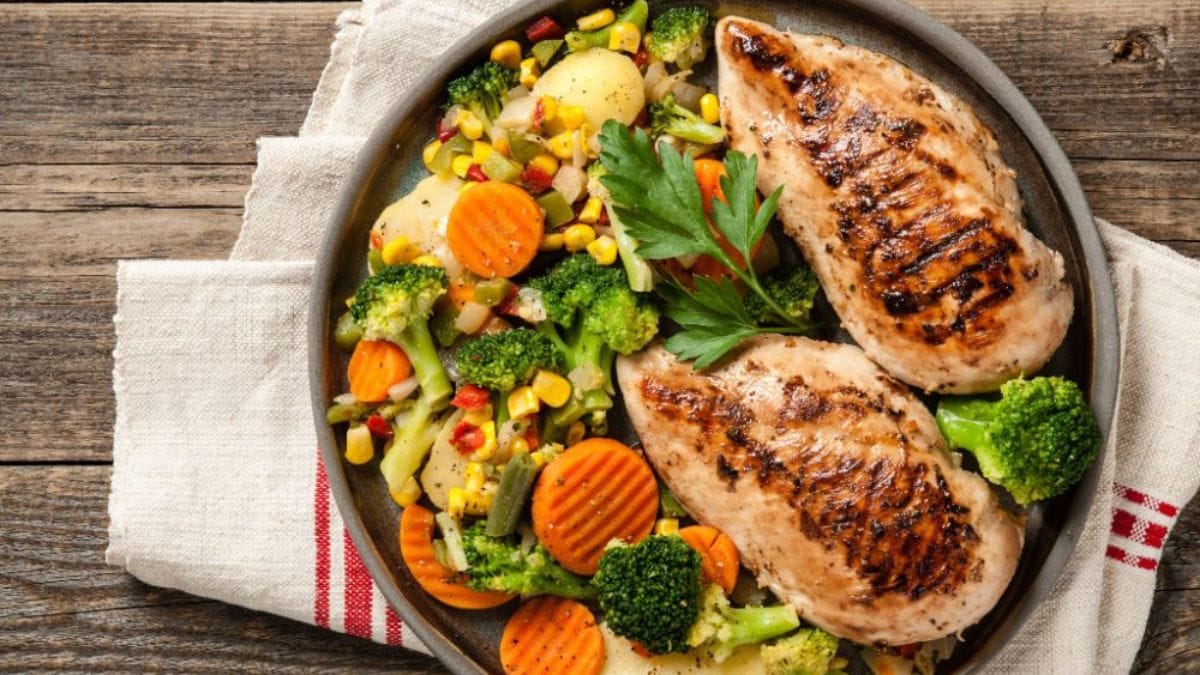
The best healthy cooking methods keep chicken nutritious: baking, grilling, air frying, and poaching. Grilling keeps 90% of nutrients while boiling only saves 70%. Skip deep frying and heavy cream sauces—they add hundreds of calories and cancel out the health benefits.
Food safety matters: cook chicken to 165°F (74°C) internal temperature. Use a meat thermometer to check the thickest part.

Pink meat means it’s not done yet.
For meal preparation, stick to 3-4 oz portions per serving. Try these quick marinades that add flavor without fat: lemon juice with herbs, plain yogurt with garlic, or balsamic vinegar with rosemary. Marinate for 30 minutes before cooking.
Here are 5 fast recipe ideas:
- Grilled chicken with steamed broccoli
- Baked lemon-herb chicken breast
- Chicken stir-fry with vegetables
- Poached chicken for salads
- Air-fried chicken tenders (no breading)
Why Chicken Deserves a Spot on Your Plate
Now you know why white chicken health benefits are backed by real science. It builds muscle, helps you lose fat, protects your heart, boosts immunity, and strengthens bones. The chicken breast nutrition profile beats most other proteins for lean protein at an affordable price.

White chicken fits keto, paleo, and low-fat diets equally well. Start with 3-4 servings per week. Grill or bake it, skip the deep fryer, and pair it with vegetables and whole grains.
That’s why chicken earned its reputation as a nutritional powerhouse—it simply delivers results.