
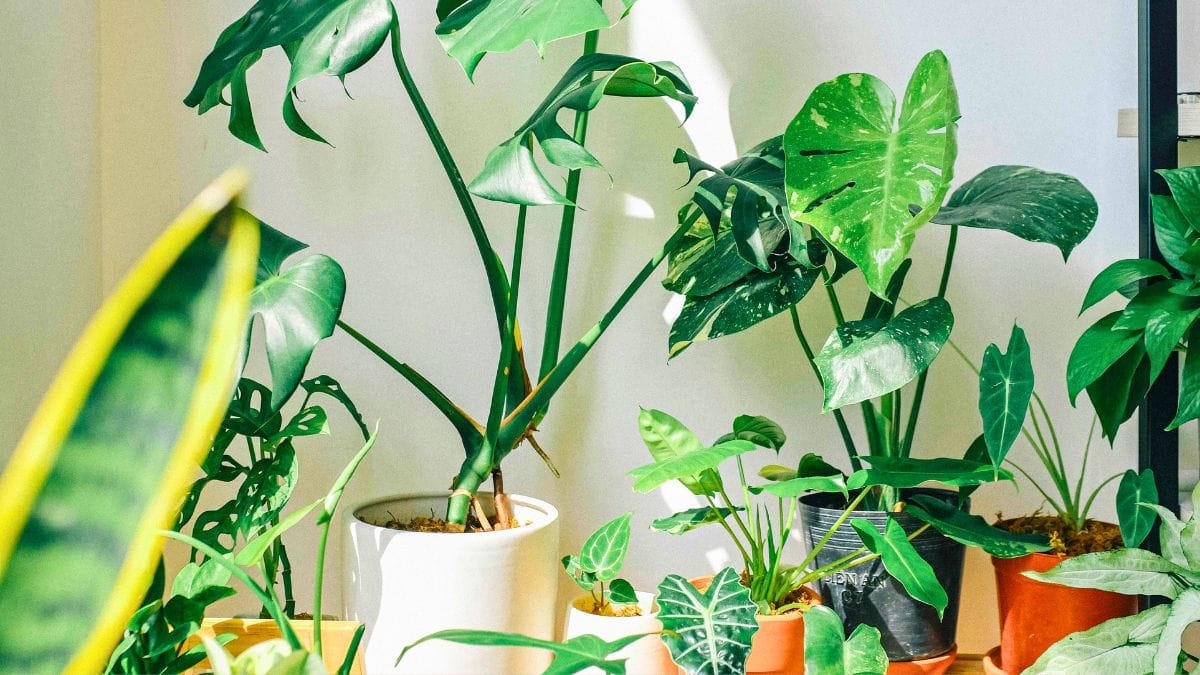
You walk into your home after a long day. The air feels stale. Maybe you’ve been thinking about air purifiers, but they’re expensive. Plus, they just sit there looking, well, boring.
Here’s something better. Plants don’t just look pretty on your shelves. They actually clean your air. They pump out oxygen while pulling in the stuff you don’t want to breathe. And these aren’t just any plants. These are oxygen powerhouse plants that work overtime to freshen up your space.
I’m going to show you nine incredible plants that’ll transform your indoor air. You’ll learn which ones work best for your space, how to care for them, and where to put them for maximum impact. Let’s dive in.
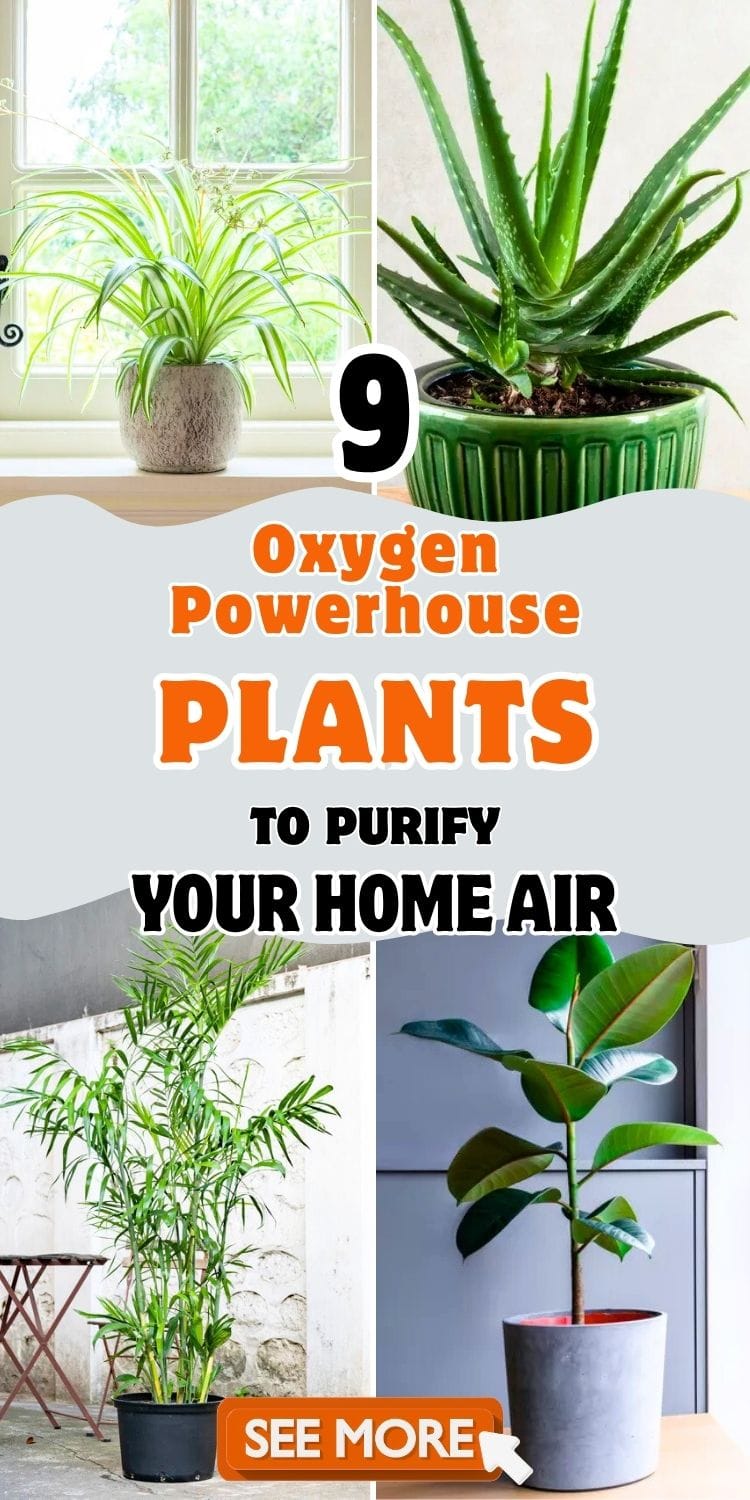
Why These Plants Are Your Home’s Best Friends
Your home traps more than just heat and cool air. It holds dust, chemicals from furniture, cleaning products, and even mold spores. Regular ventilation helps, but it’s not always enough.
Plants naturally filter air through their leaves and roots. They absorb carbon dioxide and release fresh oxygen. Some plants go further. They pull toxins like formaldehyde and benzene right out of the air. NASA actually studied this stuff back in the 1980s. The results? Plants work.
These nine plants I’m sharing aren’t high-maintenance divas either. Most of them thrive on neglect. Perfect for busy people or those of us who forget to water things.
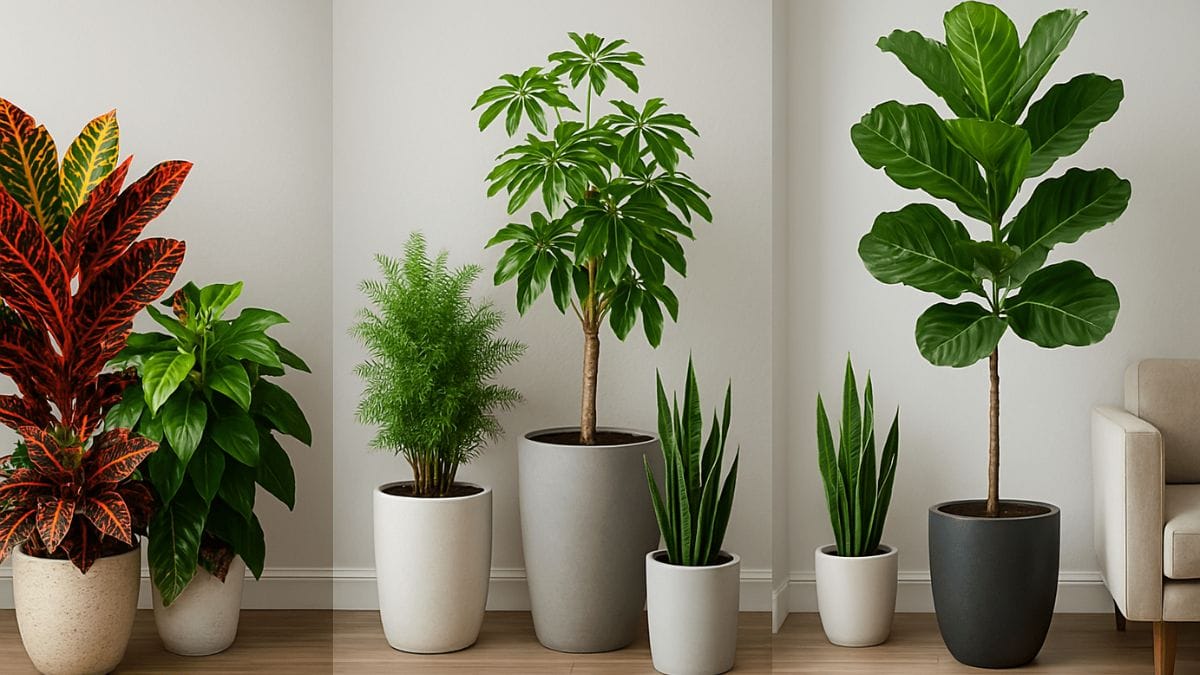
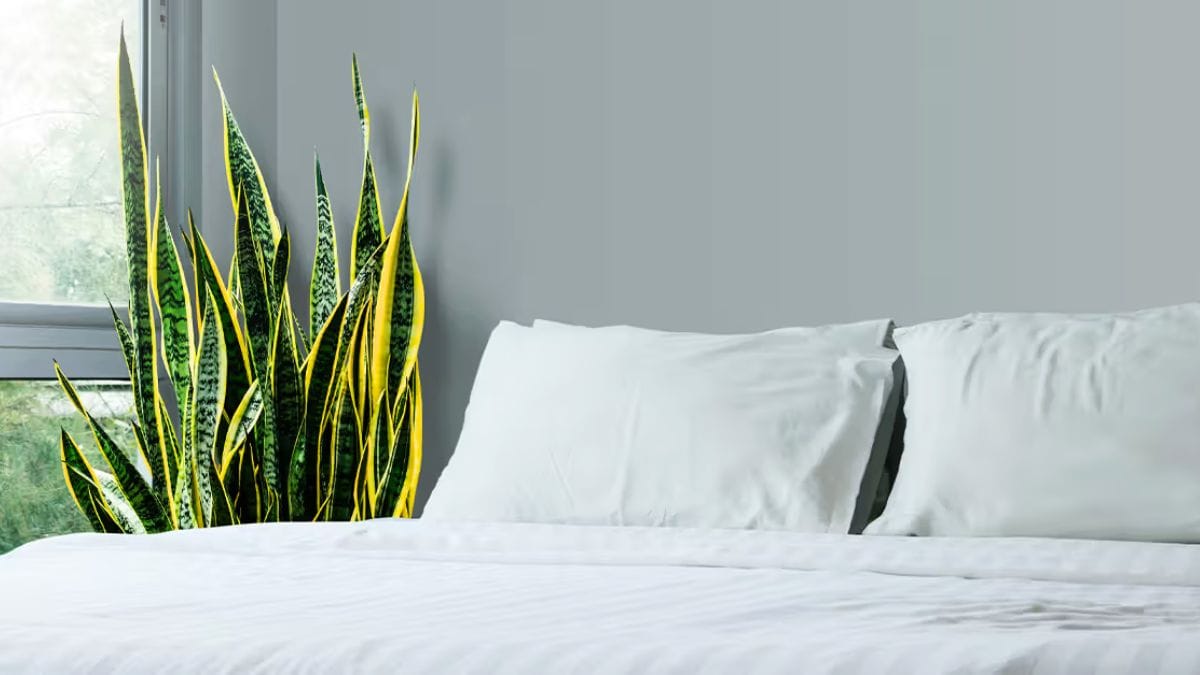
Snake Plant: The Bedroom Champion
Snake plants are tough as nails. They survive low light. They handle inconsistent watering. And here’s the best part: they release oxygen at night.
Most plants do their oxygen thing during the day. Snake plants keep working while you sleep. Put one in your bedroom. You’ll breathe easier through the night.
Water it every two to three weeks. That’s it. Place it anywhere from bright indirect light to that dim corner you’ve been ignoring. It’ll be fine.
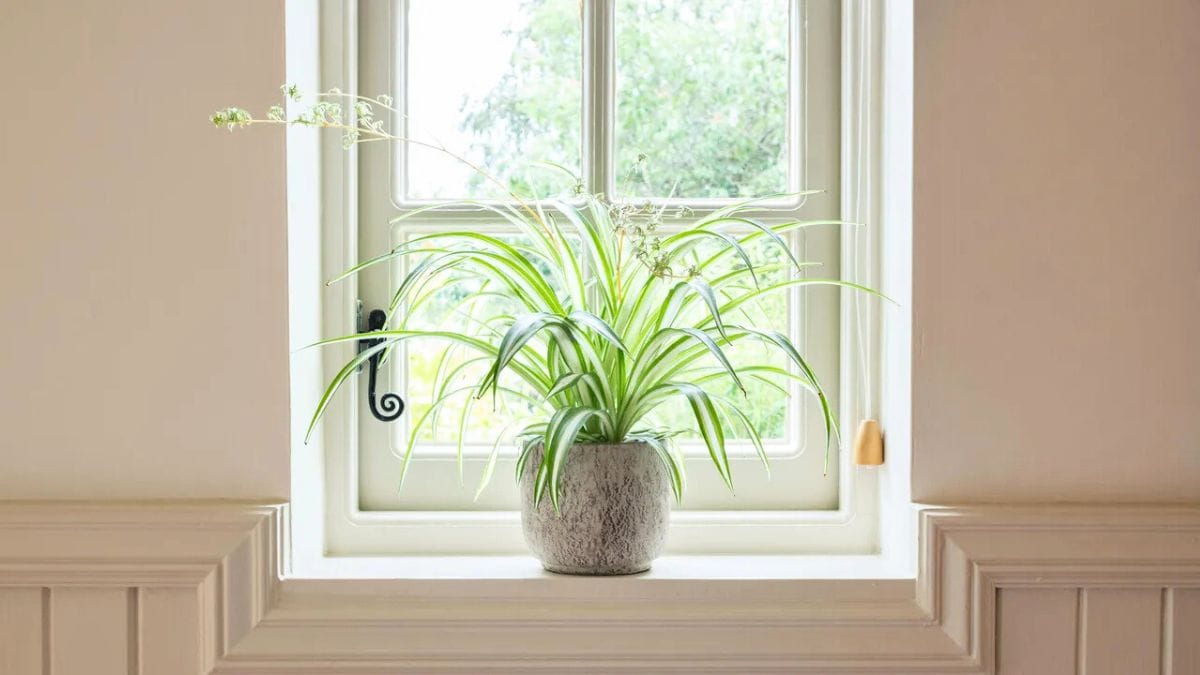
Spider Plant: The Beginner’s Best Friend
Spider plants are nearly impossible to kill. They’re like the golden retrievers of the plant world. Friendly, adaptable, and always reliable.
These guys remove formaldehyde and xylene from your air. They also produce little baby plants on long stems. You can keep them or share them with friends. Free plants for everyone.
Give yours medium light and water when the soil feels dry. They don’t mind if you forget them for a week. Hang them in baskets or set them on shelves. They look great anywhere.
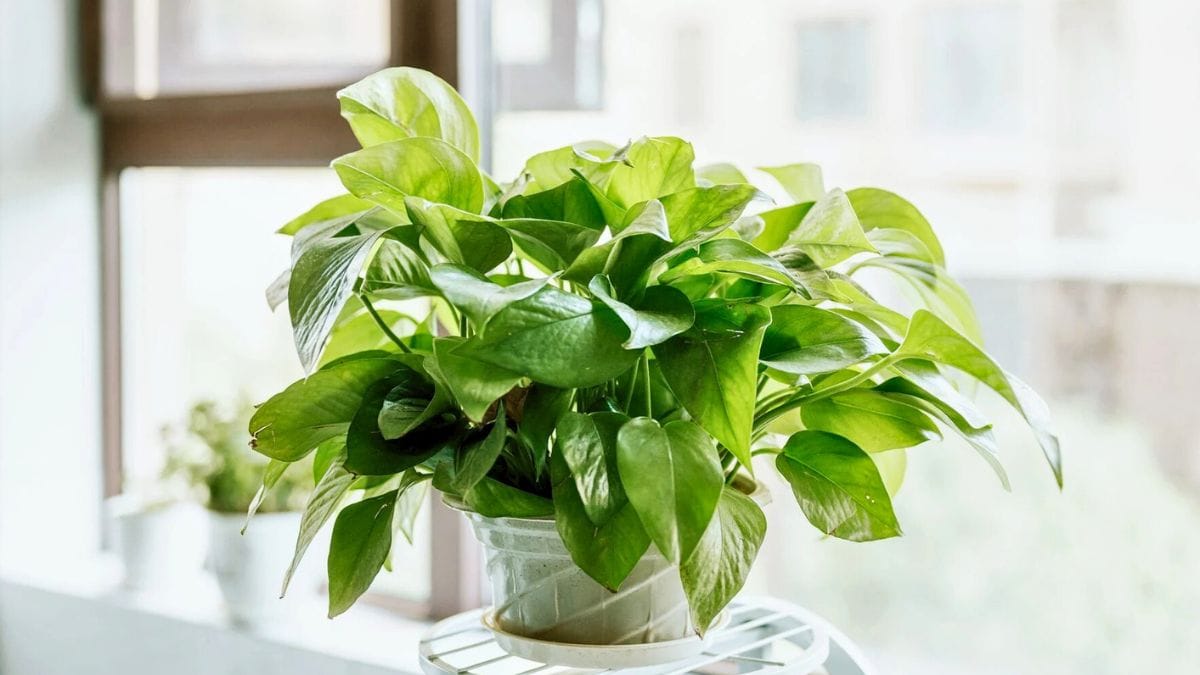
Pothos: The Low-Light Hero
Got a bathroom with no windows? A dark hallway? Pothos thrives there. This trailing vine handles low light better than almost any other plant.
It scrubs carbon monoxide and formaldehyde from your air. Plus, it grows fast. You’ll see new leaves every week during growing season. That growth means more air-cleaning power.
Water when the top inch of soil dries out. Too much water kills pothos faster than too little. Let it trail from a shelf or train it up a moss pole. Your choice.
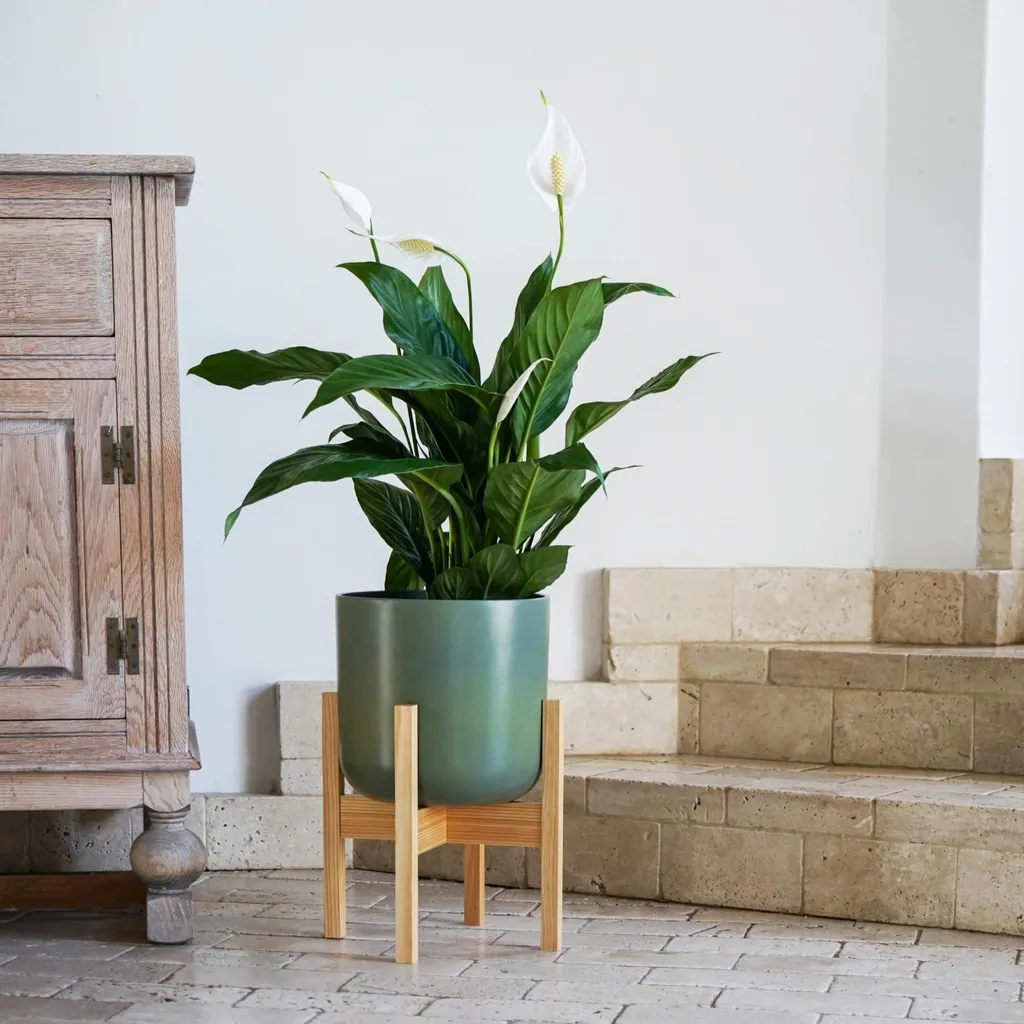
Peace Lily: The Moisture Maker
Peace lilies do double duty. They clean your air and add humidity to dry rooms. Perfect for winter when your heater makes everything feel like a desert.
These plants remove ammonia, benzene, and formaldehyde. They also bloom with elegant white flowers. Not many air-purifying plants give you flowers too.
Keep the soil moist but not soggy. Peace lilies droop dramatically when thirsty. Don’t panic. Water them and they bounce back within hours. They prefer low to medium light. Bright sun burns their leaves.
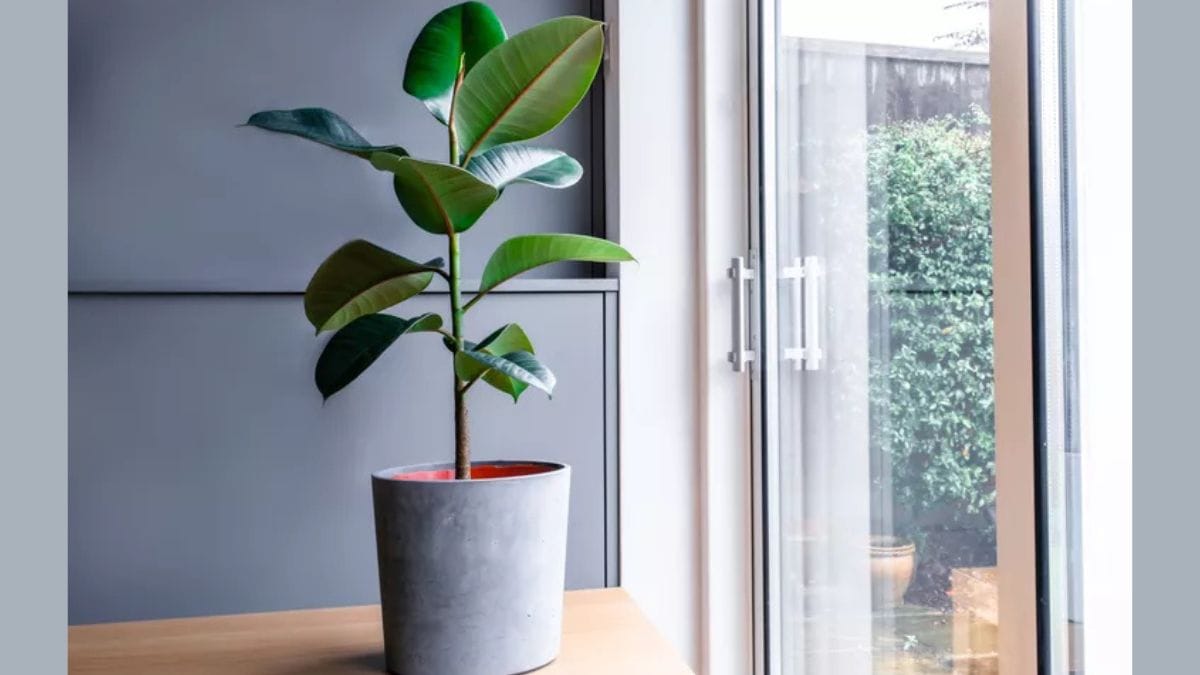
Rubber Plant: The Statement Piece
Rubber plants grow big. Like, really big. A small one can reach six feet indoors with proper care. That size means serious air-purifying power.
They’re particularly good at removing formaldehyde. Their large, glossy leaves look stunning in modern or traditional spaces. Put one in a corner that needs filling. Problem solved.
Water when the top two inches of soil dry out. They like bright, indirect light but adapt to medium light too. Wipe the leaves monthly to keep them dust-free and efficient.
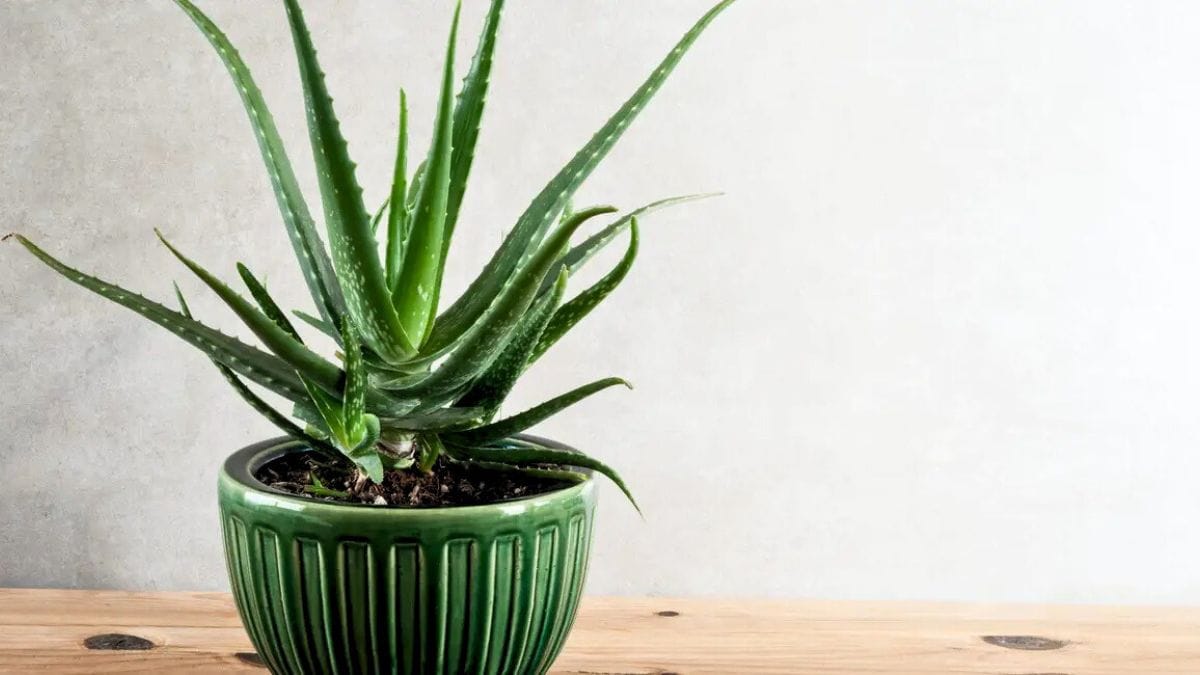
Aloe Vera: The Multitasker
Aloe vera cleans your air and heals your sunburns. Talk about useful. This succulent removes formaldehyde and benzene while looking cool and sculptural.
Place it on a sunny windowsill. Aloe loves bright light. It needs way less water than most plants. Let the soil dry completely between waterings. In winter, water once a month. That’s plenty.
The gel inside the leaves soothes burns and skin irritations. Just break off a piece and squeeze. Free first aid kit included with your air purifier.
Boston Fern: The Humidity Lover
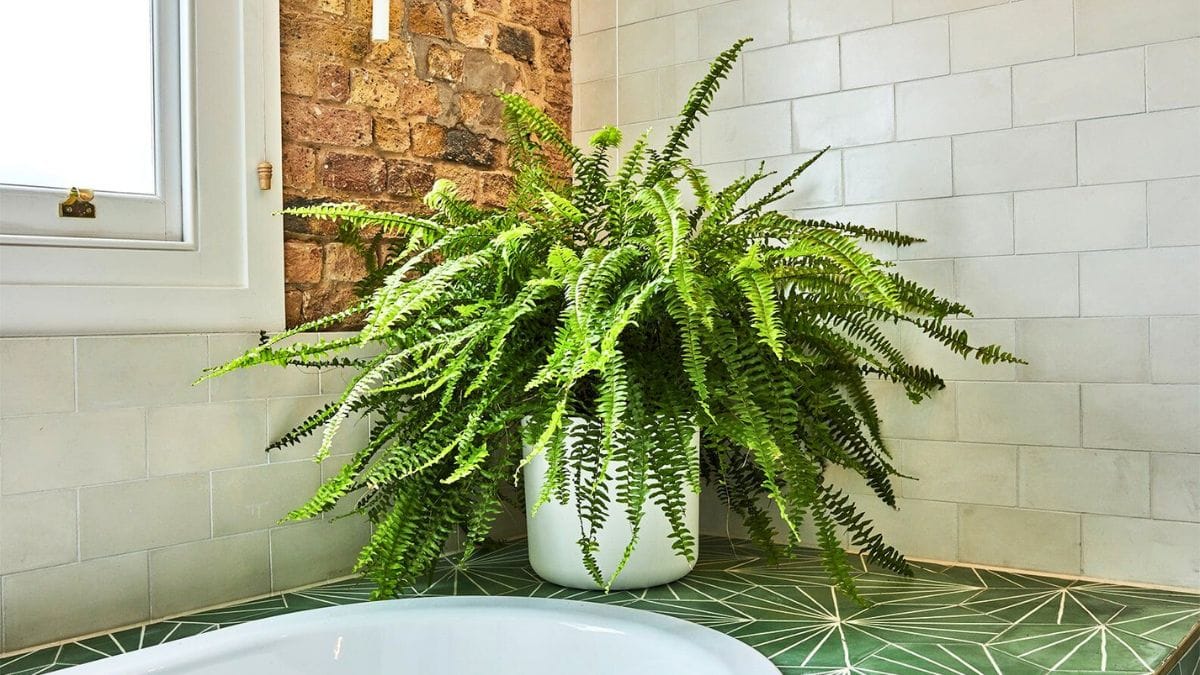
Boston ferns are lush and full. They remove more formaldehyde than almost any other plant. They also pump out serious oxygen during the day.
These ferns love humidity and consistent moisture. Mist them regularly or put them in your bathroom. They thrive in the steam from your shower. Just make sure they get indirect light.
Don’t let them dry out completely. They get crispy and sad. But don’t let them sit in water either. Moist soil is the goal. A little high-maintenance? Yes. Worth it? Absolutely.
Areca Palm: The Tropical Powerhouse
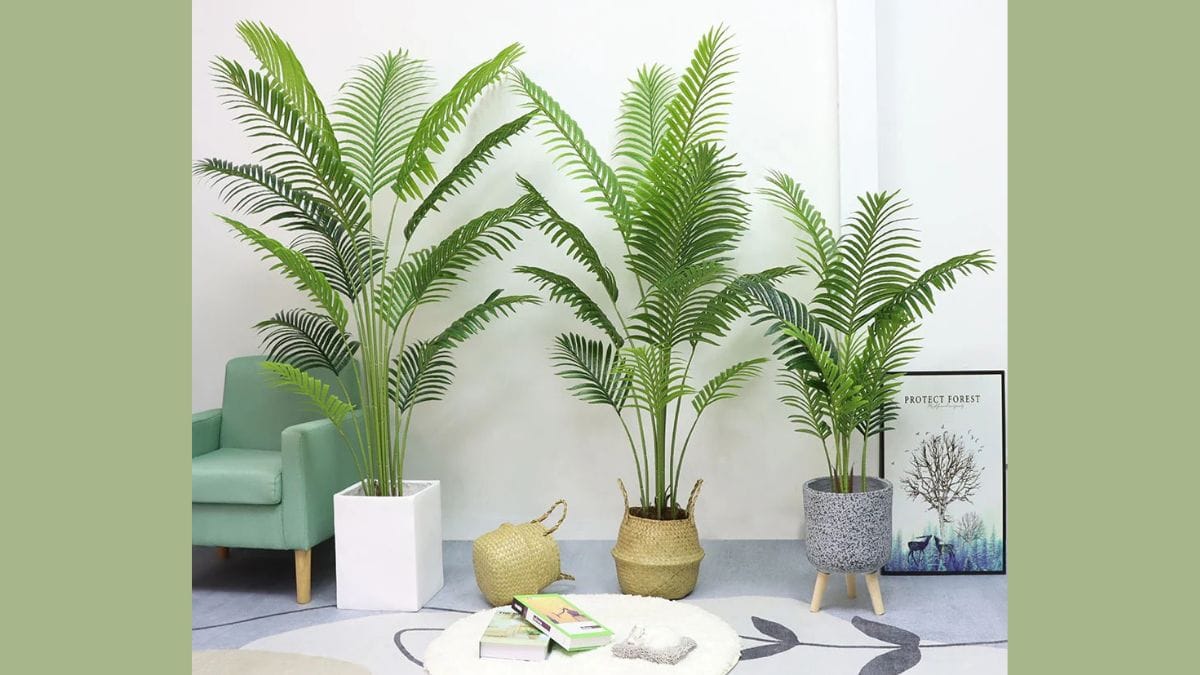
Areca palms bring vacation vibes to your living room. These oxygen powerhouse plants work hard to clean your air while making your space feel like a resort.
They remove toluene and xylene, plus they’re excellent humidifiers. One good-sized palm can release a liter of water into your air every 24 hours. Your skin will thank you.
Give them bright, indirect light and keep the soil lightly moist. They’re tropical plants, so they appreciate humidity. Mist them weekly or use a pebble tray underneath the pot.
Bamboo Palm: The Shady Specialist
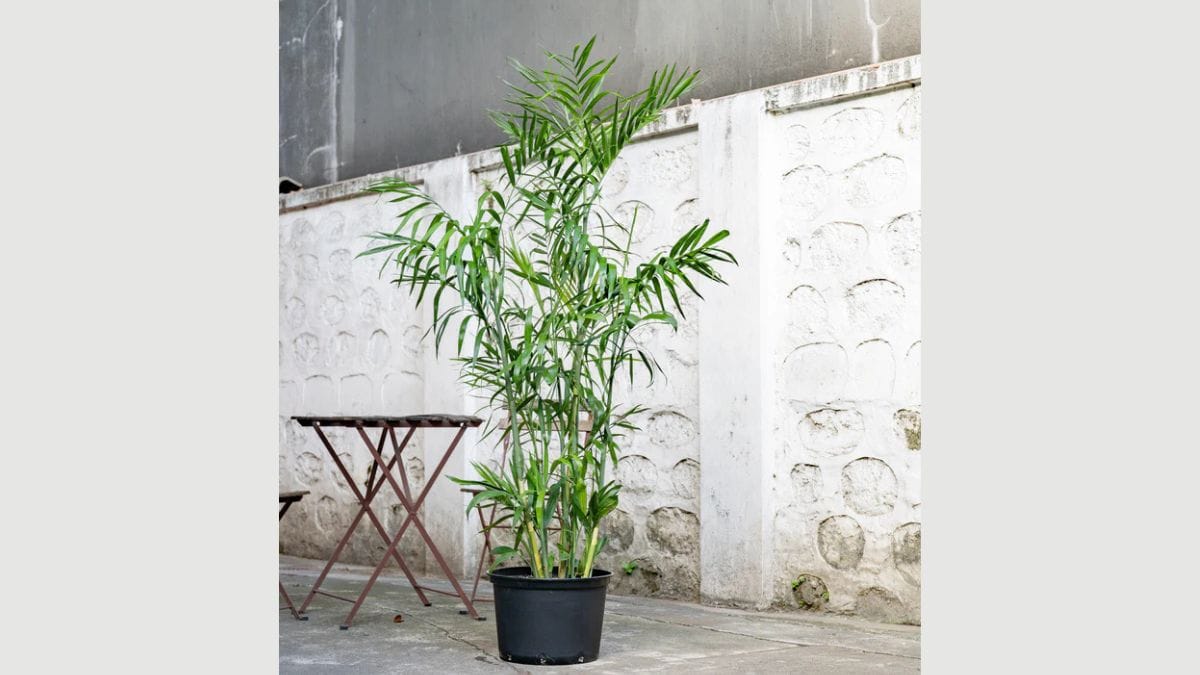
Bamboo palms handle lower light than most palms. They filter benzene, formaldehyde, and trichloroethylene. All the nasty stuff hiding in your air.
These palms grow slowly but steadily. They eventually reach six to seven feet, creating a living privacy screen. Perfect for dividing open spaces or filling empty corners.
Water when the top inch of soil dries. They’re pretty forgiving. Keep them away from cold drafts and direct afternoon sun. Morning light is perfect.
Making These Plants Work for You
Here’s the thing about oxygen powerhouse plants. One plant doesn’t transform your whole house. You need multiple plants to really notice the difference.
NASA recommends one plant per 100 square feet of living space. So a 1,000-square-foot home needs about ten plants. Mix and match from this list based on your light conditions and care preferences.
Start with three or four plants. Put them in the rooms where you spend the most time. Your bedroom, living room, and home office are great starting points. You’ll breathe cleaner air where it matters most.
Group plants together for better humidity and visual impact. Three small plants look better than one lonely plant on a table. Plus, they help each other stay healthy.
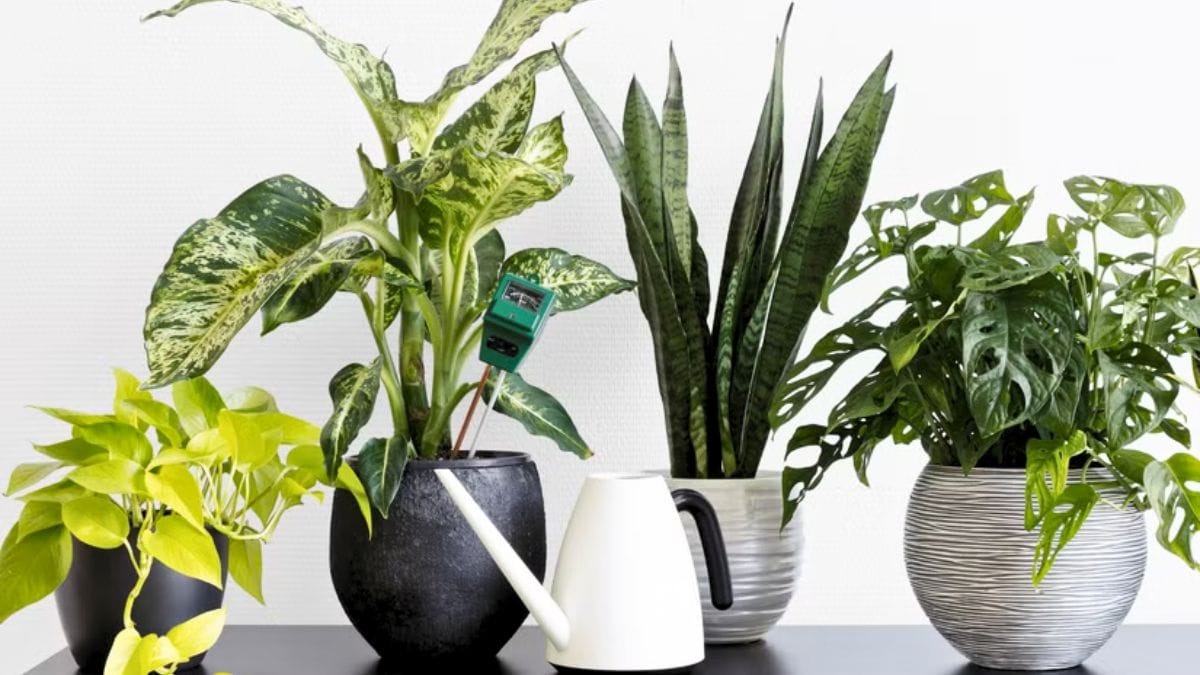
Your Next Steps;
You don’t need all nine plants tomorrow. Pick two or three that fit your space and lifestyle. Snake plants and pothos are excellent first choices. They’re forgiving and effective.

Visit your local nursery or garden center. The plants are usually healthier than the ones at big box stores. Plus, the staff can answer questions specific to your local climate.
Start small. Build your indoor jungle over time. Each new plant adds more oxygen and cleaner air. Your home becomes healthier with every leaf.
Your lungs will thank you. Your home will look better. And you’ll finally have something green that actually thrives indoors. That’s a win all around.