
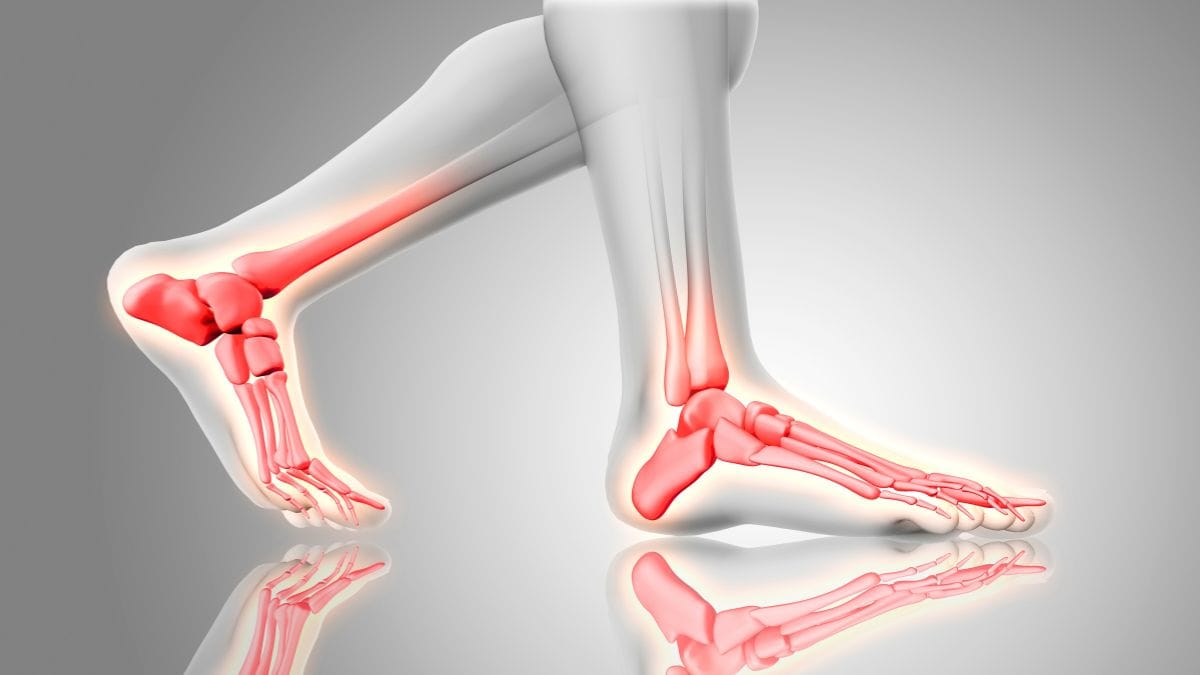
If someone asked you how to build stronger bones, you’d probably say ‘drink more milk’ – but what if the answer was sitting in your fruit bowl instead?
Most people think strong bones need calcium and nothing else. That’s only half the story. Your bones actually need several nutrients working together, and certain fruits deliver these nutrients better than any supplement can.
The problem? Nobody talks about which fruits actually strengthen your bones. You hear “eat healthy” but never get specifics. Meanwhile, your bone density quietly drops each year.
Here’s what you’ll learn: three specific fruits that research proves can protect your bones. We’ll cover exactly how much to eat, when to eat them, and easy ways to add them to meals you already love. These aren’t exotic superfoods. They’re sitting in most grocery stores right now, waiting to make your bones stronger.
Why Your Bones Need More Than Just Calcium
You’ve been told to drink milk for strong bones. That advice isn’t wrong – it’s just incomplete.
Here’s the truth: calcium is like bricks for a house. But you can’t build a house with just bricks. You need cement, nails, and wood too. Your bones work the same way – they need four key nutrients working with calcium: Vitamin K, Vitamin C, Potassium, and Magnesium.
Think of it like a team. Vitamin K tells calcium where to go in your bones. Vitamin C builds the collagen that holds bones together. Potassium stops calcium from leaving your body through urine – it reduces calcium loss by up to 60mg per day. Magnesium helps calcium actually stick to your bones.
Studies show vitamin K deficiency increases fracture risk by 30%. That’s huge. Your bones replace themselves completely every 10 years through remodeling. Without these four nutrients, that process breaks down.
Here’s why this matters: fruits that improve bone density deliver all these nutrients in one package. No pills. No measuring. Just food your body recognizes and uses well.
Fruit #1 – Prunes: The Bone Density Powerhouse
Prunes aren’t just for digestion – they’re the most researched fruit for preventing bone loss. No other fruit comes close in scientific studies.
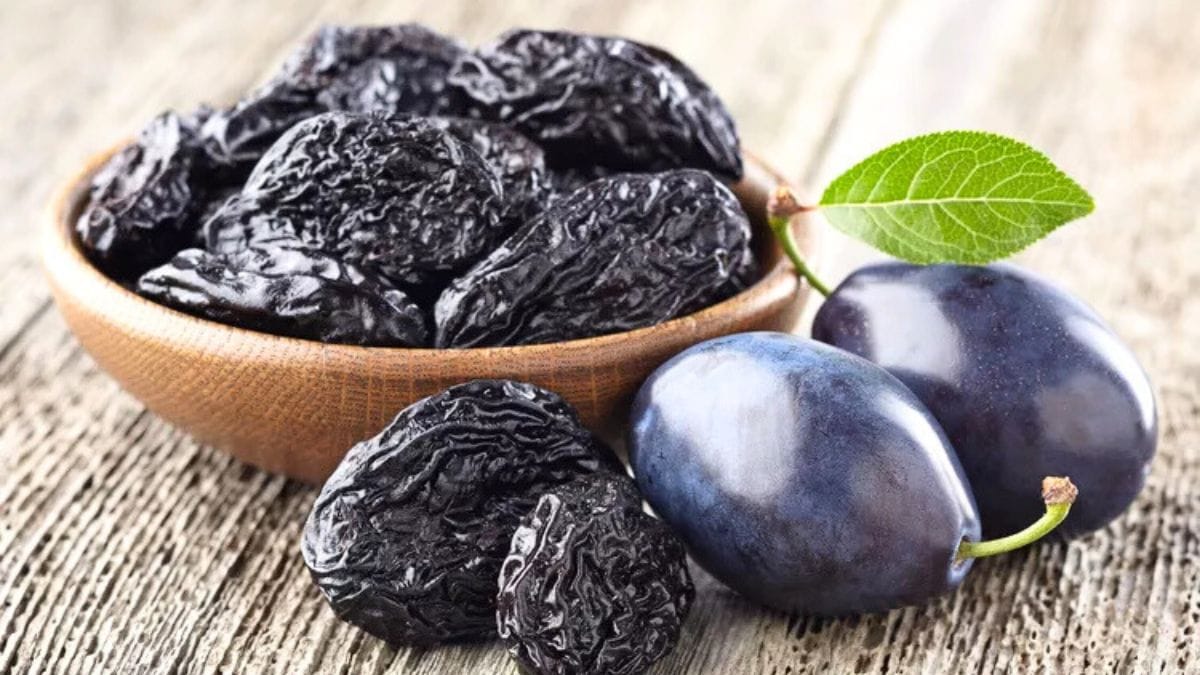
Here’s what makes prunes special. They pack four bone-building nutrients in one wrinkled package: Vitamin K, boron, polyphenols, and potassium. One serving of prunes contains 280% of your daily vitamin K needs. That’s nearly three times what you need. Each prune also gives you 1mg of boron, which helps your bones hold onto calcium.
The research backs this up. A Penn State study found that women eating 5-6 prunes daily preserved their bone density over 6 months. San Diego State University saw similar results in postmenopausal women – the group most at risk for bone loss.
You only need 5-6 prunes per day. That’s one serving. Eat them any time – morning, afternoon, or evening. They all work.
Don’t like the taste? Blend them into smoothies with banana and yogurt. Chop them into oatmeal. Bake them into muffins. You won’t even taste them.
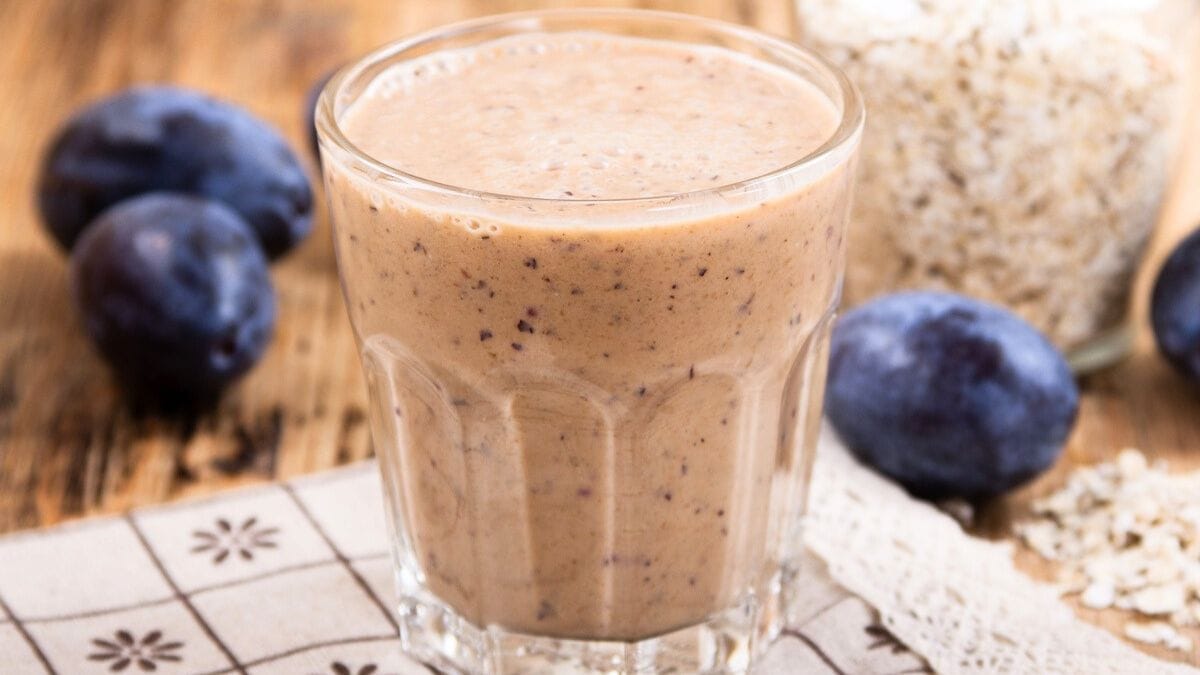
Prunes beat prune juice for bone health. Whole prunes give you fiber and concentrated nutrients. Juice lacks both. Dried prunes work best, but fresh plums help too – just eat more since they’re less concentrated.
Fruit #2 – Figs: The Calcium-Rich Fruit Surprise
Most people don’t know this: figs contain more calcium than almost any other fruit. Five dried figs give you 135mg of calcium – the same as half a cup of milk.
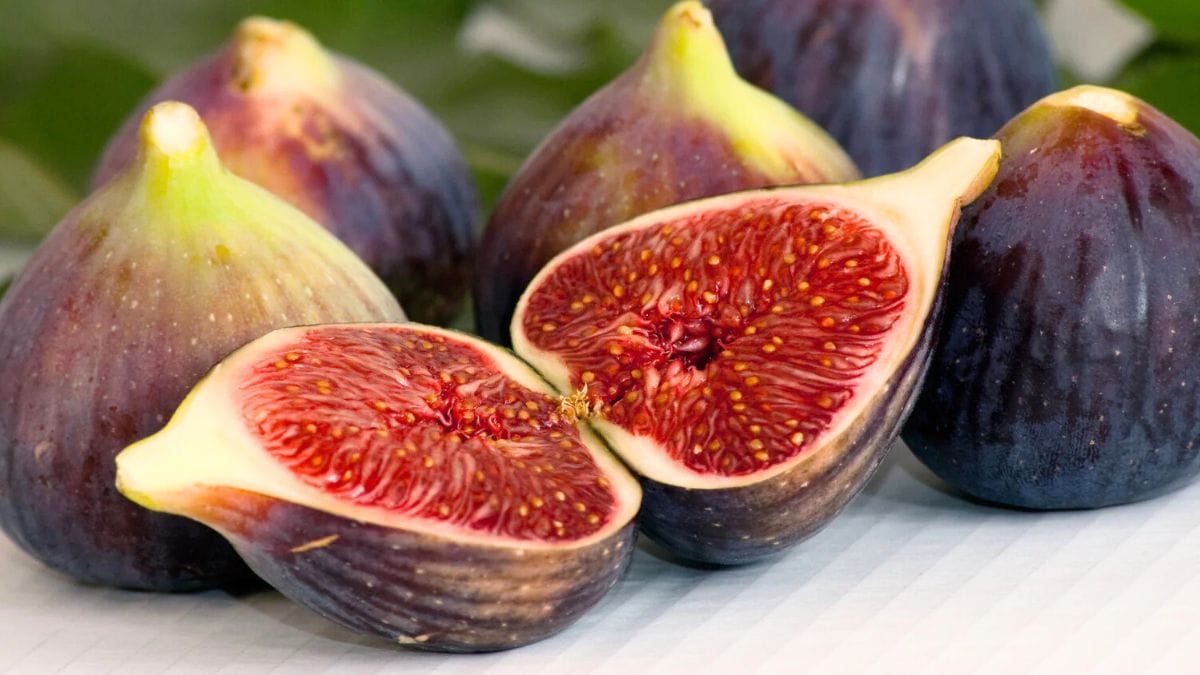
But calcium isn’t the only reason figs made this list. They deliver a triple threat for bone health: calcium + potassium + magnesium all in one bite. The potassium in figs stops your body from losing calcium through urine – reducing calcium excretion by 60-100mg daily. Figs also provide 10% of your daily magnesium needs, which helps calcium stick to your bones.
Fresh or dried? Both work. Dried figs pack more nutrients into a smaller space, making them easier to eat in bone-building amounts. Fresh figs taste sweeter and less chewy if texture bothers you.
Here’s how to eat them: Chop dried figs into Greek yogurt for breakfast. Slice fresh figs onto salads with goat cheese. Blend them into energy balls with oats and almonds. You can find fresh figs from June to September. Dried figs last months in your pantry.

One warning: figs contain natural sugars. If you have diabetes, stick to 2-3 figs per serving and check your blood sugar. The fiber in figs helps, but portion control matters.
Fruit #3 – Kiwi: The Vitamin C Bone Builder
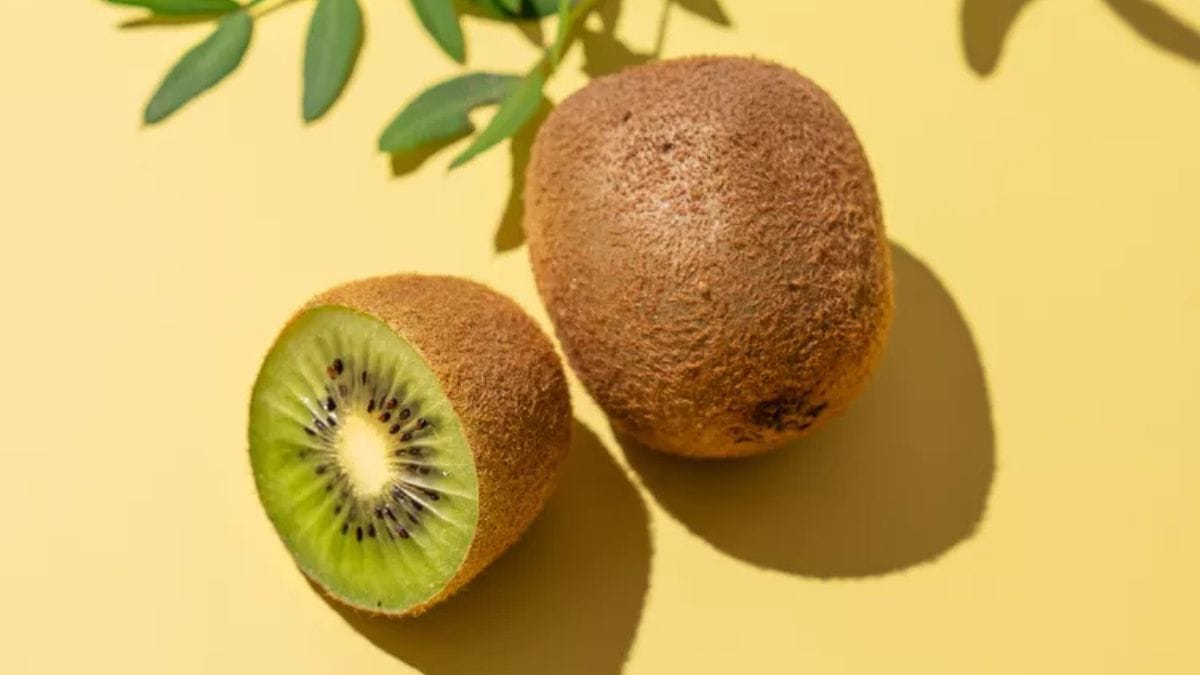
Kiwis beat oranges for vitamin C – and your bones need vitamin C more than you think. One kiwi packs 85mg of vitamin C, which is more than an orange gives you.
Why does this matter for your bones? Collagen makes up 90% of your bone matrix – that’s the framework calcium attaches to. Without vitamin C, your body can’t make collagen. No collagen means weak bones that break easily. The Framingham Osteoporosis Study found that vitamin C deficiency is linked to 30% higher fracture risk in older adults.
Kiwis don’t stop at vitamin C. They also deliver vitamin K, potassium, and magnesium – three more nutrients your bones need daily.
You can eat kiwis two ways: Cut them in half and scoop out the flesh with a spoon. Or slice them with the skin on – yes, the fuzzy skin is edible and adds fiber. Gold kiwis have slightly more vitamin C than green ones, but both work great.
Try this combo: slice kiwi into yogurt.
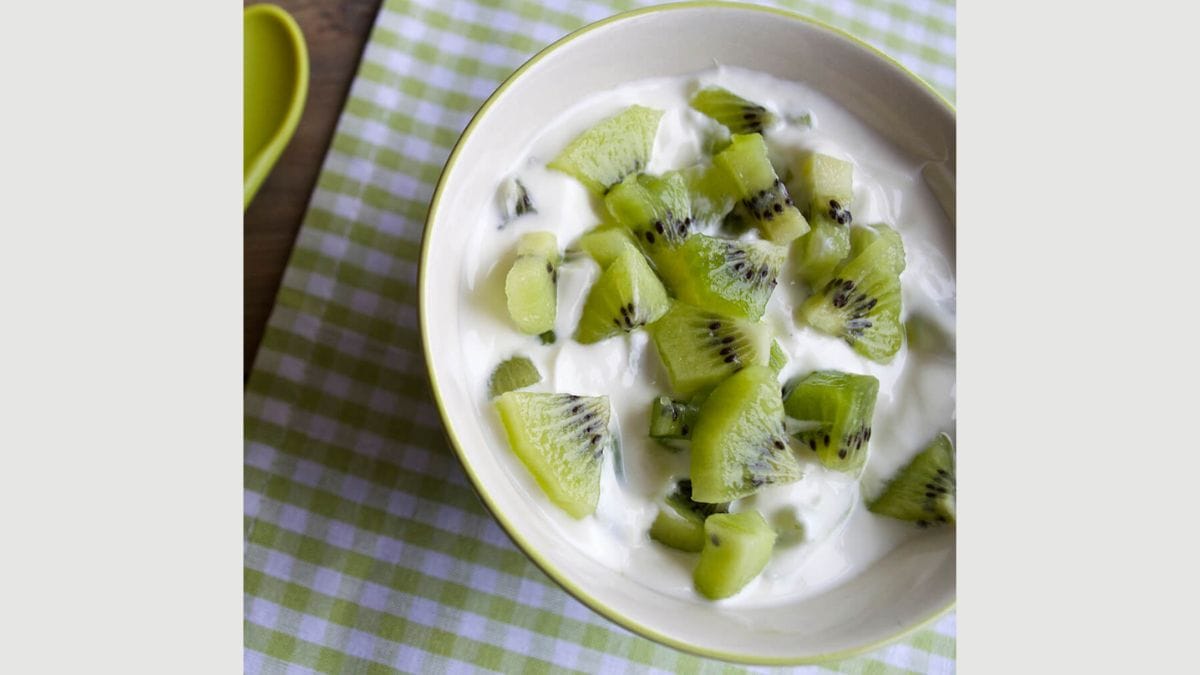
You get calcium from yogurt and vitamin C from kiwi, helping your body absorb and use both nutrients better. Eat one kiwi daily for best results.
Note: some people are allergic to kiwi. Start with a small amount if you’ve never eaten them.
How To Eat These 3 Fruits For Maximum Bone Benefits
You don’t need to eat all three fruits every day. Here’s a realistic plan: prunes 5 times per week, figs 3 times per week, kiwi daily. This gives your bones steady nutrients without making you tired of the same foods.
Portion sizes are simple: 5-6 prunes, 3-5 figs, or 1-2 kiwis per serving. That’s it.
Timing doesn’t matter. Morning, afternoon, or night – your bones use these nutrients whenever they arrive. What matters is eating them consistently week after week, because bone density builds slowly over months.
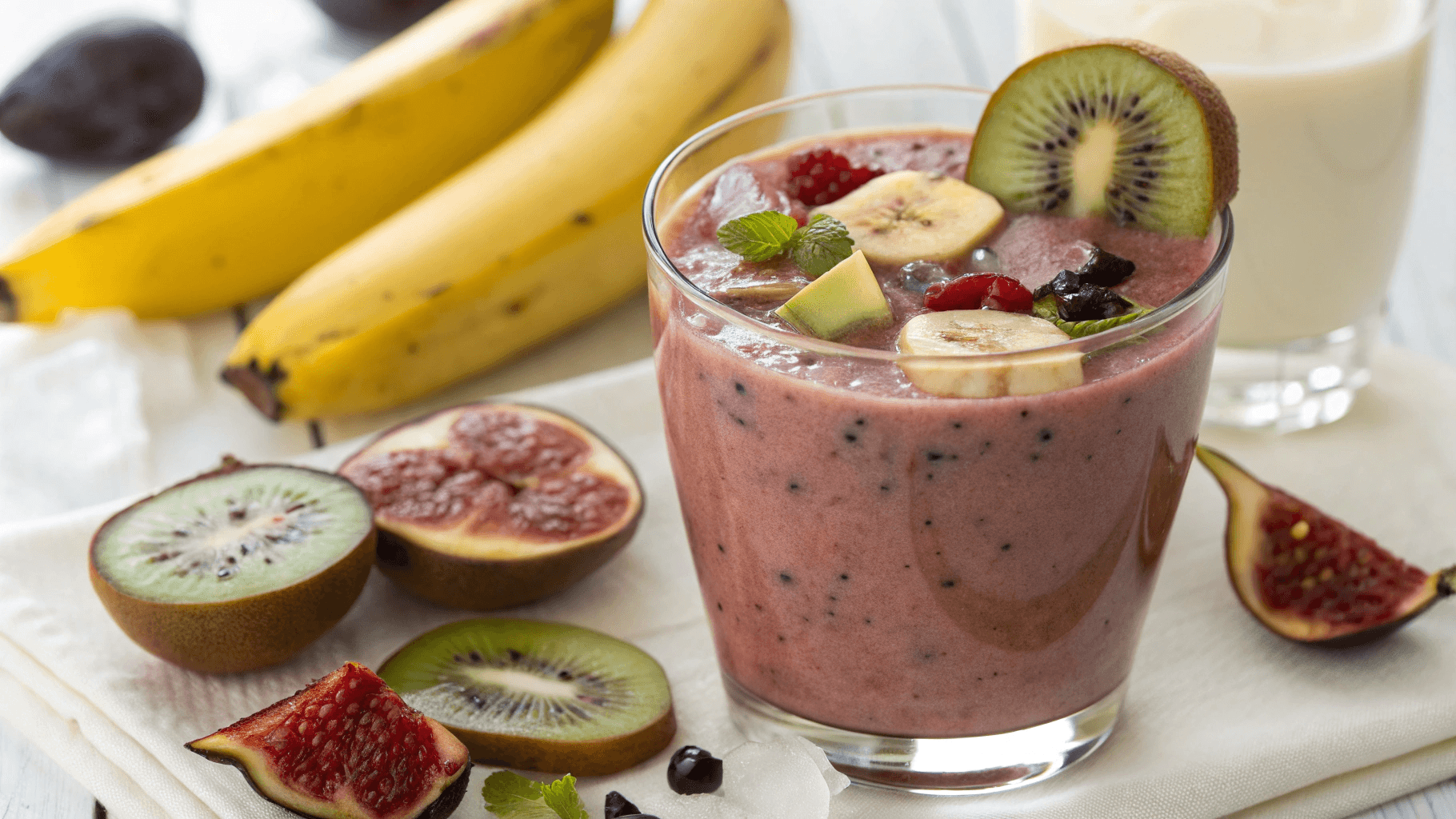
Pair these fruits for bone health with calcium-rich foods. Try kiwi with yogurt for breakfast. Add chopped figs to cottage cheese. Blend prunes into a smoothie with milk and banana. These combinations help your body absorb more nutrients.
Want all three at once? Make this smoothie: 3 prunes, 2 figs, 1 kiwi, 1 cup milk, half banana, ice. Blend until smooth.
One rule: don’t let these fruits replace real meals. They’re additions to your diet, not substitutes for lunch or dinner. Eat them as snacks or add them to meals you already eat.
Other Lifestyle Factors For Strong Bones
These three fruits work best when you also move your body. Walking, jogging, dancing, or lifting weights all force your bones to get stronger. Aim for 30 minutes of weight-bearing exercise most days.

You also need vitamin D. Your body can’t use calcium without it, no matter how many fruits you eat. Get 15 minutes of sun daily or take a vitamin D supplement – most adults need 1000-2000 IU per day.
Cut back on things that weaken bones: too much salt pulls calcium out through your urine, soda blocks calcium absorption, and heavy alcohol drinking damages bone cells. You don’t need to quit completely – just limit them.
Yes, you still need calcium. Get it from yogurt, cheese, leafy greens, or fortified foods.
The fruits we covered help your body use that calcium better.
If you’re over 50 or have risk factors for bone health, ask your doctor about a DEXA scan. This test measures your bone density and shows if you need extra help beyond diet and exercise.
Final Thought;
You now know the three fruits that science says protect your bones: prunes, figs, and kiwi. They deliver vitamin K, vitamin C, potassium, and magnesium – nutrients calcium needs to actually work.
Building strong bones takes time. These fruits won’t fix everything overnight, but they’re cheap, easy to find, and actually taste good.
Start with just one: add 5-6 prunes to your daily routine this week and notice how easy it is to support your bone health naturally. These bone-strengthening fruits are your secret weapon for maintaining strong bones well into your later years.