
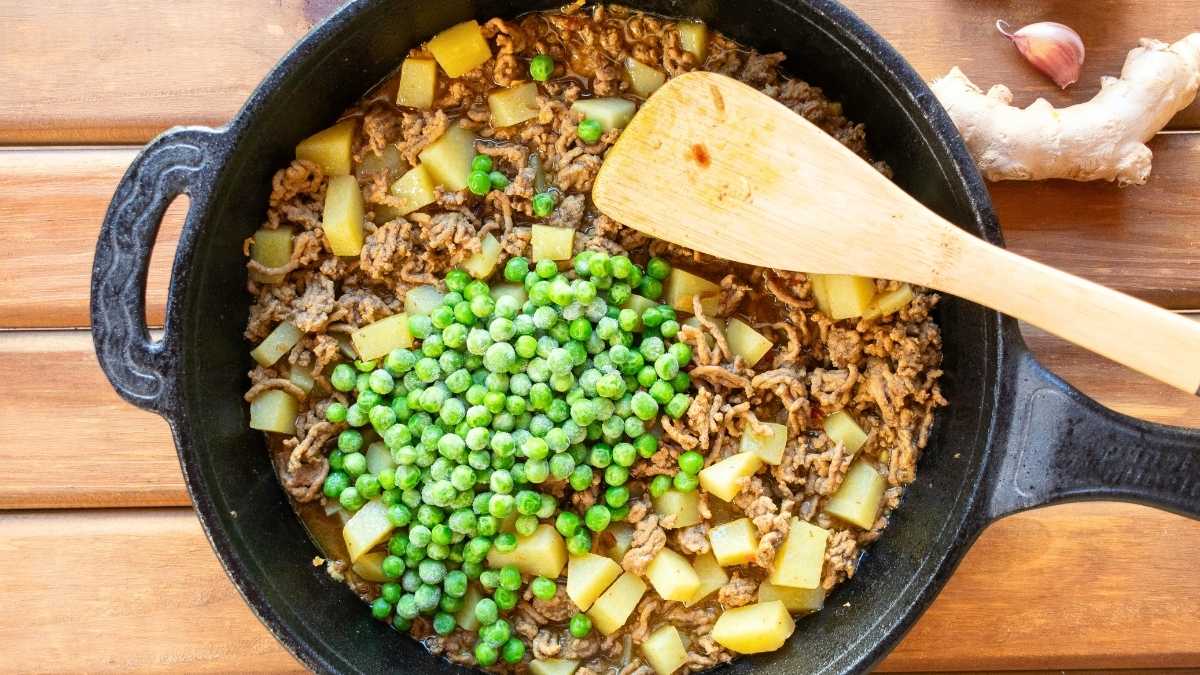
You followed the recipe perfectly, used fresh ingredients, and your steak still tastes nothing like the steakhouse version. Your home cooking lacks restaurant depth, and it’s not your fault.
This article reveals why restaurant food tastes better. You’ll learn restaurant cooking techniques and professional chef secrets to master home cooking—no culinary school needed. These methods work tonight.
They’re Not Afraid of Salt (But They Use It Smarter)
Your food doesn’t taste bland because you need more salt. It tastes bland because you’re adding salt at the wrong time. This is the biggest gap between how restaurants season food and what happens in home kitchens.
Chefs don’t use more salt—they use proper seasoning techniques at every single step.
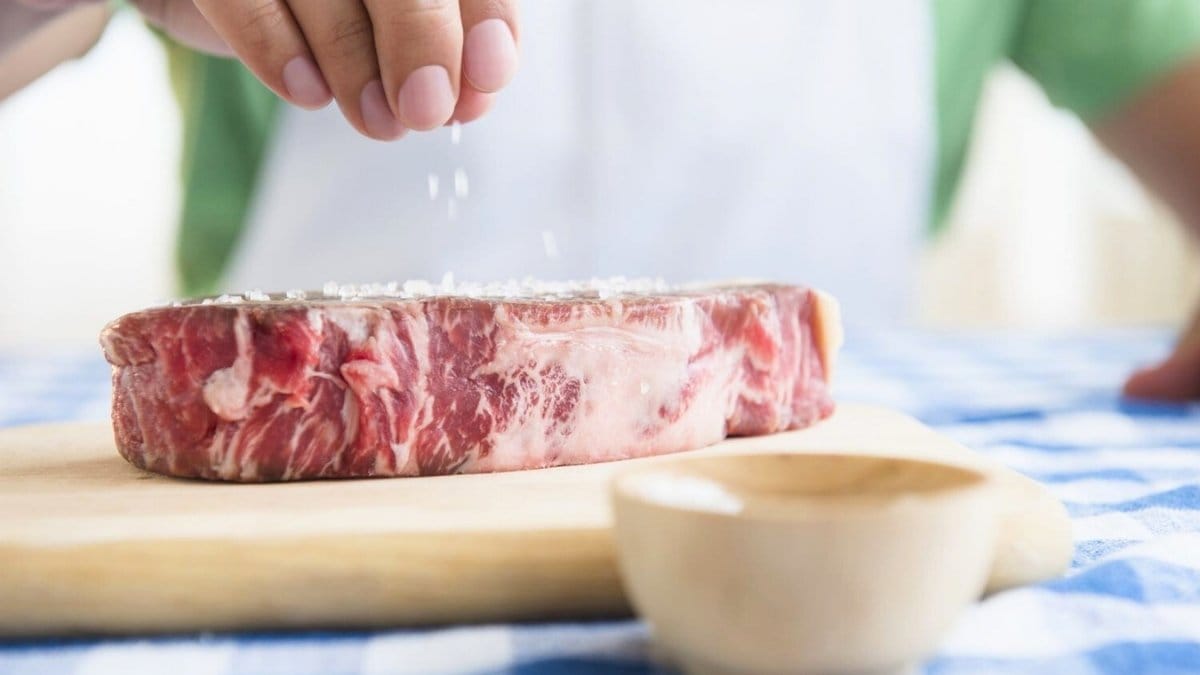
They season the raw meat. Then they season during cooking. Finally, they season the finished plate. Each layer builds flavor that penetrates deep into the food, not just sits on top.
Here’s what actually happens: salt pulls natural flavors out of your ingredients. It makes vegetables taste more like vegetables and meat taste meatier. Herbs and spices add new flavors, but salt makes everything taste like the best version of itself.
Professional chef tips for layering flavors start with timing. When you cook a steak, season it before it hits the pan—and use more than feels comfortable. The salt needs to work through that thick piece of meat. Then season your pan drippings when you make the sauce. Finish with flaky sea salt right before serving.
Use different salts for different jobs. Kosher salt works best during cooking because the large crystals are easy to pinch and distribute evenly. Save your fancy flaky sea salt for finishing—those delicate crystals add a pop of flavor and pleasant crunch at the end.
Taste as you go. This matters more than any measurement.

Add salt, stir, taste. Add more, taste again. Your tongue is more accurate than any recipe. Most home cooks under-season because they’re scared, then try to fix it at the table. That never works as well.
The fix: Season three times minimum. Beginning, middle, and end. Your food will instantly taste more professional because the salt has time to do its work at each stage.
The Four Elements That Change Everything: Salt, Fat, Acid, Heat
If you only learn one thing about cooking fundamentals, learn this: salt fat acid heat. These four elements are the difference between “meh” meals and “make this again” food. Master them, and you’ll cook restaurant quality food without a single recipe.
Salt brings out flavors hiding in your ingredients. It makes tomatoes taste more like tomatoes and chicken taste richer. Fat delivers flavor to your mouth and creates texture—that silky sauce, that crispy skin. Acid provides sharpness and balance, cutting through richness. Heat determines if your food is tender, crispy, or mushy.
Here’s the truth about restaurant kitchens: Anthony Bourdain said at least one stick of butter lives in every restaurant dish.
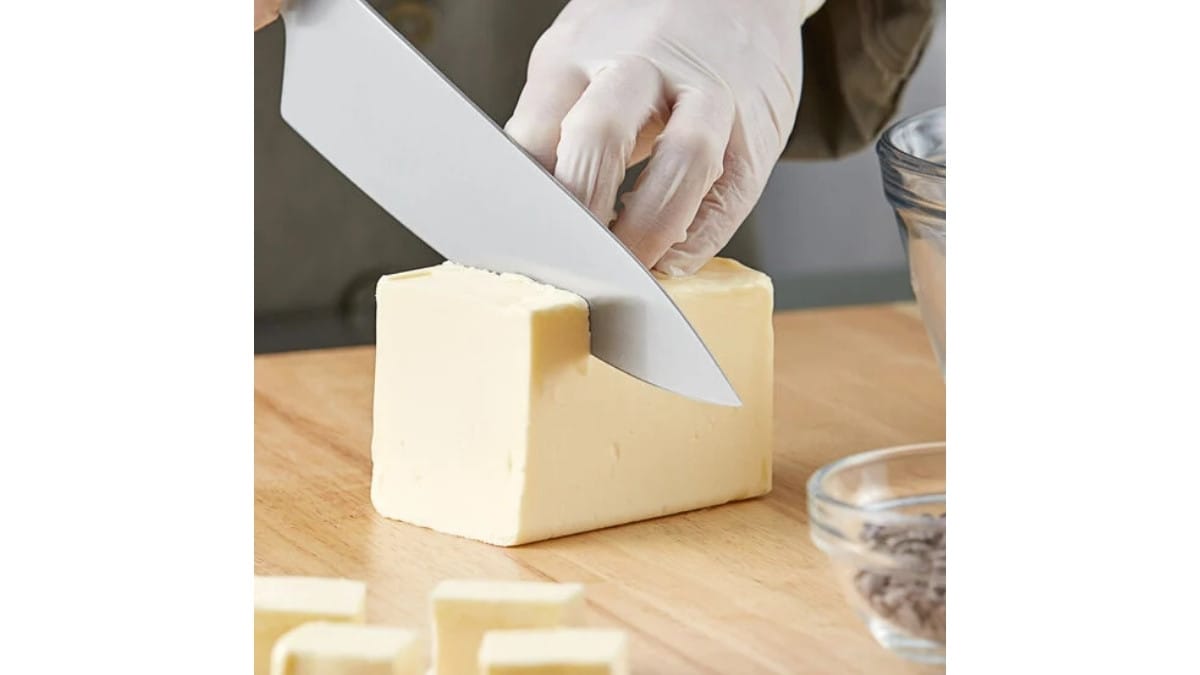
That’s the fat doing serious work. But fat alone isn’t enough. You need all four elements working together.
Let’s break down flavor building with a simple chicken example. Salt the raw chicken (element one). Cook it in butter or olive oil—that’s your fat (element two). The pan gets hot enough to brown the skin—that’s heat (element three). Finish with a squeeze of lemon juice—that’s acid (element four). Each element plays a specific role.
Acid examples you already own: lemon juice, vinegar, wine, tomatoes. Add them near the end of cooking. They mellow as they cook, becoming subtle but essential. That’s why restaurant sauces taste complete—they always include acid.
Fat examples are everywhere: butter, olive oil, or the rendered fat from cooking your meat. Fat carries flavor to your taste buds and makes food feel good in your mouth. This is why low-fat cooking often tastes flat.
The practical application is simple. Salt early and often. Choose your fat wisely—butter for richness, olive oil for vegetables. Control your heat based on what texture you want. Add acid at the end to balance everything.
You don’t need culinary school to master these cooking fundamentals. Cook one meal focusing on each element. Notice what each one does. In a week, you’ll instinctively know when something needs more acid or when you’ve nailed the salt fat acid heat balance.
Temperature Control: Why Your Home Oven Isn’t Hot Enough
Your pan isn’t hot enough. That’s harsh, but it’s probably true. And it’s the main reason your seared meat looks gray instead of golden-brown with that restaurant crust you want.
Restaurant ovens blast at 500°F or more while you’re cooking at 350-400°F. Professional cooking equipment creates faster cooking, better crust, and deeper browning. You can’t match their ovens, but you can match their searing techniques through better temperature control.
High heat cooking triggers that Maillard reaction we talked about earlier. Your pan needs to be “ripping hot” before the meat touches it. Wait until the oil shimmers and almost smokes. That’s when magic happens.
Try the reverse sear method for thick steaks. Cook low and slow in the oven first (250°F until internal temp hits 110°F), then finish with screaming high heat in a pan. You get edge-to-edge perfect doneness with a dark, crispy crust.
Most home cooks fear high heat because they think it ruins food.
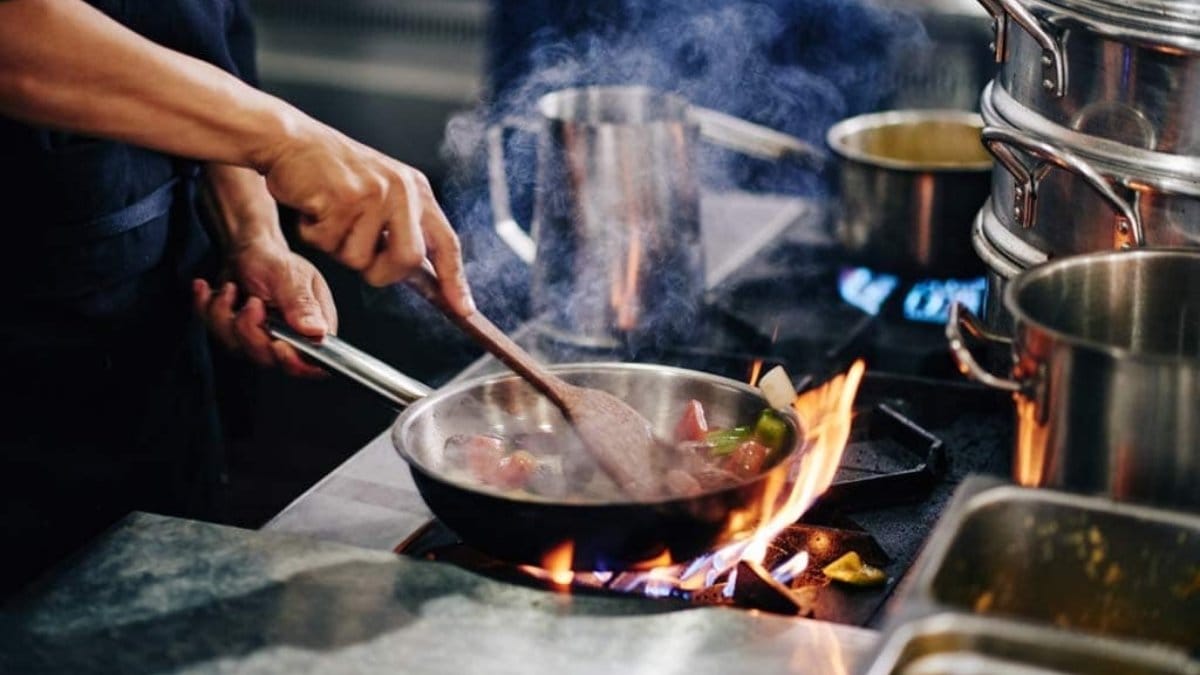
The opposite is true. Low heat makes meat gray and sad. High heat creates flavor. Yes, your kitchen might get smoky. Open a window. This is the price of restaurant-quality results.
Get an instant-read thermometer and stop guessing. Steak needs 120°F for rare, 140°F for medium, 160°F for well-done. Pull it five degrees early because meat keeps cooking after you remove it from heat. This one tool prevents overcooking forever.

Push your comfort zone with heat. Preheat longer than you think necessary. Don’t touch the meat for the first two minutes—let the crust form. Trust the process, and your food will finally taste professional.
Ingredient Quality Actually Matters (But Not How You Think)
Here’s the truth restaurants won’t tell you: They’re not using ingredients that are twice as good. They’re using ingredients that are 10% better—but treating them 100% better.
Restaurant suppliers provide fresher produce, better meat cuts, and higher quality spices that most grocery stores don’t stock. But ingredient quality isn’t about spending more money. It’s about knowing what actually makes a difference and what doesn’t.
Take burgers. Restaurants use ground beef with 20-25% meat fat content. Your typical grocery store ground beef? Often 10-15%. That fat difference creates the juicy, flavorful burger you can’t replicate at home with lean meat. Ask your butcher for the right fat ratio—they’ll grind it for you.
They Build Flavor in Layers (You Dump It All In)
Home cooks add ingredients. Restaurants build flavors. See the difference? Layering flavors is the professional technique that separates okay food from outstanding food, and it’s easier than you think.
Start with aromatics—always. Sauté onions, garlic, or shallots in oil or butter first.
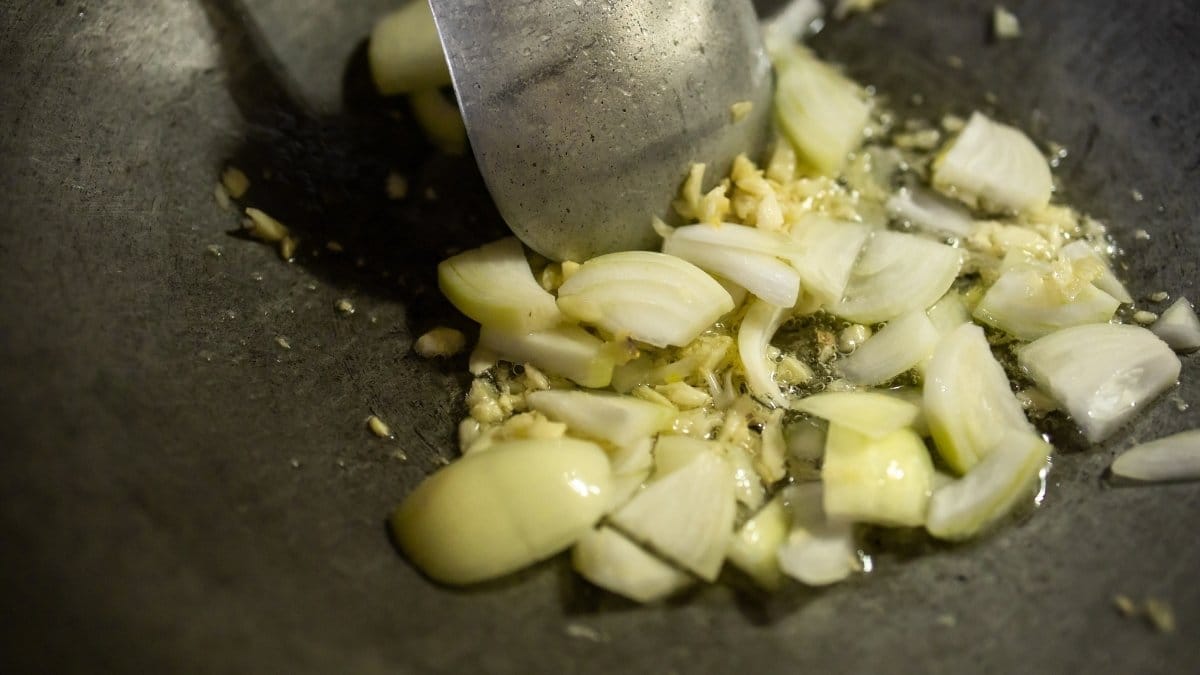
These create a flavor foundation that makes everything else taste better. Let them cook until fragrant and slightly golden. This takes three to five minutes, and skipping it costs you serious depth.
Next comes the magic trick restaurants use: deglazing. After cooking your protein, don’t wipe that pan clean. Add wine, broth, or even water, then scrape up those brown bits stuck to the bottom. Those bits are pure concentrated flavor—chefs call it “fond,” and it’s liquid gold for building depth in sauces.
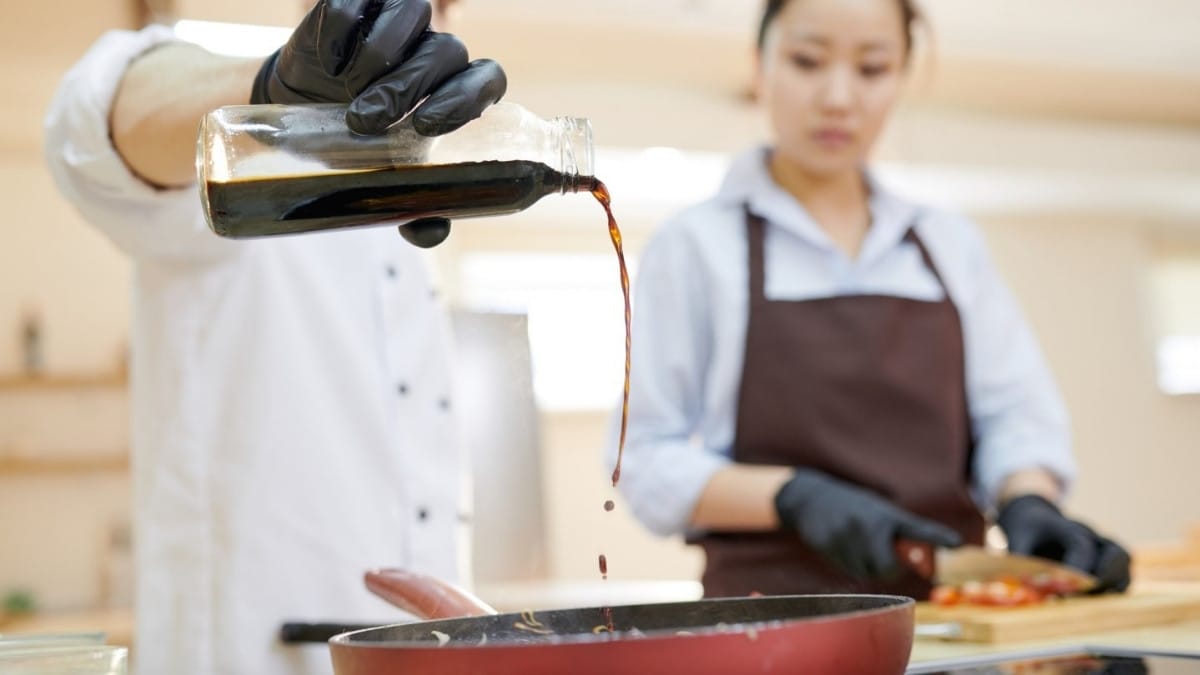
Add umami-packed ingredients during cooking, not after. A splash of soy sauce, a spoonful of miso, grated Parmesan, or sliced mushrooms boost savory flavors dramatically. These ingredients make your taste buds sit up and pay attention without screaming “I added soy sauce!”
Cooking order matters more than you realize. Look at pad Thai: restaurants cook the protein first, add sauce, cook aromatics separately, then combine with noodles, more sauce, and stock. Finally, they add the egg and fresh garnishes. Each step builds on the previous one. Dump it all in together? You get mush.
The timing rule is simple: hardy ingredients first, delicate ingredients last. Onions can handle twenty minutes of heat. Fresh herbs burn in two. Garlic goes in before tomatoes. Cheese melts in at the end. Follow the cooking order exactly as written in recipes—that sequence creates the layering that makes restaurant food taste complete.
Stop rushing. Build your flavors one layer at a time, and your food will finally taste like someone who knows what they’re doing made it.
It’s Also the Atmosphere (And That’s Okay)
Let’s be honest: part of why restaurant food tastes better is because you didn’t cook it. Restaurant atmosphere matters—the music, the lighting, someone bringing you food. That’s real, and food psychology proves it affects taste perception.
Here’s the catch with home dining: the more you think about food while cooking, the less hungry you become. You’ve been smelling it for an hour. You’ve tasted it six times. By the time dinner hits the table, your appetite is shot. Meanwhile, your family walks in fresh and thinks it’s amazing.
You don’t have to compete with the dining experience restaurants create. That’s not the point. Focus on what you can control: the actual cooking techniques from this article.
Someone else’s cooking always tastes better because you didn’t make it. Accept this. Your family will appreciate your food more than you do, and that’s normal. Cook the techniques right, and the flavor will be there regardless of atmosphere.
Final Thought;
You now understand why restaurant food tastes better—it’s not magic or secret ingredients. It’s the Maillard reaction, smart salt usage, the four elements (salt, fat, acid, heat), proper temperature control, quality ingredients, flavor layering, and finishing touches. These are learnable techniques, not culinary secrets.
Start with one change tonight. Pat your meat dry. Season in layers. Get your pan hotter. Taste as you go. Each small improvement compounds into restaurant-quality results in your own kitchen. The secret isn’t just butter—it’s knowledge, technique, and confidence.