

Your bones aren’t dead sticks holding you up. They’re alive. They breathe. They change. And scientists just found the master switch.
Meet CCN3—a hormone that rewrites everything we thought we knew about building stronger bones.

What Is CCN3? The Discovery That Changes Everything
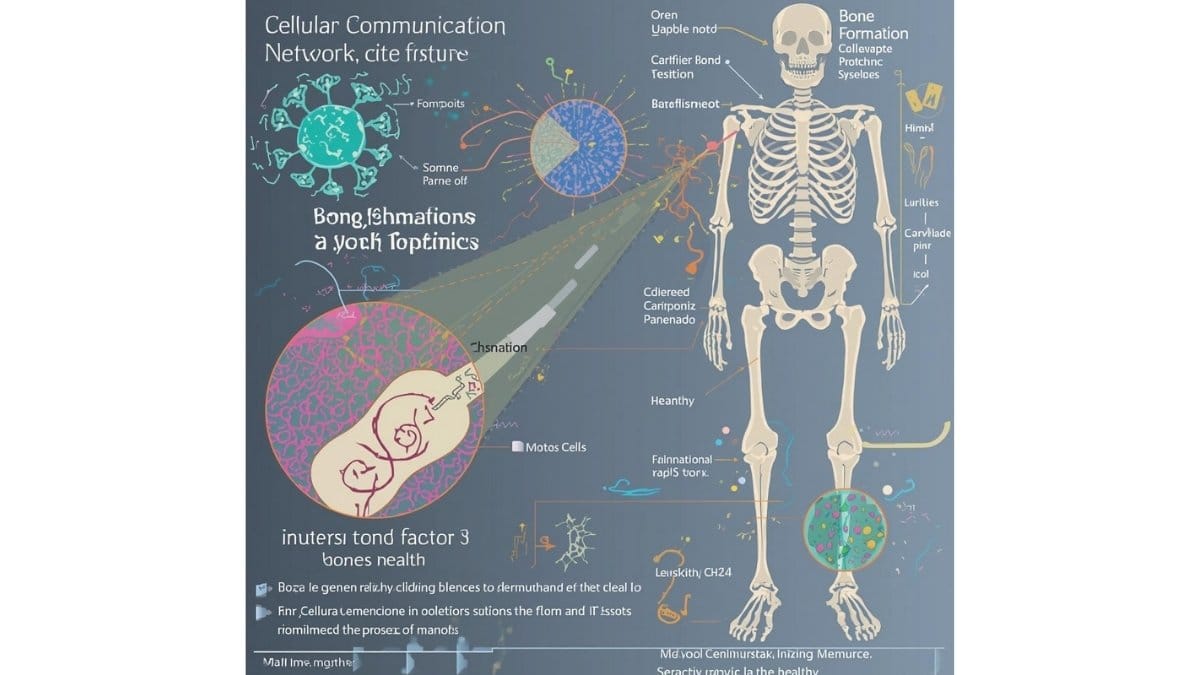
In 2023, researchers at the University of California, San Francisco made a breakthrough. They identified a hormone called CCN3 (also known as NOV) that acts as your skeleton’s chief architect.
Here’s what matters: CCN3 doesn’t just help build bone. It coordinates the entire construction process.
Think of your bones as a city under constant renovation. You have two crews working 24/7:
Osteoclasts are the demolition crew. They break down old, damaged bone.
Osteoblasts are the builders. They lay down fresh, strong bone tissue.
For decades, we focused on calcium and vitamin D—the building materials. But we missed the foreman calling the shots.
That’s CCN3.
This hormone tells your body when to build, where to build, and how much to build. Without it, the construction site falls into chaos. With it, your bones stay dense, resilient, and young.

The UCSF team studied mice lacking CCN3. Their bones became brittle and porous—even with perfect nutrition. When CCN3 was restored, bone density improved within weeks.
This isn’t just lab science. It’s a fundamental shift in how we approach bone health.
How CCN3 Works: Your Bone’s Master Blueprint
Let’s break down the mechanism without the medical jargon.
Your skeleton replaces itself completely every 7-10 years.

That means the bone you have today isn’t the same bone you had a decade ago.
CCN3 manages this renovation in three critical ways:
Step 1: It activates osteoblasts. These bone-building cells need a signal to start working. CCN3 provides that signal. It binds to receptors on osteoblasts and flips the “construction mode” switch.
Step 2: It regulates osteoclasts. CCN3 doesn’t just build. It also prevents excessive breakdown. It keeps the demolition crew in check so they don’t tear down more than the builders can replace.
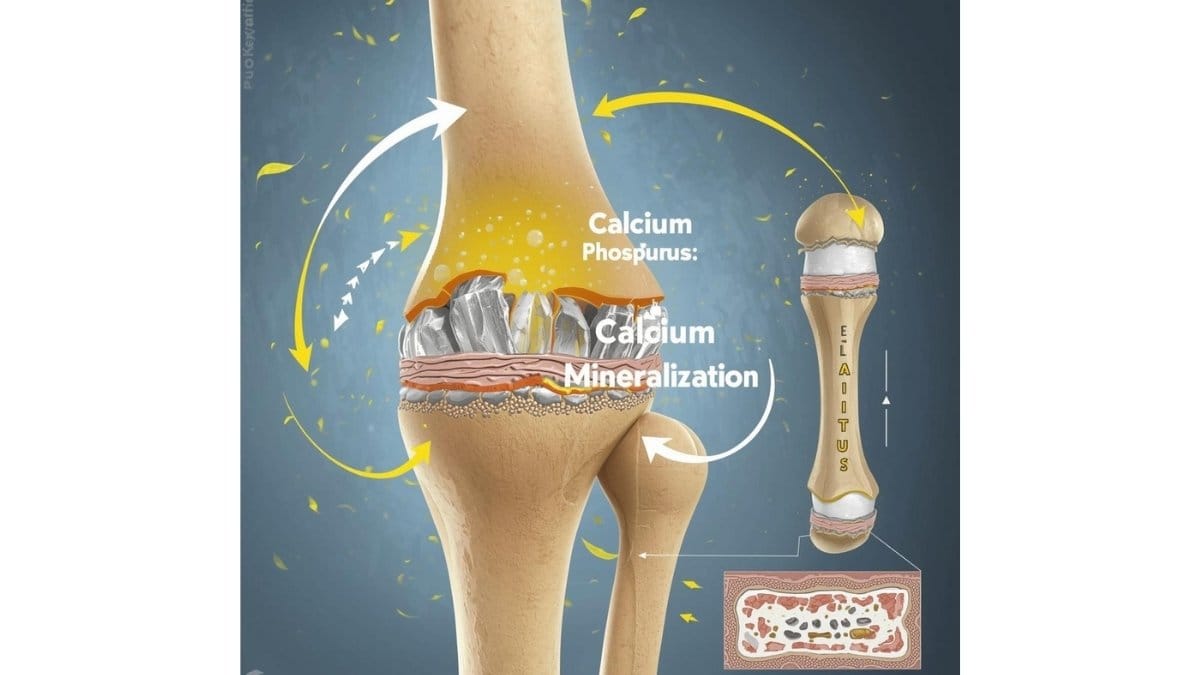
Step 3: It optimizes mineralization. This is where calcium and phosphorus get deposited into bone matrix. CCN3 ensures these minerals integrate properly—creating bones that are both strong and flexible.
Here’s the key insight: CCN3 levels naturally decline with age. After 30, production drops about 1-2% per year. By 60, you might have half the CCN3 you had in your twenties.
This explains why bone density plummets as we age—even when calcium intake stays constant.
Recent studies show that post-menopausal women with higher CCN3 levels have significantly lower fracture rates. The hormone matters more than bone density scans predicted.
The good news? You can influence CCN3 activity through lifestyle choices.
Dietary Factors That Boost CCN3 Activity Naturally
You can’t inject CCN3 at your local pharmacy. But you can create an internal environment where your body produces more of it.
Here are the evidence-backed nutritional strategies:
Vitamin K2 (Menaquinone)
This is the most direct CCN3 enhancer we know.
Vitamin K2 activates osteocalcin—a protein that works hand-in-hand with CCN3 to direct calcium into bones (not arteries).
Food sources:
- Natto (fermented soybeans): 1000 micrograms per 100 grams
- Hard cheeses (Gouda, Brie): 75 micrograms per 100 grams
- Egg yolks from pasture-raised chickens: 30 micrograms per 100 grams
- Chicken thighs (dark meat): 8 micrograms per 100 grams

Target intake: 100-200 micrograms daily.
Magnesium
Magnesium regulates the genes that control CCN3 expression. Without adequate magnesium, your body can’t produce enough of this hormone.
Studies show that magnesium deficiency reduces bone formation markers by up to 40%.
Food sources:
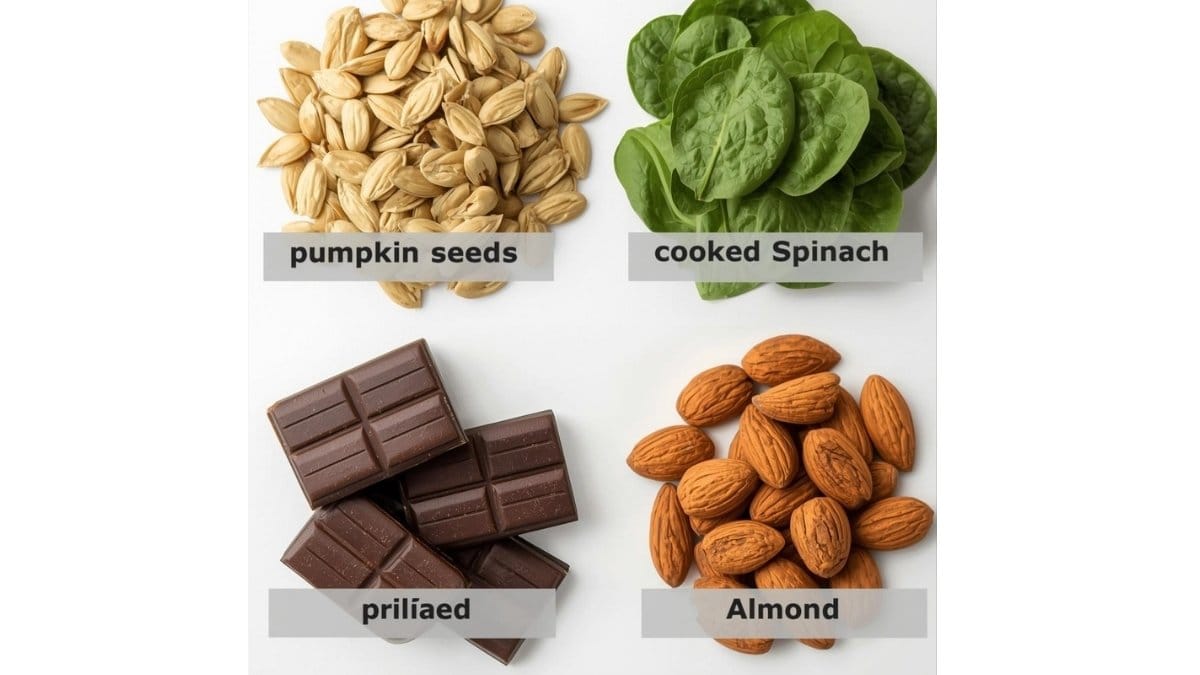
- Pumpkin seeds: 590 milligrams per 100 grams
- Spinach (cooked): 87 milligrams per 100 grams
- Dark chocolate (70-85% cacao): 230 milligrams per 100 grams
- Almonds: 270 milligrams per 100 grams
Target intake: 400-500 milligrams daily.
Omega-3 Fatty Acids (EPA and DHA)
These fats reduce inflammatory signals that suppress CCN3 activity. Chronic inflammation tells your body to break down bone faster than it builds.
Food sources:
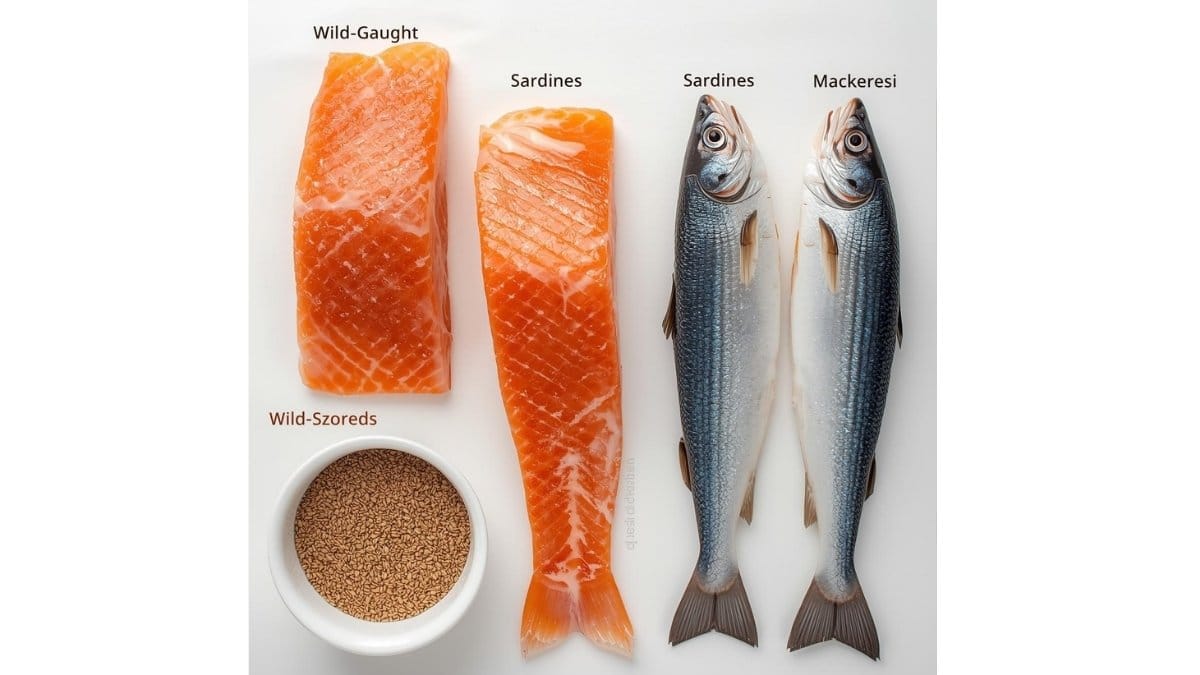
- Wild-caught salmon: 2200 milligrams per 100 grams
- Sardines: 1500 milligrams per 100 grams
- Mackerel: 2600 milligrams per 100 grams
- Flaxseeds (ground): 2300 milligrams ALA per tablespoon (converts to EPA/DHA)
Target intake: 2000-3000 milligrams combined EPA/DHA daily.
Protein (With Glycine)
CCN3 requires amino acids to function. But not just any protein. You need glycine-rich sources.
Glycine supports collagen synthesis—the scaffolding where minerals deposit during bone formation.
Food sources:
- Bone broth: 3 grams glycine per 240 ml
- Gelatin powder: 2 grams per tablespoon
- Chicken skin: 1.5 grams per 100 grams
- Pork rinds: 11 grams per 100 grams

Target protein intake: 1.2 grams per kilogram of body weight daily.
Boron
This trace mineral increases CCN3 gene expression. Research shows boron supplementation raises serum CCN3 levels by 28%.
Food sources:
- Prunes: 3.5 milligrams per 100 grams
- Raisins: 2.5 milligrams per 100 grams
- Avocado: 2 milligrams per fruit
- Almonds: 2.8 milligrams per 100 grams

Target intake: 3-6 milligrams daily.
Old Thinking vs. New Science: 3 Bone Health Mistakes to Avoid
The CCN3 discovery exposes outdated advice. Here’s what needs to change:
Mistake 1: Obsessing Over Calcium Alone
Old thinking: Load up on calcium supplements and dairy.
New science: Calcium without adequate CCN3 is like dumping bricks on a construction site without builders. The material sits unused—or worse, deposits in arteries instead of bones.
Studies show excessive calcium supplementation (above 1500 milligrams daily) increases cardiovascular risk without improving bone density.
Focus on CCN3-supporting nutrients first. Then ensure adequate calcium (1000-1200 milligrams daily from food).
Mistake 2: Avoiding Fat and Cholesterol
Old thinking: Low-fat diets protect heart and bone health.
New science: Vitamin K2 and vitamin D (both crucial for CCN3 function) are fat-soluble. You need dietary fat to absorb them.
Cholesterol is also the precursor to vitamin D synthesis. Without adequate cholesterol, your body can’t make vitamin D efficiently—even with sun exposure.
Embrace healthy fats: olive oil, fatty fish, avocados, egg yolks, and full-fat dairy from grass-fed animals.
Mistake 3: Ignoring Strength Training
Old thinking: Walking and yoga are enough for bone health.
New science: CCN3 responds to mechanical stress. Weight-bearing exercise and resistance training send signals that ramp up CCN3 production.
Research shows that lifting weights 3 times per week increases bone density markers within 6 months—while walking alone shows minimal effect.
Your bones need to feel challenged to stay strong. Progressive resistance training is non-negotiable.

Take Action: Your Bone-Building Blueprint
The CCN3 discovery isn’t just fascinating science. It’s actionable.
Here’s your starting point:
This week:
- Add one CCN3-boosting food to each meal (natto, hard cheese, pumpkin seeds, fatty fish)
- Schedule 3 resistance training sessions
- Get 15 minutes of midday sun exposure (for vitamin D)

This month:
- Track your magnesium and vitamin K2 intake
- Consider bone broth or gelatin supplementation
- Reduce inflammatory foods (excess sugar, refined oils)

This year:
- Request a vitamin D blood test (target: 40-60 ng/mL)
- Maintain consistent strength training
- Reframe bone health as an active building process—not passive calcium storage

Your bones are listening. CCN3 is the language they speak.
Give them the signal. Feed them the materials. Challenge them with load.
Your future skeleton will thank you.
Want to dive deeper? Search for the original UCSF CCN3 research published in Nature Metabolism (2023) or consult with a functional medicine practitioner about personalized bone health optimization.