What if the foods sitting in your kitchen right now could add 7.5 years to your cognitive age—or reduce your heart disease risk by 30%? According to Harvard researchers and recent 2024-2025 studies, they can.
Here’s the problem. Dementia is now the 6th leading cause of death in the U.S. You’re drowning in conflicting nutrition advice.
One day eggs are bad. The next day they’re fine. Most superfood trends lack real scientific backing.
But some foods genuinely work. In this article, you’ll learn 7 scientifically proven superfoods for longevity with exact serving sizes based on 2024-2025 research.
You’ll discover how these brain-healthy foods protect against cognitive decline prevention and lower heart disease risk. Small changes that actually matter.
Why Certain Foods Actually Extend Your Lifespan
A 2025 Harvard study tracked 105,015 people for 30 years. The result? Combining a healthy diet with basic lifestyle habits extended disease-free life by 8-10 years.
Only 9.3% achieved this “healthy aging.” Most people don’t make it.
Here’s what happens inside your body. These foods reduce inflammation, combat oxidative stress, and protect your cells.
Stanford researchers call this your “inflammatory age”—your body’s real age based on inflammation levels. The right longevity diet lowers this number.
The MIND diet reduced Alzheimer’s risk by 53% in people who followed it closely.

Participants showed cognitive function similar to people 7.5 years younger. The Global Nutrition Report found diets rich in whole foods lower heart disease risk by 30%.
The NIH proved that increasing your cardiovascular health score by just 10 points reduces disease risk by one-third. It’s not about counting calories. Quality matters more than quantity for healthy aging and disease prevention.
The 7 Science-Backed Superfoods for Longevity
Superfood #1: Fatty Fish (Salmon, Sardines, Mackerel)
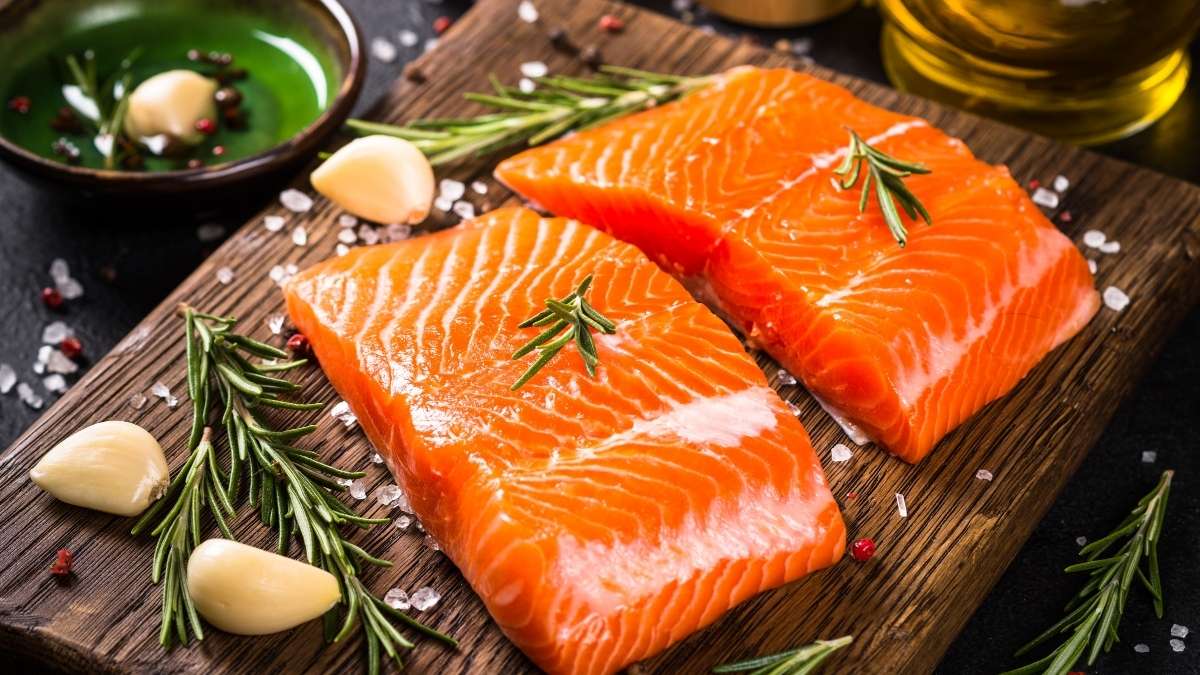
Your brain is 60% fat. It needs the right kinds of fat to work properly. That’s where fatty fish comes in.
Salmon, sardines, and mackerel are packed with omega-3 fatty acids called EPA and DHA. These reduce inflammation in your body and protect your brain cells.
The American Heart Association confirms omega-3s lower triglycerides and blood pressure—two big risk factors for heart attacks.
A 2024 study found that men eating Atlantic salmon three times weekly had lower depression and anxiety symptoms.
Their brains got the fuel they needed. A JAMA study showed that consuming fish at least once weekly was associated with lowered Alzheimer’s risk.
Sardines are a budget option. One serving gives you 23 grams of protein plus vitamin D and calcium. Your bones and brain both benefit.
Action: Eat 2 servings (3-4 oz each) of fatty fish per week. Can’t access fresh fish? Canned sardines in olive oil work perfectly.
Superfood #2: Leafy Greens (Kale, Spinach, Collards)
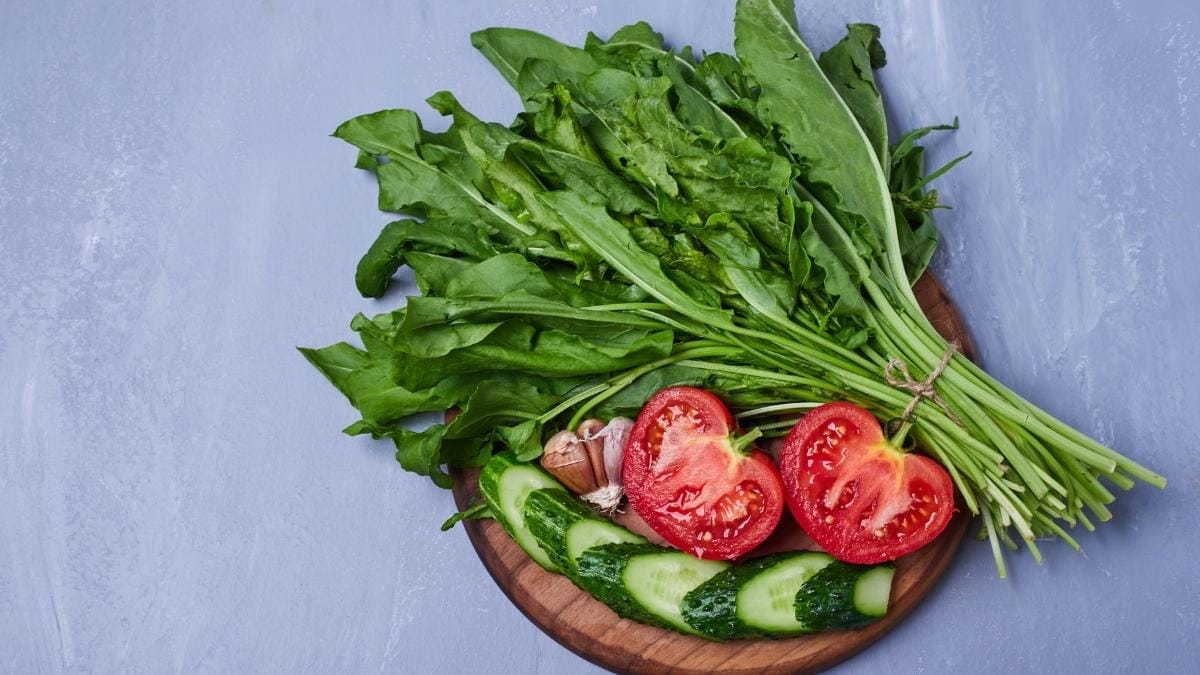
Leafy greens are loaded with nutrients your brain craves. Folate, vitamin E, carotenoids, and flavonoids—all linked to lower dementia risk.
The MIND diet requires at least 6 servings of greens weekly. Why? Because studies spanning 7-10 years found that higher vegetable consumption was associated with slower cognitive decline.
Your memory stays sharper when you eat your greens.
These vegetables fight inflammation that causes heart disease, stroke, and Alzheimer’s. A 2025 study showed leafy greens support bone health with vitamin K.
Watercress is gaining attention for vitamins C, A, and K that boost immunity, bones, and skin.
Think of greens as insurance for your brain. Every serving protects against future decline.
Action: Aim for 1 cup raw or ½ cup cooked leafy greens daily. Sauté with garlic and olive oil, blend into smoothies, or add to salads.
Superfood #3: Blueberries (and Other Berries)
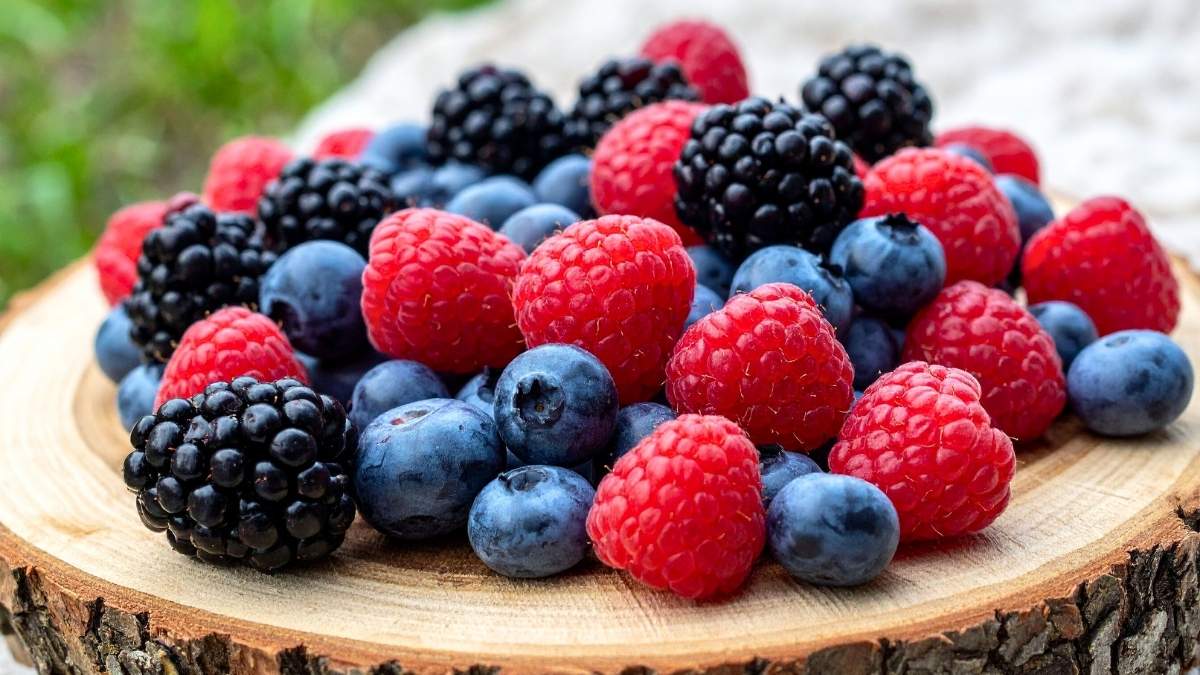
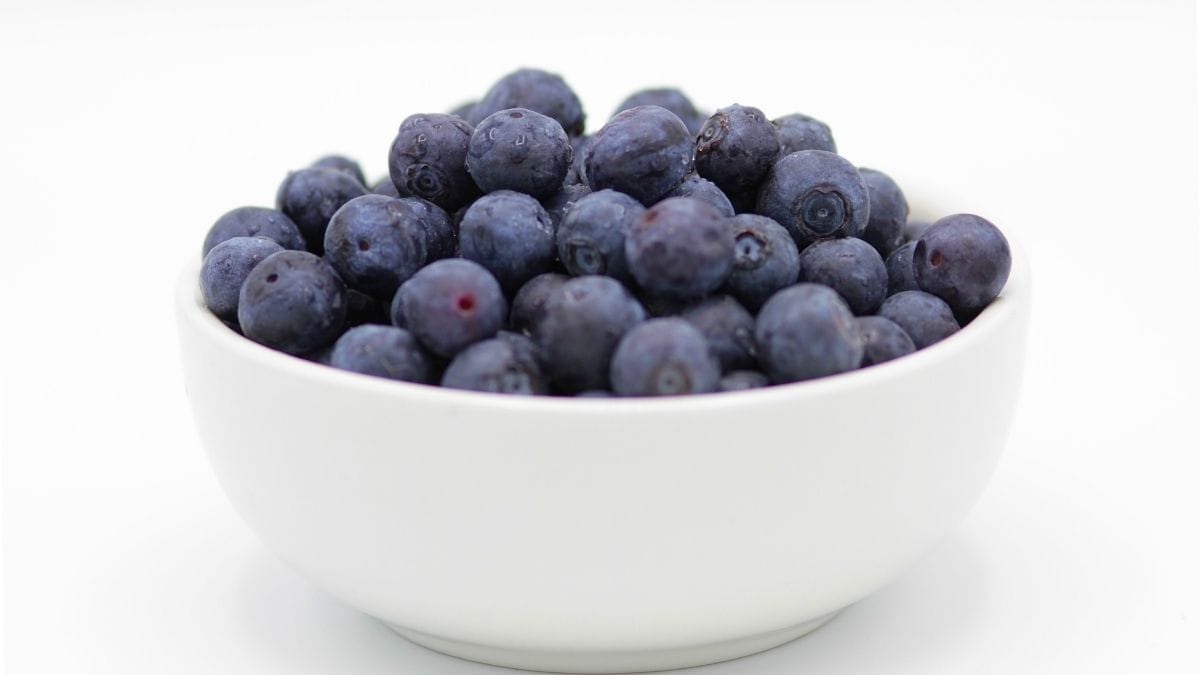
Want a 14% improvement in memory? Eat one cup of blueberries daily. That’s what a 2024 Journal of Nutrition study found.
Blueberries contain anthocyanins and flavonoids that reduce brain fog and improve recall.
A 2025 Frontiers in Pharmacology review confirmed that regular berry consumption slows cognitive decline. The MIND diet emphasizes berries—minimum 2 servings weekly.
Fresh grapes contain over 1,600 compounds benefiting your heart, brain, and gut according to 2025 research. Even butterfly pea tea showed a 15% improvement in memory recall after 6 weeks in a 2024 study.
Berries are brain food. They’re also one of the easiest superfoods to eat. Toss them in yogurt, oatmeal, or just snack on them frozen.
Action: Eat ½ cup fresh or frozen berries daily. Blueberries, blackberries, and strawberries all provide benefits.
Superfood #4: Nuts (Walnuts, Almonds, Pistachios)
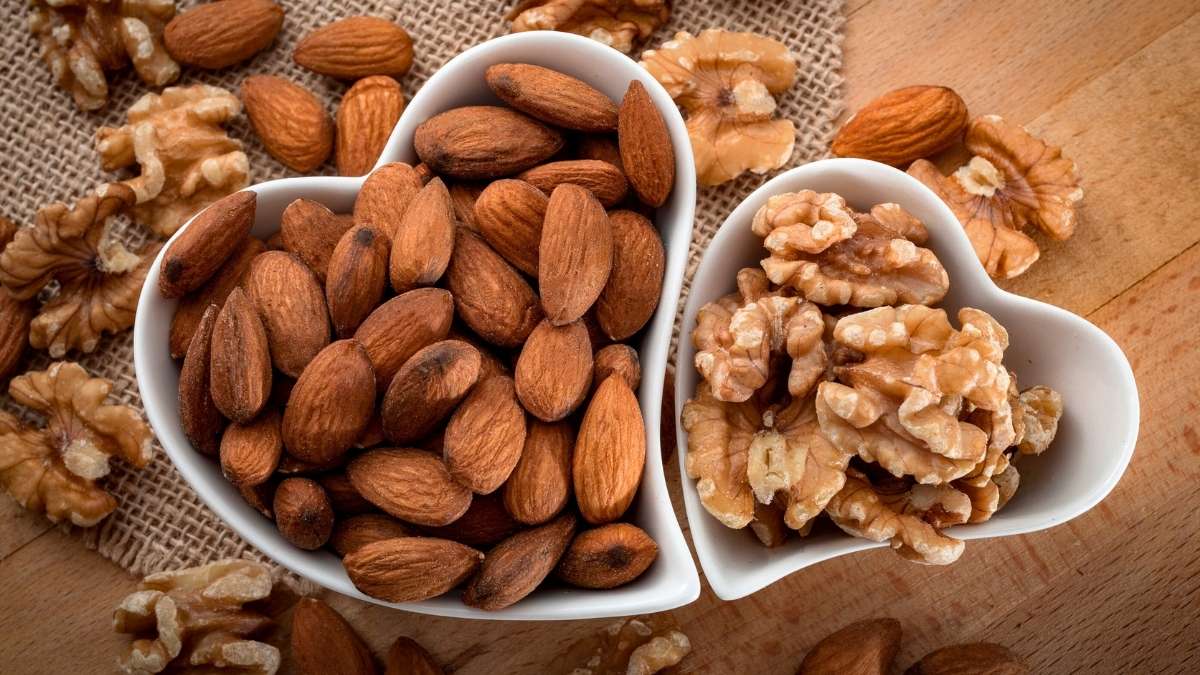
A small handful of nuts daily could save your life. An April 2024 study found that swapping nuts for red meat could prevent 500,000-750,000 deaths by 2050.
Walnuts have plant-based omega-3s for brain health. Almonds are rich in vitamin E, a powerful antioxidant. A 2025 study showed 1.5 oz of pistachios daily led to a 9% reduction in LDL cholesterol and 15% improvement in blood vessel function.
Nuts give you heart-healthy fats, protein, and fiber. They keep you full and support your metabolism. Regular nut consumption is associated with reduced heart disease risk and longer life expectancy.
The best part? You don’t need fancy varieties. Mixed nuts from your grocery store work great.
Action: Consume 1-1.5 oz (about a small handful) of mixed nuts daily. Keep pre-portioned bags for easy snacking.
Superfood #5: Extra Virgin Olive Oil
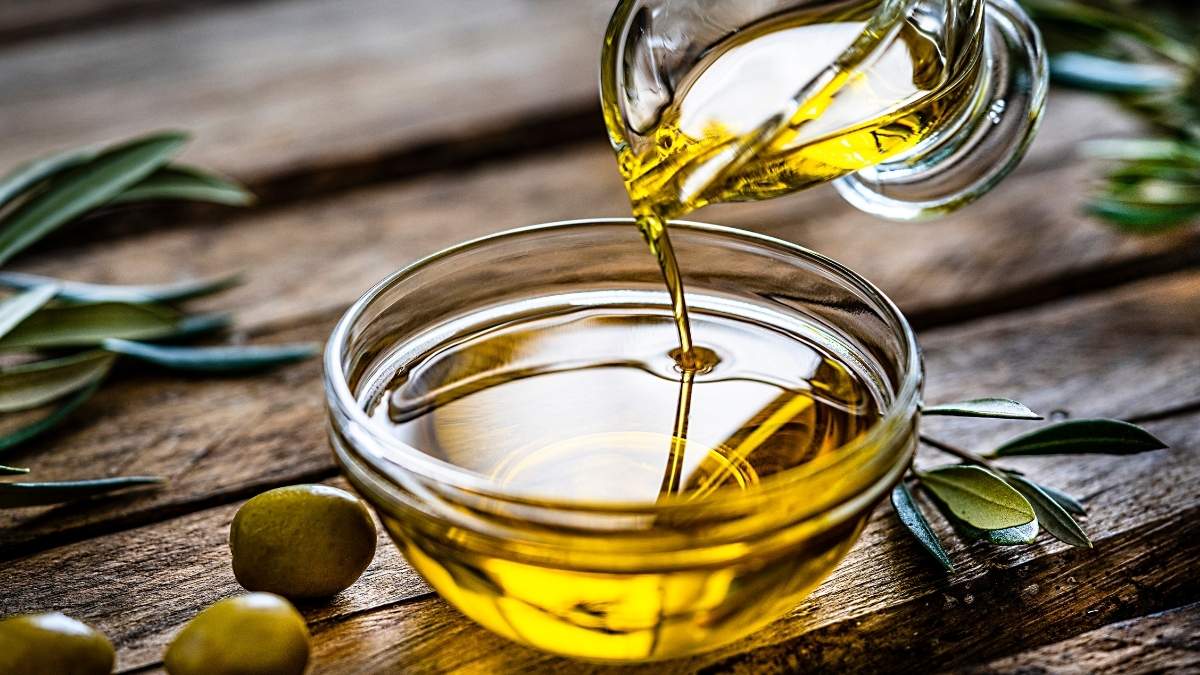
Olive oil is the foundation of the Mediterranean diet—one of the most studied eating patterns for longevity. It’s rich in polyphenols that reduce inflammation and support brain function.
A 2024 comprehensive review found the Mediterranean diet was associated with reduced mortality, especially cardiovascular mortality.
2025 research confirms greater Mediterranean diet adherence means reduced obesity, diabetes, hypertension, stroke, and heart failure.
Olive oil protects your heart and slows cellular aging. But not all olive oil is equal. Choose cold-pressed, extra-virgin varieties for maximum polyphenol content. The cheap stuff in clear bottles won’t give you the same benefits.
Use it on everything. Drizzle on salads, vegetables, whole grains. Cook with it at medium heat.
Action: Use 1-2 tablespoons daily on vegetables, salads, or whole grains. Choose cold-pressed, extra-virgin varieties.
Superfood #6: Whole Grains (Quinoa, Oats, Brown Rice)
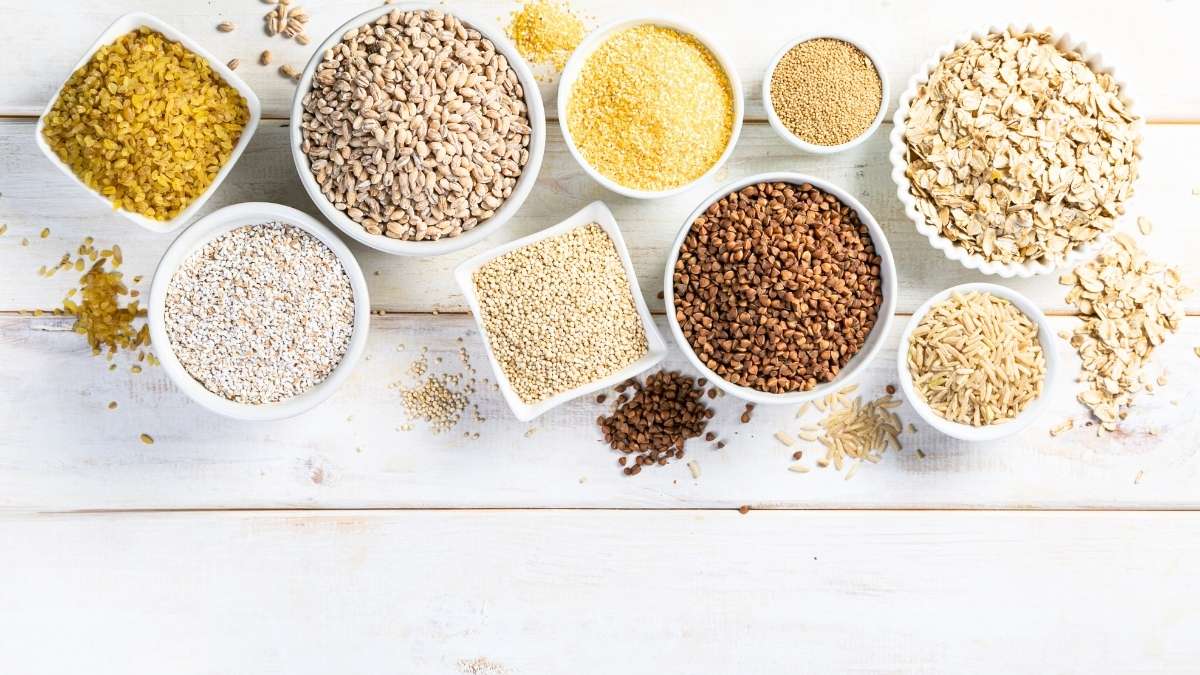
Your brain runs on glucose. Whole grains provide a steady supply without the blood sugar spikes that damage your body.
Whole grains are packed with fiber for gut health and blood sugar regulation. They’re rich in B vitamins and vitamin E that protect your brain. A 2024 longevity study identified whole grains as one of the top 3 foods for extending lifespan.
Here’s the difference: refined grains (white bread, white rice) increase inflammation. Whole grains reduce it. A 7-country study in 2024 found that Americans who increased whole grain intake showed the greatest potential for longevity gains.
Most Americans eat mostly refined grains. Switching to whole grains is one of the easiest changes you can make.
Action: Replace refined grains with whole grains. Eat 3-5 servings daily (1 serving = ½ cup cooked grains or 1 slice whole grain bread).
Superfood #7: Legumes (Beans, Lentils, Chickpeas)
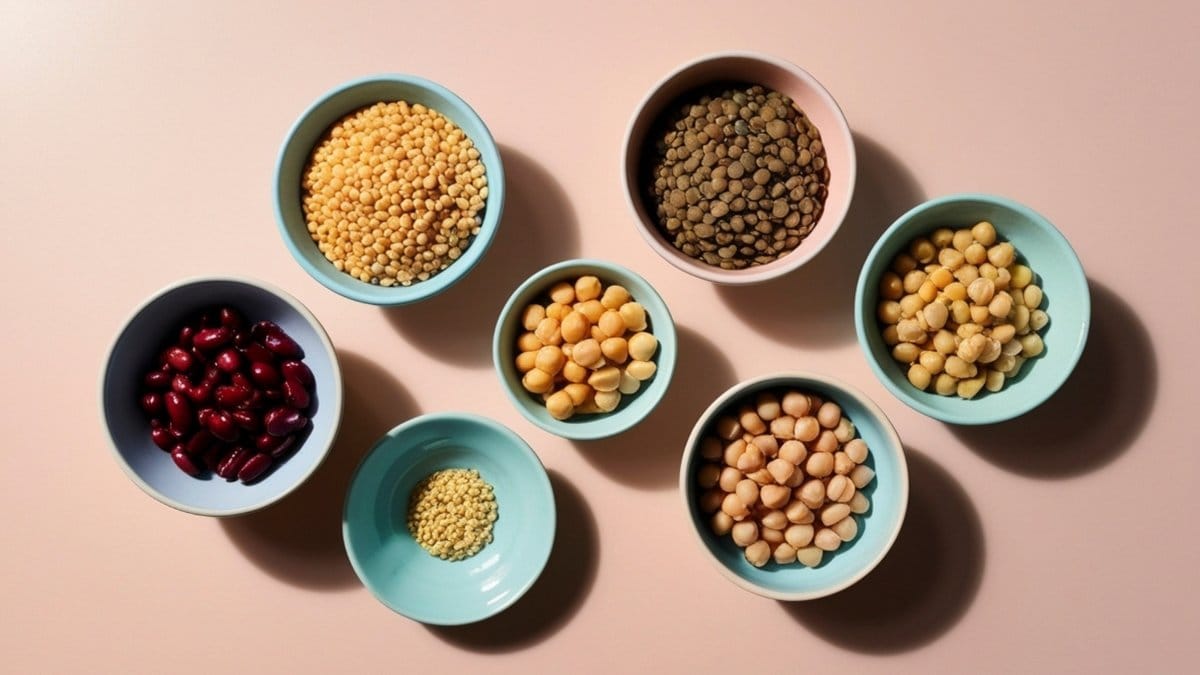
Plant-based protein shows cardiovascular health benefits that animal protein doesn’t provide. That’s the finding from multiple studies comparing protein sources.
Legumes give you protein and fiber without the saturated fat found in red meat. Black lentils are rich in anthocyanins—powerful anti-inflammatory compounds. A 2024 longevity study identified legumes as one of the top 3 foods for extending life.
Legumes support your gut microbiome diversity. Good gut bacteria means better overall health. They’re also cheap and easy to store, making them practical for weekly meal prep.
Don’t like the texture of beans? Try hummus. Make lentil soup. Add chickpeas to pasta. There are dozens of ways to eat them.
Action: Eat ½ cup cooked legumes 3-4 times weekly. Add to soups, salads, make hummus, or use as meat substitute in tacos and pasta dishes.
Bonus Foods Gaining Attention in 2025
Five more foods backed by recent research:
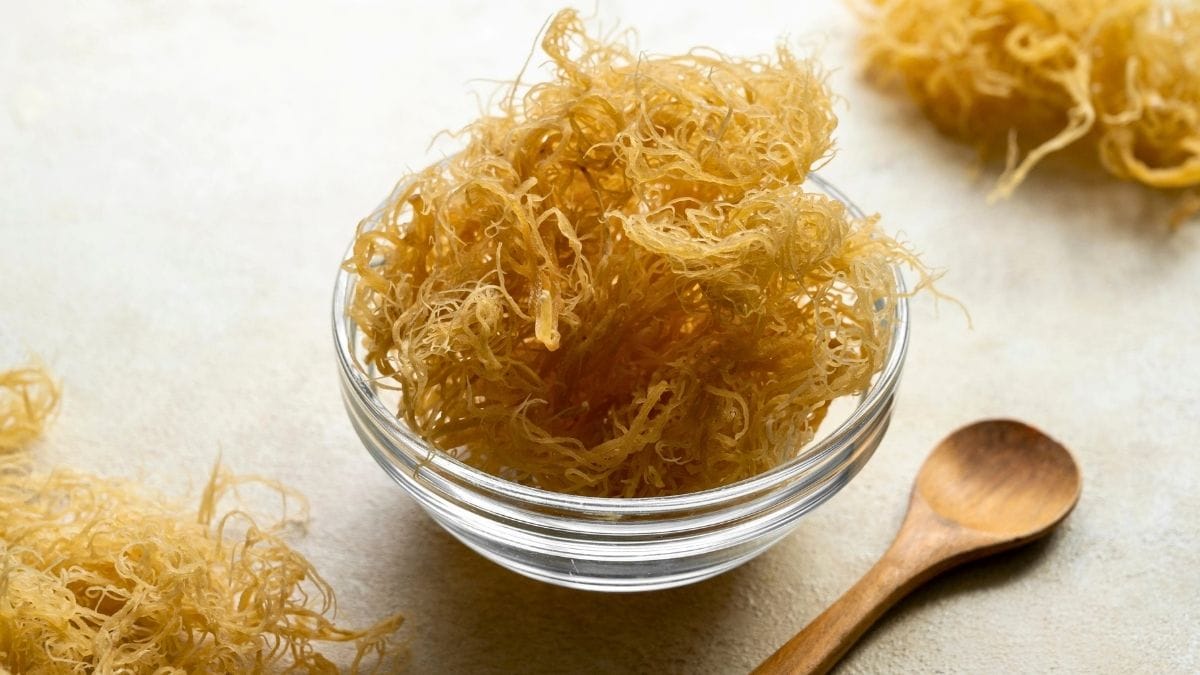
Sea Moss contains 92 minerals and supports gut health and immunity. It went viral on TikTok, but 2024-2025 studies confirm the benefits are real.
Greek Yogurt and Labneh provide probiotics for the gut-brain axis. A Harvard 2024 study emphasized how important probiotics are for mental health and cognitive function.
Green Tea at 2-4 cups daily reduces oxidative stress and supports metabolism and brain health. It’s been studied for decades with consistent positive results.
Turmeric contains curcumin with anti-inflammatory properties. Pair it with black pepper to increase absorption by 2000%. Add it to scrambled eggs, rice, or smoothies.
Dark Chocolate (70%+ cocoa) has flavanols that boost circulation and memory. Eat 1-2 squares daily. More doesn’t mean better—stick to small amounts.

These aren’t required. But if you want to go beyond the basics, these five have solid science behind them.
How to Combine These Foods for Maximum Benefit
Eating one superfood won’t change your life. Eating them together will. It’s the combination of nutrients that matters, not single foods.
The MIND diet proves this. It combines the Mediterranean diet and DASH diet specifically for brain health. People who followed it closely cut their Alzheimer’s risk by 53%. That’s the power of dietary patterns working together.

The July 2025 POINTER study took it further. Researchers had 60-79 year olds combine diet with exercise, brain training, and social activities.
After 2 years, participants improved their cognitive function to levels 1-2 years younger. A 2024 Harvard study found that combining healthy diet with other lifestyle factors extends disease-free life by 8-10 years.
Here’s what eating all 7 superfoods in one day looks like:
Breakfast: Oatmeal with blueberries, walnuts, and Greek yogurt Lunch: Spinach salad with chickpeas and olive oil dressing Dinner: Salmon with quinoa and sautéed kale Snack: Handful of almonds
You just covered all 7 superfoods. Mediterranean, Nordic, and Okinawa diets all share these common components. They work because they reduce inflammation, feed your brain, and protect your heart at the same time.
Start with three of these foods this week. Add more as they become habits. Small steps add up to big results.
What Foods to Avoid for Brain and Heart Health
Adding superfoods helps. But if you keep eating junk, you’re canceling out the benefits. Some foods actively damage your brain and heart.
Ultra-processed foods make up 60% of American calories, according to Harvard experts. These are foods with ingredients you can’t pronounce. Packaged snacks, frozen meals, fast food, soda.
A 2024 study found that people eating the most ultra-processed foods had a 31% higher risk of dying from any cause.
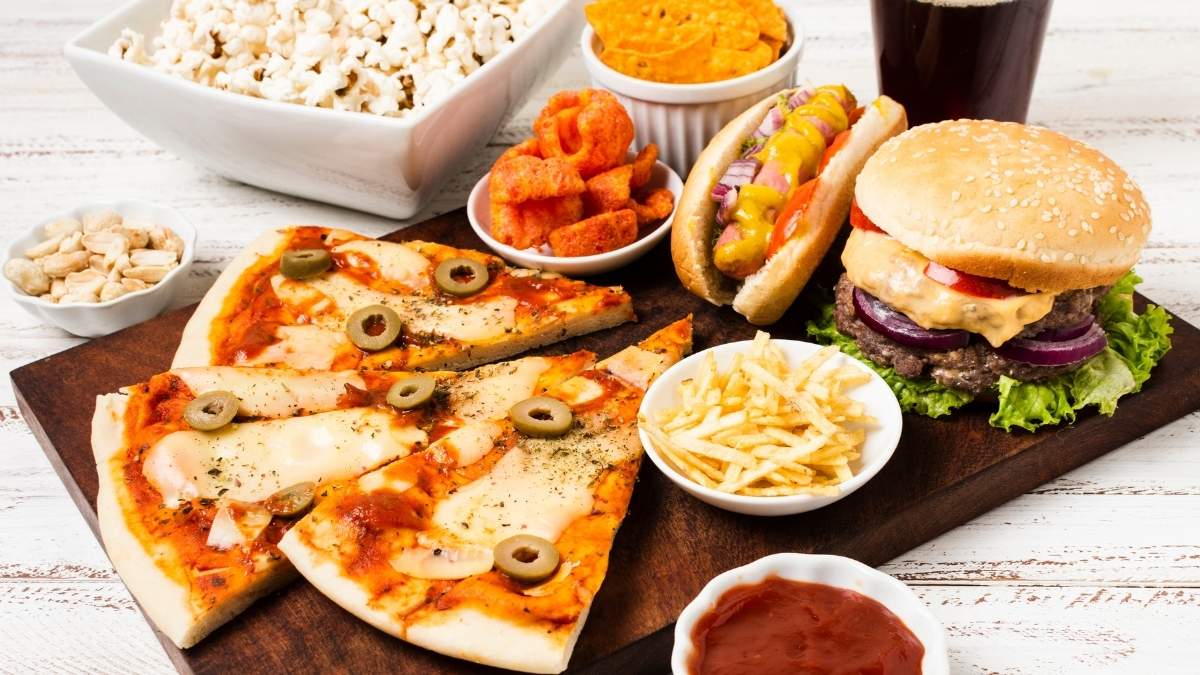
Red and processed meats are linked to cardiovascular mortality, dementia, and cancer. Bacon, hot dogs, deli meat, and even regular red meat increase your risk when eaten often.
Here’s the scary part: A 2025 UNC study showed that high-fat junk food damages your brain in just 4 days.
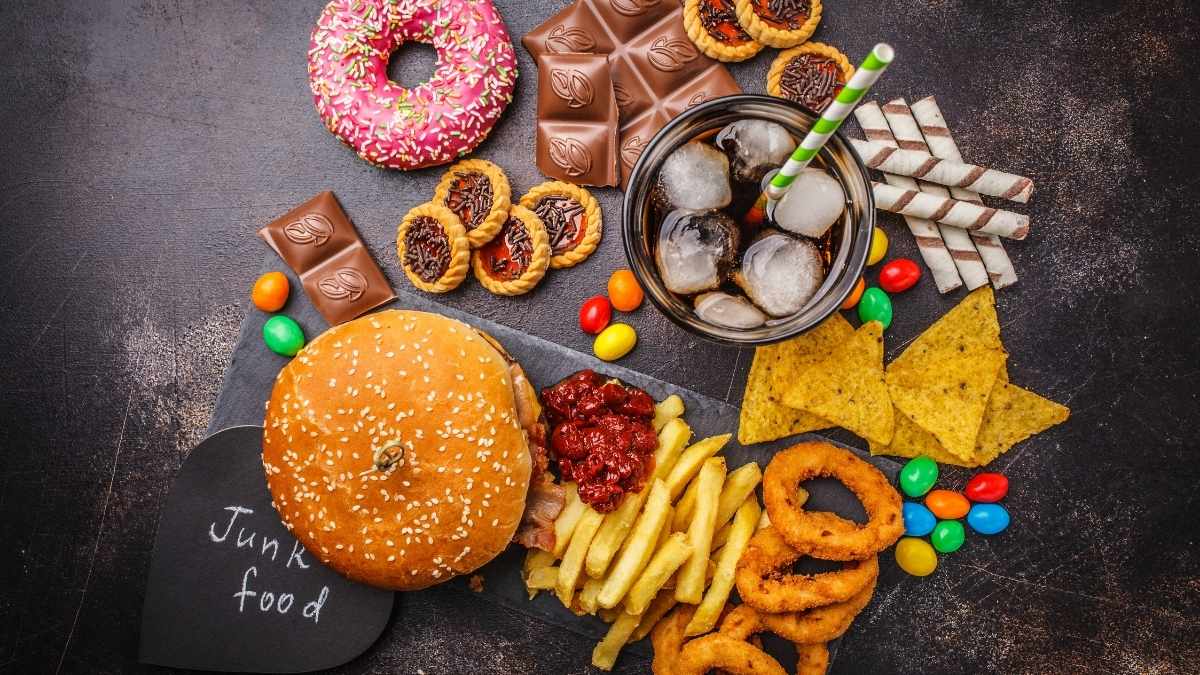
The research, published in Neuron in September 2025, found that a high-fat diet disrupts CCK interneurons in the hippocampus, impairing memory within days. Junk food affects your brain almost immediately, well before weight gain shows up.
Added sugars and refined carbohydrates spike your blood sugar and increase inflammation. Your brain and heart both suffer.
What to limit:
- Processed meats, fast food, fried foods
- Butter (keep to 1 tsp or less daily)
- Added salt (use salt substitutes per 2024 Annals of Internal Medicine)
You don’t have to be perfect. Just reduce these processed foods while adding the superfoods.
Your Next Step: Start Adding These Foods Today
The seven superfoods—fatty fish, leafy greens, berries, nuts, olive oil, whole grains, and legumes—aren’t magic bullets.
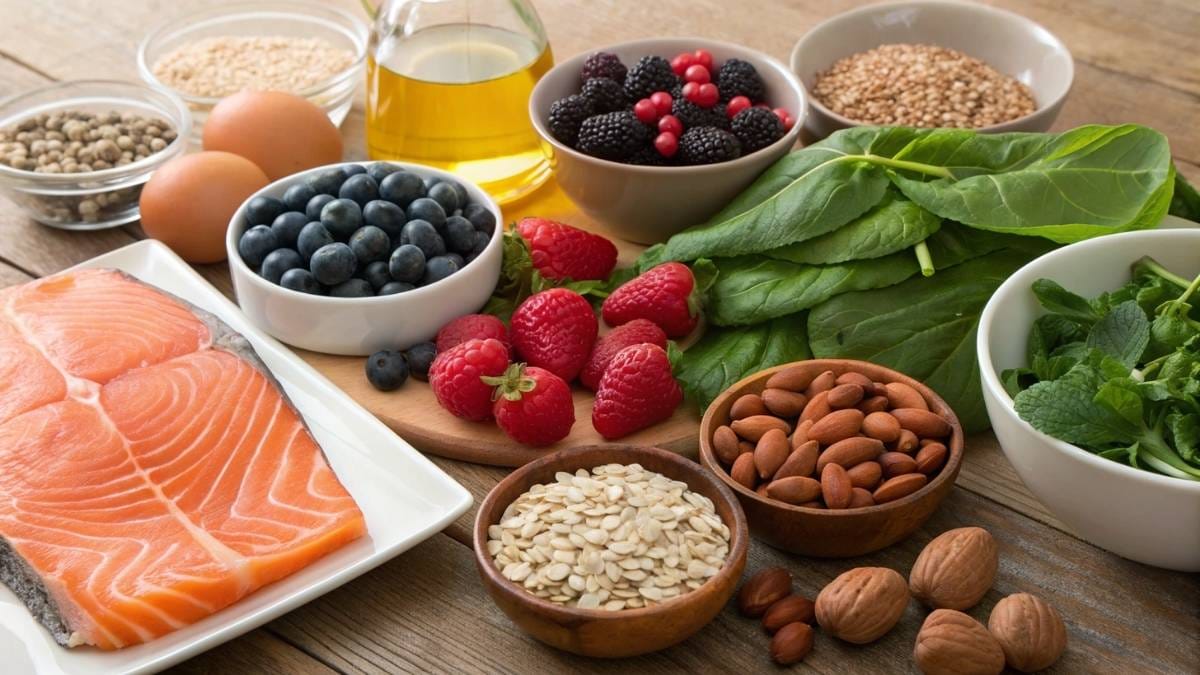
But they’re backed by decades of research and 2024-2025 studies showing real benefits for heart health, cognitive function, and longevity.
Combined with limiting processed foods, these changes could add years to your life. And more importantly, add life to your years.
Start small this week. Add one cup of blueberries to your breakfast. Swap your afternoon snack for a handful of walnuts. Replace one meat meal with legumes. Small changes compound over time.
Making these superfoods for longevity part of your daily routine is one of the most powerful steps you can take for brain-healthy aging and disease prevention.