
You’ve seen the ads. The serums. The supplements promising eternal youth. The “one weird trick” headlines.
Here’s the truth: There is no secret to healthy aging.
But there are six vitamins that science keeps pointing to. They work at the cellular level. They protect your DNA. They slow the clock.
The National Institutes of Health backs them. Stanford researchers study them. Your grandmother probably ate them without knowing their power.
Let’s talk about real science, not marketing hype.
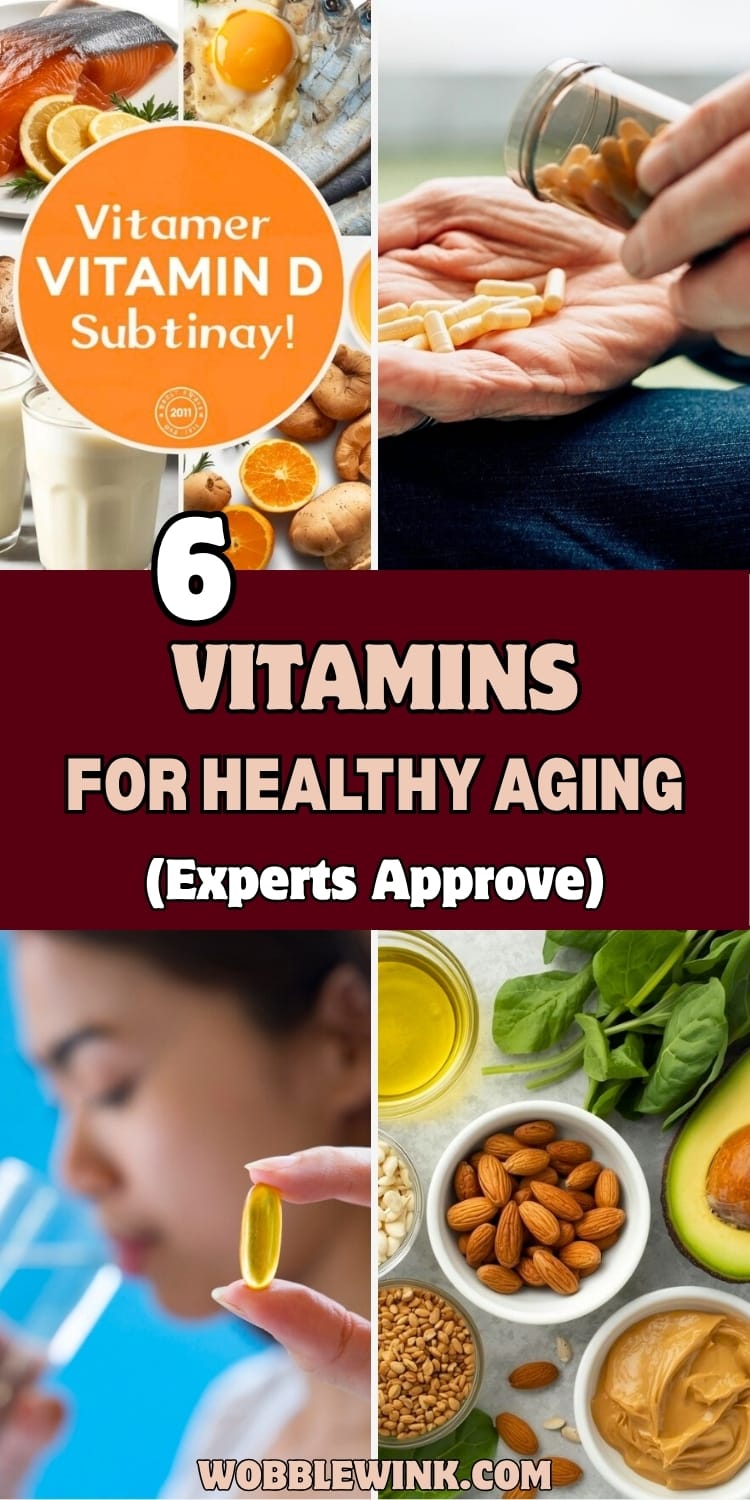
1. Vitamin D: Your Cellular Shield

What It Does to Your Cells:
Vitamin D helps protect telomeres—the protective caps on your DNA that act like cellular aging clocks. Think of telomeres as the plastic tips on shoelaces. When they fray, your cells age faster.
Daily vitamin D supplements have been shown to help slow telomere shortening, which is directly linked to aging and disease.
Expert Backing:
- The National Institutes of Health (NIH) recommends vitamin D for older adults
- Harvard Medical School research published in 2025 found that 2,000 IU daily helped slow cellular aging
- Stanford Longevity Center recommends it for muscle and bone strength
Recommended Daily Intake:
- Adults: 600-800 IU (15-20 micrograms)
- Many experts recommend 1,500-2,000 IU daily for older adults
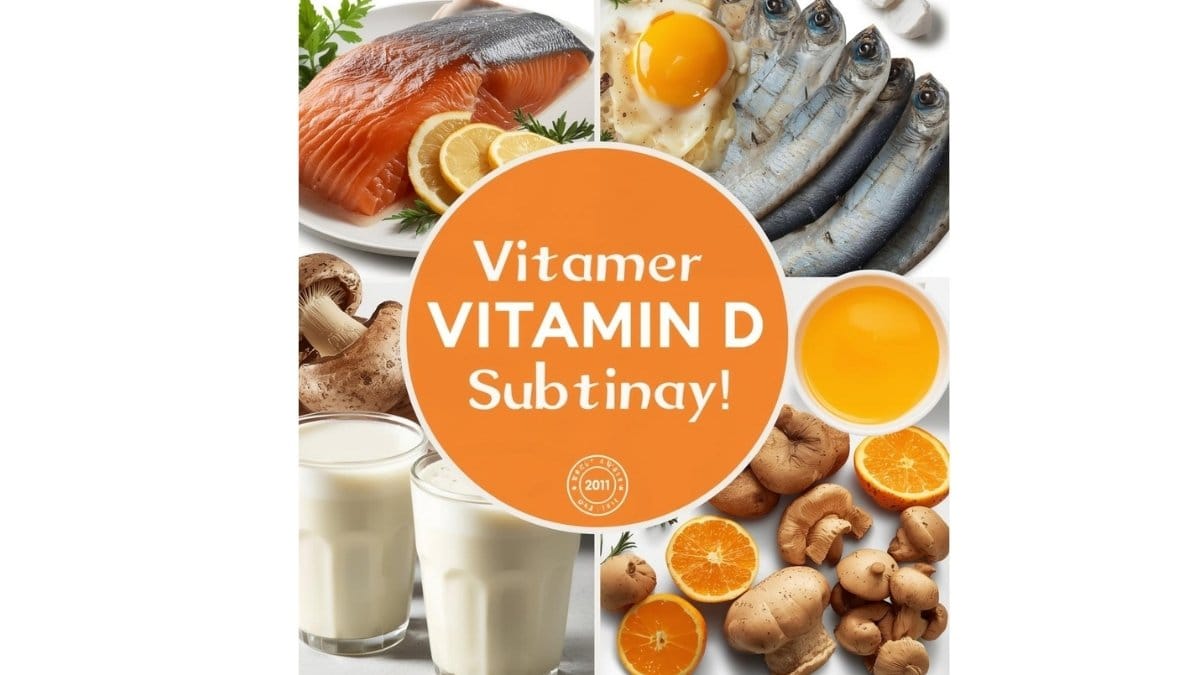
Food Sources:
- Fatty fish: salmon, mackerel, sardines
- Egg yolks
- Fortified milk and plant milks
- Fortified orange juice
- Mushrooms exposed to sunlight
The Reality Check:
Your skin makes vitamin D from sunlight. But after age 50, your skin is 50% less efficient at this. Darker skin? Even less efficient. Live in a northern climate? You need food sources or supplements.
2. Vitamin C: The DNA Protector
What It Does to Your Cells:
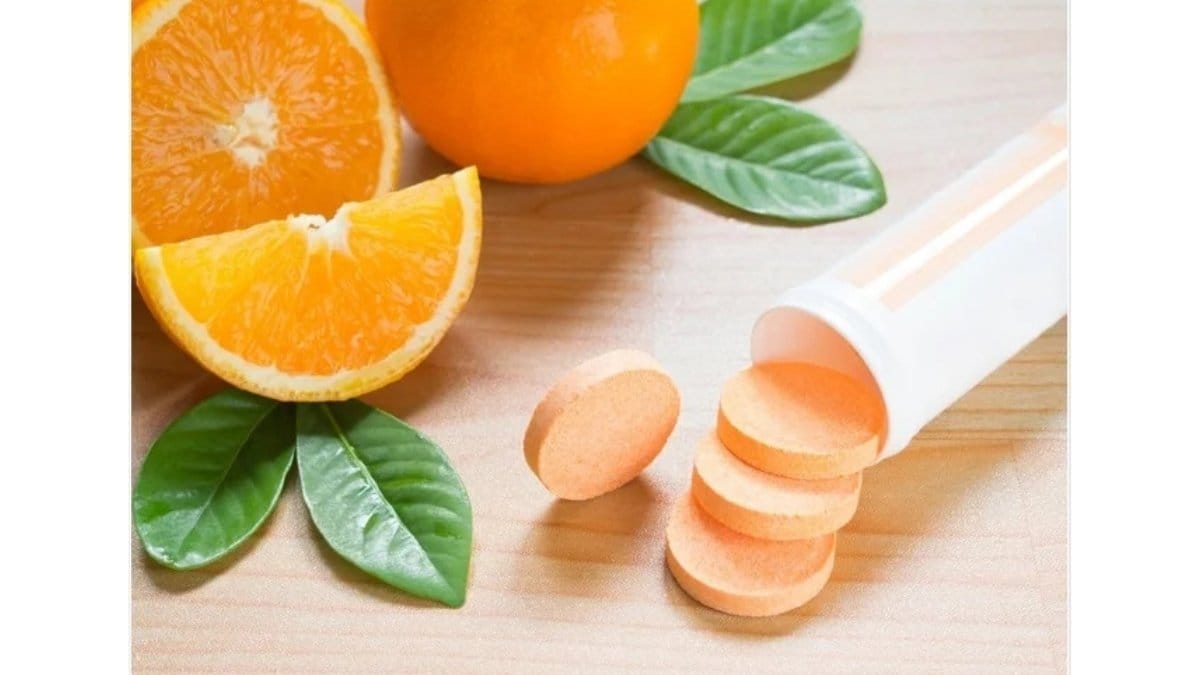
Vitamin C is a powerful antioxidant that protects your cells from free radical damage, potentially mitigating DNA and telomere damage. Free radicals are unstable molecules that play a role in diseases of aging like cancer, heart disease, and stroke.
Expert Backing:
- The National Cancer Institute recognizes vitamin C’s role in protecting cells from aging-related damage
- NIH guidelines for adults 51+
Recommended Daily Intake:
- Men: 90 milligrams
- Women: 75 milligrams
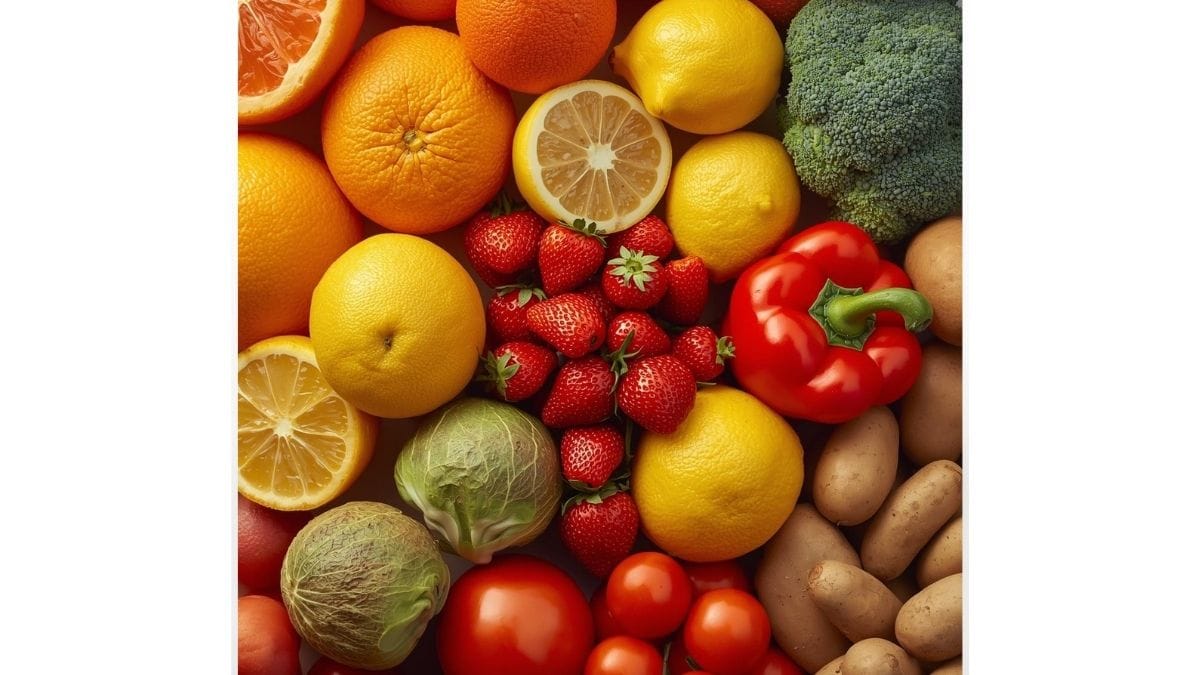
Food Sources:
- Citrus fruits: oranges, grapefruit, lemons
- Red bell peppers (more vitamin C than oranges!)
- Strawberries and kiwi
- Broccoli and Brussels sprouts
- Tomatoes
- Potatoes
The Truth:
You can’t store vitamin C. Your body flushes out excess every day. You need it daily. No exceptions.
3. Vitamin E: The Cell Membrane Guardian
What It Does to Your Cells:
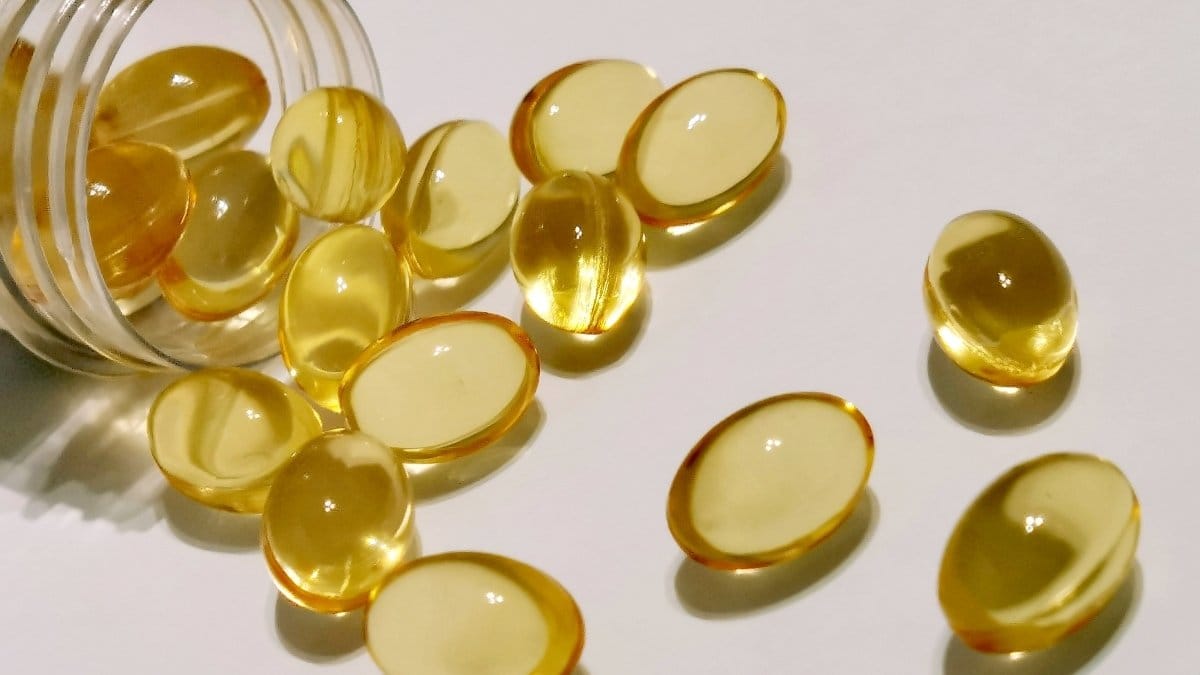
Vitamin E is a lipid-soluble antioxidant that neutralizes free radicals and plays a major role in cellular signaling and gene expression. Studies show that adequate vitamin E intake is associated with longer telomere length in patients with cardiovascular disease.
Expert Backing:
- NIH dietary guidelines for older adults
- European research identifies vitamin E as critical for preventing disability in older people
Recommended Daily Intake:
- Adults: 15 milligrams (22 IU)
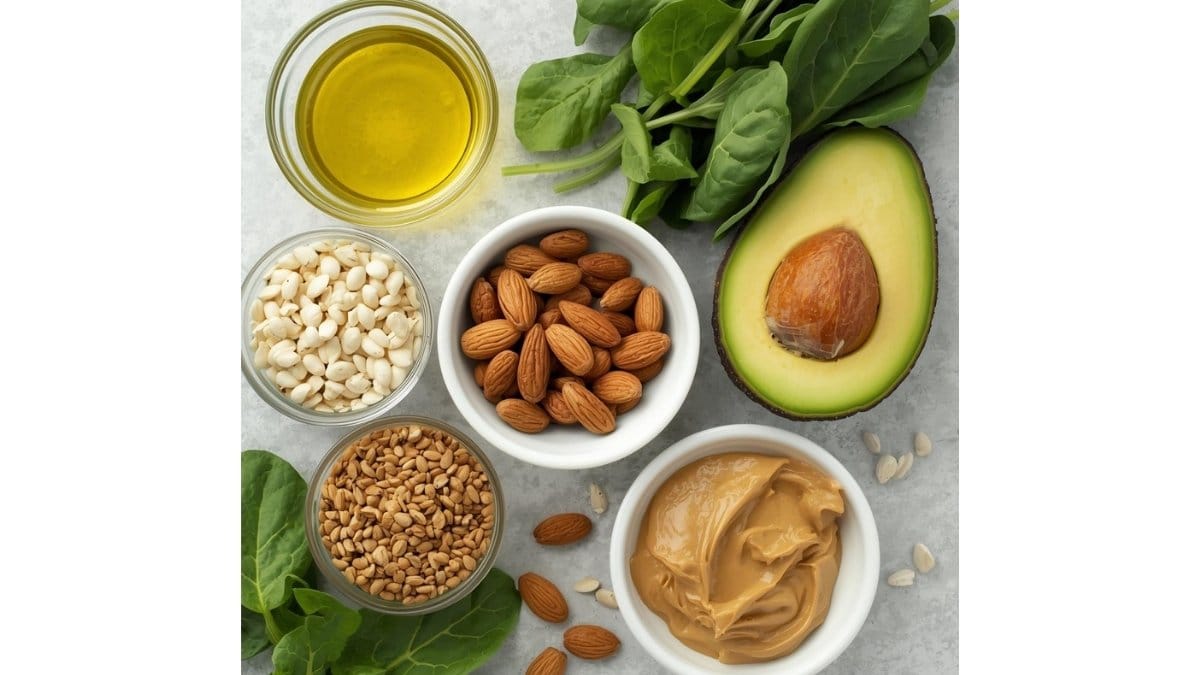
Food Sources:
- Extra virgin olive oil
- Almonds and sunflower seeds
- Avocado
- Spinach and Swiss chard
- Peanut butter
- Wheat germ oil
Why It Matters:
Research shows that people with inadequate vitamin E intake have shorter telomere length. Your cell membranes need this fat-soluble vitamin to stay flexible and functional.
4. Vitamin B12: The Brain and DNA Defender
What It Does to Your Cells:
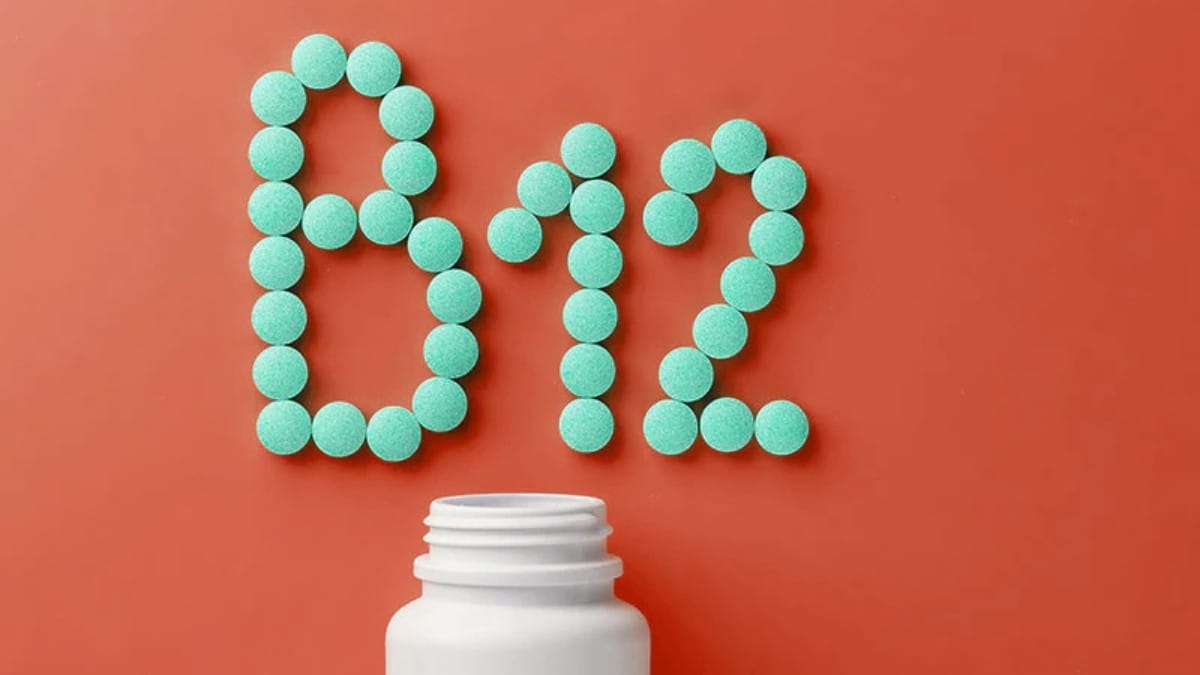
Vitamin B12 helps reduce oxidative stress and protects against cellular aging. B12 has been shown to help with cognition before the onset of mild cognitive impairment and Alzheimer’s disease.
It also helps keep homocysteine levels in check. High homocysteine damages blood vessels and accelerates aging.
Expert Backing:
- NIH recommends B12 for adults over 50
- Stanford Longevity Center especially recommends it for vegans, as it’s primarily found in animal products
Recommended Daily Intake:
- Adults: 2.4 micrograms
Food Sources:
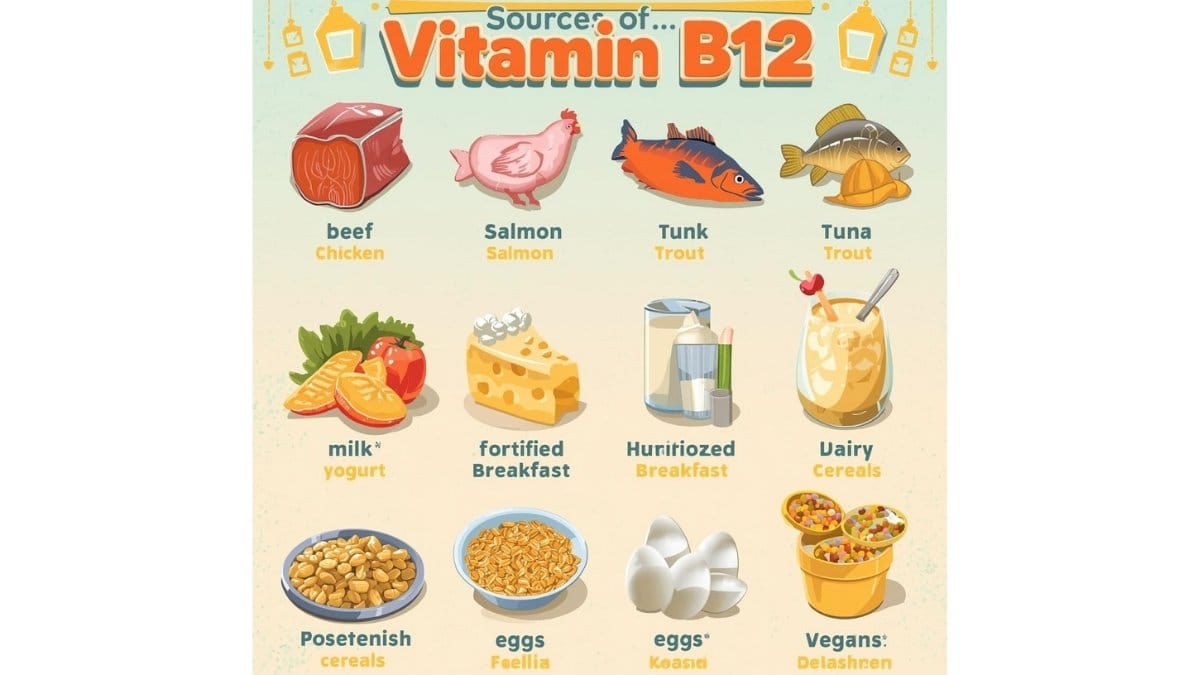
- Meat: beef, chicken, pork
- Fish: salmon, tuna, trout
- Dairy: milk, yogurt, cheese
- Eggs
- Fortified breakfast cereals
- Nutritional yeast (for vegans)
The Age Factor:
After 50, your stomach produces less acid. This makes B12 harder to absorb from food. Many older adults need supplements.
5. Folate (Vitamin B9): The Cognitive Protector
What It Does to Your Cells:
Folate helps reduce serum levels of homocysteine, which when elevated can impair cellular aging. It works alongside B12 and B6 to protect your brain and cardiovascular system.
Expert Backing:
- European Food Safety Authority (EFSA) sets deficiency thresholds
- NIH dietary guidelines recommend 400 micrograms daily
Recommended Daily Intake:
- Adults: 400 micrograms dietary folate equivalents
Food Sources:
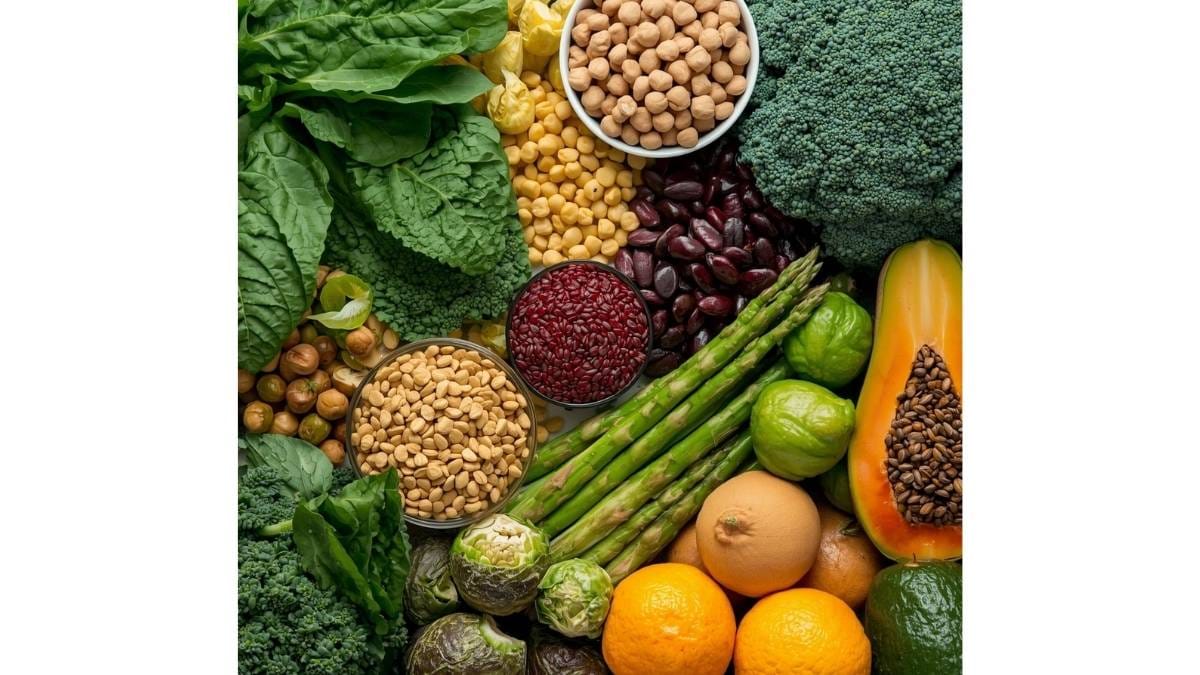
- Dark leafy greens: spinach, kale, collards
- Legumes: lentils, chickpeas, black beans
- Asparagus and Brussels sprouts
- Avocado
- Fortified grains and cereals
- Oranges and papaya
Natural vs. Synthetic:
Folate is the natural form in food. Folic acid is synthetic (in supplements and fortified foods). Both work, but your body handles natural folate more easily.
6. Magnesium: The Cellular Energy Master
What It Does to Your Cells:
A 2024 review shows magnesium is critical in mitigating age-related decline by targeting multiple aging pathways, from genomic instability to cellular senescence. Magnesium plays a critical role in vitamin D biosynthesis and metabolism.
Without enough magnesium, vitamin D can’t work properly.
Expert Backing:
- NIH dietary guidelines for older adults
- Stanford Longevity Center recommends it for restful sleep and brain health
Recommended Daily Intake:
- Men 51+: 420 milligrams
- Women 51+: 320 milligrams
Food Sources:
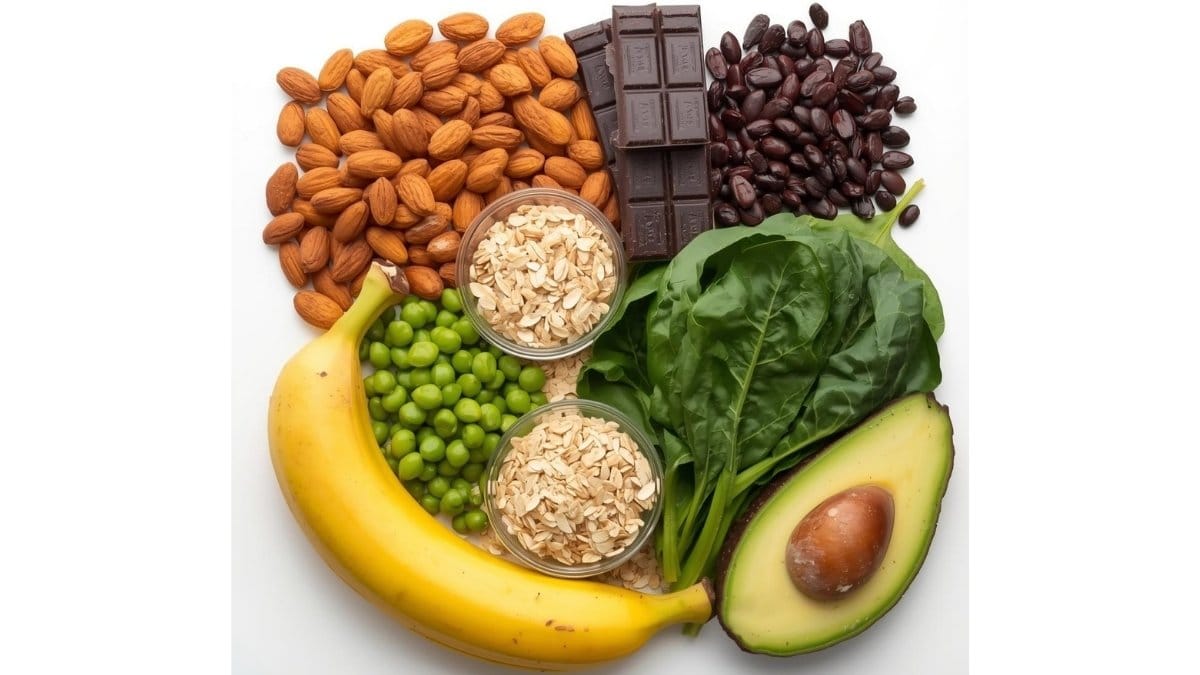
- Pumpkin seeds and almonds
- Dark chocolate (70%+ cacao)
- Black beans and edamame
- Whole grains: brown rice, quinoa, oats
- Spinach and Swiss chard
- Banana and avocado
The Sleep Connection:
Magnesium improves sleep quality by reducing the time it takes to fall asleep and promoting more restorative rest. Better sleep means better cellular repair.
3 Common Mistakes to Avoid When Supplementing for Longevity
Mistake #1: Ignoring Food Sources Entirely
Supplements are called supplements for a reason. They supplement your diet. They don’t replace it.
Food contains thousands of compounds that work together. Fiber. Phytonutrients. Antioxidants. You can’t get this synergy from a pill.
Lifestyle choices are most important for maintaining good health as we age, and supplements do not replace a healthy diet and daily exercise.
Fix it: Build your meals around whole foods first. Use supplements only to fill genuine gaps.
Mistake #2: Taking Vitamins Without Understanding Absorption
Not all vitamins absorb the same way.
- Vitamins A, D, E, and K need fat to absorb. Take them with meals containing healthy fats.
- Vitamin C and B vitamins are water-soluble. Your body flushes out excess.
- Magnesium competes with calcium for absorption. Don’t take huge doses of both at once.
Studies show that adequate magnesium intake is required for vitamin D to work effectively for cognitive protection.
Fix it: Learn how your vitamins work together. Take fat-soluble vitamins with food containing olive oil, nuts, or avocado.
Mistake #3: Overdoing It (Or Taking Too Many)
As we age, taking too many supplements may be taxing to our liver and kidneys. More is not always better.
Vitamin E in extremely high doses can increase bleeding risk. Too much vitamin D can cause calcium buildup. Excess B vitamins just make expensive urine.
Studies show that some supplement users, particularly men, exceeded safe upper intake levels for iron and zinc.
Fix it: Stick to recommended daily intake levels unless a doctor advises otherwise. Get blood work done to identify real deficiencies.
Your Practical Action Plan: Making This Work in Real Life
Week 1-2: Assess Your Current Intake
Track what you eat for one week. Use a simple food diary or app.

Notice patterns. Are you eating leafy greens daily? Fatty fish twice a week? Nuts and seeds?
Identify your gaps before rushing to buy supplements.
Week 3-4: Build Your Foundation with Food
Focus on adding one vitamin-rich food group each week:
- Week 3: Add two servings of vitamin C-rich foods daily (bell peppers, citrus, berries)
- Week 4: Add three servings of leafy greens for folate and magnesium
Make it easy. Keep frozen berries for smoothies. Pre-chop vegetables. Buy pre-washed spinach.
Month 2: Consider Strategic Supplementation
After building your food foundation, assess if you need supplements. Most people over 50 benefit from:
- Vitamin D (especially if you live far from the equator or have darker skin)
- Vitamin B12 (if you’re over 50 or vegan)
- Magnesium (if you struggle with sleep or eat few whole grains and nuts)
Choose quality supplements. Look for third-party testing seals (USP, NSF, ConsumerLab).
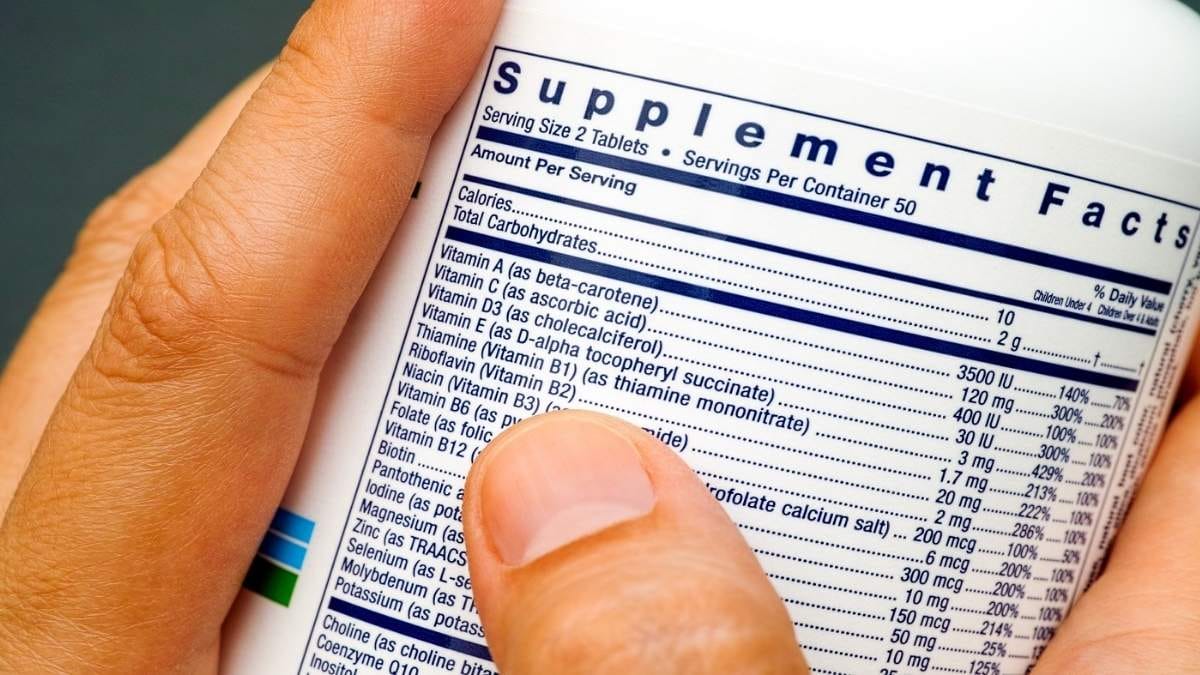
Month 3 and Beyond: Monitor and Adjust
Pay attention to how you feel. Better sleep? More energy? Clearer thinking?
Consider getting blood work done to check your vitamin D, B12, and magnesium levels. This removes the guesswork.
The Bottom Line: No Secrets, Just Science
The “secret” to healthy aging isn’t sexy. It’s not sold in expensive bottles with gold labels.
It’s consistent, boring, unglamorous nutrition. Day after day. Meal after meal.
These six vitamins work at the cellular level. They protect your DNA. They slow oxidative damage. They keep your brain sharp and your bones strong.
But they only work if you actually consume them.
You have two choices:
- Chase the next miracle supplement promising impossible results
- Build a sustainable eating pattern around whole foods rich in these six vitamins, supplementing strategically where needed
One is marketing. One is science.
Choose science. Your cells will thank you in 10 years.

Your Next Step:
Look in your kitchen right now. Do you have foods rich in these six vitamins? If not, add them to your shopping list this week. Start with one. Then add another.
That’s not a secret. That’s just smart.