

Your brain runs on what you eat. Mental fog, low mood, and poor focus affect millions of people every day.
While therapy and medication help, research shows that improving your diet can reduce depression, anxiety, and ADHD symptoms.
Here’s what you’ll discover: which juices boost your mood and focus, the science behind brain health nutrition, and how to add these healthy juice choices to your daily routine for better mental wellness.

The Science Behind Juice and Mental Wellness
Your brain needs specific nutrients to make the chemicals that control your mood.
Research shows that 100% fruit juice increases nutrient intake and improves diet quality. This matters for brain health.
Here’s how it works. Folate from juice helps your brain create serotonin, dopamine, and norepinephrine—the chemicals that make you feel good and stay focused.
Vitamin C reduces stress hormones. Anthocyanins protect brain cells from damage.
A 2023 study found something important: people who ate foods rich in antioxidants and B vitamins reduced depression symptoms by 20%.
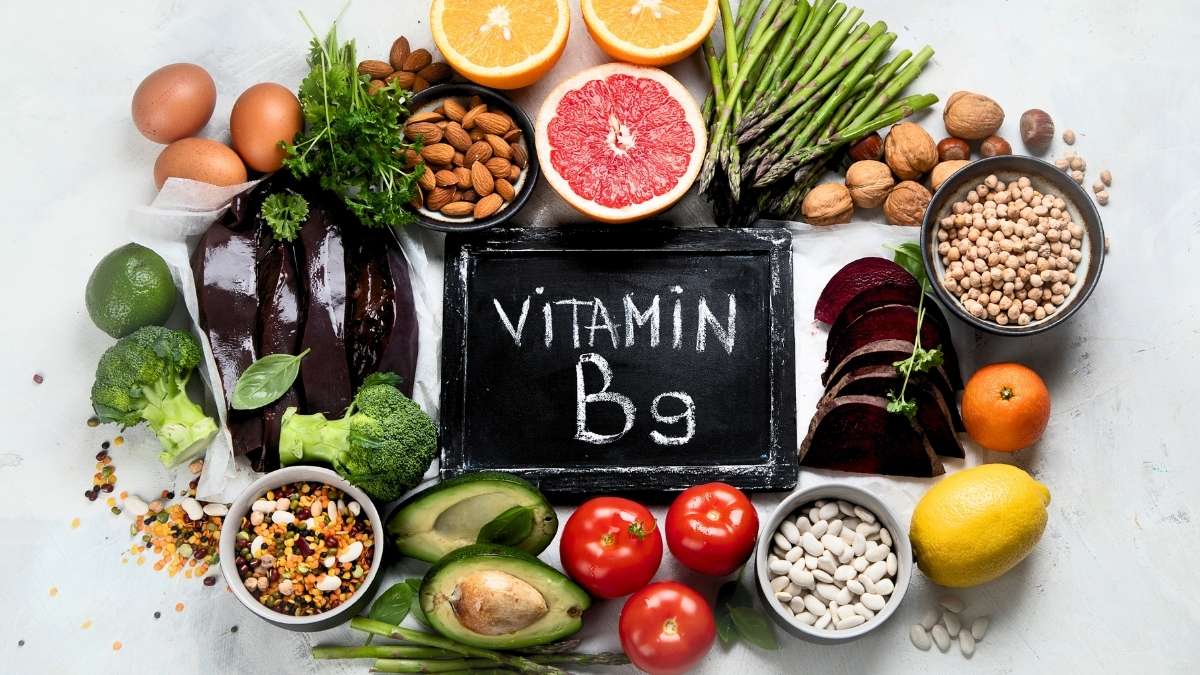
Your gut and brain are connected, so nutrients from juice affect both.
Whole food juices beat synthetic pills. They contain multiple nutrients that work together, plus fiber and plant compounds that supplements miss.
Blueberry Juice For Enhanced Focus And Memory
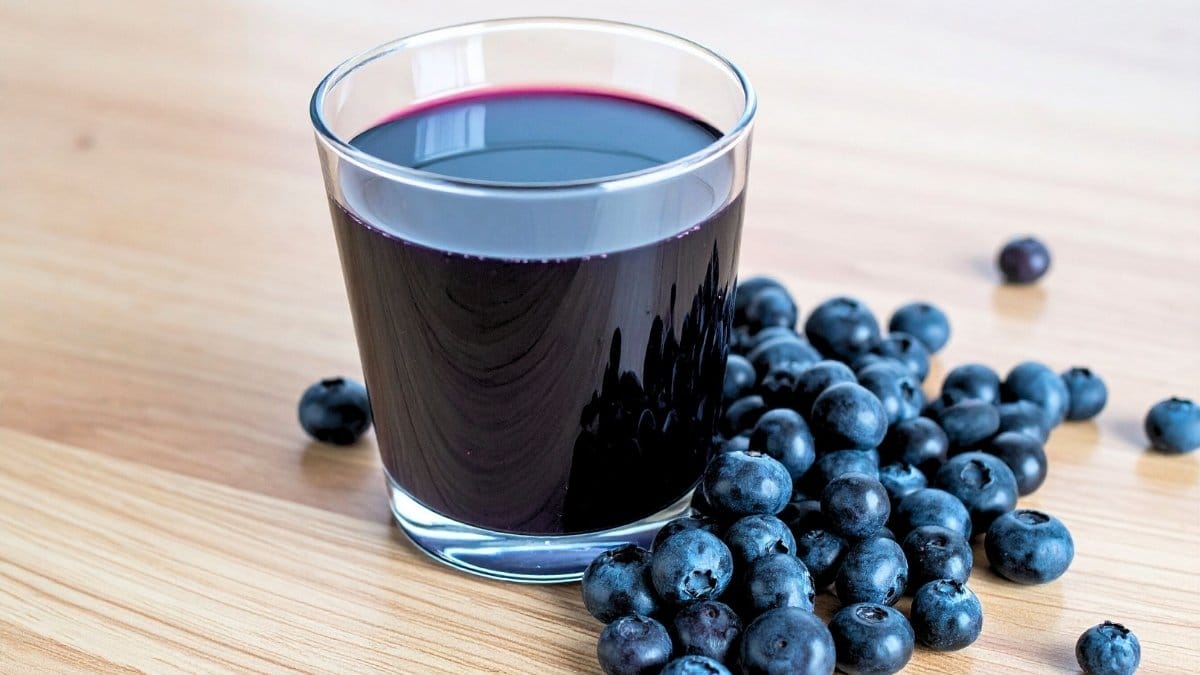
Forget where you put your keys? Struggle to concentrate at work? Blueberry juice might help.
University of Exeter researchers found that older adults who drank concentrated blueberry juice daily showed real improvements in cognitive function and brain blood flow.
The results were clear. People aged 65-77 drank just 30ml of concentrated blueberry juice every day for 12 weeks. Their brain blood flow increased.Memory improved. Brain activation during mental tasks got stronger.

Here’s what specifically got better: word list recall, paired associate learning (connecting two things in memory), and working memory.
Some participants even showed reduced depressive symptoms and lower blood sugar levels.
Eight separate studies confirm this works. Researchers tested different amounts of blueberries over various time periods.
All found improvements in short-term memory, long-term memory, and spatial memory (remembering where things are).
Why does blueberry juice work so well? The secret is anthocyanins and flavonoids—powerful compounds that protect your brain cells from damage.
They improve how blood flows to your brain, which means more oxygen and nutrients reach the areas you need for thinking and remembering.

Your practical guide: Drink 30ml (about 2 tablespoons) of concentrated blueberry juice daily, or half a cup of fresh blueberry juice. You need to stick with it for at least 12 weeks to see real memory improvement.
One important note: This works best as part of an overall healthy diet.
Blueberry juice alone won’t fix serious memory problems, but it can support better focus and cognitive function when combined with good sleep and regular exercise.
Pomegranate And Cherry Juices To Reduce Stress And Improve Mood

Feel anxious? Can’t sleep? Constantly stressed? Two juices show real promise for stress relief and mood improvement based on recent research.
Pomegranate and tart cherry work differently but both help your mental wellness.
Pomegranate juice acts like a natural antidepressant. Studies show pomegranate extract affects your central nervous system, reducing anxiety and lifting mood. It has three times more antioxidants than green tea.
Research on healthy adults found that drinking pomegranate juice improved their mood levels.
The vitamin C in pomegranate does something important: it lowers cortisol, your main stress hormone.
This protects your brain from oxidative stress—the cellular damage that happens when you’re constantly worried or overwhelmed.
Tart cherry juice tackles stress through better sleep.

Eight people drank one cup (240ml) of tart cherry juice in the morning and another cup one to two hours before bed. After just two weeks, their sleep time increased by 84 minutes per night.
Here’s why tart cherry works for sleep quality: it contains procyanidin B-2, a compound that increases tryptophan availability in your brain.
Tryptophan is what your body uses to make melatonin and serotonin—the chemicals that help you sleep and feel calm. The cherry juice also reduced inflammation, which often disrupts sleep.
Better sleep means better mental health. When you sleep more, your brain processes emotions better. Stress feels more manageable. Your mood stabilizes. Focus improves.

How to use them: Drink 8 ounces of pomegranate juice during the day for mood support.
For sleep improvement, drink one cup of tart cherry juice in the morning and another 1-2 hours before bed. Give it at least two weeks to see results.
Green Vegetable Juices For Mental Clarity And Cognitive Protection
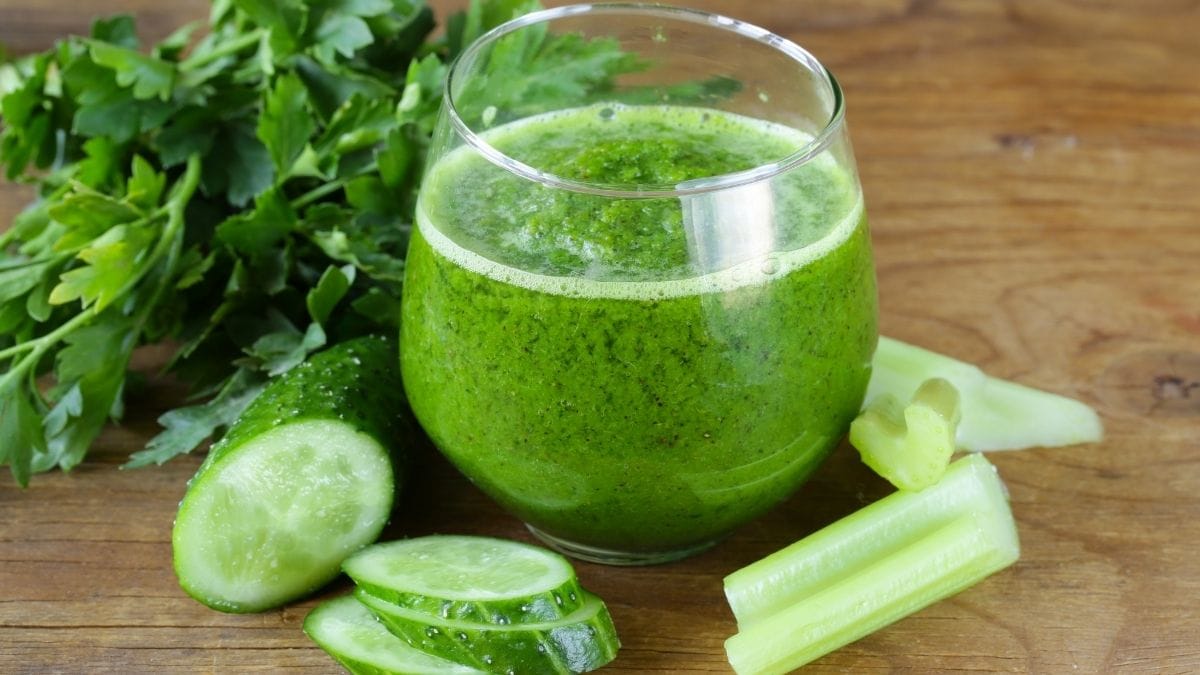
Worried about brain fog or memory loss as you age? Green vegetable juices offer real cognitive decline prevention. Research shows that spinach, kale, collards, and mustard greens slow down how fast your brain ages.
The numbers are impressive. People who ate just 1.3 servings of leafy greens per day had significantly slower cognitive decline than those who ate the least.
That’s barely more than one cup of greens daily for brain-boosting vegetables protection.
Green juice benefits go beyond memory. Studies found that eating green leafy vegetables like spinach, kale, and arugula promotes higher optimism and self-confidence.
People feel less psychological distress. Depression symptoms decrease.

Why do greens work so well for mental health? Five key nutrients make the difference: folate, vitamin K, lutein, nitrate, and beta-carotene.
Folate is especially important because it helps your brain produce serotonin—the chemical that lifts your mood and fights depression. Vitamin K protects brain cells from damage. Magnesium and chlorophyll reduce inflammation.
Here’s the problem: green juice tastes bitter to most people. The solution is simple. Mix your greens with sweet fruits. Try spinach with apple and lemon.
Blend kale with pineapple and cucumber. Add a small piece of ginger for flavor.
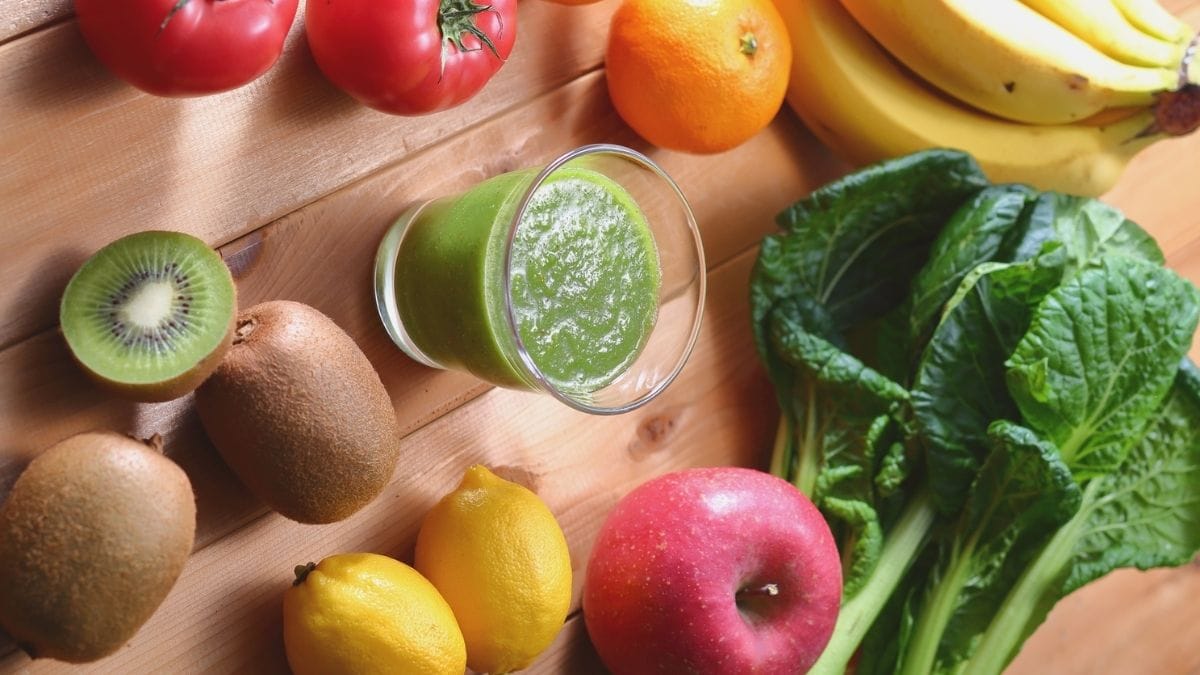
Start small if you’re new to green juice. Use two parts fruit to one part greens at first. As you adjust to the taste, slowly increase the greens ratio. Your brain will thank you even if the mixture is mostly fruit in the beginning.
How To Incorporate Mental Wellness Juices Into Your Daily Routine
Knowing which juices help is one thing. Actually drinking them consistently is another. Here’s how to make mental wellness habits stick with smart juice timing and practical tips.
Match your juice to your day’s needs. Drink blueberry or green juice in the morning for focus and mental clarity.

The combination of leafy greens and sweet fruits maintains steady blood sugar and prevents energy crashes throughout your day.
Save tart cherry juice for 1-2 hours before bed to prepare for better sleep. Sip pomegranate juice anytime you need mood support.
Start small to build the habit. Begin with 4-8 ounces per day, not a full glass. Choose 100% juice with no added sugars—check the ingredient list carefully. Many commercial juices hide extra sweeteners that spike your blood sugar and worsen mood.
Fresh or concentrated both work. Fresh juice loses nutrients quickly, so drink it within 20 minutes of making it.
Concentrated juice lasts longer and you can dilute it with water to reduce sugar intake. Keep bottles sealed and refrigerated to avoid nutrient loss.
Consistency beats perfection. Research shows benefits appear after 7-12 weeks of regular use. Missing a day won’t ruin your progress, but drinking sporadically won’t help much either.
Here’s what doesn’t work: drinking huge portions (more than 8 ounces daily), buying juice loaded with added sugar, or thinking juice alone will fix mental health problems. It won’t.
Combine juice with other mental wellness habits. Exercise regularly. Get 7-8 hours of sleep. Manage stress through breathing exercises or meditation.

Juice supports these practices but doesn’t replace them. Think of it as one tool in your mental wellness toolkit, not the only solution.
Final Thought:
The science is clear: healthy juice choices can support mental wellness through specific nutrients your brain needs.
Blueberry juice sharpens focus and memory. Pomegranate and tart cherry reduce stress and improve sleep. Green vegetable juices protect against cognitive decline and lift mood.
Start with one juice that matches your biggest challenge. Drink it consistently for two weeks and track how you feel. Quality matters more than quantity—choose 100% juice with no added sugars, and stick to 4-8 ounces daily.

Remember this important point: juices offer natural mood support, but they work best alongside exercise, good sleep, and stress management. They’re one tool for mental wellness, not a cure-all. If you’re struggling with persistent anxiety, depression, or mental health concerns, talk to your healthcare provider.
Your brain deserves the right fuel. These evidence-based choices can help.