
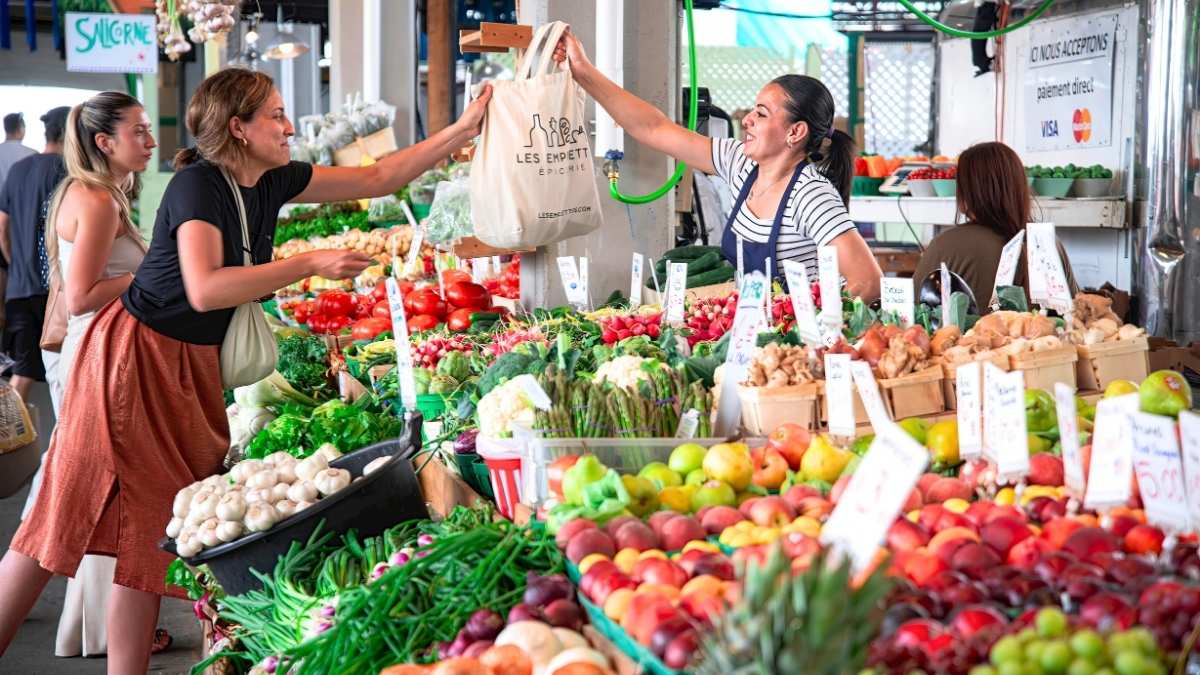
You walk through the farmers market on a crisp October morning. The air smells like earth and apples. Butternut squash glows orange under canvas tents. This is seasonal eating at its best.
But here’s what most people don’t know: That squash isn’t just fresher. It’s actually more nutritious than the one shipped from halfway across the world in March.
Let me show you why seasonal eating might be the simplest health upgrade you make this year.
The Science of Nutrient Peak: Why Timing Matters
Plants are smart. Really smart.
When produce ripens naturally on the vine or tree, something amazing happens. The plant packs nutrients into the fruit or vegetable at precisely the right moment. Scientists call this “nutrient peak.”
Here’s what happens:
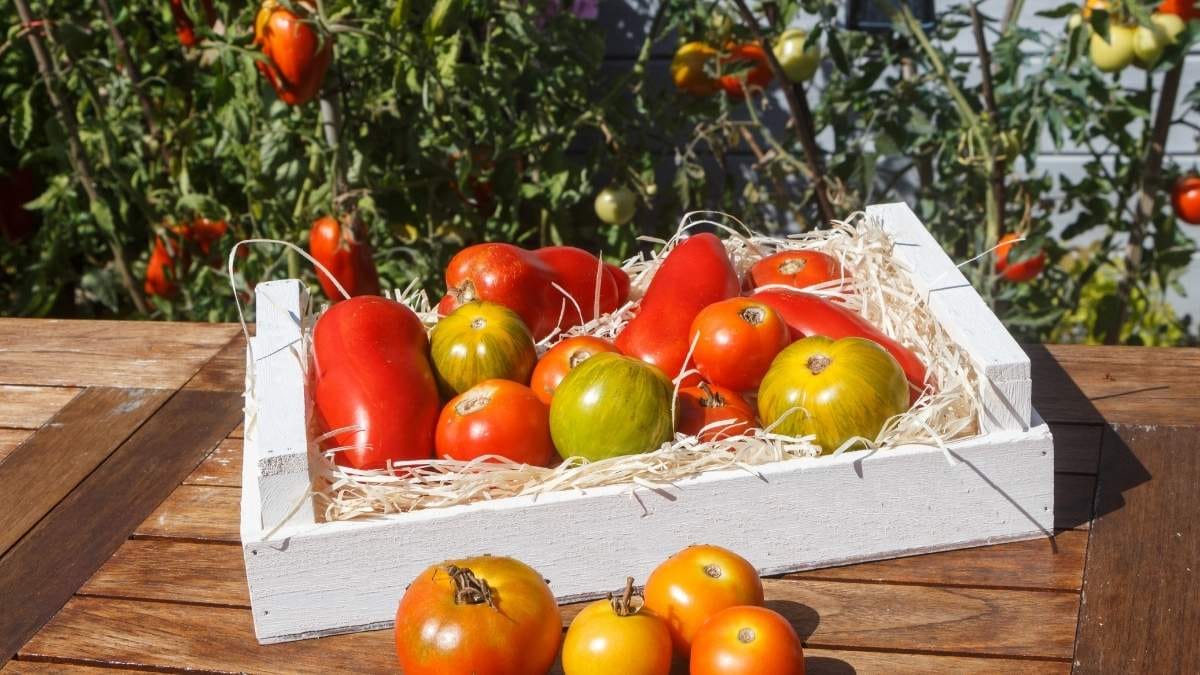
Vitamin levels surge. A tomato picked at peak ripeness contains up to 30% more vitamin C than one picked early and ripened in transit.
Antioxidants multiply. Berries harvested in their natural season burst with anthocyanins—the compounds that fight inflammation and protect your cells.
Enzymes activate. Fresh seasonal produce contains living enzymes that help your body absorb nutrients more easily.
Think of it like this: A plant grown in its natural season operates at full power. It gets the right amount of sun, the correct temperature, and the ideal soil conditions. The result? Maximum nutrition in every bite.
When you eat out of season, you’re eating produce that was either:
- Picked early (before nutrient peak)
- Grown in artificial conditions (greenhouses with synthetic light)
- Stored for weeks or months (losing nutrients daily)
The difference is real. And your body knows it.
Benefit #1: Supercharge Your Health
Seasonal eating isn’t a trend. It’s how humans ate for thousands of years. And your body still responds to it.
Your Immune System Gets Stronger
Nature provides what you need, when you need it:
Winter citrus floods your system with vitamin C right when cold season hits. Oranges, grapefruits, and lemons peak from December to March in the Northern Hemisphere.
Summer berries deliver antioxidants that protect your skin from sun damage. Strawberries, blueberries, and raspberries arrive exactly when UV rays intensify.
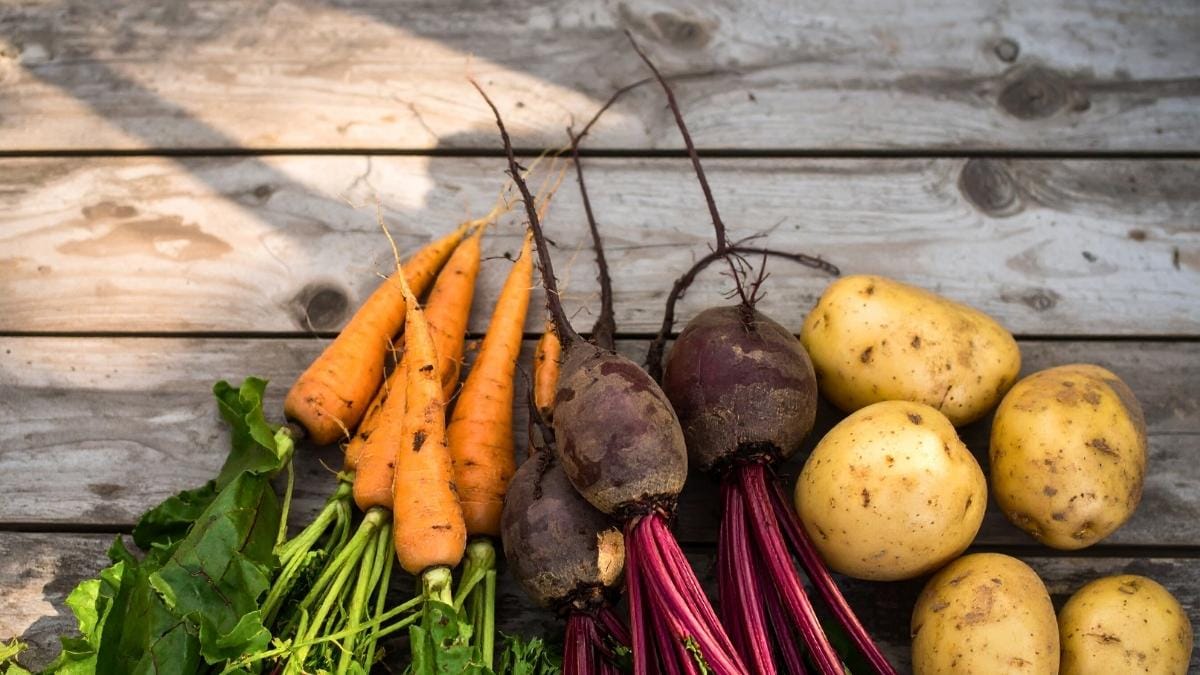
Fall root vegetables ground your digestion with fiber as temperatures drop. Sweet potatoes, carrots, and beets prepare your gut for heavier winter meals.
This isn’t coincidence. It’s evolution.
You’ll Eat More Variety
Seasonal eating forces creativity. You can’t eat strawberries year-round. So you discover:
- Spring: Asparagus, peas, radishes, artichokes
- Summer: Zucchini, corn, peaches, watermelon
- Fall: Apples, pumpkins, Brussels sprouts, pears
- Winter: Kale, cabbage, turnips, persimmons
More variety means more nutrients. Different plants contain different vitamins, minerals, and phytonutrients. Eating seasonally automatically diversifies your diet.
Your Gut Microbiome Thrives
Seasonal produce contains prebiotics that feed good gut bacteria. Fresh, fiber-rich vegetables give your microbiome exactly what it craves. Better gut health means:

- Stronger immunity
- Improved mood
- Better digestion
- Clearer skin
Benefit #2: Taste That Actually Excites You
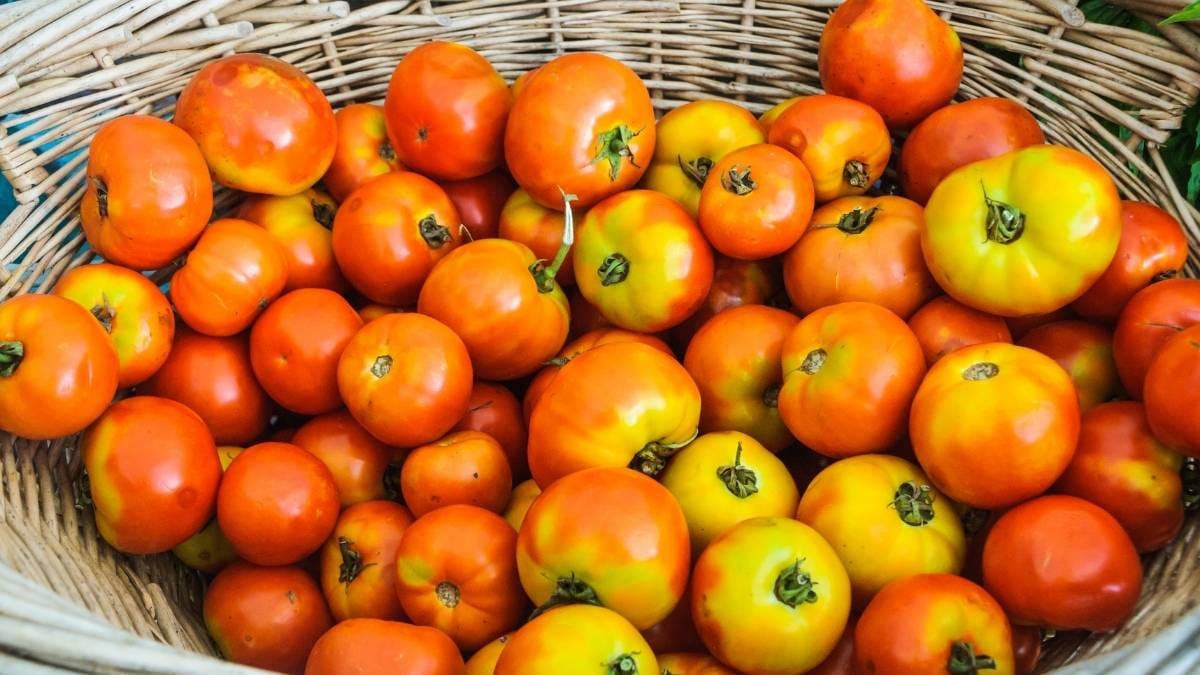
Let’s be honest. Most supermarket tomatoes taste like wet cardboard.
But bite into a sun-ripened August tomato? That’s a different experience entirely.
Flavor Follows the Sun
Plants grown in their natural season develop complex flavors. They’re not rushed. They’re not forced. They simply do what they’re designed to do.
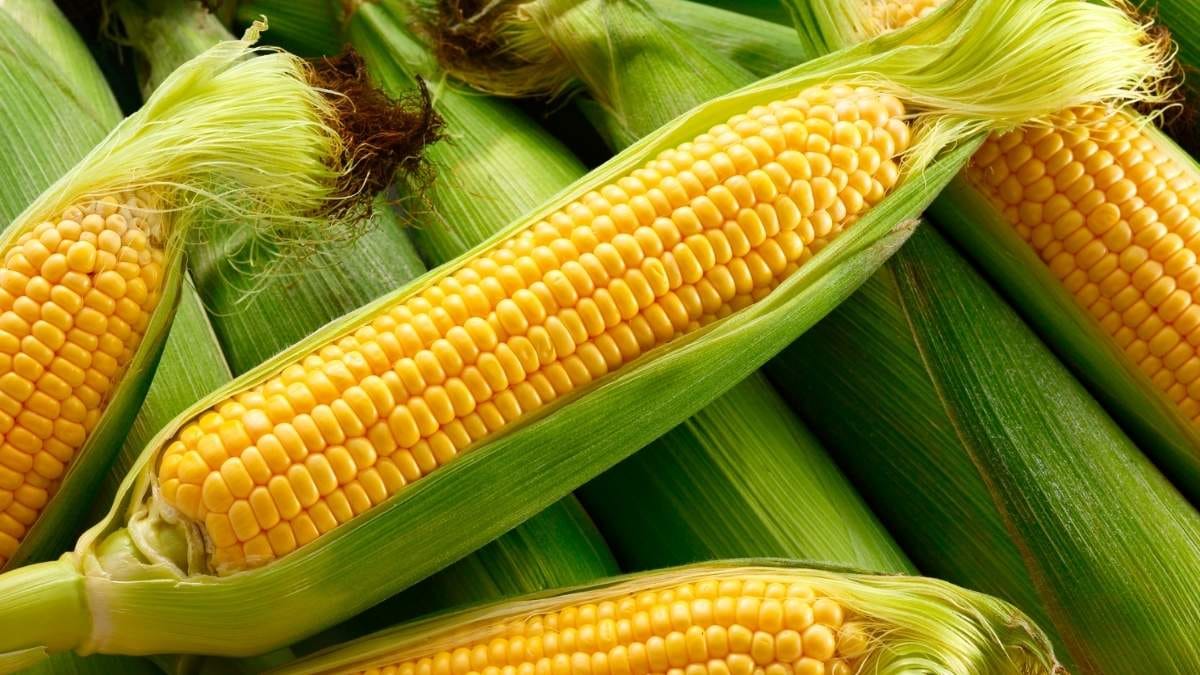
Sweet corn picked in July tastes candy-sweet. Those kernels spent weeks soaking up summer sunshine.
Winter squash harvested in October develops deep, nutty richness. Cool nights concentrate sugars and starches.
Compare this to imported produce. It’s picked early so it survives the journey. It ripens in a truck or warehouse, never developing full flavor.
You’ll Actually Crave Vegetables
When food tastes amazing, you want more of it. It’s that simple.
Seasonal eating makes vegetables the star of your meal, not the boring side dish you force yourself to eat.
Benefit #3: Your Wallet Will Thank You
Here’s the beautiful part: Eating seasonally saves money.
Basic Economics
When produce is abundant, prices drop. Simple supply and demand.
Strawberries in June: $2 per pound Strawberries in January: $6 per pound
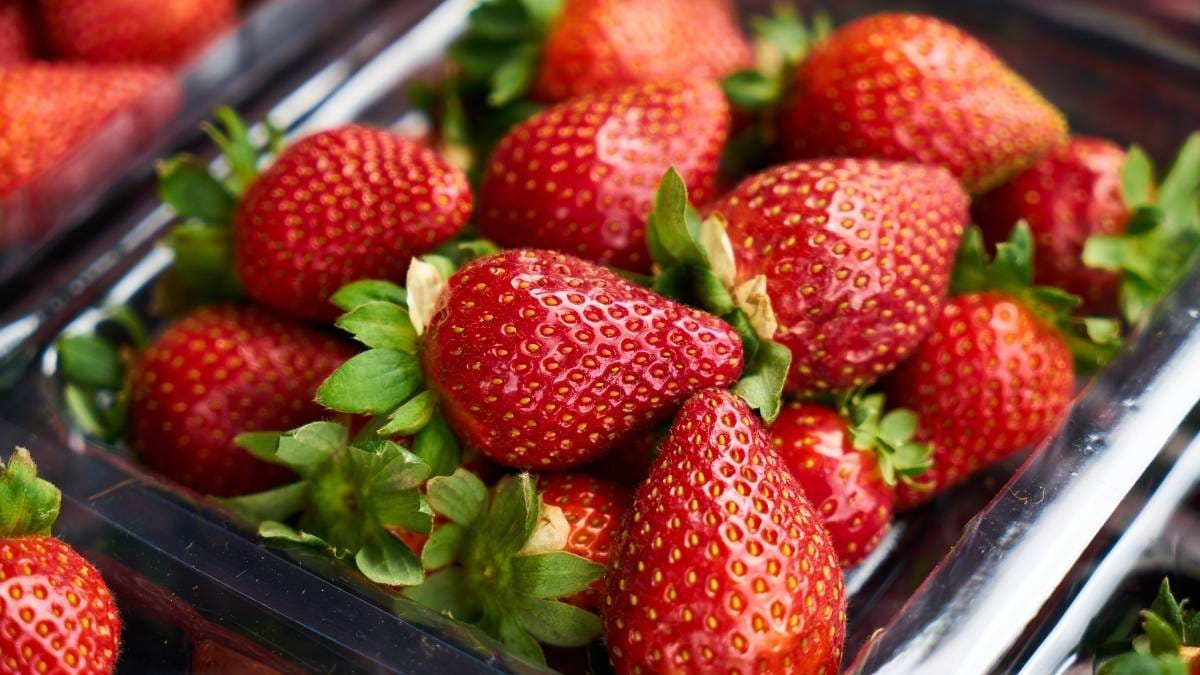
That’s triple the price for inferior quality.
Multiply this across every fruit and vegetable you buy. Seasonal eating can cut your produce bill by 30-50%.
You Waste Less
Seasonal produce stays fresh longer because it wasn’t sitting in storage. It goes from farm to table in days, not weeks.
Less spoilage means less money in the trash.
Buy in Bulk and Preserve
When your favorite produce hits peak season, buy extra. Then:
- Freeze berries at their sweetest
- Can tomatoes at peak ripeness
- Store root vegetables in a cool, dark place
You’ll eat premium produce all year at peak-season prices.
Benefit #4: You’ll Actually Help the Planet
Seasonal eating is one of the most powerful environmental choices you can make.
Slash Your Carbon Footprint
Out-of-season produce travels thousands of miles. Blueberries in December? They flew from Chile. Green beans in February? Shipped from Kenya.

Each mile adds carbon emissions.
Seasonal produce travels hundreds of miles (or less). Often it’s grown within your region. Less transport means dramatically lower emissions.
One study found that eating seasonally can reduce food-related carbon emissions by up to 40%.
Support Biodiversity
Industrial agriculture grows the same crops year-round in massive monocultures. This destroys soil health and eliminates wildlife habitat.
Seasonal farming rotates crops. Different plants grow at different times. This:
- Preserves soil nutrients
- Reduces pest problems naturally
- Provides habitat for beneficial insects and birds
Use Less Resources
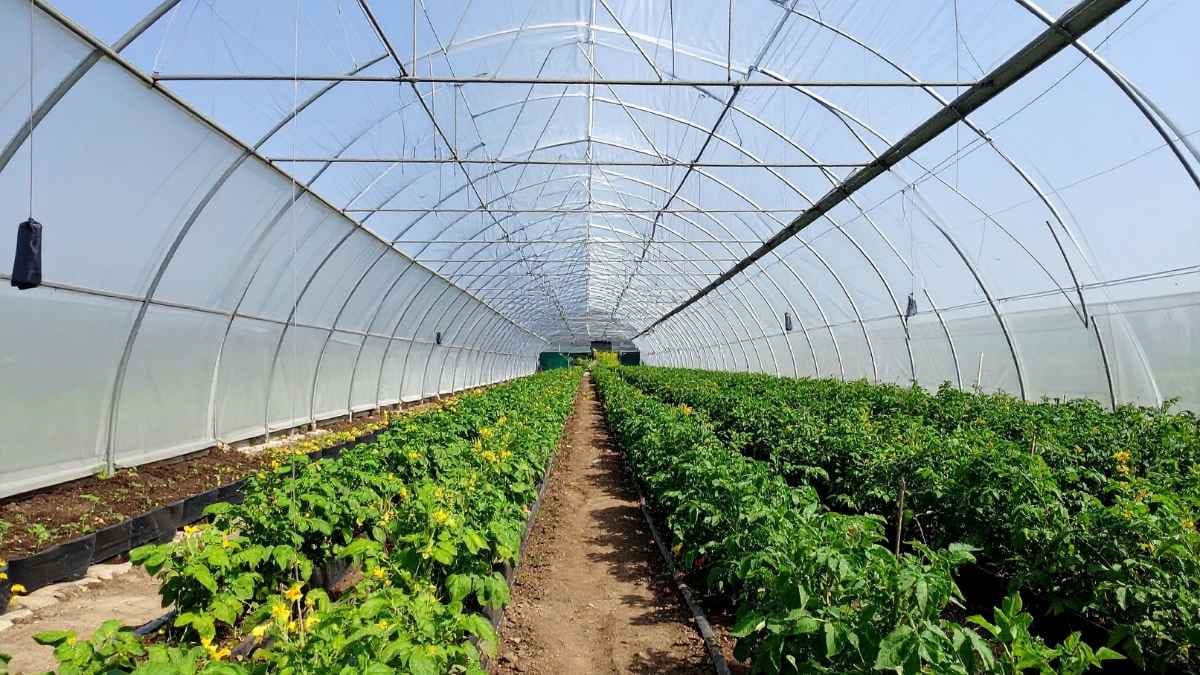
Forcing strawberries to grow in winter requires:
- Heated greenhouses
- Artificial lighting
- Excessive water
- Chemical fertilizers
Seasonal crops grow naturally. They need less intervention, less energy, and fewer inputs.
How to Eat Seasonally Year-Round
Ready to start? Here’s your practical roadmap.
Know Your Seasons (North and South)
Northern Hemisphere:
- Spring (March-May): Asparagus, peas, lettuce, strawberries, rhubarb
- Summer (June-August): Tomatoes, corn, zucchini, peaches, berries, melons
- Fall (September-November): Apples, squash, Brussels sprouts, pears, sweet potatoes
- Winter (December-February): Citrus, kale, cabbage, root vegetables, pomegranates
Southern Hemisphere:
- Flip these by six months
- Summer in Australia = Winter in New York
- December brings peak strawberries in Chile while oranges peak in California
Find Your Sources
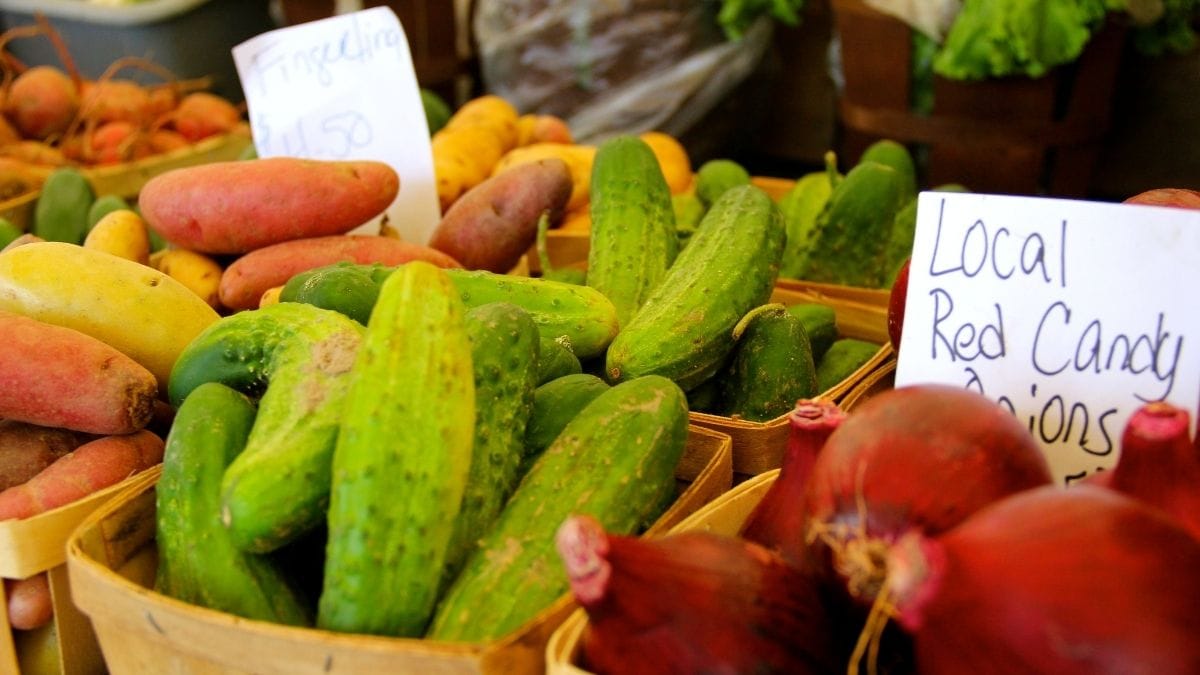
Farmers markets are seasonal by nature. What’s available is what’s in season.
CSA boxes (Community Supported Agriculture) deliver whatever’s growing that week. You can’t get more seasonal than that.
Grocery store signs often indicate local or seasonal items. Look for “locally grown” labels.
Seasonal produce apps like “Seasons” or “Harvest” show what’s fresh in your region right now.
Start with Three Seasonal Swaps
Don’t overthink it. Make three simple swaps:
- Spring: Choose asparagus over imported green beans
- Summer: Buy local tomatoes instead of year-round ones
- Fall: Grab butternut squash instead of zucchini
- Winter: Pick oranges over berries
Build from there.
Preserve at Peak
When your favorite produce hits its stride:
Freeze: Berries, corn, peppers (wash, dry, freeze on trays, then bag)
Can: Tomatoes, peaches, pickles (follow safe canning practices)
Store: Root vegetables keep for months in cool, dark spaces
You’ll enjoy peak-season quality all year.
3 Seasonal Eating Mistakes to Avoid
Even with the best intentions, people stumble. Avoid these traps:
Mistake #1: Not Freezing at Peak
You scored amazing strawberries in June. But by August, berry season is over and you’re sad.
The fix: When produce hits peak abundance and price, buy extra. Freeze immediately. Those June strawberries will taste incredible in February smoothies.
Frozen-at-peak often beats “fresh” shipped from far away.
Mistake #2: Being Too Rigid
Seasonal eating shouldn’t make you miserable. If you desperately want a banana in winter, eat the banana. They don’t grow locally in most places anyway.
The fix: Follow the 80/20 rule. Aim for 80% seasonal, 20% whatever you need. Progress beats perfection.
Mistake #3: Ignoring Storage Crops
Winter seems limited if you only think “fresh.” But humans survived winters for millennia on storage crops.
The fix: Embrace root vegetables, winter squash, cabbage, and apples. These store naturally for months and are technically “seasonal” all winter long.
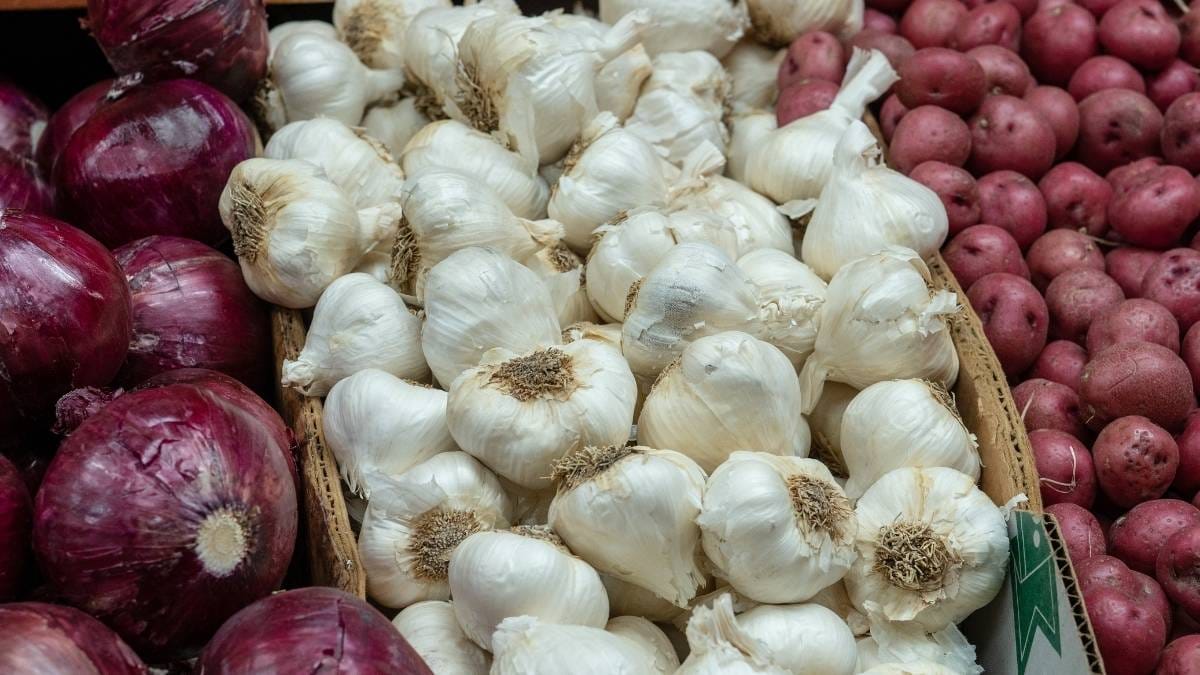
Potatoes, onions, and garlic also store beautifully and add flavor to everything.
Lastly: Your Seasonal Eating Action Plan
You now understand why seasonal eating might be your healthiest choice yet. The science is clear. The benefits are real. And it’s easier than you think.
Start this week:
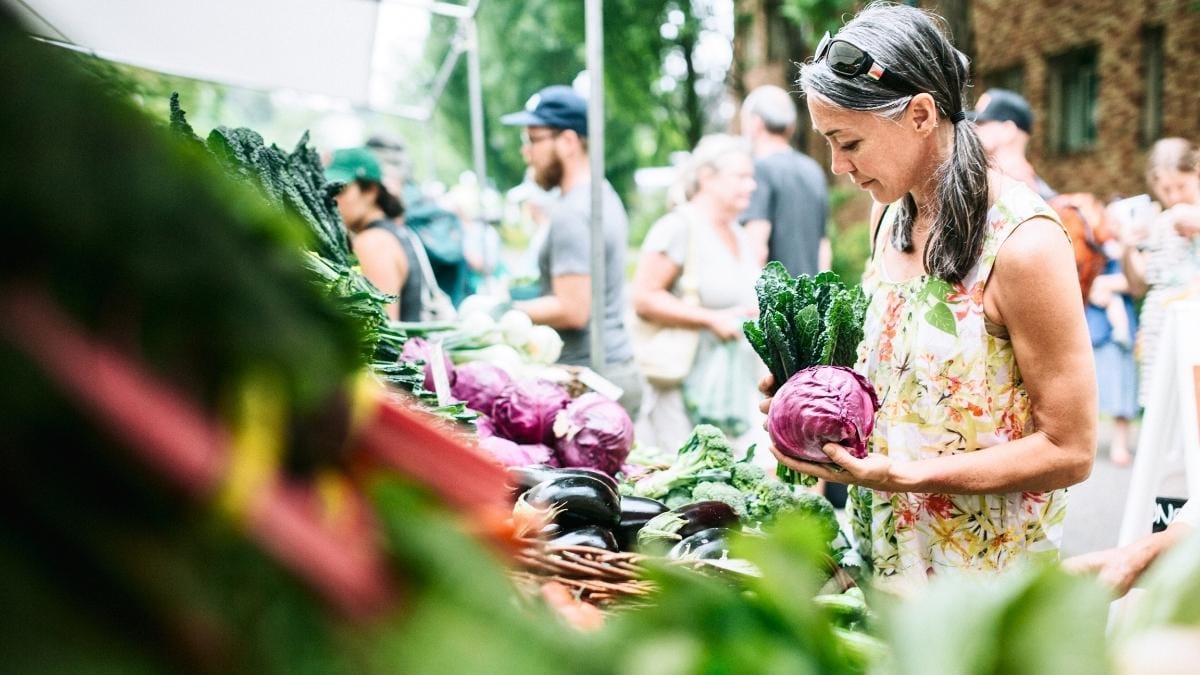
- Visit a farmers market this weekend
- Ask vendors “What’s at its peak right now?”
- Buy three things that are in season
- Cook one meal featuring those ingredients
That’s it.
You’re not committing to perfection. You’re taking one small step toward eating the way nature intended.
Your body will thank you. Your wallet will thank you. The planet will thank you.
And that tomato you bite into next summer? It’s going to blow your mind.
What seasonal produce will you try first? The farmers market is waiting.