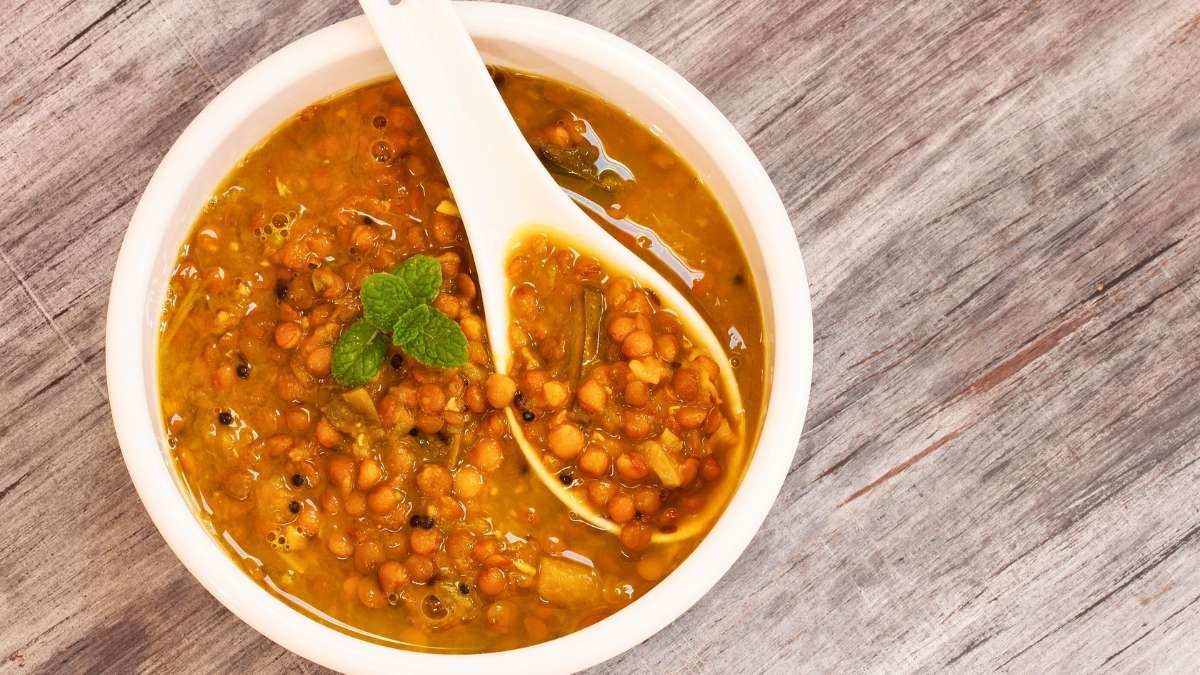
Want to drop your cholesterol without pills? Research proves that eating just two servings of pulses daily cuts total cholesterol by 8.3% and LDL (the bad kind) by 7.9% in adults over 50. That’s real results from real studies.
High cholesterol scares people. Your doctor warns about heart disease risk. You want natural solutions that actually work. But which foods help? And how do you eat them every day without spending hours cooking?
Here’s what you’ll learn:
Exact daily amount – How much to eat for real results Best pulse types – Which beans and lentils work fastest
The science made simple Quick cooking – Methods that save you time Action plan – Week-by-week guide to lower cholesterol
This isn’t theory. It’s a proven plan. Pulses lower cholesterol through dietary fiber that blocks bad cholesterol absorption. Beans reduce LDL while improving heart health naturally.
Ready to start? Let’s get your numbers down.

How Pulses Actually Lower Your Cholesterol
You don’t need a science degree to get this. But knowing how it works helps you stick with it. Here’s what happens inside your body when you eat beans and lentils.
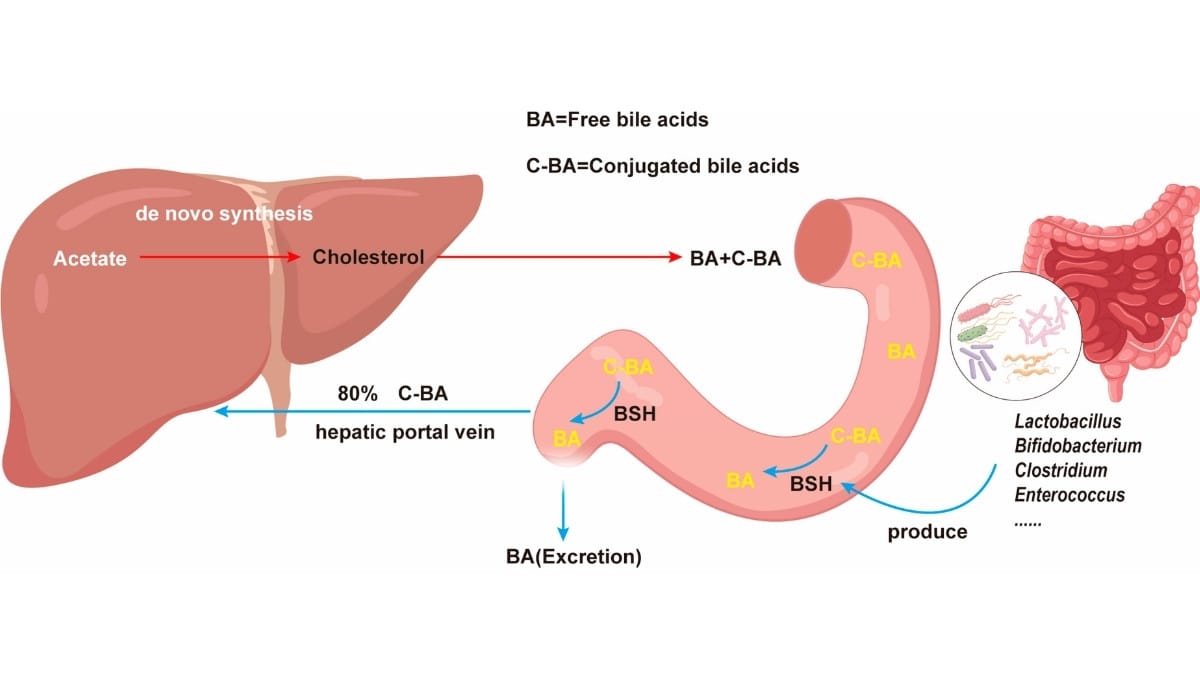
Soluble fiber acts like a trap. It catches bile acids in your gut and stops them from going back into your blood. Your liver needs those bile acids. So it pulls cholesterol from your blood to make new ones. That’s how your cholesterol drops.
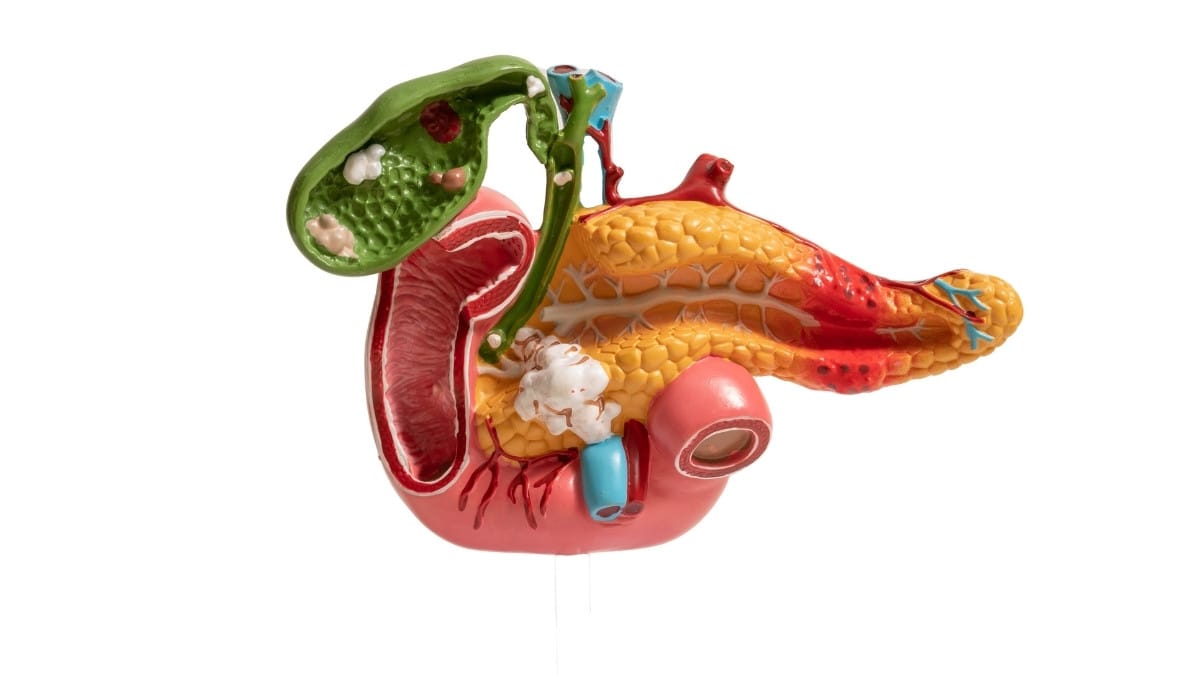
The fiber also turns into a thick gel in your intestines. This gel traps fat before your body can absorb it all. Less fat absorbed means lower cholesterol numbers.
Here’s proof: 181 studies showed soluble fiber cut LDL cholesterol by 8.28 mg/dL and total cholesterol by 10.82 mg/dL. Just 5-10 grams daily can drop your numbers by 5-11 points.
Pulses also feed good gut bacteria. These bacteria make compounds that tell your liver to produce less cholesterol. It’s a triple attack on high cholesterol.
People with diabetes see even bigger results.
The 5 Best Pulses That Drop Cholesterol Fast
Which beans work best? All pulses help, but some pack more fiber and cook faster. Here’s your ranked list for lowering cholesterol.
1. Lentils (Best for Beginners)
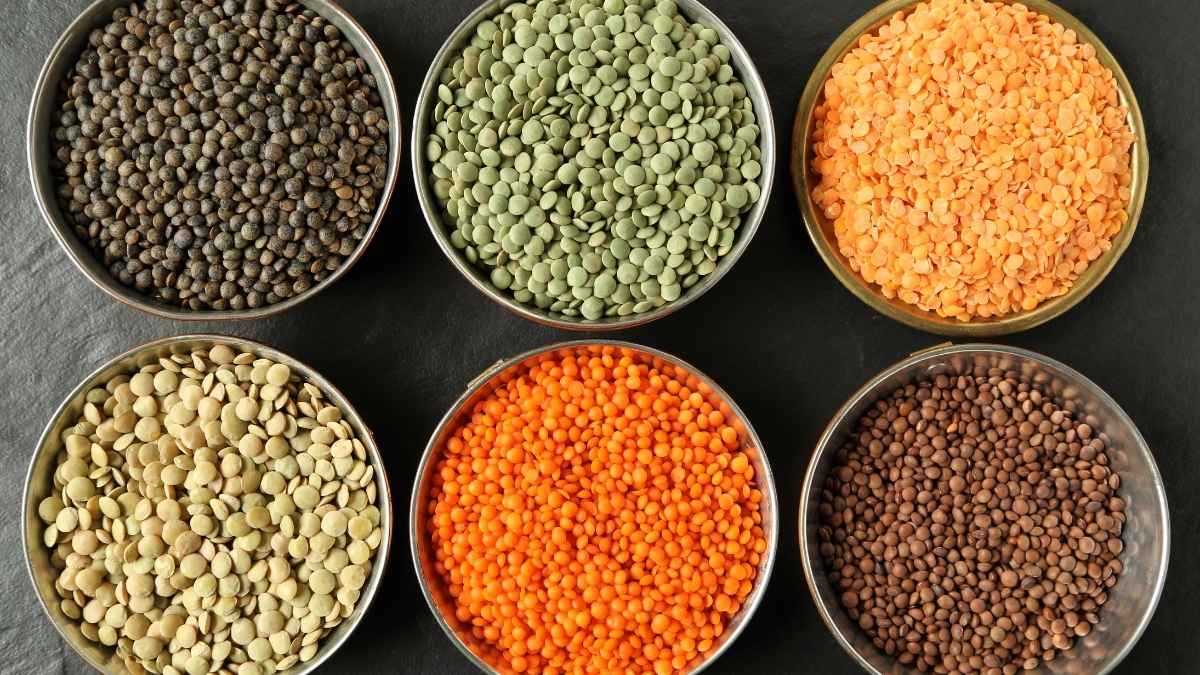
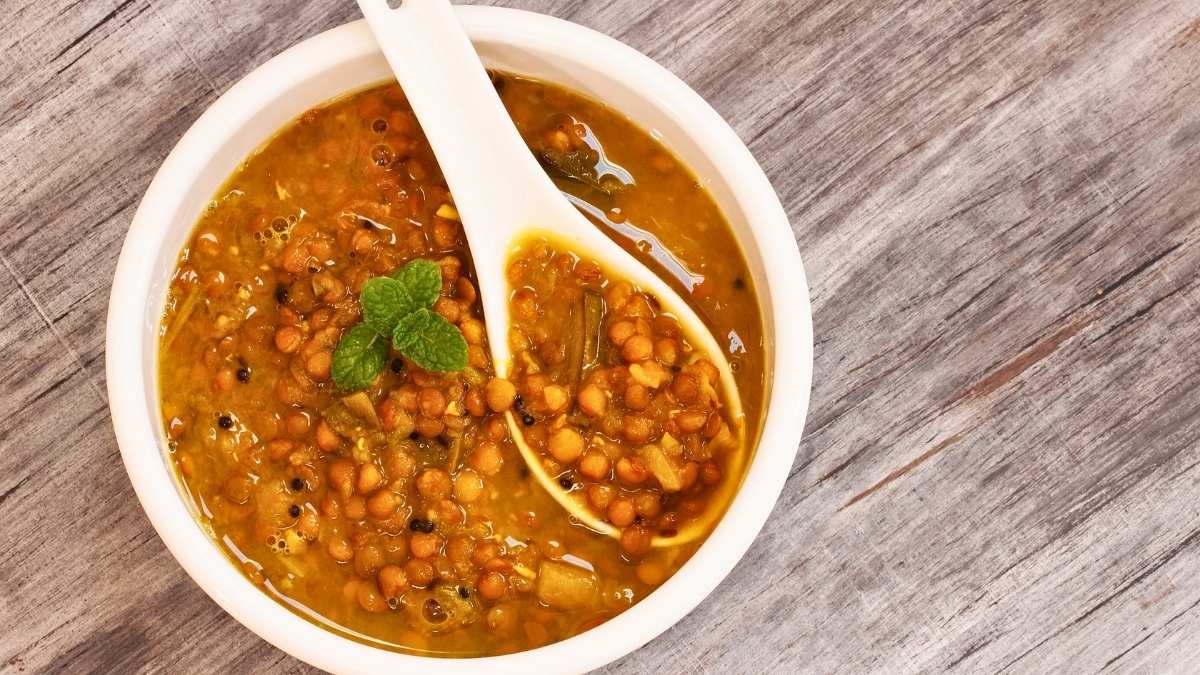
No soaking needed. Cooks in 15-20 minutes. Red and yellow lentils are the fastest. One cup cooked gives you 16 grams of fiber. They taste mild and blend into soups, salads, and curries easily.
2. Chickpeas (Best for Weight Loss)
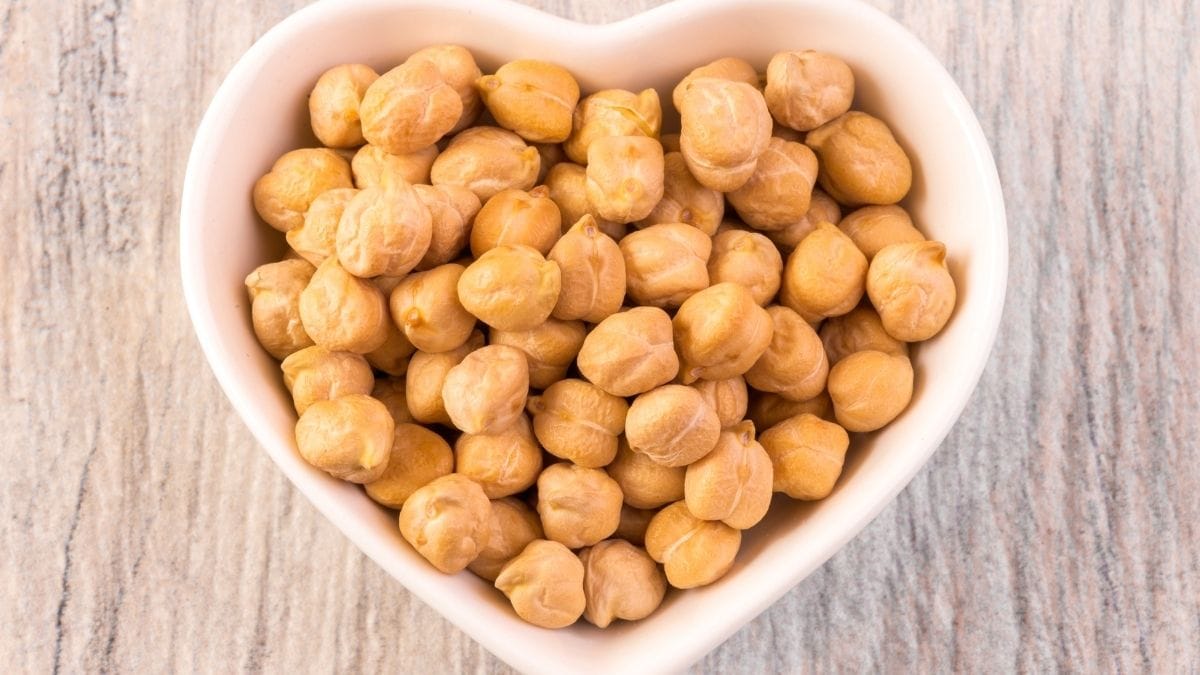
Studies show chickpeas reduce LDL cholesterol and help you lose weight. They also control blood sugar better than other beans. One cup has 12 grams of fiber. Use them in hummus, roasted as snacks, or tossed in salads. Chickpeas keep you full for hours.
3. Black Beans (Highest Fiber)
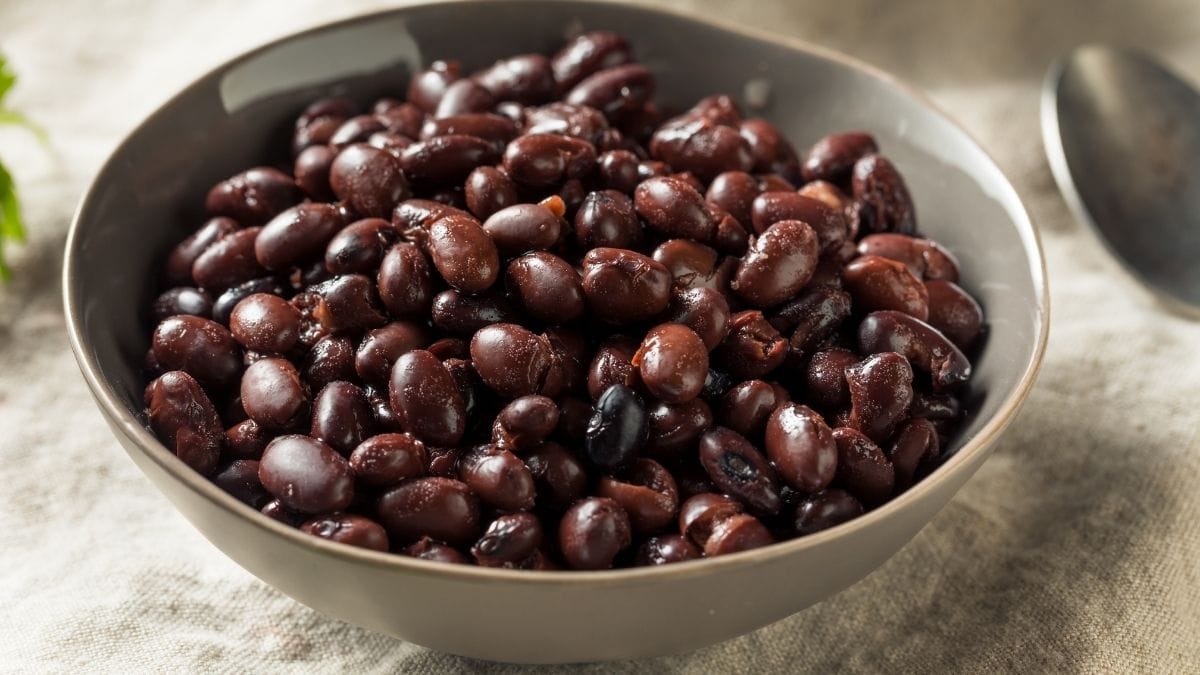
These win the fiber contest. One cup delivers 15 grams of dietary fiber. That’s more than any common bean variety. Black beans work great in tacos, soups, and rice bowls. They cost less than $2 per pound dried.
4. Split Peas (Best Budget Pick)
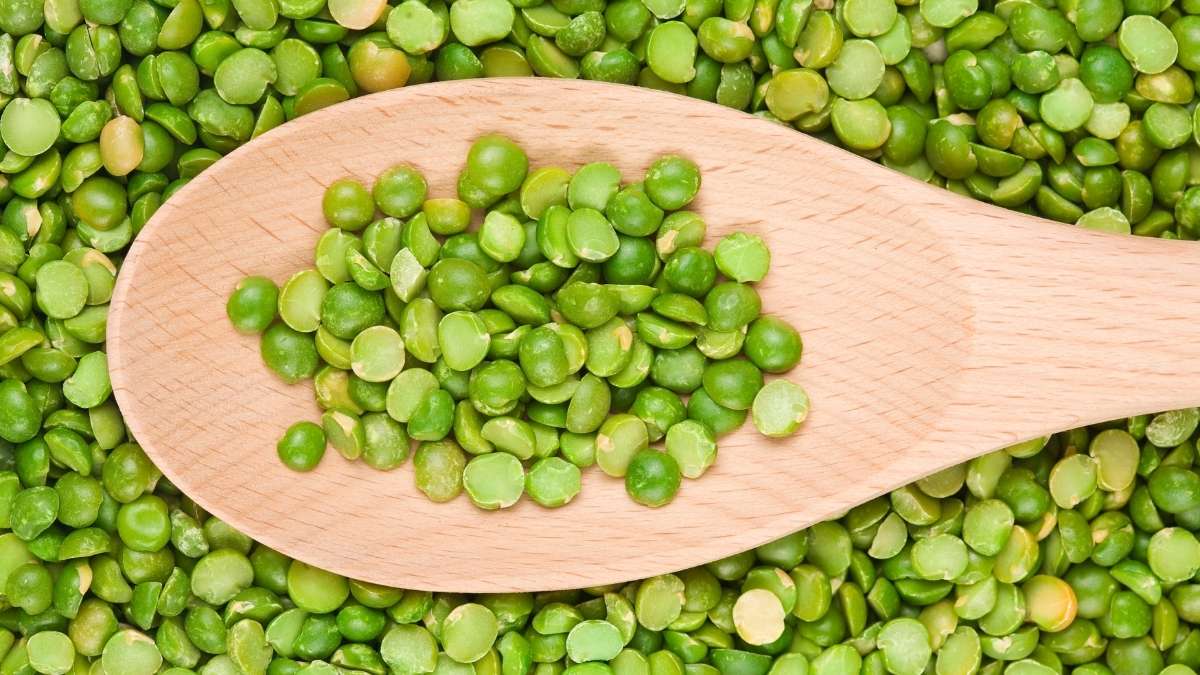
Fast cooking and cheap. Split peas need no soaking and cook in 25 minutes. One cup gives you 16 grams of fiber for under $1.50 per pound. They make creamy soups naturally.
5. Mixed Pulses (Best Results)
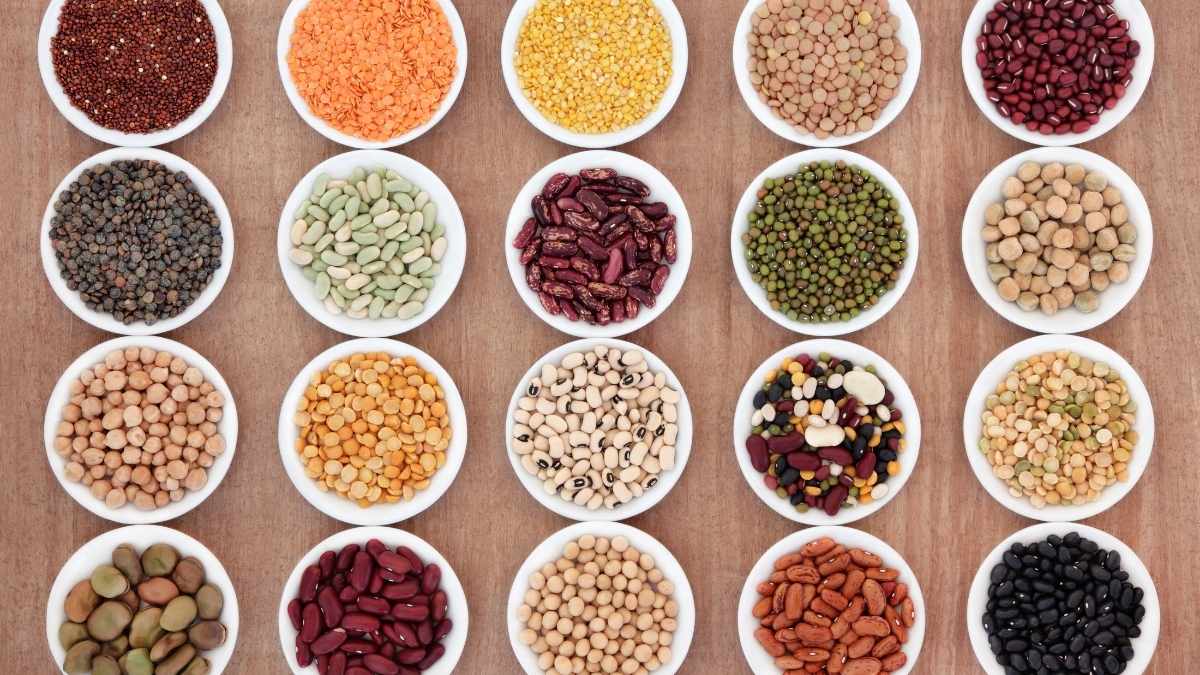
Here’s the secret: studies using mixed pulses at 150g daily showed the biggest cholesterol drops. Variety beats sticking to just one type. Pulses contain 4 times more fiber than brown rice and twice the protein of quinoa.
The best pulse is the one you’ll eat every day. Start with whichever sounds tastiest to you.
Exactly How Much to Eat for Lower Cholesterol
Stop guessing. Here’s the exact daily serving that dropped cholesterol in actual studies.
The Magic Number: ¾ Cup Daily
One serving equals ¾ cup of cooked pulses. That’s 130 grams. Picture a baseball. That’s your target size. Eat this much daily and you’ll see results.
But the studies with the biggest cholesterol drops used more. People who ate 1.5 cups cooked daily (about 2 servings) saw their cholesterol fall 8.3%. That’s the sweet spot for maximum benefits.
More Than Government Guidelines
The USDA says eat 1.5 cups per week. That’s not enough for cholesterol reduction. You need 1.5 cups per day, not per week. Think of it as your daily medicine, but it tastes better.
How to Hit Your Daily Target
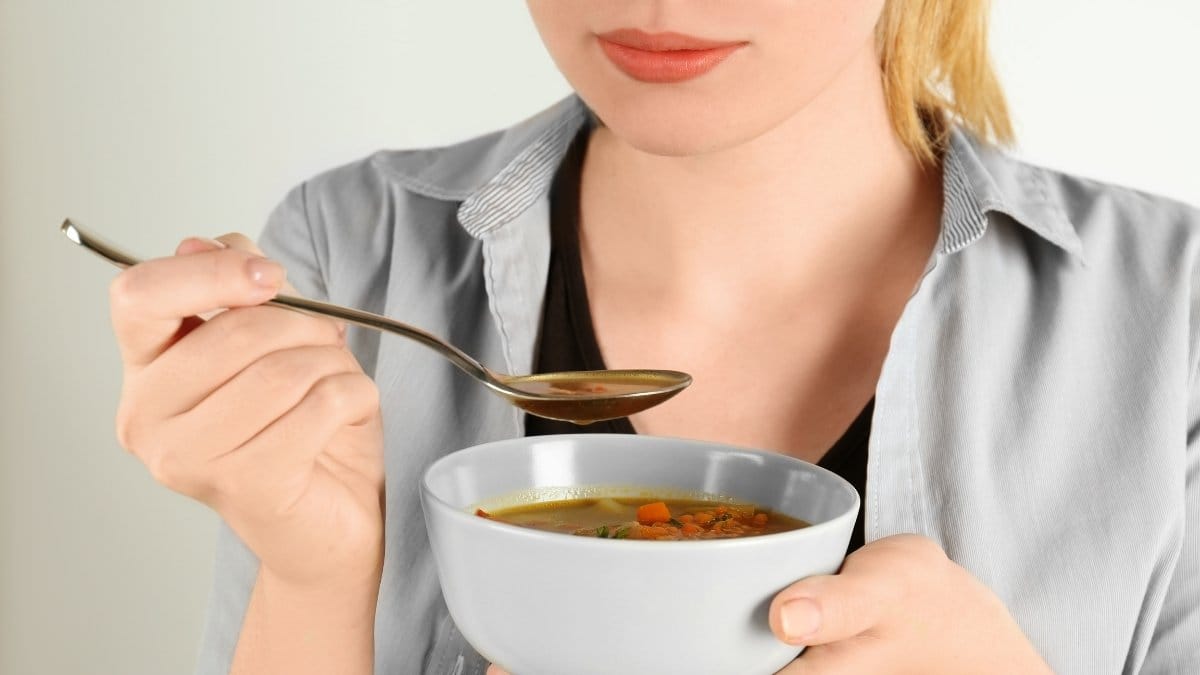
Split it up. Eat ½ cup at lunch in a soup. Add ½ cup to dinner in a salad. Snack on ¼ cup of hummus. Done. You just hit 1.25 cups without trying hard.
Men see bigger drops than women. Studies show guys get better LDL reduction, probably because they ate worse before starting.
When Will You See Results?
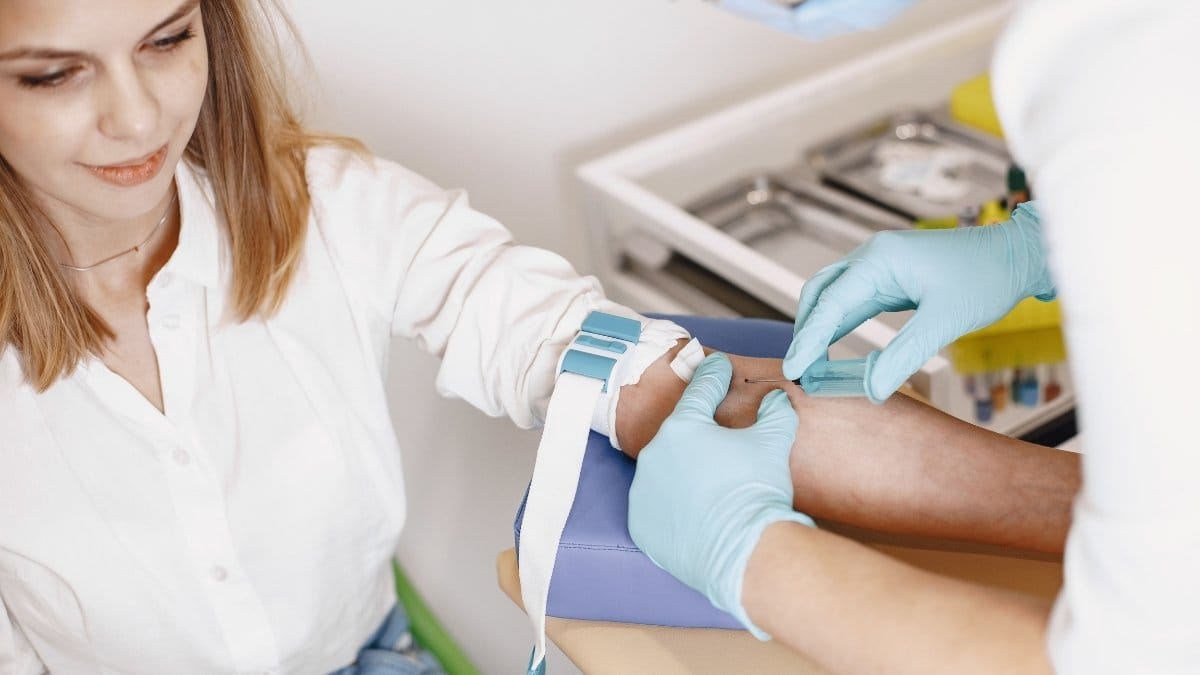
Plan for 2 months. Most people see cholesterol changes after 3-8 weeks of daily eating. That’s your checkpoint. Get your blood tested at 8 weeks to see the proof.
Start with one serving today. Work up to 1.5 cups over two weeks. Your body needs time to adjust to the extra fiber.
5 Easy Ways to Cook Pulses (No Kitchen Skills Needed)
Cooking beans scares people. They think it takes forever or they’ll mess it up. Wrong. Here are five methods that anyone can do.
Method 1: Canned Beans (The 2-Minute Option)
Open the can. Rinse under water. Done. Canned pulses are just as nutritious as dried. Rinsing removes 40% of the sodium. Add them straight to soups, salads, or tacos. This is how most people should start.
Method 2: Red Lentils (The 15-Minute Winner)
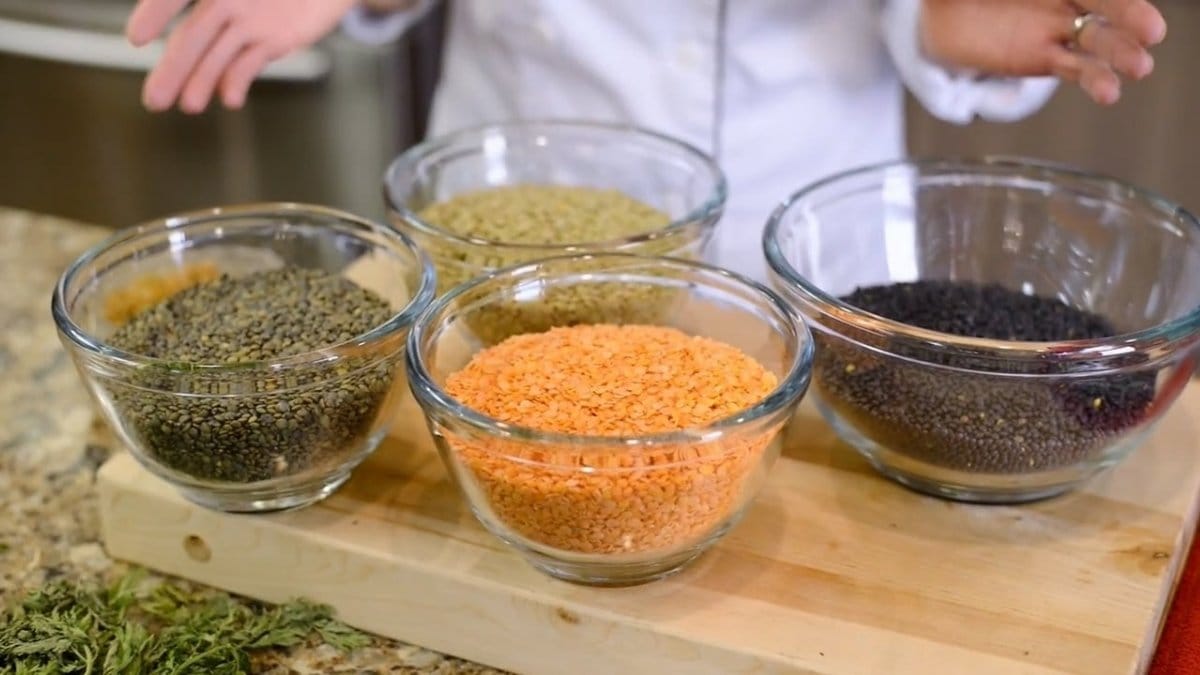
No soaking needed ever. Red and yellow lentils cook in 10-15 minutes on the stove. Add 1 cup lentils to 2 cups water. Boil, then simmer until soft. They turn mushy, which makes them perfect for soups and curries.
Method 3: Overnight Soak (The Classic Method)
Put 1 cup dried beans in a bowl. Add 4 cups water. Let sit 8 hours or overnight. Drain, add fresh water, and cook 30-60 minutes until tender. Black beans take 60 minutes. Chickpeas need 90 minutes. This method gives you the best texture.
Method 4: Instant Pot (The Modern Shortcut)
Skip the soaking. Cook dried beans in 20-45 minutes. Black beans take 25 minutes on high pressure. Chickpeas need 40 minutes. Add beans, cover with water 2 inches above, seal, and press start. Instant pot beans save hours.
Method 5: Batch Cooking (The Smart Play)
Cook 4 cups at once on Sunday.
Split into containers. Refrigerate what you’ll eat in 3 days. Freeze the rest for up to 3 months. Reheat in 2 minutes. You now have ready-to-eat pulses all week.
Quick tip: Start slow to avoid gas and bloating. Your gut needs 2 weeks to adjust to extra fiber.
Your 7-Day Meal Plan to Drop Cholesterol
You need a plan, not just ideas. Here’s exactly what to eat each day to hit your 1.5 cups of pulses. Every meal takes under 30 minutes.
Monday: Start Easy
Breakfast: Scrambled eggs with ½ cup black beans (5 minutes) Lunch: Lentil soup with carrots and celery – 1 cup cooked lentils (15 minutes) Snack: Hummus with baby carrots – ¼ cup chickpeas Total pulses: 1.75 cups ✓
Tuesday: Mix It Up
Breakfast: Toast with ½ cup mashed white beans and avocado (3 minutes) Dinner: Chickpea curry over rice – 1 cup chickpeas (25 minutes) Total pulses: 1.5 cups ✓
Wednesday: Quick Wins
Lunch: Chickpea salad with cucumbers and feta – ¾ cup chickpeas (10 minutes) Dinner: Black bean tacos with salsa – ¾ cup black beans (15 minutes) Total pulses: 1.5 cups ✓
Thursday: Comfort Food
Lunch: Split pea soup – 1 cup split peas (30 minutes, or use canned) Snack: Roasted chickpeas with paprika – ½ cup (20 minutes baking) Total pulses: 1.5 cups ✓
Friday: Easy Night
Breakfast: Breakfast burrito with ½ cup pinto beans (8 minutes) Dinner: Pasta with white beans and spinach – 1 cup beans (20 minutes) Total pulses: 1.5 cups ✓
Saturday: Meal Prep Day
Lunch: Lentil and vegetable wrap – ¾ cup red lentils (15 minutes) Dinner: Three-bean chili – 1.5 cups mixed beans (25 minutes) Batch cook: Make extra chili for next week Total pulses: 2.25 cups ✓
Sunday: Leftovers Win
Lunch: Leftover chili from Saturday – 1 cup Dinner: Lemon chickpea pasta – ¾ cup chickpeas (18 minutes) Total pulses: 1.75 cups ✓
The pattern: Hit 1.5-2 cups daily by spreading pulses across 2-3 meals. Use canned beans when rushed. Cook big batches on weekends. Freeze portions for busy weeks.
Mix and match these meals. Repeat your favorites. The goal is consistency, not perfection.
When Will Your Cholesterol Drop? The Real Timeline
You want to know when this actually works. Here’s what happens week by week when you eat pulses daily.
Weeks 1-2: The Adjustment Phase
Your stomach may feel weird. Gas, bloating, and bathroom changes are normal. You’re adding fiber fast. Your gut bacteria need time to adapt. Drink extra water. Start with smaller portions if you feel uncomfortable.

Weeks 3-8: The Drop Begins
This is when your cholesterol starts falling. You won’t feel different, but your blood work will show it. Studies prove cholesterol reduction starts around week 3 and keeps improving through week 8.
Month 2: Peak Results
The 8-week mark is your sweet spot. That’s when people see maximum benefits. Expect total cholesterol to drop 8.3% and LDL to fall 7.9%. If your LDL was 160, it could drop to 147. That’s 13 points down.
Get retested at 8 weeks. Book your blood work now so you see proof.
Month 3+: Keep It Going
The benefits last as long as you keep eating pulses. This isn’t a 2-month diet. It’s a permanent swap. Your digestive issues from weeks 1-2 will be gone. Eating beans becomes normal.
Most people feel better knowing the timeline upfront.
5 Bonus Health Wins You Get from Eating Pulses
Cholesterol isn’t the only thing that improves. Eating pulses daily fixes multiple health problems at once. Here’s what else gets better.
Your Blood Pressure Drops
Studies show pulses lower blood pressure and reduce inflammation markers in your blood. Less inflammation means lower heart disease risk overall. Your entire cardiovascular system benefits, not just cholesterol numbers.
Blood Sugar Stays Stable
Pulses have a low glycemic index. That means they don’t spike your blood sugar like bread or rice. Diabetics who eat beans daily see better glucose control and need less medication. Your energy stays steady for hours.
Weight Falls Off Easier
The combo of protein and fiber keeps you full longer. People who eat pulses regularly lose more weight than people who don’t. One study showed pulse eaters lost 7 more pounds over 6 weeks compared to non-eaters. You eat less because you’re satisfied.
You Get Critical Nutrients
One cup provides 90% of your daily folate, 37% of iron, and loads of potassium and magnesium. These nutrients support energy, blood health, and muscle function. You’re not just eating fiber. You’re getting complete nutrition.
Safe for Gluten Issues
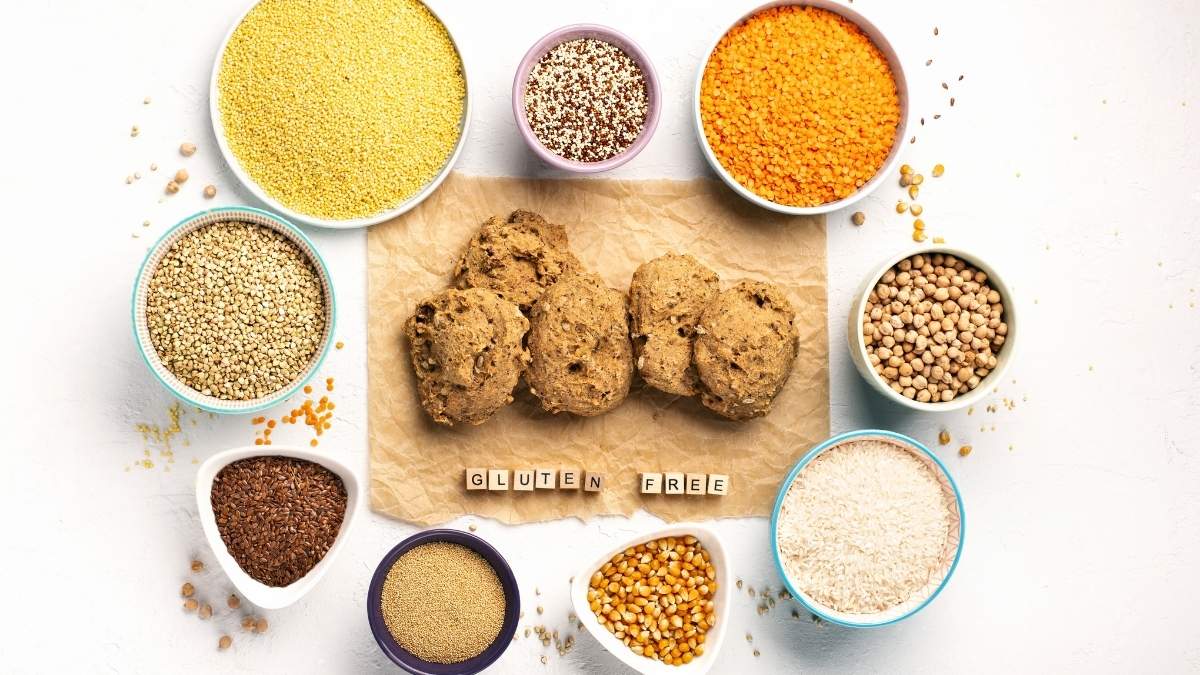
Pulses are naturally gluten-free. People with celiac disease can eat them safely. They replace wheat-based foods perfectly.
One food. Six health benefits. That’s why pulses work.
Start Lowering Your Cholesterol Today
The science is clear. Eating ¾ cup of pulses daily cuts LDL cholesterol by 5% and drops heart disease risk by 5-6%. Soluble fiber binds bile acids and feeds good gut bacteria. You’ll see results in 8 weeks.
Start small this week. Add one pulse meal. Try lentil soup Monday, chickpea salad Wednesday, or black bean tacos Friday. Use canned beans if you’re busy.
Get your blood tested at 8 weeks. Watch your numbers drop. Pulses lower cholesterol naturally. Beans reduce heart disease risk with evidence-based nutrition that actually works.
Your move.