

Your child needs strong bones to grow well, yet most kids don’t get enough calcium or vitamin D each day. A 10-year-old needs 1,300 mg of calcium, but many fall short.
This guide shows you the daily requirements, Bone-Building Meals for Kids, simple calcium boosts, non-dairy swaps, and picky-eater fixes so growing children stay healthy.

20+ Calcium-Packed Foods Your Kids Will Actually Eat
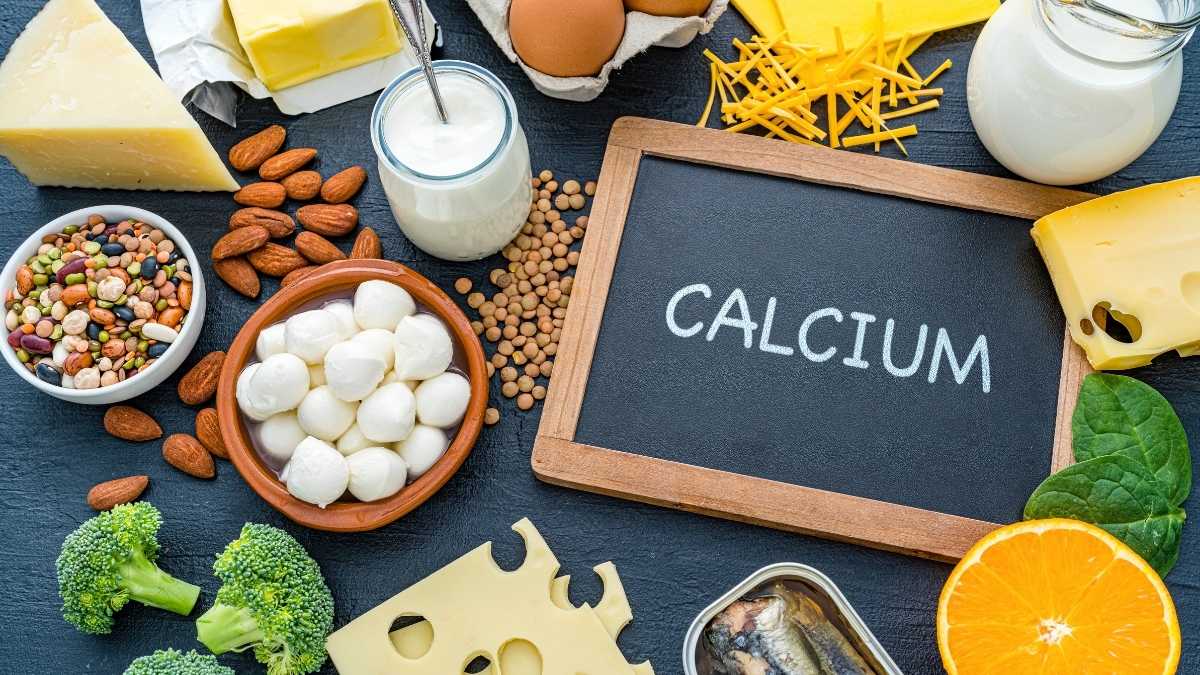
If you worry your child isn’t getting enough calcium, the easiest fix is to offer foods they already like.
Many kid favorites are naturally rich in calcium or can be boosted with simple swaps. One cup of milk gives about 310 mg of calcium, which makes dairy an easy win. Cheese also helps a lot.
A small 40 g piece of cheddar gives about 320 mg. Plain yogurt adds another 163 mg in just half a cup, and it works well in smoothies and dips.
If your child can’t have dairy, you still have plenty of strong options. Fortified plant milks often give 300 mg per cup.
Tofu made with calcium can add about 250 mg in a half-cup. Leafy greens like collard greens, broccoli, and bok choy also help, even if kids eat only a small amount.
White beans, almonds, and sesame seeds offer quiet calcium support that blends easily into pasta, sauces, and baked snacks.
Fortified foods can fill bigger gaps when meals are rushed. Many cereals, breads, and orange juices add extra calcium.
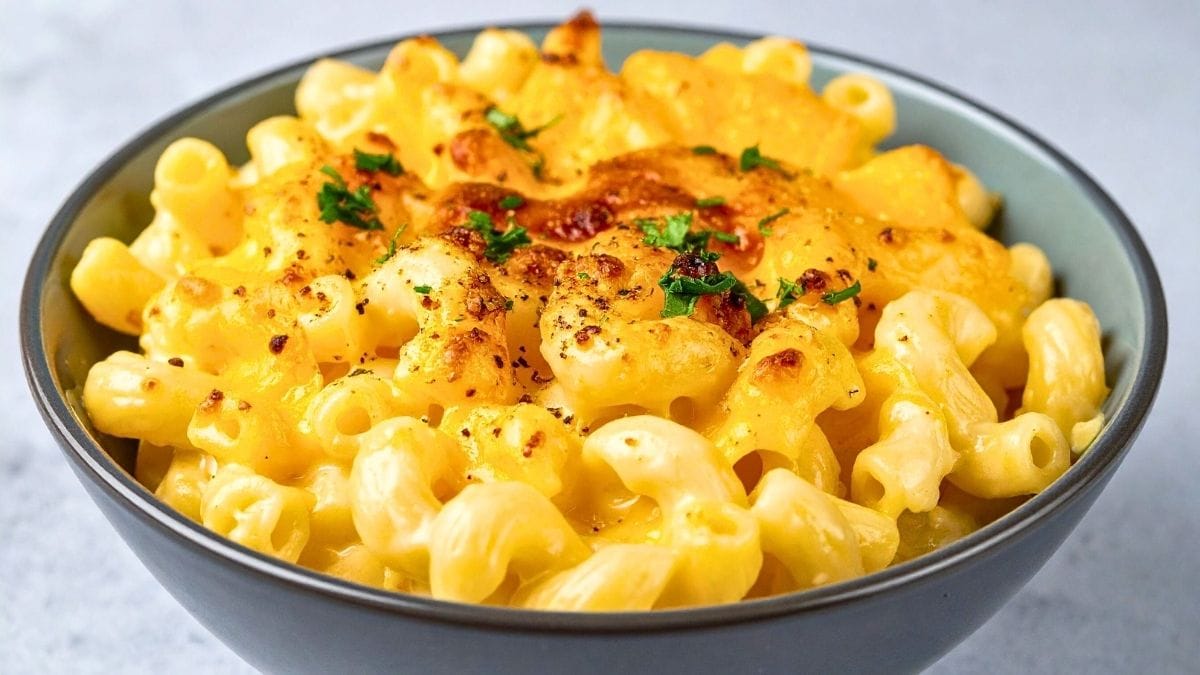
This makes breakfast an easy place to boost daily intake. Even common meals like macaroni and cheese, pizza, or a smoothie can give a strong calcium push when you use dairy or fortified versions.
Here is a simple food list you can use every day.
Calcium Content Quick Reference (20+ Foods)
- Milk (1 cup): 310 mg
- Cheddar cheese (40 g): 320 mg
- Yogurt, plain (½ cup): 163 mg
- Fortified cereal (1 serving): 100–300 mg
- Fortified plant milk (1 cup): ~300 mg
- Calcium-set tofu (½ cup): 250 mg
- Collard greens, cooked (½ cup): 120 mg
- Broccoli, cooked (½ cup): 30–40 mg
- Bok choy, cooked (½ cup): 80 mg
- Canned salmon with bones (3 oz): 180 mg
- Sardines with bones (3 oz): 325 mg
- White beans (½ cup): 80 mg
- Almonds (¼ cup): 100 mg
- Sesame seeds (1 tbsp): 88 mg
- Fortified orange juice (1 cup): 300 mg
- Macaroni and cheese (1 cup): ~250 mg
- Cheese pizza (1 slice): ~200 mg
- Smoothie with yogurt (1 cup): ~200 mg
- Cottage cheese (½ cup): 125 mg
- String cheese (1 stick): 200 mg
These foods help you add calcium-rich foods, dairy products, non-dairy calcium, fortified foods, and kid-friendly choices into meals without stress.
Vitamin D Foods That Pair Perfectly With Calcium
Vitamin D helps your child absorb calcium, but very few foods have it naturally. Fatty fish like salmon and tuna are the strongest sources.

A 3-ounce serving of salmon gives about 570 IU. Eggs help too, but one yolk has only about 40 IU, so you may need more than one source in a day.
Fortified foods make things easier. Each cup of fortified milk adds about 100 IU. Fortified orange juice gives about 140 IU.

Some yogurts and cereals add vitamin D as well. UV-treated mushrooms can also help, though the amount varies a lot.
Sunlight is still a major source. From April through October, 15–30 minutes outside with hands and face uncovered can help kids make all the vitamin D they need.
Winter is harder, so many families talk with their doctor about supplements.
These simple choices support calcium absorption, stronger bones, and better vitamin D intake without stress.
Bone-Building Breakfast Ideas Kids Love: Bone-Building Meals for Kids
Busy mornings make it hard to serve a calcium-rich breakfast, but a few simple meals can help your child start strong.
Smoothies, yogurt bowls, eggs, and even pancakes can pack in more calcium than you think. These ideas are quick, kid-friendly, and easy to rotate through the week.
Triple Calcium Berry Smoothie
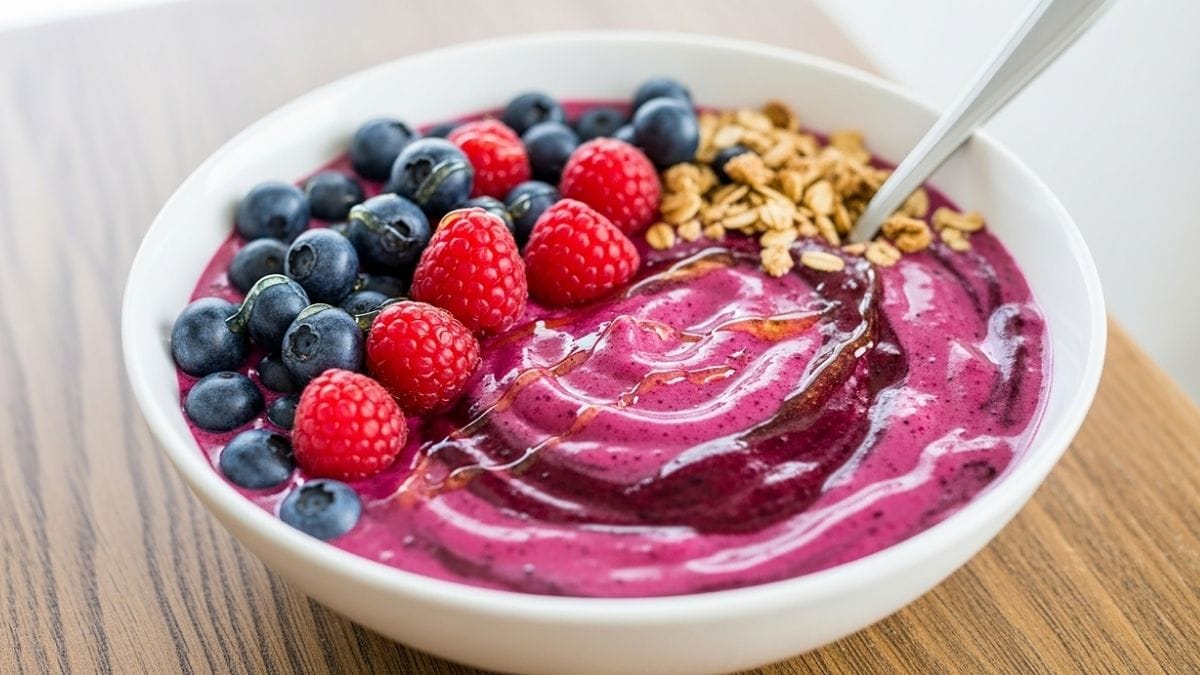
Blend yogurt, fortified milk, and calcium-fortified juice with berries. One glass can give 350–400 mg of calcium. It tastes like a treat, and you can add chia seeds for extra fiber.
Cheesy Veggie Scramble
Cook two eggs with a handful of cheese and serve with fortified bread. This plate gives about 250–300 mg of calcium. It works on mornings when your child needs something warm and filling.
Overnight Oats With Almonds
Mix oats with milk, almonds, and chia seeds the night before. One bowl offers around 250 mg of calcium. The texture is soft, and you can add fruit to make it sweeter.
Yogurt Parfait Power Bowl
Layer Greek yogurt, fruit, and a small amount of fortified cereal. A single serving gives 200–250 mg of calcium. Kids like the crunch, and you get a balanced meal with protein.
Calcium-Loaded Pancakes

Make pancakes with milk in the batter and add yogurt on top. One serving can give 300–350 mg of calcium. Save this for weekends or whenever your child wants something fun.
These morning meals are fast, simple, and give your child a strong calcium boost before the day even begins.
10 Dinner Recipes That Deliver 500+ mg Calcium
You want dinners that taste good and quietly boost calcium at the same time.
The problem is simple: kids don’t always eat greens, and adults get tired of plain milk or supplements. These meals fix that by using cheese, beans, tofu, and fish in ways your family will actually enjoy.
Each recipe gives you a real calcium win without making dinner feel heavy or complicated.
One-pot meals help the most. You toss everything in one pan, and the calcium comes from cheese, beans, or greens. You save time, and everyone eats better.
Pasta and pizza also work because the cheese adds a big calcium push. And if you use fortified ingredients like tortillas or pasta, you add even more without trying.
Soups and stews are another easy win because you can mix in white beans, kale, broccoli, or tofu without changing the flavor much.
Salmon, sardines, and tofu also bring strong calcium levels when you cook them the right way.
Below are 10 simple dinners with estimated calcium counts to help you plan fast, healthy meals.
1. Three-Cheese Veggie Pasta — 600 mg
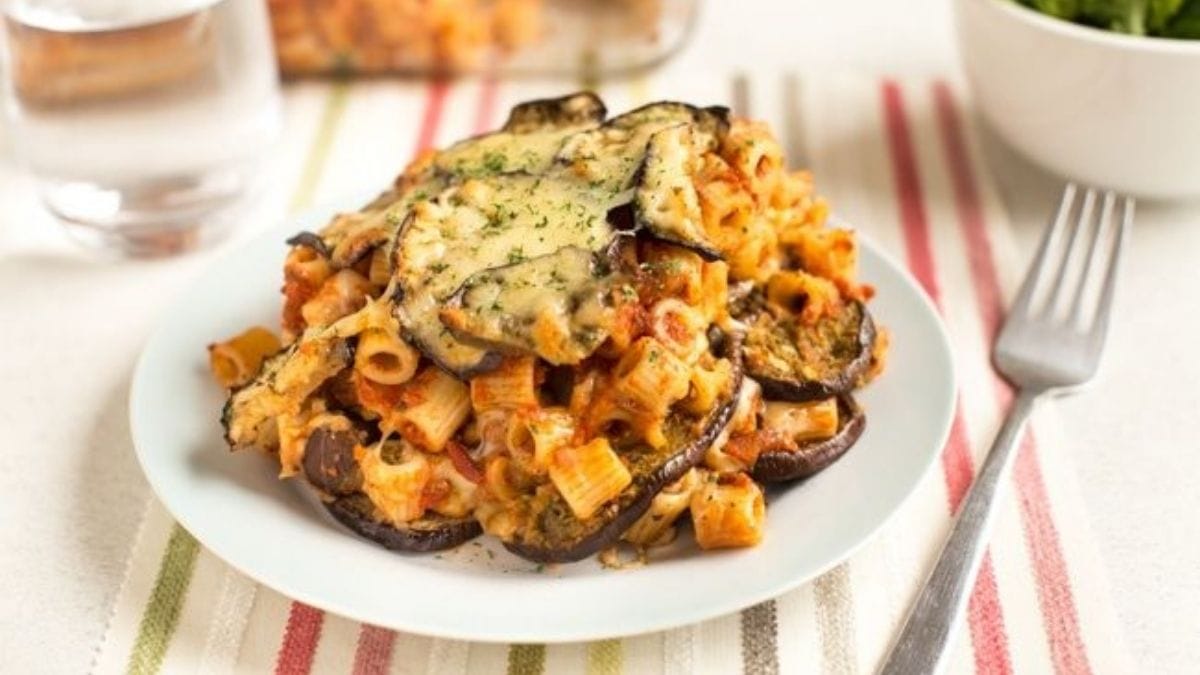
A creamy mix of mozzarella, cheddar, and Parmesan with soft veggies. Kids eat it fast, and the cheese does the calcium work.
2. Salmon Patties with Bones — 400 mg
Canned salmon with soft edible bones adds a big mineral boost. Lightly pan-fry for a crisp edge.
3. White Bean and Kale Soup — 350 mg
Beans give protein. Kale adds calcium. The broth makes it easy for picky eaters.
4. Tofu Stir-Fry — 450 mg

Tofu carries calcium well. Add colorful veggies and a simple soy sauce mix.
5. Macaroni and Cheese Plus — 500+ mg
Use fortified milk or extra cheese. Stir in broccoli or peas for more fiber.
6. Homemade Pizza Night
Cheese brings calcium. Use a fortified crust if you want an extra boost. Add spinach for even more.
7. Chicken Quesadillas
Cheese plus fortified tortillas give you a strong calcium combo. Serve with salsa or mild veggies.
8. Broccoli Cheddar Bake — 500 mg
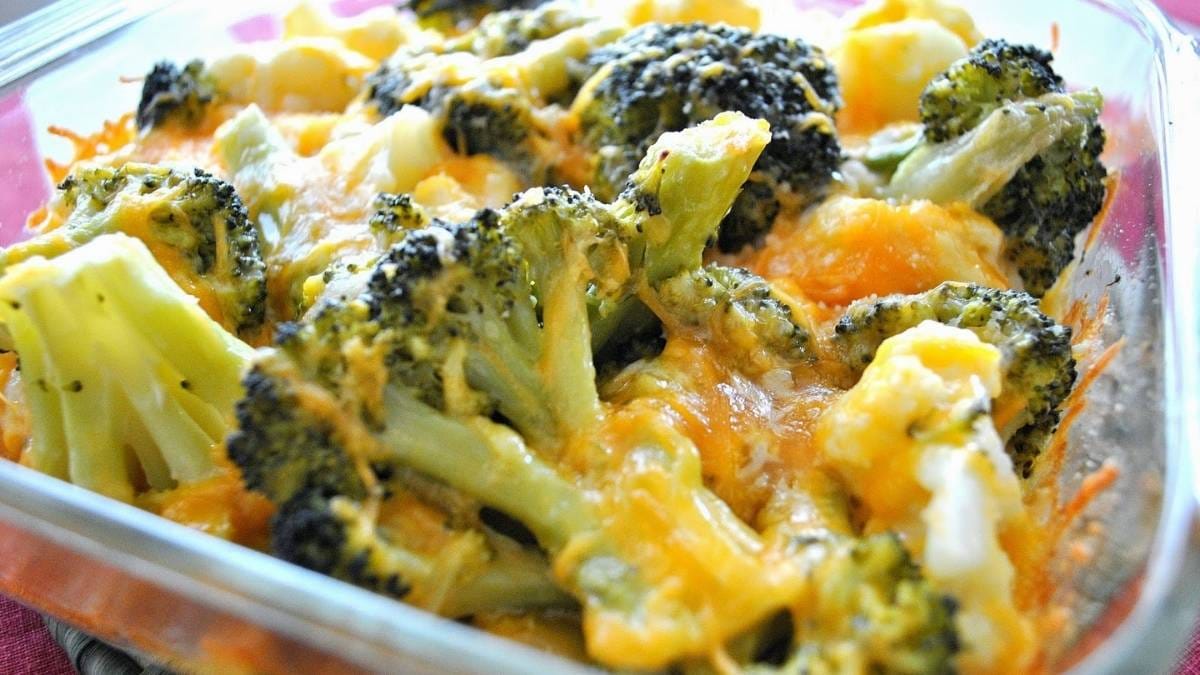
Broccoli and cheddar work together. Bake until the top is golden.
9. Creamy Spinach Pasta — 550 mg
Spinach melts into the sauce, so kids barely notice it. The cream and cheese raise calcium.
10. Baked Salmon with Greens — 480 mg
Serve salmon with a side of sautéed kale or spinach. Simple, fast, and rich in minerals.
These meals help you reach your calcium targets without stress. Pick two or three for the week and rotate them for easy family dinners.
Smart Snacks That Add 200+ mg Calcium
You want quick snacks that keep kids full without ruining dinner. The hard part is finding options that stay under 100 calories for children under 10.
And you still need snacks that give real calcium. The good news is that small foods can add up fast when you pick the right ones.
Keep snacks 2–4 hours away from meals. This keeps hunger steady and stops constant grazing.
Pick items kids can toss in a school bag or grab after school when energy drops. A simple bedtime snack also helps kids sleep better, especially if they didn’t eat much at dinner.
Here are easy options with calcium counts:
String cheese — 200 mg
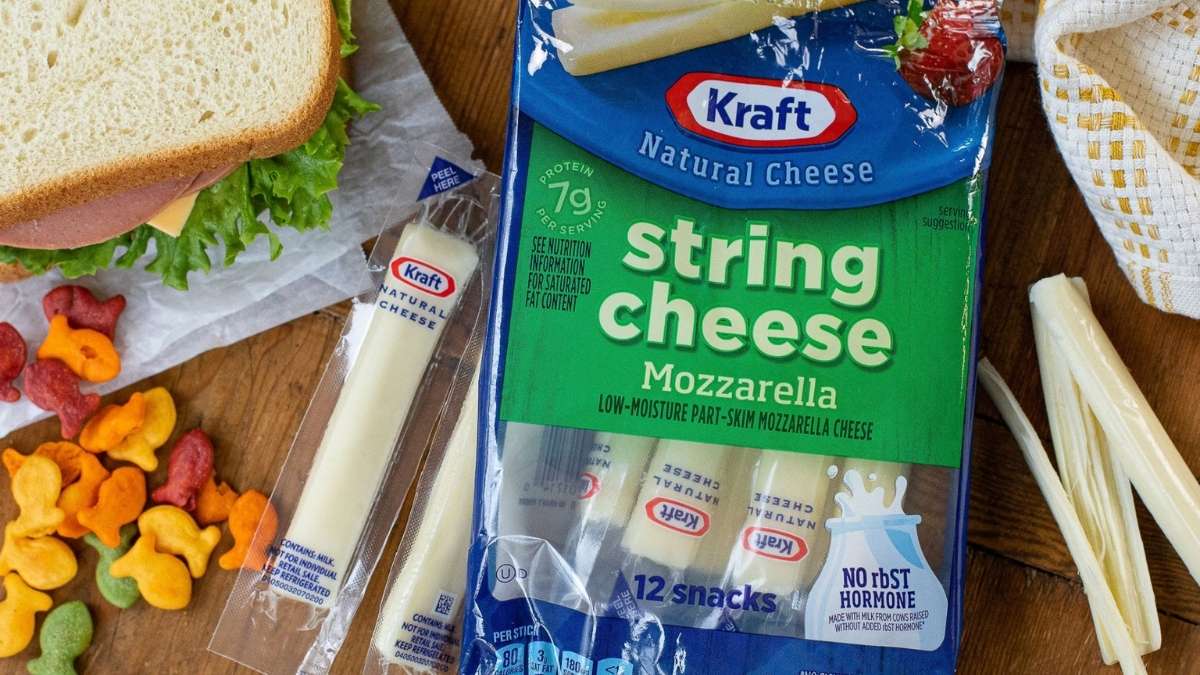
Fast, clean, and great for school.
Yogurt tube — 100 mg
Cold and easy for younger kids.
Almond butter on apple — 75 mg
Good for energy, but watch portions.
Calcium-fortified granola bar — varies
Check labels. Some give a strong boost.
Hummus with veggies — 50 mg
Light and steady.
Frozen yogurt pops — 150 mg
A fun warm-weather choice.
Cheese and crackers — 200 mg

Simple and filling for after school.
Getting Calcium Into Picky Eaters (Without the Battle)
Feeding a picky child can feel like a daily fight. You worry they aren’t getting enough calcium, and they want control over every bite.
Pickiness peaks around ages 3 and 4, and kids often use food to show independence. Knowing this helps you stay calm when they reject something for the tenth time.
It can take up to 12 tries before a child accepts a new food, so slow progress still counts.
Give kids 2–3 healthy choices instead of one. This keeps you in charge of the options while letting them feel in control.
You can also boost calcium without letting them notice. Add cheese to pasta, veggies, rice, eggs, and even soups.

Smoothies work well because you can blend yogurt, fortified milk, and soft fruits without the taste feeling “new.” A spoon of white bean puree in sauces adds calcium and protein while staying hidden.
Kids are more open to foods they helped prepare. Let them wash veggies, pick toppings, or stir batter. Even small jobs make them proud, and they may try what they made.
Shape-cut snacks also help. A simple cookie cutter can turn fruit, cheese slices, or tortillas into fun pieces.

Avoid force. Threats or pressure can create fear around meals. Don’t let kids graze all day because it kills their appetite. Limit drinks between meals so they don’t fill up on fluids.
If you’re worried your child is falling behind or mealtime stress is growing, talk to a pediatric dietitian for guidance.
Bone-Building Without Dairy: Solutions for Allergies & Restrictions
Parents often worry when their child can’t have dairy. You want strong bones, but you’re not sure if plant foods can give enough calcium. They can.
You just need to know which ones work best and how to prepare them so your child absorbs more.
Plant foods come with anti-nutrients like oxalic and phytic acid. These block calcium. But you can reduce them by soaking, cooking, boiling, sprouting, or fermenting.
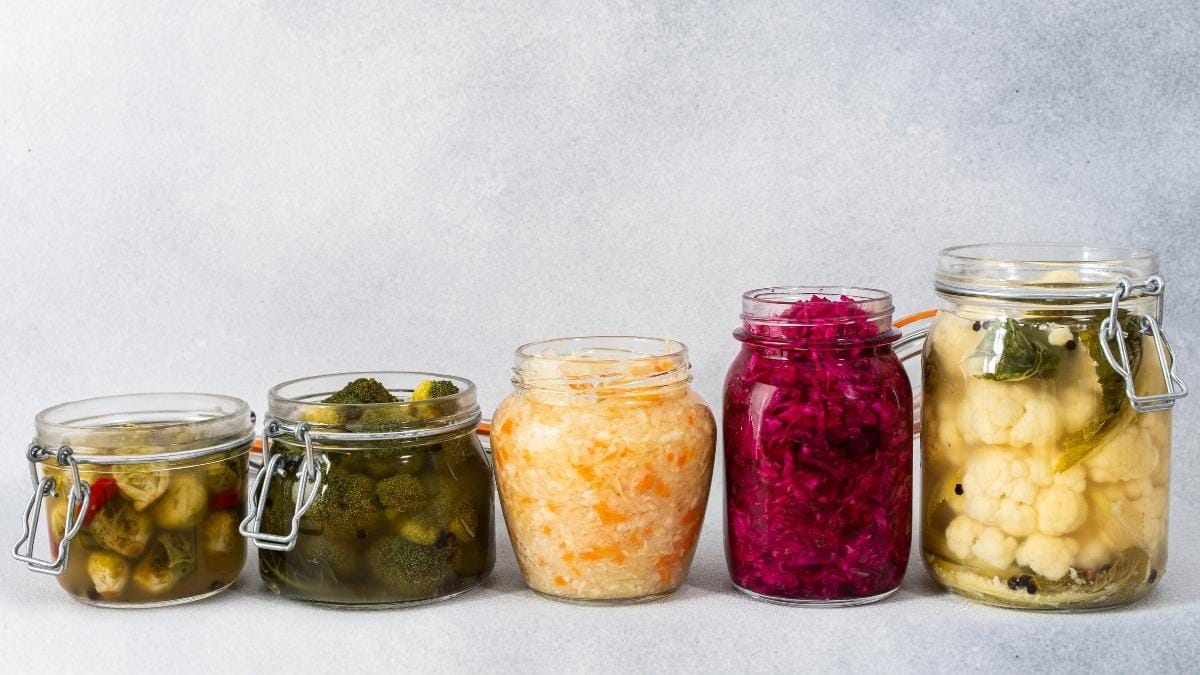
This makes the calcium easier for the body to use. And here’s the good part: many non-dairy foods still offer strong amounts.
Start with the top choices.
Calcium-set tofu gives about 250 mg per 1/2 cup.
Fortified almond milk gives around 300 mg per cup.
Fortified orange juice also gives 300 mg per cup.
Cooked collard greens add 120 mg per 1/2 cup.
White beans give 80 mg per 1/2 cup, and almonds add 100 mg per 1/4 cup.
Check labels on plant milks because the calcium levels differ. Some brands settle calcium at the bottom, so shake the carton well.
Kids may absorb calcium from dairy a bit better, but fortified plant milks still work when used regularly.
If your child drinks very little milk or avoids most high-calcium foods, ask your pediatrician about a supplement. It’s a simple way to fill the gap without stress.
Your Quick-Start Action Plan for Stronger Bones
You want a simple plan you can start today. No stress. No tracking every bite. Just small wins that build stronger bones over time.
This checklist helps you stay focused and gives you clear steps you can repeat each week.
Start by knowing how much calcium your child needs based on age. This makes it easier to spot gaps. Then look at what they already eat.
You may find that adding one small food—like cheese or fortified milk—can make a big difference.
Keep your pantry stocked with breakfast items that deliver calcium fast. Smoothie packs, yogurt, and fortified cereals work well on busy mornings.
Make snacks simple, too. Kids grab what they see, so put yogurt tubes, cheese sticks, or almonds at eye level.
Involve your child in one part of shopping or cooking. Kids usually try foods they help pick or make. Track progress weekly, not daily, so you avoid pressure.
Checklist

☐ Know your child’s daily calcium target
☐ Stock 3 calcium-rich breakfast options
☐ Keep cheese and yogurt easy to grab
☐ Add one calcium-rich food to every meal
☐ Plan calcium-boosting snacks
☐ Ask the pediatrician about supplements if needed
Lastly:
Building strong bones doesn’t mean serving perfect meals every day.
Kids grow well when you offer a mix of calcium-rich foods through the week and aim for 2–3 servings of dairy or fortified options most days. Small steps matter more than perfection. Try one easy change this week. Add cheese to dinner.
Blend a calcium-rich smoothie in the morning. Swap regular milk for a fortified choice. These simple Bone-Building Meals for Kids support strong bones and healthy kids now and for years to come.