

If you’re one of the millions of Americans lying awake at night counting sheep, the solution might be sitting in your kitchen right now.
One in three U.S. adults don’t get the seven to nine hours of sleep they need each night. This leads to feeling tired all day, trouble focusing, and bigger health problems down the road
Most people reach for supplements or sleep pills. But science shows certain foods contain natural compounds that help you sleep better.
In this guide, you’ll learn nine nighttime foods that help you fall asleep faster, the nutrients that make them work, exact serving sizes, and how to add these sleep-promoting foods without supplements into your evening routine.
Why Food Affects Your Sleep (And the Science Behind It)
What you eat changes how you sleep.
Three nutrients matter most: tryptophan makes serotonin (which becomes melatonin), melatonin controls your sleep cycle, and magnesium keeps your internal clock running smoothly.
Your body turns tryptophan into serotonin, then into melatonin in your brain. Complex carbs help tryptophan get where it needs to go.
Studies show women who ate refined carbs and sugar had more insomnia. Finish eating two hours before bed for best results.
1. Kiwi Fruit – The Sleep Superfruit

Kiwi might be the best nighttime food for sleep you’ve never tried. In one study, people who ate two kiwifruits one hour before bed for four weeks saw major improvements.
They fell asleep 35.4% faster. They slept 13.4% longer. Their sleep quality jumped by 5.41%. These aren’t small changes.
Elite athletes got similar results. When they ate two kiwis an hour before bed, they slept longer and woke up less during the night.
This matters because better sleep means better recovery and performance. And here’s the exciting part: a 2025 study found that kiwi works fast.
People slept better the same night they ate kiwifruit. The next morning, their serotonin levels were significantly higher.
Why does kiwi help you fall asleep faster? It contains three sleep-promoting compounds: serotonin, melatonin, and antioxidants.
Serotonin calms your brain. Melatonin signals your body it’s time to sleep. The antioxidants reduce inflammation that can keep you awake.
The recipe is simple. Eat two medium kiwis exactly one hour before your bedtime. Do this every night for best results.
You can eat them with a spoon, slice them up, or blend them into a smoothie. Keep them on your counter so you remember.
Try this tonight: Set a phone alarm for one hour before bed. Eat your two kiwis when it goes off.
2. Tart Cherry Juice – Nature’s Melatonin Boost
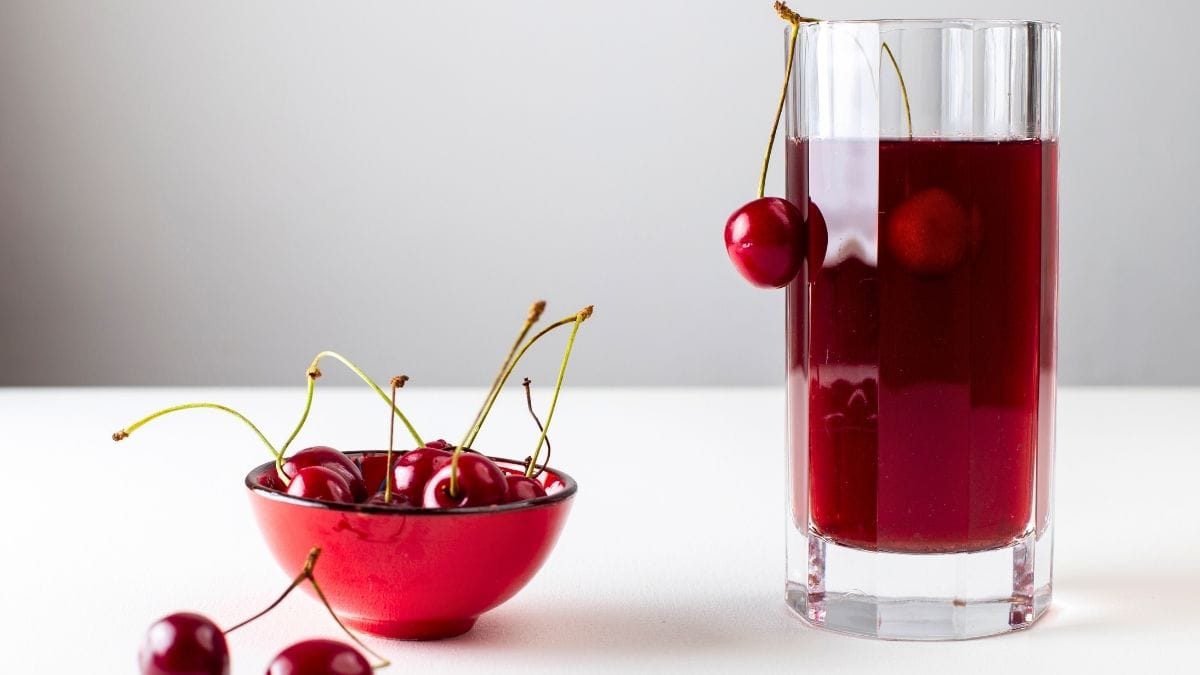
Tart cherry juice is one of the most studied natural foods for better sleep. In clinical trials, people who drank it slept 34 minutes longer each night.
Their sleep efficiency improved by 5-6%. That means they spent more time actually sleeping instead of tossing and turning.
Older adults with insomnia saw even better results. After drinking tart cherry juice regularly, every sleep measurement improved.
They fell asleep faster, stayed asleep longer, and woke up feeling more rested. Blood tests showed why: their melatonin levels were significantly elevated compared to people who got a placebo drink.
Montmorency cherries pack the highest natural melatonin levels of any food.
They’re also loaded with anti-inflammatory compounds that reduce the aches and pains that keep you awake.
This makes tart cherry juice a melatonin-rich food that works two ways.
Here’s how to use it. Drink 8 to 16 ounces daily. Split it into two servings: one in the morning and one 1-2 hours before bed.
You can also take 480 mg of tart cherry extract if you prefer capsules. Always choose unsweetened juice. Added sugar spikes your blood sugar and can ruin your sleep.
Try this tonight: Pour 8 ounces of unsweetened tart cherry juice with dinner. Your body will have time to process the melatonin before bed.
3. Almonds and Walnuts – The Sleep-Supporting Nuts

Nuts are perfect bedtime snacks for sleep because they’re packed with sleep-promoting nutrients.
A 2025 study found that eating 40 grams of walnuts with dinner improved sleep quality. Even better, people’s melatonin levels rose during the evening hours when they needed it most.
Walnuts load you up with sleep helpers. Each serving gives you 84.6 mg of tryptophan, 118 ng of melatonin, 45 mg of magnesium, and B vitamins.
Your brain uses all of these to make you sleepy. Almonds are the magnesium champions. One ounce (about 23 almonds) contains 80 mg of magnesium, the highest amount of any nut.
Magnesium relaxes your muscles and calms your nervous system.
Research on almond extract showed it significantly increased total sleeping time. Pistachios deserve a mention too because they contain exceptionally high melatonin levels.
All these nuts give you selenium and magnesium, two minerals strongly linked to better sleep.
The right serving size matters. Eat 1 to 1.5 ounces, which is about a small handful.
That’s roughly 23 almonds or 14 walnut halves. Don’t eat more because too much fat before bed can cause digestive issues.
Try this tonight: Keep a small container of mixed almonds and walnuts on your nightstand. Eat a handful 30-60 minutes before bed as one of your sleep-promoting foods without supplements.
4. Fatty Fish (Salmon, Tuna, Mackerel) – The Omega-3 Solution
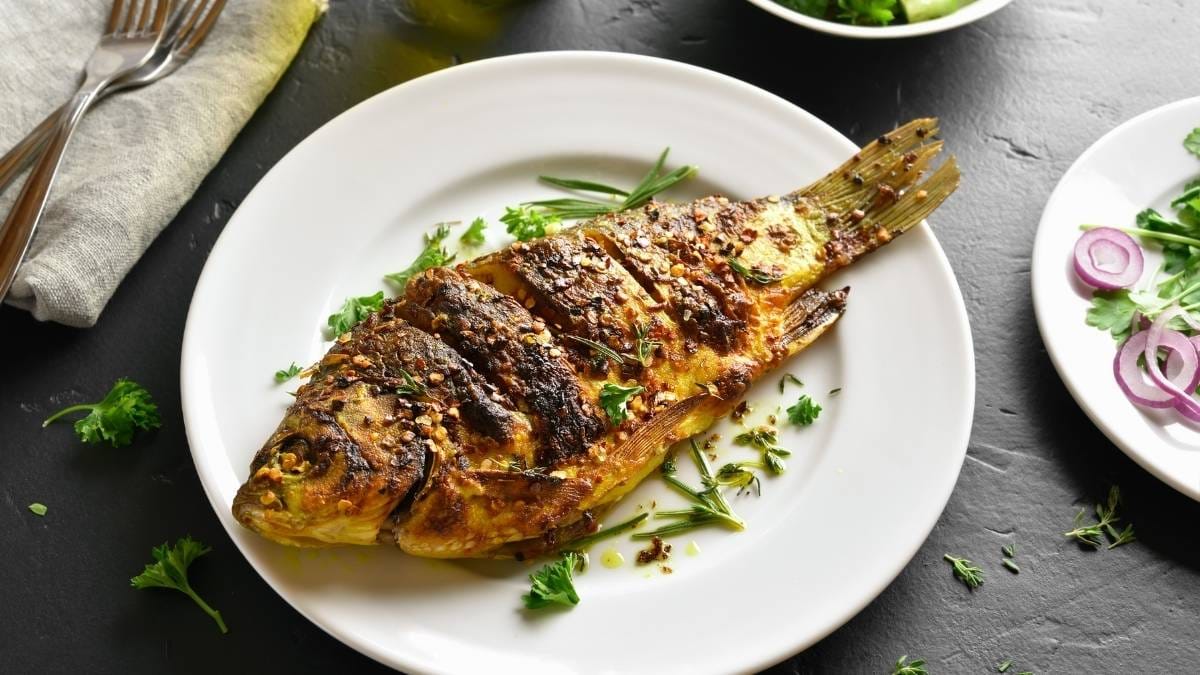
Fatty fish rank among the best natural sleep aids you can eat for dinner. Salmon, tuna, and mackerel are loaded with omega-3 fatty acids that help your body turn tryptophan into serotonin. More serotonin means better sleep.
One study tested this with real results. People who ate 300 grams of Atlantic salmon three times per week fell asleep faster than before.
They also functioned better during the day because their sleep quality improved so much. Researchers found two reasons why: the omega-3s regulated their heart rate, and their vitamin D levels increased.
Vitamin D plays a huge role in sleep regulation. Most people don’t get enough of it.
Fatty fish are one of the few foods that promote sleep through both omega-3s and vitamin D. They also contain tryptophan, giving you three sleep boosters in one meal.
Eat a 3-4 ounce serving for dinner. Cook it any way you like: baked, grilled, or pan-seared.
Try this tonight: Make salmon for dinner at least twice this week. Pair it with brown rice and vegetables for a complete sleep-supporting meal.
5. Turkey and Chicken – Classic Tryptophan Sources
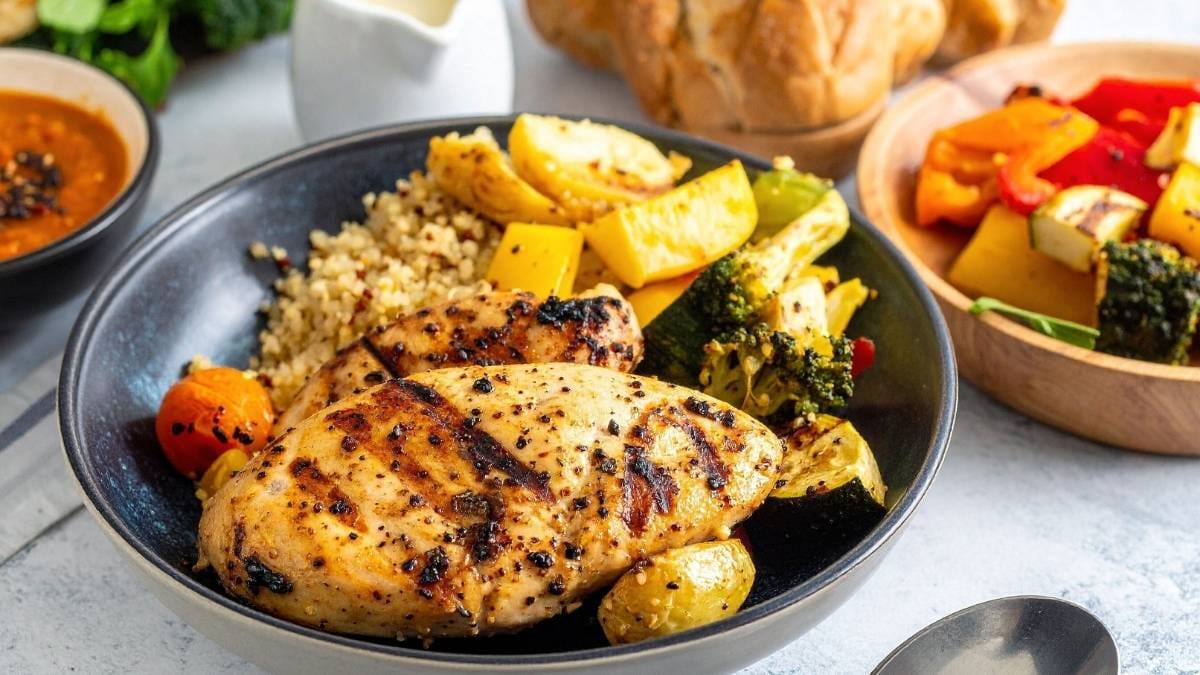
Turkey and chicken are famous tryptophan foods that your body converts into serotonin and melatonin.
Ever wonder why you feel sleepy after Thanksgiving dinner? It’s the tryptophan-carb combination working together.
Research shows that eating tryptophan-rich foods with carbohydrates effectively reduces insomnia. The carbs help tryptophan reach your brain faster.
That’s why turkey alone won’t make you as sleepy as turkey with mashed potatoes or stuffing.
A 3-4 ounce serving of turkey or chicken gives you plenty of tryptophan to support sleep. Eggs work too.
One egg contains 83 mg of tryptophan, which is about 25% of what you need daily. Scrambled eggs with whole wheat toast make an excellent sleep-promoting dinner.
Here’s the key: always pair these proteins with complex carbohydrates. Turkey with sweet potato works great.
Chicken with brown rice is another winning combination. Grilled chicken over quinoa covers all your bases.
Skip fried chicken or breaded options for dinner because the extra fat can disrupt your sleep.
Try this tonight: Grill a chicken breast and serve it with a medium sweet potato. Eat this meal 2-3 hours before bedtime for best results.
6. Bananas – The Convenient Sleep Snack

Bananas are the easiest nighttime foods to grab when you need a quick bedtime snack. One banana gives you magnesium, potassium, tryptophan, vitamin B6, and carbohydrates. Each of these nutrients helps you sleep better.
The magnesium relaxes your muscles and prevents those annoying leg cramps that wake you up at 3 AM.
It also affects GABA, a brain chemical that calms your nervous system. One banana provides about 10% of your daily potassium and under 30 mg of magnesium.
The benefits are modest but real, especially when you eat bananas regularly.
Each banana contains 11 mg of tryptophan. Your body uses this to make serotonin and melatonin. Bananas are also easy to digest, so they won’t upset your stomach before bed.
Eat your banana 30-60 minutes before bedtime. Spread almond butter on banana slices for extra magnesium and healthy fats. This combination keeps you satisfied without feeling too full.
Try this tonight: Slice one banana and add a tablespoon of almond butter. This simple bedtime snack takes 2 minutes to prepare and supports better sleep.
7. Chamomile Tea – The Bedtime Classic

Chamomile tea is one of the most popular natural sleep aids for good reason. It contains apigenin, an antioxidant that binds to specific receptors in your brain. These receptors make you feel sleepy and calm.
A 2024 review of sleep studies found that chamomile helps people fall asleep faster. It also reduces how many times you wake up during the night.
The warm liquid adds another benefit by supporting your bedtime routine. Your brain learns to associate the warmth and ritual with sleep time.
Chamomile is completely caffeine-free and keeps you hydrated without making you run to the bathroom all night. Steep your tea bag for 5-10 minutes to get the most apigenin.
Drink it 30-45 minutes before bed. Add a small amount of honey if you want a touch of sweetness.
Try this tonight: Make chamomile tea part of your bedtime routine. Drink it at the same time each night to train your brain it’s time to wind down.
8. Warm Milk – More Than Just Tradition
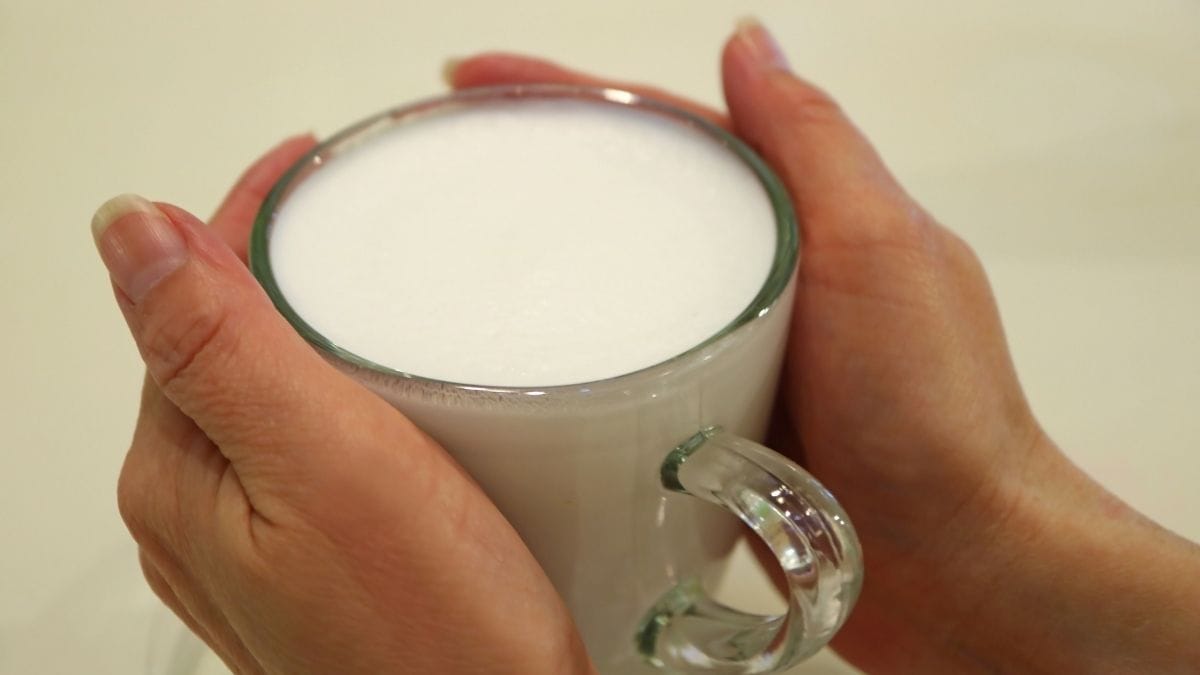
Warm milk is one of the oldest traditional sleep remedies, and science backs it up. Milk naturally contains melatonin, especially when harvested at night.
Night-harvested milk has nearly 10 times more melatonin than daytime milk. It also gives you tryptophan and calcium, both natural foods for better sleep.
The protein in milk stabilizes your blood sugar through the night. This prevents those 2 AM wake-ups from hunger or blood sugar drops. The psychological comfort matters too. A warm cup signals your brain it’s time to relax.
Drink one cup (8 ounces) about 30 minutes before bed. Heat it gently on the stove or in the microwave.
You can use dairy milk or plant-based alternatives like almond or oat milk. Just check the label for added sugars that could disrupt sleep.
Try this tonight: Warm a cup of milk and add a pinch of cinnamon for extra flavor and blood sugar support.
9. Complex Carbohydrates (Oats, Brown Rice, Quinoa) – The Foundation Foods
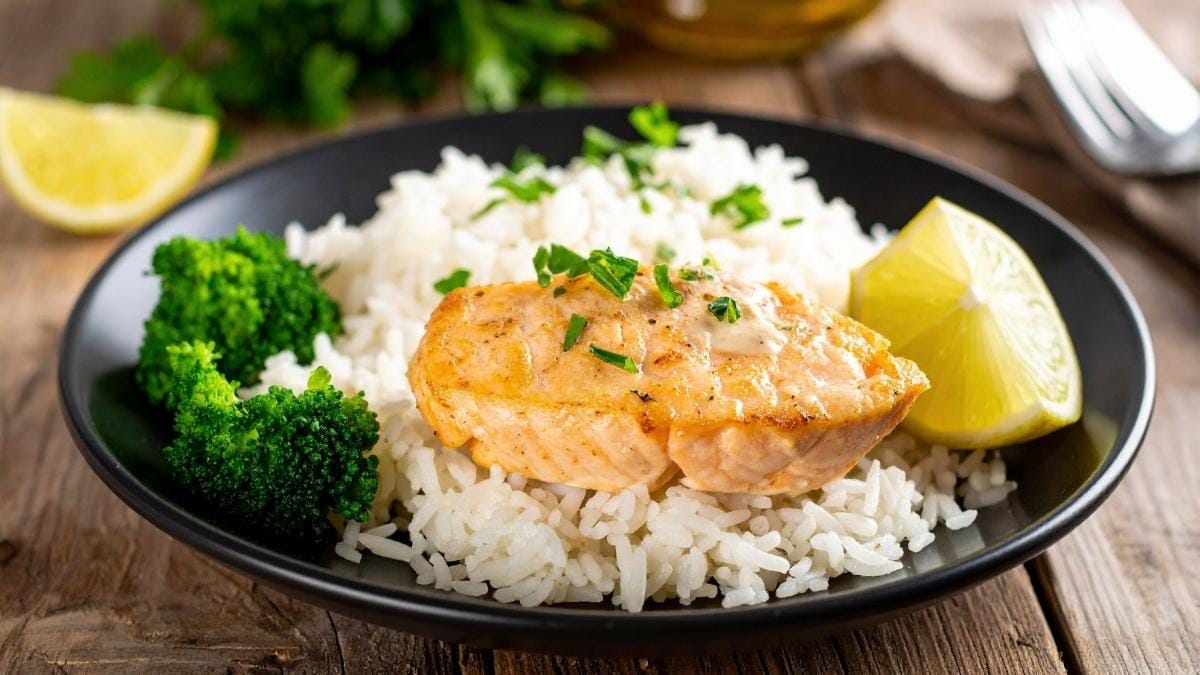
Complex carbohydrates are essential sleep-promoting foods that work behind the scenes. Research shows that people who eat more fiber wake up less during the night.
They also spend more time in deep, restorative slow-wave sleep. This is the sleep stage that makes you feel truly rested.
These carbs help tryptophan from other foods reach your brain faster. Without carbs, tryptophan struggles to cross into your brain where it becomes serotonin and melatonin. Fiber also prevents blood sugar spikes that lower your natural melatonin production.
Quinoa deserves special attention. It’s nutritionally similar to milk because it contains both tryptophan and high protein levels.
This makes it a complete sleep-supporting food. Oats and brown rice stabilize your blood sugar through the night, preventing those frustrating 3 AM wake-ups.
Eat 1/2 to 1 cup of cooked grains with dinner. Always combine them with protein for a balanced diet for sleep. Try brown rice with salmon, quinoa with chicken, or oatmeal with eggs.
Try this tonight: Cook a batch of quinoa for the week. Add it to your dinners alongside any protein from this list.
Foods to Avoid Before Bed
Some foods are major sleep disruptors that keep you awake. Stay away from high-fat foods like burgers, pizza, and fast food before bed.

They take hours to digest and can cause heartburn. Spicy foods, sugary snacks, and acidic items like tomato sauce create the same problem.
Caffeine is obvious, but timing matters. Stop drinking coffee, tea, and energy drinks at least 2-3 hours before bed.
If you’re sensitive to caffeine, cut it off after noon. Refined carbohydrates and added sugars spike your blood sugar and crash your melatonin levels.
Alcohol tricks you. It makes you sleepy at first, but it ruins your sleep quality later. You’ll wake up multiple times and never reach deep sleep.
Remember this: Foods that prevent sleep usually involve three things: high fat, high sugar, or caffeine. Skip these after 6 PM for better rest.
How to Create Your Perfect Sleep-Promoting Evening Meal
Meal planning for better sleep starts with balance. Combine protein, complex carbs, and vegetables in one meal.
Turkey or fish with brown rice or quinoa primes your body for sleep. This combination gives you tryptophan, fiber, and steady energy that lasts through the night.
Timing is critical. Finish full meals at least 2 hours before bed. This gives your body time to digest without keeping you awake.
Light snacks 30-60 minutes before bed are fine if you’re hungry. Research shows adding more fruits and vegetables is one of the best ways to improve sleep health.

Here are complete meal examples you can use tonight:
Dinner (6 PM): Grilled salmon with quinoa and roasted vegetables
Snack Option 1 (8 PM): Small handful of almonds with 2 kiwi fruits
Snack Option 2 (8 PM): Chamomile tea with whole grain crackers and almond butter
Snack Option 3 (8 PM): Banana sliced with walnut butter
These nighttime foods that help you fall asleep faster work best when you eat them consistently. Pick the combinations you enjoy most and stick with them for at least two weeks.
Conclusion
The research is clear: what you eat during the day significantly affects how well you sleep at night.
By adding these nine evidence-based foods to your evening routine, you naturally support your body’s sleep mechanisms without relying on supplements.

Start tonight by choosing one or two foods from this list. Try eating 2 kiwi fruits an hour before bed, or drink tart cherry juice with dinner. Track your sleep for two weeks.
These nighttime foods that help you fall asleep faster are simple, affordable, and backed by science.