Your liver works overtime. Every single day, it filters toxins, processes nutrients, and keeps your body running clean.
But modern life throws a lot at this vital organ—processed foods, medications, alcohol, and environmental pollutants. The good news? Your kitchen holds powerful allies.
These 11 foods directly support your liver’s natural detox pathways, helping it work smarter and stronger.
1. Cruciferous Vegetables: Broccoli and Brussels Sprouts
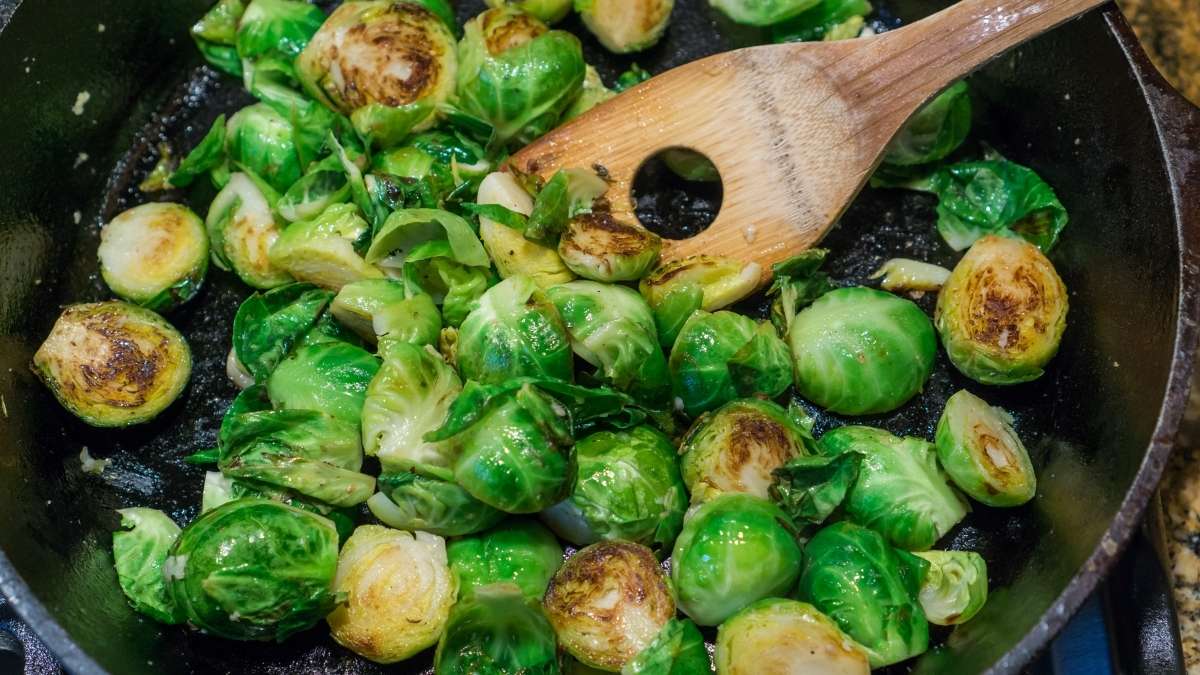
Your liver needs sulfur to neutralize toxins. Broccoli and Brussels sprouts deliver this in spades through compounds called glucosinolates.
When you chew these vegetables, enzymes break down glucosinolates into sulforaphane—a potent molecule that activates Phase II detox enzymes in your liver.
Key Active Compound: Sulforaphane
Think of sulforaphane as your liver’s personal trainer. It triggers the production of glutathione, your body’s master antioxidant. This process helps your liver neutralize everything from alcohol byproducts to heavy metals.
How to Use Them:
- Steam 150-200 grams (about 1.5 cups) of broccoli or Brussels sprouts
- Chop them and wait 5 minutes before cooking to maximize sulforaphane
- Roast at 200°C (400°F) with olive oil and garlic for 25 minutes
- Add to stir-fries, grain bowls, or eat as a side dish
Raw or lightly cooked works best. Overcooking destroys the beneficial enzymes.
2. Garlic: The Sulfur Powerhouse
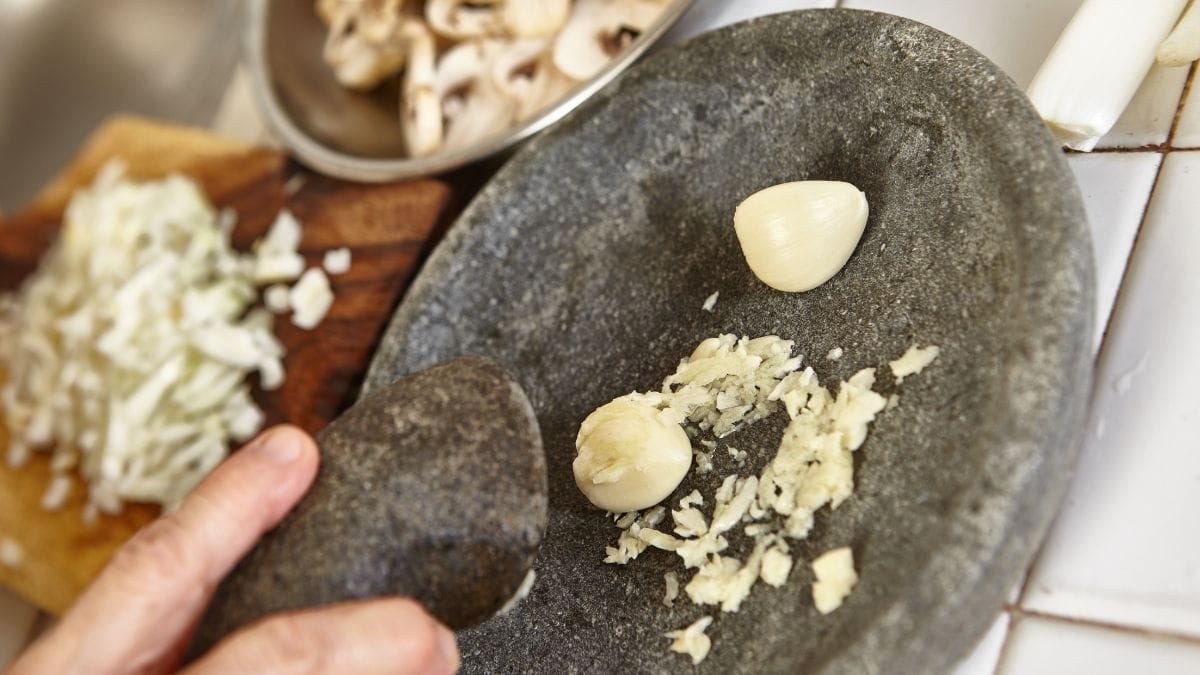
Garlic does more than flavor your food. Its sulfur compounds—especially allicin—activate liver enzymes that flush out toxins.
Allicin also increases selenium levels in your liver, which protects liver cells from oxidative damage.
Key Active Compound: Allicin
Just one clove of garlic contains enough allicin to support your liver’s detox pathways. The sulfur compounds in garlic bind to heavy metals like mercury and lead, making them easier for your liver to eliminate.
How to Use It:
- Consume 2-4 cloves (6-12 grams) daily
- Crush or chop garlic and let it sit for 10 minutes before cooking
- Add raw garlic to dressings, hummus, or guacamole
- Roast whole heads and spread on toast
- Mix minced garlic into cooked grains just before serving
Heat reduces allicin, so use raw garlic when possible.
3. Beetroot: The Bile Flow Booster
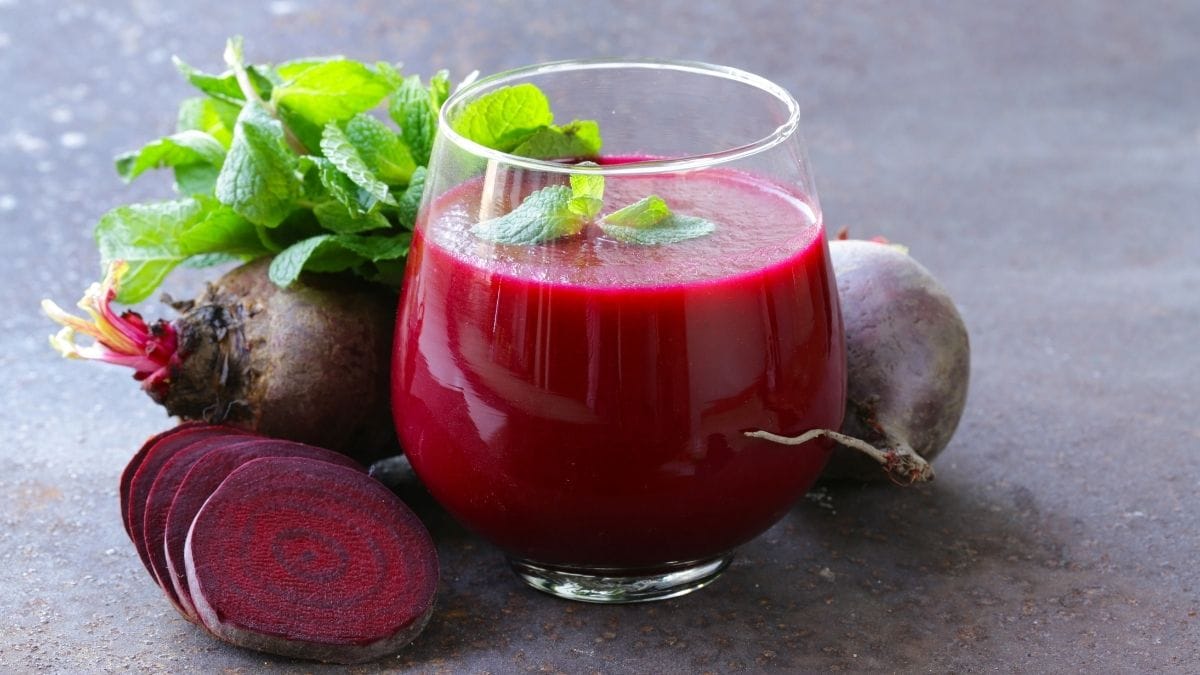
Beets contain betalains—pigments that reduce inflammation and support Phase II detoxification.
They also stimulate bile production. Bile acts like a shuttle service, carrying toxins from your liver to your intestines for elimination.
Key Active Compound: Betaine (Trimethylglycine)
Betaine protects liver cells and helps process fats.
It prevents fat accumulation in the liver, a common problem in fatty liver disease. Studies show that beetroot juice can reduce liver inflammation markers within weeks.
How to Use It:
- Drink 200-250 ml of fresh beetroot juice daily
- Roast 150-200 grams of beets with olive oil at 200°C (400°F)
- Grate raw beets into salads
- Blend cooked beets into smoothies with berries and ginger
- Pickle beets for a tangy side dish
Pair beets with leafy greens. The fiber helps sweep bile-bound toxins out of your system.
4. Turmeric: The Golden Anti-Inflammatory
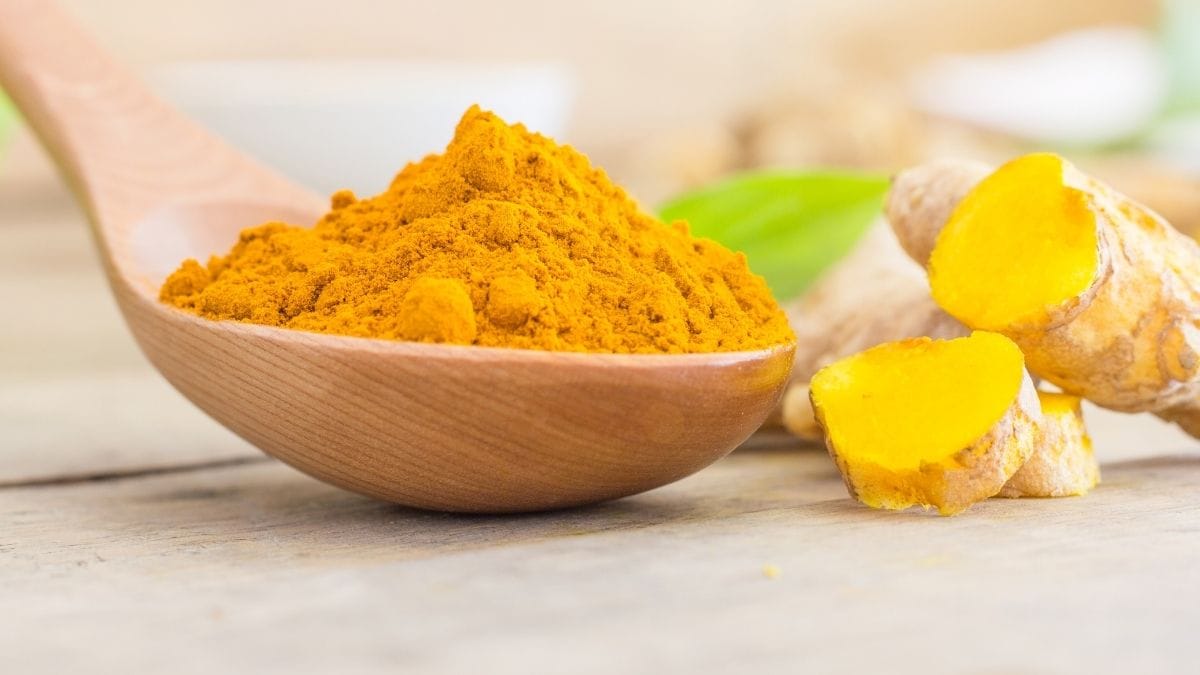
Curcumin, the active compound in turmeric, reduces liver inflammation and protects against liver damage. It increases bile production by 62% according to some studies. More bile means better toxin elimination.
Key Active Compound: Curcumin
Curcumin also regenerates liver cells and prevents scar tissue formation. It’s particularly protective if you consume alcohol or take medications that stress the liver.
How to Use It:
- Take 1-2 grams (about 1 teaspoon) of turmeric powder daily
- Always combine with black pepper—piperine increases curcumin absorption by 2000%
- Make golden milk: warm 250 ml milk with 1 teaspoon turmeric and a pinch of black pepper
- Add to curries, soups, and rice dishes
- Blend into smoothies with mango and coconut milk
Fat enhances absorption too. Cook turmeric with oil or full-fat coconut milk.
5. Green Tea: The Catechin Defender
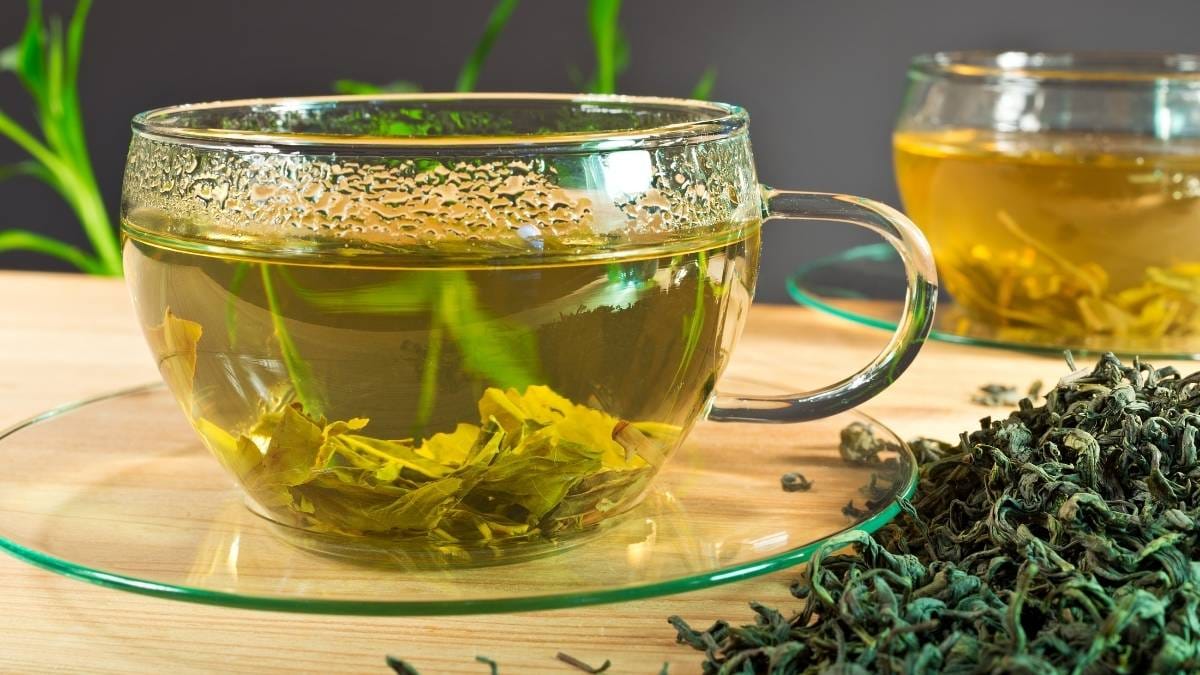
Green tea floods your liver with catechins, particularly EGCG (epigallocatechin gallate). These antioxidants reduce liver fat and prevent liver enzyme elevation—a marker of liver stress.
Key Active Compound: EGCG
EGCG blocks the formation of harmful compounds in your liver and helps break down existing fat deposits. It also protects against liver cancer by preventing cellular mutations.
How to Use It:
- Drink 3-4 cups (750 ml-1 liter) of brewed green tea daily
- Steep tea for 3-5 minutes in water at 80°C (175°F)
- Drink between meals for maximum absorption
- Add fresh lemon—vitamin C boosts catechin availability by 13 times
- Use matcha powder in smoothies for concentrated catechins
Avoid adding milk. Proteins in milk bind to catechins and reduce their effectiveness.
6. Walnuts: The Omega-3 Protector
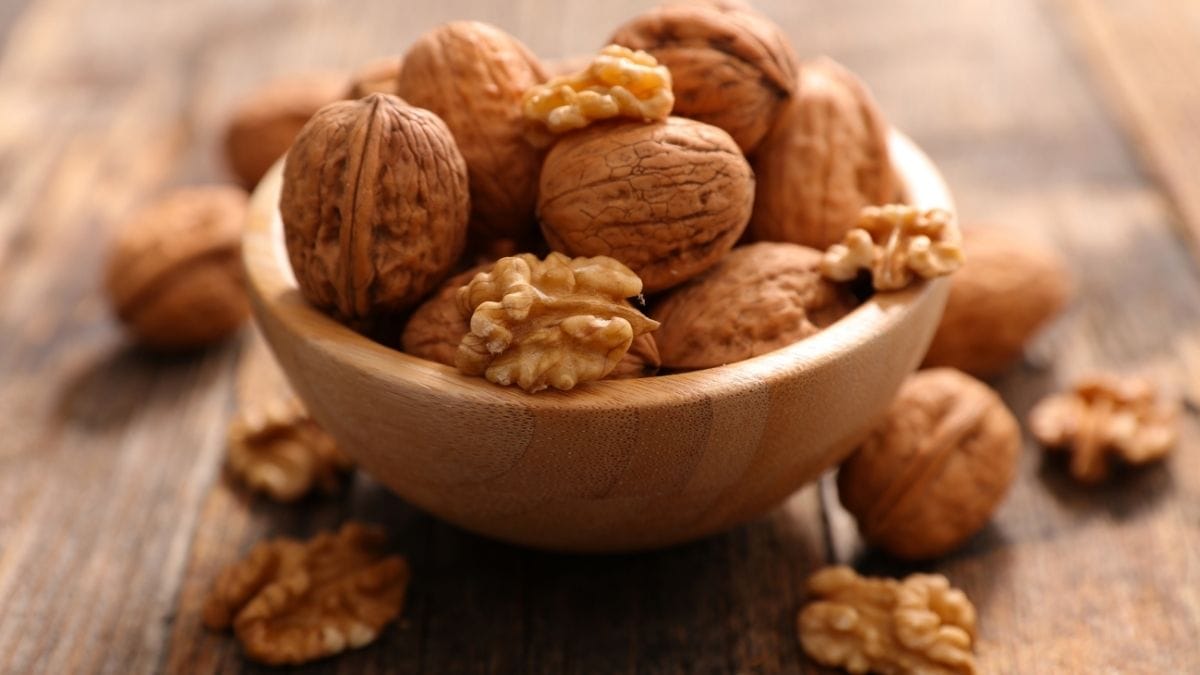
Walnuts deliver arginine, an amino acid that helps your liver detoxify ammonia. They’re also rich in omega-3 fatty acids, which reduce inflammation and support healthy cell membranes throughout your liver.
Key Active Compound: Alpha-Linolenic Acid (ALA)
The healthy fats in walnuts prevent fat buildup in liver cells. They also provide glutathione precursors, helping your liver produce this critical antioxidant.
How to Use Them:
- Eat 30-45 grams (about 7-10 whole walnuts) daily
- Soak overnight to improve digestibility
- Add crushed walnuts to oatmeal or yogurt
- Blend into pesto with basil and olive oil
- Sprinkle over roasted vegetables or salads
- Make walnut butter as an alternative to peanut butter
Store in the refrigerator. The oils in walnuts go rancid quickly at room temperature.
7. Grapefruit: The Enzyme Activator
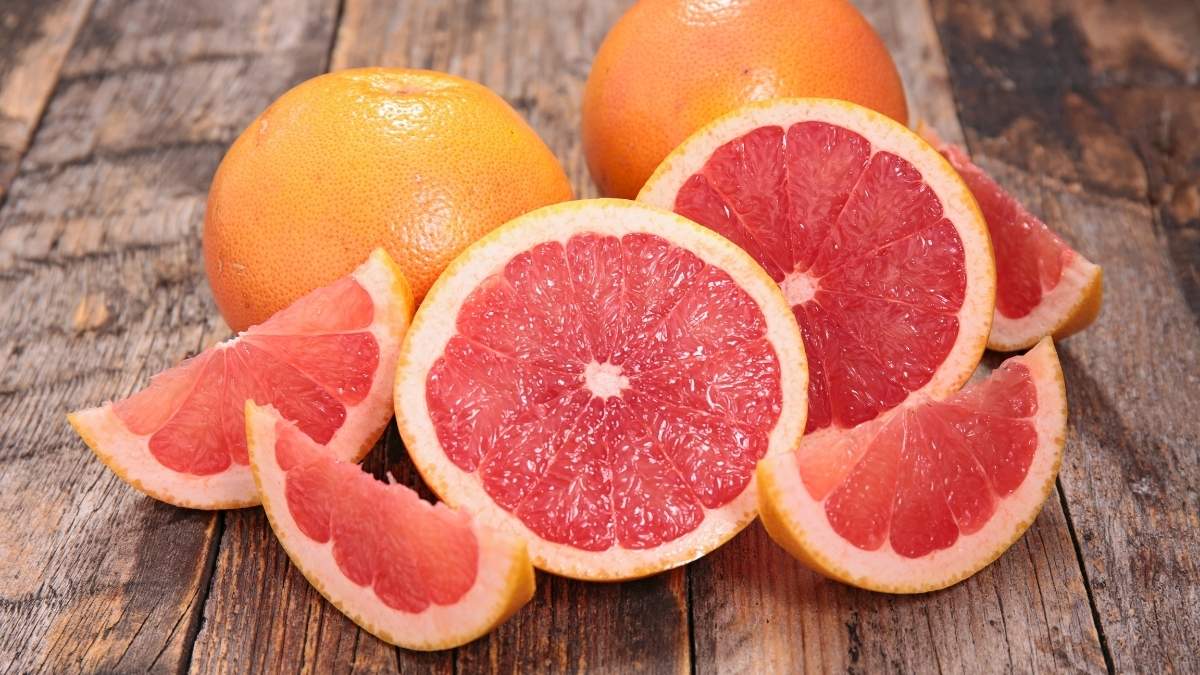
Grapefruit contains naringenin, a flavonoid that prevents liver damage and metabolizes fat. It activates chemicals that break down fatty acids, preventing fat accumulation.
Key Active Compound: Naringenin
Naringenin also increases the activity of enzymes that burn fat instead of storing it. This dual action protects against fatty liver disease while supporting detoxification.
How to Use It:
- Eat half a grapefruit (about 150 grams) daily
- Drink 200-250 ml of fresh grapefruit juice
- Add segments to salads with avocado and fennel
- Broil grapefruit halves with a touch of honey
- Blend into smoothies with mint and lime
Important: Grapefruit interacts with many medications. Check with your doctor if you take prescription drugs.
8. Leafy Greens: The Chlorophyll Cleaners
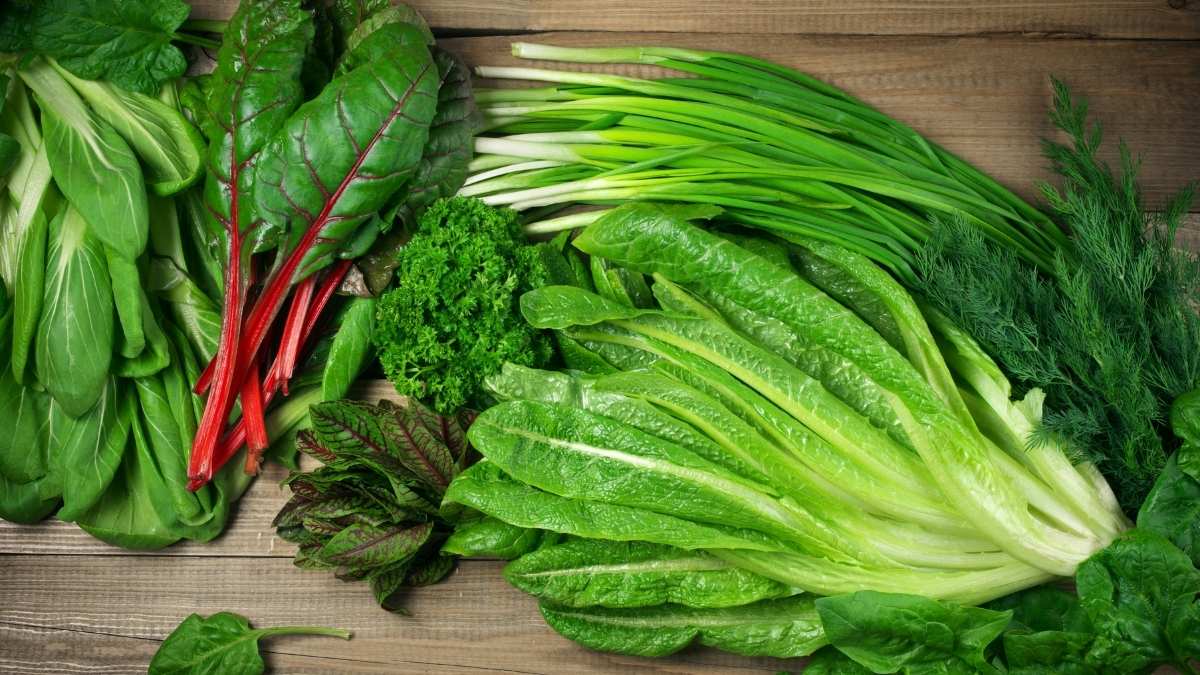
Spinach, kale, and arugula contain chlorophyll, which binds to toxins and helps remove them from your bloodstream. They’re also rich in fiber, which absorbs bile-bound toxins in your intestines.
Key Active Compound: Chlorophyll
These greens neutralize heavy metals, chemicals, and pesticides before they reach your liver. They also provide folate and vitamin K, which support overall liver function.
How to Use Them:
- Eat 100-150 grams of raw or cooked greens daily
- Massage raw kale with lemon juice to soften it
- Sauté spinach with garlic in olive oil
- Add arugula to sandwiches and wraps
- Blend into green smoothies with banana and almond milk
- Make pesto from any leafy green
Mix different varieties. Each type offers unique phytonutrients that support different detox pathways.
9. Avocado: The Glutathione Generator
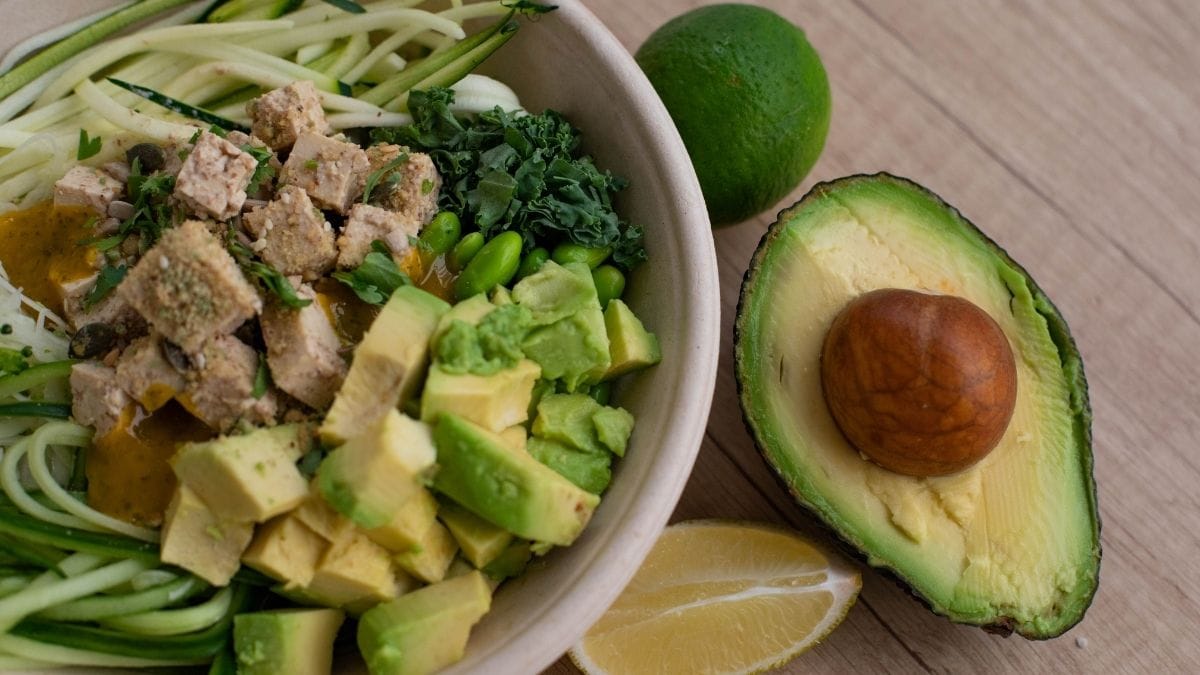
Avocados help your liver produce glutathione, the master detoxifier. They’re loaded with healthy fats that reduce inflammation and repair damaged liver cells.
Key Active Compound: Glutathione Precursors
The monounsaturated fats in avocados also improve liver enzyme levels. Studies show that eating avocados can reduce markers of liver damage in just five weeks.
How to Use It:
- Eat 100-150 grams (about half to one whole avocado) daily
- Mash onto whole grain toast
- Blend into smoothies for creaminess
- Make guacamole with lime, tomatoes, and cilantro
- Slice into salads or grain bowls
- Use as a replacement for mayo in sandwiches
Choose ripe avocados. They should yield slightly to gentle pressure.
10. Olive Oil: The Fat That Heals
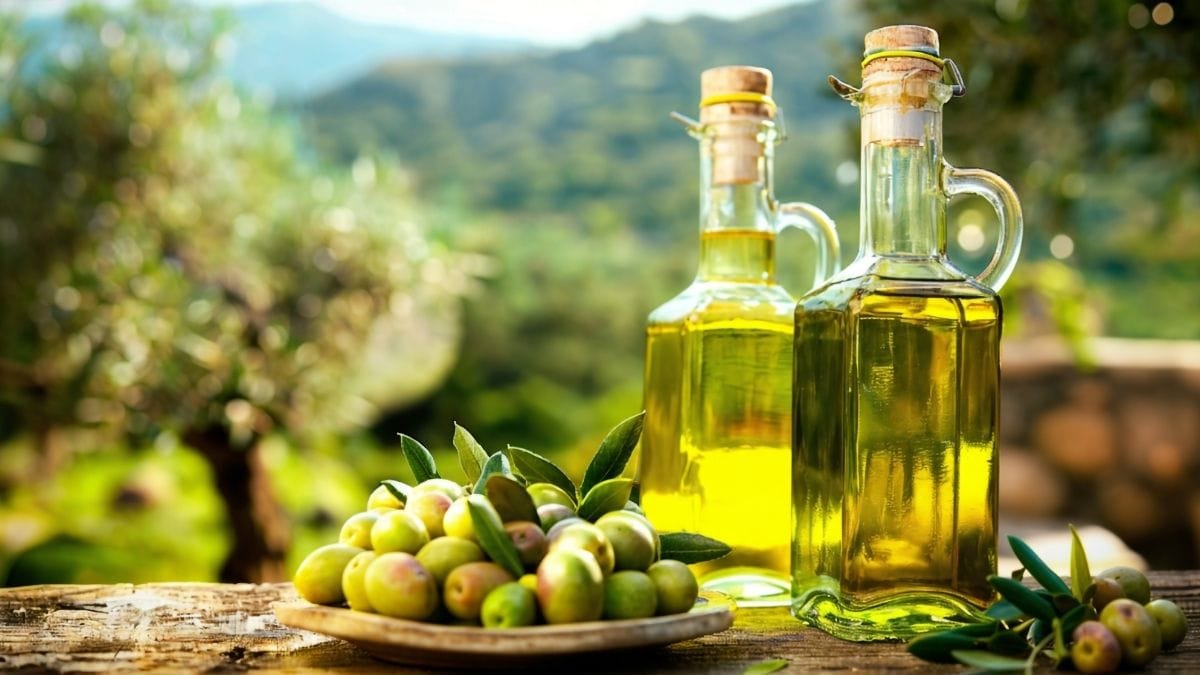
Extra virgin olive oil contains polyphenols that reduce oxidative stress in your liver. It decreases liver enzymes that indicate inflammation and damage.
Key Active Compound: Hydroxytyrosol
This powerful polyphenol prevents fat accumulation in liver cells. It also improves insulin sensitivity, which reduces the metabolic burden on your liver.
How to Use It:
- Consume 15-30 ml (1-2 tablespoons) daily
- Drizzle over cooked vegetables
- Use in salad dressings with lemon and mustard
- Dip bread in olive oil infused with herbs
- Use for light sautéing at medium heat
- Take a tablespoon on an empty stomach for maximum effect
Choose “extra virgin” and look for harvest dates. Fresher oil contains more polyphenols.
11. Apples: The Pectin Purifiers
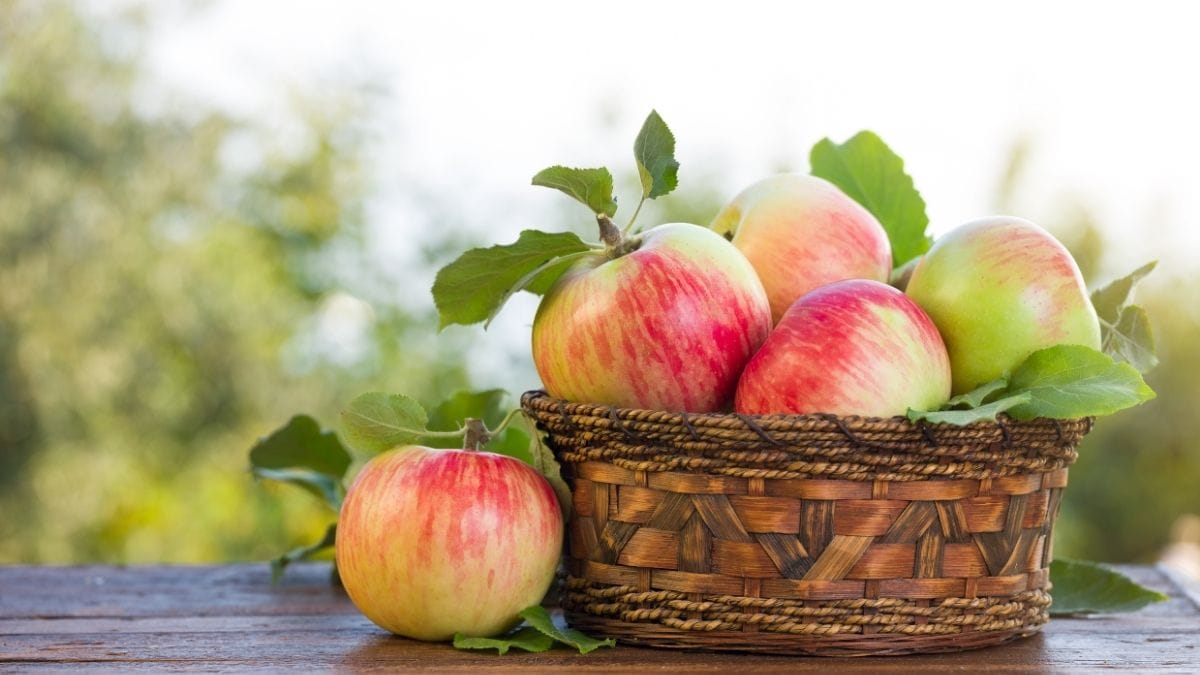
Apples contain pectin, a soluble fiber that binds to toxins in your digestive tract. This prevents your liver from reabsorbing waste products that it’s already processed.
Key Active Compound: Pectin
The pectin in apples also feeds beneficial gut bacteria. A healthy gut microbiome reduces the toxic load that reaches your liver through the portal vein.
How to Use Them:
- Eat 1-2 medium apples (150-300 grams) daily
- Keep the skin on—it contains most of the pectin
- Slice into salads with walnuts and arugula
- Bake with cinnamon for a liver-friendly dessert
- Add to smoothies for natural sweetness
- Pair with almond butter for a balanced snack
Organic apples are best. Conventional apples often carry pesticide residues that burden your liver.
Your Liver Loves You—Love It Back
Your liver regenerates itself. Give it these foods consistently, and you’ll feel the difference—more energy, clearer skin, better digestion, and sharper mental clarity.
Start with three foods from this list this week. Add more as they become habit. Your liver is resilient, but it needs your support. These 11 foods offer that support in the most delicious way possible.
Make one change today. Your liver will thank you tomorrow.