
I’ve been growing coffee plants in my garden for three years now. Every morning, I walk barefoot to check on them. The leaves catch the early light. The smell of earth and possibility fills the air.
Coffee isn’t just something I grow. It’s something I’ve learned to drink differently.
After reading dozens of studies about the world’s oldest people, I discovered something fascinating.
The way centenarians drink coffee matters more than most people think. It’s not complicated. It’s not expensive. It’s just different from what most of us do.
Let me share what I learned.
1. They Drink Coffee Daily, But Never Too Much
The longest-living people drink one to three cups per day. Not five. Not one giant venti with extra shots. Just one to three regular cups.
In my garden, I’ve learned that too much water drowns plants. Too much sun burns them. Balance creates growth.
Coffee works the same way.
Too much caffeine creates anxiety and ruins sleep. Moderate amounts support heart health and metabolism. The research is clear on this point.
I drink two cups most mornings. Sometimes three if I’m working outside all day. Never more than that.
Start here: Stick to one to three cups. Real coffee. Black, espresso, or filtered. This is the sweet spot.
2. They Skip the Sugar Bombs
Walk into any café in Ikaria or Sardinia. You won’t find frappuccinos. No caramel drizzles. No whipped cream towers.
Just coffee.
Maybe a small splash of milk. Sometimes nothing at all.
I used to add sugar to everything. Then I stopped for one month as an experiment. Now black coffee tastes perfect to me. It took two weeks to adjust.
The science backs this up. Added sugars increase inflammation. They spike insulin. They damage metabolism over time. A single sweetened coffee drink can pack more sugar than dessert.
The oldest people understand something we forget. Coffee is healthy until you turn it into cake.
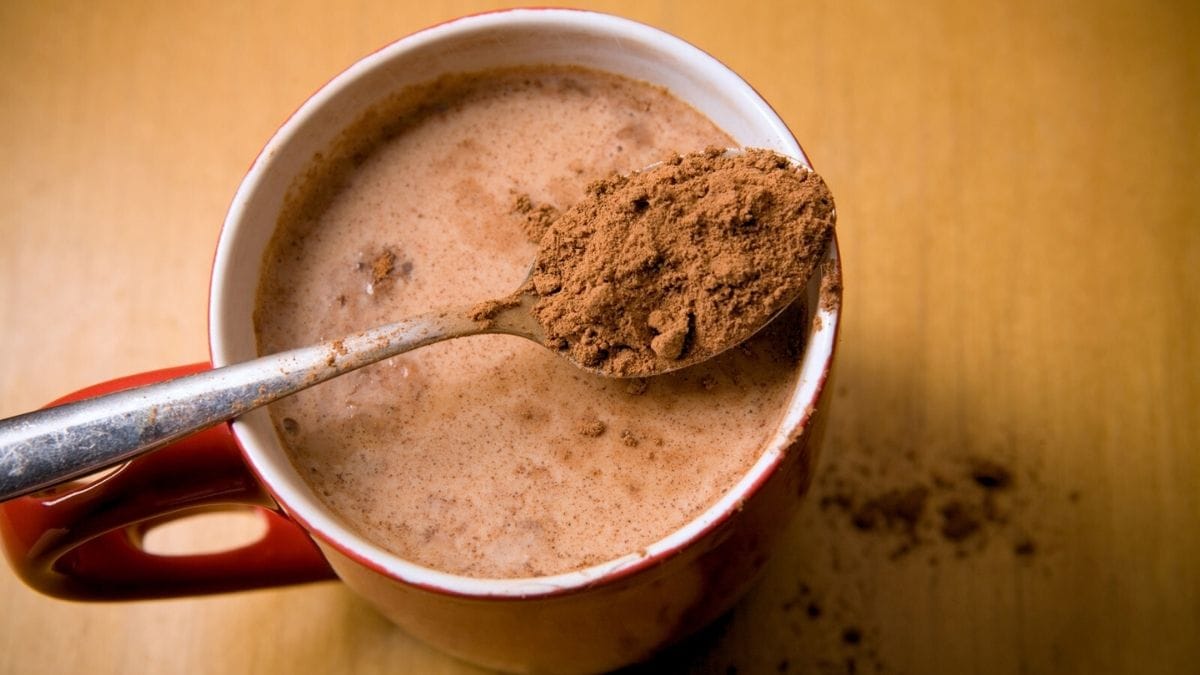
Try this: Add cinnamon instead of sugar. Or cocoa powder. A tiny splash of vanilla. These add flavor without the metabolic damage.
In my garden, I grow mint. Sometimes I bruise a leaf and drop it in my coffee. The freshness changes everything.
3. They Pair Coffee With Real Food
Centenarians rarely drink coffee with pastries. Instead, they eat:
- Fresh fruit
- Whole grain bread
- Oatmeal
- Nuts
- Yogurt
I learned this the hard way. Coffee plus a donut makes me crash by ten in the morning. Coffee plus oatmeal and berries keeps me steady until lunch.
Fiber slows caffeine absorption. It stabilizes blood sugar. It feeds gut bacteria. The combination creates smooth energy that lasts.
My morning: I eat a bowl of Greek yogurt with walnuts from my garden. Then I drink coffee. My energy stays level all morning.
Start tomorrow. Pair your coffee with something whole and fiber-rich. Notice how different you feel.
4. They Stop Drinking Coffee Early
Most centenarians finish their coffee by mid-morning. Some drink it only at breakfast. Almost none drink it after lunch.
Quality sleep predicts long life more than almost anything else. Poor sleep increases inflammation. It disrupts metabolism. It shortens lifespan.
Caffeine blocks adenosine, the chemical that makes you sleepy. Afternoon coffee pushes your sleep schedule back for hours.
I stop drinking coffee by eleven. On rare days, I’ll have one at noon. Never later.
The rule: No caffeine after two in the afternoon. Earlier is better.
Your sleep will improve. Your energy will regulate. You’ll feel the difference within days.
5. They Make Coffee a Moment, Not a Task
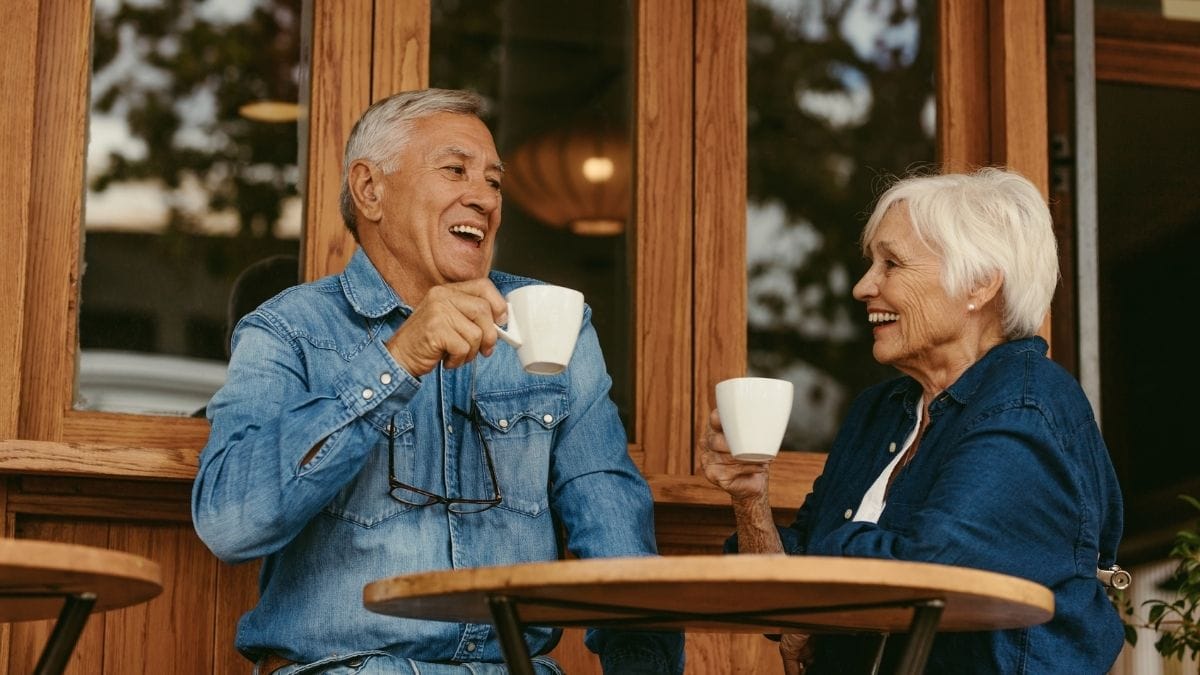
In Sardinia, people sip espresso slowly at small cafés. In Greece, coffee comes with conversation. In Costa Rica, afternoon coffee means time with neighbors.
Coffee isn’t rushed. It’s not gulped while running to the car. It’s a pause in the day.
This matters more than most people realize.
Strong social bonds predict longevity better than genetics. Low stress matters just as much. A mindful coffee ritual creates both.
I take five minutes every morning. I sit in my garden. I watch the light change. I breathe. No phone. No rushing.
This habit changed my life more than the coffee itself.
Start small: Take five minutes. Sit somewhere peaceful. Just sip and breathe.
You’ll carry that calm through your entire day.
6. They Choose Quality Beans
High-quality coffee contains antioxidants. These compounds reduce oxidative stress. They protect your brain. They decrease inflammation.
Fresh beans matter. Locally roasted beans maintain more antioxidants. Grinding just before brewing preserves nutritional value.
I don’t grow enough coffee to roast my own. But I buy from a local roaster. The beans come in small batches. I grind them each morning.
The difference in taste is obvious. The difference in how I feel is subtle but real.
Upgrade: Find a local coffee roaster. Buy whole beans. Grind them fresh. You’ll taste the difference immediately.
Organic is optional. But if you can afford it, it reduces pesticide exposure.
7. They Never Drink Coffee on an Empty Stomach
Many people in long-living regions eat something small before coffee. Even if it’s tiny.
Coffee on an empty stomach can spike cortisol. This affects metabolism and stress response. Food buffers the acidity. It helps your body process caffeine more smoothly.
Before I learned this, I drank coffee first thing. I felt jittery and anxious. Now I eat a handful of nuts first. Or a small piece of toast. Sometimes just a banana.
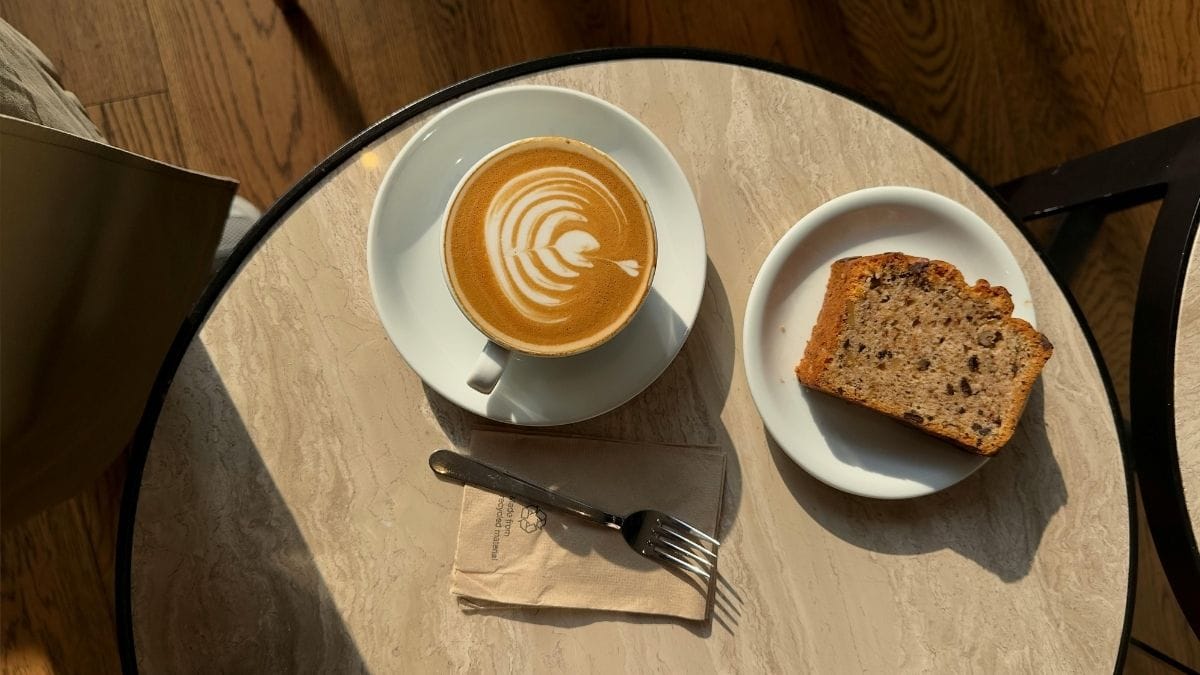
The difference is remarkable.
Easy fix: Eat something small before your first cup. A handful of nuts. A piece of fruit. A slice of whole grain bread.
Your body will thank you.
8. They Drink Water With Their Coffee
For every cup of coffee, drink a glass of water.
This simple habit appears in longevity cultures everywhere. It’s not a rule. It’s just what people do naturally.
Staying hydrated supports every cell in your body. It helps your kidneys. It improves digestion. It balances the effects of caffeine.
I keep a water bottle next to my coffee mug. When I finish my coffee, I drink water. It’s automatic now.
Make it easy: Put a glass of water next to your coffee maker. Drink it while you wait for your coffee to brew.
This one habit improves how you feel all day.
9. They Use Coffee as Connection Time
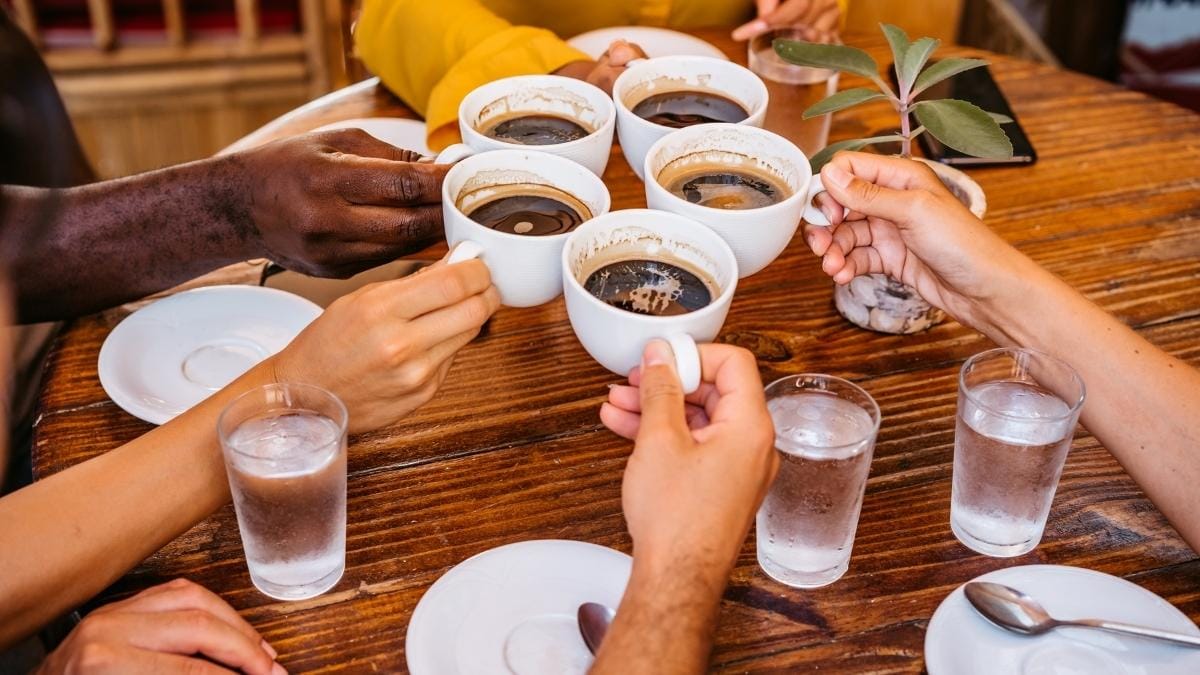
Coffee is deeply social in Blue Zones.
Italian espresso comes with conversation. Greek coffee shops buzz with community. Costa Rican cafés fill with neighbors every afternoon.
Social connection is the strongest predictor of living to 100. Stronger than diet. Stronger than exercise. Strong relationships reduce stress and boost immunity.
Coffee naturally brings people together.
Once a week, I invite my neighbor over for morning coffee. We sit in the garden. We talk about plants and weather and life. Those thirty minutes matter more than any supplement I could take.
This week: Share coffee with someone. A friend. A neighbor. A family member.
It’s not about the caffeine. It’s about the connection.
10. They Listen to Their Bodies
Some people thrive on three cups daily. Others need just one. The oldest people pay attention to what their bodies tell them.
Some metabolize caffeine slowly. Others quickly. Some feel great after morning coffee. Others sleep poorly even from early cups.
There’s no perfect amount for everyone.
I know someone who can’t drink coffee at all. It makes them anxious. I know another person who drinks four cups and sleeps like a baby.
The truth: Your ideal amount is the one that supports your sleep, energy, and health. Not what trends say. Not what studies recommend.
Listen to yourself.
Other Simple Tips Worth Knowing
Choose filtered coffee. Filtered coffee removes compounds that may raise cholesterol. Paper filters work best.
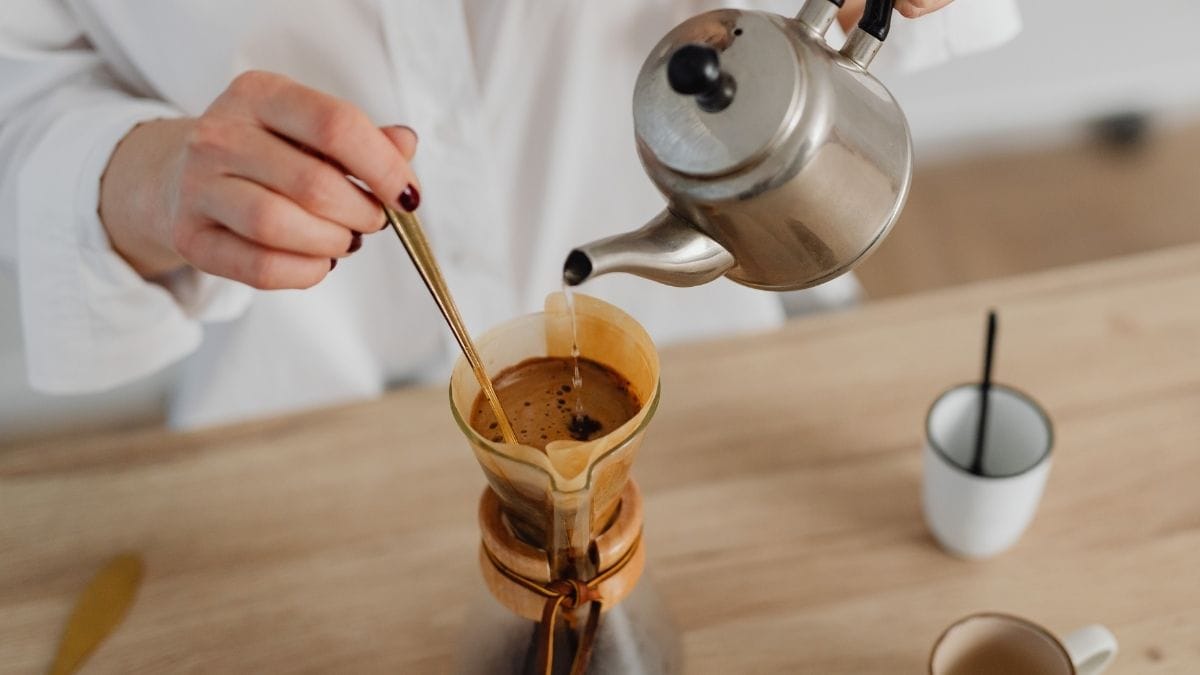
Try medium or dark roasts. These maintain more stable antioxidants than very light roasts.
Drink coffee before walks. A small cup before light activity improves focus and coordination. Many centenarians naturally drink coffee before morning walks.
Brew at home. Home brewing gives you control. You choose the ingredients. You control the sugar. You avoid processed additives.
Enjoy it, don’t need it. The healthiest people enjoy coffee but don’t depend on it. It’s a ritual, not a crutch.
What This Means for You
The world’s longest-living people don’t obsess over coffee. They don’t fear it either.
They drink it moderately. They pair it with healthy habits. They turn it into meaningful moments. They choose quality. They pay attention to timing. They listen to their bodies.
Coffee alone won’t make you live to 100. But combined with movement, real food, strong relationships, and purpose, it becomes a daily tool for wellbeing.
I still walk to my coffee plants every morning. I check their leaves. I smell the earth. I think about the people in Sardinia and Okinawa who lived long, full lives with coffee as their daily companion.
Then I go inside. I grind fresh beans. I eat something whole and nourishing. I sit in my garden with my cup.
I take five minutes. I breathe. I sip slowly.
This is how I drink coffee now.
Not because a study told me to. Not because it’s trendy. But because it makes me feel better. Calmer. More connected to my day and the people I love.
You can start tomorrow.
Choose one habit from this list. Just one. Try it for a week.
Maybe you’ll stop adding sugar. Maybe you’ll eat breakfast before coffee. Maybe you’ll share a cup with someone you care about.
Small changes create lasting results.
The centenarians prove it. The science supports it. And somewhere in your morning routine, there’s room for a better way to drink coffee.
Start simple. Start tomorrow. Your future self will thank you.